Vinyl Kettlebell Made in China: Factory Production
The Strategic Value of Vinyl Kettlebell Made in China for Global Importers
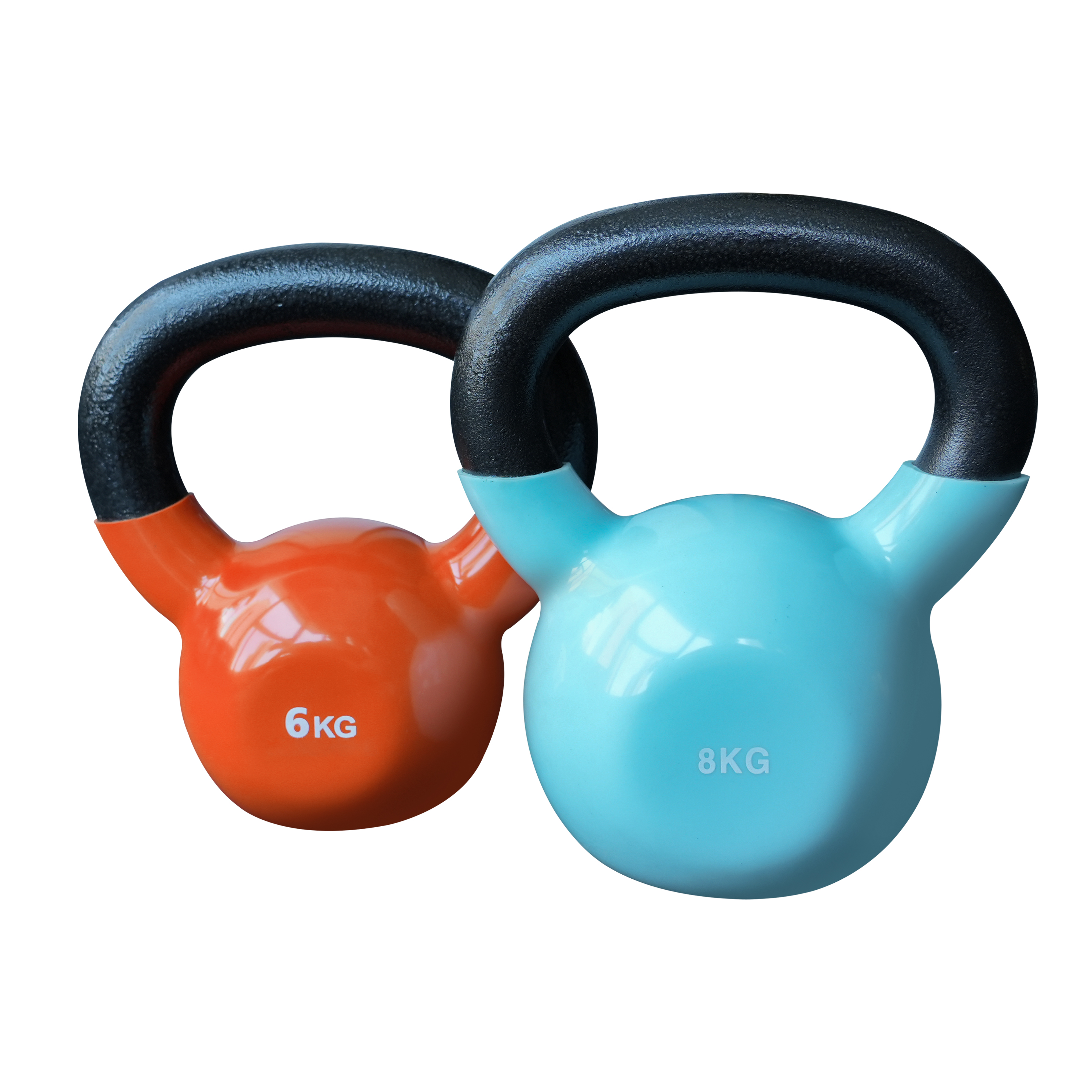
For boutique fitness studios and high-end hotel gym operators, maintaining premium floor surfaces is a critical operational concern. When sourcing equipment in bulk, procurement managers must balance aesthetic appeal with long-term facility protection. Utilizing a high-quality vinyl kettlebell made in China provides a specialized solution for these high-traffic gym environments. Unlike raw cast iron, the vinyl encapsulation offers a seamless, smooth exterior that minimizes impact damage and prevents scratches on expensive rubber flooring or hardwood surfaces.
From a sourcing perspective, professional distributors prioritize these units because they reduce the long-term maintenance load and replacement frequency. A reliable commercial vinyl kettlebell supplier ensures that the coating is applied with high adhesion to prevent peeling or cracking during heavy use. This durability is essential for maintaining a premium brand image in client-facing facilities where equipment appearance directly impacts perceived value.
When evaluating vinyl coated kettlebell wholesale options, importers should focus on the consistency of the outer layer. A professional China factory typically utilizes a dip-molding or specialized coating process to ensure the vinyl layer is uniform across the bell and the handle. This uniformity is a key indicator of manufacturing stability, ensuring that every unit in a large bulk order meets the same commercial-grade standards for grip and surface texture.
Coating Durability and Procurement Tiers
Understanding the technical distinction between various coating methods is essential when calculating the total cost of ownership (TCO) for a commercial gym supply order. For procurement leads, the primary risk is not just the initial purchase price, but the potential for coating failure—such as peeling or bubbling—which can compromise the equipment's utility and aesthetic. A professional commercial vinyl kettlebell supplier will provide clarity on how the coating is applied to ensure long-term surface durability under high-frequency use.
The following table compares common coating tiers encountered during the procurement process to help distributors select the appropriate specification for their target market segments.
| Material Tier | Coating Process | Key Component Focus | Commercial Duty | MOQ Impact | Factory QC Point |
|---|---|---|---|---|---|
| Standard Cast Iron | Basic Dip Coating | Handle-to-Body Junction | Budget/Home Gym | Low | Coating Adhesion |
| Premium Cast Iron | Multi-Layer Vinyl Dip | Uniformity of Grip | Boutique/Hotel Gym | Medium | Surface Smoothness |
| Professional Grade | High-Density Polyurethane | Base Flatness & Impact | Full-Scale Commercial | High | Weight Tolerance |
When negotiating a wholesale contract, we recommend requesting a sample to inspect the thickness and elasticity of the layer. High-quality vinyl coated kettlebell wholesale units should demonstrate excellent coating adhesion, particularly around the handle area, to prevent the material from separating from the iron core during intense training sessions. If you are planning a large-scale distribution, confirming these technical specifications during the sample approval stage is a vital step to ensure your landed cost remains optimized and your replacement rate stays low.
Pre-Shipment Inspection and Weight Calibration
A critical failure point in low-tier sourcing is the discrepancy between nominal weight and actual mass. For distributors, inconsistent weights lead to high return rates and damaged reputations. A professional China factory specializing in china fitness equipment manufacturing implements a rigorous weight calibration stage after the casting and coating processes. This ensures that the internal iron core meets the required weight tolerance before the final vinyl layer is applied, maintaining the precision required for professional training environments.
Beyond mass, the pre-shipment inspection must include a thorough check of the coating integrity and base flatness. Importers should verify that the vinyl layer is free from air bubbles or uneven thickness, especially at the handle-to-body junction. A reliable commercial vinyl kettlebell supplier will also inspect the base for any irregularities that could affect stability during floor contact. By prioritizing these QC steps during the sample approval and bulk production stages, procurement managers can secure a higher long-term ROI and ensure their vinyl kettlebell made in China meets the strict durability demands of global commercial fitness markets.
Common Procurement Pitfalls: Why Low-Quality Coatings Fail Commercial Standards
When managing large-scale commercial gym supply inventories, procurement professionals often overlook the long-term impact of surface integrity on the total cost of ownership. While a lower initial unit price from a China factory may seem attractive for bulk orders, selecting a substandard vinyl kettlebell made in China can lead to significant operational expenses. The primary issue lies in the adhesion between the inner core and the outer layer, which directly affects the lifespan of the equipment in high-traffic environments.
Low-grade manufacturing often results in thin or poorly bonded coatings that cannot withstand the friction and temperature fluctuations typical of a commercial facility. This leads to rapid peeling and cracking of the exterior, exposing the internal core to moisture and potential oxidation. For a supplier or distributor, these failures translate into high maintenance costs and an increased replacement frequency, ultimately eroding the profit margins of the wholesale order. Investing in a high-quality commercial vinyl kettlebell supplier ensures that the product maintains its aesthetic and structural integrity, protecting your long-term ROI.
Evaluating Coating Quality for Long-Term Durability
To mitigate procurement risk, buyers must distinguish between surface-level aesthetics and structural coating integrity. In many high-volume vinyl coated kettlebell wholesale transactions, the difference between a budget-tier product and a premium commercial-grade unit is defined by the chemical bonding process and the thickness of the outer layer. A failure in the coating adhesion process often leads to premature degradation, which increases the landed cost through frequent replacements and poor distributor reputation.
The following comparison illustrates the typical technical differences encountered when sourcing from a China factory for different market segments. Understanding these qualitative tiers helps in aligning your purchase with your specific target market requirements.
| Material Tier | Coating Process | Key Component Detail | Commercial Duty | Procurement Context |
|---|---|---|---|---|
| Budget Grade | Basic dip coating | Thin surface layer | Light use / Home gym | Low MOQ / High volume |
| Standard Commercial | Multi-layer application | Improved adhesion to core | Studio / Boutique gym | Standard wholesale |
| Premium Commercial | Advanced industrial coating | High-density, resilient shell | High-traffic training centers | OEM / Custom branding |
When evaluating your next batch, we recommend requesting a sample to inspect the base flatness and the thickness of the encapsulation layer. For distributors looking to build a long-term brand identity, selecting a vinyl kettlebell made in China with a reinforced coating profile will significantly reduce after-sales support and improve your overall market positioning.
To avoid the hidden costs of poor quality, professional buyers should prioritize a commercial vinyl kettlebell supplier that emphasizes a rigorous QC protocol. A reliable China fitness equipment manufacturing partner will not only provide high-grade materials but also implement a thorough pre-shipment inspection to verify coating adhesion and handle durability. Neglecting these technical checkpoints can result in a high landed cost when accounting for defective returns and damaged reputation. By focusing on factory-direct standards and verifying the production sequence, importers can secure a stable long-term ROI through consistent product performance and reduced replacement cycles.
Material and Manufacturing Specifications for Vinyl Coated Kettlebells
For distributors and gym procurement specialists, the structural integrity of the core determines the long-term replacement rate of the inventory. A high-quality vinyl kettlebell made in China typically utilizes a solid cast iron core to provide the necessary density and weight stability required for high-traffic environments. When sourcing in bulk, understanding the relationship between the inner material and the outer layer is critical for managing total cost of ownership and ensuring commercial gym durability.
The production sequence begins with sand casting the iron core, followed by precision machining to ensure weight calibration and handle concentricity. The most critical stage for the vinyl coated kettlebell wholesale market is the vinyl dip coating process. This involves immersing the prepared iron core into a heated polymer bath, ensuring a uniform encapsulation that protects the metal from oxidation and provides a non-slip grip. For an commercial vinyl kettlebell supplier, maintaining consistent coating adhesion at the handle-to-body junction is a primary quality control metric to prevent peeling during heavy use.
| Material Tier | Core Construction | Coating Type | Commercial Durability | Sourcing Profile |
|---|---|---|---|---|
| Standard Commercial | Cast Iron | Vinyl Dip Coating | High (Floor Protection) | High Volume / Wholesale |
| Premium Studio | Solid Steel | Polyurethane (PU) | Very High (Texture/Grip) | Low MOQ / Boutique |
| Budget/Entry | Cement Filled | Plastic Shell | Moderate (Light Use) | Mass Market / Retail |
When evaluating China fitness equipment manufacturing capabilities, buyers should request technical data regarding the coating thickness and the adhesion strength of the vinyl layer. A reliable factory will demonstrate a consistent production flow from casting to the final pre-shipment inspection to ensure that every unit meets the expected weight tolerance and surface finish standards before export.
Technical Inspection Points for Bulk Procurement
For professional importers, the risk of high return rates often stems from overlooked manufacturing inconsistencies in the secondary coating layer. A common failure mode in lower-tier production is uneven coating thickness, which can lead to weight imbalances or premature peeling at the handle-to-body junction. When managing a large-scale vinyl kettlebell made in China order, it is essential to define specific inspection criteria for the dip-molding process to ensure the product meets the durability expectations of a high-traffic commercial facility.
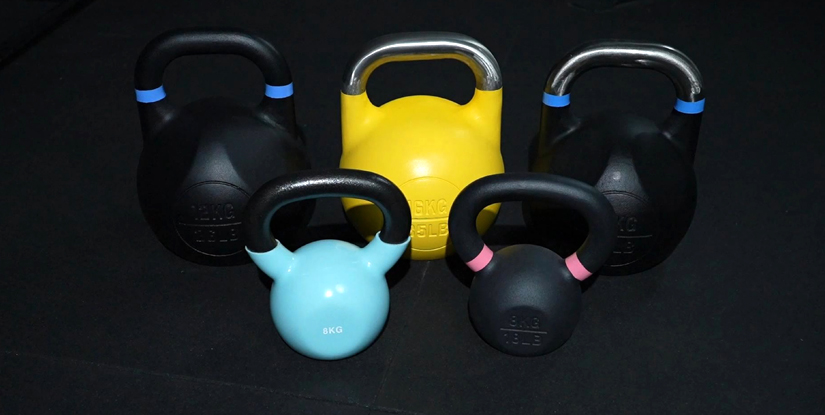
During a standard factory audit or pre-shipment inspection, procurement leads should focus on three specific technical areas: coating adhesion, weight calibration, and base flatness. A professional commercial vinyl kettlebell supplier will typically subject their units to a visual and tactile check to ensure there are no air bubbles or thin spots in the vinyl layer. Furthermore, ensuring the cast iron core has undergone proper machining before the dipping stage is vital for maintaining the concentricity of the handle, which directly impacts the user experience and the product's commercial lifespan.
To minimize the landed cost of defects, we recommend requesting a sample evaluation that specifically tests the grip texture and the resilience of the polymer shell under standard temperature fluctuations. For those looking at vinyl coated kettlebell wholesale opportunities, verifying the manufacturer's ability to maintain weight tolerance through consistent casting and calibration is a key step in securing long-term distributor margins and protecting your brand reputation in the global market.
Critical QC Checkpoints for China Factory Export Production
Maintaining strict quality oversight is essential when sourcing a vinyl kettlebell made in China for international distribution. For importers and gym equipment distributors, the primary risk involves structural failure or surface degradation that increases long-term maintenance costs. A professional China factory must implement a multi-stage inspection process that moves beyond basic visual checks to verify the internal and external integrity of each unit before it reaches a container.
Core Integrity and Weight Calibration
The foundation of any high-quality piece is the cast iron core. During the production cycle, the factory must ensure that the sand casting process produces a consistent, dense center without air pockets or structural weaknesses. A hollow or poorly cast center can lead to uneven weight distribution, which is a common failure mode in low-tier production. A reliable supplier will perform regular weight tolerance spot-checks to ensure that the actual mass aligns with the labeled weight, preventing discrepancies that can lead to distributor disputes or client dissatisfaction.
Beyond the core, the transition point where the vinyl coating adhesion occurs is a critical checkpoint. In many commercial settings, if the vinyl layer is not properly bonded to the iron base, it can peel or crack during high-frequency use. This failure often stems from insufficient surface preparation of the cast iron before the dip-coating process. To ensure commercial gym durability, the China factory should verify that the coating layer is uniform and that the bond remains stable across the handle and the body of the bell.
Pre-Shipment Inspection and Export Standards
Before any wholesale order is cleared for shipping, a rigorous pre-shipment inspection must be conducted. This stage is vital for sourcing agents to mitigate the risk of receiving damaged or substandard goods. The inspection protocol typically includes checking the base flatness to ensure stability, verifying the handle texture for grip consistency, and inspecting the overall surface finish for any bubbles or unevenness in the vinyl layer. For those managing large-scale vinyl coated kettlebell wholesale orders, requesting a detailed inspection report or a sample approval from the factory is a standard requirement to protect profit margins and ensure the landed cost reflects a high-quality, retail-ready product.
Technical Tier Comparison for Procurement Decision-Making
When evaluating a commercial vinyl kettlebell supplier, buyers must distinguish between production tiers to align product quality with their specific market positioning. A mismatch between the intended use and the manufacturing standard can lead to high replacement rates and damaged brand reputation. The following table provides a qualitative comparison of the technical standards typically found in different manufacturing tiers to assist in your sourcing strategy.
| Manufacturing Tier | Core Construction | Coating Quality | Handle Texture & Grip | Base Flatness | Typical Sourcing Use Case |
|---|---|---|---|---|---|
| Budget | Standard Sand Casting | Thin, inconsistent dip coating | Basic smooth or low-depth texture | Variable; potential for wobbling | Entry-level home gym or low-traffic studios |
| Commercial | Consistent Cast Iron Core | Uniform coating thickness | Standardized, repeatable texture | Stable; optimized for flat surfaces | Commercial fitness centers and distributors |
| Premium | High-Density Precision Casting | High-adhesion, multi-layer finish | Precision-engineered ergonomic grip | Superior; high concentricity standards | High-end fitness clubs and professional training facilities |
For professional buyers, selecting the correct tier is not just about the initial price, but about the total cost of ownership. A vinyl coated kettlebell wholesale order from a high-tier factory ensures that the coating thickness and handle texture remain intact under heavy use. We recommend that distributors request specific technical details regarding the base flatness and weight calibration protocols to ensure every unit meets the required commercial grade specifications before finalizing a bulk wholesale agreement.
Optimizing Your Supply Chain: MOQ and OEM Customization Capabilities
Managing inventory levels and capital expenditure requires a clear understanding of how production scale influences your landed cost. When sourcing vinyl kettlebell made in China, the relationship between order volume and customization is a critical factor for distributors. A higher MOQ typically allows for more complex OEM requests, such as specialized colorways or unique handle textures, while simultaneously reducing the unit price through economies of scale.

For professional importers, the ability to implement branding strategies—such as embossed logos or custom color-coded weight increments—is essential for building a unique market identity. A commercial vinyl kettlebell supplier can offer varying levels of customization depending on your production scale. While smaller batches might rely on existing molds to ensure a shorter lead time, larger wholesale orders provide the leverage needed for full ODM services, including proprietary vinyl thickness and custom grip textures.
| Order Type | Customization Depth | Typical Lead Time | Best For |
|---|---|---|---|
| Standard Stock | Limited to existing colors | Short (2-3 weeks) | Small studios or rapid restocking |
| Wholesale Bulk | Standard logo and color options | Medium (4-6 weeks) | Regional distributors and gym chains |
| Full OEM | Custom molds and unique specs | Long (8-12 weeks) | Global fitness brands and large-scale importers |
Effective sourcing involves balancing these variables to optimize your distributor margins. When negotiating with a China factory, always clarify how customization requirements will impact the final lead time and shipping schedules to ensure your supply chain remains predictable.
Deciding between standardized inventory and full-scale manufacturing services depends heavily on your target market segment. For distributors focusing on high-turnover retail or boutique studio supplies, utilizing a vinyl coated kettlebell wholesale model with standard colors and existing molds is often the most cost-effective way to maintain a lean inventory. This approach minimizes the risk of dead stock while benefiting from the established efficiency of a high-volume China factory.
Conversely, if your objective is to establish a premium, differentiated product line, engaging in deep OEM services allows for complete control over the product's visual and tactile identity. This level of customization extends beyond simple logo application; it involves selecting specific vinyl densities, custom handle textures, and proprietary packaging designs that align with a high-end brand image. While these advanced customization options require a higher MOQ and a longer production window, they provide the necessary differentiation to justify premium pricing in competitive commercial markets.
To ensure your procurement strategy remains efficient, we recommend requesting a detailed specification sheet for both stock and custom tiers. Before finalizing any large-scale wholesale agreement, confirm the specific protocols for sample approval and how custom branding affects the final landed cost and delivery schedule.
Deciding between standardized inventory and full-scale manufacturing services depends heavily on your target market segment. For distributors focusing on high-turnover retail or boutique studio supplies, utilizing a vinyl coated kettlebell wholesale model with standard colors and existing molds is often the most cost-effective way to maintain a lean inventory. This approach minimizes the risk of dead stock while benefiting from the established efficiency of a high-volume China factory.
Conversely, if your objective is to establish a premium, differentiated product line, engaging in deep OEM services allows for complete control over the product's visual and tactile identity. This level of customization extends beyond simple logo application; it involves selecting specific vinyl densities, custom handle textures, and proprietary packaging designs that align with a high-end brand image. While these advanced customization options require a higher MOQ and a longer production window, they provide the necessary differentiation to justify premium pricing in competitive commercial markets.
To ensure your procurement strategy remains efficient, we recommend requesting a detailed specification sheet for both stock and custom tiers. Before finalizing any large-scale wholesale agreement, confirm the specific protocols for sample approval and how custom branding affects the final landed cost and delivery schedule. For complex China fitness equipment manufacturing projects, we suggest booking a factory audit or a pre-shipment inspection to verify that the final vinyl kettlebell made in China meets your exact brand standards.
Logistics and Export Packaging Standards for Bulk Orders
Optimizing the landed cost of a vinyl kettlebell made in China requires more than just negotiating a low unit price; it requires a strategic focus on export packaging efficiency. For distributors and large-scale gym operators, the true cost of bulk orders is often dictated by how effectively the shipping volume is managed and how well the goods are protected during sea freight. Without standardized industrial packaging, the risk of surface scuffs or structural deformation during long-distance transit can significantly erode your profit margins.
When sourcing from a professional commercial vinyl kettlebell supplier, the factory must implement rigorous protection protocols. This typically includes heavy-duty corrugated cartons and reinforced palletization to ensure damage prevention. High-quality China fitness equipment manufacturing standards dictate that weight distribution within a container must be precisely calculated to prevent crushing. By optimizing the pallet dimensions and utilizing space-efficient stacking, an experienced supplier can reduce the total number of containers required, effectively lowering the landed cost per unit for the importer.
Packaging Tier Comparison for Global Distribution
Procurement managers must evaluate the trade-off between immediate savings and long-term product integrity. Selecting the correct method for vinyl coated kettlebell wholesale shipments depends on your specific logistics network and the sensitivity of your local warehouse handling. A commercial vinyl kettlebell supplier typically offers tiered solutions to accommodate different budget profiles and transit durations.
| Packaging Tier | Standard Export Method | Premium Protection Method | Commercial Duty Level | Logistics Impact |
|---|---|---|---|---|
| Standard Bulk | Single-wall corrugated boxes and basic shrink wrap | High-density commercial gym use | Higher risk of box compression in sea freight | |
| Reinforced Export | Double-wall heavy-duty cartons and standard palletization | Professional studio and distributor supply | Optimized for standard container loading | |
| Premium Protection | Reinforced corner protectors, multi-layer film, and heat-treated pallets | Tier-one international retail/gym distribution | Maximum protection for long-distance ocean transit |
For high-volume vinyl coated kettlebell wholesale, we recommend the reinforced or premium tiers to ensure the vinyl coating remains pristine upon arrival. When managing china fitness equipment manufacturing logistics, failure to use proper corner reinforcement can lead to dented boxes and compromised branding. We advise all importers to confirm the specific palletization and stacking height limits during the sourcing phase to ensure compatibility with your local receiving equipment and to accurately calculate your final landed cost.
Please contact our team to request a detailed packaging specification sheet or to discuss custom OEM boxing requirements for your next shipment.
Container Loading and Pre-Shipment Inspection Protocols
To ensure a predictable landed cost, professional importers must verify that the factory adheres to strict container loading optimization. For a vinyl kettlebell made in China, the weight-to-volume ratio is critical; improper stacking can lead to the bottom layers of the shipment being crushed under the density of the kettlebells. We recommend utilizing heavy-duty palletized shipping to maintain stability and prevent shifting during sea transit. A high-tier commercial vinyl kettlebell supplier will provide a detailed loading plan that balances weight distribution across the container floor to prevent structural stress during long-distance ocean freight.
Beyond physical packing, a robust QC inspection is the final line of defense for your bulk orders. Before the container is sealed, a thorough pre-shipment inspection should focus on the integrity of the vinyl coating and the stability of the palletized units. This process typically includes a random sampling to check for coating adhesion, handle ergonomics, and weight accuracy. For distributors managing high-volume vinyl coated kettlebell wholesale, scheduling a third-party or factory-led inspection is an essential step to mitigate the risk of receiving damaged or off-spec inventory, which can drastically increase your return rates and logistics overhead.
If you are planning a large-scale procurement, please reach out to our supplier team to confirm your specific MOQ, review our current lead time for production, or request a formal quote for your customized OEM branding requirements.