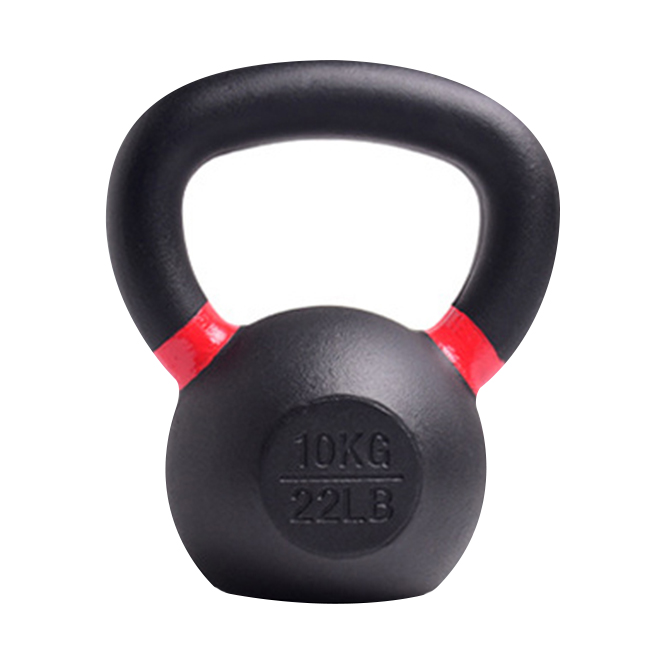
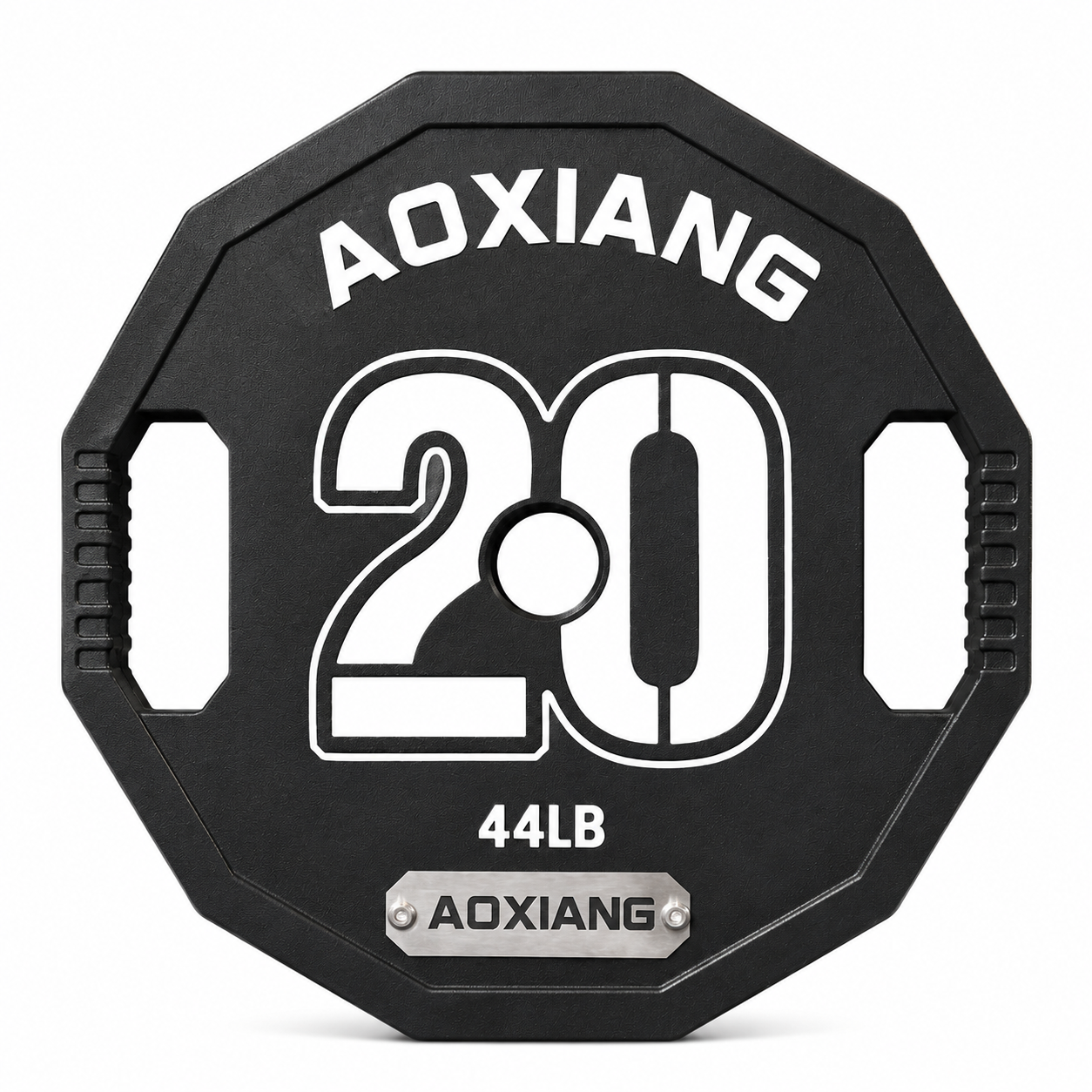
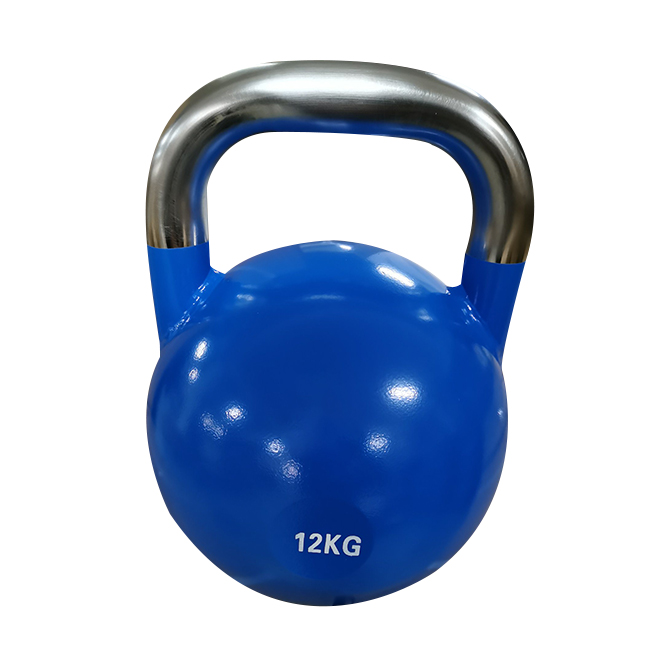
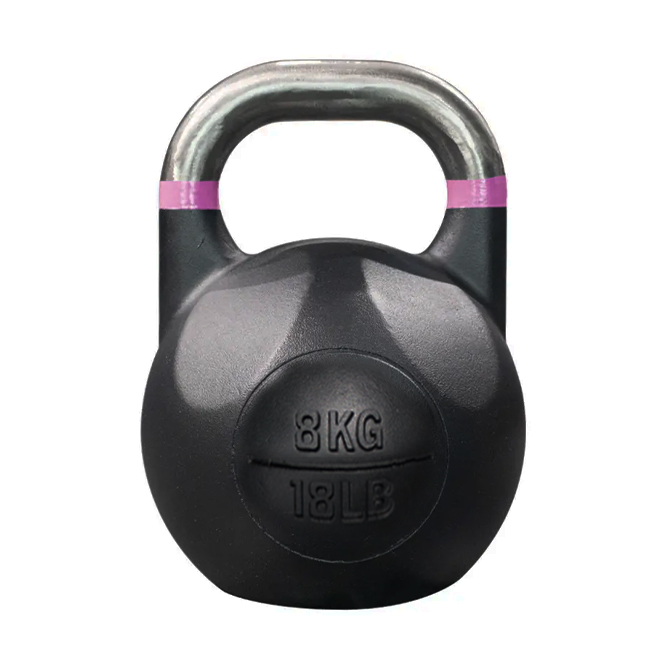
Wholesale 20 Lb Kettlebell: China Factory MOQ and Supply
The Strategic Value of 20 Lb Kettlebell Wholesale Sourcing
Procurement teams often face a dilemma: choosing between low-cost, low-quality units that require frequent replacement or high-priced local stock that erodes profit margins. A superior strategy involves direct 20 lb kettlebell sourcing from a China factory to balance initial landed cost with long-term durability. By focusing on high-grade cast iron and precision manufacturing, distributors can secure wholesale gym equipment that withstands heavy commercial usage while maintaining a stable long-term investment profile.
Investing in a high-quality commercial 20 lb kettlebell reduces the frequency of replacement cycles and lowers the total cost of ownership. When sourcing through a professional kettlebell manufacturer, buyers can implement strict QC standards to ensure every unit meets international weight tolerances and coating specifications. This proactive approach to sourcing minimizes the operational expenses associated with equipment failure and constant maintenance in high-traffic training environments.
| Sourcing Dimension | Direct Factory-Direct Model | Traditional Local Wholesaler |
|---|---|---|
| Unit Durability | High (Customized commercial specs) | Variable (Standard retail grade) |
| Landed Cost | Optimized via direct bulk shipping | Higher due to multiple markups |
| Customization | Full OEM and ODM capabilities | Limited to existing stock only |
| Inventory Control | Direct oversight of production runs | Dependent on trader availability |
Optimizing Procurement Efficiency and ROI
Understanding the economic shift between different supply chains is vital for maximizing distributor margins. When a buyer moves from local purchasing to a direct wholesale model, the primary advantage is the elimination of middleman markups that inflate the final landed cost. For high-volume importers, the ability to negotiate directly with a kettlebell manufacturer allows for more predictable budgeting and a significantly higher return on investment through scale.
The following comparison highlights why professional procurement officers prioritize direct-to-factory relationships to secure a competitive edge in the fitness equipment market.
| Sourcing Dimension | Direct Factory-Direct Model | Traditional Local Wholesaler |
|---|---|---|
| Unit Durability | High (Customized commercial specs) | Variable (Standard retail grade) |
| Landed Cost | Optimized via direct bulk shipping | Higher due to multiple markups |
| Customization | Full OEM and ODM capabilities | Limited to existing stock only |
| Inventory Control | Direct oversight of production runs | Dependent on trader availability |
| Lead Time Management | Controlled via direct production scheduling | Uncertain due to secondary supply chains |
To ensure the highest level of efficiency, we recommend that buyers confirm the specific MOQ for their desired volume and request a detailed technical spec sheet. Whether you require custom branding or standard commercial-grade units, initiating a sample evaluation or a factory audit is the most effective way to validate quality before committing to a large-scale 20 lb kettlebell order.
To ensure the highest level of efficiency, we recommend that buyers confirm the specific MOQ for their desired volume and request a detailed technical spec sheet. Whether you require custom branding or standard commercial-grade units, initiating a sample evaluation or a factory audit is the most effective way to validate quality before committing to a large-scale 20 lb kettlebell order.
Avoiding Procurement Pitfalls in Commercial 20 Lb Kettlebell Selection
Selecting a reliable 20 lb kettlebell for high-traffic facilities requires a deep understanding of material longevity. For importers and distributors, the primary risk is not just the initial purchase price, but the escalating replacement costs caused by inferior commercial 20 lb kettlebell builds. Low-quality batches often suffer from rapid coating degradation, leading to rust and surface chipping that compromises both aesthetics and safety in professional settings.
When sourcing wholesale gym equipment, professional buyers must evaluate the thickness of the powder coating and the density of the iron core. In high-intensity training environments, even minor structural or surface flaws can lead to premature wear, forcing distributors to manage frequent returns or inventory replenishments. Investing in a reputable kettlebell manufacturer ensures that each unit meets rigorous durability standards, protecting your long-term margins.
TCO Analysis: Premium vs. Low-Grade Wholesale Options
| Procurement Factor | Standard Factory-Direct Option | Low-Cost Unverified Batch |
|---|---|---|
| Coating Durability | High-density powder coating | Thin liquid spray |
| Surface Integrity | Resistant to chipping/rust | Prone to rapid oxidation |
| Maintenance Load | Minimal oversight required | Frequent cleaning/replacement |
| Long-term ROI | Optimized for high-traffic | High replacement frequency |
| Ideal Sourcing | China factory direct | Unverified third-party trader |
A strategic sourcing approach focuses on the total cost of ownership rather than the lowest upfront quote. By prioritizing a factory that maintains strict quality control over coating adhesion and weight tolerances, buyers can minimize the operational friction associated with equipment failure. This level of scrutiny is essential when managing large-scale distribution or large-scale gym fit-outs where equipment uptime is critical.
Evaluating the technical specifications of a 20 lb kettlebell through a professional lens allows procurement officers to mitigate the hidden costs of equipment failure. A kettlebell manufacturer with established export experience will typically provide standardized material data sheets to ensure consistency across bulk shipments. When you focus on high-density coatings and structural integrity, you are essentially protecting your distributor margins against the high frequency of returns often seen with substandard products.
To ensure your inventory meets the rigorous demands of global fitness markets, we recommend requesting specific technical documentation during the initial inquiry. Before finalizing a bulk order, you should confirm the factory's ability to provide sample approval and pre-shipment inspection reports. Whether you are looking for standard stock or a customized OEM solution, verifying the weight tolerance and coating adhesion through a formal factory audit is the most effective way to guarantee long-term product reliability and optimized landed costs.
To ensure your inventory meets the rigorous demands of global fitness markets, we recommend requesting specific technical documentation during the initial inquiry. Before finalizing a bulk order, you should confirm the ability to provide sample approval and pre-shipment inspection reports. Whether you are looking for standard stock or a customized OEM solution, verifying the weight tolerance and coating adhesion through a formal factory audit is the most effective way to guarantee long-term product reliability and optimized landed costs.
Optimizing Inventory with a Reliable Kettlebell Manufacturer
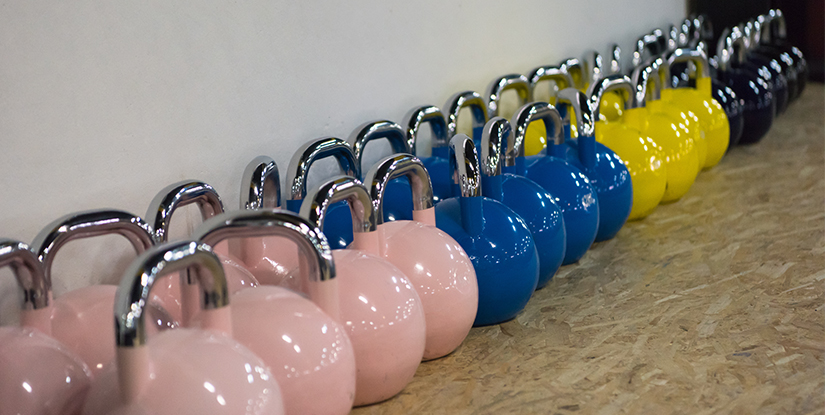
Sourcing a consistent 20 lb kettlebell supply requires more than just finding a low price; it requires a partner capable of maintaining strict weight tolerances and surface durability across large production runs. For distributors and gym equipment importers, the goal is to minimize the landed cost while maximizing the retail value of each unit. Partnering directly with a professional kettlebell manufacturer ensures that your inventory meets the rigorous demands of high-traffic commercial environments without the markup of middle-tier trading companies.
When scaling your catalog, the difference between a high-margin product and a liability lies in the manufacturing standards. A reliable China factory provides the technical infrastructure necessary for high-volume production, offering the stability needed to maintain consistent stock levels. By bypassing traditional distributors and moving toward factory-direct wholesale gym equipment procurement, buyers can significantly improve their distributor margin. This direct relationship allows for better control over the entire supply chain, from raw material selection to the final export packaging of every commercial 20 lb kettlebell batch.
Evaluating Sourcing Models: Factory-Direct vs. Trading Companies
Selecting the optimal procurement path is a critical decision for any professional buyer. Choosing between a direct factory or a trading company impacts your ability to manage product differentiation and long-term profitability. While trading companies may offer broader product variety, they often introduce additional layers of cost and communication friction that can complicate large-scale imports.
To maximize your ROI, it is essential to understand how different sourcing structures impact your ability to scale. A direct partnership allows for more aggressive customization and tighter control over production schedules, which is vital when managing seasonal demand or large contract fulfillment.
| Feature | Direct Factory Sourcing | Trading Company Model |
|---|---|---|
| Primary Benefit | Optimized Landed Cost | Broad Product Catalog |
| Customization Capability | High (Full OEM/ODM Support) | Limited to Existing Stock |
| Quality Control | Direct Oversight & Inspection | Third-Party Verification |
| Typical MOQ | Higher (Production-Based) | Lower (Stock-Based) |
| Lead Time | Stable for Large Volumes | Variable Based on Stock |
| Price Structure | Wholesale / Manufacturer Rates | Retailer / Distributor Markup |
For distributors aiming to build a proprietary brand identity, working with a supplier that offers robust OEM and ODM capabilities is non-negotiable. This ensures that your specific branding requirements and technical specifications are integrated directly into the manufacturing process, rather than being applied as an afterthought. We recommend requesting a detailed spec sheet and confirming the MOQ for custom-branded batches during your initial inquiry to ensure alignment with your warehouse and inventory strategies.
Building a recognizable brand identity requires a partner that treats your specifications as a standard, not an exception. When you choose to implement a private label strategy, you are investing in your company's long-term equity. A professional 20 lb kettlebell produced through a dedicated production line allows for precise control over weight accuracy, handle texture, and color consistency. This level of precision is what separates a premium commercial-grade unit from a generic commodity, directly influencing your reputation among high-end studio operators and professional gym owners.
Furthermore, maintaining a competitive edge depends on rigorous quality control and adherence to international export standards. For bulk importers, the risk of receiving a shipment with inconsistent weight tolerances or surface defects can lead to costly returns and damaged client relationships. By coordinating directly with the manufacturer, you can establish pre-shipment inspection protocols and verify that the shipping efficiency and container loading plans are optimized to reduce the landed cost per unit. This proactive approach to sourcing ensures that every bulk order arrives ready for immediate distribution, protecting your margins and your brand's reliability in the global market.
Customization and Branding via OEM/ODM Capabilities
Standardized inventory often limits the ability of distributors to capture premium market segments. By leveraging OEM and ODM services from a specialized China factory, importers can move beyond generic offerings to establish a distinct market presence. This strategic approach allows for the development of a proprietary product line that aligns with specific brand identities and high-end retail requirements.
The ability to implement custom branding is essential for long-term brand equity. Whether you require laser-etched logos on the iron body or high-visibility silk-screen printing on the weight markings, a professional kettlebell manufacturer can execute these details to ensure your private label products stand out in a crowded marketplace. This level of differentiation is often the deciding factor for high-end studio owners and boutique fitness distributors looking for exclusive hardware.
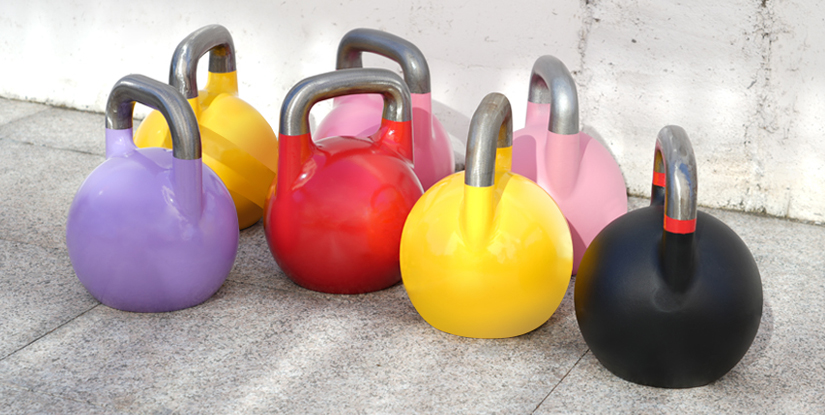
Beyond logos, deep customization extends to the physical aesthetics and tactile experience of the 20 lb kettlebell. Procurement leads can specify unique color/texture customization, such as matte powder coatings or specialized grip textures, to meet the aesthetic standards of premium fitness environments. Offering a commercial 20 lb kettlebell with a unique color palette or a specific textured finish allows you to command higher margins and satisfy the niche demands of high-end gym chains.
For large-scale wholesale gym equipment distributors, these customization options are not merely aesthetic choices but tools for inventory optimization. By controlling the design through ODM processes, you can ensure that the weight distribution, handle diameter, and coating durability meet the exact specifications of your target commercial market, reducing the long-term risk of product returns and increasing the total value of your sourcing strategy.
Technical Comparison of OEM vs. ODM Services
Selecting the appropriate manufacturing model is critical for managing your landed cost and long-term inventory strategy. When sourcing a 20 lb kettlebell, buyers must decide between utilizing existing factory molds or investing in proprietary designs to secure a competitive edge in their local market.
| Feature | OEM (Original Equipment Manufacturer) | ODM (Original Design Manufacturer) |
|---|---|---|
| Manufacturing Focus | Producing your specific design or logo on existing factory molds | Developing new product designs or specialized features from scratch |
| Customization Depth | Surface branding, color, and basic material specifications | Full structural design, handle geometry, and weight distribution |
| Design Ownership | The factory retains the intellectual property of the mold | The buyer may negotiate ownership of new proprietary designs |
| Development Speed | Rapid deployment with lower initial setup costs | Extended lead time due to engineering and prototyping |
| Typical MOQ | Lower MOQ requirements for branded stock items | Higher MOQ required to justify new tooling and mold creation |
Understanding these distinctions helps procurement professionals balance the need for speed against the desire for market exclusivity. While OEM is ideal for quick replenishment of branded inventory, ODM provides the technical freedom to create a specialized 20 lb kettlebell that fills a specific gap in your current product catalog.
Technical Execution and Quality Control Standards
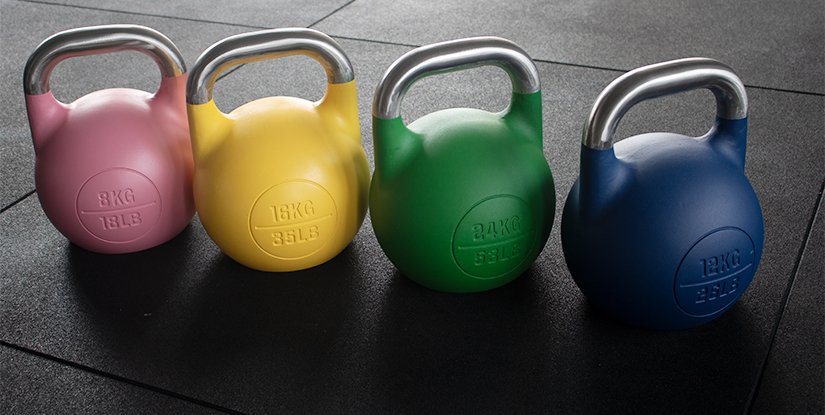
Achieving professional-grade results requires more than just a logo; it requires rigorous technical oversight during the manufacturing process. A reliable kettlebell manufacturer must ensure that customization does not compromise the structural integrity of the unit. For example, when applying a logo via laser etching or embossing, the process must be executed without creating micro-fissures in the cast iron. Similarly, applying a high-durability powder coat or specialized silicone finish requires precise temperature control to prevent peeling or bubbling, ensuring the product maintains its premium appearance throughout its commercial lifecycle.
To mitigate the risk of receiving sub-standard shipments, professional buyers should prioritize partners who implement a multi-stage QC protocol. This begins with sample approval, where the buyer verifies the exact weight tolerance, handle diameter, and finish quality against the agreed specification sheet. Once the prototype is vetted, the factory must maintain strict oversight during mass production. High-tier manufacturers typically conduct weight-verification tests on a percentage of every batch to ensure every 20 lb kettlebell meets the precise standard required for commercial distribution, thereby protecting your brand reputation and reducing the frequency of replacement claims.
For distributors managing high-volume wholesale gym equipment orders, transparency in the production cycle is vital for accurate inventory planning. We recommend requesting a detailed production timeline that accounts for both the customization phase and the final inspection window. By coordinating closely with your supplier regarding pre-shipment inspections and sample verification, you can ensure that your landed cost remains predictable and that the final product arrives ready for immediate deployment in high-traffic commercial environments.
China Factory Quality Control and Export Standards
Maintaining rigorous manufacturing standards is essential for distributors managing high-volume inventory. When sourcing a 20 lb kettlebell, procurement professionals must account for the long-term total cost of ownership. Substandard units lead to high replacement costs, increased maintenance frequency, and potential liability issues in commercial environments. A professional kettlebell manufacturer mitigates these risks by implementing strict inspection protocols during every stage of production.
Reliable quality control protocols ensure that every commercial 20 lb kettlebell meets strict weight consistency requirements. Discrepancies in mass can disrupt professional training programs and damage a gym's reputation for quality. Our factory focuses on precision casting and finishing to ensure that the surface finish remains smooth and the structural durability meets the demands of high-traffic fitness facilities. By prioritizing these technical specifications, we help wholesale buyers reduce returns and ensure consistent product performance across all shipments.
Technical Inspection and Compliance Protocols
To maintain high standards for wholesale gym equipment, every production batch undergoes a rigorous multi-stage validation process. This begins with raw material testing to ensure the iron or steel composition meets international safety specifications. We conduct strict weight tolerance checks to guarantee that each unit remains within a negligible margin of error, preventing the inconsistencies that often plague lower-tier production lines. This precision is vital for distributors who require uniform inventory for professional clients.
Beyond mass consistency, our China factory implements specialized testing for surface integrity and coating adhesion. This prevents chipping or peeling during heavy use, which is a common failure point in commercial settings. Each 20 lb kettlebell is subject to a pre-shipment inspection that includes physical stress tests and a final visual audit of the handle ergonomics. By adhering to these global export standards, we ensure that your factory-direct order arrives ready for immediate deployment in any high-end fitness facility or retail environment, minimizing the risk of damaged goods or customer returns.
Production Grade Comparison for Professional Procurement
Understanding the distinction between production tiers is critical for calculating the true landed cost and long-term durability of your inventory. Most procurement errors occur when buyers assume all mass-produced units share the same specifications. A professional kettlebell manufacturer must provide clear differentiation between standard retail-grade products and high-performance commercial units to ensure your clients receive equipment capable of enduring high-frequency use.
| Feature Specification | Standard Production Tier | Commercial-Grade Tier |
|---|---|---|
| Weight Accuracy | +/- 5% Tolerance | +/- 1% Precision Tolerance |
| Handle Ergonomics | Basic Smoothness | Premium Smoothness for Grip Stability |
| Coating Durability | Basic Paint/Powder Coat | High-Impact Resistant Protective Coating |
| Primary Use Case | Light Home/Studio Use | High-Traffic Professional Gyms |
| Procurement Focus | Low Initial Unit Cost | Long-term Durability and Low Maintenance |
When evaluating a 20 lb kettlebell for large-scale distribution, the superior weight accuracy and coating resilience of the commercial tier justify the initial investment. While standard units may offer lower upfront costs, the higher maintenance load and replacement frequency of lower-grade items can erode your distributor margins over time. We recommend reviewing these technical benchmarks during your initial sourcing phase to ensure your product lineup aligns with the expectations of professional facility operators.
Managing MOQ and Logistics for Global Distribution
Optimizing your procurement strategy requires a clear understanding of how order volume influences both production cycles and the final 20 lb kettlebell landed cost. For professional distributors, navigating the MOQ is the primary lever for balancing inventory carrying costs against manufacturing efficiency.
When sourcing wholesale gym equipment directly from a China factory, the scale of your order dictates the level of customization available and the speed of the lead time. High-volume orders allow the factory to optimize production cycles, reducing the per-unit cost through economies of scale in raw material procurement and automated assembly.
| Procurement Model | Typical MOQ | Lead Time Impact | Landed Cost Efficiency |
|---|---|---|---|
| Standard Stock Order | Low | Shortest | Moderate |
| Custom OEM Production | High | Longer | Highest |
| Mixed Container Sourcing | Medium | Standard | Optimized |
Choosing a professional kettlebell manufacturer ensures that your 20 lb kettlebell shipments are handled with standardized export packaging to prevent transit damage. To secure the most competitive rates for your next shipment, we recommend contacting our team to confirm current MOQ levels, request a detailed spec sheet, or arrange a sample evaluation to ensure the product meets your brand identity standards.
Selecting the appropriate production path depends on whether your goal is rapid inventory replenishment or long-term brand differentiation. For many importers, the decision between purchasing ready-made units and initiating an OEM or ODM project is a trade-off between immediate availability and the ability to control product specifications.
Evaluating Sourcing Models for Commercial Demand
A standard commercial 20 lb kettlebell order typically utilizes existing factory molds, which minimizes the initial setup costs but limits your ability to implement unique branding. This is the most efficient route for distributors needing to quickly restock high-demand weights without the complexity of long-term development cycles.
Conversely, engaging in customization through a dedicated kettlebell manufacturer allows for specialized finishes, such as specific powder coating colors or unique handle textures, that align with your studio's aesthetic. While this requires a higher MOQ and a more extended lead time, it builds a stronger competitive moat for your product line by offering a unique market position that standard stock items cannot match.
| Sourcing Type | Customization Potential | Typical Production Cycle | Best For |
|---|---|---|---|
| Standard Stock | Minimal | Rapid | Quick Restocking |
| Private Label | Moderate (Logo/Color) | Medium | Brand Identity Building |
| Full Customization | High (Design/Material) | Extended | Premium Product Lines |
To move forward with your procurement planning, we suggest requesting a formal quote for your specific volume requirements. Our team can provide technical drawings, confirm current production capacities, and discuss how different wholesale tiers can optimize your total landed cost through efficient container loading strategies.
Quality Control and Export Standards for International Shipments
Maintaining product integrity during long-distance ocean freight is a critical concern for importers. A professional kettlebell manufacturer must implement rigorous quality control (QC) protocols that extend beyond the assembly line and into the final packaging stage. Without standardized export-grade protection, even high-quality cast iron or steel units can suffer surface abrasions or structural issues during container loading and transit.
For high-volume wholesale buyers, we prioritize a multi-stage inspection process. This includes raw material verification, weight tolerance testing to ensure every 20 lb kettlebell meets exact commercial specifications, and a final pre-shipment inspection. Our logistics workflow is designed to minimize the risk of damage, ensuring that your bulk orders arrive at your warehouse in a condition that preserves your distributor margins and protects your brand reputation.
Effective container loading and specialized packaging are essential for optimizing space and reducing the landed cost per unit. We utilize reinforced cartons and optimized palletization strategies to ensure stability within the shipping container. If you are planning a large-scale procurement, we recommend contacting us to discuss your specific packaging requirements or to schedule a factory audit to verify our QC standards firsthand.
Finalizing Your Bulk Procurement Strategy
Moving from product selection to a finalized 20 lb kettlebell order requires a structured approach to mitigate international trade risks. To ensure a seamless sourcing process, professional buyers must move beyond simple pricing and evaluate the full operational capacity of their partner China factory.
Effective wholesale gym equipment procurement involves more than just selecting a weight; it requires aligning your lead time expectations with actual manufacturing cycles and international logistics. A disciplined procurement strategy helps prevent common errors such as inconsistent weight tolerances, shipping delays, or mismatched packaging standards that can inflate your landed cost.
To secure your next batch, we recommend initiating the following steps: request a technical specification sheet to verify weight accuracy, confirm the specific MOQ for your volume requirements, and arrange for a sample approval to validate finish quality before full-scale production begins.
Supplier Capability and Quality Assessment Checklist
Before finalizing any high-volume purchase, professional importers must verify that their chosen kettlebell manufacturer can meet specific technical and logistical benchmarks. Relying on unverified suppliers can lead to significant disruptions in your supply chain, particularly regarding weight consistency and durability standards for commercial use.
| Evaluation Dimension | Critical Requirement for B2B Buyers | Verification Method |
|---|---|---|
| Weight Precision | Strict tolerance levels for commercial 20 lb kettlebell units | Request certified weight calibration reports |
| Customization Capacity | Ability to execute OEM and private label branding | Review previous ODM case studies or brand logos |
| Production Stability | Scalability to meet seasonal wholesale demand spikes | Inquire about monthly production capacity and current MOQ |
| Quality Assurance | Comprehensive QC protocols and pre-shipment inspections | Request a detailed sample evaluation report |
| Logistics Efficiency | Standardized export packaging for container loading | Confirm loading volume and palletization standards |
A successful sample evaluation acts as your primary insurance against batch-wide defects. We suggest requesting a physical sample to test handle ergonomics, coating adhesion, and weight accuracy under actual commercial conditions. This step ensures that your brand identity remains protected when you distribute these products to your clients or retail channels.
To transition from initial research to a finalized procurement contract, we invite professional buyers to engage directly with our sales engineering team. Whether you are a global distributor or a specialized equipment importer, securing an accurate quote is the essential first step in calculating your total landed cost and projected margins.
Our team is prepared to provide detailed documentation regarding volume-based bulk pricing, shipping dimensions, and technical tolerances for the 20 lb kettlebell. We understand that for a professional distributor, transparency in lead times and manufacturing capacity is just as vital as the product quality itself.
Contact us today to discuss your specific requirements. We can assist with detailed inquiries regarding custom branding, specialized factory-direct shipping arrangements, and any specific technical adjustments needed for your market. Reach out to request a formal quotation, confirm your current MOQ, or schedule a technical consultation to ensure your next shipment meets your exact commercial standards.