Wholesale Custom Barbell Plates: China Factory MOQ
The High Cost of Low-Quality Custom Barbell Plates
Professional importers and distributors must evaluate three critical checkpoints before finalizing a bulk order: technical specification accuracy, logistical reliability, and the long-term impact of material quality on brand reputation. When sourcing custom barbell plates, overlooking these variables often leads to significant operational friction. A failure to verify the precision of a China factory can result in receiving units that deviate from the agreed-upon weight standards, creating immediate disputes with end-users and increasing the burden on your customer support teams.
The financial implications of poor sourcing extend far beyond the initial purchase price. Relying on an unverified supplier often leads to high replacement costs caused by weight tolerance issues that compromise the balance of a barbell. Furthermore, inconsistent coating—such as premature peeling of powder coating or uneven rubber application—not only ruins the aesthetic of wholesale gym plates but also accelerates the degradation of the equipment. These failures increase the total cost of ownership (TCO) for your clients, damaging your credibility as a premium provider.
From a procurement standpoint, the risks of OEM barbell plates with substandard manufacturing are even more severe. If the center bore lacks proper concentricity or the bond line between the steel hub and the outer coating is weak, the plates may become unusable under heavy commercial use. For distributors managing tight margins, these quality failures lead to unexpected returns, increased shipping costs for replacements, and the loss of high-value contracts. Selecting a reliable factory that understands these commercial-grade requirements is essential to protecting your long-term profitability.
Identifying technical failure points during the inspection phase is vital to avoid the hidden costs of substandard manufacturing. In many commercial settings, procurement teams encounter three primary defects that compromise the utility of high-volume orders: casting defects, uneven weight distribution, and poor coating adhesion. These issues are often symptomatic of inadequate quality control (QC) protocols during the machining and finishing stages of production.
Common Technical Failures in Bulk Procurement
When evaluating a production line, buyers should be aware of the structural weaknesses that frequently emerge from low-tier manufacturing. Casting defects, such as air pockets or surface irregularities in the gray iron, can compromise the structural integrity of the plate. Furthermore, a lack of precision during the weight calibration and concentricity machining process leads to uneven weight distribution. This lack of balance creates a dangerous user experience in professional training environments and can lead to significant returns for a distributor.
Surface integrity is another critical point of failure. Inexpensive coating processes often result in coating peeling or bubbling, especially when the bond line between the steel hub and the outer layer—whether it be rubber or PU—is poorly managed. Without a rigorous pre-shipment QC process to test coating adhesion and bore precision, your shipment may arrive with compromised aesthetics and durability. For those managing large-scale wholesale projects, these technical oversights transform a cost-saving measure into a long-term liability for your brand and your clients' facility maintenance budgets.
Commercial-Grade Comparison: Procurement Tiers
To mitigate the risks associated with substandard manufacturing, professional buyers should utilize a qualitative comparison to differentiate between budget-tier units and high-performance equipment. The following table outlines the typical distinctions found when evaluating a China factory for high-volume production. This comparison is designed to help distributors and importers understand how material selection and manufacturing precision directly impact the total cost of ownership and long-term brand reputation.
| Material & Process | Key Component | Budget Tier (Low-Quality) | Premium Tier (Professional-Grade) | Sourcing Impact |
|---|---|---|---|---|
| Cast Iron / Gray Iron | Center Bore & Inner Ring | Inconsistent diameter; rough edges; high weight deviation | Precision-machined concentricity; smooth Olympic fit | High return rates due to fitment issues |
| Rubber or PU Coating | Bond Line & Adhesion | Weak adhesion; prone to peeling or bubbling under use | High-strength bond between steel hub and outer layer | Lower maintenance and replacement frequency |
| Surface Finishing | Outer Rim & Coating | Uneven powder coating or thin, easily scratched layers | Uniform, heavy-duty coating for high-traffic durability | Improved aesthetic longevity for your brand |
| Calibration & QC | Weight Precision | Minimal calibration; high variance in mass | Standardized weight calibration and thickness control | Increased trust and reliability for distributors |
When negotiating your next wholesale order, prioritize suppliers who can provide transparent documentation regarding their weight calibration and coating adhesion testing. A higher initial investment in quality-controlled custom barbell plates typically results in a lower landed cost over time by reducing the frequency of replacements, minimizing customer complaints, and ensuring the long-term stability of your distribution network. Before finalizing any large-scale procurement, we recommend requesting a detailed specification sheet or a sample evaluation to confirm that the manufacturing standards align with your commercial requirements.
Material Selection and Manufacturing Standards for Commercial Use
Selecting the correct substrate for custom barbell plates is a critical decision for distributors and gym operators managing long-term capital expenditure. When sourcing from a China factory, professional buyers must differentiate between standard cast iron and high-performance coated options to ensure optimal TCO (Total Cost of Ownership) and equipment longevity in high-traffic environments.
For high-volume strength facilities, the choice between bare metal and advanced coatings directly impacts maintenance cycles and floor protection requirements. While traditional cast iron remains a staple for budget-conscious wholesale gym plates, modern commercial standards increasingly demand specialized finishes to mitigate impact noise and surface wear.
| Material Type | Primary Coating/Process | Commercial Duty Tier | Best Use Case | Procurement Impact |
|---|---|---|---|---|
| Cast Iron | Powder coating or paint | Standard Commercial | Traditional weightlifting and strength training | Lowest MOQ and landed cost |
| Rubber Coated | Vulcanized rubber molding | Premium Commercial | High-impact zones and CrossFit facilities | Increased protection for flooring and equipment |
| Urethane Coated | High-density urethane coating | Elite/Professional | High-end studios and heavy lifting environments | Superior durability and chemical resistance |
Understanding these material distinctions allows importers to better manage their product mix. For instance, wholesale gym plates utilizing a high-grade rubber coating or urethane coating offer better shock absorption, which reduces the long-term maintenance load on facility flooring. Conversely, standard cast iron units with a powder coating provide a cost-effective solution for weight coverage where impact control is less critical. When negotiating OEM specifications, buyers should verify the adhesion quality of the coating to prevent premature peeling during heavy use.
A precise manufacturing process is what separates high-tier OEM barbell plates from low-quality imitations that fail during heavy lifting sessions. For professional procurement leads, the technical reliability of the inner ring and the precision of the weight calibration are the primary indicators of a supplier's capability to meet international commercial standards.
The production sequence typically begins with high-quality sand casting to establish the base shape, followed by intensive CNC machining to ensure the concentricity of the central bore. This precision is vital for a consistent Olympic collar fit. After the machining phase, the plates undergo a rigorous surface treatment—whether it is a multi-stage powder coating application for metal plates or a specialized molding process for bumper variants. A critical weight tolerance check is conducted at various stages to ensure that the final mass aligns with the specified weight markings, reducing the risk of discrepancy during bulk delivery. During pre-shipment QC, inspectors from the China factory typically focus on the thickness of the coating and the smoothness of the inner ring to prevent any friction issues with the barbell sleeve.
When managing a large-scale sourcing project, we recommend that buyers request a detailed specification sheet regarding the thickness of the protective layer and the calibration method used. Confirming these technical details before finalizing your order helps ensure that the delivered custom barbell plates meet the durability requirements of your specific market, whether you are supplying a boutique studio or a high-traffic commercial gym chain.
A precise manufacturing sequence is what separates high-tier OEM barbell plates from low-quality imitations that fail during heavy lifting sessions. For professional procurement leads, the technical reliability of the inner ring and the precision of the weight calibration are the primary indicators of a supplier capability to meet international commercial standards.
The production sequence typically begins with high-quality sand casting to establish the base shape, followed by intensive CNC machining to ensure the concentricity of the central bore. This precision is vital for a consistent Olympic collar fit. After the machining phase, the plates undergo a rigorous surface treatment—whether it is a multi-stage powder coating application for metal plates or a specialized molding process for bumper variants. A critical weight calibration check is conducted at various stages to ensure that the final mass aligns with the specified weight markings, reducing the risk of discrepancy during bulk delivery. During pre-shipment inspection, inspectors from the China factory typically focus on the coating adhesion and the smoothness of the inner ring to prevent any friction issues with the barbell sleeve.
When managing a large-scale sourcing project, we recommend that buyers request a detailed specification sheet regarding the thickness of the protective layer and the calibration method used. Confirming these technical details before finalizing your order helps ensure that the delivered custom barbell plates meet the durability requirements of your specific market, whether you are supplying a boutique studio or a high-traffic commercial gym chain. To optimize your lead time and ensure export quality, always request a sample approval or a factory audit to verify these technical benchmarks firsthand.
Precision Machining and Component Integrity in Production
For distributors and gym equipment importers, the total cost of ownership is heavily influenced by the precision of the manufacturing process. When sourcing custom barbell plates, the difference between a budget unit and a professional-grade component lies in the calibration and the concentricity of the center bore. High-quality wholesale gym plates must undergo rigorous CNC machining to ensure that the Olympic collar fit is perfectly centered, preventing uneven weight distribution that can damage expensive barbell sleeves over time.
In a professional China factory setting, the production sequence typically moves from high-grade cast iron casting to precision finishing. If the machining stage is neglected, the resulting weight tolerance fluctuations can lead to significant discrepancies in bulk shipments, affecting your OEM barbell plates branding integrity and increasing replacement frequency. Utilizing a standardized machining and weight calibration workflow ensures that each unit meets the expected commercial-grade standards, protecting your long-term margins and reputation as a reliable supplier.
Manufacturing Tier Comparison for Procurement Decision-Making
Selecting the correct production method is a critical step in optimizing your landed cost and ensuring long-term durability. Depending on your target market—whether premium fitness studios or high-volume commercial gyms—the manufacturing route will dictate the product's structural integrity and surface longevity. A clear understanding of these technical tiers helps distributors manage expectations regarding weight tolerance and surface finishing during the sourcing process.
| Material Type | Primary Process | Key Component Detail | Commercial Duty Tier | MOQ Impact | Factory QC Point |
|---|---|---|---|---|---|
| Cast Iron | Sand Casting | Single-piece monolithic structure | Budget / Standard Commercial | Lower | Surface texture and base flatness |
| Steel Hub & Rubber | Injection Molding | Internal steel ring with rubber rim | Premium / High-Impact | Higher | Bond line adhesion and concentricity |
| Steel / Iron | CNC Machining | Precision-drilled Olympic bore | Professional / Competition | Moderate | Bore diameter and weight calibration |
When ordering custom barbell plates, it is common to specify the surface treatment to match your brand identity. For example, a standard wholesale order might utilize a phosphate treatment or basic paint for cost efficiency, whereas a premium OEM request may require high-grade powder coating or polyurethane encapsulation. This distinction is vital for preventing oxidation and maintaining a high-end appearance in high-traffic environments. We recommend confirming the specific surface finishing requirements and the level of precision needed for the center bore during your initial consultation to ensure the final batch aligns with your commercial durability standards.
Critical Quality Control and Pre-Shipment Inspection Protocols
To protect your margins and minimize the risk of expensive returns, a professional China factory must implement a multi-stage pre-shipment inspection. For high-volume wholesale orders, the inspection process goes beyond simple visual checks. It must include testing the coating adhesion to ensure the surface does not peel or crack under heavy usage, as well as verifying the concentricity of the center bore to prevent wobbling during high-intensity training. These technical checkpoints are essential for maintaining the high standards required for custom barbell plates intended for commercial gym environments.
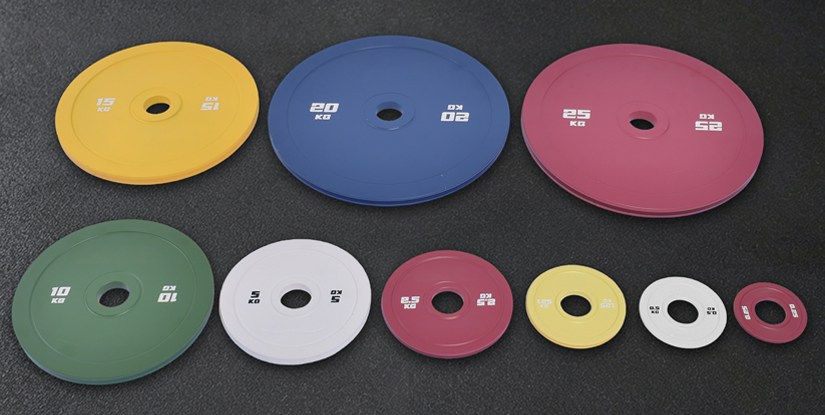
Furthermore, logistics efficiency is heavily dependent on the quality of the export packaging. A reliable supplier will utilize heavy-duty, reinforced cartons and standardized palletizing techniques to prevent damage during sea freight. When managing a large sourcing project, we advise buyers to request a detailed inspection report that covers weight calibration accuracy and physical integrity before the container is sealed. By prioritizing these rigorous QC steps, you can ensure that your OEM barbell plates arrive in perfect condition, reducing the total landed cost and protecting your distributor reputation.
Optimizing Sourcing via China Factory Direct Channels
When scaling a fitness distribution network, understanding the correlation between order volume and production timelines is critical. Sourcing custom barbell plates directly from a China factory allows importers to manage inventory cycles more effectively by balancing high-volume discounts against necessary lead time buffers.
For professional distributors, the MOQ typically dictates the complexity of the OEM request. While standard stock orders move through existing production cycles rapidly, customized designs—such as specific color coatings or unique logo embossing—require additional time for mold adjustments and specialized surface finishing. Managing these variables ensures that your wholesale procurement aligns with seasonal market demands and shipping schedules.
Understanding Customization Tiers and Order Requirements
To optimize your procurement strategy, you must distinguish between standard stock replenishment and fully integrated manufacturing requests. Selecting the right level of customization directly impacts your landed cost and the total time your capital is tied up in transit. A clear understanding of these tiers helps distributors manage client expectations and warehouse capacity effectively.
| Customization Level | Typical MOQ | Estimated Production Time | Sourcing Complexity |
|---|---|---|---|
| Standard Stock (Logo Printing Only) | Low | Short | Low |
| OEM (Standard Mold + Custom Color) | Medium | Moderate | Moderate |
| ODM (Full Structural/Material Customization) | High | Long | High |
When requesting wholesale gym plates with advanced specifications, such as specialized high-density rubber encapsulation or unique steel hub dimensions, the sourcing process becomes more intensive. These custom barbell plates require dedicated production runs and extended logistics planning to account for specialized export packaging and container loading requirements. We recommend confirming your custom branding requirements and technical spec sheets early in the discussion to ensure a seamless factory audit and pre-shipment inspection process.
Effective procurement planning requires a dual focus on both manufacturing capacity and global logistics. For distributors managing large-scale bulk orders, the risk of stockouts or delayed arrivals can disrupt entire distribution cycles. By working with a factory-direct source, buyers can better predict the impact of customization on the total landed cost and the final delivery schedule.
Complex OEM barbell plates—those involving specialized materials or unique surface finishes—often necessitate longer production windows compared to standard items. To mitigate risk, professional buyers should integrate these variables into their long-term inventory management strategies. We suggest coordinating with your supplier well in advance of peak seasons to secure production slots, confirm shipping availability, and ensure that all export documentation and container loading plans are finalized without delay.
OEM/ODM Capabilities and Custom Branding Solutions
Establishing a distinct brand identity is a critical strategic move for distributors and gym equipment importers. When sourcing custom barbell plates, professional buyers require more than just generic stock; they need a China factory capable of translating specific design requirements into high-quality, finished products. Whether you are looking to launch a specialized strength line or expand an existing product catalog, OEM and ODM services provide the necessary manufacturing flexibility to differentiate your offerings in a competitive market.
A professional supplier offers diverse manufacturing capabilities to meet varying procurement needs. For high-volume wholesale gym plates orders, we provide private label solutions that include precision logo embossing, custom color powder coating, and specialized packaging. These services allow you to transition from a simple importer to a recognized brand owner, optimizing your long-term sourcing strategy and increasing your market value through proprietary product design.
Technical Customization Options for Professional Procurement
Selecting the appropriate material and finish is a decisive factor in the total cost of ownership and long-term durability for commercial facilities. When evaluating custom barbell plates, buyers must choose between different manufacturing routes based on their target market segment—ranging from budget-conscious strength centers to premium performance studios. A professional China factory provides various tiers of customization to ensure the final product aligns with your brand's positioning and the intended usage environment.
The selection process typically involves two main stages: the core casting and the subsequent surface treatment. For standard commercial strength applications, the casting process often utilizes sand casting for cast iron or gray iron to ensure structural density. For more advanced requirements, such as high-impact bumper plates, the manufacturing involves a steel hub with a specialized molding process for the outer layer. Understanding these distinctions helps importers manage expectations regarding durability, maintenance, and the final landed cost of their inventory.
| Material Type | Surface Finishing | Key Component | Commercial Duty | MOQ Impact | Factory QC Point |
|---|---|---|---|---|---|
| Cast Iron | Powder Coating | Knurled Inner Ring | Standard Commercial | Lower | Coating Adhesion |
| Gray Iron | Enamel Paint | Steel Center Hub | Budget/Entry-Level | Lowest | Base Flatness |
| Rubber/PU | Urethane Coating | Steel Core/Insert | Premium/High-Impact | Higher | Encapsulation Layer |
| Steel | Chrome Finish | Precision Bore | Competition/Specialty | Highest | Weight Tolerance |
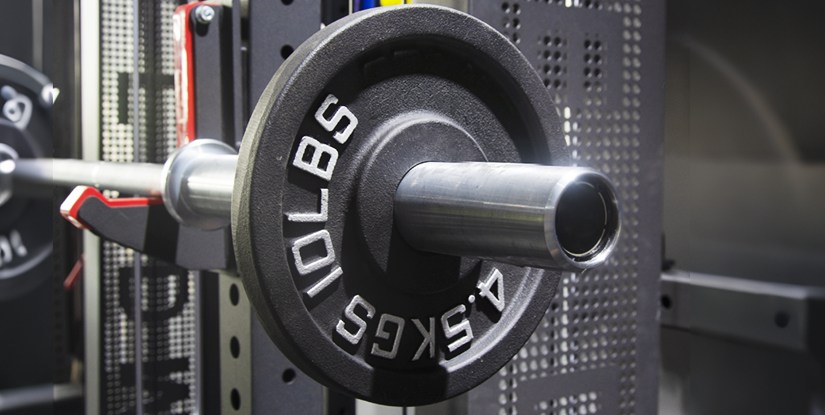
For distributors seeking high-end differentiation, wholesale gym plates with a urethane coating offer superior impact resistance and a premium tactile feel compared to standard painted options. This material selection directly affects the maintenance load of the facility, as high-quality finishes prevent the common failure modes of chipping or peeling under heavy use. When negotiating OEM barbell plates, we recommend requesting a sample to inspect the bond line adhesion and the precision of the concentricity check to ensure your brand maintains a high-quality reputation.
Logistics, Quality Control, and Export Standards
Efficient sourcing requires a transparent understanding of the production timeline and the rigorous QC steps that occur before a container is loaded. For professional importers, the risk of receiving non-compliant inventory can lead to significant downtime and increased landed costs. A reliable China factory mitigates these risks by implementing a structured sequence: from initial casting and CNC machining for the Olympic collar fit, to the final weight calibration and pre-shipment inspection. This systematic approach ensures that every batch of custom barbell plates meets the structural and aesthetic standards required for global distribution.
Managing the lead time is equally critical for maintaining distributor margins and meeting market demand. The production cycle for OEM barbell plates is influenced by the complexity of the ODM request, such as custom logo embossing or specialized powder coating. To ensure seamless logistics, we emphasize high-standard export packaging designed to withstand long-distance maritime transit. This includes heavy-duty cardboard reinforcement and protective corner guards to prevent damage to the coating or the weight markings during sea freight. We recommend that buyers confirm the MOQ and finalize sample approval well in advance to account for both manufacturing and shipping windows, ensuring your inventory arrives ready for immediate commercial deployment.
Pre-Shipment QC and Export Packaging Protocols
For professional distributors, the final stage of procurement is often the most critical for protecting profit margins. A rigorous factory QC process is essential to ensure that custom barbell plates arrive at your warehouse without weight discrepancies or surface defects. Relying on a China factory that implements strict inspection protocols prevents the high landed costs associated with damaged goods or inaccurate weight sets. When sourcing wholesale gym plates, you must verify that the weight tolerance and surface finish meet your brand's commercial standards before the container is sealed.
A professional supplier should provide detailed documentation regarding their OEM quality control steps. This includes checking the concentricity of the center bore and the adhesion of the powder coating or rubber layer. For high-volume wholesale orders, ensuring the stability of the material and the integrity of the export packaging is vital to minimize breakage during long-distance sea freight. We recommend that buyers confirm the specific MOQ and request a pre-shipment inspection report to validate that every batch of custom barbell plates aligns with your technical specifications.
Quality Benchmarks for Weight Accuracy and Surface Integrity
To maintain professional standards, a reliable China factory must implement a multi-tiered inspection system. For distributors managing high-volume wholesale gym plates, the difference between budget and premium quality often lies in the precision of the calibration and the durability of the outer layer. We categorize these quality levels to help you determine the best fit for your specific market positioning and sourcing requirements.
| Inspection Metric | Standard Commercial Tier | Premium Professional Tier |
|---|---|---|
| Weight Calibration | Typical batch variance within industry-standard limits | Strict precision for high-end competition or studio use |
| Concentricity | Standard machining for consistent barbell fit | High-precision CNC machining for perfect center bore alignment |
| Coating Adhesion | Standard powder coating or rubber dip | Enhanced multi-layer bond for high-impact durability |
| Surface Uniformity | General smoothness for commercial gym environments | Refined finish optimized for low maintenance and longevity |
When you order OEM barbell plates, the inspection focus shifts toward long-term commercial durability. A professional supplier will conduct spot-checks on the center bore to ensure the inner ring remains perfectly centered, preventing uneven wear on your barbells. Furthermore, testing the bond line between the internal steel hub and the outer coating is essential to prevent peeling during heavy usage. For large-scale custom barbell plates orders, we suggest reviewing the factory's calibration logs and requesting a sample evaluation to ensure the weight consistency and surface integrity meet your local distribution standards.
Optimizing Logistics Efficiency and Container Loading
Protecting your investment requires more than just high-quality production; it demands professional export packaging protocols designed for the rigors of global transit. For distributors managing high-volume wholesale gym plates, the risk of transit-related damage—such as bent edges or coating abrasions—can significantly impact your landed cost and customer satisfaction. A capable China factory should utilize reinforced, heavy-duty corrugated boxes and high-density foam protection to secure each unit, ensuring that the weight and shape of the plates remain intact during long-distance sea freight.
To maximize logistics efficiency and reduce shipping costs per unit, we implement standardized palletization for all custom barbell plates orders. By using heat-treated wooden pallets and industrial-grade shrink wrap, we ensure the stability of the load within the shipping container. This method prevents shifting during transit and facilitates faster unloading at your warehouse or distribution center. When planning your next bulk shipment, we recommend coordinating with our sourcing team to optimize container volume and ensure that your wholesale order is packed to withstand the mechanical stresses of international maritime transport.
Strategic Procurement: Finalizing Your Bulk Order
For professional importers and distributors, understanding the distinction between unit price and the total landed cost is critical for maintaining healthy distributor margins. When sourcing custom barbell plates, the price per unit from a China factory represents only the initial procurement cost. To calculate the true cost of your inventory, you must account for the entire supply chain, including logistics, import duties, and various shipping fees. Neglecting these variables can lead to unexpected budget overruns that erode your ROI.
A low unit price vs landed cost discrepancy often occurs when buyers focus solely on the wholesale price of custom barbell plates without factoring in container optimization or port-of-entry taxes. For example, while a supplier might offer a highly competitive rate for wholesale gym plates, the final cost of your OEM barbell plates is heavily influenced by the weight-to-volume ratio during ocean freight. Efficiently planning your bulk orders to maximize container utilization is a standard practice for experienced procurement leads to ensure the most cost-effective sourcing outcome.
Total Procurement Budget Breakdown
To maintain a competitive edge in the fitness equipment market, procurement managers must look beyond the initial quote. A transparent budget should incorporate the factory-direct price, ocean freight, customs duties, and insurance. Additionally, consider warehousing and local distribution costs within your total procurement budget to ensure long-term profitability.
| Cost Component | Description | Procurement Impact |
|---|---|---|
| Factory-Direct Price | Base cost for custom barbell plates based on MOQ | Primary driver of gross margin |
| Freight & Logistics | Ocean shipping and container loading fees | Highly dependent on weight and volume |
| Customs & Duties | Import taxes and regulatory compliance fees | Varies by destination country |
| Insurance & Handling | Protection against transit damage and port fees | Essential for risk management |
| Warehousing | Local storage and inventory management | Affects lead time and stock availability |
Effective sourcing requires a holistic view of these variables. We recommend requesting a detailed proforma invoice that clarifies the incoterms (such as FOB or CIF) to ensure your wholesale order remains within the projected budget. Once you have confirmed the MOQ and shipping logistics, you can finalize your procurement plan with confidence.
To achieve optimal efficiency, professional buyers prioritize volume optimization through strategic palletization and container loading. Because custom barbell plates are high-density products, the primary goal is to maximize the weight-to-volume ratio within a standard 20ft or 40ft container. Failure to optimize container utilization often results in paying for "dead space," which significantly increases the landed cost per unit. When ordering wholesale gym plates, working closely with your China factory to align packaging dimensions with container specifications is a standard industry practice to drive down logistics expenses.
Advanced OEM barbell plates procurement often involves specialized export packaging to protect the product during long-distance ocean transit. This typically includes heavy-duty reinforced cartons and custom palletization to ensure stability and prevent shifting during sea freight. By coordinating your order volume to meet specific container thresholds, you can leverage better shipping efficiency. We suggest confirming the exact dimensions and weight per pallet with your supplier before finalizing the shipment to ensure your sourcing plan maximizes every cubic meter of available freight space.