Wholesale Exercise Equipment: China Manufacturer Bulk MOQ
Optimizing Inventory Margins with Wholesale Exercise Equipment
Procuring wholesale exercise equipment allows distributors and gym operators to bypass the high markups associated with local distributors and retail-focused wholesalers. By sourcing directly from a China exercise equipment factory, professional buyers can secure lower unit costs and higher volume discounts, which are essential for maintaining competitive market pricing.
The primary challenge for equipment importers is the erosion of the distributor margin caused by multiple layers of middleman fees. When you source through a traditional trading company or a regional distributor, each tier adds a percentage to the base price. This structural inefficiency increases your landed cost—the total price of a product once it has arrived at your doorstep—without adding any tangible value to the equipment quality or specification.
By establishing a direct bulk fitness machine procurement pipeline with a commercial gym equipment supplier, you eliminate these unnecessary overheads. This direct-to-factory model ensures that your capital is invested in the hardware itself rather than the logistics of domestic redistribution. Consequently, you gain the flexibility to adjust your pricing strategies, manage inventory more aggressively, and offer better value to your end-users, whether they are boutique studios or large-scale commercial fitness centers.
Economic Comparison: Direct Sourcing vs. Local Procurement
To visualize the impact on your bottom line, consider the following comparison between local retail-level procurement and direct-from-factory models. For distributors, the ability to manage a specific MOQ effectively determines the scalability of their business model and the long-term sustainability of their warehouse operations.
| Procurement Metric | Local Retail/Small-Scale Sourcing | Direct Factory-Sourcing Model |
|---|---|---|
| Unit Cost Basis | High (Includes local retail markup) | Low (Factory-direct pricing) |
| Supply Chain Layers | Multiple (Manufacturer → Importer → Wholesaler → Retailer) | Minimal (Direct from China factory) |
| Customization Capability | Limited to existing stock items | High (Full OEM/ODM capabilities) |
| Shipping Efficiency | Small parcels; higher per-unit freight cost | Container-optimized; optimized shipping efficiency |
| Profit Potential | Lower margins due to high landed costs | High margins through volume-based scaling |
| Lead Time Control | Variable; dependent on local stock availability | Predictable; managed via production scheduling |
Transitioning to a high-volume model requires more than just a lower price point; it requires a partner who understands the complexities of bulk fitness machine procurement. While local sourcing may offer faster delivery for single units, it lacks the profit potential and customization depth required for professional gym deployment. By aligning your procurement cycles with a dedicated commercial gym equipment supplier, you can better forecast your inventory needs, optimize container loading to reduce per-unit shipping costs, and build a more resilient supply chain.
Before finalizing your next container order, we recommend requesting a detailed specification sheet and confirming the current MOQ for your specific product categories to ensure alignment with your warehouse capacity and local market demand.
Strategic Brand Differentiation via OEM/ODM Capabilities
For established distributors, competing solely on price is a race to the bottom. To build long-term market authority, you must move beyond generic white-label products and transition toward a proprietary brand identity. Leveraging high-level OEM/ODM services allows you to control the visual and functional identity of your product line. Instead of selling the same unbranded machines as your competitors, you can implement customized specifications—such as unique upholstery textures, specific color schemes, or proprietary digital console interfaces—that align with your brand's premium positioning.
A robust brand differentiation strategy is not just about aesthetics; it is about technical differentiation. Through ODM partnerships, you can request adjustments to machine ergonomics or structural reinforcement to meet specific regional fitness trends. This level of control ensures that your inventory is not merely a commodity, but a specialized solution that justifies a premium price point in your local market. This differentiation acts as a barrier to entry for smaller competitors who lack the capacity to manage complex manufacturing requirements.
Furthermore, integrating these customized elements into your inventory turnover planning is critical. While customized products may require a higher initial MOQ, the resulting brand loyalty and reduced price sensitivity from end-users often lead to a more stable and predictable sales cycle. By working with a manufacturer that offers deep OEM expertise, you ensure that your branded equipment maintains a consistent standard of quality, reducing the long-term costs associated with returns, repairs, and brand erosion caused by inconsistent manufacturing standards.
Strategic Sourcing: Navigating China Factory MOQ and Lead Times
Effective wholesale exercise equipment procurement requires a precise understanding of how product complexity dictates order minimums. For distributors and large-scale gym developers, failing to align inventory cycles with factory production schedules often results in inflated landed costs or critical stockouts during peak seasons.
When managing bulk fitness machine procurement, buyers must distinguish between high-volume commodity items and specialized engineering. Generally, standard strength training components or free weights feature lower MOQ thresholds due to standardized production lines. In contrast, sophisticated cardio electronics or heavy-duty strength stations often require higher minimums to justify the specialized assembly and component sourcing required by a china exercise equipment factory.
Planning your procurement roadmap involves balancing the factory-direct pricing advantages of large orders against the agility of smaller, more frequent shipments. Miscalculating these variables can disrupt your warehouse efficiency and impact your overall ROI.
| Procurement Category | Typical MOQ Level | Lead Time Impact | Primary Sourcing Driver |
|---|---|---|---|
| Cardio Machines | Lower (per unit) | Longer (electronics/assembly) | Technical Reliability |
| Strength Equipment | Moderate (per set) | Medium (frame/padding) | Durability & TCO |
| Accessories/Small Items | High (bulk volume) | Short (standardized) | Wholesale Margin |
| Custom OEM Products | Variable (spec-based) | Extended (tooling/R&D) | Brand Differentiation |
To optimize your commercial gym equipment supplier selection process, we recommend requesting a detailed spec sheet and a formal quotation that clearly outlines the tier-based pricing for your specific volume requirements. Confirming lead times for both standard stock and customized runs is essential for maintaining a predictable supply chain.
Managing Customization Complexity: OEM/ODM vs. Stock Orders
For distributors looking to build brand equity, the choice between purchasing existing inventory and engaging in OEM/ODM services is a pivotal decision. Stock items offer the fastest way to replenish inventory, as the china exercise equipment factory has already completed the production and quality control cycles. This is ideal for rapid deployment in commercial settings where immediate availability is a priority.
However, if your market strategy relies on unique branding or proprietary mechanical specifications, moving toward a custom production model is necessary. While this increases the initial lead time due to engineering validation and tooling requirements, it significantly enhances your competitive moat. A professional commercial gym equipment supplier can facilitate these custom builds, but you must account for the extended window required for component sourcing and specialized assembly.
Navigating these logistics requires a proactive approach to inventory management. Whether you are sourcing standard strength machines or highly customized functional training stations, always verify the factory's capacity for your specific volume. We suggest scheduling a formal factory audit or requesting a sample approval process before committing to large-scale production runs to ensure all technical and aesthetic standards meet your market's expectations.
The Impact of Lead Time on Total Landed Cost
A common oversight in bulk fitness machine procurement is neglecting the direct relationship between production cycles and the final landed cost. Beyond the initial FOB price, extended lead times can introduce hidden expenses, such as increased warehouse holding costs, capital tied up in transit, and the potential for seasonal demand spikes to outpace your inventory arrivals. For example, a failure to account for the extended production cycles required for high-spec cardio equipment can lead to missed deployment windows for new gym openings.
To mitigate these risks, professional buyers should integrate shipping buffers into their procurement strategy. This involves planning for potential delays in raw material sourcing or seasonal factory slowdowns. By coordinating with your china exercise equipment factory well in advance of your project deadlines, you can optimize container utilization and ensure that your supply chain remains resilient against unforeseen logistical fluctuations. A well-timed order not only secures your inventory but also stabilizes your long-term operational expenses.
Customization Capabilities: OEM and ODM Solutions for Brand Growth
For distributors looking to scale, sourcing wholesale exercise equipment from a standard catalog often limits long-term market differentiation. To build a proprietary brand presence, professional buyers must leverage OEM and ODM services to move beyond generic white-label products and create high-value, branded assets.
The strategic value of customization lies in the distinction between branding and structural engineering. While private label solutions allow you to apply your brand identity to existing high-performance models, true ODM capabilities enable you to modify mechanical specifications, weight stacks, or upholstery textures. This distinction is critical for a commercial gym equipment supplier to offer specialized solutions that meet specific regional ergonomic standards or aesthetic requirements of premium fitness clubs.
Strategic Customization Levels for Distributors
Understanding the depth of customization levels helps procurement leads manage MOQ requirements and landed cost expectations effectively. A China factory typically offers three tiers of customization to balance development costs with market exclusivity.
| Customization Tier | Scope of Work | Primary Objective | Typical Sourcing Focus |
|---|---|---|---|
| White Label / Private Label | Logo placement, color schemes, and branded instruction decals. | Rapid market entry with minimal sourcing complexity. | Brand recognition & aesthetic consistency. |
| OEM (Original Equipment Manufacturing) | Modified dimensions, specific material upgrades, and custom components. | Product differentiation within an existing functional category. | Enhanced durability and specialized performance. |
| ODM (Original Design Manufacturing) | Full structural redesign, proprietary mechanical engineering, and unique tooling. | Creating a unique, patentable product line for market leadership. | Complete control over innovation and IP. |
Choosing the right path depends on your bulk fitness machine procurement strategy. While white-labeling offers the fastest way to establish a brand identity, investing in OEM specifications can significantly improve the long-term TCO (Total Cost of Ownership) by tailoring the equipment to the specific wear-and-tear patterns of your target commercial environment.
| Feature / Metric | Standard Wholesale | OEM (Customized Spec) | ODM (Full Customization) |
|---|---|---|---|
| Customization Depth | Cosmetic only (Logo/Color) | Functional (Parts/Materials) | Structural (Full Design/Tooling) |
| Branding Control | Basic Labeling | Integrated Brand Identity | Complete Proprietary Control |
| Lead Time Impact | Minimal (Stock Availability) | Moderate (Assembly Adjustments) | Extended (R&D/New Tooling) |
| Typical MOQ | Lower (Standardized Units) | Mid-to-High (Component Tiers) | High (Project-Based Volume) |
When evaluating a china exercise equipment factory, procurement managers must weigh the speed of standard wholesale against the long-term value of specialized engineering. While standard orders optimize for immediate stock availability, OEM and ODM pathways allow you to mitigate future maintenance loads by specifying higher-grade bearings, reinforced steel gauges, or specialized upholstery that resists high-frequency commercial use.
Before committing to high-level customization, we recommend requesting a detailed technical specification sheet and a formal quote to confirm how specific changes will impact your landed cost and shipping timelines. Successful large-scale deployment often begins with a sample approval process to ensure that customized mechanical tolerances meet your regional market's rigorous standards.
Technical Execution and Quality Control Standards
Transitioning from standard stock to customized production requires a rigorous technical framework to ensure that bespoke components do not compromise mechanical integrity. A professional china exercise equipment factory must demonstrate a high level of technical maturity when executing technical specifications. This involves not just aesthetic changes, but the precise integration of custom-engineered parts that maintain the structural durability required for high-traffic commercial environments.
The technical execution of color/logo/component customization is managed through strict engineering protocols. For instance, when a distributor requests a specific powder coating finish or a proprietary upholstery texture, the factory must ensure these additions do not affect the machine's weight distribution or heat dissipation. High-tier bulk fitness machine procurement often requires upgrading core components—such as switching to high-grade stainless steel bearings or reinforced steel gauges—to meet specific regional durability standards or to reduce long-term maintenance loads for the end-user.
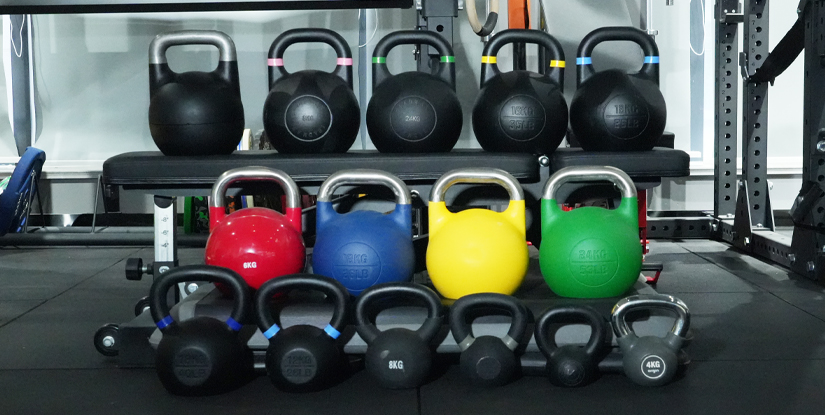
To mitigate the risks associated with non-standard production, we implement multi-stage QC standards throughout the manufacturing cycle. This ensures that every customized unit aligns with the initial engineering blueprint. Effective quality management in a factory-direct setting includes:
- Pre-production Audit: Verifying that all custom-ordered components, from specialized electronic consoles to branded upholstery, meet the approved technical specifications.
- In-process Inspection: Monitoring the precision of welding, frame assembly, and component integration during the active production phase.
- Pre-shipment Inspection (PSI): A final, comprehensive test of all mechanical functions, weight stack transitions, and cosmetic finishes to ensure the product is ready for international export.
For procurement leads, this level of oversight is essential to protect your margins. By ensuring that wholesale exercise equipment undergoes rigorous testing before leaving the factory, you reduce the likelihood of costly after-sales issues or replacement requests. We recommend that buyers coordinate closely with the production team during the sample approval stage to confirm that all customized elements—whether they are brand-specific colors or enhanced mechanical components—meet your exact commercial-grade requirements.
Ensuring Commercial Durability via Rigorous Factory QC Protocols
For professional buyers, the true cost of wholesale exercise equipment is not the initial invoice, but the long-term Total Cost of Ownership (TCO). Substandard builds from an unverified China factory often lead to premature mechanical failure, high maintenance costs, and frequent downtime. In high-traffic commercial environments, these issues directly erode profit margins and damage brand reputation.
To mitigate these risks, a reputable commercial gym equipment supplier must implement multi-stage quality control standards that extend beyond simple visual inspections. Rigorous testing of load-bearing capacities, weld integrity, and electronic component stability is essential to ensure durability under constant use. By prioritizing strict pre-shipment protocols, distributors can secure high-performance assets that withstand heavy commercial throughput while minimizing the need for expensive replacement parts or emergency on-site repairs.
Multi-Stage Inspection for Bulk Fitness Machine Procurement
Reliable bulk fitness machine procurement requires more than just a superficial check of the finished product. A professional china exercise equipment factory utilizes a structured inspection framework that targets three critical layers: material integrity, mechanical stability, and functional performance. This systematic approach ensures that every unit in a container meets the strict OEM/ODM standards required for global export and high-intensity commercial use.
The process begins with rigorous material testing, where incoming raw steel, high-density foam, and electronic components are verified for compliance with specified tolerances. Following the assembly phase, engineers conduct mechanical integrity checks, focusing on weld strength, bearing smoothness, and structural alignment. Finally, a comprehensive pre-shipment inspection is executed, involving load-testing and endurance cycles to confirm that all moving parts operate within safe, consistent parameters before the goods are cleared for container loading.
| Inspection Metric | Standard Factory-Direct QC | Low-Tier Trader / Unverified Supplier |
|---|---|---|
| Material Verification | Chemical analysis of steel grade and thickness compliance | Visual estimation only; high risk of substandard alloys |
| Mechanical Testing | Load-bearing stress tests and endurance cycle testing | Basic functional check; no heavy-duty stress validation |
| Weld & Structure | X-ray or ultrasonic inspection of critical load points | Surface-level visual check; prone to structural fatigue |
| Electronic Stability | Multi-cycle voltage and sensor calibration testing | Minimal testing; high failure rates in smart equipment |
| Final Inspection | Third-party or internal pre-shipment technical audit | Surface-level aesthetic check before container loading |
Choosing between a direct manufacturer and a low-tier trader often comes down to the depth of the QC protocol. While traders may offer lower initial quotes, they frequently lack the technical oversight required for high-volume wholesale orders. This oversight results in inconsistent product quality, higher landed cost due to replacement needs, and significant logistical friction during bulk shipments. To protect your distributor margins and ensure long-term reliability, we recommend conducting a formal factory audit or requesting detailed pre-shipment inspection reports before finalizing any large-scale sourcing contract.
Logistics and Export Packaging for Global Distribution
Managing the logistics of wholesale exercise equipment requires more than just standard shipping; it demands a specialized approach to protect high-value assets during long-haul transit. For distributors and gym owners, the primary risk lies in the structural integrity of heavy frames and electronic components being compromised by sea salt, moisture, or physical impact during container loading.
A professional china exercise equipment factory prioritizes export-standard packaging to mitigate these risks. This includes high-density foam buffering, reinforced edge protectors, and heavy-duty corrugated cardboard or wooden crates. Without heavy-duty protection, the risk of transit-induced damage increases, leading to high replacement costs and diminished landed cost optimization for the importer.
To ensure sea freight durability and minimize the total cost of ownership, we implement strict container loading protocols. This prevents shifting and prevents the friction damage often seen with substandard bulk fitness machine procurement. By optimizing both the protective layers and the volumetric efficiency within a 40HQ container, we help our partners maintain healthy distributor margins.
| Procurement Factor | Standard Commercial Shipping | Professional Export-Grade (Our Standard) |
|---|---|---|
| Damage Risk | Moderate to High (Basic Shrink Wrap) | Minimal (Reinforced Crating & Buffering) |
| Landed Cost | Low Initial / High Hidden Damage Cost | Optimized via Volumetric Efficiency |
| Sea Freight Durability | Basic Moisture Protection | High-Level Humidity & Salt Spray Shield |
| Unboxing Experience | Potential for Scratches/Bent Parts | Clean, Ready-to-Assemble Condition |
When planning your next bulk order, we recommend consulting with our logistics team to confirm the most efficient container configuration. Whether you are focused on OEM branding or sourcing standard stock, our packaging solutions are designed to ensure your wholesale exercise equipment arrives in factory-perfect condition, ready for immediate deployment.
Optimizing Shipping Configurations: Fcl vs. Lcl
For large-scale gym deployments, choosing the correct shipping method is a critical lever for controlling your total landed cost. Most professional commercial gym equipment supplier partners opt for FCL (Full Container Load) when importing heavy strength machines or large cardio units. While the initial freight cost for a 40HQ container is higher, the volumetric efficiency and reduced handling requirements significantly lower the per-unit cost and minimize the risk of damage during transit.
In contrast, LCL (Less than Container Load) is often utilized by smaller studios or for top-up orders of specific accessories. While LCL offers more flexibility for lower volumes, it introduces higher risks of contamination and physical impact due to multiple handlings at consolidation warehouses. To maintain high shipping efficiency, we recommend a hybrid approach: utilizing FCL for core structural equipment and LCL for supplemental items to ensure your inventory levels remain optimized without over-committing to excessive warehouse space.
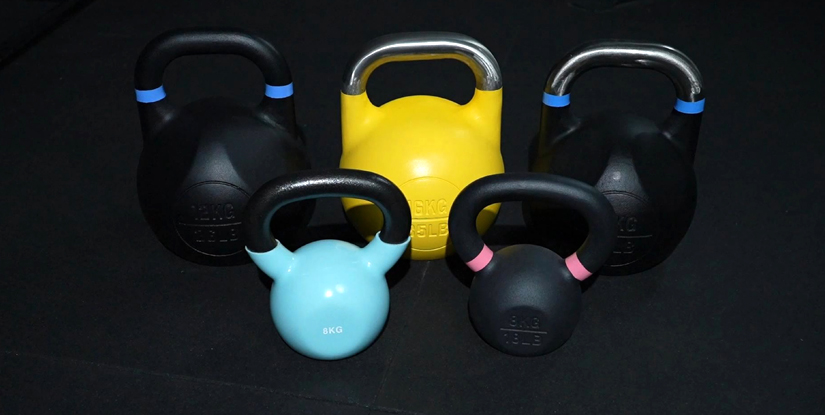
To ensure maximum stability, our container loading optimization process involves precise palletization and the use of wooden crates for sensitive components. For heavy-duty strength stations, we utilize steel reinforcement and heavy-duty strapping to prevent any movement within the container. This rigorous standard ensures that your wholesale exercise equipment maintains its structural integrity from our factory floor to your distribution center, protecting your long-term ROI.
Quality Assurance and Customs Documentation Protocols
A common friction point in international sourcing is the delay caused by incomplete documentation or failed inspections at the port of entry. To mitigate this, a professional china exercise equipment factory must implement a rigorous pre-shipment inspection workflow. We do not leave quality to chance; every unit undergoes strict QC protocols—from frame welding integrity and paint thickness testing to electronic component stability—ensuring that the wholesale exercise equipment meets international commercial standards before it ever reaches the container.
Beyond physical quality, seamless customs compliance is essential for maintaining your lead time management. We provide a comprehensive package of shipping documents, including detailed commercial invoices, packing lists, and certificates of origin, tailored to your specific import regulations. By ensuring that every SKU and HS code is precisely documented, we reduce the risk of costly customs holds or unexpected duties, allowing for predictable bulk order logistics and smoother warehouse integration upon arrival.
For distributors managing high-volume bulk fitness machine procurement, transparency in the production cycle is a vital asset. We offer scheduled updates throughout the manufacturing process, providing peace of mind that your inventory is being produced to exact specifications. Before finalizing your next shipment, we encourage you to request a detailed specification sheet or discuss our factory audit and sample approval processes to ensure our output aligns perfectly with your market's quality expectations.
Maximizing Profitability Through Strategic Sourcing
For distributors and warehouse operators, the difference between a high-performing inventory and dead stock lies in the caliber of the wholesale exercise equipment provider. Relying on inconsistent sources leads to high maintenance costs and damaged reputations. To secure a sustainable distributor margin, procurement professionals must prioritize supply chain reliability and long-term stability over the lowest initial unit price.
A professional commercial gym equipment supplier acts as more than just a vendor; they are a strategic partner in your scaling process. By establishing direct China factory direct sourcing, businesses can bypass the markups and quality inconsistencies typical of middleman traders. This direct link allows for better control over product specifications, ensuring that the equipment arriving at your warehouse meets the rigorous durability standards required by commercial end-users, ultimately protecting your long-term ROI and brand authority.
Direct Manufacturer vs. Trading Company: A Strategic Comparison
A critical decision in bulk fitness machine procurement is choosing between a direct factory and a trading company. While traders offer a wider variety of SKUs, they often lack control over the production line, which can lead to unexpected delays or quality deviations. For high-volume importers, the lack of technical transparency can significantly increase the total landed cost through unforeseen repairs or returns.
In contrast, working with a china exercise equipment factory allows for deep integration into the manufacturing process. This direct relationship facilitates rigorous quality control (QC) protocols and provides the flexibility needed for OEM/ODM capabilities, such as custom branding or specialized component upgrades. Understanding these structural differences is essential for optimizing your supply chain and ensuring product consistency across large-scale deployments.
| Procurement Dimension | Direct Manufacturer (Factory-Direct) | Trading Company (Middleman) |
|---|---|---|
| Cost Structure | Lower unit price; optimized for wholesale | Higher price due to markup layers |
| Customization | High OEM/ODM and private label flexibility | Limited to existing stock/catalog items |
| Quality Control | Direct oversight and pre-shipment inspection | Dependent on third-party verification |
| Communication | Direct technical/engineering discussions | Subject to translation and relay delays |
| MOQ Control | Negotiable based on production capacity | Rigid or dictated by supplier stock |
When evaluating your next shipment, consider the long-term implications of your sourcing strategy. A factory-direct model provides the transparency required for successful large-scale facility builds or regional distribution. We recommend requesting a detailed spec sheet and confirming your MOQ requirements early in the process to ensure alignment with your warehouse capacity and projected delivery timelines.
Managing Inventory Velocity: The Impact of MOQ and Lead Time
For large-scale distributors, capital efficiency is dictated by how effectively you balance stock availability with warehouse overhead. A common pitfall in bulk fitness machine procurement is failing to account for the volatility of production cycles. If your MOQ (Minimum Order Quantity) is set too high without regard for your local market demand, you risk tying up significant liquid capital in stagnant inventory. Conversely, underestimating the necessary lead time can result in stockouts, causing you to lose high-value contracts to competitors who can fulfill orders faster.
Effective logistics management requires a synchronized approach between your warehouse capacity and the china exercise equipment factory production schedule. High-performing distributors do not merely order products; they optimize inventory turnover by aligning wholesale exercise equipment shipments with seasonal demand surges and regional construction cycles. By working with a manufacturer that offers transparent production windows and shipping optimization, you can implement a "just-in-time" or "buffer-stock" strategy that minimizes landed cost while maximizing your ability to respond to large-scale commercial facility deployments.