Wholesale Weights for Sale: China Factory Pricing Supply
Mitigating Procurement Risks in Wholesale Weights for Sale
Securing reliable wholesale weights for sale requires a rigorous evaluation of three critical procurement pillars: technical specification accuracy, supplier accountability, and logistical reliability. Professional buyers must look beyond the initial unit price to evaluate the total cost of ownership, as inadequate oversight during the commercial gym equipment sourcing process often results in significant operational deficits. A failure to verify material density or coating thickness can lead to unexpected weight deviations that compromise the integrity of a professional training environment.
The financial implications of ignoring these variables are substantial for distributors and facility operators. When a factory provides sub-standard units, the resulting quality variance creates a ripple effect of hidden expenses. High replacement costs often arise from premature oxidation, surface cracking, or inconsistent weight tolerances that fail to meet international standards. These issues do not merely affect the immediate budget but can damage a distributor's reputation and long-term profitability if the bulk weight plates delivered do not withstand the rigors of high-traffic commercial use.
Furthermore, an unoptimized gym weight manufacturing strategy can lead to an inflated landed cost that erodes profit margins. If a supplier lacks experience in international export, unforeseen expenses in shipping, customs compliance, or inadequate export packaging can quickly negate any initial savings gained from low-cost production. Professional procurement specialists must prioritize transparency in the production cycle to ensure that every shipment arrives within specification and on schedule, protecting both the capital investment and the brand identity of the end-user.
Evaluating Sourcing Models: Trading Companies vs. Direct Manufacturing
To minimize procurement friction, professional buyers must distinguish between high-risk intermediaries and direct-access models. Choosing the wrong partner often leads to opaque pricing structures and limited control over the final product. When conducting commercial gym equipment sourcing, understanding the structural differences between a trading entity and a dedicated manufacturer is essential for maintaining stable distributor margins and ensuring long-term reliability.
| Procurement Dimension | Trading Company Model | Direct Factory-Direct Model |
|---|---|---|
| Pricing Structure | Markups added at multiple stages | Direct access to wholesale pricing |
| MOQ Requirements | Often lower, but higher unit cost | Structured tiers for bulk orders |
| Quality Control (QC) | Dependent on third-party oversight | In-house, real-time production monitoring |
| OEM/ODM Capability | Limited to existing catalog items | Full custom branding and spec control |
| Lead Time Stability | Subject to intermediary delays | Direct control over production schedules |
| Shipping Reliability | Variable export documentation quality | Specialized export packaging expertise |
A reliance on unverified intermediaries often results in a lack of technical transparency. While a trading firm might offer a lower initial MOQ, the lack of direct oversight often leads to inconsistent weight tolerances and substandard material durability. In contrast, working directly with a China factory allows procurement managers to implement rigorous pre-shipment inspections and verify that the bulk weight plates meet exact density and coating specifications before they leave the facility. This direct oversight is the most effective way to stabilize your landed cost and ensure that your inventory remains a high-value asset for your clients.
Optimizing Customization and Brand Identity via OEM/ODM
For distributors and large-scale facility developers, the ability to move beyond generic stock to a branded solution is a significant competitive advantage. Engaging in professional gym weight manufacturing allows for deep integration of a client's brand identity into the physical product. Whether through high-precision laser etching, custom color-coded urethane coatings, or specialized casting for specific weight increments, these customization options transform a standard commodity into a proprietary asset. This level of control is typically only accessible when working with a direct supplier capable of managing complex production requirements.
The strategic use of OEM and ODM services provides more than just aesthetic differentiation; it offers a way to meet specific market niches. For instance, a distributor may require specific handle ergonomics for kettlebells or a particular thickness profile for bumper plates to fit a specialized rack system. By leveraging these manufacturing capabilities, buyers can ensure that their product lineup is perfectly aligned with their target market's technical demands. This proactive approach to product development reduces the risk of market misalignment and builds long-term brand equity in the commercial fitness sector.
Effective procurement planning must also account for the complexities of global logistics. A specialized China factory understands that the final stage of the production cycle is as critical as the casting itself. High-density, high-volume shipments of weights require specialized export packaging to prevent denting, oxidation, or structural damage during ocean freight. Professional procurement teams should confirm that their partner utilizes reinforced palletization and moisture-resistant wrapping to ensure that the arrived goods match the initial quality of the samples. Integrating these technical requirements into your initial inquiry—covering everything from custom branding to specific shipping protocols—is the most reliable way to secure high-margin, high-quality wholesale weights for sale.
Evaluating Quality Control and Pre-Shipment Standards
Securing reliable wholesale weights for sale requires more than just comparing price lists; it demands a rigorous verification of manufacturing precision. For distributors and gym owners, the cost of a single faulty batch far exceeds the initial savings of a low-cost supplier. Inconsistent weight distribution or poor material integrity leads to immediate commercial downtime and high replacement overheads.
To mitigate these risks during commercial gym equipment sourcing, professional buyers must mandate strict adherence to weight tolerance standards. A high-tier China factory ensures that every unit within a bulk weight plates order maintains precise material consistency. Without these controls, uneven density or structural flaws can compromise the durability of your entire inventory, directly impacting your long-term ROI and brand reputation.
Effective gym weight manufacturing protocols should include multi-stage inspections—from raw material testing to final pre-shipment audits. We recommend requesting detailed specification sheets and confirming MOQ requirements alongside specific tolerance benchmarks to ensure your factory-direct procurement aligns with international commercial standards.
Technical Comparison: Standard Production vs. Commercial-Grade Standards
When managing high-volume procurement, understanding the technical delta between standard production and professional-grade manufacturing is vital for long-term TCO. Professional buyers should evaluate the inspection process through the lens of precision and structural longevity to avoid the high replacement costs associated with inferior batches.
| Technical Metric | Standard Factory Production | Commercial-Grade Manufacturing |
|---|---|---|
| Weight Accuracy | Variable tolerances; often inconsistent per unit | Strict precision; uniform weight across the entire batch |
| Coating Integrity | Basic paint or thin coating; prone to chipping | High-durability polyurethane or advanced powder coating |
| Material Density | Potential air pockets or uneven casting | Homogeneous density for balanced load distribution |
| Inspection Rigor | Random sampling only | Comprehensive pre-shipment testing and audit protocols |
To ensure your wholesale weights for sale meet the demands of heavy-use environments, we suggest requesting a sample approval or a formal factory audit. Confirming these specific technical benchmarks during your initial sourcing phase protects your distributor margins and ensures the reliability of your commercial inventory.
Logistics Integrity: Export Packaging and Damage Prevention
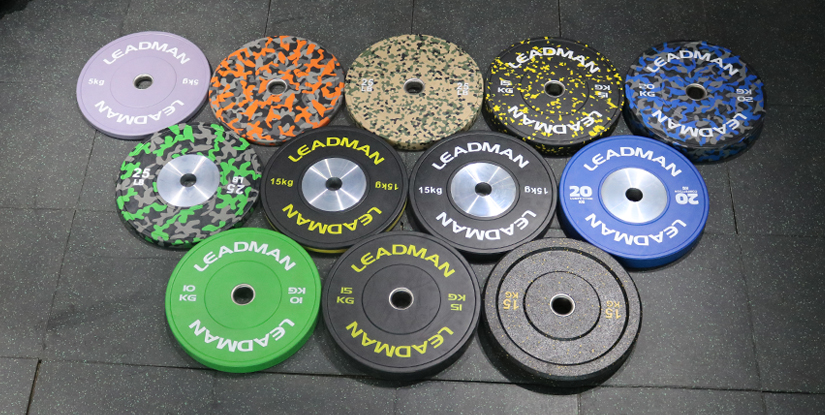
Even with perfect manufacturing, the final stage of the sourcing process can compromise your landed cost if logistics are neglected. For large-scale importers, the risk of transit damage—such as cracked urethane coatings or bent plate edges—can lead to expensive claims and inventory loss. A professional China factory mitigates this by implementing specialized export-standard protocols designed specifically for heavy, high-density goods.
High-tier gym weight manufacturing must include rigorous pre-shipment inspection and reinforced packaging. This includes utilizing heavy-duty, double-walled corrugated cartons and moisture-resistant palletization to prevent oxidation during long-haul sea freight. By ensuring robust container loading and secure pallet wrapping, a reliable supplier protects the integrity of your bulk weight plates, ensuring that your wholesale weights for sale arrive at your warehouse in showroom condition, ready for immediate commercial distribution.
Optimizing Landed Costs via Direct Factory Sourcing
Understanding the total landed cost is critical for distributors and gym owners to maintain healthy margins. When you search for wholesale weights for sale, the price per unit is only one component of your total procurement expenditure. A true professional buyer must account for freight, customs duties, insurance, and local handling fees to calculate the actual cost of inventory arriving at the warehouse.
The most effective way to reduce these expenses is through direct sourcing from a China factory. By eliminating the middleman—such as international trading companies or regional wholesalers—you remove multiple layers of markup and service fees. This direct-to-manufacturer model allows for much tighter control over the supply chain and ensures that the value of your commercial gym equipment sourcing is maximized through streamlined logistics and transparent pricing.
The following table compares the Total Cost of Ownership (TCO) and procurement efficiency between different supply models to assist in your decision-making process.
| Procurement Model | Unit Price Level | Logistics Control | Landed Cost Efficiency | Best For |
|---|---|---|---|---|
| Local Wholesaler | High | Low (Outsourced) | Low | Small Studio/Quick Restock |
| International Trader | Medium | Moderate | Medium | Small-Scale Importers |
| China factory Direct | Low | High (Direct Control) | High | Distributors & Large Scale Projects |
| OEM Manufacturing | Low (Volume Dependent) | High (Customized) | High | Private Label Brands |
For large-scale distributors, focusing on bulk weight plates through a direct manufacturer optimizes the ratio of weight-to-freight-cost. This strategic approach to gym weight manufacturing ensures that your capital is spent on high-quality, durable inventory rather than unnecessary intermediary margins, ultimately protecting your long-term ROI.
| Supply Structure Component | Trading Company Model | Direct Manufacturer Model |
|---|---|---|
| Price Markup | Includes multiple agency commissions | Direct factory pricing |
| Customization Capability | Limited to existing stock | Full OEM and ODM support |
| Quality Control Access | Dependent on third-party reports | Direct factory pre-shipment inspection |
| Logistics Transparency | Fragmented shipping documentation | Streamlined export packaging and loading |
| Production Lead Time | Subject to trader availability | Direct control over wholesale production cycles |
To mitigate the risks of high TCO, professional buyers should request a detailed specification sheet and confirm the MOQ for any specific weight configuration before finalizing a purchase order. Engaging directly with a supplier allows you to validate production capacity and ensure that your wholesale weights for sale meet the exact density and durability standards required for high-traffic commercial environments.
Maximizing Long-Term Value Through OEM and Export Standards
A common procurement error is prioritizing low initial unit costs while overlooking the long-term maintenance and replacement cycles. For high-traffic facilities, the durability of the product directly dictates the Total Cost of Ownership. By leveraging OEM or ODM capabilities, importers can specify high-density materials and specialized coatings that resist wear, chipping, and oxidation. This level of customization ensures that your inventory remains a premium asset rather than a recurring replacement expense.
Furthermore, efficiency in logistics is not just about the shipping route, but the precision of the export packaging. A professional factory understands that weight plates and dumbbells are high-density, high-impact goods. Utilizing standardized, reinforced export packaging and optimized container loading protocols reduces the risk of transit damage and maximizes the volume-to-weight ratio. When you source through direct wholesale channels, you gain control over these technical specifications, ensuring that the goods arrive in a condition that preserves your distributor margins and protects your brand reputation.
To ensure these standards are met, we recommend that buyers schedule a pre-shipment inspection or request a sample evaluation. Confirming the technical tolerances and the MOQ for customized branding or specific material grades is a vital step in building a reliable, long-term supply chain with a trusted supplier.
Customization and Private Labeling via OEM/ODM Capabilities
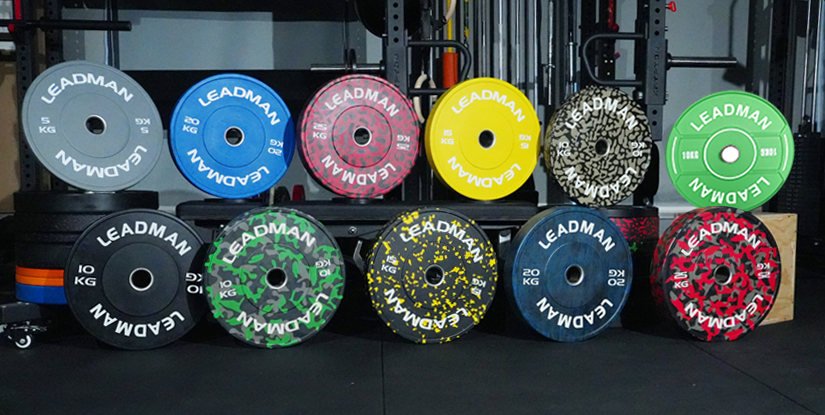
Establishing a distinct market presence requires more than just generic inventory; it requires a cohesive brand identity that resonates with your specific target demographic. When sourcing wholesale weights for sale, professional distributors often leverage OEM and ODM services to transition from a mere reseller to a recognized equipment provider. By utilizing a China factory with advanced production lines, you can move beyond standard stock items to offer products that carry your unique professional mark.
The technical scope of custom branding extends far beyond a simple sticker. High-tier gym weight manufacturing allows for deep integration of your brand into the physical product. This includes precise logo embossing/printing on urethane or rubber surfaces, ensuring the mark remains legible even after heavy commercial use. Furthermore, procurement leads can dictate specific material specifications, such as the density of the rubber coating or the grade of the cast iron core, to meet local regulatory or premium market standards.
Beyond the core product, visual consistency is achieved through customized color coating and finish options. Whether your studio aesthetic requires matte black, high-visibility neon, or classic metallic finishes, a specialized supplier can adjust the powder coating or paint specifications to align with your product line. This level of detail ensures that your bulk orders function as a unified collection rather than a fragmented set of disparate components.
Customization Tiers for B2B Procurement
| Customization Level | Technical Scope | Primary Objective |
|---|---|---|
| Standard Wholesale | Existing molds and standard colors | Rapid fulfillment and low MOQ |
| Basic Private Label | Logo embossing/printing on standard units | Building brand identity with minimal 1/O |
| Full OEM/ODM | Unique material specifications and color coating | Creating exclusive, high-margin product lines |
When evaluating commercial gym equipment sourcing, it is essential to understand how these customization tiers affect your landed cost and lead times. While full customization offers the highest competitive advantage, it typically requires higher volume commitments. We recommend requesting a detailed spec sheet and a sample approval process to ensure that your custom color and logo requirements meet your quality control standards before moving to full-scale production.
Selecting the appropriate procurement model depends on your current inventory strategy and market positioning. For many distributors, the decision between purchasing ready-to-ship stock or initiating a custom production run is a balance of speed versus brand differentiation. Understanding the specific requirements for bulk weight plates production allows you to manage both your warehouse capacity and your capital expenditure more effectively.
Standard stock orders are ideal for immediate replenishment and maintaining a consistent inventory of essential items. However, for distributors aiming to capture premium market segments, utilizing wholesale weights for sale through a customized manufacturing process provides a significant competitive edge. By controlling the aesthetic and technical variables, you can ensure your product line meets the specific durability and branding requirements of high-end commercial facilities.
Before finalizing your next procurement cycle, we suggest contacting our team to confirm the current MOQ for both standard and customized orders. Requesting a formal quote will provide clarity on how specific customization depth affects your total landed cost and shipping schedules. We also recommend arranging a sample evaluation or a factory audit to verify that all material grades and branding finishes align with your professional standards.
Ensuring long-term profitability in the fitness distribution market requires a rigorous approach to quality assurance. When managing large-scale commercial gym equipment sourcing, the risks associated with inconsistent weight tolerances or substandard materials can significantly increase your total cost of ownership. To mitigate these variables, professional importers prioritize partners who integrate a strict QC protocol throughout the entire production cycle. A reliable China factory does not merely produce items; it implements multi-stage verification to ensure every unit meets the exact weight and dimensional standards required for commercial-grade certification.
A robust procurement strategy must account for the entire journey from the factory floor to your local warehouse. This includes a mandatory pre-shipment inspection to verify that the physical products match the approved samples and technical spec sheets. Beyond the product itself, specialized export packaging is critical for reducing transit-related damage and optimizing container loading efficiency. High-quality, reinforced packaging ensures that heavy bulk weight plates arrive in optimal condition, preventing the costly returns and replacement logistics that often plague inexperienced importers. By focusing on these granular details, distributors can better predict their final landed cost and maintain higher margins.
To ensure complete transparency in your supply chain, we recommend a structured approach to your next order. You should request a detailed production timeline to manage your inventory lead times and confirm the specific MOQ for any customized or specialized items. Furthermore, we encourage all professional buyers to book a formal factory audit or a sample approval session. This step is vital to verify that the manufacturing capabilities and quality control standards align perfectly with your brand's requirements before the full-scale production cycle begins.
Logistics and Export Packaging for Bulk Weight Orders
When managing large-scale procurement, the technicalities of transit logistics directly impact your landed cost and inventory integrity. Securing wholesale weights for sale requires more than just finding a competitive factory; it requires a supplier capable of executing complex international shipping protocols. Improper handling of dense, high-mass items during sea freight can lead to structural deformation or surface damage, ultimately eroding your distributor margins.
To mitigate these risks, professional gym weight manufacturing facilities utilize specialized export-grade packaging designed for long-haul maritime transport. This involves rigorous palletization and the use of reinforced wooden crates or heavy-duty steel frames to ensure damage prevention. By prioritizing container loading efficiency, a China factory can maximize every cubic meter of space, ensuring that your bulk weight plates arrive in pristine condition while optimizing the total volume-to-weight ratio for your shipment.
Standardizing these procedures ensures sea freight durability, protecting your capital investment against the mechanical stresses of ocean transit and port handling. For distributors engaged in commercial gym equipment sourcing, these logistics standards are non-negotiable for maintaining high quality control and reducing the frequency of replacement claims.
Technical Packaging Specifications by Product Type
Effective procurement planning requires understanding how different weight geometries necessitate specific loading configurations. A professional China factory will tailor packaging to the specific density and surface sensitivity of the product to ensure the highest possible durability upon arrival. For instance, the choice between LCL (Less than Container Load) and FCL (Full Container Load) often dictates the level of protection required for your bulk weight plates to prevent oxidation and mechanical impact.
| Weight Type | Standard Packaging Method | Primary Protection Goal | Shipping Suitability |
|---|---|---|---|
| Cast Iron Plates | Reinforced Cartons or Wooden Crates | Surface Coating Integrity | FCL / LCL |
| Rubber Coated Bumper Plates | Heavy-duty Pallets with Shrink Wrap | Edge and Rim Protection | FCL / LCL |
| Dumbbell Sets | Custom Steel Frames or Wooden Boxes | Structural Alignment & Impact Resistance | FCL |
| Kettlebells | Stackable Reinforced Crates | Anti-Oxidation & Surface Preservation | FCL / LCL |
To optimize your commercial gym equipment sourcing, we recommend requesting a detailed packing list and weight distribution plan during the initial quote phase. For high-volume wholesale weights for sale, FCL shipments utilizing heavy-duty pallets offer the most stable transit environment, significantly reducing the risk of rust or surface abrasions during long-haul maritime transit. Always confirm with your supplier if specialized anti-oxidation treatments or vacuum-sealed layers are included for long-term sea freight exposure to protect your long-term ROI.
Streamlining Lead Time and Quality Assurance Protocols
Managing the lead time for large-scale orders is a critical variable in your inventory turnover and cash flow management. For importers, a delay at the port of departure can disrupt entire distribution cycles. To prevent these bottlenecks, a mature China factory implements a synchronized production and logistics schedule. This synchronization ensures that the transition from the production line to the final container loading is seamless, minimizing the time equipment spends in transit-ready storage and maximizing your warehouse efficiency.
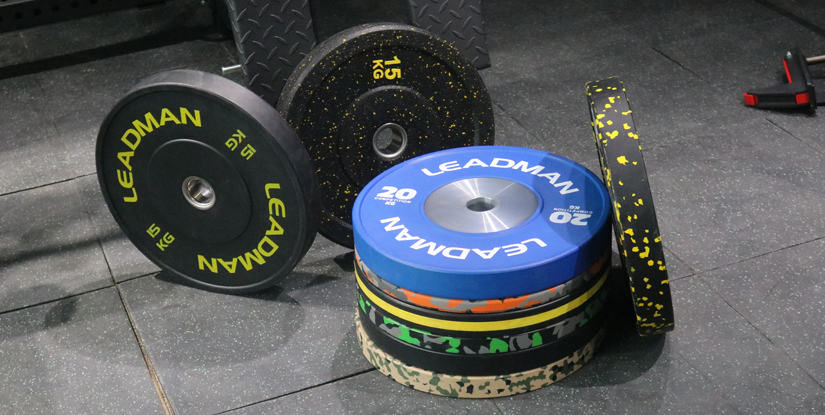
Reliability in commercial gym equipment sourcing is fundamentally built on rigorous oversight during the final stages of the supply chain. We emphasize a multi-stage verification process that includes a comprehensive pre-shipment inspection. This stage is not merely a final check but a critical quality control gate where weight tolerances, coating uniformity, and packaging integrity are audited against your specific requirements. By conducting thorough loading supervision, we ensure that every unit is positioned correctly within the container to prevent shifting or impact damage during sea freight logistics.
For distributors managing high-volume wholesale weights for sale, visibility into the logistics workflow is essential for accurate demand planning. Our process provides clear milestones—from the completion of the manufacturing phase to the final verification of the container seal at the port. This level of transparency allows you to coordinate local transport and warehouse labor more effectively, ensuring that your bulk weight plates arrive exactly when your market demand peaks, thereby optimizing your total landed cost and operational ROI.
Strategic Sourcing for Long-Term Distribution Success
Maximizing your distributor margin requires a transition from local retail purchasing to a professional procurement strategy centered on direct manufacturing. When distributors secure wholesale weights for sale through a China factory, they bypass the heavy markups added by multiple layers of middle-tier importers and regional wholesalers.
The primary objective for any professional importer is to minimize the total landed cost per unit. By sourcing bulk weight plates directly from the source, you reduce the expenses associated with domestic warehousing fees, multiple handling stages, and the inflated pricing of local distributors. This direct approach allows for a more competitive market position and higher ROI on every container shipment.
Optimizing Profitability Through Direct Procurement
The difference between high-margin distribution and low-margin trading often lies in the ability to control the supply chain. Utilizing commercial gym equipment sourcing methods that favor direct-to-factory relationships ensures that your capital is spent on product quality rather than intermediary logistics costs. This is especially critical when managing large-scale orders where even a small reduction in unit price significantly impacts the overall profitability of a shipment.
| Sourcing Model | Typical Pricing Structure | Impact on Landed Cost | Primary Focus |
|---|---|---|---|
| Local Wholesaler | High markup per unit | High due to domestic logistics | Speed and small volume |
| Direct wholesale | Low factory-direct pricing | Optimized via container loading | Volume and margin expansion |
| OEM Manufacturing | Customized unit cost | Controlled via scale | Brand identity and differentiation |
For distributors looking to scale, investing in gym weight manufacturing partnerships allows for better control over both the product specifications and the volume-based pricing tiers. This level of control is essential for maintaining a consistent supply of high-quality, commercial-grade equipment for your client base while protecting your bottom line.
Efficiently managing your inventory and capital requires a deep understanding of how different supply models affect your long-term business scalability. For professionals engaged in commercial gym equipment sourcing, the choice between purchasing existing stock from a trader or establishing a direct relationship with a manufacturer can dictate the success of an entire fiscal year. While traders offer convenience for small-scale needs, they often lack the ability to provide the customized specifications or the aggressive price points necessary for large-scale distribution.
To achieve a sustainable competitive advantage, many successful importers transition toward wholesale weights for sale models that leverage direct production capabilities. This transition shifts the focus from merely buying products to managing a specialized supply chain. By working with a professional factory, you gain direct oversight of the production cycle, which is vital for maintaining consistent product standards across multiple shipments and ensuring that your brand identity remains intact through high-quality output.
Before finalizing any large-scale procurement, we recommend that buyers request a detailed specification sheet to verify material density and tolerances. It is also standard practice to confirm the specific MOQ for customized orders and to schedule a virtual factory audit or a pre-shipment inspection to ensure all quality control protocols are strictly met. Contact us to discuss your specific volume requirements and to receive a tailored quote for your next shipment.
To achieve a sustainable competitive advantage, many successful importers transition toward wholesale weights for sale models that leverage direct production capabilities. This transition shifts the focus from merely buying products to managing a specialized supply chain. By working with a professional factory, you gain direct oversight of the production cycle, which is vital for maintaining consistent product standards across multiple shipments and ensuring that your brand identity remains intact through high-quality output.
Before finalizing any large-scale procurement, we recommend that buyers request a detailed specification sheet to verify material density and tolerances. It is also standard practice to confirm the specific MOQ for customized orders and to schedule a virtual factory audit or a pre-shipment inspection to ensure all quality control protocols are strictly met. Contact us to discuss your specific volume requirements and to receive a tailored quote for your next shipment.