16kg Kettlebell: Global Export Factory Partner and OEM
16kg Kettlebell Engineering and Commercial Durability Standards
When managing high-traffic fitness facilities, procurement leads must evaluate three critical checkpoints: structural risk, technical specifications, and long-term maintenance logistics. A standard 16kg kettlebell that fails to meet rigorous structural integrity requirements can lead to premature replacement cycles and increased operational costs. Professional buyers sourcing from a commercial kettlebell manufacturer prioritize units with precise weight distribution and high-grade casting to ensure consistent performance under heavy use. Selecting a reliable wholesale 16kg kettlebell partner allows distributors to mitigate these risks by ensuring every unit meets strict manufacturing standards before it enters the global supply chain.
In demanding commercial environments, the structural integrity of the handle and the balance of the bell are non-negotiable. A high-quality 16kg kettlebell must feature seamless casting and a balanced center of gravity to prevent uneven wear or grip instability. For those engaged in high-volume procurement, relying on a factory that implements rigorous QC protocols ensures that every batch maintains consistent density and finish. This level of commercial-grade durability is essential for reducing the total cost of ownership and maintaining a professional standard within a gym or studio setting.
Technical Specification Comparison for Professional Sourcing
To optimize your total cost of ownership and long-term maintenance load, it is essential to differentiate between standard retail-grade units and professional-grade equipment. When evaluating a bulk kettlebell supplier, buyers should scrutinize the material density and coating durability to ensure the units can withstand high-frequency use without degradation. A high-performance 16kg kettlebell produced by a specialized factory will exhibit significantly tighter weight tolerances and smoother handle finishes compared to lower-tier alternatives.
| Technical Feature | Standard/Retail Grade | Commercial-Grade Professional Spec |
|---|---|---|
| Weight Tolerance | +/- 5% Variance | +/- 1% to 2% Precision |
| Material Density | Variable/Hollow potential | High-Density Cast Iron/Solid Core |
| Handle Surface | Rough/Uneven texture | Precision Smooth/Ergonomic Finish |
| Coating Durability | Basic Paint/Thin Powder | High-Impact Polyurethane/Resin |
| Sourcing Context | Single Unit/Retail | wholesale 16kg kettlebell/Bulk Order |
For distributors and gym equipment importers, the difference in these specifications directly impacts landed cost efficiency and replacement frequency. Sourcing a wholesale 16kg kettlebell that adheres to these professional standards minimizes the risk of client complaints regarding weight inconsistency or handle roughness. We recommend that procurement specialists request a detailed specification sheet or a sample approval to verify that the density and finish meet your specific brand identity and commercial durability requirements before finalizing a large-scale MOQ.
Custom Branding and Export-Ready Logistics
Scaling a fitness brand requires more than just high-quality hardware; it requires a partner capable of sophisticated OEM and ODM services. For distributors looking to establish a unique market position, we offer comprehensive custom branding solutions. This allows you to integrate your own logo and brand identity directly onto the 16kg kettlebell, transforming a standard piece of equipment into a signature product for your fitness line. Whether you require specific color coatings or custom handle textures, our factory can adapt production to meet your precise aesthetic and functional requirements.
Beyond product customization, professional sourcing necessitates a focus on logistics safety and transit durability. A common pain point for international importers is receiving damaged or incorrectly packed shipments that increase the final landed cost. To eliminate this friction, our export-standard packaging is designed specifically for long-distance maritime and air freight. Every 16kg kettlebell is secured in reinforced, moisture-resistant packaging to prevent oxidation and impact damage during transit. This rigorous approach to container loading ensures that your bulk order arrives at your warehouse in optimal condition, ready for immediate distribution or retail display.
When planning your inventory cycles, understanding our MOQ and lead time capabilities is essential for maintaining a healthy supply chain. We provide transparent timelines for both standard stock orders and specialized OEM production runs. By aligning your procurement schedule with our production capacity, you can optimize your warehouse turnover and ensure consistent stock availability for your clients. We invite procurement managers to contact us directly to confirm current MOQ levels, request a formal quote for bulk pricing, or schedule a factory audit to verify our production standards firsthand.
Evaluating Material Integrity and Surface Coating for High-Traffic Gyms
For facility managers and distributors, the long-term Total Cost of Ownership (TCO) is dictated by how a 16kg kettlebell withstands rigorous, repetitive use. In a high-traffic gym, equipment failure or surface degradation leads to premature replacement cycles and increased maintenance overhead. Sourcing directly from a professional commercial kettlebell manufacturer ensures that the structural density and outer finish are engineered for professional longevity rather than casual use.
Material integrity is the primary defense against the high impact typical of functional training environments. High-quality casting processes prevent internal air pockets or structural weaknesses that can lead to cracking under stress. Furthermore, a premium surface coating—whether it is high-grade powder coating or specialized textured paint—is essential for maintaining grip and preventing oxidation. When managing a wholesale order, verifying these technical specifications is critical to ensure your inventory remains a durable asset rather than a recurring expense.
Investing in high-spec units through a factory-direct model allows buyers to prioritize thickness and coating durability, reducing the frequency of replacement and protecting your profit margins over time.
Technical Comparison of Surface Finishes for Commercial Durability
Selecting the appropriate finish is a strategic decision for procurement professionals. The choice between cast iron, powder coating, or specialized rubber/silicone affects both the impact resistance and the long-term maintenance requirements of your inventory. For those acting as a bulk kettlebell supplier or large-scale distributor, understanding these technical trade-offs is essential to meeting specific client demands and ensuring high product turnover.
The following table outlines the standard specifications used in high-volume production to assist in your sourcing decisions based on facility type and usage intensity:
| Coating Type | Durability Profile | Impact Resistance | Ideal Commercial Application |
|---|---|---|---|
| Raw Cast Iron | Moderate; prone to oxidation if not maintained | High; extremely robust for heavy use | Traditional strength training facilities |
| Powder Coated | High; resistant to chipping and scratches | Very High; excellent for high-traffic floors | CrossFit boxes and functional training studios |
| Silicone or Rubberized | Variable; depends on thickness and grade | Superior; minimizes floor damage and noise | Premium wellness centers and boutique studios |
When evaluating a 16kg kettlebell for diverse gym environments, consider the TCO associated with each finish. While rubberized options offer superior impact protection, powder-coated cast iron remains the industry standard for durability and cost-efficiency in large-scale wholesale distribution. We recommend requesting specific material samples or a technical spec sheet from your factory to confirm that the coating thickness meets your specific commercial grade requirements before finalizing your order.
To ensure a high return on investment, procurement leads must look beyond the initial unit price and focus on the structural reliability of the entire batch. A poorly manufactured 16kg kettlebell may appear sufficient during a brief inspection, but inconsistent casting or thin coatings will fail under the stress of constant commercial use. This leads to a high replacement cycle, forcing distributors to deal with frequent re-orders and damaged client trust. By partnering with a specialized commercial kettlebell manufacturer, you can implement strict quality control protocols that guarantee every unit meets international durability standards.
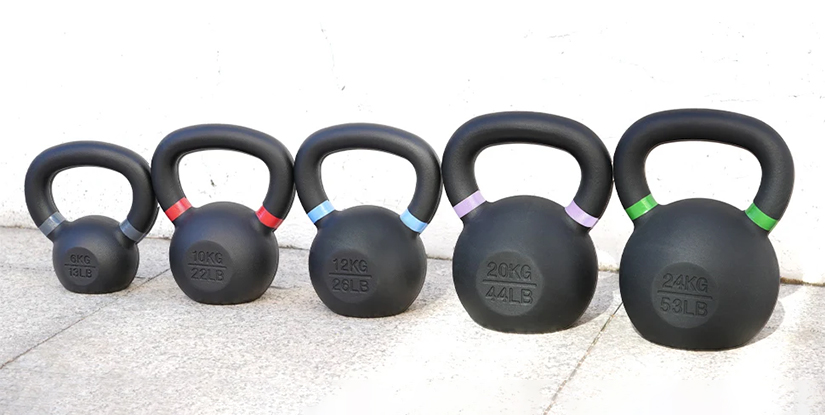
For distributors looking to build a premium brand identity, the ability to customize the finish is a significant competitive advantage. Through OEM or ODM services, you can specify exact coating thicknesses and handle textures that align with your brand's positioning. This level of control over the manufacturing process ensures that your wholesale 16kg kettlebell inventory is not only durable but also meets the high-performance expectations of professional athletes and high-end fitness studios. We suggest confirming the specific material grades and coating application methods during the initial sourcing phase to mitigate long-term replacement risks.
Optimizing Inventory with Wholesale 16kg Kettlebell Sourcing Strategies
Efficient warehouse management requires a strategic approach to weight distribution and SKU density. For distributors and gym equipment importers, securing a reliable 16kg kettlebell through direct China factory channels ensures a balanced inventory that meets high-frequency training demands without overextending capital. A well-planned wholesale 16kg kettlebell strategy minimizes the risk of dead stock while maximizing the utility of available warehouse space.
Effective bulk procurement focuses on optimizing the landed cost by balancing shipment volumes with storage constraints. When sourcing from a professional commercial kettlebell manufacturer, buyers must evaluate how the weight-to-volume ratio impacts container loading and long-term inventory turnover. Strategic sourcing allows for more predictable replenishment cycles and improved profit margins for retail distributors.
| Procurement Model | Inventory Turnover Potential | Warehouse Space Impact | Landed Cost Efficiency |
|---|---|---|---|
| Small Batch Retail Sourcing | High frequency/Low volume | Minimal footprint per order | Low efficiency due to high shipping overhead |
| wholesale 16kg kettlebell Bulk Order | Consistent/High volume | Optimized via palletization | High efficiency through scale |
| OEM Custom Production | Controlled by brand demand | Highly predictable stacking | Optimized for long-term distribution |
| Sourcing Model | Typical MOQ | Lead Time | Customization Capability | Quality Control Control |
|---|---|---|---|---|
| Trading Company | Low | Short (Stock-based) | Limited to existing SKUs | Dependent on third-party inspection |
| Direct bulk kettlebell supplier | Medium to High | Moderate (Production-based) | High (Standardized dimensions) | Direct factory-level inspection |
| Direct commercial kettlebell manufacturer | High | Extended (Custom-build) | Full OEM/ODM support | Rigorous in-house QC protocols |
Choosing between a trading partner and a direct factory significantly impacts your long-term sourcing efficiency. While trading companies may offer lower MOQ requirements for smaller, fragmented orders, they often introduce additional layers of cost and potential communication delays. For large-scale distributors, the lack of direct oversight can lead to inconsistencies in the 16kg kettlebell weight tolerances and surface finish quality.
Working directly with a supplier provides the transparency required for high-stakes commercial procurement. A dedicated factory can provide real-time updates on production status, ensuring that your lead time remains predictable. Furthermore, direct engagement allows for more effective ODM discussions, enabling you to tailor the handle texture, color, or branding to your specific market needs, ultimately protecting your distributor margins and brand integrity.
Export Packaging and Logistics Stability for Global Distribution
For international distributors, the primary risk in heavy equipment procurement is not just the unit cost, but the potential for damage during long-haul transit. A professional bulk kettlebell supplier understands that a 16kg kettlebell is a high-density, high-impact item that requires specialized export packaging to maintain structural integrity. Without rigorous protection, even high-quality casting can suffer from surface abrasions or handle deformation during sea freight. Ensuring high shipping stability through reinforced cartons and standardized palletization is essential for maintaining a professional brand image upon arrival at your warehouse.
Optimizing the landed cost requires more than just finding a low unit price; it demands mastery over volume optimization and container loading efficiency. When you partner with a direct factory, you gain access to precise loading plans that maximize every cubic meter of a shipping container. This precision reduces the number of shipments required over time, effectively lowering your per-unit logistics expense. Whether you are managing a single wholesale order or a recurring OEM production cycle, professionalizing your logistics strategy ensures that your inventory arrives in commercial-grade condition, ready for immediate retail or gym deployment.
To ensure your procurement aligns with your specific distribution timelines, we recommend contacting our team to confirm current lead time estimates and MOQ requirements. We are available to provide detailed technical specification sheets, discuss custom ODM branding options, or facilitate a factory audit to verify our quality control standards before your next bulk shipment.
Custom Branding and OEM/ODM Capabilities for Global Distributors
Distributors seeking to strengthen their market position often require more than just standard inventory; they need a unique value proposition. Utilizing a professional commercial kettlebell manufacturer allows you to move beyond generic sourcing to building a proprietary product line. Whether you are launching a specialized strength series or expanding an existing fitness catalog, our OEM and ODM services are designed to integrate your brand identity directly into the production phase, ensuring your clients receive equipment that reflects your specific market standards.
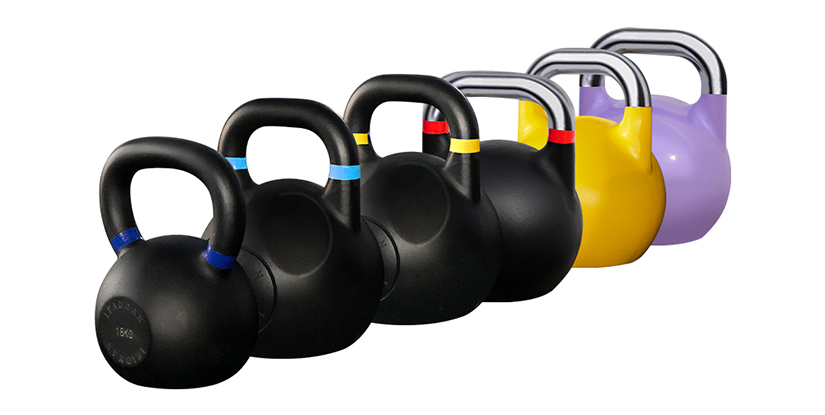
The scope for customization extends far beyond a simple logo. When sourcing a 16kg kettlebell in bulk, you can specify diverse color/material options to match your brand's aesthetic or functional requirements. This includes selecting between cast iron with powder coating, competition-style steel, or specialized rubberized finishes for high-traffic commercial environments. By managing these variables at the factory level, you ensure consistency across your entire product range while maintaining a competitive landed cost.
Establishing a private label program via a wholesale 16kg kettlebell order enables you to control the complete user experience. From the texture of the handle to the specific branding placement on the bell body, every detail can be tailored to your specifications. We work closely with procurement leads to define the MOQ for custom projects, ensuring that even specialized colorways or unique material requests remain economically viable for large-scale distribution and long-term inventory planning.
Technical Comparison: Standard Stock vs. Full Customization
Selecting the right procurement path depends on your specific distribution model and the level of brand differentiation required. A standard order provides speed and lower entry barriers, whereas a full customization strategy builds long-term brand equity. The following table outlines the technical and logistical differences between these two sourcing methods to help you evaluate your next bulk kettlebell supplier partnership.
| Feature/Requirement | Standard Stock Order | Full OEM/ODM Customization |
|---|---|---|
| Branding & Identity | Generic or existing factory branding | Full private label and custom logo integration |
| Color & Finish | Standard industry colors (Black/Red/Blue) | Customized powder coating and texture options |
| Handle Specification | Standard diameter and texture | Customized grip dimensions and material feel |
| Packaging Design | Standard export-grade bulk packaging | Customized retail-ready or branded boxing |
| Minimum Order Quantity | Lower MOQ for ready-to-ship units | Higher MOQ based on custom specifications |
| Production Lead Time | Short; based on existing inventory | Extended; includes design and tooling phases |
| Landed Cost Structure | Predictable and optimized for rapid turnover | Variable; dependent on customization complexity |
When calculating your total landed cost, consider that while customized units require a higher initial investment in terms of time and volume, they offer significantly higher margins for distributors. For those looking to secure a high-quality 16kg kettlebell with a distinct market identity, the customization route provides the control necessary to meet premium commercial standards. We recommend requesting a detailed spec sheet and a formal quote for both options to compare the long-term ROI of your specific product development roadmap.
Rigorous Quality Control and Export-Ready Logistics
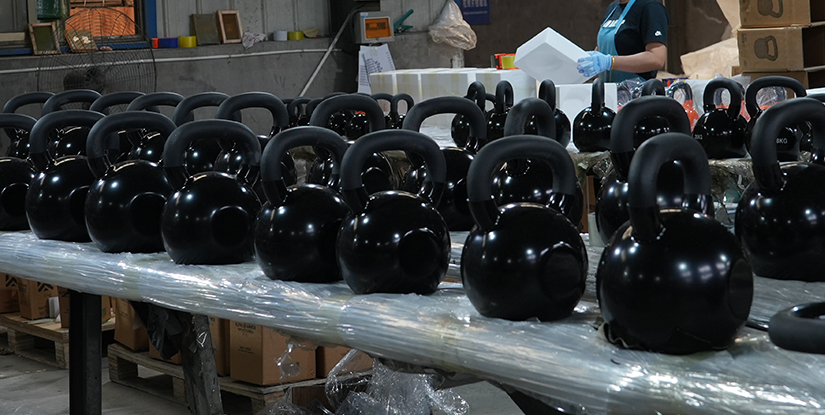
Maintaining high standards in a global supply chain requires more than just reliable manufacturing; it necessitates a structured approach to quality assurance. For professional buyers, the risk of receiving inconsistent batches is a significant pain point that can disrupt distribution schedules and damage brand reputation. To mitigate this, our factory implements a multi-stage quality control process specifically designed for the high-volume production of a 16kg kettlebell. This ensures that every unit meeting your specifications also meets the durability requirements of high-traffic commercial facilities.
The quality assurance workflow begins with raw material verification, moving through casting precision, and concluding with a comprehensive pre-shipment inspection. Each batch undergoes rigorous weight tolerance testing and surface finish evaluations to ensure consistency across the entire shipment. By integrating these checkpoints before the final export packaging phase, we ensure that your 16kg kettlebell arrives in optimal condition, regardless of the destination. This systematic approach reduces the need for costly returns or replacements, protecting your distributor margins and ensuring long-term reliability for your end-users.
Logistics efficiency is a core component of our global distribution capability. We understand that for large-scale importers, optimizing container loading and ensuring robust packaging is essential to minimizing damage during transit and managing the total landed cost. Our export-ready protocols involve heavy-duty, reinforced packaging designed to withstand the rigors of international sea freight. Whether you are managing a single container or multiple shipments, our team provides transparent updates on lead times and shipping status, facilitating smoother inventory planning and more predictable warehouse management for your business.
Quality Control and Pre-Shipment Inspection Protocols at the China Factory
Maintaining strict oversight during production is essential for any commercial kettlebell manufacturer to ensure every unit meets international fitness standards. For distributors and large-scale gym operators, a single faulty batch can lead to significant returns, increased maintenance costs, and damaged brand reputation. High-quality quality control protocols prevent these disruptions by verifying every single 16kg kettlebell before it enters the export pipeline.
Our rigorous inspection process focuses on three critical pillars: weight accuracy, material integrity, and batch consistency. We utilize calibrated testing equipment to ensure the 16kg kettlebell stays within industry-standard weight tolerances, preventing discrepancies that can compromise professional training sessions. Furthermore, we conduct stress tests on the handle-to-body connection to ensure structural stability under heavy usage. By adhering to strict China factory standards, we guarantee that the cast iron or powder coating remains uniform across your entire wholesale 16kg kettlebell order, protecting your long-term margins and client satisfaction.
Technical Inspection Stages and Verification Standards
To mitigate the risk of receiving inconsistent or sub-standard inventory, we implement a multi-stage technical audit. This systematic approach ensures that every unit in your bulk kettlebell supplier order aligns with the exact technical specifications requested during the initial sourcing phase. We prioritize precision to ensure that your landed cost remains optimized by avoiding the high expenses associated with defective product replacement.
| Inspection Stage | Focus Area | Standard Verification Protocol |
|---|---|---|
| Material Integrity | Raw Material Quality | Verification of cast iron density and metallurgical composition to prevent internal air pockets or structural cracks. |
| Casting Precision | Dimensional Accuracy | Measurement of handle diameter and body circumference to ensure ergonomic consistency for professional users. |
| Surface Finish | Coating Adhesion | Testing the powder coating or rubberized layer for thickness, grip texture, and resistance to chipping or peeling. |
| Weight Verification | Mass Tolerance | Final calibration of each 16kg kettlebell against certified weights to ensure strict adherence to specified tolerances. |
| Pre-shipment Inspection | Batch Uniformity | Final visual and physical audit of the entire wholesale 16kg kettlebell batch before container loading. |
This structured pre-shipment inspection is designed to provide transparency and confidence to the importer. By verifying the surface finish and weight accuracy at the source, we reduce the friction of international logistics and ensure that your stock is ready for immediate commercial deployment. We recommend that buyers request a detailed inspection report or a sample approval phase to confirm that our manufacturing output meets your specific brand identity and quality requirements.
Export Packaging and Logistics Readiness
A high-standard 16kg kettlebell requires more than just manufacturing precision; it requires professional export packaging to survive long-distance ocean freight. For a global bulk kettlebell supplier, the final stage of the supply chain is as critical as the casting process itself. Improper packaging leads to dented surfaces, damaged handles, or crushed cartons, which directly increases your landed cost through replacement claims and diminished retail value.
Our standard procedure involves heavy-duty, reinforced corrugated boxes designed to withstand stacking pressures within a shipping container. Each unit is secured to prevent movement during transit, ensuring that the high-density cast iron does not shift and cause structural damage to the packaging. We prioritize shipping safety by utilizing moisture-resistant liners and industrial-grade tape, protecting your inventory from the humidity fluctuations typical of international maritime routes. This level of attention to detail ensures that when your shipment arrives, the product is ready for immediate distribution or retail display.
For distributors managing complex logistics, we offer customized loading solutions to maximize container utilization. Whether you are sourcing via FOB or CIF terms, our team coordinates with your freight forwarder to ensure efficient palletization and weight distribution. By optimizing the volume-to-weight ratio during the packing phase, we help you reduce shipping overhead and improve your overall procurement ROI. We invite professional buyers to discuss specific pallet dimensions or custom branding requirements during the initial quote phase to ensure seamless integration into your local supply chain.
Logistics and Export Packaging for Efficient Container Loading
Optimizing the 16kg kettlebell supply chain requires more than just manufacturing precision; it demands rigorous logistical planning to protect distributor margins. For professional importers, the total landed cost is heavily influenced by how effectively weight and volume are managed during international transit. A wholesale 16kg kettlebell order that lacks standardized packaging leads to wasted container space, increased volumetric weight charges, and higher per-unit shipping overheads.
To mitigate these costs, our commercial kettlebell manufacturer protocols focus on high-density palletization and customized carton dimensions. By strictly adhering to China factory export standards, we ensure that every shipment maximizes container loading efficiency. This strategic approach reduces the number of shipping containers required for large-scale bulk kettlebell supplier contracts, directly lowering the freight-to-value ratio for your procurement department.
Optimizing Shipping Density and Unit Costs
Effective sourcing strategies must account for the physical footprint of heavy iron or cast iron goods. Because a 16kg kettlebell is a high-density item, the primary goal is to minimize empty air within the shipping container. We utilize reinforced, export-grade corrugated boxes and precision-aligned pallet layouts to ensure stability and density. This prevents shifting during sea transit, which protects the product integrity and ensures the shipment arrives at your warehouse ready for immediate distribution.
| Logistics Factor | Standard Export Method | Optimized B2B Strategy |
|---|---|---|
| Packaging Type | Single Unit Box | Reinforced Bulk Multi-Pack |
| Loading Method | Loose Loading | Standardized Palletization |
| Cost Focus | Low Initial Unit Price | Minimized Landed Cost |
| Space Utilization | Variable/High Air Gap | Maximized Container Density |
When evaluating your next wholesale order, we recommend reviewing our specific loading patterns. Whether you are requesting OEM custom branding or standard stock, our team provides detailed packing lists and volumetric data. This transparency allows you to calculate precise shipping budgets and optimize your inventory turnover based on actual container capacity.
The following technical comparison highlights how strategic packaging adjustments directly impact your procurement budget. While standard retail-oriented packaging may seem cost-effective at the unit level, it often results in significant volumetric inefficiencies that inflate the total landed cost for high-volume importers.
| Dimension / Metric | Standard Retail Packaging | Optimized Commercial Export |
|---|---|---|
| Carton Configuration | Single-unit individual boxes | High-density multi-unit master cartons |
| Average Volume per Unit | Higher due to protective air gaps | Minimized through precision stacking |
| Weight Density Ratio | Lower (More volume per kg) | Maximum (Optimized for weight-heavy cargo) |
| Container Loading Efficiency | Sub-optimal/Variable | High-density palletized stability |
| Impact on Unit Shipping Cost | Higher per-unit freight overhead | Lower per-unit freight overhead |
For a professional bulk kettlebell supplier, the priority is ensuring that the physical dimensions of the 16kg kettlebell do not result in "shipping air." By utilizing standardized pallet dimensions and reinforced, stackable master cartons, we help distributors achieve a higher number of units per 20ft or 40ft container. We suggest that procurement leads request a full packing specification sheet during the initial inquiry to confirm how your specific wholesale volume will translate to container utilization and final delivery costs.
To ensure long-term reliability, our commercial kettlebell manufacturer protocols include a multi-stage QC process that extends from the raw casting stage to the final container loading. For high-volume sourcing, we recognize that a single damaged unit can disrupt your entire inventory flow and diminish distributor margins. We implement rigorous pre-shipment inspections to verify weight tolerances, handle coatings, and structural integrity, ensuring every 16kg kettlebell meets professional commercial standards before it leaves the factory floor.
Beyond product quality, we prioritize damage prevention through specialized export-grade packaging. Our heavy-duty, reinforced cartons are designed specifically for the weight-to-volume ratio of a 16kg kettlebell, preventing crushing and deformation during long-haul sea freight. By utilizing standardized palletization and edge protectors, we maintain sea freight stability, ensuring that even the most densely packed containers arrive at your port without structural compromise. This commitment to high-standard export packaging helps minimize replacement claims and protects your total landed cost.
When planning your next large-scale procurement, we recommend requesting a detailed packing specification and a sample of our export-grade carton. Whether you are managing a small studio distribution or a large-scale warehouse operation, our team can provide precise volumetric data and loading simulations. Contact us to confirm your MOQ, discuss OEM branding options, or request a formal quote for your upcoming wholesale requirements.
Strategic Procurement: Requesting Quotes and Sample Approvals
Optimizing the procurement of a 16kg kettlebell requires a transition from simple purchasing to strategic sourcing. For distributors and large-scale gym operators, the goal is to minimize the total landed cost while maximizing product longevity. Relying on unverified stock can lead to high replacement frequencies and diminished margins. To mitigate these risks, professional buyers should engage directly with a commercial kettlebell manufacturer to establish rigorous quality standards before finalizing high-volume orders.
A critical step in the sourcing workflow is the sample approval process. Requesting a physical sample allows your technical team to verify weight distribution, handle ergonomics, and coating durability. This proactive measure ensures that the wholesale 16kg kettlebell units arriving at your warehouse meet your specific brand identity and durability requirements. By validating the product at the factory level, you reduce the likelihood of costly returns or client dissatisfaction, ultimately securing a higher ROI for your inventory investment.
Direct Sourcing Value: Factory vs. Trading Companies
When scaling inventory, procurement professionals must decide between purchasing through a third-party trader or establishing a direct relationship with a bulk kettlebell supplier. While trading companies may offer lower entry barriers, they often introduce hidden costs through multiple markups and lack direct control over the production line. For high-volume importers, the decision directly impacts the final landed cost and the ability to maintain consistent quality across different production batches.
The following comparison highlights the operational advantages of working with a China factory that specializes in direct export and custom manufacturing. This transparency is vital for maintaining competitive margins in the North American commercial market.
| Procurement Dimension | Direct Factory Sourcing | Trading Company Procurement |
|---|---|---|
| Customization Capability | High: Full OEM and ODM support | Limited: Primarily stock-based items |
| Quality Control (QC) | Direct: In-house QC and pre-shipment inspection | Indirect: Reliant on third-party reports |
| Minimum Order Quantity | Flexible: Scalable based on MOQ tiers | Rigid: Often dictated by existing stock levels |
| Price Stability | High: Direct control over raw material costs | Variable: Subject to trader markups |
| Production Lead Time | Optimized: Direct scheduling with the supplier | Unpredictable: Dependent on trader's procurement cycle |
For distributors seeking to build a proprietary product line, the ability to implement OEM protocols is a significant competitive advantage. Sourcing a 16kg kettlebell directly from the source ensures that your specific branding, material preferences, and packaging requirements are integrated into the production process. This direct oversight reduces the friction often found in complex international supply chains and provides a more stable foundation for long-term growth.
Standardizing Quality Assurance and Export Readiness
Before transitioning to a full-scale bulk order, professional importers must establish a non-negotiable protocol for quality control. A professional commercial kettlebell manufacturer should provide comprehensive documentation regarding the weight tolerance and material density of each 16kg kettlebell unit. This stage is the most effective way to prevent long-term maintenance liabilities and ensures that every piece in your inventory meets international commercial standards for durability and safety.
The final stage of the procurement workflow involves verifying the export packaging and shipping logistics. For high-volume distributors, the way a product is palletized and secured within a container directly affects the landed cost and the risk of transit damage. We recommend a formal factory audit or a pre-shipment inspection to confirm that the loading plan optimizes container space and that the protective packaging is sufficient for long-distance maritime transport. By finalizing these technical details during the sample and testing phase, you ensure a seamless transition from the production line to your warehouse or client's facility.