Commercial Strength Training Equipment: Leading OEM ODM
Commercial Strength Training Equipment: Strategic Sourcing for High-Traffic Facilities
Procuring commercial strength training equipment for high-traffic environments requires a rigorous evaluation of three critical checkpoints: mechanical specification compliance, long-term durability under heavy usage, and logistical reliability. Professional buyers must look beyond initial unit costs to assess the total cost of ownership, as improper sourcing decisions often lead to premature component failure and escalating maintenance loads. Selecting a reliable China factory that understands the demands of global distribution ensures that your facility receives units capable of sustained operation without frequent downtime.
In high-volume settings such as large-scale fitness clubs or multi-use training centers, the intensity of daily usage places extreme stress on bearings, cables, and structural frames. Utilizing commercial strength training equipment designed for these environments minimizes the risk of unexpected repairs and optimizes your facility's operational efficiency. By working directly with a commercial strength training equipment manufacturer, distributors and facility owners can secure high-grade steel constructions and industrial-strength upholstery that withstand constant friction and heavy loading. This strategic approach shifts the focus from short-term savings to long-term ROI, ensuring that your capital expenditure supports a high-performance environment for years to come.
For those managing large-scale deployments or expanding a product line, securing wholesale strength training machines through a custom gym equipment OEM model provides a distinct competitive advantage. This allows for the integration of specific technical requirements or unique branding that aligns with your market position. A professional supplier can provide the necessary technical documentation and structural certifications required to meet international safety standards, ensuring that your bulk orders are both high-performing and compliant with local commercial regulations.
Retail-Grade vs. Professional-Grade: A Procurement Perspective
When managing procurement budgets, distinguishing between consumer-level products and professional-grade assets is essential for long-term profitability. While retail-grade items may offer lower initial costs, they lack the structural integrity required for continuous, high-frequency loading. For professional distributors and facility operators, investing in commercial strength training equipment ensures a significantly lower total cost of ownership (TCO) by reducing the frequency of part replacements and technical service calls.
The following comparison highlights why professional buyers prioritize specialized manufacturing over general consumer-grade options when optimizing their inventory or facility layout.
| Feature Specification | Standard Retail/Home Grade | Professional Commercial Grade |
|---|---|---|
| Structural Framework | Lightweight steel or aluminum tubing | Heavy-duty industrial steel construction |
| Usage Capacity | Intermittent/Low-frequency use | High-frequency/Continuous heavy loading |
| Maintenance Requirement | High frequency of component replacement | Low frequency/Long-term durability |
| Primary Goal | Low initial purchase price | Maximum ROI and operational uptime |
| Sourcing Model | General consumer retail | Direct wholesale or OEM procurement |
Selecting high-performance wholesale strength training machines allows operators to mitigate the risks associated with equipment downtime and rapid depreciation. Rather than dealing with the logistical friction of frequent replacements, professional buyers focus on securing high-grade assets that maintain their structural and aesthetic value throughout their lifecycle. We recommend that all procurement leads request detailed technical specification sheets and confirm the material grades used by their commercial strength training equipment manufacturer before finalizing bulk orders to ensure compliance with facility-specific requirements.
Branding and Product Differentiation Through Customization
For distributors and large-scale facility developers, the ability to move beyond generic inventory is a key driver of market positioning. Utilizing a custom gym equipment OEM service allows you to integrate your own brand identity directly into the hardware. This level of customization extends from specialized color palettes for frames and upholstery to the application of custom logos on weight stacks and shrouds. By establishing a unique visual language, you transform standard commercial strength training equipment into a signature product line that reinforces your brand presence in a crowded marketplace.
Beyond aesthetics, true differentiation is achieved through functional customization. Professional buyers can work with a factory to adjust machine dimensions, weight increments, or ergonomic adjustments to suit specific regional demographics or specialized training niches. This ability to tailor technical specifications ensures that your product offerings are not just another commodity, but a specialized solution that meets the precise needs of your target clients. Whether you are developing a boutique studio line or a high-end hotel fitness package, these bespoke options help you command higher margins and build long-term customer loyalty.
To ensure a seamless integration of custom branding and technical modifications, we recommend discussing your specific requirements during the initial inquiry phase. Contact our team to request a detailed consultation regarding your custom branding needs, confirm the applicable MOQ for specialized production runs, and evaluate the potential impact on the overall lead time for your project. Our technical team is prepared to assist with sample approval and specification validation to ensure your vision aligns with high-performance commercial standards.
Optimizing Floor Layout and Equipment Durability for Maximum ROI
For professional gym operators and distributors, the initial procurement cost is only one part of the equation. Selecting high-quality commercial strength training equipment from a reliable commercial strength training equipment manufacturer ensures that the investment translates into long-term profitability. When sourcing in bulk, decision-makers must balance the footprint of each unit against its structural integrity to optimize both usable floor space and the total cost of ownership.
In high-traffic environments, inferior builds lead to frequent downtime and rising maintenance costs. This creates a cycle of diminishing ROI as replacement parts and technician visits eat into distributor margins. By prioritizing custom gym equipment OEM solutions that utilize industry-standard steel gauges and reinforced pivot points, buyers can secure higher long-term value and reduce the frequency of equipment turnover.
| Procurement Metric | Standard Wholesale Units | High-Performance OEM/ODM Units |
|---|---|---|
| Maintenance Frequency | Moderate to High | Low/Minimal |
| Expected Lifespan | Standard Commercial | Extended/Heavy-Duty |
| Impact on TCO | Higher OpEx over time | Lower Long-term OpEx |
| Footprint Versatility | Fixed Dimensions | Customizable/Optimized |
Effective wholesale strength training machines sourcing requires looking beyond the factory price tag. A sophisticated supplier provides more than just hardware; they provide assets that withstand constant mechanical stress. When calculating the landed cost of a shipment, professional buyers should factor in the durability of the commercial strength training equipment to ensure the wholesale order serves the facility for years without requiring premature replacement or costly structural repairs.
Evaluating the total cost of ownership (TCO) is critical for distributors and large-scale facility operators. A lower initial purchase price often masks the hidden expenses of frequent part replacements and labor costs. By engaging with a professional commercial strength training equipment manufacturer, buyers can secure high-spec builds that minimize downtime and maximize the utility of every square meter of floor space.
Financial Impact: High-Performance vs. Low-Cost Sourcing
The following comparison illustrates why investing in premium custom gym equipment OEM solutions provides a superior return compared to low-grade alternatives. While the initial investment may be higher, the long-term savings on maintenance and replacement cycles significantly improve the net profitability of your inventory or facility.
| Financial & Operational Metric | Low-Cost/Generic Sourcing | Premium wholesale strength training machines |
|---|---|---|
| Initial Investment | Lower per unit | Moderate to High |
| Maintenance Frequency | High (Frequent adjustments) | Low (Standardized maintenance) |
| Replacement Cycle | Short (1–3 years in high-use) | Extended (5+ years) |
| Landed Cost Efficiency | Low (High replacement costs) | High (Optimized long-term TCO) |
| Operational Efficiency | Frequent downtime/repairs | Maximum uptime/reliability |
When managing large-scale procurement, the goal is to optimize the landed cost through durability rather than just the lowest invoice price. High-quality commercial strength training equipment reduces the need for emergency restocking and urgent shipping from a factory, ensuring your business or your clients maintain consistent service levels without unexpected capital outlays.
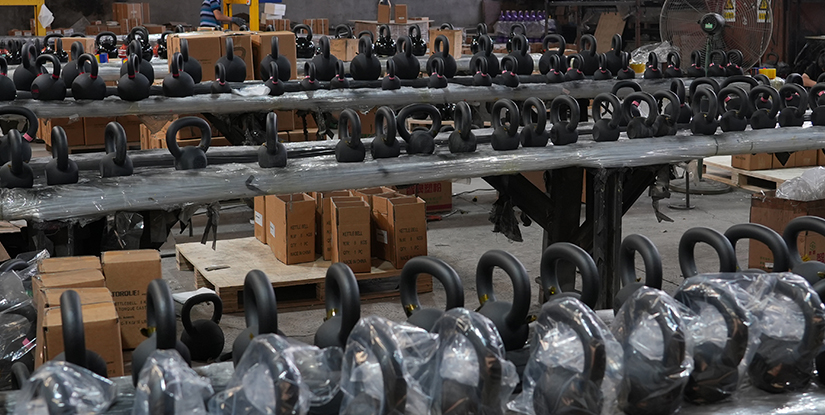
To ensure your procurement strategy aligns with these efficiency goals, we recommend requesting a detailed technical specification sheet and confirming the MOQ for your specific configurations. Our team is available to discuss bulk pricing, custom branding options, and pre-shipment inspection protocols to guarantee your order meets all commercial-grade standards.
When planning a commercial gym setup, the relationship between equipment footprint and facility revenue is direct. A professional supplier understands that space optimization is not just about fitting machines into a room, but about maximizing the density of high-value training zones. Whether you are designing a boutique studio or a large-scale fitness center, the ability to integrate customized solutions into a specific floor plan determines your long-term capacity for member density and operational throughput.
Strategic Space Planning and Customization
Standardized equipment dimensions can often lead to wasted square footage or awkward circulation paths. To mitigate this, professional buyers often leverage OEM and ODM capabilities to secure units that better align with their facility's unique architectural constraints. By working directly with a factory, importers can request specific dimensions or modular configurations that allow for more efficient density without compromising user safety or movement ranges.
The goal of high-level sourcing is to transition from buying individual machines to implementing a cohesive, space-efficient ecosystem. This approach reduces the complexity of your commercial gym setup and ensures that your capital expenditure is directed toward equipment that maximizes every available meter of your facility. Before finalizing your next bulk order, we recommend reviewing detailed CAD drawings or layout templates to ensure the proposed equipment integrates seamlessly with your intended floor plan and client traffic flow.
Custom Gym Equipment OEM: Tailoring Specifications to Market Demand
Standardized product catalogs often fail to meet the specific demands of premium fitness distributors and high-end studio operators. When you rely solely on off-the-shelf inventory, you limit your ability to capture niche market segments. Utilizing a custom gym equipment OEM model allows you to transition from a mere reseller to a specialized brand owner by controlling the technical nuances of your lineup.
The strategic value of commercial strength training equipment lies in its ability to adapt to regional ergonomic preferences, specific aesthetic trends, and varying durability requirements. Through professional specification tailoring, a China factory can modify frame dimensions, upholstery textures, and resistance profiles to align perfectly with your brand identity. This level of control ensures that your products do not just compete on price, but on unique functional value.
The Strategic Advantage of Customization in B2B Sourcing
For distributors, the goal is market differentiation. If every supplier offers the same generic machines, your margins are constantly squeezed by price wars. By engaging in OEM or ODM processes, you can develop exclusive product features—such as proprietary cable systems or unique weight stack configurations—that are not available through standard wholesale channels. This exclusivity builds long-term loyalty among gym owners who seek a specific "look and feel" for their facilities.
Successful sourcing requires a balance between custom innovation and manufacturing efficiency. Working with a direct manufacturer allows you to integrate your branding directly into the production phase, ensuring that every piece of commercial strength training equipment shipped carries your professional mark. This approach optimizes your landed cost by consolidating custom requirements into a single, streamlined production run rather than managing multiple fragmented suppliers.
Comparing Sourcing Models: Standard Wholesale vs. Custom Solutions
Deciding between purchasing standard inventory or investing in a custom production run depends on your scale, brand vision, and target market. While standard wholesale strength training machines offer the fastest way to replenish stock, they lack the differentiation required for market leaders. A professional commercial strength training equipment manufacturer provides two distinct pathways: ready-to-ship stock or fully integrated customization. Understanding these variables is critical for calculating long-term ROI and distributor margins.
The following table outlines the operational differences between these two procurement strategies to assist in your decision-making process.
| Procurement Dimension | Standard Wholesale Purchasing | Custom OEM/ODM Solutions |
|---|---|---|
| Customization Depth | Limited to standard color or logo placement | Full control over frame geometry, upholstery, and specs |
| Branding Options | Generic or third-party manufacturer branding | Complete private label and custom brand identity |
| MOQ Requirements | Lower minimums for ready-to-ship units | Higher minimums to cover custom tooling and setup |
| Lead Time | Short; dependent on current factory stock availability | Extended; includes R&D, prototyping, and production cycles |
| Technical Support | Standardized assembly and maintenance guides | Dedicated engineering support for proprietary features |
| Market Positioning | High-volume, price-competitive general market | Niche, premium, or specialized fitness segments |
When planning your next expansion, consider whether your business model relies on rapid turnover of existing SKUs or the building of a unique brand legacy. While the MOQ for custom orders may require a larger initial capital outlay, the ability to offer exclusive, high-performance equipment often results in a more sustainable competitive advantage. We recommend requesting a detailed spec sheet or discussing your specific requirements with our technical team to confirm the feasibility of your custom designs.
Technical Precision and Logistics Management in the OEM Workflow
Transitioning from standard procurement to a specialized custom gym equipment OEM partnership requires rigorous technical oversight. The process begins long before the first unit leaves the factory. To ensure the final product meets international commercial standards, a professional commercial strength training equipment manufacturer must implement a structured development cycle. This includes the creation of high-precision technical drawings and the rigorous evaluation of physical prototypes. Without this foundational stage, even minor deviations in frame geometry or resistance mechanics can lead to significant long-term maintenance liabilities for the end-user.
Beyond engineering, the logistical success of your commercial strength training equipment shipment depends on robust QC protocols and export-ready packaging. For large-scale distributors, the risk of transit damage or incorrect assembly components can erode distributor margins and increase the total cost of ownership. High-tier manufacturing partners utilize specialized export packaging designed to withstand long-haul maritime transit, ensuring that every component of your wholesale strength training machines arrives in optimal condition. By managing these technical and logistical variables at the source, you achieve better landed cost optimization and a more predictable supply chain.
To mitigate procurement risks, we advise professional buyers to engage in several key verification steps during the sourcing cycle. Before finalizing a bulk order, it is standard practice to request a full technical spec sheet, confirm the specific MOQ for your customized components, and schedule a factory audit or a pre-shipment inspection. These steps ensure that your custom branding and technical specifications are executed with the precision required for the global commercial fitness market.
Wholesale Strength Training Machines: Managing Inventory and Lead Times
Efficient procurement of commercial strength training equipment requires a strategic balance between stock availability and capital liquidity. For distributors and large-scale importers, managing the gap between placing a bulk order and receiving goods at a warehouse is a critical operational challenge. Relying on a stable commercial strength training equipment manufacturer allows for more predictable replenishment cycles and optimized warehouse space utilization.
Inventory management becomes complex when factoring in the lead time associated with customized orders. Unlike standard retail replenishment, sourcing wholesale strength training machines involves long-distance logistics and potential manufacturing buffers. Failure to account for these variables can result in stockouts during peak seasons or excessive landed cost due to rushed shipping. Professional buyers must evaluate the total cost of ownership, ensuring that China factory sourcing strategies include realistic timelines for production, sea freight, and customs clearance to maintain healthy inventory turnover.
| Procurement Dimension | Direct Factory Sourcing | Local Trading Company |
|---|---|---|
| Unit Cost Efficiency | Higher margins via wholesale pricing | Lower due to intermediary markup |
| Customization Capability | Full OEM and ODM support | Limited to existing stock profiles |
| Order Control | Direct oversight of factory production | Indirect control through third parties |
| Logistics Complexity | Requires managing sourcing and export | Simplified local procurement |
To mitigate risk, distributors should establish clear protocols for MOQ verification and pre-shipment inspections. When coordinating with a supplier, providing advanced notice for seasonal demand shifts can help stabilize the supply chain and ensure your commercial strength training equipment arrives in alignment with your market expansion goals.
Optimizing your procurement strategy requires a granular understanding of how production capacity directly impacts your bottom line. For high-volume distributors, the distinction between a generic vendor and a specialized custom gym equipment OEM can determine the success of a product launch or a large-scale facility installation. A dedicated factory structure allows for better synchronization between production runs and shipping schedules, reducing the risk of unexpected capital tie-ups.
When scaling a product line, buyers must weigh the benefits of standardized inventory against the competitive advantage of bespoke solutions. While stock items offer faster turnaround, a professional commercial strength training equipment manufacturer provides the technical infrastructure to develop proprietary designs that differentiate your brand in a crowded market. This level of control over specifications—from frame gauge to upholstery texture—is essential for maintaining a premium market position and ensuring long-term durability for end-users.
To ensure a seamless transition from production to final delivery, we recommend that procurement teams initiate the following steps during the evaluation phase: confirm specific MOQ requirements for customized components, request detailed technical specification sheets for all moving parts, and schedule a virtual or on-site factory audit to verify production standards. Proactive communication regarding shipping windows and container loading optimization will further protect your margins and stabilize your regional supply chain.
Optimizing your procurement strategy requires a granular understanding of how production capacity directly impacts your bottom line. For high-volume distributors, the distinction between a generic vendor and a specialized custom gym equipment OEM can determine the success of a product launch or a large-scale facility installation. A dedicated factory structure allows for better synchronization between production runs and shipping schedules, reducing the risk of unexpected capital tie-ups.
When scaling a product line, buyers must weigh the benefits of standardized inventory against the competitive advantage of bespoke solutions. While stock items offer faster turnaround, a professional commercial strength training equipment manufacturer provides the technical infrastructure to develop proprietary designs that differentiate your brand in a crowded market. This level of control over specifications—from frame gauge to upholstery texture—is essential for maintaining a premium market position and ensuring long-term durability for end-users.
To ensure a seamless transition from production to final delivery, we recommend that procurement teams initiate the following steps during the evaluation phase: confirm specific MOQ requirements for customized components, request detailed technical specification sheets for all moving parts, and schedule a virtual or on-site factory audit to verify production standards. Proactive communication regarding shipping windows and container loading optimization will further protect your margins and stabilize your regional supply chain.
Quality Control and Export Standards for China Factory Direct Sourcing
For international distributors and large-scale gym operators, the primary risk in global procurement is not the unit price, but the variance in build quality and compliance. Sourcing commercial strength training equipment directly from a China factory requires a rigorous verification framework to ensure that every shipment meets the structural and safety expectations of the North American market. Without strict oversight, importers face high landed costs due to damaged goods, high maintenance frequency, or even legal liabilities resulting from non-compliance with international safety standards.
To mitigate these risks, professional buyers must prioritize a commercial strength training equipment manufacturer that integrates multi-stage quality control (QC) protocols into their production cycle. This includes raw material testing, welding integrity checks, and functional load testing. By implementing a factory-direct inspection process, distributors can verify that the commercial strength training equipment adheres to the necessary international safety standards before the container is even sealed. This systematic approach ensures that your wholesale orders arrive ready for immediate installation, protecting your brand reputation and long-term profit margins.
Technical Inspection Categories for Procurement Verification
Evaluating the technical capacity of a custom gym equipment OEM requires moving beyond surface-level aesthetics to examine the structural integrity of the components. High-performance machines must withstand high-frequency usage in commercial environments without mechanical failure or structural fatigue. Professional procurement managers should demand detailed inspection reports covering four critical technical dimensions to ensure long-term durability and reduce total cost of ownership.
| Inspection Category | Technical Checkpoint | Standard Requirement for Commercial Use |
|---|---|---|
| Material Integrity | Steel Gauge & Density | High-density heavy-duty steel with consistent wall thickness |
| Structural Welding | Joint Strength & Smoothness | Full-penetration welding with zero slag or sharp edges |
| Surface Coating | Powder Coating Adhesion | Uniform thickness resistant to scratches and oxidation |
| Mechanical Precision | Bearing & Cable Smoothness | Low-friction movement with silent, consistent resistance |
| Compliance | Safety Certification | CE and ISO standard documentation availability |
A reliable commercial strength training equipment manufacturer will provide transparent documentation regarding these technical specifications. For instance, pre-shipment testing should include load-bearing tests on weight stacks and functional testing of all moving parts. This level of scrutiny is essential when ordering wholesale strength training machines, as it ensures that the mechanical components can handle the rigorous demands of a commercial facility without premature wear. Verification of compliance certificates like CE or ISO is a non-negotiable step in the sourcing process to ensure the equipment meets the safety expectations of your target market.
Before finalizing your shipment, it is highly recommended to request a sample approval or a third-party factory audit. Confirming the specific wholesale packaging standards and container loading plans will also help minimize transit damage and optimize your landed cost. Whether you are pursuing a small MOQ for a boutique studio or a large-scale distributor order, establishing these technical benchmarks early in the procurement cycle is the most effective way to ensure a successful partnership.
Global Logistics and Export Packaging Optimization
The final stage of a successful procurement cycle is the transition from the factory floor to the shipping container. For distributors managing high-volume imports, the risk of transit-related damage can significantly inflate the total landed cost. Effective export packaging is not merely about protection; it is a strategic component of logistics that ensures the structural integrity of your commercial strength training equipment remains intact during long-sea voyages and multi-modal transport transitions. Professional buyers should demand specialized packaging solutions that account for the specific weight, dimensions, and mechanical sensitivities of heavy-duty fitness units.
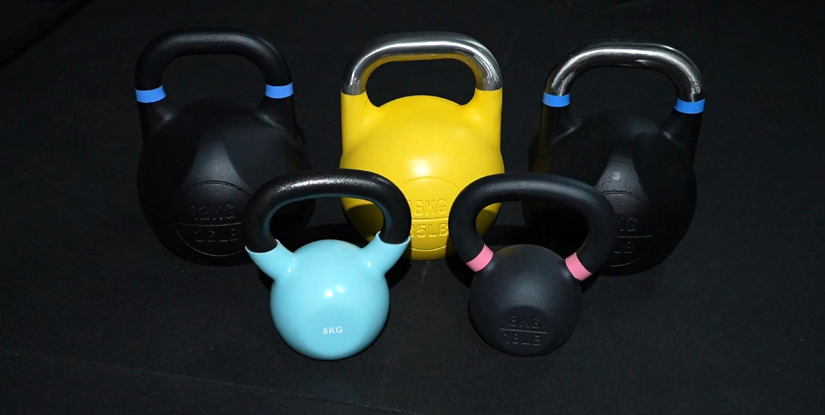
A professional custom gym equipment OEM partner utilizes multi-layered protection strategies to mitigate the impact of ocean humidity, vibration, and stacking pressure. This includes high-density foam padding for contact points, reinforced edge protectors for steel frames, and heavy-duty corrugated outer cartons. For larger, non-collapsible units, high-quality wooden crates or heat-treated pallets are standard to ensure stability. Implementing these rigorous export packaging protocols is essential for preventing shipping damage and reducing the need for costly on-site repairs or replacement parts upon arrival at your warehouse.
Beyond individual unit protection, sophisticated container loading optimization is critical for maximizing your ROI per shipment. A skilled supplier will provide a detailed loading plan that balances weight distribution and volumetric efficiency. By strategically nesting smaller components within larger machine frames and utilizing optimized pallet configurations, the factory can increase the density of your wholesale strength training machines per 40HQ container. This level of logistical precision directly lowers your per-unit shipping cost and improves the overall efficiency of your global supply chain.
To ensure a seamless delivery process, we recommend that procurement managers request a pre-shipment photo report of the packed goods and the final container load. This transparency allows you to verify that the export packaging meets your specific durability requirements before the vessel departs. Whether you are coordinating a single wholesale shipment or managing complex, multi-SKU distributor orders, aligning on these logistics standards early will protect your margins and ensure your equipment arrives in showroom-ready condition.
Selecting a Reliable Commercial Strength Training Equipment Manufacturer
Sourcing high-performance commercial strength training equipment requires more than finding a low price; it requires identifying a factory capable of meeting rigorous international standards. For distributors and gym operators, the risk of importing substandard units can lead to high maintenance costs and damaged brand reputation. A professional commercial strength training equipment manufacturer must demonstrate mastery over both structural engineering and supply chain stability to ensure long-term ROI.
To mitigate procurement risks, evaluate potential partners based on their technical precision and capacity for high-volume output. Reliable wholesale strength training machines should be backed by strict manufacturing standards and documented QC protocols to ensure every unit survives high-traffic environments. Beyond the physical machine, your sourcing strategy must account for technical specifications, such as steel gauge thickness and bearing durability, to minimize total cost of ownership.
Critical Procurement Criteria for Global Importers
When evaluating a custom gym equipment OEM partner, move beyond surface-level aesthetics. Professional buyers must verify that the China factory utilizes standardized welding processes and high-grade coatings to prevent oxidation in humid climates. A transparent supplier will provide detailed CAD drawings and material certifications during the initial MOQ negotiation to ensure the final product aligns with your local market requirements.
| Procurement Dimension | Factory-Direct / OEM Model | Standard Trading Model |
|---|---|---|
| Technical Control | Direct oversight of technical specifications | Dependent on third-party descriptions |
| Customization Depth | Full OEM and ODM capability | Limited to existing stock variations |
| Quality Assurance | Rigorous pre-shipment inspection protocols | Variable quality based on batch |
| Landed Cost | Optimized for high-volume wholesale | Higher margins due to middle-tier markup |
To ensure seamless integration into your inventory, confirm that the manufacturer handles complex export requirements, including reinforced export packaging and efficient container loading optimization. Before finalizing a bulk order, we recommend requesting a detailed spec sheet, confirming the minimum MOQ for custom branding, and scheduling a virtual factory audit to verify production capacity and quality control consistency.
Selecting the appropriate sourcing model is a critical decision for long-term distributor margins and product reliability. Whether you are looking for high-volume wholesale strength training machines or a highly specialized custom gym equipment OEM solution, understanding the structural differences between direct manufacturing and trading-based procurement is essential for minimizing landed cost and maximizing product lifespan.
Comparison of Sourcing Models for Professional Buyers
| Sourcing Dimension | Direct commercial strength training equipment manufacturer | International Trading Company |
|---|---|---|
| Customization Capability | Full OEM and ODM engineering control | Limited to catalog-based selection |
| Minimum Order Quantity | Negotiable MOQ based on production lines | Often lower, but higher unit costs |
| Quality Control | Direct oversight of factory QC and testing | Dependent on supplier inspection reports |
| Lead Time Control | Direct management of production cycles | Subject to third-party procurement delays |
| Cost Efficiency | Optimized for high-volume wholesale orders | Higher markup due to intermediary margins |
| Technical Support | Direct access to engineering and R&D | Limited to commercial sales support |
For distributors aiming to build a proprietary brand, a direct China factory partnership offers the highest level of technical autonomy. This model allows for precise control over material grades, upholstery textures, and colorway specifications. When planning your next shipment, ensure you verify the manufacturer's ability to handle complex export logistics, including reinforced crate construction and optimized container loading to reduce shipping-related damage.
To move forward with your procurement strategy, we suggest initiating a formal inquiry to request a comprehensive technical spec sheet. Professional buyers should confirm the specific MOQ for private label branding, evaluate the lead time for customized production runs, and request a pre-shipment inspection protocol to ensure all units meet your local commercial standards.
Finalizing your procurement plan requires a transition from theoretical research to actionable supply chain management. For professional distributors, the goal is to secure a reliable stream of commercial strength training equipment that maintains high uptime and protects your brand equity. Whether you are scaling a regional distribution network or launching a private label line, the complexity of international logistics demands a partner who understands both technical manufacturing and global shipping compliance.
Strategic Implementation and Inquiry Process
Effective procurement begins with rigorous verification. We recommend that buyers initiate the process by requesting a formal quote to analyze how volume tiers impact your total landed cost. A professional commercial strength training equipment manufacturer will provide a transparent breakdown of pricing based on your specific MOQ and customization requirements. This stage is critical for calculating your potential distributor margin and ensuring the project meets your capital expenditure targets.
To mitigate the risks associated with long-distance sourcing, utilize the following professional evaluation steps:
- Request a detailed technical specification sheet for all wholesale strength training machines to verify steel gauges, bearing types, and upholstery durability.
- Conduct a formal sample evaluation to test mechanical movement and finish quality before committing to a full production run.
- Schedule a virtual or on-site factory audit to inspect production lines, welding precision, and existing quality control documentation.
- Confirm the export packaging standards, specifically requesting reinforced crate designs and optimized container loading plans to minimize transit damage.
For those seeking a high-level custom gym equipment OEM partnership, we suggest discussing long-term product development cycles early. This ensures that your unique brand identity—from custom colorways to proprietary logo placement—is seamlessly integrated into the manufacturing process. By establishing these protocols during the initial inquiry, you build a foundation for a sustainable, high-margin partnership built on technical excellence and supply chain reliability.