Kettlebell Weights: Top Tier China Factory OEM Supply
Kettlebell Weights: Mitigating Procurement Risks in Bulk Sourcing
Professional buyers must evaluate three critical checkpoints before finalizing a purchase: technical specification accuracy, rigorous quality control, and logistical reliability. When sourcing kettlebell weights at scale, a single oversight in material density or handle diameter can lead to significant product returns or damaged brand reputation. Relying on an unverified supplier often results in hidden costs that far exceed the initial wholesale price, specifically through inconsistent weight distribution and substandard casting finishes.
The financial impact of procurement errors extends beyond the initial invoice. Inadequate commercial kettlebell manufacturing processes frequently lead to uneven weight distribution, which creates a safety liability in high-traffic commercial environments. Furthermore, failing to confirm bulk kettlebell supply protocols with a legitimate China factory can result in unexpected delays at customs or shipping damage due to improper export packaging. These disruptions directly increase your total landed cost and disrupt your inventory turnover, ultimately shrinking the margins available to distributors and studio operators.
Distinguishing High-Risk Traders from Reliable Factory-Direct Suppliers
To protect your margins and ensure product consistency, it is essential to understand the structural differences between trading companies and a true China factory. While traders may offer low initial quotes, they often lack control over the production line, leading to unpredictable lead time fluctuations and inconsistent QC standards. Conversely, a direct manufacturer provides transparency in the production cycle, allowing for precise OEM and ODM customization that aligns with your brand identity.
| Sourcing Dimension | Trading Company (High Risk) | Factory-Direct (Professional Grade) |
|---|---|---|
| Production Control | Outsourced to various small workshops | In-house commercial kettlebell manufacturing |
| Custom Branding | Limited or basic logo application | Full private label and custom color options |
| Quality Assurance | Random spot checks via third parties | Integrated QC during casting and finishing |
| Order Flexibility | Strict and high MOQ requirements | Scalable wholesale kettlebell weights tiers |
| Supply Chain Transparency | Opaque pricing and origin | Direct access to bulk kettlebell supply data |
| Logistics Expertise | Basic shipping services | Specialized export packaging for heavy goods |
Selecting the right supplier is a decision that impacts your long-term TCO (Total Cost of Ownership). When you secure a partnership with a direct manufacturer, you gain the ability to audit production processes and verify weight tolerances before the shipment leaves the floor. We recommend that buyers request a detailed specification sheet and confirm the specific MOQ for custom branding requests to ensure your procurement aligns with your inventory turnover goals.
Ensuring Reliability Through Pre-Shipment Inspection and Direct Communication
To mitigate the risks inherent in international sourcing, professional buyers should prioritize direct communication with the production facility. Relying on indirect agents often obscures the actual manufacturing status, making it difficult to verify if the kettlebell weights meet the exact density and finish requirements of your commercial contract. Establishing a direct line to the factory allows for real-time updates on production progress and more efficient management of your wholesale order timelines.
The final safeguard for any high-volume order is a rigorous pre-shipment inspection. For commercial-grade equipment, this process must include physical weight verification, handle ergonomics testing, and coating durability checks. By coordinating a formal inspection or requesting high-resolution video documentation of the finished batch, you ensure that your bulk kettlebell supply meets international standards before it reaches your warehouse. We encourage distributors to consult with their supplier regarding specific quality protocols and to request a sample approval to confirm that the product meets their exact commercial specifications.
Evaluating Material Integrity and Commercial Durability
For professional distributors and gym operators, the long-term value of kettlebell weights is determined by the stability of their material composition. Sourcing low-grade cast iron or poorly tempered steel can lead to premature surface degradation and weight fluctuations, which negatively impacts the total cost of ownership (TCO). When managing wholesale kettlebell weights, procurement teams must prioritize standardized manufacturing to ensure every unit meets the same density and structural integrity requirements.
High-volume buyers often face the risk of receiving inconsistent batches if the commercial kettlebell manufacturing process lacks rigorous oversight. A professional China factory must implement strict metallurgical controls to prevent air pockets or uneven weight distribution. Selecting a reliable supplier who understands the necessity of high-grade cast iron or solid steel ensures that your inventory remains a premium asset rather than a recurring maintenance liability.
| Procurement Specification | Standard Cast Iron (Stock) | Premium Steel/Cast Iron (OEM) | Commercial Grade Requirement |
|---|---|---|---|
| Material Density | Variable | Highly Consistent | Uniform weight distribution |
| Surface Finish | Basic Powder Coat | Advanced Anti-Corrosion | High impact resistance |
| Structural Integrity | Standard | Reinforced/High-Density | Zero structural fatigue |
| TCO Impact | Moderate Replacement | Long-term Durability | Low maintenance/High ROI |
Investing in high-spec kettlebell weights through direct sourcing reduces the frequency of replacement cycles in high-traffic environments. By auditing the China factory quality control protocols—specifically regarding the cooling process of cast iron and the application of protective coatings—distributors can guarantee a superior product that withstands heavy commercial usage while protecting profit margins.
Material Selection and Surface Durability
Selecting the correct material is a critical decision for high-volume importers. While cast iron is the industry standard for density, the surface treatment determines how the product performs under heavy use. For example, basic powder coating may chip under impact, increasing the risk of rust and reducing the aesthetic value of your inventory. When arranging a bulk kettlebell supply, procurement officers should specify high-grade urethane or advanced electrostatic coatings to ensure maximum impact resistance and longevity.
The choice between cast iron, solid steel, or urethane-coated finishes directly affects the landed cost and the long-term durability of the product. Urethane-coated options offer superior protection for flooring and higher impact resistance, which is ideal for premium studio settings. However, for standard gym distribution, high-density cast iron with an anti-corrosion finish often provides the best balance of durability and competitive pricing. We recommend requesting a sample or a technical spec sheet from your supplier to verify the thickness and adhesion quality of the protective layers before finalizing your bulk order.
Logistics Reliability and Export Packaging Standards
Beyond the physical build of the product, the durability of the supply chain is a major procurement variable. For large-scale distributors, the risk is not just material failure, but transit damage. Even the highest-quality kettlebell weights can suffer surface abrasions or structural stress if the export packaging is insufficient for international ocean freight. A professional China factory must utilize reinforced, heavy-duty corrugated cartons and optimized palletization to prevent shifting and crushing within shipping containers.
When managing a bulk kettlebell supply, the efficiency of the loading process directly impacts your landed cost and inventory readiness. We implement standardized container loading protocols to maximize volume while ensuring maximum stability. This focus on shipping durability mitigates the risk of damaged goods upon arrival, reducing the need for costly returns or replacement claims. To ensure your shipment meets your specific warehouse handling requirements, we suggest confirming the pallet dimensions and weight limits during the initial quote stage to optimize your logistics planning.
Optimizing Inventory with Wholesale Kettlebell Weights
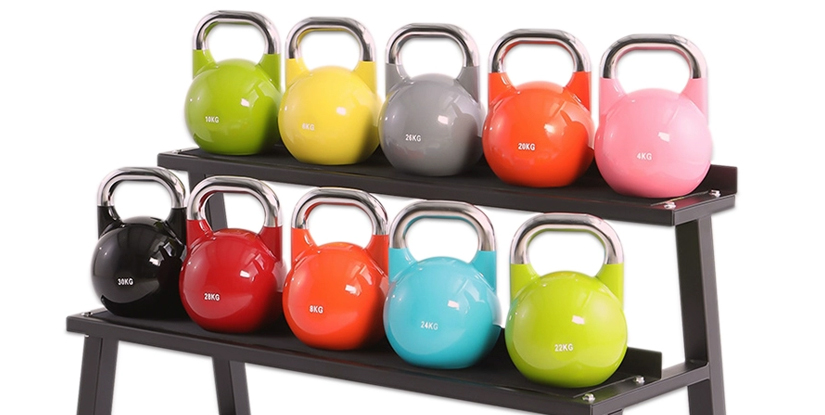
Strategic inventory management is critical for distributors and studio operators to maintain high inventory turnover while minimizing dead stock. When sourcing kettlebell weights, the primary risk lies in an uneven distribution of weight increments. A shipment lacking mid-range weights or over-indexed on heavy, slow-moving units can trap capital in stagnant inventory, directly impacting your distributor margins and liquidity.
To mitigate these procurement risks, professional buyers should move beyond local retail-oriented suppliers and establish direct relationships with a China factory. By leveraging commercial kettlebell manufacturing expertise, you can tailor your order composition to match local market demand. This direct sourcing approach allows for more precise control over the SKU mix, ensuring your warehouse holds the high-demand sizes that drive consistent sales volume.
Optimizing your bulk kettlebell supply requires a balance between variety and volume. Instead of purchasing generic sets, working with an OEM partner allows you to define specific weight ranges that fit your target demographic—whether that is high-repetition functional training or heavy strength conditioning. This level of customization, managed through a professional wholesale channel, ensures your stock remains relevant and highly liquid.
Sourcing Models: Evaluating Efficiency and Landed Cost
For procurement professionals, the decision between a trading company and a direct manufacturer impacts more than just the unit price; it dictates the total landed cost and long-term scalability. While traders may offer lower initial barriers to entry, a direct bulk kettlebell supply from a specialized manufacturer provides superior control over technical specifications and shipping efficiency. Understanding these variables is essential for maintaining healthy distributor margins and predictable inventory cycles.
| Procurement Metric | Trading Company Model | Factory-Direct Model |
|---|---|---|
| Primary Focus | Product variety and small-batch flexibility | Production scale and technical specialization |
| MOQ Requirements | Typically lower; suitable for testing markets | Higher; optimized for volume-based efficiency |
| OEM/ODM Capability | Limited to existing catalog selections | High; allows for custom branding and specs |
| Quality Control (QC) | Dependent on third-party inspection | Direct oversight via in-house factory protocols |
| Landed Cost Control | Higher markup due to intermediary layers | Optimized through direct manufacturer pricing |
| Lead Time Predictability | Variable; subject to trader's stock levels | Stable; based on direct production scheduling |
When evaluating your next wholesale kettlebell weights order, consider the total cost of ownership. A China factory model may require a higher initial commitment, but the ability to implement custom ODM solutions and direct QC protocols reduces the risk of receiving substandard units that damage your brand reputation. We recommend requesting a detailed spec sheet and confirming MOQ tiers during the initial inquiry to ensure the partnership aligns with your warehouse capacity and growth projections.
Securing a stable supply chain requires more than just finding a low price; it requires a partner capable of supporting your long-term brand identity. As you scale your distribution or studio operations, the ability to integrate custom branding into your equipment becomes a significant competitive advantage. Whether you are looking to imprint a proprietary logo on the cast iron surface or develop a unique color scheme for your product line, working directly with a specialized manufacturer ensures that your brand identity remains consistent across all kettlebell weights in your catalog.
To ensure your procurement planning is robust, we encourage professional buyers to engage in a formal evaluation process. Instead of making assumptions about production capacity or finish quality, initiate contact to request a comprehensive technical specification sheet and a detailed quote for your specific SKU requirements. Our team is prepared to discuss MOQ thresholds, lead time variables, and how our factory-direct processes can optimize your landed cost. Contact us today to confirm your next wholesale order or to discuss how our OEM capabilities can support your brand's expansion in the global market.
Custom Branding and OEM Capabilities for Global Distributors
Distributors seeking to move beyond generic inventory can leverage advanced OEM and ODM services to establish a distinct market presence. When sourcing kettlebell weights, the ability to implement custom branding is a critical factor in building long-term brand equity and professional authority within local fitness markets.
Generic, unbranded equipment often forces distributors into price wars, eroding profit margins. By utilizing private label manufacturing, you can integrate your brand identity directly into the product through specialized color/texture customization. This level of differentiation allows professional distributors to offer high-end, cohesive product lines that appeal to premium studio operators and high-end commercial gyms, rather than competing solely on the lowest unit cost.
Our China factory provides comprehensive support for wholesale kettlebell weights customization, ranging from precision laser-etched logos to specific powder coating finishes. Whether you require a unique matte texture for better grip or a specific color palette to match a boutique studio aesthetic, our commercial kettlebell manufacturing processes are designed to meet strict international specifications while maintaining high production efficiency.
To assist procurement managers in evaluating the most efficient way to scale their product lines, it is essential to distinguish between standard procurement and high-level manufacturing services. Choosing the right tier of production directly impacts your landed cost, inventory differentiation, and overall return on investment.
Strategic Comparison: Standard Wholesale vs. Full Customization
| Procurement Dimension | Standard Wholesale Supply | Full OEM/ODM Manufacturing |
|---|---|---|
| Customization Level | Standard colors and pre-set weight increments | Full specification control (color, texture, logo) |
| MOQ | Lower thresholds for standard SKUs | Higher thresholds for customized specifications |
| Branding Options | Generic or minimal branding | Integrated private label and brand identity |
| Lead Time | Faster shipping from existing stock | Extended timelines for production and QC |
| Product Uniqueness | Common market-standard equipment | Proprietary designs and specialized finishes |
| Primary Use Case | Rapid inventory replenishment | Long-term brand building and market distinction |
When managing a bulk kettlebell supply, decision-makers must balance the speed of standard wholesale orders against the long-term value of a customized production run. While standard stock offers immediate availability, investing in commercial kettlebell manufacturing through a specialized factory allows you to control every technical detail—from the handle diameter to the specific weight tolerances required for high-performance training environments.
For distributors aiming to optimize their product catalog, we recommend a tiered approach: utilizing standard kettlebell weights for high-volume, baseline inventory, while leveraging ODM capabilities to develop signature products that set your brand apart from generic competitors. Before finalizing your next order, please contact our team to confirm specific MOQ requirements, request a technical spec sheet, or schedule a factory audit to ensure all customization standards meet your market's expectations.
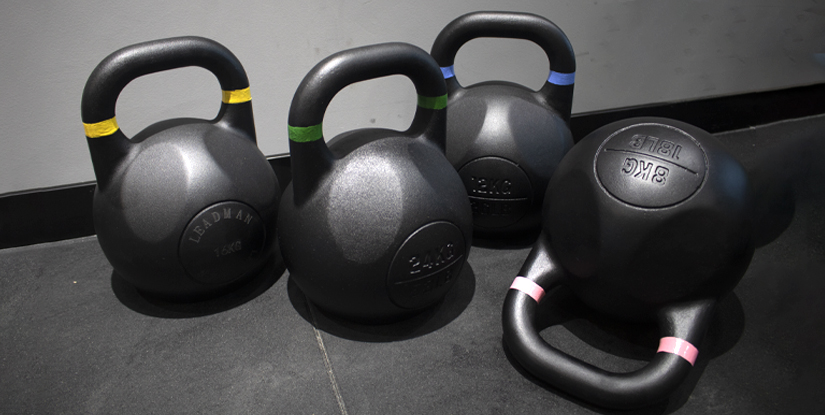
Maintaining consistency across large-scale shipments is a primary concern for importers. To mitigate the risk of receiving substandard batches, our China factory implements a multi-stage QC protocol. This ensures that every unit of kettlebell weights meets the precise weight tolerances and structural integrity required for professional commercial environments. A rigorous pre-shipment inspection is standard, allowing procurement leads to verify product finish, handle ergonomics, and weight accuracy before the goods leave the facility.
Logistical efficiency is just as vital as product quality when calculating your total landed cost. We utilize specialized export packaging designed to withstand long-distance sea freight and the rigors of international handling. By optimizing container loading patterns and using high-strength, reinforced packaging, we help distributors maximize space efficiency and reduce the risk of transit damage. This meticulous approach to bulk kettlebell supply ensures that your wholesale kettlebell weights arrive in retail-ready condition, ready for immediate distribution or studio deployment.
Whether you are managing a single container or a recurring bulk kettlebell supply, our logistics team provides full transparency on lead times and shipping status. We focus on streamlining the transition from production to port, ensuring that your commercial kettlebell manufacturing schedule aligns with your inventory replenishment cycles and seasonal market demands.
Quality Control Standards and Pre-Shipment Inspection Protocols
Maintaining strict oversight during commercial kettlebell manufacturing is the only way to mitigate the high costs of procurement errors. For distributors and gym operators, receiving a shipment with inconsistent weight distributions or defective finishes results in immediate returns and damaged profit margins. A professional China factory must implement multi-stage verification to ensure every unit meets international commercial standards before leaving the warehouse.
Reliable kettlebell weights require precise calibration to maintain strict weight tolerance levels. Even a minor deviation can compromise the integrity of a professional training set. Beyond mass, the surface finish must be uniform to prevent skin irritation or grip failure during high-intensity use. By prioritizing rigorous quality control, a supplier ensures that the durability of the equipment matches the heavy-duty demands of a commercial environment, protecting your long-term investment and brand reputation.
Verification Protocols for High-Volume Orders
To ensure consistency across large-scale shipments, a professional inspection protocol must address three critical dimensions: weight accuracy, dimensional stability, and coating thickness. When sourcing wholesale kettlebell weights, buyers should demand a pre-shipment inspection report that confirms each batch meets the specified tolerances. For instance, weight variance must remain within a negligible percentage to ensure training consistency, while the handle diameter must remain uniform to prevent grip issues for professional athletes.
The following table outlines the standard verification metrics required to validate the quality of a bulk order against commercial-grade expectations. This comparison helps procurement officers distinguish between high-standard manufacturing and standard production outputs.
| Inspection Parameter | Standard Commercial Requirement | Verification Method | Impact on TCO (Total Cost of Ownership) |
|---|---|---|---|
| Weight Accuracy | Strict tolerance levels per unit | Precision calibrated digital scale | Prevents replacement costs from weight discrepancies |
| Dimensional Stability | Uniform handle and body diameter | Digital calipers | Ensures consistent ergonomic performance |
| Coating Thickness | Uniform powder or paint layer | Micrometer or coating gauge | Reduces maintenance and prevents rust/chipping |
| Surface Integrity | Smooth finish without burrs | Visual and tactile inspection | Increases equipment lifespan in high-traffic zones |
Before finalizing any shipment, we recommend that distributors request a sample approval or a formal factory audit. Confirming these technical specifications during the pre-shipment stage reduces the risk of landed cost increases caused by damaged or non-compliant inventory. Whether you are managing an OEM project or a standard wholesale order, verifying these metrics ensures your inventory remains a high-value asset for your clients.
Optimizing Logistics and Export Safety for Bulk Orders
A successful bulk kettlebell supply strategy extends far beyond the casting floor; it requires rigorous attention to export packaging and shipping safety. For international importers, the greatest threat to the distributor margin is not the unit price, but the landed cost increases caused by transit damage. Poorly packed weights can lead to crushed cartons, broken handles, or coating abrasions during long-haul sea freight, resulting in costly claims and inventory write-offs.
To mitigate these risks, a professional bulk kettlebell supply workflow must include reinforced packaging solutions designed for heavy-duty maritime transport. This includes high-density corrugated boxes, moisture-resistant liners, and heavy-duty palletizing to prevent shifting within containers. By ensuring high-standard export packaging, a factory-direct partner helps you maintain a predictable supply chain, ensuring that your kettlebell weights arrive in pristine, retail-ready condition regardless of the transit distance.
Logistics Efficiency and Export Packaging for Bulk Orders
Managing the total landed cost of heavy iron equipment is a critical variable for distributors and gym owners. When sourcing high-density metal products, the price per unit is only one part of the equation; the cost of shipping, container utilization, and potential transit damage can significantly erode your margins if not managed correctly.
A professional China factory understands that kettlebell weights are high-density, heavy items that require specialized export packaging to prevent denting and surface abrasion during sea freight. Optimizing the volumetric weight and ensuring structural integrity through reinforced cartons or wooden crates is essential for maintaining shipping efficiency across long-distance ocean transit.
To help you evaluate the long-term value of your procurement, the following table compares the impact of different sourcing and logistics models on your final budget.
| Procurement Model | Packaging Standard | Container Utilization | Landed Cost Impact |
|---|---|---|---|
| Small Batch Trader | Standard Retail Box | Low (High Volume/Low Density) | Higher due to air/space waste |
| Wholesale kettlebell weights (Direct) | Reinforced Export Carton | Optimized (High Density) | Lower via optimized palletization |
| Bulk kettlebell supply (Custom) | Custom Crates/Pallets | Maximum (Stackable/Nested) | Lowest per unit via scale |
By prioritizing commercial kettlebell manufacturing partners who offer specialized container loading plans, buyers can mitigate the risks of unexpected surcharges. Effective logistics optimization ensures that your kettlebell weights arrive in a condition that meets strict commercial standards, protecting your investment and your brand reputation.
To ensure your procurement strategy remains profitable, we recommend engaging with a supplier that provides detailed packing lists and weight distribution data prior to shipment. Before finalizing your order, please contact our team to request a technical specification sheet, confirm the current MOQ for your specific weight range, or discuss custom OEM branding requirements. We are available to facilitate factory audits or arrange sample approvals to ensure our manufacturing standards align with your commercial expectations.
To ensure your procurement strategy remains profitable, we recommend engaging with a supplier that provides detailed packing lists and weight distribution data prior to shipment. Before finalizing your order, please contact our team to request a technical specification sheet, confirm the current MOQ for your specific weight range, or discuss custom OEM branding requirements. We are available to facilitate factory audits or arrange sample approvals to ensure our manufacturing standards align with your commercial expectations.
Finalizing Your Sourcing Strategy and Next Steps
Optimizing your procurement process requires looking beyond the initial unit price to understand the true economic impact of your inventory. For distributors and gym operators, achieving a high ROI depends on minimizing the landed cost through efficient logistics and selecting a China factory that offers scalable production. When you source kettlebell weights directly, you eliminate middleman markups, allowing for better distributor margins and more competitive retail pricing in your local market.
A common mistake in wholesale kettlebell weights procurement is neglecting the total cost of ownership. Low-quality casting or inconsistent weight tolerances can lead to high replacement rates and damaged brand reputation. By establishing a direct relationship with a professional supplier, you can implement rigorous quality control and ensure that every batch meets commercial-grade standards, thereby protecting your long-term capital expenditure.
To ensure procurement efficiency, we recommend a structured approach to your next bulk order. Rather than placing fragmented orders, consolidate your requirements to meet higher volume tiers, which often optimizes container loading and reduces per-unit shipping costs. If you are looking to build a unique brand identity, leverage our commercial kettlebell manufacturing capabilities to develop custom finishes or specialized weight ranges through OEM or ODM services.
The most effective way to move forward is to engage with our technical team to align on your specific requirements. We suggest starting by requesting a detailed product specification sheet and a current price list based on your target MOQ. Once the specifications are confirmed, you may request a sample evaluation to verify weight accuracy and coating durability before proceeding to full-scale production and export packaging arrangements.
Evaluating Sourcing Models for Maximum Profitability
Before finalizing your order, decision-makers must evaluate the structural differences between various supply chains. Choosing between a direct manufacturer and a third-party trader significantly impacts your ability to scale and your control over product consistency. For those managing high-volume bulk kettlebell supply, understanding these tiers is essential for long-term profitability and brand integrity.
| Sourcing Dimension | Direct Factory Model | Trading Company/Distributor Model |
|---|---|---|
| Pricing Structure | Factory-direct pricing with optimized margins | Markup-inclusive pricing with middleman fees |
| Customization Capability | High capacity for OEM and ODM | Limited to existing stock or standard catalogs |
| Production Control | Direct oversight of quality control and specifications | Indirect oversight through third-party agents |
| Minimum Order Quantity | Scalable MOQ based on production runs | Often lower MOQ but higher per-unit cost |
| Lead Time Management | Direct control over manufacturing schedules | Subject to trader availability and external logistics |
| Supply Chain Transparency | High transparency regarding raw materials and processes | Limited visibility into the actual manufacturing source |
Selecting a direct China factory allows you to bypass the volatility often introduced by intermediary layers. While traders may offer lower entry barriers for small orders, the direct model provides the structural stability required for professional commercial kettlebell manufacturing. By engaging directly, you secure better control over the technical precision of your kettlebell weights, ensuring that your landed cost remains predictable and your product quality remains consistent across every shipment.
To move from initial research to a successful procurement cycle, we recommend a structured validation process. For professional buyers, the most efficient way to mitigate risk is to initiate a formal sample evaluation phase. This allows your technical team to verify weight tolerances, handle ergonomics, and coating durability under actual commercial conditions before any large-scale capital is committed.
Once you have validated the physical product, you can proceed with a formal factory audit or a request for detailed production timelines. Engaging with a professional supplier at this stage ensures that your specific branding requirements and packaging standards are integrated into the manufacturing workflow. Whether you are looking to refine a single SKU or expand a full product line through OEM services, clear communication regarding your bulk kettlebell supply requirements is the foundation of a reliable partnership.
We invite you to contact our export department to discuss your upcoming project. You may request a comprehensive specification sheet, a formal quote based on your required MOQ, or detailed information regarding our wholesale logistics capabilities. Our team is prepared to provide the technical documentation and pricing structures necessary to support your growth and optimize your commercial inventory strategy.