Rubberised Weight Plates Manufacturer & Supplier | Wholesale Bulk Orders
Defining Commercial-Grade Rubberised Weight Plates for Gym Operators
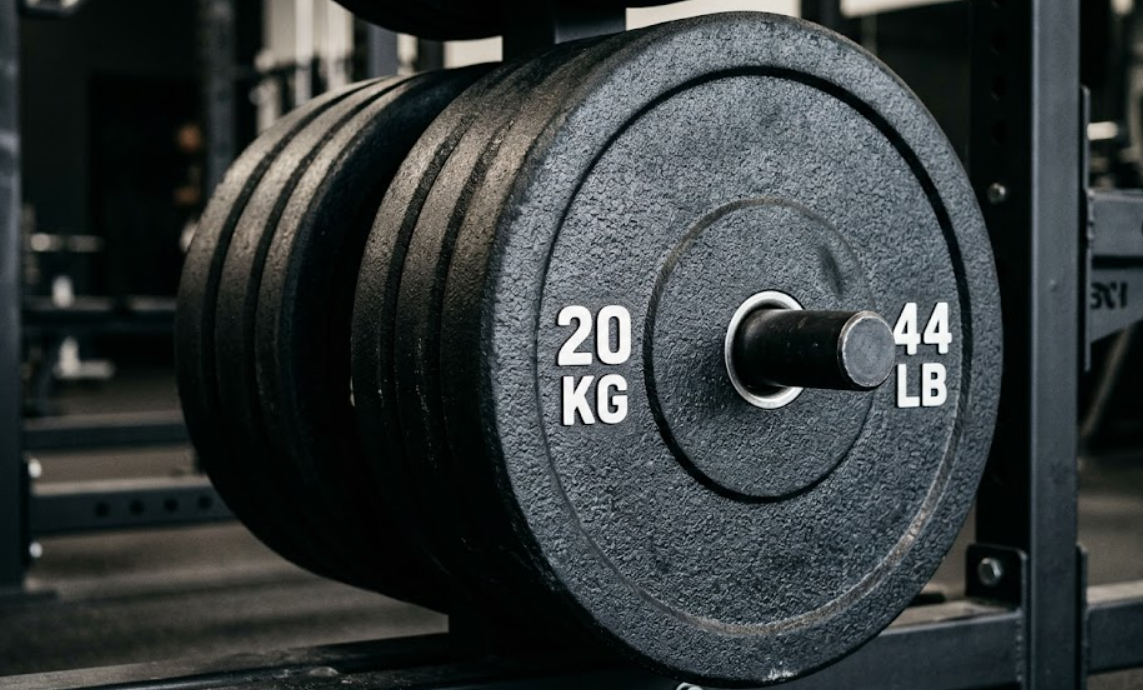
Rubberised weight plates serve as the foundational equipment for high-traffic commercial facilities, balancing noise reduction, floor protection, and long-term durability. Unlike standard iron variants, these rubberised weight plates feature a high-density rubber coating that absorbs impact, significantly reducing maintenance costs for facility flooring and weight trees. For gym owners and distributors, integrating a reliable weight plates set rubber solution ensures a consistent user experience while mitigating the wear and tear typically associated with metal-on-metal contact in strength training zones.
In a professional setting, the performance of rubberised weight plates is measured by the quality of the bonding agent between the steel core and the vulcanized rubber exterior. A superior grade plate maintains its structural integrity under repeated drops, preventing the peeling, cracking, or "dead-thud" sound degradation that often plagues low-end alternatives. By selecting industry-standard rubberized weight plates, operators can maintain a quieter, more premium training environment that encourages member retention and protects the facility's asset valuation.
The Economic Advantage: Why Durable Plates Reduce Total Cost of Ownership
For procurement managers, the initial price point of rubberised weight plates is merely one component of the procurement equation. The true value lies in the Total Cost of Ownership (TCO). In a 24/7 commercial gym, equipment that requires frequent replacement due to coating failure or core deformation represents a hidden operational tax. High-quality rubberised weight plates are engineered to withstand thousands of high-velocity impacts, effectively eliminating the replacement cycles required by cheaper, inferior casting methods.
When you source commercial-grade weight plates set rubber, you are essentially investing in reduced facility downtime. Low-quality plates often develop structural imbalances or surface damage that can scratch expensive squat racks and Olympic bars. By opting for premium rubberized weight plates, you protect your broader capital investments—such as barbell sleeves and rack uprights—from premature surface degradation. This durability-first approach directly impacts your bottom line, as you spend less on inventory replacement and more on facility growth.
| Factor | Standard Cast Iron | Commercial Rubberised Weight Plates |
|---|---|---|
| Impact Noise | High | Minimal |
| Floor Damage Risk | High | Low |
| Maintenance Frequency | High (Rust/Corrosion) | Low |
| Equipment Preservation | Low | High |
Engineering Standards: Material Integrity and Impact Resistance
The manufacturing of rubberised weight plates hinges on the synergy between the internal cast-iron core and the outer vulcanized rubber layer. In commercial procurement, one must prioritize plates that utilize virgin rubber rather than recycled fillers. Virgin rubber provides superior elasticity and tensile strength, which prevents the "mushrooming" or cracking effect observed when rubberized weight plates strike gym flooring repeatedly. An engineered plate must exhibit a uniform density; any internal casting void leads to weight inaccuracies, which can compromise the safety and precision of progressive overload training.
For facility managers, the collar fit is an equally critical engineering metric. A precise, machine-drilled center hole—often reinforced with a stainless steel or chrome-plated hub—ensures that weight plates set rubber slide smoothly onto Olympic bars without excessive friction or lateral play. This tight tolerance reduces bar whip and protects the sleeves of your high-end barbells from metal shavings or jagged edges. By specifying these engineering benchmarks, you ensure that your equipment remains a stable, reliable asset for your members over the long term.
Inventory Management: Optimizing Storage Footprint and Handling
For distributors and large-scale studio owners, the physical logistics of rubberised weight plates—specifically their stacking profile and handling ergonomics—directly influence operational efficiency. Standardized rubberized weight plates should feature a contoured or recessed grip area, allowing trainers to handle them safely during rapid plate changes. Efficiency in a commercial gym is often lost during the transition between sets; therefore, the physical dimension and the "grabability" of the plates are as vital as their weight accuracy.
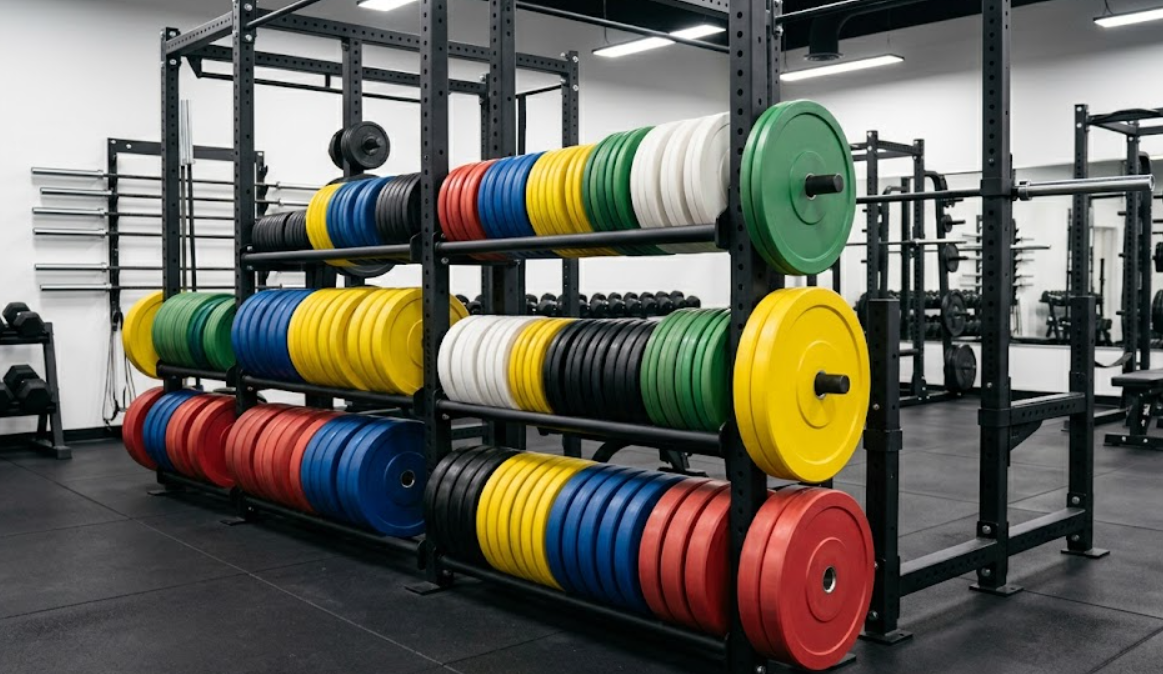
Regarding warehouse storage, high-quality weight plates set rubber are designed with consistent rim widths, allowing for vertical or horizontal stacking that maximizes floor space. When your inventory is optimized for footprint, you reduce the warehouse square footage required for stock, which is a significant factor for regional distributors managing high volumes. Furthermore, the uniform thickness of professional sets enables rack capacity to be maximized, ensuring that your storage racks carry the intended weight capacity without unnecessary shifting or instability.
Customization Options for Distributors and Private Labeling
In the competitive fitness market, brand differentiation is a primary driver of wholesale success. We offer extensive OEM/ODM support for rubberised weight plates, allowing distributors to integrate their unique brand identity directly into the equipment. This includes precision logo embossing, custom color-coding for weight identification, and proprietary rubber compounding to match specific climate requirements. Whether you are launching a private label gym brand or outfitting a franchise chain, these rubberized weight plates provide a professional aesthetic that elevates your brand’s perceived value.
Beyond visual branding, we assist in the development of custom mold solutions for weight plates set rubber, ensuring your inventory is exclusive and non-comparable to generic retail alternatives. By leveraging our contract manufacturing expertise, you can secure custom weight increments or specific diameter profiles that align with your region’s prevailing training methodologies. This level of customization allows distributors to capture specific market segments, from boutique functional training studios to large-scale commercial fitness centers, while maintaining a consistent quality standard across all product lines.
Comparing Rubberised vs. Cast Iron Plates: ROI for Facilities
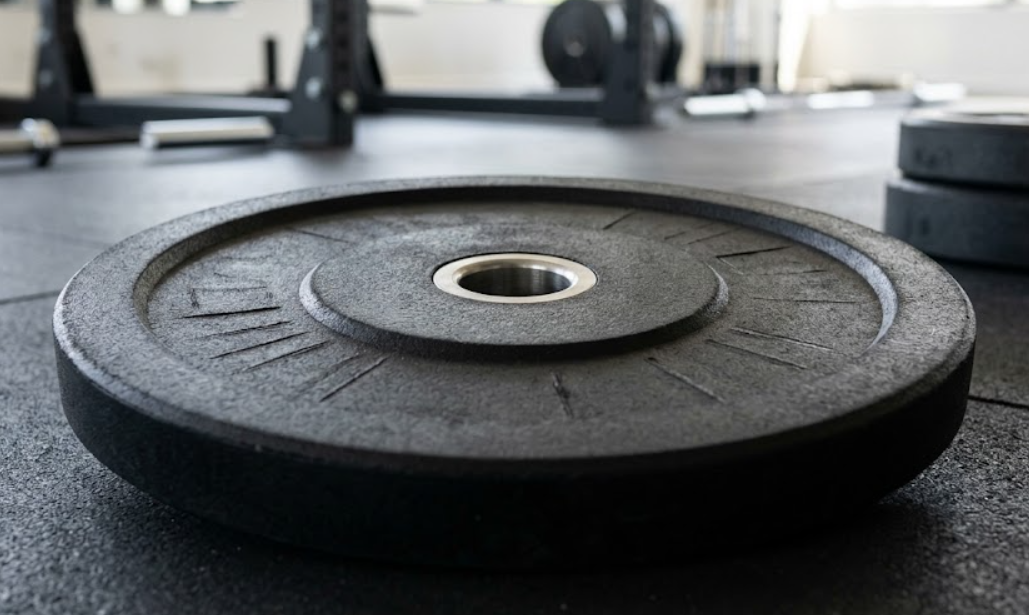
The decision to invest in rubberised weight plates over traditional cast iron is fundamentally a decision about asset protection and ROI. While cast iron carries a lower acquisition cost, it entails significant "hidden" expenses: damaged sub-flooring, ruined barbell sleeves, and the acoustic burden of a noisy facility. For a business owner, rubberized weight plates represent a consolidated investment—they serve as both the training tool and a protective layer for the rest of your facility’s infrastructure. The longevity provided by the rubberized finish significantly extends the lifecycle of your weight plates set rubber, often resulting in a lower long-term cost per unit than replacing brittle or rusting iron plates every few years.
Operational efficiency is also enhanced by the noise-dampening properties of rubberised weight plates. In multi-use gym spaces, the ability to train without the constant clatter of iron allows for higher membership density and a more premium user experience. When calculating the Return on Investment, consider not only the physical lifespan of the product but also the impact on member satisfaction and the reduction in maintenance labor. A facility that preserves its floors and bars through intelligent equipment selection is a facility that operates with higher margins and lower overheads.
Quality Control Protocols: Ensuring Weight Consistency and Safety
For professional procurement, precision is non-negotiable. Our rubberised weight plates undergo rigorous quality control protocols to ensure weight tolerance remains within the industry-standard range of +/- 1% to 2%. In a commercial environment, inaccurate rubberized weight plates lead to imbalanced barbell loading, which can cause uneven stress on hardware and increase the risk of injury during heavy lifts. We utilize automated weighing stations and strict gravity casting inspections to verify that every plate in a weight plates set rubber meets the exact specifications required for competitive and commercial strength training.
Safety extends beyond weight accuracy to the structural integrity of the rubber bond. During production, we conduct impact-fatigue testing where rubberised weight plates are dropped repeatedly from height onto various surfaces. This ensures that the vulcanized bond between the iron core and the outer casing does not shear or separate. For gym owners, this means that even after years of high-volume usage, the plates remain intact and safe. This level of quality assurance is critical for maintaining your facility’s liability safety standards and ensuring that your equipment remains a long-term, low-risk asset.
Global Logistics and Supply Chain Reliability for Bulk Orders
Reliable supply chain management is the backbone of any successful fitness equipment distribution strategy. We provide comprehensive logistics solutions for rubberised weight plates, handling everything from production scheduling to international freight compliance. We recognize that for gym owners and distributors, inventory lead times are a critical factor in meeting project deadlines for new gym openings or seasonal inventory replenishments. Our facility is optimized for mass production, allowing us to manage large-scale rubberized weight plates orders while maintaining consistent communication regarding shipment tracking and port-of-entry documentation.
We work closely with logistics partners to ensure that your weight plates set rubber orders are palletized for maximum stability and protection during transit. This reduces the risk of scuffing or mechanical damage before the product even reaches your warehouse floor. By streamlining the supply chain and adhering to strict delivery timelines, we help our B2B partners maintain a predictable inventory flow, reducing the need for costly emergency stock replacements and ensuring you always have the equipment necessary to support your facility’s growth and operational demands.
Managing Maintenance Costs in High-Traffic Commercial Environments
For any facility manager, operational expenditure (OPEX) is often bloated by the constant repair and replacement of neglected equipment. With rubberised weight plates, the primary maintenance objective is to prevent the degradation of the rubber compound caused by environmental factors and heavy usage. Unlike untreated steel, our rubberized weight plates feature a non-porous, moisture-resistant coating that resists the sweat, oxidation, and dust typical of high-traffic gyms. This durability ensures that your weight plates set rubber inventory remains functional for years without requiring the constant sanding, painting, or rust treatment that iron alternatives demand.
To maximize the lifespan of your investment, we recommend periodic inspections of the hub-to-rubber bond and the cleanliness of the insert. Simple, consistent cleaning protocols—using mild, non-abrasive detergents—prevent chemical breakdown of the rubber surface. By prioritizing the structural health of your rubberised weight plates, you are actively reducing the long-term cost of facility management. Maintaining high-quality equipment is far more cost-effective than constant replacement; it keeps your gym operational, your members satisfied, and your capital expenditure focused on growth rather than remediation.
Tailored Selection for Different Facility Profiles
Optimizing your procurement of rubberised weight plates requires matching specific plate profiles to the intensity and nature of your facility’s training zones. For powerlifting-focused areas where heavy, static loading is the norm, we recommend rubberised weight plates with a higher shore hardness rating. This increased density minimizes plate "bounce" or "wobble" on the bar, allowing for safer execution of max-effort lifts. Conversely, for CrossFit or functional training studios where explosive, high-repetition overhead drops are frequent, selecting a set with a thicker, more resilient rubberized compound is essential to absorb the shock of repeated impact and protect both the equipment and the sub-floor.
For large-scale gym chains, the focus should be on uniformity across the entire weight plates set rubber inventory. Standardization simplifies member education and reduces staff time spent on rack organization. For boutique studios, where space is often limited, choosing a thinner profile rubberized weight plates set allows for higher weight density per rack, effectively maximizing the available floor space for training. By segmenting your order based on these specific operational demands, you ensure that your capital expenditure is optimized for the actual usage patterns of your members, rather than relying on a one-size-fits-all inventory strategy.
Sustainability and Regulatory Compliance for Global Imports
In the current international trade landscape, fitness equipment distributors must navigate increasingly stringent environmental and safety regulations. We prioritize the production of rubberised weight plates that comply with global standards, including the EU’s REACH regulations and California’s Proposition 65. These compliance protocols ensure that the rubber compounds used in your weight plates set rubber are free from restricted phthalates, heavy metals, and harmful volatile organic compounds (VOCs). This is not merely a matter of environmental stewardship; it is a critical risk-mitigation strategy for your business.
When importing rubberized weight plates into highly regulated markets, having a supplier that provides comprehensive material certifications can prevent costly customs delays, product recalls, or brand-damaging compliance disputes. We provide all necessary laboratory test reports and safety documentation for our rubberised weight plates, allowing you to pass these standards with confidence in your local retail or commercial fitness markets. By aligning your procurement with a manufacturer that values transparent, compliant production, you secure a long-term, stable supply chain that safeguards your business against the rising tide of global environmental scrutiny.
Strategic Procurement: Navigating MOQ and Supply Lead Times
For procurement managers and equipment distributors, mastering the rubberised weight plates supply chain is a critical operational competency. When negotiating bulk orders, understanding the balance between Minimum Order Quantity (MOQ) and production lead time is essential to preventing inventory shortages. Our manufacturing processes for rubberized weight plates are optimized for B2B efficiency, allowing us to maintain stable production cycles even during peak seasonal demand. By aligning your replenishment schedule with our factory’s capacity, you can effectively minimize warehouse holding costs and ensure that your weight plates set rubber inventory is always synchronized with your facility’s expansion phases or your distribution partners' requirements.
Strategic purchasing also involves long-term forecasting. Rather than relying on sporadic, high-cost spot buys, building a collaborative relationship with a direct factory supplier allows for volume-based pricing discounts and preferential production slotting. This proactive approach ensures that when your gym or distribution network scales, your rubberised weight plates supply remains consistent in quality and availability. By treating procurement as an integrated part of your business growth—rather than a transactional necessity—you can significantly improve your cash flow and ensure that your facility or inventory remains a competitive player in the professional fitness market.
Evaluating Material Durability: The Role of Vulcanization
The structural integrity of rubberised weight plates is ultimately determined by the vulcanization temperature and time-pressure variables applied during production. In professional commercial settings, plates that have been inadequately vulcanized often exhibit "soft" spots or premature surface degradation, leading to uneven weight distribution and structural failure. Our production of rubberized weight plates adheres to high-pressure vulcanization standards, which ensures the highest possible molecular cross-linking between the rubber compounds. This process results in a denser, more resilient plate that maintains its shape and weight accuracy even under the continuous impact of heavy-duty gym use.
For the B2B buyer, understanding these technical nuances provides a clear advantage in assessing the quality of a weight plates set rubber. When you inspect our plates, you will find a consistent, smooth finish without visible voids or inconsistencies in the rubber texture. This material integrity is not just a sign of quality; it is a promise of reduced maintenance and a safer, more predictable environment for your members. By choosing rubberised weight plates engineered through superior vulcanization techniques, you are investing in a product that resists the environmental challenges of a high-traffic gym, ensuring your equipment delivers peak performance throughout its entire operational lifecycle.
Packaging and Logistics for Resale Operations
For distributors, the value of a product extends to its arrival condition and warehouse processing efficiency. Our rubberised weight plates are not only engineered for durability but also packaged for logistical integrity. Bulk orders are shipped on reinforced, heat-treated pallets, with each layer separated by high-density foam or cardboard to prevent abrasion during transit. This meticulous approach to packaging significantly reduces the rate of damaged-on-arrival (DOA) units, directly protecting your profit margins and eliminating the operational drag of processing freight claims.
Furthermore, each weight plates set rubber is clearly labeled for weight and quantity, streamlining the receiving and inventory-checking process at your warehouse. This logistical foresight means your team can break down pallets and prepare outgoing orders for individual gyms more rapidly. In a high-volume distribution model, these saved hours translate directly into lower labor costs and faster order fulfillment, enhancing your reputation as a reliable and efficient supplier of professional-grade rubberized weight plates.
Warranty and Long-Term Partnership
A commercial warranty on fitness equipment is more than a guarantee; it is a testament to the manufacturer's confidence in their product's ability to withstand sustained, high-intensity use. We stand behind our rubberised weight plates with a comprehensive commercial warranty that covers structural failures such as core separation or hub loosening under normal usage conditions. This commitment protects your capital investment and provides a predictable framework for your long-term operational budget, securing you against unforeseen replacement costs.
We view our B2B clients as long-term partners, not just transactional customers. Our after-sales support ensures that any warranty claims for a weight plates set rubber or individual rubberized weight plates are handled with professional urgency. This reliable support ecosystem allows you to operate your facility or distribution business with the assurance that your primary strength training assets are backed by a manufacturer dedicated to quality and long-term performance. This partnership approach is fundamental to calculating a true, favorable Total Cost of Ownership.
Market Positioning for Equipment Distributors: A Competitive Edge
In a saturated market, fitness equipment distributors must differentiate their offerings beyond price alone. Competing with low-cost, generic iron plates leads to margin compression and a brand reputation tied to disposability. The strategic inclusion of premium rubberised weight plates in your catalog allows you to pivot from a commodity seller to a solutions provider. These plates are not just inventory; they are a sales tool to engage with higher-value clients, such as performance training centers, boutique studios, and corporate wellness facilities that prioritize Total Cost of Ownership and member experience.
By stocking a superior weight plates set rubber, you can build a narrative around long-term value. You can confidently articulate to gym owners how the vulcanized coating on our rubberized weight plates protects their most expensive assets—their barbells and flooring. This consultative sales approach, backed by a product designed for commercial longevity, establishes your brand as a source for reliable, professional-grade equipment, enabling you to secure more profitable, long-term supply contracts.
Acoustic Performance: A Key Factor in Facility ROI
The acoustic signature of a gym is a frequently overlooked factor that directly impacts member retention and revenue potential. The percussive clang of metal plates creates a harsh, intimidating environment that can be off-putting to a broad segment of the general fitness population. This operational noise can also create zoning challenges within a facility, making it difficult to place a strength area near a yoga studio, physical therapy space, or administrative office. This is a direct constraint on your ability to maximize revenue per square foot.
Investing in rubberised weight plates is an investment in atmospheric control. The significant noise dampening provided by a high-quality weight plates set rubber creates a more focused and welcoming training environment, which can justify premium membership fees. For facilities in mixed-use buildings, the sound absorption of rubberized weight plates is a critical feature that prevents noise complaints from adjacent tenants, mitigating potential legal or lease-related issues. Ultimately, superior acoustics translate into a better member experience, higher retention rates, and more flexible, profitable facility layouts.