Barbell Plate Procurement: Leading OEM ODM Manufacturer
Barbell Plate Procurement: Maximizing Commercial Lifecycle and TCO
Effective barbell plate procurement requires a strategic shift from evaluating immediate unit costs to calculating long-term total cost of ownership (TCO). Professional buyers must balance three critical checkpoints: technical specification accuracy, material durability, and the logistical complexities of international sourcing. When importing from a China factory, the primary risk is not the initial purchase price, but the rapid depreciation of asset value due to premature wear, surface degradation, or weight inaccuracies that necessitate frequent replacement cycles.
Optimizing your commercial gym equipment sourcing means prioritizing units that maintain structural integrity under high-volume usage. High-quality wholesale barbell plates constructed from calibrated carbon steel or high-density cast iron ensure that your facility's capital expenditure translates into years of reliable service. By focusing on the lifecycle value rather than the lowest landed cost, distributors and gym operators can significantly improve their long-term ROI and reduce the frequency of reordering cycles.
A successful barbell plate procurement strategy involves vetting the manufacturing precision of your supplier to ensure consistent concentricity and bond line adhesion. For example, selecting a factory that utilizes advanced centrifugal casting or precision CNC machining for the center bore guarantees a tighter fit on Olympic barbells, reducing the mechanical stress on your bars and extending the lifespan of your entire lifting ecosystem. This level of technical scrutiny transforms a simple bulk order into a strategic asset management plan.
Technical Material and Coating Comparison for Commercial Durability
Selecting the correct material and surface finish is a critical decision for long-term asset management. The choice between a cast iron base and a specialized coating directly impacts your maintenance load and the frequency of replacement. For high-traffic environments, the bond line adhesion between the core material and the outer layer is a key indicator of quality that should be verified during your pre-shipment inspection.
| Material | Coating | Process | Key Component/QC Point | Commercial Duty | MOQ Impact |
|---|---|---|---|---|---|
| Cast Iron | Powder Coating | Sand Casting & Spray Line | Base Flatness & Coating Adhesion | Standard Commercial/Strength Training | Lower |
| Carbon Steel | Rubber Coated | Molding or Dip Coating | Encapsulation Layer Integrity | High-Impact/Bumper Applications | Moderate |
| Steel | PU Coated | Injection Molding | Bore Concentricity & Surface Smoothness | Premium Studio/High-End Gyms | Higher |
When executing barbell plate procurement, understanding these technical nuances allows you to better predict the lifecycle of your inventory. For instance, a barbell plate manufacturer specializing in high-density rubber coating can offer better floor protection and noise reduction, which is essential for multi-use commercial facilities. However, if your priority is minimizing the initial wholesale unit cost for a standard strength facility, high-grade powder-coated cast iron remains the industry-standard solution for durability and cost-efficiency.
We recommend that buyers request a detailed spec sheet and confirm the specific weight tolerance standards used during the calibration process. If you are looking to develop a private label line, discuss your OEM or ODM requirements early in the process to ensure the center bore and branding elements meet your brand identity standards. Contact our team to request a bulk pricing quote or to discuss MOQ tiers for your next shipment.
Optimizing Logistics and Quality Control for Reduced Landed Cost
The final stage of professional barbell plate procurement involves managing the invisible costs of international logistics and quality assurance. For importers, the true expense of a shipment is not just the unit price, but the total landed cost, which includes freight, duties, and the potential cost of receiving defective inventory. A reliable China factory mitigates these risks by implementing rigorous pre-shipment inspection protocols that verify weight calibration, bore concentricity, and the integrity of the coating or encapsulation layer before the container is sealed.
To ensure maximum efficiency, we recommend coordinating with your supplier to align production schedules with your specific lead time requirements and shipping windows. Whether you are sourcing standard stock or engaging in complex OEM production for a private label, the quality of export packaging is paramount. Utilizing heavy-duty, reinforced crates and standardized palletization prevents structural damage during ocean transit, ensuring that your bulk shipment arrives in a condition that meets commercial-grade standards without the need for costly replacements or local repairs.
For distributors looking to scale, understanding the relationship between MOQ and customized branding is essential for maintaining healthy margins. High-volume wholesale orders often provide more flexibility for ODM services, such as custom color coding or specialized weight markings. We invite professional buyers to contact us to request a formal quote, review our technical spec sheets, or schedule a factory audit to verify our production and QC capabilities firsthand.
Material and Manufacturing Standards for High-Volume Sourcing
Effective barbell plate procurement requires a deep understanding of how base materials and surface finishes impact long-term operational costs. For distributors and gym operators, selecting the right material is not just about the initial purchase price, but about the total cost of ownership (TCO) and maintenance cycles in high-traffic environments. When commercial gym equipment sourcing moves from small-scale orders to high-volume distribution, the durability of the casting and the adhesion of the coating become the primary drivers of ROI.
A professional barbell plate manufacturer typically offers several material tiers to meet different budget and durability requirements. For instance, standard cast iron plates are widely utilized in commercial settings due to their cost-effectiveness and high density. However, for premium facilities, upgrading to a rubber/urethane coating provides essential floor protection and noise reduction, which significantly lowers long-term facility maintenance loads. Choosing the correct specification during the wholesale barbell plates selection process ensures that your inventory remains in premium condition despite heavy daily use.
| Material Tier | Primary Process | Commercial Duty | TCO Impact | MOQ/Customization |
|---|---|---|---|---|
| Cast Iron | Sand Casting | Standard Commercial | Low initial cost; high durability | Low MOQ for standard weights |
| Rubber Coated | Compression Molding | High-Traffic Gyms | Moderate cost; protects flooring | Higher MOQ for custom colors |
| Urethane Coated | Polyurethane Injection | Premium/Elite Studios | Higher initial cost; maximum lifespan | Custom branding options available |
When evaluating a China factory for these components, procurement leads should focus on the precision of the weight calibration and the strength of the bond line. A high-quality supplier will ensure that the coating adhesion is tested to prevent peeling under heavy impact, which is a common failure point in lower-tier production. During pre-shipment inspection, we recommend verifying the concentricity of the center bore and the uniformity of the surface finish to ensure seamless integration with Olympic barbells.
Technical Specifications and Manufacturing Precision
The technical integrity of a weight plate is determined by the synergy between raw material density and secondary processing. For high-volume barbell plate procurement, the difference between a standard unit and a professional-grade plate often lies in the precision of the machining and the quality of the surface treatment. A sophisticated barbell plate manufacturer must balance the speed of production with the strict tolerances required for professional commercial use.
Precision starts with the core casting process. While sand casting is the industry standard for producing high-density gray iron plates, the subsequent finishing stages determine the product's longevity. For example, high-end commercial plates often undergo CNC machining to ensure the center bore is perfectly concentric, allowing for a smooth, consistent fit on Olympic barbells. This prevents uneven wear on the bar and ensures a stable rotation during heavy lifting cycles. Furthermore, the choice between a standard powder coating and a premium PU coating affects both the aesthetic longevity and the impact resistance of the unit.
To ensure optimal results during your next commercial gym equipment sourcing project, we recommend reviewing the following technical differentiation. This guide helps distributors understand how specific manufacturing steps impact the final landed cost and product performance. When ordering wholesale barbell plates, understanding these variables allows for more accurate budget forecasting and quality expectations.
| Material/Process | Secondary Detail | Key Component/Focus | Commercial Duty | China factory QC Point |
|---|---|---|---|---|
| Cast Iron | Sand Casting | Base Flatness | Standard Strength Training | Bore concentricity check |
| Steel Core | CNC Machining | Center Bore Fit | High-Precision Training | Weight tolerance spot-check |
| Rubber/PU | Molding/Injection | Coating Adhesion | Premium/High-Traffic | Bond line integrity |
| Metal Surface | Powder Coating | Surface Uniformity | Standard Commercial | Coating thickness/peel test |
Before finalizing a bulk order, we advise requesting a detailed spec sheet or a sample to verify the specific weight tolerance and coating adhesion of the production line. Whether you require a custom OEM solution for a private label or are sourcing standard stock, confirming these technical benchmarks with your supplier is essential for long-term facility success. We are available to discuss your specific MOQ requirements and provide detailed documentation for any custom branding or technical specification requests.
Optimizing Floor Layout and Storage Efficiency with Professional Plates
Effective barbell plate procurement requires a strategic focus on how weight density impacts your facility's square footage. For distributors and gym operators, selecting the right plate profile is not just about weight accuracy, but about maximizing the utility of every square meter in a high-traffic commercial environment.
When managing commercial gym equipment sourcing, professional buyers must account for the relationship between plate thickness and storage density. Thinner, precision-machined plates allow for higher weight loads on a single barbell while occupying less linear space on storage pegs. Conversely, selecting high-quality wholesale barbell plates with standardized thickness profiles ensures that your storage racks and dumbbell trees remain organized and accessible, preventing the cluttered layouts that diminish a premium training experience.
Optimizing footprint efficiency through strategic thickness variations can significantly lower your long-term operational friction. For instance, sourcing high-density urethane or calibrated steel options allows for a more compact storage footprint, which is critical when calculating the total landed cost of a facility build-out where floor space is at a premium. A professional barbell plate manufacturer can provide customized thickness specifications to help you balance weight capacity with optimized storage density.
Material and Profile Comparison for Commercial Layouts
Choosing between different material profiles is a critical decision in the barbell plate procurement process, as it directly influences both the durability of the equipment and the spatial density of your training zones. A professional barbell plate manufacturer can offer various configurations tailored to specific facility requirements, from high-impact zones to precision strength areas.
For high-traffic strength areas where durability and floor protection are the primary concerns, rubberized or urethane-coated options are standard. However, for specialized strength training or weightlifting platforms where space efficiency is the main driver, high-density steel or cast iron profiles are preferred. Understanding these differences allows importers to better manage their inventory and facility layout during large-scale commercial gym equipment sourcing.
| Material Type | Primary Process | Key Component/Feature | Commercial Duty | MOQ Impact | Factory QC Point |
|---|---|---|---|---|---|
| Rubber/Urethane Bumper | Injection Molding / Dip | Encapsulation Layer | High-Impact / Drop Zones | Higher for Custom Colors | Coating Adhesion |
| Cast Iron | Sand Casting | Base Flatness | Standard Strength Training | Lower for Bulk Orders | Weight Calibration |
| Carbon Steel | Machining / CNC | Precision Bore/Tolerance | Precision Lifting | Tiered by Volume | Bore Concentricity |
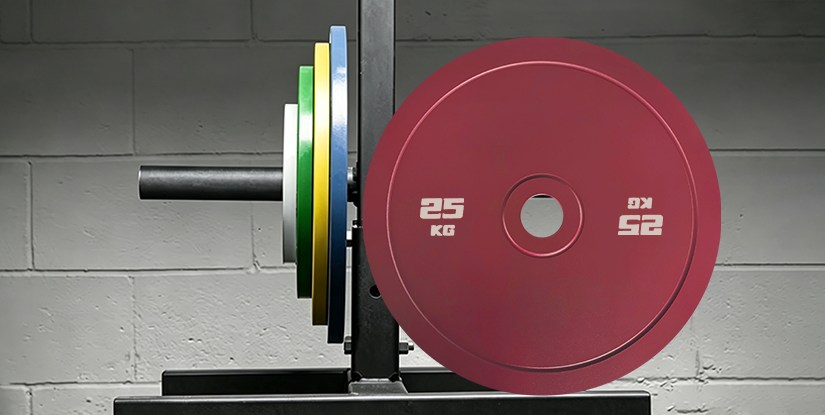
When evaluating wholesale barbell plates, buyers should request detailed specifications regarding the thickness-to-weight ratio. For distributors, a more compact plate profile means more units per shipping container, effectively reducing the landed cost per unit. Whether you require high-density bumpers for a cross-training facility or precision steel for a weightlifting studio, a reliable China factory can provide the necessary OEM or ODM solutions to match your brand's specific thickness and branding requirements. We recommend requesting a sample evaluation and a detailed spec sheet to confirm that the weight tolerance and bore concentricity meet your professional standards before proceeding with a bulk order.
When evaluating wholesale barbell plates, buyers should request detailed specifications regarding the thickness-to-weight ratio. For distributors, a more compact plate profile means more units per shipping container, effectively reducing the landed cost per unit. Whether you require high-density bumpers for a cross-training facility or precision steel for a weightlifting studio, a reliable China factory can provide the necessary OEM or ODM solutions to match your brand's specific thickness and branding requirements. We recommend requesting a sample evaluation and a detailed spec sheet to confirm that the weight tolerance and bore concentricity meet your professional standards before proceeding with a bulk order.
China Factory Capabilities: OEM/ODM and Custom Branding Solutions
Establishing a distinctive market presence requires more than just generic inventory; it requires a strategic approach to barbell plate procurement that prioritizes brand differentiation. For distributors and gym equipment importers, leveraging a professional China factory allows for the transition from a mere reseller to a recognized brand owner through sophisticated OEM and ODM services. This capability enables the integration of specific design languages and high-standard material specifications into your product line.
When engaging in commercial gym equipment sourcing, the ability to implement custom branding is a critical lever for increasing long-term distributor margins. Whether you require precision-engineered laser-etched logos on carbon steel plates or specialized private label color-coded bumper plates, a specialized supplier can align production with your specific brand identity. This level of customization ensures that your bulk orders do not just consist of commodity items, but rather proprietary assets that build customer loyalty.
Strategic Customization and Production Scaling
Effective wholesale barbell plates procurement involves balancing aesthetic uniqueness with industrial durability. A professional factory manages the complexities of OEM production by handling everything from the initial mold design to the final branding application. This includes selecting the appropriate surface finish—such as high-grade powder coating or specialized urethane—to ensure the logo remains intact under heavy commercial use.
Navigating the sourcing process requires clear communication regarding MOQ and lead time to maintain healthy inventory turnover. A structured ODM workflow allows you to request specific weight tolerances or unique plate diameters that meet regional competition standards. By coordinating directly with the manufacturer, buyers can optimize the landed cost by streamlining export packaging and container loading configurations, ensuring that the wholesale volume is maximized for shipping efficiency.
Technical Specifications and Material Comparison for B2B Decision-Making
Selecting the correct material composition is vital for long-term TCO and maintenance planning. A professional barbell plate manufacturer provides various options ranging from traditional cast iron to high-end polyurethane. For high-traffic facilities, the choice between a rubber coated surface and a standard powder coating affects both the floor protection requirements and the long-term durability of the branding. Understanding these technical nuances is essential during the barbell plate procurement process to ensure the final product meets the specific demands of your target market.
The following table outlines the primary material and process configurations available through professional wholesale barbell plates channels. This comparison assists procurement leads in evaluating the balance between initial landed cost and long-term commercial utility.
| Material | Process | Key Component | Commercial Duty | MOQ Impact | Factory QC Point |
|---|---|---|---|---|---|
| Cast Iron | Sand Casting | Bore Centricity | Standard Commercial | Lower | Weight Tolerance |
| Carbon Steel | Machining & Powder Coating | Surface Adhesion | High-Volume Gyms | Moderate | Flatness & Coating |
| Urethane | Injection Molding | Bond Line Adhesion | Premium/Competition | Higher | Edge Integrity |
| Rubber Coated | Dip Coating | Encapsulation Layer | High-Impact/Crossfit | Moderate | Thickness Uniformity |
During the sourcing phase, we recommend requesting a specific spec sheet to verify the weight calibration and the precision of the Olympic collar fit. For large-scale projects, confirming the MOQ for specialized finishes like customized color-coded bumpers or laser-etched steel plates is a necessary step to secure your production slot and ensure consistent lead times for your distribution network.
Strict Quality Control and Pre-Shipment Inspection Protocols
In the high-stakes environment of commercial fitness, even minor deviations in weight accuracy can lead to significant operational friction and replacement costs. Professional barbell plate procurement requires more than just selecting a low price; it demands a rigorous verification of material integrity and weight calibration. For distributors and gym owners, a failure in quality control translates directly to increased maintenance loads and diminished client trust.
Effective commercial gym equipment sourcing must prioritize a factory that implements multi-stage inspection protocols. Relying on a China factory with standardized testing ensures that every batch of plates meets the necessary density and balance requirements for heavy-duty use. Without these strict controls, importers face the risk of uneven weight distribution or coating failure, both of which compromise the long-term ROI of the entire facility.
Critical Inspection Points for Global Importers
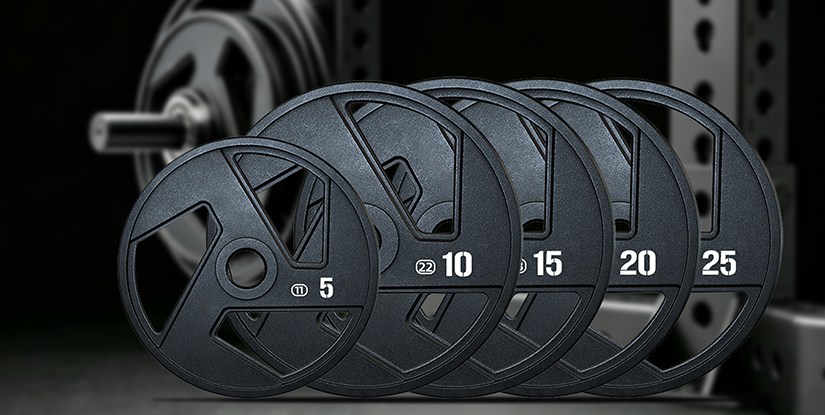
A reliable barbell plate manufacturer does not merely check the final weight; they monitor the entire production chain to ensure structural stability. During wholesale barbell plates production, quality control must focus on the concentricity of the center bore and the adhesion of the surface finish to prevent premature peeling or cracking under high-volume usage.
When conducting a pre-shipment audit or reviewing QC reports, procurement leads should focus on these specific technical dimensions:
- Bore Concentricity: Ensuring the center hole remains perfectly centered to prevent wobbling on Olympic barbells.
- Weight Tolerance: Verifying that the cast mass aligns with the declared specification within industry-standard margins.
- Surface Adhesion: Testing the bond between the metal substrate and the powder coating or rubber layer to ensure durability.
- Base Flatness: Confirming the plate sits level to maintain stability during high-impact movements.
By establishing these technical benchmarks, a supplier can mitigate the risks of shipping defective units and ensure that the landed cost remains optimized through reduced return rates and higher product longevity.
Material and Surface Integrity Standards
The durability of a commercial facility depends on the quality of the surface treatment applied to the plates. During the manufacturing process, the integrity of the powder coating is a primary indicator of long-term value. A high-quality China factory will utilize advanced application methods to ensure that the coating remains intact despite the constant impact and friction found in high-traffic strength zones. Poorly applied finishes often lead to chipping or oxidation, which increases the maintenance load for the facility operator.
For both cast iron and high-grade bumper plates, the pre-shipment inspection must include a rigorous assessment of the material-to-surface bond. We focus on identifying potential casting defects, such as air pockets or uneven density, which can compromise the structural stability of the unit. A professional barbell plate manufacturer ensures that the transition between the core material and the outer layer—whether it be a thick rubber molding or a precision-applied paint—is seamless and resistant to delamination.
For procurement professionals managing large-scale wholesale barbell plates orders, verifying these technical details is essential for minimizing the total cost of ownership. Ensuring high surface adhesion and precise weight calibration at the source reduces the likelihood of receiving non-compliant batches, thereby protecting your distributor margins and ensuring a smooth sourcing experience for your clients.
Technical Comparison of Plate Specifications for B2B Selection
Choosing the correct material profile is a critical step in barbell plate procurement, as the choice directly impacts both the landed cost and the long-term maintenance requirements of a facility. A technical understanding of how different materials and processes affect durability allows importers to align their stock with specific commercial use cases, whether for high-impact strength zones or precision-focused training areas.
The following table provides a technical breakdown of common configurations to assist in your commercial gym equipment sourcing decisions. This comparison highlights how material and process variations influence the MOQ and the specific points required during a factory audit.
| Material | Coating | Process | Key QC Point | Commercial Duty | MOQ/Customization |
|---|---|---|---|---|---|
| Cast Iron | Powder Coating | Sand Casting | Base Flatness | Standard Strength Training | Standard MOQ / OEM available |
| Steel | Chrome Finish | Machining | Bore Concentricity | High-End / Precision Training | Higher MOQ / ODM support |
| Solid Rubber | Polyurethane (PU) | Compression Molding | Bond Line Adhesion | High-Impact / Olympic Training | Tiered wholesale pricing |
| Carbon Steel | Vinyl Dip | Injection/Dip | Edge Smoothness | General Commercial Use | Flexible OEM options |
When evaluating a barbell plate manufacturer, we recommend requesting a detailed spec sheet that addresses these specific material-to-process transitions. For large-scale wholesale barbell plates orders, confirming the weight calibration method and the thickness of the coating layer is essential to ensure the product meets the rigorous demands of a professional environment.
Logistics and Sourcing Strategy for Global Distributors
Efficient barbell plate procurement requires more than just selecting high-quality iron or urethane; it demands a sophisticated understanding of the total landed cost. For international distributors and gym equipment importers, the true expense of a wholesale barbell plates order is determined by the interplay between product density and shipping logistics. Because weight plates are high-density, low-volume goods, managing the weight-to-volume ratio is critical to maintaining healthy distributor margins.
When coordinating commercial gym equipment sourcing, buyers must account for the complexities of sea freight and international customs clearance. A professional barbell plate manufacturer will optimize container loading patterns to ensure that every cubic meter of space is utilized, preventing the high cost of shipping "air." Working directly with a China factory allows for better control over export packaging and palletization, ensuring that bulk orders arrive at your warehouse with minimal damage and optimized landed cost. By planning shipments around full container loads, professional buyers can significantly reduce the per-unit freight expense, directly improving the ROI of their inventory investment.
Optimizing Shipping and Packaging for Maximum Margin
The final stage of successful barbell plate procurement involves selecting a logistics model that balances speed against the total landed cost. For large-scale distributors, the choice between air and sea freight is not merely a matter of timing, but a strategic decision regarding capital turnover and warehouse efficiency. Most professional importers rely on sea freight for bulk inventory, as it provides the most cost-effective method for transporting high-density iron or rubber-coated products across oceans.
To maintain a competitive edge, your wholesale barbell plates strategy should include specific packaging requirements to protect the product during long-transit maritime shipping. Depending on your storage capacity and budget, different packaging types can impact both the safety of the goods and the ease of unloading at your destination. The following table compares common shipping and packaging strategies used in professional commercial gym equipment sourcing to help you determine the best fit for your distribution model.
| Shipping Method | Packaging Type | Storage Efficiency | Cost-Effectiveness | Best Use Case |
|---|---|---|---|---|
| Sea Freight (FCL) | Heavy-duty Export Pallets | High (Stackable) | Maximum | Large-scale distribution and warehouse stocking |
| Sea Freight (LCL) | Reinforced Corrugated Boxes | Medium | Moderate | Small boutique studio orders or testing new SKUs |
| Air Freight | Individual Protective Wraps | Low | Low | Urgent replenishment of high-value specialty plates |
| Express Courier | Standard Retail Packaging | Low | Minimal | Small sample evaluations and prototype testing |
When negotiating with your barbell plate manufacturer, always request a detailed breakdown of the export packaging specifications. A high-tier factory will offer customized palletization or reinforced crating to ensure that the weight plates remain stable during container loading and sea transit. By optimizing the loading density and selecting the appropriate shipping method, you can protect your distributor margin and ensure a predictable supply chain for your commercial clients.
Beyond physical transport, the strategic integration of OEM and ODM capabilities into your supply chain can significantly enhance your brand identity and operational efficiency. For distributors looking to scale, the ability to implement custom branding—ranging from laser-etched logos on the plate face to bespoke color-coded weight markings—transforms a generic commodity into a proprietary product line. This level of customization is not just about aesthetics; it is a tool for professionalizing your inventory and building long-term brand equity in the commercial fitness market.
Effective commercial gym equipment sourcing also requires a deep dive into the technicalities of export packaging and warehouse management. A professional factory understands that the way a product is boxed and palletized affects your lead time, labor costs during unloading, and long-term storage density. Whether you require specialized palletization for high-volume sea freight or specific labeling for SKU-level tracking in your facility, these details are essential for minimizing friction in your distribution network. When finalizing your barbell plate procurement plan, ensure your supplier can provide detailed specifications for crate strength, pallet dimensions, and labeling protocols to ensure a seamless transition from the China factory to your local warehouse.