Cast Iron Barbell Plate Procurement Checklist for Buyers
Establishing Procurement Criteria for High-Volume Iron Plate Orders
Successful bulk iron plate sourcing requires balancing immediate capital expenditure against long-term operational stability. Buyers must navigate the tension between low unit price and the inevitable costs of premature replacement, ensuring that the selected cast iron barbell plates meet strict weight tolerance specifications while minimizing logistics-related damage risks during transit.
Evaluating Unit Price vs. Total Cost of Ownership (TCO)
A common pitfall in commercial procurement is prioritizing the lowest quote without accounting for the TCO. While a lower price per unit may improve short-term margins, inferior casting processes often lead to uneven weight distribution or surface oxidation that necessitates frequent replacement. High-quality production standards reduce the frequency of restocking and mitigate the need for intensive maintenance, providing better long-term ROI for distributors and facility owners alike.
| Procurement Factor | Low-Cost/Economy Tier | Premium Commercial Tier |
|---|---|---|
| Primary Driver | Immediate Unit Price | Long-term Durability (TCO) |
| Weight Tolerance | Higher deviation risk | Tight, consistent tolerances |
| Surface Integrity | Basic coating/Raw finish | High-grade anti-corrosion finish |
| Inspection Focus | Visual defects only | Weight accuracy & structural density |
A robust commercial weight plate inspection protocol should verify that the manufacturer's quality control aligns with these economic goals. By focusing on manufacturing consistency rather than just the lowest invoice total, procurement managers can avoid the hidden expenses associated with shipping defective batches or managing customer returns due to weight inaccuracies.
Selecting the Optimal Sourcing Model
Choosing between direct factory engagement and local distribution depends heavily on your current inventory needs and shipping logistics capacity. While direct sourcing offers the lowest base price, it requires more sophisticated oversight of the manufacturing process and international freight management. Conversely, working with a distributor reduces administrative complexity but introduces a markup on the unit price.
| Procurement Model | Typical MOQ | Cost Structure | Lead Time |
|---|---|---|---|
| Direct Factory Sourcing | High (Full Container Load) | Lowest unit cost; high freight responsibility | Long (Production + Sea Freight) |
| Wholesale Distributor | Low to Moderate (Pallet/Case) | Medium; includes local warehousing markup | Short (Local/Regional Shipping) |
| Local Retail/Small Scale | Minimal (Single Units) | Highest; optimized for small business margin | Immediate (In-stock availability) |
For large-scale commercial gym builds or nationwide distributors, the direct factory model is often the most economical choice to maximize margins. However, if your procurement strategy relies on frequent, smaller restocks to maintain lean inventory levels, a local distributor can provide the necessary agility and reduced exposure to international shipping delays.
Accounting for Hidden Logistics and Quality-Related Expenses
Beyond the base invoice, savvy buyers must account for variable costs that emerge during transit and post-delivery. A critical factor is the weight tolerance impact on shipping; if casting processes lack precision, significant deviations in actual weight can lead to unexpected weight-based surcharges from freight forwarders. Furthermore, failing to implement rigorous quality control can lead to high replacement frequency if batches arrive with structural flaws or inconsistent density.
Failure to align with established barbell plate manufacturing standards often results in "hidden" expenses, such as the labor costs required to process returns or the loss of reputation when a client receives a mismatched set. When sourcing in bulk, ensure your contract specifies acceptable weight variance ranges to prevent disputes over shipping weight versus declared weight. Neglecting these details can transform a seemingly low-cost order into a high-maintenance logistical burden.
Technical Specifications and Manufacturing Standards Verification
High-traffic commercial facilities require equipment that withstands constant impact and heavy loading cycles. For procurement managers, verifying the manufacturing standards of cast iron barbell plates is not merely a formality; it is a critical step in protecting the long-term structural integrity of the gym's inventory and ensuring user safety.
Material Density and Structural Integrity
A common failure point in low-tier sourcing is inconsistent metal density. During a rigorous commercial weight plate inspection, buyers should look for evidence of high-quality casting processes that minimize porosity. Excessive air pockets or microscopic voids within the iron can lead to cracking or catastrophic structural failure under heavy load. High-density casting ensures the plates remain resilient during drops and heavy use, reducing replacement frequency and long-term TCO for distributors.
Weight Tolerance and Precision
Precision is vital for balanced barbell loading. When sourcing in bulk, ensure your vendor adheres to strict weight tolerance protocols. Even slight deviations can disrupt a lifter's form or cause uneven wear on barbell sleeves. Reliable manufacturers provide consistent mass across entire production runs, ensuring that a 20kg plate remains true to its specification, which is essential for maintaining professional standards in commercial settings.
Casting Method Comparison for Commercial Durability
The choice between casting techniques significantly impacts the lifespan of your inventory and the frequency of maintenance. While sand casting is a standard industry method, precision casting offers superior structural consistency. Buyers should evaluate these trade-offs to align their procurement with specific facility needs and budget constraints.
| Technical Attribute | Sand Casting (Standard) | Precision Casting (High-End) |
|---|---|---|
| Surface Finish | Grainy, textured surface | Smooth, uniform finish |
| Internal Density | Variable (potential for minor porosity) | High (uniform grain structure) |
| Weight Deviation | ± 2% to 3% typical | < ± 1% typical |
| Typical Application | Standard commercial gyms, budget studios | Professional training centers, high-end clubs |
| Long-term ROI | Lower upfront cost; higher replacement risk | Higher initial investment; maximum durability |
When conducting bulk iron plate sourcing, choosing precision-cast options can mitigate the risk of uneven wear on expensive barbell sleeves. While sand casting is often sufficient for general fitness environments, high-performance facilities benefit from the tighter tolerances and structural stability provided by premium casting methods.
Dimensional Accuracy and Coating Adhesion
Beyond weight consistency, procurement professionals must scrutinize the physical geometry and surface treatment of each unit. A critical component of any quality control (QC) checklist is verifying center hole diameter consistency. If the inner diameter fluctuates, plates may bind on the barbell or fail to fit standard sleeves, causing friction and premature wear on high-end bars.
Furthermore, dimensional tolerance must extend to the plate thickness and outer diameter to ensure uniform stacking. Inspect the coating durability to prevent premature oxidation or chipping. High-quality powder coating or specialized paint must exhibit strong adhesion to the iron substrate to withstand high-impact environments. Without rigorous inspection, poor coating adhesion can lead to rust and aesthetic degradation, increasing maintenance costs for distributors and facility owners.
Structural Integrity and Surface Quality Standards
A rigorous commercial weight plate inspection must prioritize long-term durability to minimize replacement cycles. Buyers should focus on the structural integrity of the cast iron, ensuring the density is uniform to prevent internal fractures under high-impact use. Surface imperfections, such as deep pitting or uneven casting edges, often indicate poor cooling processes and can lead to premature degradation in high-traffic facilities.
Beyond the physical form, the level of oxidation resistance is a critical factor for distributors. High-quality coatings or specialized finishes are necessary to protect the iron from environmental moisture, which prevents unsightly rust and maintains a professional appearance in commercial settings. Neglecting these details during the sourcing stage often leads to increased maintenance labor and higher total cost of ownership.
| Finish Type | Oxidation Resistance | Maintenance Requirement | Ideal Setting |
|---|---|---|---|
| Raw Cast Iron | Low | Frequent cleaning/oiling | Budget-friendly home gyms |
| Powder Coated | High | Minimal wiping | Standard commercial clubs |
| Black Enamel/Paint | Moderate | Occasional inspection | Boutique or high-end studios |
Selecting the correct finish directly influences the long-term ROI for facility managers and distributors. While a lower initial price point for raw iron may seem attractive during bulk iron plate sourcing, the hidden costs of oxidation and labor-intensive upkeep can quickly erode profit margins. A technical evaluation of surface treatments allows buyers to align their inventory with the specific durability requirements of their target end-users.
Evaluating Long-Term Durability and Cost-Effectiveness
When comparing different finishes, procurement professionals must weigh the immediate unit cost against the total cost of ownership. For example, powder coating provides a robust barrier that significantly reduces the frequency of maintenance, making it a reliable choice for high-volume commercial gyms where equipment turnover is high. Conversely, choosing a finish that is too thin for the intended environment can lead to chipping and unsightly rust, damaging the brand reputation of a distributor.
| Finish Type | Durability Rating | Maintenance Frequency | Cost-Effectiveness (Long-term) |
|---|---|---|---|
| Raw Cast Iron | Low | High (Requires regular oiling) | Low (High labor/replacement costs) |
| Epoxy Finish | Moderate | Medium (Occasional cleaning) | Moderate (Balanced for mid-tier gyms) |
| Powder Coating | High | Low (Minimal upkeep) | High (Best for high-traffic facilities) |
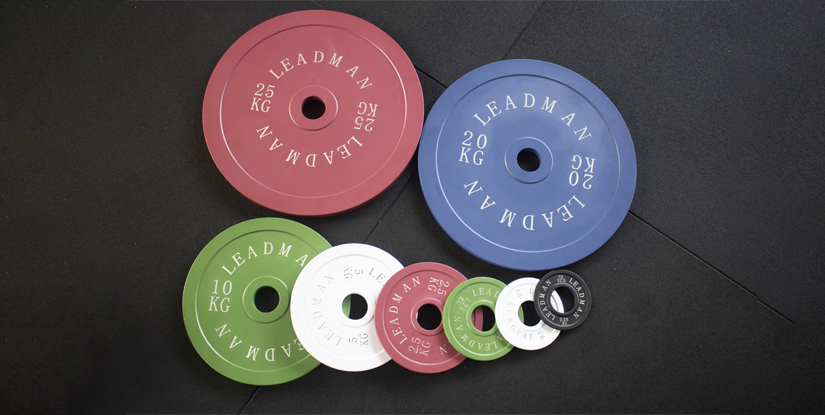
Understanding these technical trade-offs ensures that your shipment meets the rigorous standards of the North American commercial market. Effective sourcing strategies prioritize finishes that withstand high-impact handling and varying humidity levels, ensuring the equipment remains a durable asset rather than a recurring maintenance liability.
Dimensional Precision and Sleeve Compatibility
Beyond surface aesthetics, technical buyers must verify that the manufacturer adheres to strict barbell plate manufacturing standards regarding dimensional tolerance. Even minor deviations in thickness or diameter can lead to significant operational issues. If the plates are too thick, they may limit the number of weight increments a barbell can hold; if they are too thin, the weight distribution becomes unstable.
Most importantly, center hole precision is non-negotiable for long-term equipment health. A poorly cast center hole that lacks a perfectly circular profile or exhibits inconsistent diameters can cause uneven weight distribution. This lack of precision leads to excessive sleeve wear on high-end barbells, potentially damaging the bearings or bushings of expensive lifting bars. During bulk iron plate sourcing, ensure your quality control checklist includes a verification of hole concentricity to prevent premature wear on your clients' barbell inventory.
Optimizing Sourcing Strategies for Bulk Iron Plate Procurement
When managing large-scale facility setups, procurement teams must look beyond the immediate sticker price to understand the true value of their inventory. Selecting the most economical cast iron barbell plates often involves a delicate balance between low initial capital expenditure and the long-term operational costs associated with equipment replacement.
Evaluating Total Cost of Ownership (TCO)
A common mistake in high-volume sourcing is prioritizing the lowest unit price at the expense of structural integrity. In high-traffic gyms, low-quality iron can suffer from surface degradation, uneven weight distribution, or brittle edges that lead to premature cracking. While cheap options reduce upfront costs, they often fail a rigorous commercial weight plate inspection sooner than expected, leading to higher replacement frequencies.
To maximize ROI, buyers should analyze the total cost of ownership (TCO). This involves weighing the unit price vs. quality ratio against the expected lifespan of the product under heavy daily use. Investing in high-density, precision-molded plates ensures durability in high-traffic gyms, reducing the frequency of reordering and minimizing shipping overhead for distributors over a multi-year cycle.
| Procurement Metric | Budget-Tier Sourcing | Premium Commercial Grade |
|---|---|---|
| Primary Focus | Lowest initial unit price | Long-term durability and TCO |
| Typical Use Case | Home studios or small boutique gyms | Large-scale commercial fitness clubs |
| Risk Factor | Higher replacement frequency | Higher upfront capital requirement |
| Inspection Priority | Basic weight accuracy | Structural integrity and coating longevity |
Direct Factory vs. Local Distributor Models
Deciding between direct factory-direct procurement and sourcing through a local distributor depends largely on your projected volume and logistical capacity. While direct sourcing offers the most competitive pricing, it requires a higher level of expertise in managing international logistics and quality control consistency.
For large-scale projects requiring massive bulk iron plate sourcing, the factory-direct model provides significant factory-direct advantages, such as lower unit costs and customized manufacturing options. However, buyers must be prepared to navigate higher MOQ (Minimum Order Quantity) requirements and more complex shipping costs. Conversely, local distributors offer shorter lead times and easier domestic returns, making them ideal for boutique studios or facilities with limited warehousing space, though at a slightly higher price point per unit.
Hidden Costs and Technical Deviations
Budget overruns in bulk procurement rarely stem from the base unit price; they are typically driven by technical failures and logistical oversights. One of the most frequent issues in low-tier manufacturing is a lack of adherence to strict barbell plate manufacturing standards. When a factory lacks precision molding, buyers often face significant tolerance deviations, where the actual mass differs from the stamped weight. These weight inaccuracies can jeopardize the balance of high-end barbell sets, leading to inspection failures upon arrival and costly returns.
Beyond the physical product, logistical risks can rapidly inflate your landed cost. Improper palletization or inadequate crating often leads to shipping damage, such as chipped edges or surface oxidation, which diminishes the perceived value of your inventory. To implement effective cost-saving tips, procurement managers should demand pre-shipment verification of dimensional tolerances and request high-resolution photos of the palletized load. Proactively addressing these technical and transit-related variables ensures that your bulk order arrives ready for the gym floor without unexpected surcharges.
Mitigating Common Vendor Errors in Global Manufacturing
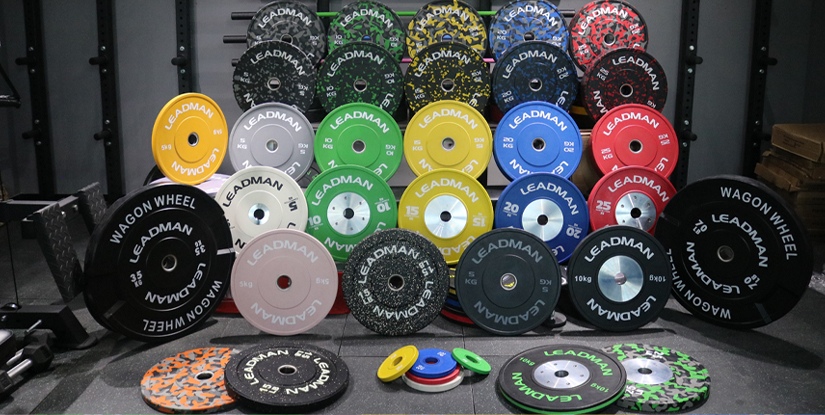
Durability in high-traffic environments depends heavily on the metallurgical consistency of your inventory. When sourcing cast iron barbell plates, the primary risk involves invisible defects that compromise long-term structural integrity, leading to premature replacement costs and client dissatisfaction.
The Impact of Micro-Cracks and Casting Flaws
Low-tier manufacturers often bypass rigorous cooling protocols to increase throughput, a practice that frequently results in micro-cracks within the iron core. While these plates may pass a basic visual check, these internal stresses fail under the thermal expansion and physical impact common in heavy lifting. For distributors and facility owners, these defects represent a significant liability; a plate that suffers a structural failure during use can damage expensive barbell sleeves or even cause injury. Adhering to strict manufacturing standards ensures that the density of the iron remains uniform, providing the commercial gym durability required for high-volume strength training environments.
A systematic approach to commercial weight plate inspection helps identify these discrepancies before the shipment reaches your warehouse. Relying on visual inspection alone is insufficient for high-volume bulk iron plate sourcing, as subtle deviations in weight or surface texture can signal deeper manufacturing inconsistencies.
Technical Comparison: Manufacturing Defects vs. Acceptable Standards
Use the following technical benchmarks to evaluate vendor samples or conduct on-site quality control. Identifying these common errors early can prevent high return rates and protect your long-term ROI.
| Inspection Dimension | Common Manufacturing Error | Acceptable Commercial Standard |
|---|---|---|
| Surface Texture | Excessive porosity or deep pitting | Uniform, smooth finish with minimal micro-voids |
| Dimensional Tolerance | Uneven thickness or warped edges | Consistent diameter and concentricity within ±1% |
| Weight Deviation | High variance between units in a set | Strict weight tolerance (typically within ±1-2%) |
| Coating Adhesion | Flaking or peeling paint/powder coat | High-bond integrity under mechanical impact |
When managing bulk procurement, ensure your quality control protocols specifically address these three pillars. A vendor capable of meeting these tolerances demonstrates the factory capability required for professional-grade distribution and long-term facility use.
Optimizing Edge Finishing and Surface Coating
Beyond structural density, the longevity of your inventory is often determined by the precision of the edge beveling and the quality of the protective layer. Poorly executed edge finishing can lead to jagged surfaces that chip easily during high-impact drops, eventually degrading the aesthetic and functional quality of the set. Distributors should verify that the radius of the edge is consistent across the entire circumference to prevent mechanical wear on both the plates and the barbell sleeves.
Furthermore, coating adhesion is a critical metric for calculating the Total Cost of Ownership (TCO). In many commercial settings, a low-quality powder coat or paint finish will begin to flake after only a few months of standard use, necessitating frequent repainting or premature replacement. When auditing a factory, request samples that have undergone impact testing to ensure the coating remains intact under stress. High-quality barbell plate manufacturing standards dictate that the finish must be chemically bonded to the iron to withstand the natural moisture and friction of a high-volume gym environment, thereby extending the maintenance cycle and protecting your profit margins.
Logistics and Inventory Management for Heavy Iron Goods
Effective long-term asset management begins long before the plates reach the gym floor. For distributors and facility managers, understanding the environmental requirements for storing cast iron barbell plates is critical to protecting the initial capital investment and ensuring product longevity.
Environmental Controls and Oxidation Prevention
In many commercial gym environments, fluctuating humidity levels pose a significant threat to raw iron surfaces. Without strict humidity control, even high-quality cast iron barbell plates are susceptible to rapid oxidation. To mitigate this risk, procurement teams should prioritize batches treated with a high-grade moisture-resistant coating. This secondary layer acts as a buffer against ambient moisture, preventing surface rust that can degrade the aesthetic and structural integrity of the weight plates over time.
Storage Configuration Comparison
| Storage Method | Environmental Risk | Maintenance Level | Best Use Case |
|---|---|---|---|
| Indoor Climate-Controlled | Low | Minimal | Premium commercial clubs |
| Standard Warehouse | Moderate | Occasional inspection | Distributor stockholding |
| Outdoor/Semi-Open | High | Frequent cleaning | Outdoor training facilities |
Choosing the correct storage protocol directly impacts the total cost of ownership. While indoor climate-controlled environments offer the highest level of protection against corrosion, ensuring that any bulk iron plate sourcing includes a robust protective finish allows for more flexible warehousing options during transit and seasonal shifts.
Optimizing Footprint with Vertical and Horizontal Configurations
When managing high-volume inventory, the choice between vertical and horizontal storage dictates both facility throughput and the physical durability of the plates. Procurement managers must weigh the benefits of space-saving verticality against the stability of flat-stacking to prevent structural deformation or uneven wear.
| Configuration Type | Weight Distribution | Footprint Efficiency | Maintenance Frequency |
|---|---|---|---|
| Vertical Racks | Localized pressure | High (Verticality focus) | Monthly visual inspection |
| Pallet Stacking | Uniformly distributed | Moderate (Surface area focus) | Quarterly surface checks |
Vertical storage solutions, such as specialized weight trees or heavy-duty racks, are ideal for maximizing floor space in boutique or high-traffic facilities. However, buyers should ensure that the weight distribution remains centered to prevent tipping. For long-term bulk storage in a warehouse, pallet stacking is often more reliable. When utilizing pallets, avoid direct floor contact by using wooden or plastic skids to mitigate moisture wicking. This prevents the bottom layer from absorbing ground-level humidity, which is a common failure point in mass iron plate sourcing. A well-planned layout reduces the need for constant repositioning, ultimately lowering the long-term labor costs associated with inventory upkeep.
Inventory Turnover and Handling Protocols
Efficient warehouse management requires a disciplined approach to inventory turnover to ensure that stock does not sit idle for extended periods. For high-volume distributors, implementing a First-In, First-Out (FIFO) system is essential to maintain the freshness of protective coatings and prevent prolonged exposure to ambient warehouse conditions. Rapid turnover minimizes the risk of surface degradation and ensures that the most recently manufactured batches reach the end-user in optimal condition.
Rigid handling protocols are equally vital during the transition from the loading dock to the gym floor. When moving bulk iron plate sourcing shipments, heavy-duty machinery must be used with precision to avoid impact-related damage. Strict dent prevention measures—such as using padded pallet jacks and avoiding high-drop unloading—are necessary to maintain the dimensional integrity of the plates. Neglecting these movement standards can lead to microscopic fractures or surface imperfections that compromise the professional appearance and structural reliability of the equipment upon delivery.