Cast Iron Olympic Weight Plates | Optimizing Training
Defining Procurement Standards for High-Volume Training Environments
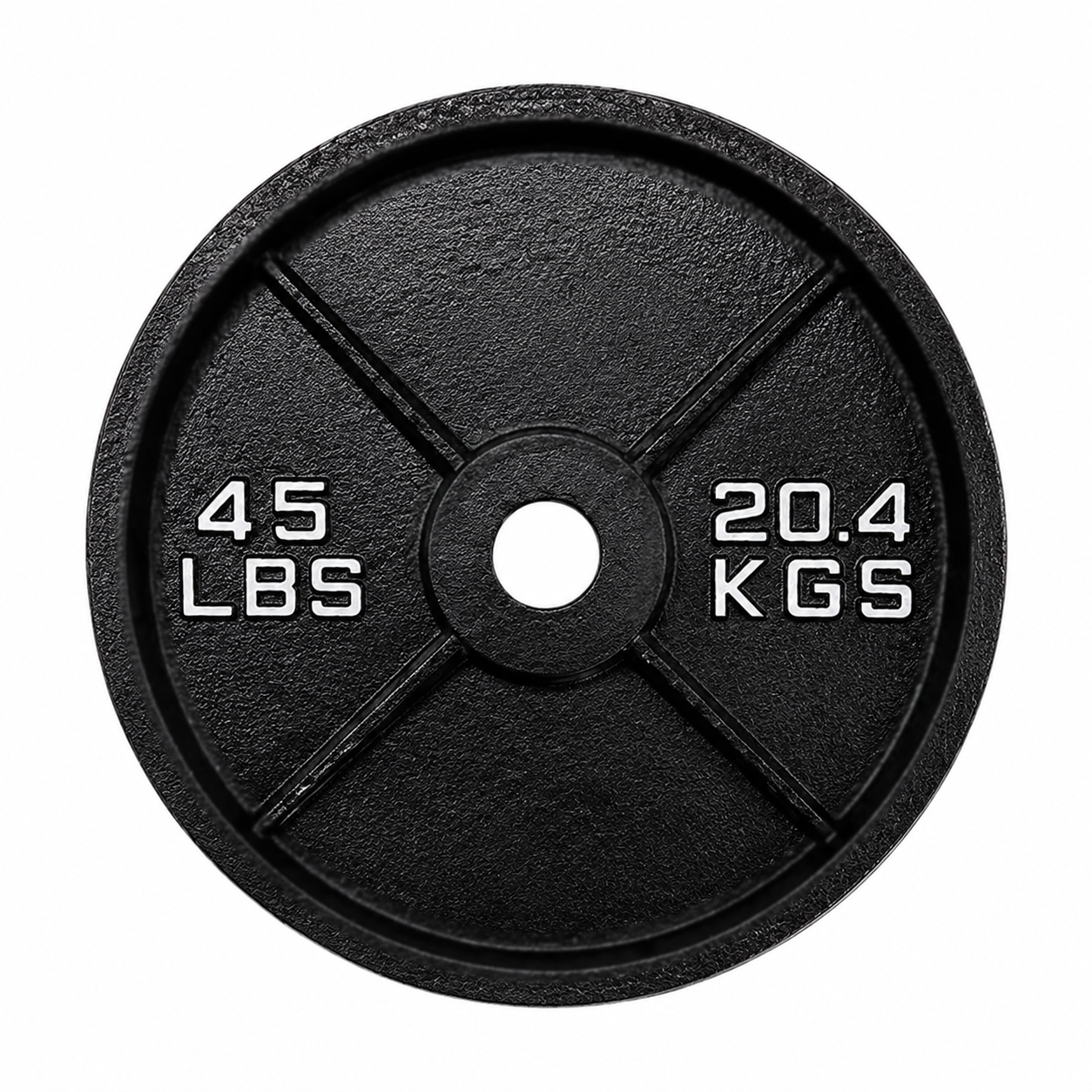
High-quality cast iron olympic weight plates serve as the foundation for heavy-duty strength training in commercial settings. B2B buyers prioritize these plates because they offer a cost-effective, space-saving solution that withstands the rigorous demands of constant loading and high-intensity barbell work.
For distributors and facility managers, the primary concern is long-term structural integrity. In high-volume training environments, equipment undergoes constant impact and mechanical stress. Selecting plates with superior impact resistance ensures that the cast iron does not chip or crack under heavy drops, protecting your long-term investment and reducing replacement frequency. Furthermore, verifying commercial barbell plate compatibility is essential; ensuring precise tolerances in the center hole diameter prevents wobbling and protects the barbell sleeves from premature wear during intense sessions.
Beyond structural density, the surface treatment of your plates significantly impacts the Total Cost of Ownership (TCO). While the core weight remains consistent, the choice between raw or coated finishes determines how the equipment ages under heavy use and how frequently your maintenance staff must intervene.
Comparing Surface Finishes for Commercial Longevity
Selecting the right finish depends on whether your facility prioritizes low-cost entry points or high-end aesthetic durability. Below is a comparison of common manufacturing standards used in global distribution.
| Finish Type | Durability Profile | Maintenance Needs | Best Use Case |
|---|---|---|---|
| Matte/Raw Iron | High (Basic) | Low (Occasional rust wipe) | Budget-friendly strength gyms |
| Powder Coated | Very High (Protective) | Minimal (Easy to clean) | High-traffic commercial clubs |
| Painted/Enamel | Moderate (Chip risk) | Regular (Aesthetic upkeep) | Boutique studios/Light training |
For most professional distributors, powder coating offers the best balance of protection and cost-efficiency. While the initial unit cost may be slightly higher than raw iron, the extended lifespan and reduced need for rust remediation provide a superior return on investment (ROI) in humid or high-intensity training environments.
Logistics and Quality Control for Bulk Procurement
Effective strength training equipment procurement requires more than just selecting a finish; it demands a rigorous approach to quality control and logistical planning. When ordering versatile gym weight sets at scale, distributors must verify that the manufacturing tolerances remain consistent across the entire batch to ensure seamless barbell integration.
A critical factor often overlooked in high-volume orders is shipping weight considerations. Because cast iron olympic weight plates are exceptionally dense, the total weight per pallet can significantly impact freight costs and container optimization. We recommend working with suppliers who offer standardized MOQ levels that align with full container loads (FCL) to maximize shipping efficiency and reduce the per-unit landed cost. By auditing the casting process and ensuring consistent weight deviations, procurement managers can secure a higher long-term ROI, avoiding the hidden costs of defective or imbalanced inventory.
Evaluating Compatibility Across Diverse Barbell Systems
Ensuring seamless integration between your weight inventory and barbell sets is a critical technical requirement for facility managers. High-quality cast iron olympic weight plates must meet strict dimensional standards to prevent uneven loading or damage to expensive barbell sleeves during high-intensity training sessions.
Standardization and Precision Tolerances
For professional strength training equipment procurement, the most vital specification is the internal diameter. Standard 50mm sleeves are the industry benchmark for commercial barbell compatibility. However, mass-produced plates often suffer from inconsistent sizing. When sourcing in bulk, distributors should demand precision tolerances to ensure that the center hole remains perfectly circular and consistent in diameter. This prevents "wobble" or excessive friction, which can prematurely wear down the bearing systems of premium barbells. A tight, consistent fit ensures that the weight remains centered, protecting the structural integrity of both the plate and the barbell during heavy lifts.
Technical Specifications Comparison
| Specification Feature | Standard Cast Iron Plates | Precision-Machined Plates |
|---|---|---|
| Inner Diameter | Variable / Loose Fit | Strict 50mm Standard |
| Sleeve Compatibility | General Purpose | High-End Commercial Barbells |
| Long-term TCO | Lower Initial Cost | Lower Maintenance/Replacement |
| Loading Smoothness | Moderate Friction | Optimized for High-Volume |
Operational Maintenance and Longevity
Beyond the initial fitment, the long-term durability of your strength training equipment depends heavily on the interaction between the metal surface and the barbell sleeve. In high-volume commercial environments, the friction generated during rapid loading and unloading can lead to surface degradation if the plate quality is substandard. Buyers should evaluate how different finishes impact the lifecycle of the equipment to optimize the total cost of ownership (TCO).
| Maintenance Factor | Standard Cast Iron Finish | Premium Powder-Coated / Painted |
|---|---|---|
| Sleeve Friction | Higher potential for surface abrasion | Smooth, low-friction interface |
| Oxidation Control | Requires periodic oiling/cleaning | High resistance to rust and moisture |
| Cleaning Protocol | Manual wiping to remove dust/sweat | Simple damp cloth wipe-down |
| Impact Resistance | Susceptible to edge chipping | Enhanced coating durability |
For distributors managing diverse gym layouts, selecting versatile gym weight sets with protective coatings can significantly reduce the frequency of staff maintenance tasks. While standard cast iron remains a cost-effective solution for many settings, high-traffic facilities often find that premium finishes offer a better return on investment by protecting both the plates and the barbell bearings from corrosive elements and physical wear.
Managing Maintenance Cycles and Surface Wear
Optimizing the lifecycle of cast iron olympic weight plates requires a proactive approach to friction management. In high-traffic environments, the interface between the plate's inner diameter and the barbell sleeve is a primary point of failure. If the surface coating durability is low, constant loading and unloading can lead to oxidation or metal-on-metal abrasion, which increases the maintenance workload for facility staff. To ensure long-term ROI, procurement managers should prioritize plates with consistent surface treatments that mitigate the impact of moisture and skin oils.
Effective maintenance cycles for versatile gym weight sets typically involve a quarterly inspection for surface rust or coating degradation. For bulk buyers, investing in plates with high-quality finishes reduces the frequency of deep cleaning and prevents the buildup of debris that can interfere with smooth barbell rotation. By selecting products designed for high-volume commercial use, distributors can minimize the total cost of ownership through reduced replacement rates and streamlined upkeep protocols.
Optimizing Program Versatility Through Weight Set Composition
Strategic procurement for commercial facilities relies on balancing specialized equipment with high-utility staples. For distributors and gym owners, investing in cast iron olympic weight plates ensures a foundation of durability that supports a wide range of training styles without the rapid degradation seen in lower-grade alternatives.
Maximizing Long-Term Asset Value
A mixed-weight set composition—combining standard increments with specialized loading plates—provides significant long-term asset value. By ensuring strict commercial barbell plate compatibility, facilities can transition seamlessly between heavy powerlifting sessions and high-volume functional training. This versatility allows a single procurement order to serve diverse training modalities, from strength-focused barbell work to metabolic conditioning. Rather than replacing worn-out equipment frequently, high-quality iron sets offer a predictable lifecycle, reducing the total cost of ownership for large-scale gym layouts and boutique studios alike.
Selecting the optimal configuration depends heavily on whether your facility prioritizes high-frequency turnover or specialized, heavy-duty strength training. Procurement managers must weigh the initial capital expenditure against the long-term utility of the weight sets to ensure maximum ROI across different training environments.
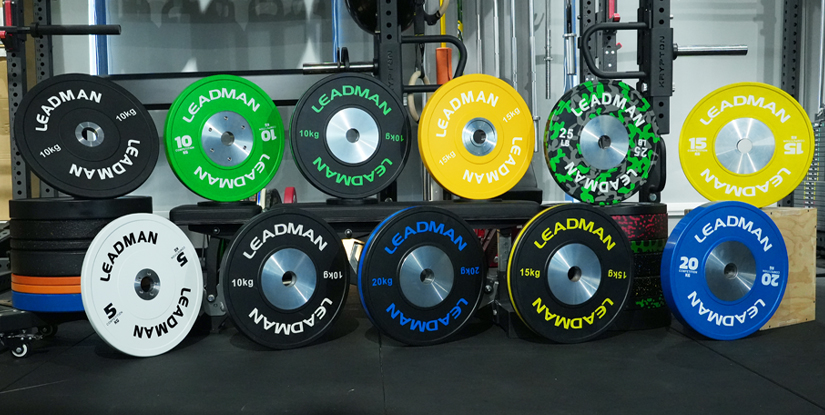
| Facility Type | Configuration Strategy | Primary Advantage | Cost-Efficiency Profile |
|---|---|---|---|
| Boutique Studio / HIIT Center | Diversified Weight Sets | High versatility for functional movements | Higher initial SKU count; lower per-session friction |
| Full-Scale Commercial Gym | Uniform Heavy Sets | Streamlined loading for heavy lifting | Lower cost per kg; optimized for bulk replacement |
| Hotel / Residential Gym | Hybrid Small-Scale Sets | Space-saving and low maintenance | Reduced footprint; high durability for light use |
For distributors focusing on high-volume turnover, offering versatile gym weight sets that include a wide range of smaller increments can increase the appeal to specialized training centers. Conversely, for large-scale strength facilities, focusing on high-density, uniform bulk orders of heavy plates maximizes shipping efficiency and reduces the total cost of procurement per unit.
Operational Efficiency and Maintenance Cycles
Effective strength training equipment procurement extends beyond the initial purchase price to include the long-term management of the facility. Unlike high-tech or rubber-coated alternatives that may require complex surface repairs, high-grade iron plates offer a simplified maintenance cycle. For high-traffic commercial environments, the primary upkeep involves periodic inspection for surface oxidation and ensuring consistent weight calibration. This low-maintenance profile is a critical factor in space optimization, as it allows managers to allocate more floor area to training zones rather than dedicated equipment repair or storage logistics.
When scaling orders, buyers should evaluate the impact of weight distribution on floor wear and storage density. Utilizing compact, high-density versatile gym weight sets allows for efficient vertical storage solutions, such as specialized plate trees or wall-mounted racks. By choosing standardized dimensions, procurement specialists can reduce the logistical footprint in the warehouse or gym floor, ensuring that the transition between high-volume functional classes and heavy strength protocols remains fluid and cost-effective.
Structural Integrity and Tolerance Specifications for Commercial Use
In high-volume training environments, the longevity of your inventory depends on the manufacturing precision of every unit. For facility managers and distributors, sourcing cast iron olympic weight plates that meet strict dimensional tolerances is a fundamental requirement for minimizing long-term replacement costs and ensuring consistent performance across diverse strength training programs.
The Impact of Precision Casting on ROI
Reliable structural integrity begins at the foundry. Low-quality casting processes often result in internal air pockets or uneven density, which can lead to premature cracking under heavy impact. High-tier precision casting ensures that each plate maintains a uniform weight distribution and a consistent center of gravity. This level of quality control is essential for maintaining commercial barbell plate compatibility, preventing friction issues or uneven loading that can damage expensive barbell sleeves over time. By investing in high-tolerance equipment, procurement professionals protect their long-term ROI through reduced maintenance cycles and extended equipment lifespans.
Discrepancies in manufacturing standards can lead to uneven loading, which places undue stress on barbell bearings and sleeves. When evaluating bulk orders, it is critical to distinguish between standard consumer-grade manufacturing and the precision required for commercial gym settings. High weight deviation or inconsistent center hole diameters can cause mechanical vibration and accelerated wear on high-end barbells.
Technical Tolerance Benchmarks
The following table outlines the typical variance levels expected when sourcing for different market segments. For professional strength training equipment procurement, aiming for the commercial grade ensures better compatibility and longer equipment life.
| Metric | Standard/Consumer Grade | Commercial/Professional Grade |
|---|---|---|
| Weight Deviation | ± 3% to 5% | ± 1% to 2% |
| Center Hole Diameter | Variable/Loose Fit | Strict 50.4mm (± 0.1mm) |
| Dimensional Accuracy | Moderate Variance | High Precision/Uniform Thickness |
| Barbell Impact Risk | Higher (Uneven Loading) | Minimal (Balanced Distribution) |
Strict adherence to these specifications prevents the "wobble effect" during heavy lifts. For distributors managing versatile gym weight sets, selecting suppliers who prioritize these tolerances reduces customer returns and enhances the perceived quality of your entire product catalog.
Operational Longevity in High-Traffic Facilities
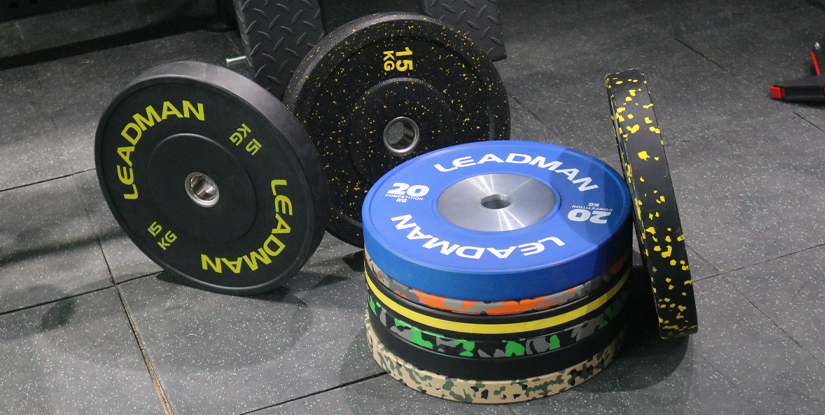
Durability in high-traffic facilities is not merely about the strength of the iron, but how that strength withstands daily mechanical stress. In environments like CrossFit boxes or commercial strength zones, equipment undergoes constant impact and friction. Selecting high-grade cast iron olympic weight plates ensures that the structural density can handle the repetitive shock of heavy drops without developing micro-fractures or surface chipping.
From a strength training equipment procurement standpoint, the true cost of an item is tied to its maintenance cycles. Lower-tier products often suffer from rapid wear and tear, specifically regarding the outer rim integrity and the smoothness of the inner bore. Such degradation can lead to increased friction, necessitating more frequent cleaning and part replacement. When building versatile gym weight sets for large-scale distribution, prioritizing high-density casting reduces the frequency of replacement requests and stabilizes your long-term procurement decision-making by lowering the total cost of ownership.
Analyzing ROI and Procurement Economics
For facility owners and distributors, the primary advantage of sourcing cast iron olympic weight plates lies in the predictable cost-per-kg vs durability ratio. Unlike specialized polyurethane or high-end bumper plates, cast iron offers a lower entry price point while maintaining exceptional structural integrity under standard commercial use, making it a staple for high-volume procurement strategies.
When scaling inventory for large-scale strength training facilities or multi-gym franchises, the economic logic shifts from unit price to long-term total cost of ownership (TCO). Because these plates are less prone to the surface degradation seen in softer materials, they provide a reliable baseline for heavy lifting zones where budget efficiency is critical. Furthermore, ensuring strict commercial barbell plate compatibility—specifically regarding precise center hole diameters—is vital to prevent premature wear on expensive barbell sleeves, protecting your secondary equipment investments.
Evaluating Sourcing Models for Volume Orders
Distributors must weigh the immediate unit-cost savings of direct factory procurement against the logistical ease of local wholesale. While direct sourcing maximizes margins for large-scale shipments, it requires more rigorous oversight of production standards and longer lead times to manage international freight volatility.
| Sourcing Model | Typical MOQ | Shipping Lead Time | Unit Cost Impact | QC Oversight |
|---|---|---|---|---|
| Direct Factory Sourcing | High (Pallet/Container) | Long (45–70 Days) | Lowest (Direct Margin) | Requires Third-Party Inspection |
| Local/Regional Wholesaler | Low to Moderate | Short (7–14 Days) | Higher (Markup Applied) | Managed by Distributor |
Selecting the right model depends on your inventory turnover and capital availability. For distributors building long-term stock of versatile gym weight sets, direct factory procurement offers the best scalability, provided you account for the necessary time to manage international logistics and quality verification.
Optimizing Freight and Shipping Density
A critical factor in strength training equipment procurement is the optimization of shipping density to mitigate rising ocean and air freight costs. Because cast iron is a high-density material, the volumetric weight is often low relative to the actual weight, meaning logistics costs are driven by mass rather than volume. To maximize profitability, distributors should coordinate shipments to ensure containers are loaded to their maximum weight capacity without exceeding safety limits.
Effective freight optimization involves more than just container stacking. When ordering versatile gym weight sets, buyers should request palletization strategies that minimize empty space and prevent movement during transit. High-density loading reduces the landed cost per unit, making cast iron an economically superior choice for large-scale inventory replenishment compared to lighter, more voluminous equipment. By focusing on weight-to-volume ratios and standardized packaging, global buyers can significantly lower their long-term maintenance costs related to transit damage and inefficient shipping cycles.
Long-Term Maintenance and Surface Protection Strategies
Maintaining the surface integrity of cast iron olympic weight plates is essential for extending the lifecycle of your inventory and reducing replacement frequency. In a high-traffic commercial gym environment, the primary threats to equipment longevity are moisture and physical abrasion, which can compromise the aesthetic and structural value of the plates.
To prevent oxidation and rust, facility managers must prioritize humidity control within the training area. High moisture levels can lead to rapid corrosion if the protective coating integrity is compromised. We recommend regular inspections to identify any exposed metal surfaces. For distributors and large-scale gym operators, implementing a routine cleaning schedule using a dry cloth and ensuring well-ventilated storage prevents the buildup of oxidation that often occurs in humid climates or poorly ventilated weight rooms.
Selecting the appropriate finish is a critical decision for calculating the Total Cost of Ownership (TCO). While the underlying metal quality remains constant, the surface treatment dictates how much labor and capital your facility will expend on upkeep over several years. Different finishes offer varying levels of resistance to the friction and environmental moisture typical in high-volume training environments.
| Finish Type | Durability & Resistance | Maintenance Frequency | Cost-Effectiveness | Commercial Barbell Plate Compatibility |
|---|---|---|---|---|
| Powder Coating | High; excellent rust prevention | Low; minimal touch-ups | High (Long-term ROI) | Standard; smooth edge profile |
| Industrial Paint | Moderate; prone to chipping | Medium; periodic repainting | Moderate | Standard; potential for edge wear |
| Raw/Natural Finish | Low; susceptible to oxidation | High; requires oiling/cleaning | Low (High labor cost) | Excellent; thin profile |
When evaluating versatile gym weight sets for export or domestic distribution, consider that powder coating often provides the best balance between initial procurement costs and long-term operational savings. While raw finishes may have a lower upfront price point, the increased labor required for rust prevention often offsets those savings in professional settings.
Operational Protocols for Inventory and Storage
Beyond surface treatments, effective inventory management relies on strict storage protocols to ensure long-term durability. For distributors managing large volumes, stacking weight plates too high or in poorly ventilated corners can trap moisture, accelerating degradation. We suggest utilizing specialized weight trees or dedicated metal racks that allow for airflow around each unit, rather than stacking them directly on concrete floors where condensation often accumulates.
To optimize the lifespan of versatile gym weight sets, implement a consistent inventory rotation strategy. Rather than leaving the same heavy sets stationary for years, periodic movement and reorganization prevent localized oxidation and ensure even wear across your entire stock. For facility managers, establishing a quarterly audit of your cast iron olympic weight plates—checking for structural integrity and surface rust—helps maintain a high-quality standard for members while protecting your initial capital investment.