Cast Iron vs Rubber Weight Plates: a Procurement Guide
Beyond Unit Price: Analyzing Lifecycle Value
When evaluating cast iron plates vs rubber, procurement managers must look beyond the initial invoice to understand the total cost of ownership. While cast iron typically offers a lower entry price, the long-term economic impact depends on facility usage intensity and surrounding equipment protection.
A strategic decision involves balancing initial CAPEX against long-term OPEX. High-traffic commercial facilities often face a trade-off: the low upfront cost of iron versus the potential for increased maintenance and floor damage. Conversely, rubber-coated options require a higher initial investment but can reduce the frequency of structural repairs and equipment replacement cycles.
| Cost Metric | Cast Iron Plates | Rubber-Coated Plates |
|---|---|---|
| Initial CAPEX | Lower (Budget-friendly) | Higher (Premium) |
| Maintenance Needs | Occasional rust prevention | Minimal (Surface cleaning) |
| Floor Impact Costs | High (Requires mats) | Low (Built-in damping) |
| Long-term Durability | Extremely high | High (Depends on coating) |
Optimizing commercial gym equipment durability requires accounting for these hidden variables. For distributors or facility owners, selecting the right material affects not just the procurement budget, but also the lifecycle costs associated with facility upkeep and specialized flooring protection.
Quantifying the Economic Trade-Off
Allocating budget between these two material types requires a granular view of how each impacts your facility's annual upkeep. While the unit price of a cast iron plate is often significantly lower, the "invisible" costs associated with floor wear and potential damage to surrounding machines can erode those savings over a three-to-five-year period.
To assist in your vendor selection and procurement planning, the following table outlines the primary drivers of expenditure for both options. This data helps distinguish between low-cost initial sourcing and long-term operational efficiency.
| Material Type | Initial Unit Cost | Durability/Lifespan | Maintenance Requirements |
|---|---|---|---|
| Cast Iron | Low / Economical | Decades (High resistance to wear) | Moderate (Rust prevention & surface cleaning) |
| Rubber-Coated | Mid-to-High (Premium) | High (Dependent on coating integrity) | Low (Standard surface upkeep) |
When negotiating with suppliers, consider how these variables affect your total volume orders. For distributors managing large inventories, the choice between cast iron and rubber often hinges on whether the client prioritizes low upfront shipping weights and costs or reduced long-term liability regarding floor maintenance and equipment impact.
Logistics and Volume Optimization Strategies
Successful bulk procurement requires a deep understanding of how weight plate material impacts your supply chain. Because cast iron is significantly more dense, the shipping weight considerations for large iron orders often lead to higher freight costs per unit compared to volume-optimized rubber alternatives. When scaling orders for multi-location facility rollouts, failing to account for these weight-to-volume ratios can lead to unexpected logistics surcharges.
To maximize logistics efficiency, buyers should coordinate with manufacturers regarding MOQ (Minimum Order Quantity) thresholds and container utilization. For high-volume setups, optimizing warehouse space is critical; while iron plates are more compact, the sheer weight may necessitate specialized heavy-duty racking and reinforced flooring. We recommend negotiating tiered pricing that accounts for full container load (FCL) shipments to dilute the impact of ocean freight and reduce the per-unit landed cost in your inventory.
Material Durability and Impact Resistance Profiles
When assessing long-term procurement ROI, the distinction between material types lies in how they respond to the physical stresses of a high-traffic facility. Buyers must weigh the absolute structural integrity of metal against the shock-absorbing properties of polymers to prevent premature replacement cycles.
Structural Integrity vs. Surface Wear
Cast iron plates are prized for their unchanging structural integrity. Because they are a solid, non-compressible mass, they do not suffer from the rubber degradation often seen in lower-grade polymer coatings. However, in high-impact environments, certain manufacturing flaws can lead to cast iron brittleness or cracking if dropped from significant heights onto hard surfaces. This makes them a reliable choice for static strength training but requires more careful handling during heavy transitions.
Conversely, rubber-encased or solid rubber plates excel in impact resistance. They are designed to absorb kinetic energy, which protects both the plates and the surrounding flooring. While this makes them ideal for dynamic movements, distributors should note that extreme temperature fluctuations or chemical exposure in certain gym environments can lead to material fatigue over several years. Evaluating commercial gym equipment durability requires understanding that while rubber protects the facility, cast iron offers a more permanent, unchanging physical profile.
To facilitate a technical evaluation, the following weight plate material comparison outlines how each medium performs under standard commercial stressors. This data is critical for calculating total cost of ownership (TCO) and predicting replacement intervals for your inventory.
| Technical Attribute | Cast Iron Plates | Rubber-Encased/Solid Rubber |
|---|---|---|
| Impact Absorption | Low; transfers kinetic energy directly to floor. | High; dampens vibrations and reduces noise. |
| Surface Wear | Minimal; resistant to compression and deformation. | Variable; susceptible to tearing or molding under heat. |
| Environmental Resistance | High; requires coating to prevent oxidation/rust. | Moderate; sensitive to UV and heavy chemical cleaners. |
| Long-term Profile | Static; dimensions remain constant over time. | Dynamic; may experience slight thickness changes. |
For procurement managers, the decision often hinges on the specific training zones within a facility. If your inventory is destined for high-impact lifting platforms, the superior impact absorption of rubber helps lower gym facility maintenance costs related to floor repair. However, for standard strength areas where longevity and dimensional stability are paramount, the rigid durability of cast iron remains the industry standard.
Optimizing Total Cost of Ownership (TCO)
A savvy procurement decision extends beyond the initial purchase order to the long-term lifecycle of the equipment. When calculating the long-term ROI, buyers must account for both the replacement frequency of the units and the ancillary gym facility maintenance costs. While rubber-based options often reduce noise and floor wear, they may require more frequent inspection due to potential coating integrity issues, such as peeling or surface degradation from heavy cleaning agents.
In contrast, high-quality cast iron offers a predictable durability profile that simplifies inventory management. Because the material does not compress or deform, the dimensional stability ensures consistent fit on barbells for years. For distributors and facility owners, prioritizing high-grade finishes can mitigate oxidation risks, effectively extending the asset's useful life and reducing the necessity for frequent restocking or bulk re-orders.
Optimizing Facility Footprint and Storage Logistics
When planning a commercial gym layout, the volume of weight plates directly dictates your barbell sleeve capacity and overall storage density. Selecting between cast iron plates vs rubber involves a critical trade-off: the high density of metal versus the increased thickness of coated polymers.
Cast iron provides a slim thickness profile, allowing more weight to be loaded onto a single barbell without exhausting the sleeve. Conversely, rubber-coated or bumper plates are significantly bulkier. For distributors and facility managers, this means a larger physical footprint for both active training stations and dedicated storage racks.
| Material Type | Thickness Profile | Storage Density | Best Use Case |
|---|---|---|---|
| Cast Iron | Low (Slim) | High | Strength/Powerlifting zones |
| Rubber/Bumper | High (Bulky) | Moderate | Functional/High-impact areas |
If your facility prioritizes maximizing the number of available stations within a limited square footage, prioritizing cast iron can optimize your equipment lifecycle by freeing up valuable barbell space. However, if your programming relies on high-velocity movements, the spatial trade-off for rubber is a necessary investment in floor protection.
For procurement managers calculating rack dimensions or shipping volumes, the physical dimensions of each unit impact both the storage footprint and the long-term logistics of replenishing inventory. Understanding the volumetric discrepancy between these materials is essential for accurate facility layout planning and warehouse capacity management.
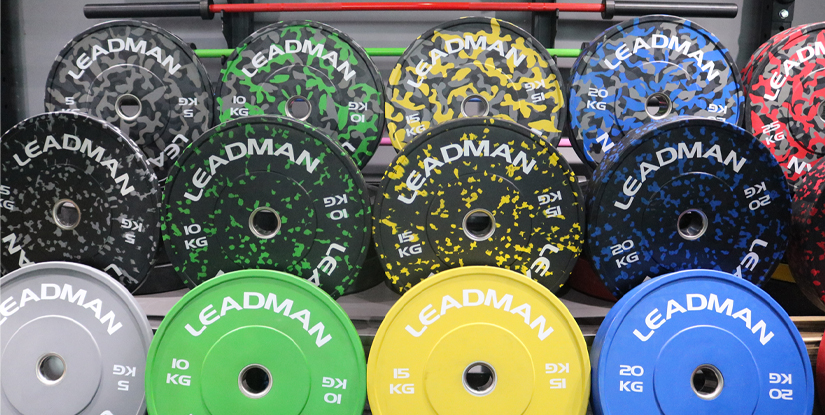
Spatial Efficiency and Volume Comparison
The following comparison outlines how material selection affects the volume per unit and the resulting storage footprint. This data is vital for distributors determining the optimal number of storage trees or horizontal racks required for a complete set.
| Weight Plate Material Comparison | Average Thickness (per kg) | Volume per Unit | Storage Footprint |
|---|---|---|---|
| Cast Iron | Minimal | Low | Compact / High-Density |
| Rubber-Coated | Moderate | Medium | Moderate / Medium-Density |
| Full Bumper (Rubber) | High | High | Large / Low-Density |
When sourcing high volumes, remember that the increased volume of rubber-based plates may increase shipping costs per unit due to higher dimensional weight. For projects with strict space constraints, a heavy reliance on cast iron allows for a much more efficient use of vertical and horizontal storage racks.
Logistics and Long-Term Maintenance Planning
Beyond the floor layout, procurement professionals must account for how material thickness affects total shipping volume and warehouse capacity. Because rubber-coated plates occupy significantly more cubic space, your MOQ considerations must include a realistic assessment of freight costs and container utilization. A high-volume order of bumper plates will hit dimensional weight limits much faster than a comparable mass of cast iron.
From an operational standpoint, the choice between cast iron plates vs rubber impacts long-term gym facility maintenance costs. While cast iron requires minimal upkeep, it necessitates high-quality, heavy-duty vertical storage solutions to manage its high density safely. Conversely, while rubber plates are more forgiving on floors, their bulk requires larger, more expansive storage footprints. When evaluating commercial gym equipment durability, consider that the structural integrity of your storage racks must match the volumetric density of your chosen material to prevent premature wear and ensure efficient equipment lifecycles.
Long-Term Maintenance and Surface Integrity Realities
When evaluating the long-term total cost of ownership, procurement managers must account for how different materials respond to high-traffic friction and environmental factors. The choice between cast iron plates vs rubber often dictates the frequency of your facility's equipment upkeep and replacement cycles.
Cast iron plates are highly susceptible to oxidation if the protective coating is compromised. In humid environments or high-traffic commercial gyms, moisture can lead to surface rust, requiring periodic cleaning or repainting to maintain aesthetics. Conversely, high-quality rubber-encapsulated plates offer superior resistance to moisture and chemical cleaners, though they face different degradation risks. While they do not oxidize, the outer surface can suffer from tearing or material fatigue under extreme temperature fluctuations or heavy abrasive use. Understanding these surface wear patterns is essential for maintaining commercial gym equipment durability and predicting when your inventory will require refreshing.
Total Cost of Ownership (TCO) Comparison
To accurately project your long-term budget, evaluate the mechanical and chemical degradation risks associated with each material. This technical comparison helps distributors and facility owners anticipate the frequency of maintenance interventions and eventual turnover.
| Maintenance Factor | Cast Iron Plates | Rubber/Encapsulated Plates |
|---|---|---|
| Oxidation Risk | Moderate (Requires coating integrity) | Negligible (Moisture resistant) |
| Surface Integrity | High (Rigid, resists deformation) | Variable (Subject to tearing/abrasion) |
| Cleaning Protocols | Simple (Dry cloth or light oil) | Standard (Chemical-resistant rubber) |
| Replacement Cycle | Long (If kept in climate-controlled areas) | Medium (Depends on material density/grade) |
From a procurement standpoint, cast iron offers a more predictable lifecycle in dry, controlled environments, whereas rubber-based options may require more frequent inspection for surface fatigue in high-intensity settings. Balancing these variables ensures your facility maintenance costs remain within projected margins.
To mitigate unexpected expenses, facility managers should implement strict storage and environmental controls tailored to their specific material selection. For iron-based inventories, consistent humidity control is non-negotiable; even minor moisture infiltration in storage rooms can accelerate oxidation if the coating integrity has been compromised by heavy use. This becomes a critical factor for distributors sourcing for tropical or coastal regions where ambient moisture is high.
For rubber-coated or solid rubber alternatives, the primary concern shifts toward UV exposure and chemical exposure. Improper use of harsh, non-compatible cleaning agents can lead to premature rubber degradation, resulting in a tacky surface or structural cracking. When making your final procurement decision, consider whether your facility has the infrastructure to maintain a stable climate. Investing in high-grade, weather-resistant coatings or climate-controlled storage can significantly lower your gym facility maintenance costs by extending the functional lifespan of the equipment across multiple replacement cycles.
Sourcing Considerations for High-Volume Wholesale Orders
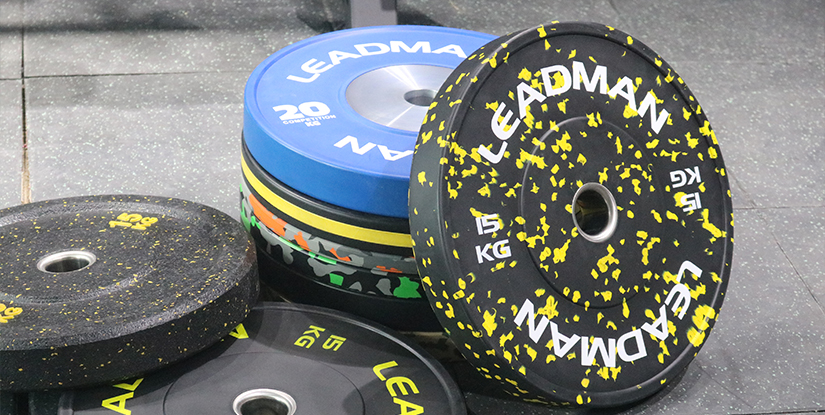
When scaling a facility or restocking inventory, the decision between cast iron plates vs rubber involves more than just a per-unit price comparison. Procurement managers must weigh the immediate CAPEX against the long-term total cost of ownership (TCO) to ensure the investment aligns with the facility's operational lifespan.
Balancing Initial Investment and TCO
Cast iron plates typically offer a lower initial investment, making them an attractive option for budget-conscious distributors or startups focusing on high-volume, low-cost setups. However, the long-term economic impact depends heavily on the intended environment. While cast iron provides exceptional commercial gym equipment durability in controlled settings, it may necessitate more frequent replacement or specialized flooring if used in high-impact zones.
In contrast, rubber-encapsulated options often carry a higher upfront cost but can reduce indirect expenses related to floor damage and noise mitigation. Evaluating these maintenance cycles is critical for high-traffic commercial gyms where minimizing downtime and repair costs is a primary goal. A strategic procurement approach considers whether the savings on the initial purchase will be offset by increased maintenance or replacement needs down the line.
To assist in budget allocation and inventory planning, use the following weight plate material comparison to evaluate how different facility models impact your bottom line. This matrix highlights the variance in initial procurement costs against long-term operational needs.
| Material Type | Initial Cost | Durability/Lifespan | Ideal Use Case |
|---|---|---|---|
| Cast Iron | Low | High (Structural integrity) | Traditional lifting gyms, budget-focused distributors |
| Rubber-Coated | Moderate to High | High (Surface protection) | Commercial fitness centers, high-traffic training zones |
| Bumper (Rubber) | High | Excellent (Impact resistance) | CrossFit boxes, Olympic lifting-focused facilities |
When finalizing a wholesale order, consider that while cast iron minimizes upfront shipping and unit costs, rubberized materials can significantly lower your gym facility maintenance costs by preserving subflooring and reducing noise-related complaints in multi-use commercial spaces.
Logistics Efficiency and Shipping Volume
A critical component of a bulk procurement strategy is understanding how material density affects international freight. Because cast iron is highly compact, it offers superior shipping density, allowing more weight to be packed into a standard 20ft or 40ft container without hitting volumetric limits. This makes cast iron an efficient choice for distributors looking to minimize the cost-per-kilo during ocean freight.
Conversely, rubber plates—particularly bumper plates—often have a larger physical footprint and lower density. This increases the volumetric weight of your shipment, which can lead to higher dimensional weight charges from carriers. When negotiating with manufacturers, clarify the MOQ (Minimum Order Quantity) and container load optimization protocols. A well-planned order that balances high-density cast iron with high-volume rubber components can optimize logistics efficiency, ensuring you maximize every cubic meter of container space while managing the total landed cost effectively.
Common Procurement Pitfalls in Material Specification
Selecting the wrong specifications often leads to unexpected operational overhead. When evaluating cast iron plates vs rubber, procurement managers must look beyond the initial unit price to account for long-term material degradation and the secondary costs of facility upkeep.
Hidden Costs of Surface Wear and Degradation
Low-quality specifications frequently result in rapid aesthetic and structural decline. For cast iron, substandard coating processes often lead to premature surface oxidation and coating failure, requiring frequent repainting or replacement to maintain a professional facility appearance. Conversely, while rubberized options offer better impact absorption, inferior synthetic blends can suffer from permanent deformation or crumbling under high-traffic conditions.
Failure to account for these factors impacts commercial gym equipment durability and overall gym facility maintenance costs. For instance, rigid, unbuffered metal plates can cause significant floor damage if the facility lacks high-grade subflooring, necessitating expensive structural repairs. Distinguish between high-grade industrial finishes and budget-tier coatings to protect your long-term ROI.
Operational Lifecycle and TCO Comparison
To effectively calculate the Total Cost of Ownership (TCO), buyers should evaluate the long-term maintenance requirements of each material. A weight plate material comparison must extend beyond the purchase order to include the frequency of upkeep and the eventual replacement cycle.
| Maintenance Metric | Cast Iron Plates | Rubber-Coated/Solid Rubber |
|---|---|---|
| Maintenance Frequency | Moderate (requires oxidation control) | Low (periodic surface wiping) |
| Replacement Cycle | Long (high structural integrity) | Variable (depends on rubber density) |
| Floor Protection | Low (requires thick subflooring) | High (inherent impact absorption) |
| Cleaning Requirements | Minimal (dry wipe/degreasing) | Standard (damp cloth on-corrosive) |
While cast iron offers a predictable, decades-long lifespan if properly coated, it demands a more robust flooring investment to prevent structural impact damage. Rubber-coated options reduce immediate floor maintenance needs but require closer scrutiny of the synthetic quality to avoid premature crumbling or scent issues in enclosed training environments.
Logistics, Storage, and Material Stability
Reliable procurement requires auditing how materials behave during transit and long-term warehousing. When sourcing rubber-coated options, a common oversight is failing to account for rubber odor/outgassing. Low-grade synthetic compounds can release persistent chemical scents that linger in enclosed training environments, potentially affecting client comfort and air quality standards. High-quality manufacturers mitigate this through controlled vulcanization processes.
For cast iron, the primary concern is the storage environment. If containers are exposed to high humidity during sea freight or in non-climate-controlled warehouses, even high-grade coatings may fail, leading to cast iron rust prevention challenges. Furthermore, buyers must weigh the shipping weight of dense iron against the volumetric requirements of thicker rubber plates. While iron is more compact for container optimization, the heavy mass requires specialized freight handling to ensure safe arrival and prevent damage to the shipment's structural integrity.