Compatibility Guide for Cap Cast Iron Weight Plates
Optimizing Inventory Breadth and SKU Management for Distributors
Effective procurement requires balancing the breadth of available weight increments against the logistical constraints of warehouse space. Distributors must evaluate three critical checkpoints: the technical compatibility of the barbell sleeve diameter with standard equipment, the risk of overstocking niche weights, and the shipping logistics involved in transporting high-density cap cast iron weight plates. Failing to align these factors often results in stranded capital and inefficient turnover rates.
For a high-volume commercial gym, inventory variety is a double-edged sword. While a wide range of denominations satisfies diverse training needs, excessive SKU counts increase inventory overhead and complicate restocking cycles. By focusing on high-demand cap cast iron weight plates that maintain universal fitment, distributors can achieve greater cost-efficiency. This strategy minimizes the need for specialized storage solutions and ensures that the most frequently used weight increments are always available for rapid deployment across client facilities.
Selecting a procurement strategy depends heavily on whether your target clients prioritize versatility or cost-driven standardization. A high-SKU approach offers maximum flexibility for specialized training environments, whereas a low-SKU model optimizes the return on investment (ROI) through high turnover of common denominations.
SKU Variety vs. Standardization Comparison
| Metric | High-SKU (Versatile Model) | Low-SKU (Standardized Model) |
|---|---|---|
| Primary Focus | Diverse training programming | High-volume commercial turnover |
| Compatibility | Supports various weight plate attachment types | |
| Fixed Barbell Compatibility | Broad (includes niche increments) | Narrow (standardized increments) |
| Logistics Complexity | High (multiple storage/shipping profiles) | Low (optimized pallet density) |
| Projected ROI | Long-term specialized value | Immediate volume-based efficiency |
When sourcing, verify that all selected units adhere to a consistent barbell sleeve diameter to prevent compatibility complaints. A standardized selection of cap cast iron weight plates reduces the risk of dead stock, ensuring that your warehouse capacity is utilized for high-demand, high-rotation items rather than low-velocity specialty weights.
Maximizing Total Cost of Ownership (TCO) Through Strategic Sourcing
Reducing long-term expenditure requires looking beyond the initial unit price of cap cast iron weight plates. A professional procurement strategy must account for the total cost of ownership (TCO), which includes the long-term durability of the casting and the ease of maintenance. High-quality iron with consistent thickness and smooth finishes reduces the frequency of replacement cycles and prevents damage to barbell sleeves.
To optimize margins, buyers should leverage bulk ordering and logistics optimization. Shipping high-density cast iron is inherently expensive due to weight-to-volume ratios; therefore, coordinating shipments to maximize pallet density is essential. By consolidating orders for various denominations into a single freight movement, distributors can significantly lower the landed cost per unit. Furthermore, prioritizing products that offer universal compatibility across different weight plate attachment types ensures that your investment remains versatile and functional across a wide range of commercial training environments.
Standardizing Barbell Sleeve Diameter for Seamless Loading
To maintain operational efficiency in high-traffic facilities, procurement managers must align their inventory of cap cast iron weight plates with the specific barbell sleeve diameter of their existing equipment. Mismatched specifications lead to equipment downtime and increased maintenance costs for distributors and gym owners.
Technical Compatibility Standards
Most commercial environments utilize two distinct standards. Olympic-style barbells require a 50mm sleeve to accommodate heavy-duty training, whereas traditional or specialized training bars often utilize a 1-inch diameter. Selecting the correct cap cast iron weight plates ensures a secure fit, preventing plate wobbling or sleeve damage during high-intensity sessions.
| Sleeve Specification | Primary Use Case | Procurement Focus | Common Compatibility |
|---|---|---|---|
| 50mm (Olympic) | Heavy Strength Training | High durability & load capacity | Standard Commercial Barbells |
| 1-Inch (Standard) | Light Duty/Home Gyms | Cost-effective/Lower MOQ | Fixed Barbell Sets |
For large-scale commercial gym requirements, we recommend prioritizing 50mm compatibility. This standard maximizes the versatility of your weight sets across various weight plate attachment types, ensuring your facility remains compatible with professional-grade barbell upgrades and specialized training accessories.
When planning inventory for multi-functional training zones, understanding the nuance between fixed barbell compatibility and modular systems is vital for long-term ROI. While standard Olympic sleeves are the industry benchmark, certain boutique or specialized training setups rely on different dimensions, which dictates your sourcing strategy for cap cast iron weight plates.
Inventory Planning by Equipment Type
Distributors should categorize procurement orders based on the intended durability and the specific barbell sleeve diameter required by the target facility. A mismatch between the plate center hole and the sleeve can cause uneven wear on the barbell or unsafe loading patterns in high-use commercial settings.
| Equipment Category | Sleeve Diameter | Weight Plate Attachment Types | Typical Application |
|---|---|---|---|
| Olympic Barbell | 50mm | Spring Collars / Lock Collars | Commercial Strength Rooms |
| Fixed Barbell Sets | 1-Inch | Integrated/Non-Removable | Small Studios & Home Gyms |
| Specialty Training Bars | Varies (e.g., 1.25") | Specialized Clamps | Functional Fitness/Cross-Training |
For high-volume distributors, prioritizing the 50mm standard provides the highest level of versatility. This ensures that the cap cast iron weight plates can transition seamlessly between standard barbells and advanced training accessories, reducing the need for multiple SKU types and simplifying warehouse management.
Mitigating Friction and Sleeve Wear
In high-intensity commercial training environments, the interaction between the plate center and the barbell is a critical factor in total cost of ownership. Improperly finished edges on lower-quality cast iron can increase friction, leading to accelerated sleeve wear and premature barbell degradation. This mechanical stress often results in increased maintenance cycles for facility managers.
To ensure a high long-term ROI, procurement specialists should verify the smoothness of the inner diameter. Precision-cast edges reduce the risk of jagged surfaces catching on the metal, which preserves the barbell's structural integrity over years of heavy loading. When sourcing cap cast iron weight plates, prioritizing consistent tolerances helps mitigate the risk of uneven weight distribution and prevents the "clanking" that can damage high-end barbell sleeves during rapid movement.
Technical Specifications for Sleeve Compatibility
When procuring inventory for a commercial facility, understanding the relationship between your cap cast iron weight plates and your barbell selection is critical to preventing equipment mismatch. The primary technical constraint is the barbell sleeve diameter, which dictates how much weight a single unit can carry and how effectively it remains stable during high-intensity movements.
Distributors must distinguish between standard vs. Olympic compatibility to ensure fixed barbell compatibility across different training zones. Standard bars typically feature a 1-inch diameter, often used in specialized training or home-gym boutique setups, while the industry-standard Olympic bar utilizes a 2-inch diameter. Selecting the wrong plate-to-sleeve ratio can lead to uneven weight distribution or premature wear on the bar's rotation mechanism.
| Bar Type | Sleeve Diameter | Common Use Case | Procurement Note |
|---|---|---|---|
| Standard Bar | 1 Inch (25mm) | Light training / Accessories | Lower weight capacity |
| Olympic Bar | 2 Inches (50mm) | Commercial Strength / Powerlifting | Standard for high-volume gyms |
Beyond diameter, the mechanical interface between the plate and the sleeve determines how effectively weight is secured. Choosing the correct weight plate attachment types is a matter of safety and spatial efficiency, especially in high-traffic commercial environments where rapid transitions between exercises are required.
For distributors and gym owners, the choice between traditional spinlock collars and heavy-duty spring collars can impact the perceived value of the equipment set. While spinlocks offer a more secure lock for varied training styles, spring collars allow for faster loading. Ensuring your cap cast iron weight plates are paired with the appropriate fastening hardware prevents plate slippage and minimizes downtime during peak hours.
| Attachment Method | Primary Benefit | Ideal For | Logistics Consideration |
|---|---|---|---|
| Spinlock Collars | Maximum Security | Functional Training / HIIT | Slower load/unload times |
| Spring Collars | Rapid Transitions | Strength Training / Bodybuilding | Highly durable for high turnover |
| Fixed Barbell Systems | Space Optimization | Boutique Studios / Small Gyms | Limited versatility for plate changes |
When managing inventory, consider that different attachment methods can affect the total thickness of the loading stack. A compact, well-engineered plate profile ensures that even with secure locking mechanisms in place, you can maximize the usable length of the barbell sleeve.
Optimizing Floor Space and Training Versatility
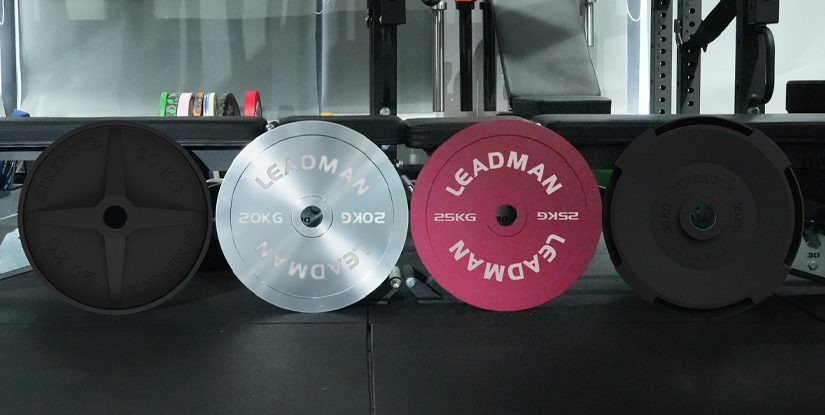
A strategic commercial gym layout relies heavily on how much floor area is occupied by weight storage versus active movement zones. For procurement managers, the space optimization of a facility is often determined by the footprint of the weight plates themselves. Unlike bulky bumper plates, high-density cap cast iron weight plates offer a slimmer profile, allowing more mass to be loaded onto a single barbell sleeve without exceeding the physical length of the bar.
This density provides superior versatility across different training modalities. In high-density boutique studios or multi-functional training centers, the ability to transition from heavy strength movements to high-volume functional training using the same barbell and compact plate set is a significant advantage. When making a procurement decision, prioritize plate thickness consistency; uniform plate profiles ensure that even when using various locking systems, the loading capacity remains predictable, preventing the need for oversized storage racks that consume valuable square footage.
Fixed Barbell Compatibility and Programming Constraints
Establishing a technical baseline for your inventory requires a precise understanding of the relationship between weight plate geometry and barbell sleeve diameter. In commercial settings, mismatches between cap cast iron weight plates and training implements lead to increased maintenance costs and suboptimal user experiences.
Standard commercial facilities typically operate on a 50mm sleeve architecture to support high-volume strength programming. However, distributors must also account for specialized setups, such as 1-inch variations often found in boutique studios or specific accessory training. Ensuring fixed barbell compatibility depends on the center hole diameter of the plates relative to these standards.
Standardization and Implementation Overview
| Implementation Type | Typical Sleeve Diameter | Primary Use Case |
|---|---|---|
| Standard Commercial Barbell | 50mm | Strength training and heavy lifting |
| Specialty/Boutique Barbell | 1-inch (25.4mm) | Lightweight accessory or studio training |
| Olympic Standard | 2-inch (50.8mm) | High-performance strength environments |
When sourcing, verify that your cap cast iron weight plates are manufactured with sufficient tolerances to accommodate these variations. A mismatch in diameter can cause instability, affecting the durability of both the barbell and the plates, which directly impacts the long-term ROI for facility operators.
Technical Comparison and Risk Assessment
Procurement managers must weigh the cost-efficiency of standardized stock against the versatility required by diverse programming. While Olympic-standard plates offer the highest resale and utility value in large-scale gyms, smaller-diameter options serve niche markets but present specific logistical constraints during shipping and inventory management.
| Barbell/Sleeve Type | Typical Use Case | Compatibility Risk | Procurement Focus |
|---|---|---|---|
| Olympic (50mm) | Heavy lifting/CrossFit | Low; industry standard | High volume, high durability |
| Standard (1-inch) | Boutique/Home setups | High; limited utility in gyms | Low MOQ, specialized stock |
| Specialty/Training | Dynamic/Functional FX | Moderate; requires precision | Center hole tolerance |
The primary technical risk involves "play" or wobbling caused by mismatched weight plate attachment types. For example, sourcing plates with a diameter that is slightly too small for a 50mm sleeve results in constant movement, which can lead to premature wear on the barbell sleeve. From a distributor standpoint, prioritizing a consistent center hole specification is essential to minimize return rates and ensure compatibility across various barbell brands.
Operational Impact and Long-Term ROI
Choosing the wrong configuration extends beyond simple usability; it dictates the total cost of ownership (TCO). When cap cast iron weight plates do not seat correctly on the sleeve, the resulting mechanical instability creates excessive vibration and friction. This uneven weight distribution forces more frequent maintenance cycles for barbell bearings and can prematurely degrade the barbell coating.
From a facility layout perspective, mismatched equipment also creates programming constraints. If a gym invests in high-end Olympic bars but stocks plates with inconsistent center hole tolerances, the resulting "wobble" limits the effectiveness of high-intensity functional training. For procurement officers, the decision to prioritize high-precision casting over the lowest possible unit price is a strategic move to protect equipment longevity and reduce long-term replacement frequency.
Logistics and Quality Control for High-Volume Cast Iron Shipments
For distributors and large-scale facility managers, the value of a shipment is determined by the consistency of the units received. When sourcing cap cast iron weight plates in bulk, quality control must extend beyond simple weight verification to include strict structural and dimensional standards.
Dimensional Accuracy and Fitment
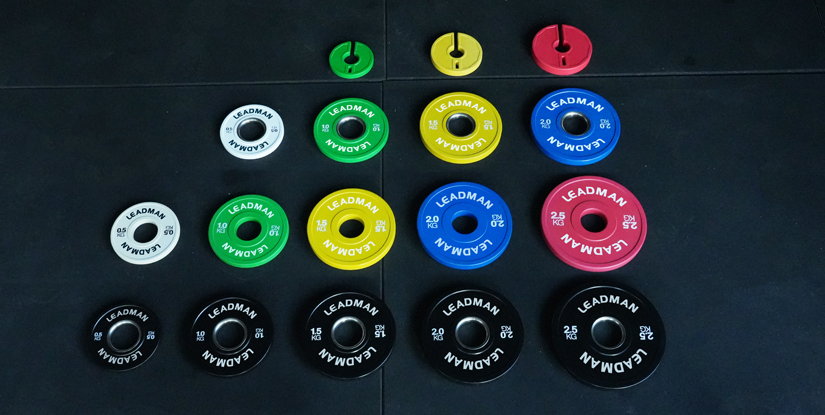
The most critical technical specification for any procurement officer is the dimensional tolerance of the center hole. If the inner diameter fluctuates, it creates friction or excessive play against the barbell sleeve diameter, leading to uneven loading or damage to premium bars. High-quality manufacturing ensures that every plate maintains a precise fit, facilitating seamless transitions during high-intensity training sessions in a commercial gym environment.
Surface Integrity and Durability
Long-term durability depends heavily on surface coating integrity. In high-traffic facilities, cast iron is susceptible to oxidation if the protective finish is uneven or thin. Reliable suppliers prioritize robust coating processes to prevent rust and ensure the plates withstand the rigors of constant handling and environmental exposure, ultimately reducing the total cost of ownership for the end-user.
Technical Compatibility and Maintenance Standards
Before finalizing a purchase order, procurement managers must verify that the plate specifications align with existing barbell inventory and facility maintenance protocols. Misalignment between the plate center and the barbell sleeve can lead to premature wear on expensive equipment and increased operational downtime.
| Standard Type | Barbell Sleeve Diameter | Common Attachment Types | Typical Maintenance Frequency | Durability Factor |
|---|---|---|---|---|
| Standard (1") | ~25.4 mm | Threaded Collars / Spring Clips | Quarterly inspection | High (Lower weight capacity) |
| Olympic (2") | ~50.8 mm | Locking Collars / Spin Collars | Bi-monthly inspection | Maximum (Heavy-duty use) |
When evaluating fixed barbell compatibility, ensure that the load-bearing capacity of your collars matches the weight plate density. For high-volume distribution, we recommend selecting plates with standardized tolerances to minimize the need for frequent replacement or specialized cleaning. Maintaining a consistent inventory of compatible collars and surface treatments will extend the lifecycle of the metal in humid or high-traffic commercial settings.
Packaging Stability and Bulk Procurement Logistics
Efficient bulk procurement requires more than just selecting the right weight; it necessitates rigorous standards for shipping durability. High-volume orders of cap cast iron weight plates must be secured in reinforced, heavy-duty crates or palletized systems that prevent shifting during transit. This stability is essential to avoid structural micro-fractures and to ensure that the fixed barbell compatibility remains uncompromised upon arrival at the warehouse or facility.
For long-term inventory management, suppliers should prioritize moisture protection through vacuum-sealed packaging or desiccants. This prevents oxidation during sea freight and long-term storage in non-climate-controlled distribution centers. By auditing the packaging architecture and protective coatings during the sourcing phase, procurement officers can reduce the risk of receiving damaged or rusted goods, ensuring a predictable supply chain and lower replacement costs.
Evaluating Long-Term Wear in High-Traffic Commercial Settings
In high-volume training environments, the structural integrity of weight plates is tested by constant loading and unloading cycles. For distributors and facility managers, understanding how cap cast iron weight plates respond to repetitive stress is essential for maintaining long-term inventory quality and reducing replacement costs.
The Impact of Friction and Load Stability
The relationship between the barbell sleeve diameter and the plate's center hole is a critical factor in preventing premature wear. In many commercial settings, mismatched dimensions can lead to excessive vibration or uneven pressure distribution. If the fit is too loose, the constant kinetic energy from heavy lifting can cause center hole deformation over time. This structural degradation compromises fixed barbell compatibility, making the plates difficult to slide onto standard equipment. High-quality manufacturing ensures that the inner diameter remains consistent, even under heavy commercial gym wear, preserving the utility of the equipment for years of continuous service.
Optimizing the Total Cost of Ownership (TCO) requires a technical understanding of how different plate geometries interact with various barbell configurations. While bumper plates excel in impact absorption, cap cast iron weight plates offer a different utility profile, particularly regarding density and space efficiency in professional strength zones.
Material Comparison and Lifecycle Expectations
Procurement managers must weigh the initial unit cost against the expected maintenance frequency and the durability of the plate's edge and center. The following table outlines how common weight plate types perform regarding long-term wear and barbell sleeve compatibility in commercial environments.
| Plate Type | Primary Durability Factor | Maintenance Frequency | Barbell Sleeve Compatibility |
|---|---|---|---|
| Cap Cast Iron | High density; resistant to compression | Low (Periodic inspection) | Standard 2" / 50mm Sleeves |
| Rubber Bumper | High impact absorption; surface abrasion | Moderate (Surface cleaning) | Standard 2" / 50mm Sleeves |
| Standard Iron | Susceptible to edge chipping | High (Rust/Surface checks) | Variable / General Purpose |
When sourcing for large-scale distribution, consider that the rigidity of cast iron provides superior stability for fixed barbell compatibility during heavy, static lifts. While they lack the rebound characteristics of rubber, their ability to maintain a fixed profile under high load makes them a staple for strength-focused facilities. Choosing high-precision casting ensures that the center hole maintains its integrity, preventing the common issue of sleeve-induced widening found in lower-grade alternatives.
QC Inspection and Maintenance Strategies
To mitigate the risk of premature replacement cycles, distributors should implement a strict QC inspection protocol during the initial receiving phase. Beyond simple weight verification, focus on the coating durability of the cap cast iron weight plates. A high-grade powder coating or specialized finish is vital to prevent oxidation in humidity-prone environments. During routine facility audits, check for surface chipping or discoloration, which can signal an inferior coating process.
A proactive procurement strategy includes scheduling regular maintenance cycles rather than waiting for equipment failure. For high-traffic settings, we recommend a quarterly inspection of the plate edges and center holes to ensure no structural deviations have occurred. By maintaining a standardized inspection checklist, facility owners can manage their inventory lifecycles more effectively, ensuring that the equipment remains compatible with diverse barbell sleeve diameters throughout its operational life.