Cast Iron vs Rubber Plates: Selecting the Right Weight Set
Optimizing Inventory Breadth and Unit Margins
A regional gym distributor or a large-scale commercial facility manager must balance immediate budget constraints against long-term operational overhead. When deciding between cast iron vs rubber plates, the procurement strategy shifts from simple unit pricing to a calculation of total lifecycle costs and facility maintenance requirements.
Capex vs. TCO Analysis
Cast iron remains the standard for high-volume strength training centers aiming to minimize the initial investment. Because the manufacturing process for iron is highly optimized, these plates offer a lower cost per kilogram, making them ideal for heavy lifting zones where high-impact dropping is rare. However, buyers must account for secondary costs, such as increased wear on flooring and potential noise disruptions in multi-use facilities.
In contrast, rubber-coated or bumper plates represent a higher upfront expenditure but often yield better long-term value in high-intensity functional training environments. While the initial cost is higher, the superior floor protection and reduced impact noise can significantly extend the lifespan of your subflooring and peripheral equipment. For a commercial gym setting, choosing the right material is a trade-off between lower entry costs and the durability required to withstand heavy, repetitive use without constant facility repairs.
Procurement Comparison Data
To assist with inventory planning and budget forecasting, the following table outlines the typical economic trade-offs between these two material standards. Procurement managers should use these metrics to determine if a facility's programming justifies the higher initial capital expenditure of rubber or the lower unit cost of iron.
| Evaluation Metric | Cast Iron Plates | Rubber/Bumper Plates |
|---|---|---|
| Cost Per Unit | Lower (High ROI for basic strength) | Higher (Premium for impact resistance) |
| Durability Profile | High (Resistant to cracking) | Very High (Resistant to impact/abrasion) |
| Maintenance Needs | Occasional rust/coating check | Minimal (Monitor for surface wear) |
| Floor Impact Cost | High (Requires specialized mats) | Low (Self-damping properties) |
When sourcing at scale, distributors often find that cast iron provides better margins for traditional bodybuilding equipment lines, whereas rubber plates are essential for expanding into functional fitness and CrossFit-style programming categories.
Strategic Sourcing and Scalability
For distributors looking to maximize profitability, the decision between bumper plate vs cast iron configurations should be driven by market demand and SKU efficiency. Managing a diverse inventory requires a nuanced approach to Minimum Order Quantities (MOQ) and shipping density. While cast iron plates are more compact and easier to stack, reducing shipping volumes and logistics costs, rubber plates require more careful handling and often larger storage footprints.
To maintain healthy unit margins, procurement professionals should consider the following logistical strategies:
- Volume-Based Discounts: Negotiate lower price points on high-volume orders for standard iron weight increments (5kg to 25kg) to capture the high-turnover bodybuilding market.
- Diversified Inventory Breadth: Avoid over-committing to a single material. A balanced inventory should feature a robust cast iron stock for traditional strength zones and a specialized rubber selection for high-impact functional zones.
- Optimized Shipping Density: When executing gym equipment procurement for international markets, factor in the dimensional weight of bumper plates. While iron is cheaper to ship per unit, the specialized packaging required for premium rubber plates can impact your landed cost.
Ultimately, successful distributors do not choose one over the other; they utilize the cost-effectiveness of iron to build a foundational product line while using high-performance rubber to capture premium, specialized training segments.
Material Characteristics and Facility Impact
When sourcing for high-traffic environments, the choice between cast iron vs rubber plates often dictates long-term maintenance costs and floor longevity. Professional buyers must evaluate how different commercial weight plate materials handle kinetic energy and structural stress during heavy lifting sessions.
Impact Resistance and Structural Integrity
Cast iron is the industry standard for strength and structural integrity, offering a rigid profile that does not deform under pressure. It is ideal for stationary lifting where precision and density are required. However, its high density means it lacks inherent impact resistance. If dropped without precision, the lack of shock absorption can lead to surface chipping or even micro-fractures over years of use.
Conversely, rubber-encased plates are engineered to mitigate vibration and sound. These materials are essential for facilities where floor protection is a primary concern, such as multi-use studios or boutique gyms. While the rubber provides a protective buffer that absorbs kinetic energy, procurement managers should note that lower-quality coatings may peel or degrade under extreme temperature fluctuations or heavy friction.
Technical Durability and Facility Impact Assessment
To optimize the Total Cost of Ownership (TCO), procurement managers should analyze how each material affects the facility's physical infrastructure. The following comparison highlights the operational trade-offs between standard cast iron and high-density bumper plates in a commercial setting.
| Feature | Cast Iron Plates | Rubber Bumper Plates |
|---|---|---|
| Surface Wear | High; prone to chipping if dropped | Low; resilient to impact and friction |
| Noise Level | High; produces sharp, metallic impact | Low; dampens vibration and sound |
| Floor Damage | Significant; requires heavy-duty mats | Minimal; ideal for varied flooring |
| Maintenance | Minimal; inspect for rust or cracks | Moderate; monitor coating integrity |
| Primary Use | Strength/Bodybuilding training | Olympic lifting and high-impact |
Selecting the right weight set requires balancing initial procurement costs against facility upkeep. While cast iron offers a lower unit price and high density, the hidden costs may involve specialized flooring or increased noise complaints. In contrast, rubber plates often require a higher upfront investment but significantly reduce the frequency of floor repairs and structural maintenance in high-volume training environments.
Programming Alignment and TCO Optimization
Strategic gym equipment procurement requires aligning material selection with specific training modalities to avoid premature asset depreciation. For traditional bodybuilding or powerlifting zones, cast iron is often the more cost-effective solution due to its compact profile and lower unit price. However, if your facility hosts high-impact training like CrossFit or Olympic lifting, the bumper plate vs cast iron debate shifts toward long-term utility. While rubber plates demand a higher initial capital expenditure, they are vital for preventing structural fatigue in both the equipment and the building itself.
A common mistake in strength training facility design is overlooking the cumulative cost of floor repairs and noise mitigation. High-density rubber plates serve as a functional insurance policy, absorbing energy that would otherwise damage subflooring. For distributors and facility owners, calculating the Total Cost of Ownership (TCO) must include these indirect variables. Prioritize cast iron for stationary, controlled lifting to maximize facility longevity, but invest in high-grade rubber sets for dynamic environments to ensure long-term operational stability and reduced maintenance overhead.
Programming Requirements and User Experience
The decision between cast iron vs rubber plates often hinges on the specific training modalities your facility supports. High-impact functional training requires different structural durability than traditional strength programming, directly impacting your long-term commercial gym maintenance budget and equipment turnover rates.
While rubberized options excel in high-velocity environments, cast iron remains the standard for precision-based lifting. Selecting the wrong material can lead to increased wear on both the equipment and the facility's infrastructure.
Operational Impact and TCO Comparison
| Factor | Cast Iron Standard | Rubber Bumper/Coated |
|---|---|---|
| Primary Use Case | Bodybuilding & Powerlifting | CrossFit & Olympic Lifting |
| Floor Protection | Low (Requires heavy mats) | High (Shock absorption) |
| Maintenance Needs | Rust prevention/Paint touch-ups | Odor control/Surface cleaning |
| Long-term Durability | High (Structural integrity) | Moderate (Rubber degradation) |
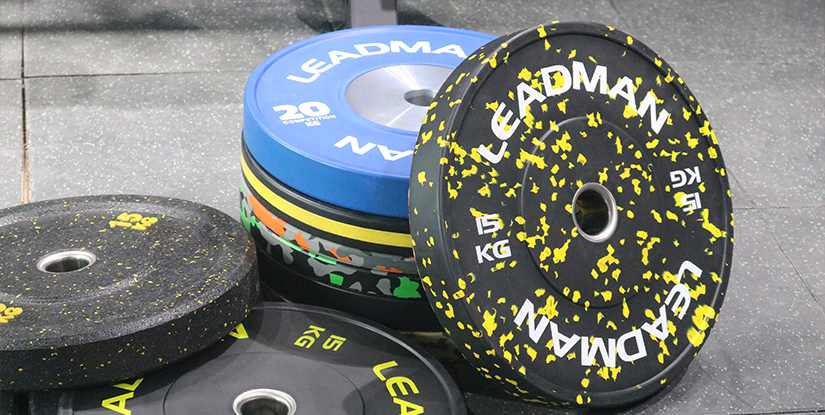
For distributors, understanding these trade-offs is essential for managing facility longevity. Heavy cast iron sets demand rigorous floor protection strategies to prevent subfloor damage, whereas rubber plates mitigate impact but may require more frequent cleaning to manage environmental scents and surface buildup in high-traffic zones.
When evaluating commercial weight plate materials, procurement managers must look beyond the initial purchase price and consider the total cost of ownership. The bumper plate vs cast iron debate is not just about weight, but about the operational overhead required to keep a facility in top condition.
Maintenance Profiles and Asset Longevity
Cast iron plates are largely a matter of structural preservation. In humid or high-moisture environments, metal oxidation can become a recurring issue if the coating or paint is compromised. Conversely, rubberized materials are more susceptible to environmental factors like UV exposure or chemical degradation from cleaning agents, which can affect their elasticity and surface texture over time.
| Maintenance Variable | Cast Iron Profiles | Rubber/Bumper Profiles |
|---|---|---|
| Surface Care | Periodic rust inspection | Dust and skin oil removal |
| Noise Mitigation | High (Requires sound dampening) | Low (Built-in absorption) |
| Impact Damage | High risk to subflooring | Low risk to subflooring |
| Typical Lifespan | Decades (If kept dry) | Variable (Material fatigue) |
For high-volume distributors, stocking a mix of these materials allows for diverse client solutions. A facility focused on heavy powerlifting will prioritize the durability of cast iron, while functional fitness centers will favor the low-impact, high-durability nature of rubber to reduce long-term flooring replacement costs.
Strategic Procurement and Inventory Management
Optimizing your procurement strategy requires balancing immediate capital expenditure against long-term replacement cycles. While cast iron offers a virtually permanent structural lifespan, it necessitates a robust storage consideration plan, such as elevated racks, to prevent moisture-induced oxidation. In contrast, rubberized stocks are more sensitive to storage environments where temperature fluctuations or sunlight might accelerate material fatigue.
When planning bulk orders, consider the total lifecycle of the asset. A distributor focusing on high-turnover functional studios should prioritize rubberized inventories to meet the demand for low-impact training, even if the replacement frequency is higher. For traditional strength facilities, a heavy investment in cast iron minimizes the long-term maintenance overhead associated with material degradation, provided the facility maintains strict humidity controls. Aligning your MOQ and shipping schedules with these durability profiles ensures your clients receive equipment that matches their specific operational realities.
Spatial Efficiency and Storage Logistics
When designing a commercial gym layout, the thickness profile of your weight sets directly dictates your storage density and rack requirements. The choice between cast iron vs rubber plates involves a significant trade-off in spatial footprint that impacts how much inventory your facility can actually hold.
Cast iron plates are significantly thinner due to their dense, non-compressible nature. This slim profile allows for a higher volume of weight to be loaded onto a single barbell and maximizes the number of plates that can fit on vertical storage trees or wall-mounted racks. For distributors or facility managers working with limited square footage, cast iron offers superior density. Conversely, rubber bumper plates are noticeably thicker to accommodate the material's shock-absorption properties. This increased volume means you will hit the physical capacity of your storage solutions much sooner, requiring more expansive rack systems or dedicated floor space to manage the same total tonnage.
| Metric | Cast Iron Plates | Rubber Bumper Plates |
|---|---|---|
| Thickness Profile | Low (Slim/Dense) | High (Thick/Voluminous) |
| Storage Density | High capacity per linear foot | Lower capacity per linear foot |
| Rack Requirement | Standard compact racks | Extended or heavy-duty racks |
For procurement officers managing high-volume orders, understanding the discrepancy between bumper plate vs cast iron volume is critical for calculating shipping dimensions and final facility footprints. Because rubberized materials occupy more cubic volume per kilogram, your logistics and shelving planning must account for the larger physical presence of bumper sets in both transit and on-site storage.
When sourcing for boutique studios or narrow weight rooms, the high density of iron minimizes the "clutter" factor in vertical storage. However, if your facility programming emphasizes heavy Olympic lifting, the increased thickness of rubber plates necessitates a more robust investment in specialized storage solutions to prevent overflow and maintain a clean floor plan.
From a global procurement standpoint, the difference in physical volume between these two commercial weight plate materials heavily influences the total landed cost. Because rubber plates possess a much larger cubic footprint, they increase the overall shipping volume of a single container or freight shipment. This discrepancy means that while the weight remains the same, the volumetric weight of a rubber-heavy shipment can lead to higher freight-to-weight ratios, impacting your logistics budget and container optimization.
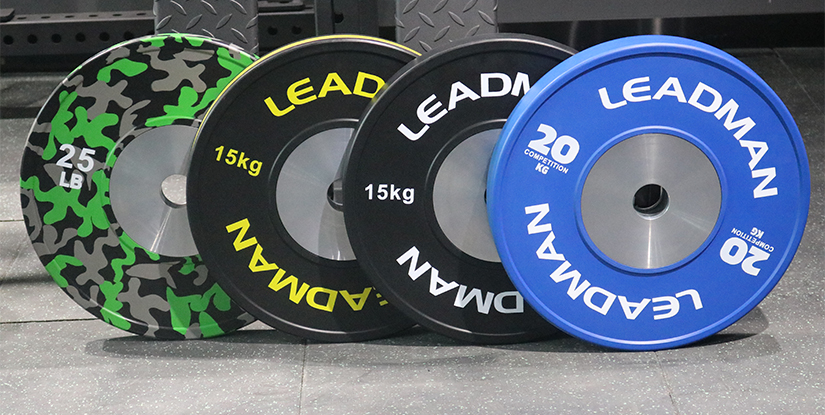
For wholesalers and distributors, managing inventory density is a constant challenge. When planning large-scale gym equipment procurement, it is vital to realize that a shipment of cast iron plates will occupy significantly less warehouse space than an equivalent tonnage of bumper plates. If your warehouse capacity is a bottleneck, prioritizing the slim profile of iron can optimize your stock levels. Conversely, if you are importing large volumes of bumper plates, ensure your storage and shipping documentation account for the increased volume to avoid unexpected surcharges or storage overflows at the destination port.
Sourcing Specifications and Quality Control Standards
When evaluating cast iron vs rubber plates for large-scale distribution, procurement managers must prioritize long-term structural integrity over initial unit cost. High-traffic gym environments demand materials that withstand constant impact and heavy mechanical stress without degrading the facility's aesthetic or functional safety.
Material Integrity and Wear Resistance
The debate between commercial weight plate materials often centers on how they age under rigorous use. Cast iron offers exceptional structural integrity and density, making it nearly immune to the deformation seen in low-grade polymers. However, its rigidity requires high-quality coatings to prevent oxidation. Conversely, high-grade rubber provides superior wear resistance against floor impact, though distributors must verify the vulcanization quality to prevent the edges from crumbling or shedding debris over time. Choosing the wrong specification can lead to premature replacement cycles and increased maintenance overhead for your clients.
Technical Durability and Maintenance Comparison
Distributors and facility owners should evaluate these two options based on total cost of ownership (TCO). While cast iron presents a lower upfront cost and higher density, the maintenance requirements for surface protection differ significantly from high-density rubber bumper plates.
| Durability Metric | Cast Iron (Coated/Painted) | Rubber (Bumper/High-Density) |
|---|---|---|
| Impact Resistance | High (Rigid, prone to chipping) | Excellent (Shock absorbing) |
| Surface Coating Quality | Requires oxidation/rust prevention | Focus on vulcanization/shedding |
| Maintenance Frequency | Moderate (Inspect for rust/chipping) | Low (Monitor for debris/cracking) |
| Long-term Integrity | Superior (Minimal shape change) | High (Risk of compression over time) |
When sourcing, confirm the specific surface coating quality for iron products to ensure longevity in humid environments. For rubber options, prioritize manufacturers with rigorous quality control regarding edge stability to minimize facility cleaning requirements.
Quality Control and Logistics Reliability
For high-volume gym equipment procurement, technical failure often occurs at the microscopic level. When sourcing cast iron, you must verify powder coating adhesion through standardized cross-cut testing; poor bonding leads to unsightly chipping and rust under heavy use. For rubber alternatives, the primary risk involves rubber density consistency. Inconsistent manufacturing results in uneven weight distribution and compromised bounce characteristics, which can disrupt a facility's programming and client experience.
Logistics efficiency is also a critical variable. Buyers should demand strict shipping weight tolerances from their suppliers. Because high-density rubber and cast iron have different volumetric profiles, slight deviations in production can lead to significant discrepancies in container weight and shipping costs. Ensuring your factory adheres to tight tolerances prevents unexpected customs delays and ensures that the physical weight delivered aligns perfectly with the SKU specifications listed on your commercial invoices.
Strategic Procurement: Avoiding Common Material Oversights
Effective procurement for high-traffic facilities requires looking past the initial unit price to calculate the total cost of ownership. While the cast iron vs rubber plates debate often centers on weight feel, professional buyers must prioritize how material choices impact long-term facility maintenance and structural integrity.
Evaluating Long-Term ROI and TCO
In many commercial gym settings, the lower upfront cost of iron can be deceptive. When sourcing at scale, procurement managers must weigh the initial investment against potential hidden expenses like specialized floor protection and high-frequency maintenance cycles. While rubber-coated or bumper options offer superior impact absorption, reducing the need for thick subfloor reinforcement, pure iron sets may demand more frequent inspections for rust or coating degradation in humid environments. Choosing the wrong material for your specific programming—such as high-impact Olympic lifting in a facility with standard flooring—can lead to premature structural wear and unexpected replacement costs.
To streamline your purchasing workflow, use the following comparison to align your inventory with your specific facility model. This table highlights the technical trade-offs between material density, floor protection, and operational utility.
| Material Type | Primary Benefit | Floor Impact | Ideal Use Case |
|---|---|---|---|
| Cast Iron | High density & space efficiency | High (requires thick mats) | Boutique studios, hotel gyms, and strength training zones |
| Rubber/Bumper | Impact absorption & durability | Low (gentler on subfloors) | Full-scale CrossFit boxes and Olympic lifting platforms |
For distributors and large-scale facility developers, the decision often hinges on the commercial weight plate materials required to support specific programming. If your facility layout prioritizes high-velocity movements, the capital expenditure for rubber-encased plates is justified by reduced maintenance and floor repairs. Conversely, for compact commercial spaces where footprint is a premium, sourcing high-quality cast iron remains the most cost-effective method to build a complete weight set without excessive volume.
Optimizing Logistics and Quality Control
Beyond material selection, sophisticated gym equipment procurement requires a focus on logistics efficiency and rigorous quality inspection. When ordering bulk shipments, the physical volume of the product directly affects freight costs. Cast iron plates generally offer superior shipping volume/weight optimization due to their high density and compact profile, making them more efficient for sea freight compared to bulkier bumper plates. However, buyers must verify the coating durability of any powder-coated or painted iron surfaces to ensure they do not chip or oxidize during transit or high-use cycles.
To mitigate the risk of receiving sub-standard batches, establish clear quality inspection points with your supplier. Before final payment or shipment, request verification of weight tolerances, surface finish consistency, and edge smoothness. Additionally, when negotiating MOQ considerations, ensure your contract accounts for potential replacement of defective units. A well-structured procurement plan treats these technical benchmarks as essential safeguards against the hidden costs of damaged or inaccurate inventory reaching your facility.