Barbell Plate Commercial Supplier: Leading China OEM
Barbell Plate Commercial Supplier: Essential Selection Criteria
Selecting a reliable barbell plate commercial supplier requires evaluating three critical dimensions: technical precision, production scalability, and logistical reliability. For professional importers and distributors, the risk of sourcing low-tolerance units from an unverified factory can lead to high return rates and damaged reputation. You must verify that the supplier can maintain strict weight tolerance standards across bulk orders and possesses the China factory infrastructure to manage complex OEM requests without compromising on casting quality or lead times.
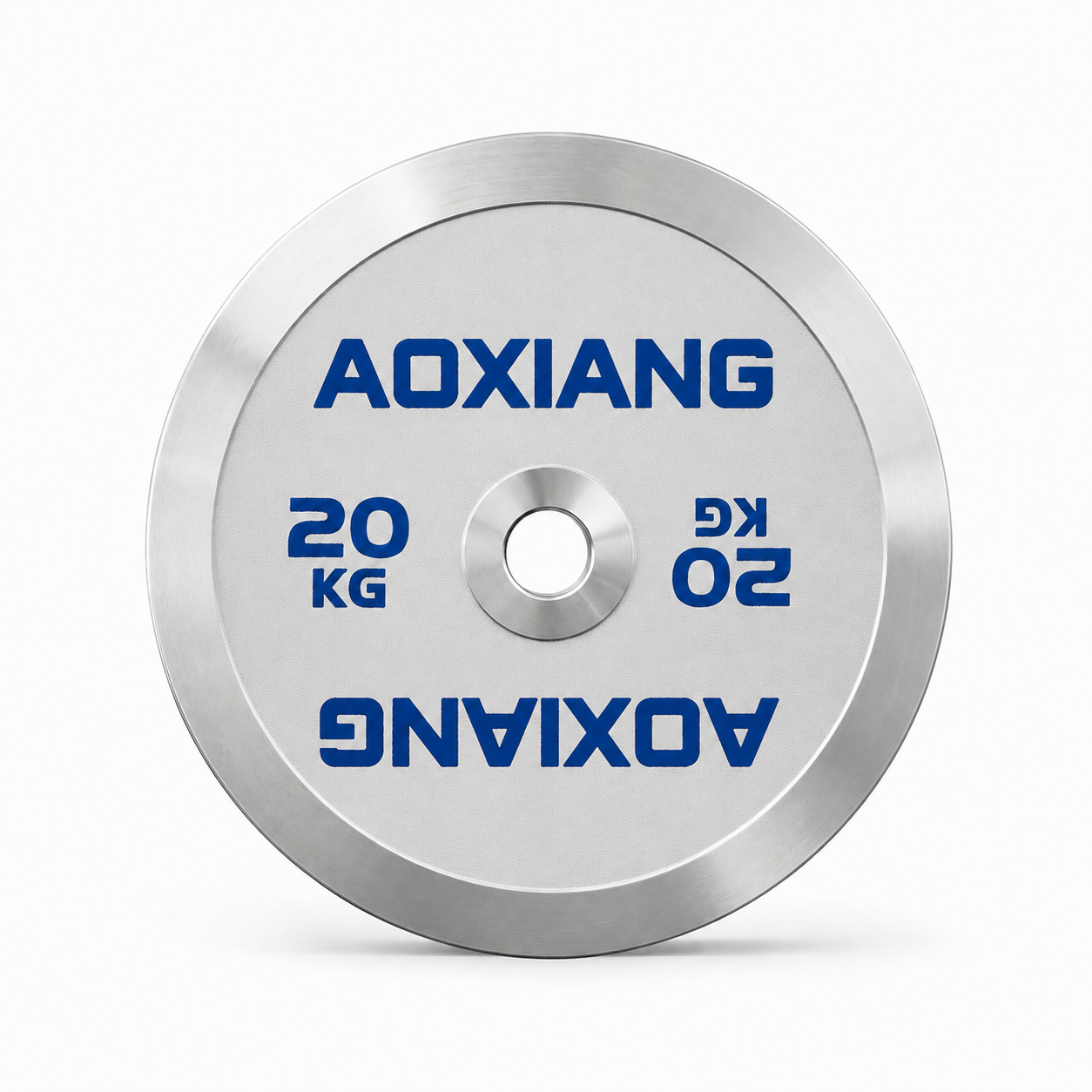
The transition from basic sand casting to high-performance precision steel weight plates defines the difference between standard gym inventory and premium commercial-grade equipment. While basic casting suffices for low-traffic environments, professional distributors often require CNC machining to ensure concentricity and a perfect Olympic collar fit. This level of precision is vital for reducing long-term maintenance costs and ensuring the plates sit flat during high-intensity training, which ultimately protects your clients' barbell sleeves and improves the total cost of ownership for the end-user.
A high-tier commercial gym equipment manufacturer will typically utilize a multi-stage production line that combines robust casting with advanced surface treatments. Whether you are sourcing wholesale barbell plates for a single facility or managing a global distribution network, understanding the interplay between material thickness and machining accuracy is essential for maintaining consistent margins and product reliability.
Material and Manufacturing Comparison for Bulk Procurement
To optimize your landed cost and product durability, procurement officers must differentiate between material types and their respective production processes. Choosing the wrong specification can lead to premature surface degradation or uneven weight distribution, increasing the maintenance load for your end-users. When evaluating a barbell plate commercial supplier, use the technical comparison below to align your inventory with specific commercial use cases, from high-impact lifting zones to standard strength training areas.
| Material | Coating | Process | Commercial Duty | MOQ/Customization | Floor Protection |
|---|---|---|---|---|---|
| Cast Iron | Powder Coating | Sand Casting & Machining | High-Intensity Strength Training | Standard MOQ | Low (Requires Mats) |
| Carbon Steel | Enamel or Paint | Centrifugal Casting | Standard Commercial Gyms | Flexible OEM | Moderate |
| Polyurethane (PU) | PU Coating | Steel Hub & Injection Molding | Premium/High-Traffic Studios | Higher MOQ | High (Excellent) |
| Rubber | Vulcanized Rubber | Rubber Molding/Dip | Functional Fitness/Cross-Training | Standard wholesale | Highest |
For distributors focusing on high-volume turnover, the wholesale barbell plates market typically favors powder-coated cast iron due to its balance of cost and durability. However, for premium facilities, sourcing PU-coated units offers superior floor protection and a more refined aesthetic. Regardless of the material chosen, a professional commercial gym equipment manufacturer will implement a rigorous China factory QC protocol, specifically checking the concentricity of the center bore and the adhesion strength of the coating to prevent peeling during heavy usage. We recommend requesting a sample evaluation or a full specification sheet to confirm that the weight tolerance and finish meet your brand's specific commercial requirements before finalizing bulk orders.
Optimizing Logistics, Lead Times, and Export Standards
Beyond material specifications, a professional barbell plate commercial supplier must demonstrate operational excellence in global logistics and order management. For large-scale distributors, the complexity of a shipment goes beyond the product itself; it involves managing the total landed cost, ensuring container optimization, and verifying that the export packaging can withstand long-distance maritime transit. A failure in packaging integrity often results in dented edges or compromised coating adhesion upon arrival, directly impacting your distributor margins and customer satisfaction.
Efficient sourcing requires a transparent understanding of the lead time and MOQ thresholds for different product tiers. While standard cast iron plates may offer faster turnaround, specialized OEM or ODM requests—such as custom branding, specific color-coded PU coatings, or unique logo embossing—will naturally require extended production windows. To mitigate risk, we recommend integrating a formal pre-shipment inspection into your procurement workflow. This allows your team to verify the center bore concentricity, weight calibration, and the structural integrity of the packaging before the container leaves the China factory, ensuring that every batch meets the rigorous standards of a high-traffic commercial environment.
Material and Manufacturing Standards for High-Volume Procurement
Selecting a reliable barbell plate commercial supplier requires a deep understanding of how material integrity affects long-term operational costs. For high-volume importers and distributors, the difference between low-grade casting and precision machining determines the frequency of replacement and the overall TCO (Total Cost of Ownership) of a facility. A professional commercial gym equipment manufacturer must provide consistent density and structural stability across every batch to ensure facility safety and client satisfaction.
When sourcing at scale, procurement teams must evaluate the specific metallurgical composition of the plates. Most high-demand environments require either high-density cast iron for traditional strength training or high-grade carbon steel for precision-calibrated Olympic lifting. The choice between these materials directly impacts the wholesale pricing models and the weight tolerance levels your brand can guarantee to end-users. Understanding these distinctions is critical when managing MOQ requirements and long-term inventory stability.
Engineering Specifications and Material Durability
The structural integrity of a weight plate depends on the synergy between the base material and the surface treatment. A premium barbell plate commercial supplier focuses on minimizing the margin of error during the casting and machining phases. Whether you are sourcing precision steel weight plates for competition-style use or heavy-duty iron plates for commercial strength zones, the manufacturing process must prioritize concentricity and flatness to prevent uneven wear on barbell sleeves.
| Material | Primary Process | Key Component/Detail | Commercial Duty | MOQ Impact | Factory QC Point |
|---|---|---|---|---|---|
| Cast Iron | Sand Casting | Base Flatness | High-Volume Strength Training | Lower MOQ for standard molds | Surface Cracking & Porosity |
| Carbon Steel | CNC Machining | Bore Concentricity | Precision/Olympic Lifting | Higher MOQ for custom specs | Weight Tolerance & Diameter |
| Steel with Coating | Powder Coating | Coating Adhesion | Commercial/Studio Use | Variable based on color/finish | Edge Smoothness & Paint Peel |
For distributors looking to provide wholesale barbell plates that withstand heavy impact, the surface finish is as vital as the core material. A high-quality China factory will implement a multi-stage finishing process, such as sandblasting or phosphate treatment, before applying a final powder coating. This ensures that the precision of the plate is not compromised by uneven thickness, which can lead to weight discrepancies and increased maintenance loads for the end-user.
Casting and Machining Processes for Commercial-Grade Precision
A professional barbell plate commercial supplier must differentiate between basic casting and advanced machining to meet international procurement standards. While sand casting is the industry standard for high-volume cast iron production, it requires rigorous quality control to prevent structural defects. To achieve the tight tolerances required for professional lifting, a leading commercial gym equipment manufacturer utilizes CNC machining to refine the central bore and outer diameter. This secondary machining phase is essential for ensuring perfect concentricity, which prevents the "wobble" effect during high-intensity training sessions and reduces mechanical stress on premium barbells.
For specialized orders, the manufacturing workflow integrates precise weight calibration to ensure every unit meets the exact weight specification. In a high-standard China factory, the process moves from raw material melting and sand casting to precision CNC machining and final surface treatment. This meticulous approach allows a supplier to offer a range of products—from rugged, high-impact iron plates to high-precision precision steel weight plates—ensuring that distributors can fulfill diverse client needs, whether for heavy-duty strength zones or high-end performance studios. When managing bulk orders, we recommend confirming the specific calibration and machining methods during the sample approval stage to ensure the landed cost aligns with your quality requirements.
Export QC and Pre-Shipment Inspection Standards
For large-scale importers, the greatest risk to the landed cost is not the initial unit price, but the arrival of non-compliant inventory. A professional barbell plate commercial supplier mitigates this by implementing a rigorous export QC protocol. Before any wholesale barbell plates leave the facility, they must undergo a multi-point pre-shipment inspection. This includes a weight tolerance spot-check to ensure the actual mass aligns with the declared specification, as well as a concentricity test to verify the bore remains perfectly centered for smooth barbell rotation.
Beyond structural dimensions, the durability of the surface finish is a critical metric for commercial environments. We focus on coating adhesion testing to ensure that the powder coating or specialized finishes do not chip or peel under heavy use. For high-end precision steel weight plates, the inspection also covers edge smoothness and surface flatness. Whether you are executing an OEM project for a private label or a standard wholesale replenishment, these QC checkpoints ensure that your shipment arrives ready for immediate commercial deployment, reducing the need for costly replacements or after-sales claims.
To ensure maximum efficiency during international logistics, our China factory utilizes specialized export packaging designed for heavy-duty container loading. This includes reinforced corner protection and high-density palletizing to prevent impact damage during sea freight. When negotiating your next bulk order, we recommend discussing specific packaging requirements and MOQ-related customization to optimize container space and minimize your total landed cost. Please contact us to request a detailed specification sheet or to schedule a factory audit to verify these standards firsthand.
Comparing Commercial Plate Specifications and Duty Cycles
Selecting a reliable barbell plate commercial supplier requires a deep understanding of how material density and surface treatments impact your long-term TCO. For distributors and gym operators, the initial purchase price is often secondary to the durability of the units under high-frequency use. When sourcing through a China factory, evaluating the relationship between casting precision and the expected duty cycle is essential for maintaining high-quality equipment standards across your inventory.
High-performance facilities demand precision steel weight plates that maintain dimensional stability despite constant impact. Lower-tier options may suffer from rapid coating degradation or uneven weight distribution, leading to increased maintenance costs and premature replacement cycles. A professional commercial gym equipment manufacturer will prioritize consistent thickness and concentricity to ensure seamless transitions during heavy lifting sessions, ultimately protecting your capital investment.
| Material Type | Surface Finish | Primary Process | Commercial Duty Cycle | Procurement Focus |
|---|---|---|---|---|
| Cast Iron | Powder Coating | Sand Casting | High (Standard Gym) | Low maintenance/High ROI |
| Carbon Steel | Polyurethane (PU) | Injection Molding | Extreme (High-Traffic) | Floor protection/Durability |
| Steel Core | Rubberized Coating | Vulcanization | High (Dynamic Use) | Noise reduction/Impact |
When managing wholesale barbell plates orders, procurement leads should request technical data regarding the thickness tolerance and the adhesion strength of the coating. A reputable supplier provides transparency regarding the manufacturing stages, from the initial casting to the final weight calibration, ensuring that every unit meets the rigorous demands of a commercial environment. We recommend verifying the MOQ and lead times for custom-branded or specific material requests to align with your seasonal inventory planning.
Optimizing your landed cost involves more than just comparing unit prices; it requires a granular look at how manufacturing tolerances and material selection influence long-term operational expenses. For professional buyers, the distinction between standard casting and high-precision machining determines the frequency of equipment replacement and the quality of the user experience.
Material and Process Variables in Bulk Procurement
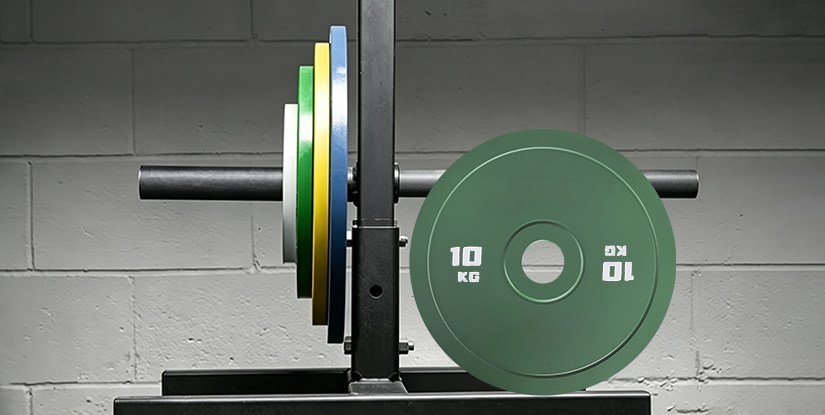
A professional barbell plate commercial supplier must offer a range of specifications to suit different facility tiers. For instance, while sand casting is a cost-effective method for standard weight plates, it may result in slight surface irregularities that require extensive powder coating to achieve a premium finish. Conversely, high-traffic facilities often prioritize the durability of specialized coatings to prevent chipping and ensure long-term visual appeal. When negotiating with a China factory, it is vital to clarify whether the weight calibration occurs before or after the surface treatment, as this affects the final precision and weight consistency of the batch.
| Material | Coating | Process | Commercial Duty | MOQ/Customization | QC Point |
|---|---|---|---|---|---|
| Cast Iron | Powder Coating | Sand Casting | Standard Commercial | Standard MOQ | Base Flatness |
| Carbon Steel | Polyurethane (PU) | Injection Molding | Premium/High-Traffic | OEM Available | Coating Adhesion |
| Steel Core | Rubberized Coating | Vulcanization | Dynamic/Impact Use | Custom ODM | Bore Concentricity |
To ensure high-standard precision steel weight plates, we recommend requesting a sample approval or a pre-shipment inspection report that specifically highlights the bore concentricity and the thickness of the coating layer. For large-scale wholesale barbell plates distribution, verifying the durability of the bond line—especially for rubberized or PU-coated units—is a critical step in mitigating the risk of premature product failure. Contact our team to confirm current wholesale pricing tiers, lead times for custom branding, or to initiate a factory audit for your next bulk procurement cycle.
To ensure high-standard precision steel weight plates, we recommend requesting a sample approval or a pre-shipment inspection report that specifically highlights the bore concentricity and the thickness of the coating layer. For large-scale wholesale barbell plates distribution, verifying the durability of the bond line—especially for rubberized or PU-coated units—is a critical step in mitigating the risk of premature product failure. Contact our team to confirm current wholesale pricing tiers, lead times for custom branding, or to initiate a factory audit for your next bulk procurement cycle.
Optimizing Sourcing via China Factory OEM and ODM Capabilities
For international distributors and gym equipment importers, the ability to scale a product line depends on more than just finding a barbell plate commercial supplier; it requires a partner capable of high-volume customization. Sourcing directly from a China factory allows businesses to transition from a simple importer to a specialized brand owner through OEM and ODM solutions. This strategic shift is essential for maximizing distributor margin while meeting the specific weight and aesthetic requirements of different global markets.
A professional wholesale model provides the flexibility to control every aspect of the product, from the thickness of the carbon steel core to the final powder coating finish. By leveraging custom branding, distributors can move away from generic, unbranded stock and instead offer a proprietary product line that builds long-term market authority. Whether you require specific color palettes for a boutique studio chain or specialized thickness for high-impact training, a capable supplier can manage these variables at scale.
Effective procurement planning also requires a clear understanding of how customization affects the bottom line. When negotiating a bulk order, professional buyers must balance the desire for unique specifications with the realities of MOQ and lead time. A structured sourcing strategy ensures that your customized plates arrive with consistent weight calibration and high-quality precision steel weight plates standards, reducing the risk of costly returns or brand damage in the commercial sector.
Technical Specifications and Manufacturing Tier Comparison
To optimize your procurement budget, you must distinguish between various production methods. Choosing the correct tier depends on whether your target market is a high-traffic commercial gym or a budget-conscious fitness center. A professional commercial gym equipment manufacturer will offer different manufacturing routes—such as sand casting versus precision machining—to help you manage the total cost of ownership and your eventual landed cost.
The following table outlines the technical differences between standard and high-tier production to assist in your wholesale barbell plates selection process. This comparison helps clarify how material choice and manufacturing complexity impact both the initial purchase price and long-term durability.
| Material | Process | Key Component | Commercial Duty | MOQ Impact | Factory QC Point |
|---|---|---|---|---|---|
| Cast Iron | Sand Casting | Base Flatness | Standard Commercial | Lower | Surface Smoothness |
| Carbon Steel | CNC Machining | Bore Concentricity | Premium/Competition | Higher | Weight Calibration |
| Steel Core | Rubber/PU Molding | Encapsulation Layer | High-Impact/Bumper | Variable | Bond Line Adhesion |
| Steel/Iron | Powder Coating | Coating Adhesion | General Fitness | Standard | Color Uniformity |
When conducting a factory audit or reviewing a sample, focus on the transition points. For example, in rubber-coated units, verify the bond line adhesion to ensure the coating does not peel under heavy use. For steel-based products, inspect the powder coating thickness and the precision of the center bore. A reliable barbell plate commercial supplier will provide detailed documentation regarding their weight calibration and pre-shipment inspection protocols to ensure every unit meets your brand's strict quality standards.
Quality Control and Export Packaging for Global Distribution
Minimizing the total landed cost of heavy fitness inventory requires more than just low unit prices; it demands rigorous oversight of the entire supply chain. For distributors and warehouse managers, a single shipment of damaged or out-of-spec weight plates can erase an entire quarter's profit margin. As a professional barbell plate commercial supplier, we understand that your reputation relies on the precision of the goods arriving at your dock. This is why we implement strict protocols during the bulk procurement process, ensuring every unit meets international commercial standards before leaving our China factory.
The risk of receiving inconsistent weights or damaged coatings is a significant pain point for overseas importers. If the precision steel weight plates arrive with uneven thickness or compromised surface finishes, the cost of returns and customer dissatisfaction becomes unsustainable. To mitigate these risks, our wholesale operations integrate multi-stage inspection points—from raw material verification to final container loading—to ensure your landed cost remains predictable and your inventory remains high-grade.
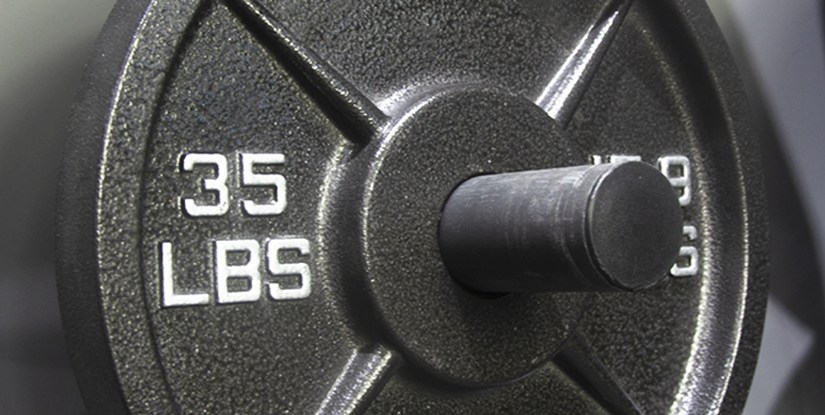
Standardized QC and Export Logistics
Reliable sourcing requires transparency in how goods are handled from the production line to the shipping container. We focus on the critical intersection of weight accuracy and structural integrity. Our QC process involves systematic weight tolerance spot-checks and surface adhesion testing to ensure that the finish remains intact during long-distance maritime transit. This level of detail is essential when managing high-volume orders where even minor deviations can impact your warehouse inventory accuracy.
Effective export packaging is the final defense against transit-related damage. For heavy iron and steel components, standard single-box shipping is often insufficient for sea freight. We utilize reinforced palletization and heavy-duty corrugated boxing to secure the load. This systematic approach to wholesale barbell plates preparation ensures that your shipment arrives in a condition ready for immediate retail or commercial deployment, protecting your capital and reducing the administrative burden of damaged-goods claims.
Technical Inspection and Container Loading Protocols
The final stage of the procurement cycle is the most critical for maintaining distributor margins. Before any wholesale barbell plates are cleared for shipment, they undergo a rigorous pre-shipment inspection. This includes a strict evaluation of the weight tolerance across the entire batch to ensure uniformity, as well as a coating adhesion test. This test verifies that the powder coating or finish can withstand the mechanical friction and environmental shifts typical of long-distance sea freight. For any professional commercial gym equipment manufacturer, these technical checkpoints are non-negotiable to prevent the high costs of replacement and customer returns.
Efficient container loading is essential to optimize your shipping volume and lower the cost per unit. We utilize specialized palletization techniques designed for high-density, heavy-duty steel components. Each pallet is wrapped in industrial-grade stretch film and secured with edge protectors to prevent movement during maritime transit. By optimizing the arrangement of plates within the container, we help importers maximize space efficiency and reduce the overall landed cost. Whether you are managing an OEM order for a private label or a standard bulk replenishment, our logistics protocols ensure your inventory arrives at your warehouse in a stable, ready-to-distribute condition.
Material and Manufacturing Specification Comparison
Choosing the correct specification is a strategic decision that affects both the durability of the equipment and the long-term maintenance load of a facility. To assist in your procurement planning, the following table outlines the primary material and process variations typically found in professional-grade inventory. Understanding these distinctions allows you to better align your orders with the specific needs of your clients, whether they require high-impact bumper options or high-density iron plates.
| Material | Coating | Process | Key Component | Commercial Duty | MOQ Impact | Factory QC Point |
|---|---|---|---|---|---|---|
| Cast Iron | Powder Coating | Sand Casting | Base Flatness | High-Volume Commercial | Standard | Weight Tolerance |
| Carbon Steel | Chrome Finish | CNC Machining | Bore Concentricity | Precision Training | Higher | Bore Diameter |
| Rubber/PU | Vulcanized Layer | Molding/Dip | Bond Line Adhesion | High-Impact/Bumper | Variable | Coating Adhesion |
| Steel Core | Vinyl/Vinyl Dip | Injection/Dip | Internal Filler | Studio/Commercial | Lower | Surface Uniformity |
When evaluating a barbell plate commercial supplier, we recommend reviewing these technical tiers against your target market's requirements. For instance, while sand casting offers a cost-effective solution for high-volume weight distribution, precision CNC machining of carbon steel provides the tighter tolerances required for professional strength platforms. We invite you to contact our team to request a detailed spec sheet or to discuss how a specific OEM configuration can meet your brand's unique identity requirements.
Strategic Procurement: Finalizing Your Bulk Order
Optimizing your supply chain requires more than just finding a barbell plate commercial supplier; it requires a partner capable of maintaining strict weight tolerances and structural integrity across thousands of units. For distributors and large-scale gym operators, the difference between a profitable season and high return rates lies in the precision of the manufacturing process and the reliability of the China factory. A professional barbell plate commercial supplier must provide transparency regarding production cycles and material consistency to protect your long-term margins.
When sourcing wholesale barbell plates, procurement professionals must account for more than just the unit price. The total landed cost is heavily influenced by the weight of the shipment, the efficiency of the export packaging, and the accuracy of the lead time. Rely ultimately on a supplier that offers predictable production schedules to avoid stockouts during peak seasonal demand. Furthermore, ensuring your MOQ requirements align with your warehousing capacity is essential for maintaining a lean, high-turnover inventory model.
Optimizing Commercial Value Through Precision Sourcing
The transition from standard casting to high-end commercial specifications is where many distributors face unexpected costs. Relying on low-grade imitations often leads to issues with concentricity and uneven weight distribution, which can damage professional barbell sleeves and increase maintenance overhead. To mitigate these risks, high-tier procurement focuses on precision steel weight plates that undergo rigorous calibration and surface treatment to ensure long-term durability in high-traffic environments.
| Material | Process | Key Component | Commercial Duty | MOQ Impact | Factory QC Point |
|---|---|---|---|---|---|
| Cast Iron | Sand Casting | Base Flatness | Standard Commercial Use | Lower | Surface Uniformity |
| Carbon Steel | CNC Machining | Bore Concentricity | High-End Performance | Moderate | Tolerance Check |
| Steel Core | Rubber/PU Molding | Bond Line Adhesion | Bumper/Impact Training | Higher | Encapsulation Integrity |
To ensure a seamless transition from order placement to warehouse arrival, professional buyers should initiate a formal consultation regarding technical specifications. We recommend requesting a detailed specification sheet to verify material thickness and bore diameter before finalizing any bulk agreement. A transparent supplier will always provide clear documentation regarding their weight calibration standards and surface finishing protocols to ensure your inventory meets local commercial standards.
Before executing a large-scale purchase, we encourage distributors to confirm the specific MOQ for custom branding or private label requests. Whether you require a standard stock profile or a specialized OEM solution, understanding the exact lead time for production and sea freight is critical for your logistics planning. Engaging in a sample approval process and a scheduled factory audit can significantly reduce procurement risks, ensuring that every batch of precision steel weight plates arriving at your facility adheres to the highest industry-standard commercial specifications.
Logistics and Quality Control Standards
Successful B2B importations depend heavily on the robustness of the export packaging and the rigor of the pre-shipment inspection. For a professional barbell plate commercial supplier, the process does not end at the production line; it extends to how the goods are secured for long-distance maritime transit. High-density palletizing and reinforced corner protection are mandatory to prevent structural deformation or surface damage during sea freight, ensuring your landed cost is not inflated by damaged inventory upon arrival.
To maintain high distributor margins, a China factory must implement a multi-stage QC protocol that focuses on critical commercial failure points. This includes verifying the bore concentricity of every steel plate, testing the coating adhesion of the finish, and performing randomized weight tolerance spot-checks. By prioritizing these technical details during the pre-shipment phase, importers can avoid the high costs of returns and the reputational damage associated with inconsistent weight distribution in a commercial setting.
We recommend that procurement leads schedule a formal sample approval and a detailed factory audit prior to any large-scale production run. Whether you are developing a private label line or sourcing high-volume stock, confirming the exact MOQ and the specific lead time for both manufacturing and shipping is essential for effective inventory management. Reach out to discuss your custom OEM requirements or to request a detailed technical specification sheet for our current commercial-grade product catalog.