Branded Kettlebell Manufacturer: China OEM Production
The High Cost of Low-Quality Sourcing: Why a Branded Kettlebell Manufacturer Matters
A professional branded kettlebell manufacturer provides standardized production for fitness distributors and gym chains requiring consistent weight accuracy and surface durability. For B2B buyers, selecting a reliable cast iron kettlebell factory ensures that bulk shipments meet commercial-grade specifications rather than inconsistent consumer-grade standards.
Hidden Financial Risks in Unverified Procurement
Sourcing from unverified suppliers often results in significant operational setbacks for distributors. When a wholesale kettlebell supplier lacks rigorous quality control, the resulting shipments frequently exhibit high weight tolerance deviations. In a commercial setting, inconsistent weights across a set can compromise training integrity and lead to customer dissatisfaction or professional complaints. Furthermore, poor surface defects—such as uneven casting or brittle coatings—can lead to premature oxidation or chipping, which increases the replacement frequency for your inventory.
These technical failures directly impact your landed cost and long-term profitability. While an unverified factory might offer a lower initial unit price, the hidden expenses of managing defective returns, shipping replacements, and the loss of brand reputation often outweigh the initial savings. For a commercial kettlebell OEM partner, maintaining commercial durability through standardized sand casting and consistent powder coating is essential to protecting your distributor margins and ensuring high turnover rates in the professional fitness market.
Sourcing Tiers and Total Cost of Ownership (TCO)
To optimize procurement, distributors must distinguish between budget-tier sourcing and professional-grade production. A high-quality commercial kettlebell OEM focuses on the technical integrity of the product, ensuring that every unit in a bulk order meets the same structural and aesthetic standards. This distinction is critical when evaluating the long-term value of your inventory.
| Material & Process | Key Component Focus | Commercial Duty Tier | Typical Procurement Risk | QC Focus Point |
|---|---|---|---|---|
| Standard Sand Casting | Handle-to-body junction | Budget / Entry-Level | Inconsistent knurling depth | Casting smoothness |
| Refined Gray Iron | Handle ergonomics & grip | Commercial / Professional | Coating adhesion failure | Weight calibration |
| Precision Machined Steel | Concentricity & balance | Premium / Competition | High unit cost/lead time | Surface finish precision |
When selecting a branded kettlebell manufacturer, the goal is to minimize the Total Cost of Ownership (TCO). A budget-tier wholesale kettlebell supplier may provide lower upfront prices, but often fails in critical areas such as coating adhesion or handle ergonomics. For example, a lack of precision in the casting process can result in a rough handle-to-body junction, which increases the risk of user injury and subsequent liability or returns. Conversely, a professional cast iron kettlebell factory integrates strict quality control (QC) at every stage—from the initial molten metal preparation to the final powder coating line—ensuring that the product remains a durable asset for your clients rather than a recurring replacement expense.
Ultimately, the decision to partner with a professional branded kettlebell manufacturer is a decision to protect your brand equity. For distributors and gym equipment importers, the goal is not just to find the lowest price, but to secure a stable supply chain that offers consistent product performance. Relying on a commercial kettlebell OEM that understands the nuances of high-volume export requirements—including precise weight calibration, durable surface finishes, and robust export packaging—will significantly reduce your long-term sourcing risks. To ensure your next batch meets these high-level commercial-grade standards, we recommend contacting us directly to request a technical spec sheet, confirm current MOQ levels, or arrange a sample evaluation for your quality control team.
Material Integrity and Casting Precision in Commercial Production
Selecting a professional branded kettlebell manufacturer requires a deep understanding of how raw material quality translates into long-term durability for your inventory. For distributors and gym equipment importers, the difference between a high-performing unit and a defective one lies in the precision of the initial production stages. Relying on a high-standard cast iron kettlebell factory ensures that the core structure can withstand the high-impact environments typical of commercial fitness facilities.
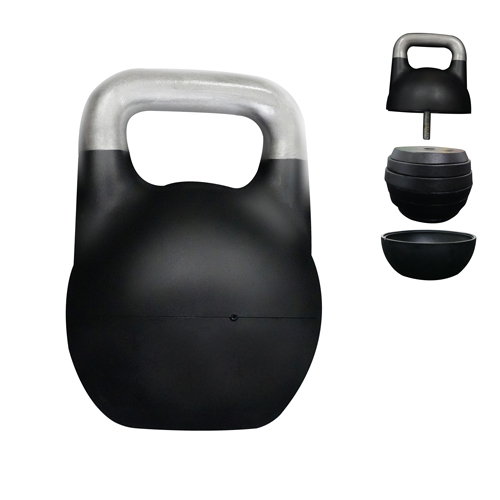
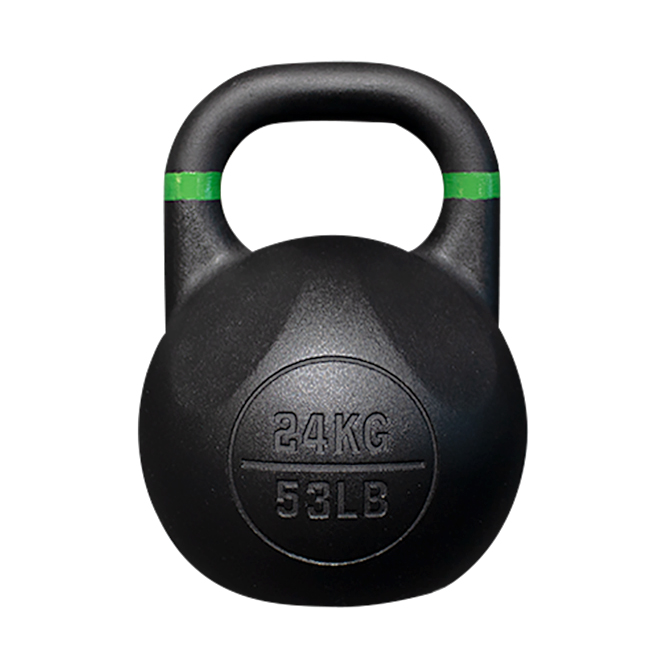
The production of commercial-grade kettlebells typically begins with sand casting, a method widely used to create the robust gray iron bodies required for heavy-duty use. During this stage, the precision of the mold directly affects the weight tolerance and the smoothness of the handle-to-body junction. Inconsistent casting can lead to structural weaknesses or uneven weight distribution, which increases the risk of premature wear or failure in a commercial setting. A professional wholesale kettlebell supplier will prioritize a consistent casting process to ensure that every unit meets the expected density and balance requirements.
Beyond the core casting, the secondary machining and finishing processes are critical for maintaining commercial duty standards. This includes the precision of the knurling depth on the handle to provide a secure grip without excessive abrasion, as well as the application of a durable powder coating. For a commercial kettlebell OEM partner, controlling these technical variables is essential to reducing the total cost of ownership (TCO) and minimizing after-sales replacement requests for your clients. When sourcing in bulk, ensuring that the manufacturer utilizes a standardized sequence—from sand casting to final calibration and pre-shipment QC—is the most effective way to protect your distributor margins and brand reputation.
Comparison of Surface Finishing and Coating Methods
For procurement professionals, choosing between different surface treatments is a decision that directly impacts the maintenance load and the longevity of the product in the field. While the core casting provides the structural integrity, the final surface finishing determines how the equipment interacts with the user and the environment. A professional branded kettlebell manufacturer will offer various coating options to suit different commercial tiers, from standard gym environments to premium studio settings.
The following table outlines the common technical choices available when working with a commercial kettlebell OEM partner to help you align your product selection with your target market's needs and your specific MOQ requirements.
| Material Base | Surface Finishing Method | Typical Commercial Duty | Sourcing Context | Factory QC Point |
|---|---|---|---|---|
| Cast Iron | Powder Coating | High-Volume Commercial | Standard Wholesale Tier | Coating Adhesion |
| Cast Iron | PU Coating | Premium Studio/Boutique | High-End Private Label | Encapsulation Uniformity |
| Gray Iron | Enamel / Paint | Budget/Entry-Level | Mass Market Distribution | Surface Smoothness |
| Solid Steel | Chrome Finish | Competition/Specialty | Specialized Sourcing | Surface Oxidation Resistance |
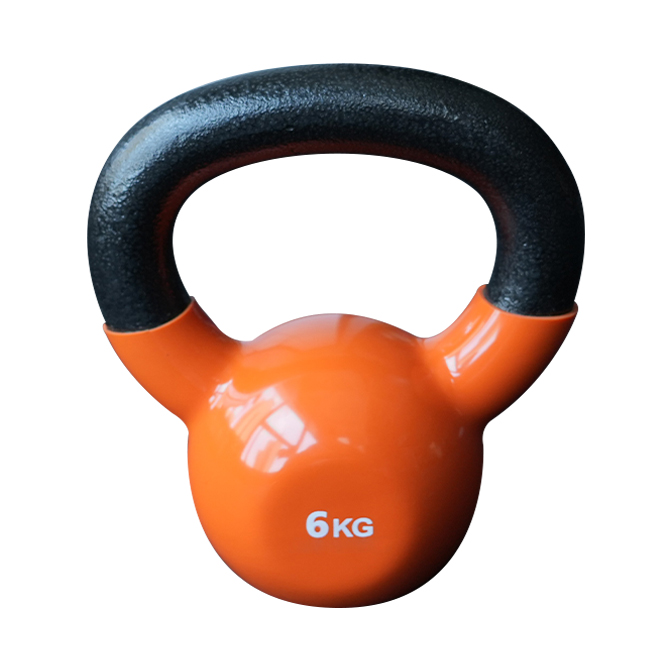
When evaluating a wholesale kettlebell supplier, it is vital to understand that the application of a PU coating or powder coating is not just about aesthetics; it is about protecting the iron from oxidation and improving the tactile grip. In many commercial settings, a high-quality powder coating provides a rugged, matte texture that resists chipping during heavy use. Conversely, a PU coating offers a smoother, more seamless feel, which is often preferred for high-end boutique studios. We recommend that importers request sample evaluations of the coating adhesion and handle texture to ensure the finish meets the durability standards of your specific region before proceeding with full-scale bulk orders or a large-scale OEM production run.
Critical QC Checkpoints for Importers and Distributors
For professional buyers, the final stages of the production cycle are where the most significant procurement risks are mitigated or realized. A thorough pre-shipment inspection is not merely a formality; it is a vital safeguard for your landed cost and long-term reliability. When sourcing through a cast iron kettlebell factory, the inspection focus must move beyond simple weight verification to include detailed structural and surface integrity checks.
One of the most frequent failure modes in lower-tier production is poor coating adhesion or inconsistent handle texture. If the powder coating or PU layer is applied unevenly, it can chip under high-impact use, leading to premature oxidation and a degraded user experience. Furthermore, the handle-to-body junction must be inspected for casting smoothness to ensure there are no sharp edges or structural irregularities that could compromise safety. A reliable commercial kettlebell OEM will provide documentation or visual evidence that these specific QC steps—including weight calibration and surface finish testing—have been completed for every batch.
By prioritizing these technical checkpoints during your factory audit or sample approval phase, you can significantly reduce the frequency of after-sales claims and replacement costs. Whether you are managing a small-scale OEM project or a high-volume wholesale distribution contract, ensuring that the manufacturer adheres to rigorous quality control protocols will protect your brand identity and ensure a stable ROI for your commercial clients.
Comparing Commercial-Grade Kettlebell Manufacturing Standards
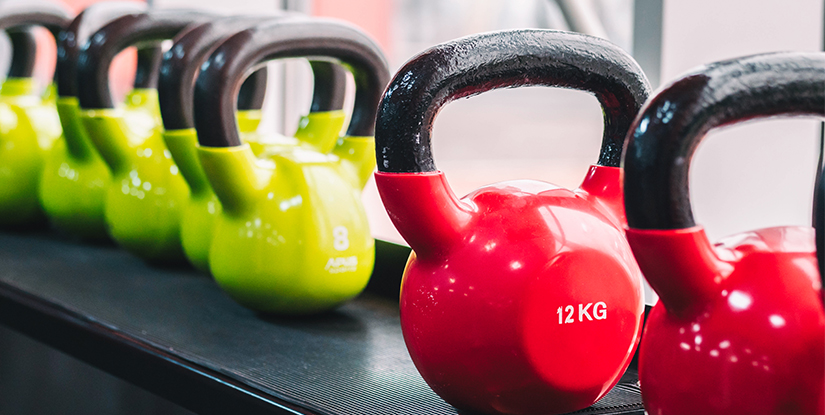
Selecting a professional branded kettlebell manufacturer requires a deep understanding of how material precision translates into long-term profitability. For distributors and gym owners, the initial procurement cost is only one part of the equation; the true TCO (Total Cost of Ownership) is determined by the durability of the cast iron body and the consistency of the weight calibration. High-quality sand casting ensures a uniform density, preventing structural weaknesses that lead to premature replacement cycles in high-traffic environments.
In the competitive landscape of China sourcing, the difference between a budget-tier unit and a premium commercial kettlebell OEM product often lies in the secondary finishing processes. A failure to control the handle-to-body junction or the coating adhesion can result in high return rates and damaged brand reputation. By prioritizing a wholesale kettlebell supplier that adheres to strict commercial-grade standards, buyers can minimize procurement risk and ensure a higher ROI through extended product lifespans.
| Material Tier | Primary Process | Key Component Focus | Commercial Durability | Procurement Impact |
|---|---|---|---|---|
| Standard Cast Iron | Sand Casting | Handle Texture | Moderate/High | Best for high-volume wholesale |
| Premium Cast Iron | Precision Sand Casting | Handle-to-body Junction | Very High | Ideal for premium studio branding |
| PU Coated Iron | Injection Molding | Encapsulation Layer | High (Floor Protection) | Higher landed cost per unit |
When evaluating your next batch, consider that the most cost-effective factory is not necessarily the one with the lowest unit price, but the one that provides the most stable weight tolerance and surface finish. Investing in a branded kettlebell manufacturer that offers transparent QC documentation regarding their cast iron molding and coating adhesion will ultimately protect your margins against the high costs of replacement and customer dissatisfaction.
Technical Specifications and Surface Finishing
A critical differentiator for any cast iron kettlebell factory is the precision applied to the handle texture and the secondary surface treatments. In high-intensity commercial settings, the grip reliability is paramount. Leading manufacturers utilize controlled machining to ensure the knurling depth is consistent across all weight increments, preventing the handle from becoming a failure point under heavy use. This technical attention to the handle-to-body junction ensures that the casting remains structurally sound even during high-impact movements.
Beyond the core casting, the surface finish determines the long-term maintenance load for the end-user. While bare iron is common, many wholesale kettlebell supplier options now offer advanced powder coating. This process provides a durable, non-slip layer that protects the gray iron from oxidation and moisture. When sourcing, it is essential to verify the coating adhesion process, as a poorly applied finish will chip or peel, significantly increasing the replacement frequency and negatively impacting your total cost of ownership.
To optimize your procurement strategy, we recommend requesting a sample evaluation or a detailed spec sheet from your commercial kettlebell OEM partner. This allows you to inspect the base flatness, the weight marking clarity, and the overall smoothness of the casting before committing to a full bulk order. Confirming these technical benchmarks during the initial sample stage is the most effective way to ensure your branded kettlebell manufacturer meets your specific commercial-grade requirements.
Optimizing Product Specifications for Wholesale and Private Label Success
For distributors and large-scale importers, the profitability of a product line depends on the technical precision of the manufacturing process. Selecting a professional branded kettlebell manufacturer ensures that every unit meets the rigorous standards required for high-traffic commercial environments. When sourcing in bulk, the difference between a high-margin product and a high-return liability lies in the consistency of the casting and the quality of the surface treatment.
A reliable cast iron kettlebell factory utilizes standardized sand casting techniques to produce a uniform gray iron body. For the professional buyer, the critical metrics to inspect during a factory audit are the weight tolerance and the integrity of the handle-to-body junction. Inconsistent casting can lead to uneven weight distribution or structural weaknesses, which directly increases the total cost of ownership for end-users and damages the reputation of your private label. Furthermore, a high-quality surface finish—typically achieved through a professional powder coating line—is essential for commercial durability. This coating protects the iron from oxidation and ensures the knurling remains functional over years of heavy use. By prioritizing these technical specifications, a wholesale kettlebell supplier helps you secure higher wholesale value and long-term customer loyalty.
China Factory QC Protocols and Export Packaging Standards
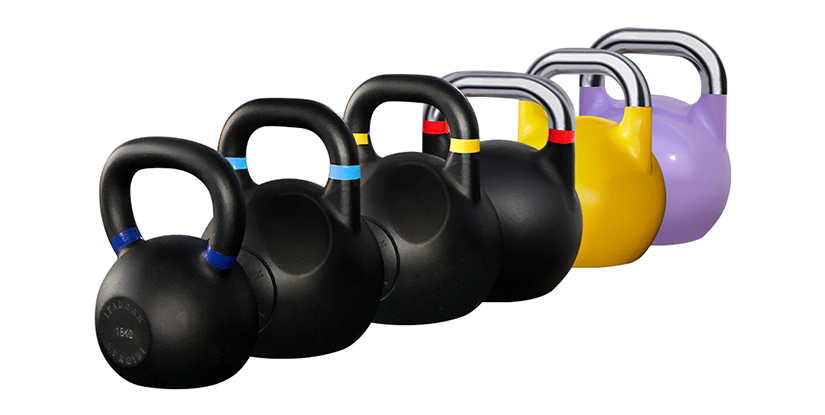
Maintaining consistent weight accuracy and structural integrity is the primary challenge for distributors sourcing heavy iron goods. A professional branded kettlebell manufacturer must implement rigorous testing protocols to prevent high return rates and customer dissatisfaction. For high-volume importers, the difference between a profitable batch and a logistical loss lies in the precision of the pre-shipment inspection and the reliability of the export packaging.
Standardized quality control in a professional China factory focuses on three critical pillars: weight calibration, surface finishing, and structural durability. During the weight tolerance spot-check, technicians verify that each unit falls within the industry-standard deviation for its specific weight class. This ensures that a 16kg unit is not significantly lighter than its labeled weight, which is a common failure mode in low-tier production. Furthermore, as a specialized commercial kettlebell OEM, the factory must inspect the handle-to-body junction and the knurling depth to ensure no casting flaws or sharp edges exist that could compromise safety during high-intensity training.
Beyond the product itself, the wholesale value of a shipment is heavily dependent on how the goods arrive at the warehouse. Effective export packaging prevents dented bells or damaged handles during long-distance sea freight. This includes using heavy-duty corrugated boxes, reinforced corner protectors, and optimized palletization to maximize container density and reduce the landed cost for the supplier and their global partners.
Optimizing Logistics Efficiency and Container Loading
For distributors and large-scale importers, the total landed cost is determined by more than just the unit price; it is heavily influenced by volumetric efficiency and transit damage prevention. A high-tier cast iron kettlebell factory must prioritize standardized palletization to ensure that heavy, dense loads are stabilized for long-distance sea freight. Without professionalized loading protocols, shifting weight within a container can lead to crushed cartons or damaged handles, resulting in expensive replacement claims and disrupted inventory schedules.
To mitigate these risks, a professional wholesale kettlebell supplier utilizes a multi-layered packaging strategy. This typically involves placing the kettlebells into heavy-duty cartons with reinforced edges, followed by a secondary protective layer to prevent metal-on-metal friction. For bulk orders, the export packaging process includes securing the cartons onto heat-treated pallets with industrial-grade stretch wrap and edge protectors. This structured approach maximizes the vertical stacking capacity within a shipping container, improving logistics efficiency and ensuring that the high-density weight of the iron does not compromise the integrity of the shipment during ocean transit.
When evaluating your next procurement cycle, we recommend requesting detailed packaging specifications and pallet dimensions from your branded kettlebell manufacturer. Confirming these details during the sample approval or pre-shipment stage allows you to accurately calculate container volume and optimize your shipping budget. Whether you are managing a small distributor margin or a large-scale commercial rollout, professionalized loading and packaging are essential components of a reliable global supply chain.
Streamlining Your Procurement: MOQ, Lead Times, and Custom Branding
Navigating the complexities of international sourcing requires a strategic partnership with a reliable branded kettlebell manufacturer. For distributors and gym equipment importers, the primary challenge lies in balancing inventory costs against market demand. Selecting a professional China factory ensures that your procurement cycle is supported by structured MOQ tiers and predictable lead time schedules, allowing for smoother cash flow management and consistent stock availability for your clients.
Effective commercial procurement involves more than just finding a low price; it requires a wholesale kettlebell supplier capable of managing the technical nuances of OEM production. Whether you are launching a private label line or expanding a current catalog, understanding the relationship between order volume and production speed is vital. A high-tier commercial kettlebell OEM will provide transparent timelines for casting, coating, and pre-shipment inspection, ensuring that your branded products reach your warehouse without unexpected delays or quality discrepancies.
Strategic Comparison of Procurement Models
Deciding between standardized stock orders and full-scale custom branding depends on your long-term market positioning and capital availability. For many distributors, the choice between purchasing existing inventory and initiating a private label project is a trade-off between speed and brand equity. A professional cast iron kettlebell factory typically offers two distinct paths: rapid restocking of standard weights or a comprehensive production cycle tailored to your specific identity.
| Procurement Model | Typical Focus | Branding Capability | Production Cycle | Landed Cost Impact |
|---|---|---|---|---|
| Standard Wholesale | Speed and Availability | Generic or minimal logo | Short (Ready-to-ship) | Lower initial outlay |
| Custom OEM | Brand Identity and Differentiation | Full custom branding and color options | Extended (Casting to Coating) | Higher per-unit value |
When evaluating your next batch, consider how the production cycle affects your warehouse efficiency. Stock orders offer immediate relief for low-inventory situations, whereas OEM orders allow you to control the aesthetic and technical specifications of the handle texture or coating adhesion. To optimize your landed cost, we recommend coordinating with your supplier early in the season to align your order volumes with factory production windows, ensuring that your bulk shipments arrive precisely when market demand peaks.
Technical Quality Control and Inspection Standards
Reliability in commercial fitness environments is determined by the rigor of the quality control protocols implemented during the manufacturing stages. For a professional branded kettlebell manufacturer, the process begins long before the final product is packed. A standardized production sequence—starting from the initial sand casting of the gray iron body to the final surface treatment—must include specific checkpoints to prevent common failure modes such as weight discrepancies or coating peeling. High-tier distributors should look for a cast iron kettlebell factory that integrates these technical audits into every phase of the workflow.
The first critical checkpoint involves the weight calibration and the integrity of the handle-to-body junction. In many commercial settings, uneven weight distribution or a poorly formed handle can lead to user dissatisfaction or safety concerns. Following the casting and machining phases, the wholesale kettlebell supplier must verify the concentricity and the smoothness of the knurling depth. This ensures that the grip remains consistent and durable even under heavy usage in high-traffic gym environments.
The final stage of production focuses on surface durability and aesthetics. Once the kettlebells move to the coating line, the commercial kettlebell OEM must monitor coating adhesion. Whether the finish is a standard powder coating or a specialized enamel, the application must be uniform to prevent chipping during transit or heavy training. Before any container is loaded, a rigorous pre-shipment inspection is essential. This includes a visual audit of the logo clarity for , a spot-check of the weight tolerance, and a verification of the export packaging durability to minimize damage during long-distance sea freight. We recommend that buyers request a sample approval or a formal factory audit to confirm that these technical standards align with your brand's quality expectations.