Bumper Plate Export Supplier: Material and Sourcing
Bumper Plate Export Supplier: Material Selection and Procurement Standards
For large-scale commercial gym deployments or high-traffic training centers, selecting the correct material profile is a critical decision for long-term asset management. A professional bumper plate export supplier understands that the choice between rubber and urethane impacts not only the immediate landed cost but also the long-term durability and floor protection requirements of a facility. Whether you are sourcing for a professional strength club or a boutique fitness studio, the material composition dictates the replacement frequency and maintenance load of your inventory.
When managing high-volume gym equipment sourcing China, procurement officers must distinguish between standard rubber compounds and high-performance urethane. While rubber offers a cost-effective solution for general weightlifting, urethane provides superior density and resistance to environmental wear, which is essential for high-throughput commercial environments. Understanding these technical trade-offs allows distributors to optimize their stock based on the specific needs of their end-users, from budget-conscious local gyms to premium performance centers.
Material Performance and Commercial Durability Comparison
In the context of commercial bumper plate wholesale, the distinction between material types is often a matter of lifecycle value. A rubber bumper plate manufacturer typically utilizes high-density recycled rubber or virgin rubber compounds to provide shock absorption, which is vital for protecting both the equipment and the facility flooring during heavy drops. However, for premium installations, urethane is frequently preferred due to its ability to maintain a consistent shape and its higher resistance to cracking under extreme usage.
| Material Type | Primary Process | Commercial Duty Tier | Key Benefit | Sourcing Context |
|---|---|---|---|---|
| Standard Rubber | Compression Molding | Budget / General Commercial | High shock absorption | High volume / Low MOQ |
| High-Density Rubber | Injection/Compression | Professional / High-Traffic | Improved durability | Standard wholesale |
| Polyurethane (Urethane) | Multi-layer Molding | Premium / Competition | Maximum wear resistance | Specialized OEM/ODM |
Manufacturing Process and Export Quality Control
A reliable bumper plate export supplier maintains strict oversight over the production sequence to ensure every unit meets international commercial standards. The typical manufacturing route begins with high-precision casting or compression molding of the core material, followed by specialized machining to ensure the center hole maintains consistent concentricity. This stage is vital for ensuring a smooth fit on Olympic barbells, preventing uneven wear on high-end bars during heavy training sessions.
Following the primary molding phase, the plates undergo a multi-step surface finishing process. This often includes a secondary coating application—such as a specialized rubber dip or polyurethane encapsulation—to enhance the bond line adhesion and surface texture. For professional gym equipment sourcing China, the final stages of the manufacturing process are where the most critical quality checks occur. A professional rubber bumper plate manufacturer will implement a rigorous pre-shipment inspection that includes weight tolerance spot-checks and surface integrity tests to ensure the product can withstand the rigors of a high-traffic gym environment.
To protect your landed cost and ensure the safety of the shipment, export packaging must be optimized for heavy-duty sea freight. Standard industry practice involves using reinforced corrugated boxes and palletization to prevent impact damage during transit. When arranging commercial bumper plate wholesale orders, we recommend confirming the specific packaging configuration and pallet dimensions with your supplier to optimize container loading efficiency and reduce shipping-related breakage risks. Before finalizing a bulk order, buyers should request a sample approval or a detailed pre-shipment QC report to verify the material density and coating adhesion levels.
Material Comparison: Rubber vs. Urethane for High-Throughput Facilities
For professional importers and distributors, selecting the correct material profile is a critical step in optimizing the long-term TCO of a facility. When sourcing from a bumper plate export supplier, understanding the distinction between standard rubber and premium urethane is essential for meeting the demands of high-traffic environments. While both materials provide necessary impact absorption, their performance in high-throughput facilities varies significantly regarding surface durability and long-term maintenance costs.
A professional rubber bumper plate manufacturer typically focuses on high-density rubber compounds that offer excellent shock absorption for standard commercial gym settings. However, for premium studio operators or high-intensity training centers, the choice often shifts toward advanced polymers to ensure a longer product lifecycle and higher resale or utility value.
| Material Type | Primary Characteristic | Commercial Duty Tier | Durability Profile | Procurement Focus |
|---|---|---|---|---|
| High-Density Rubber | Shock Absorption | Standard Commercial | High impact resistance | Budget-friendly bulk orders |
| Polyurethane (Urethane) | Surface Resilience | Premium/Elite | High abrasion resistance | Long-term TCO optimization |
| Hybrid/Coated Steel | Weight Density | Mid-Tier Commercial | Moderate wear resistance | Weight coverage efficiency |
When executing gym equipment sourcing China strategies, buyers must weigh the initial landed cost against the expected replacement frequency. A commercial bumper plate wholesale order consisting of urethane units may require a higher initial investment, but the reduction in surface cracking and color fading often results in a more efficient ROI for large-scale deployments. Reliable sourcing involves verifying the material grade with the factory to ensure the compound meets the specific friction and bounce requirements of your target market.
The technical distinction between these two materials often dictates the final replacement cycle and maintenance schedule for a facility. A specialized bumper plate export supplier will differentiate these options based on the production process: rubber plates are commonly produced via compression molding or centrifugal casting of high-density compounds, whereas urethane plates involve a sophisticated encapsulation or injection process to ensure a seamless, high-gloss finish.
For distributors managing high-volume logistics, the choice between rubber and urethane impacts more than just the unit price; it affects the shipping density and the potential for long-term branding stability. While rubber remains the industry standard for heavy impact, urethane offers superior resistance to chemical cleaning agents and surface abrasions, making it a preferred choice for high-end boutique studios and luxury commercial environments.
Before finalizing a commercial bumper plate wholesale contract, we recommend requesting a material sample to evaluate the bond line adhesion and surface density. Whether you are looking for a high-density rubber solution or a premium urethane finish, a thorough sourcing process should include a request for the factory to confirm the specific compound grade and the quality of the internal weight calibration. Confirming these technical specifications early helps mitigate the risk of uneven weight distribution or premature surface degradation in high-traffic commercial settings.
The technical distinction between these two materials often dictates the final replacement cycle and maintenance schedule for a facility. A specialized bumper plate export supplier will differentiate these options based on the production process: rubber plates are commonly produced via compression molding or centrifugal casting of high-density compounds, whereas urethane plates involve a sophisticated encapsulation or injection process to ensure a seamless, high-gloss finish.
For distributors managing high-volume logistics, the choice between rubber and urethane impacts more than just the unit price; it affects the shipping density and the potential for long-term branding stability. While rubber remains the industry standard for heavy impact, urethane offers superior resistance to chemical cleaning agents and surface abrasions, making it a preferred choice for high-end boutique studios and luxury commercial environments.
Before finalizing a commercial bumper plate wholesale contract, we recommend requesting a material sample to evaluate the bond line adhesion and surface density. Whether you are looking for a high-density rubber solution or a premium urethane finish, a thorough sourcing process should include a request for the factory to confirm the specific compound grade and the quality of the internal weight calibration. Confirming these technical specifications early helps mitigate the risk of uneven weight distribution or premature surface degradation in high-traffic commercial settings.
Manufacturing Processes and Precision Calibration in China Factories
Selecting a reliable bumper plate export supplier requires a deep understanding of how material density and molding techniques impact long-term commercial utility. For high-volume distributors, the distinction between a standard rubber bumper plate manufacturer and a premium provider often lies in the precision of the molding process and the quality of the synthetic compounds used to ensure consistent impact absorption.
In professional procurement, the choice between rubber and urethane is a critical decision affecting the total cost of ownership. While rubber is a standard for high-impact durability in many commercial bumper plate wholesale scenarios, urethane offers superior density and resistance to environmental degradation. When engaging in gym equipment sourcing China, buyers must evaluate how these materials are integrated with the internal steel or high-density filler to ensure the plate maintains its concentricity and weight stability over thousands of cycles. A professional factory will utilize controlled injection molding or high-pressure compression to minimize air pockets, which prevents premature cracking or uneven wear in high-traffic commercial environments.
| Material Tier | Primary Process | Key Component | Commercial Duty | Sourcing Context |
|---|---|---|---|---|
| Standard Rubber | Compression Molding | Synthetic Rubber Shell | High-Impact Strength | Standard Wholesale |
| Premium Urethane | Injection Molding | High-Density Polymer | Durability & Longevity | Specialized OEM |
| Hybrid/Composite | Multi-stage Casting | Internal Steel Core | Precision & Stability | Custom Branding |
To ensure quality, a professional supplier performs rigorous pre-shipment checks on the bond line adhesion and the thickness of the outer layer. For bulk orders, we recommend requesting a sample evaluation to verify that the material density meets your specific commercial standards before finalizing the MOQ or initiating a full production run.
Beyond the initial material selection, the technical success of a bulk order depends on the precision of the finishing and calibration stages. A professional bumper plate export supplier must implement a systematic manufacturing route—typically moving from high-pressure molding to surface finishing and finally to weight calibration—to ensure each unit meets the strict demands of a commercial facility. In many gym equipment sourcing China workflows, the most critical stage is the calibration of the internal core or the consistency of the rubber compound density, as any imbalance can lead to uneven wear or structural failure during high-velocity drops.
Quality Control Points for Large-Scale Procurement
For distributors and gym owners, the risk of receiving non-conforming units is a significant threat to profit margins and brand reputation. When evaluating a rubber bumper plate manufacturer, it is essential to look for specific QC benchmarks that go beyond visual inspection. A high-tier factory will conduct routine checks on the concentricity of the center bore and the adhesion of the outer shell to the internal core. This ensures that the plate remains balanced and that the outer coating does not delaminate under repeated impact. Failure to verify these technical specifications during the pre-shipment stage can result in high replacement costs and diminished long-term ROI for the end-user.
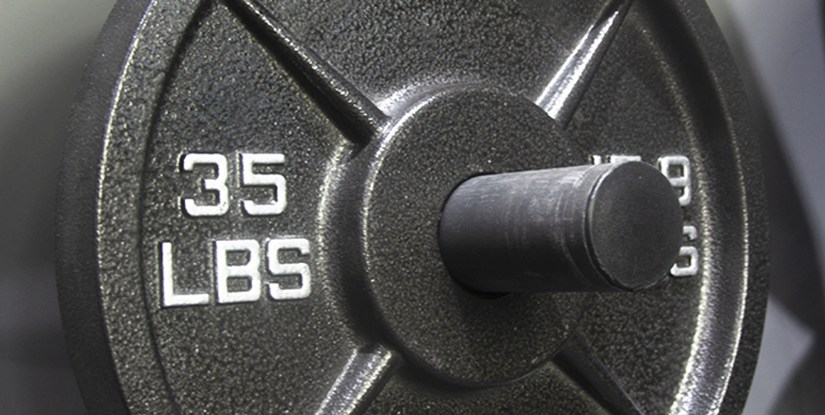
To mitigate these risks during wholesale procurement, we advise buyers to include a detailed technical requirement sheet in their initial request. This should specify the acceptable tolerance for weight deviation and the required surface finish. Whether you are pursuing OEM custom branding or ordering standard stock, requesting a sample approval or a pre-shipment inspection report can confirm that the production line is maintaining the necessary precision for your specific commercial grade requirements.
Critical Inspection Benchmarks for High-Volume Orders
Effective gym equipment sourcing China requires moving beyond surface-level aesthetics to examine the technical integrity of the product. For a professional bumper plate export supplier, the most vital stage is the calibration of the center bore and the structural concentricity of the plate. If the internal core is not perfectly centered within the rubber or urethane shell, the plate will exhibit an uneven wobble during high-velocity drops, leading to premature wear on barbell sleeves and potential safety risks in a commercial setting. A reliable factory will utilize automated calibration tools to ensure each unit meets industry-standard weight accuracy and balance requirements before it enters the final packaging stage.
Furthermore, when managing commercial bumper plate wholesale accounts, distributors should prioritize suppliers that emphasize pre-shipment inspection of the bond line adhesion. This is the critical point where the outer material meets the internal structure; poor adhesion is a common failure mode that leads to delamination under heavy use. We recommend that procurement leads request a detailed inspection report or a sample approval to verify the thickness consistency and the durability of the coating. By confirming these technical details early, you can protect your landed cost and ensure your brand maintains high standards of reliability for your end-users.
Optimizing Sourcing: MOQ and Custom Branding for Distributors
For professional distributors and warehouse operators, a reliable bumper plate export supplier must offer more than just high-quality units; they must provide a scalable framework for brand growth. Managing inventory requires a precise balance between MOQ requirements and the ability to differentiate your product line through custom branding. High MOQ levels may reduce unit costs but increase capital tie-up, whereas flexible OEM capabilities allow you to react faster to market shifts in the commercial fitness sector.
A strategic commercial bumper plate wholesale partnership focuses on maximizing your distributor margin by optimizing the landed cost. By leveraging OEM or ODM services, you can integrate your own logo and color-coded weight markings directly into the production process. This transition from selling generic equipment to managing a proprietary brand identity is a critical step in long-term gym equipment sourcing China strategies, ensuring your inventory stands out in a competitive professional landscape.
Strategic Comparison of Sourcing Models
Selecting the right procurement path depends on your specific business scale and brand ambition. A professional rubber bumper plate manufacturer typically offers two distinct pathways: high-volume standardized production or customized private label development. While stock orders provide immediate availability, moving toward a customized model allows for greater market differentiation and long-term brand equity.
| Sourcing Model | Lead Time | Branding Options | Customization Depth | Typical Business Use |
|---|---|---|---|---|
| Standard Stock | Short (Ready to Ship) | No Branding / Generic | Standard Material/Color | Quick Restock / Small Distributors |
| OEM Production | Medium (Production Cycle) | Logo & Color Coding | Custom Color / Weight Markings | Growing Brands / Specialized Importers |
| ODM Development | Long (R&D + Production) | Full Brand Identity | Material Grade / Custom Specs | Tier-One Global Distributors |
When evaluating a bumper plate export supplier, it is essential to confirm how these models impact your total landed cost and warehouse efficiency. For instance, a wholesale order of standardized units is ideal for maintaining a consistent baseline inventory, while an OEM run is the preferred method for distributors looking to build a proprietary product line. We recommend requesting a detailed specification sheet and confirming the specific MOQ for custom branding requests to ensure alignment with your quarterly procurement planning and cash flow requirements.
Logistics and Quality Assurance in Bulk Procurement
Efficient gym equipment sourcing China requires more than just selecting a product; it requires a rigorous inspection of the entire supply chain to protect your margins. For high-volume orders, the complexity of managing weight tolerances and material integrity increases. A professional bumper plate export supplier must implement a multi-stage quality control process that covers everything from raw material input to final container loading to prevent costly returns or client dissatisfaction.
To ensure a stable landed cost, distributors should prioritize a factory that provides transparent documentation regarding their pre-shipment protocols. This includes verifying the thickness of the rubber encapsulation, the concentricity of the center bore, and the durability of the color-coded markings. When managing large-scale wholesale shipments, we suggest coordinating a pre-shipment inspection to verify that the export packaging is sufficient to prevent transit damage, especially for heavy, high-density bumper plates destined for long-distance sea freight.
Successful long-term partnerships are built on predictable lead times and reliable shipping standards. Whether you are ordering standard stock or a custom OEM production run, clarity on the transition from production completion to port departure is vital for your inventory planning. We encourage buyers to request a detailed production schedule and confirm the specific packaging dimensions to optimize container utilization and reduce overall shipping expenses.
Quality Control and Pre-Shipment Inspection Protocols
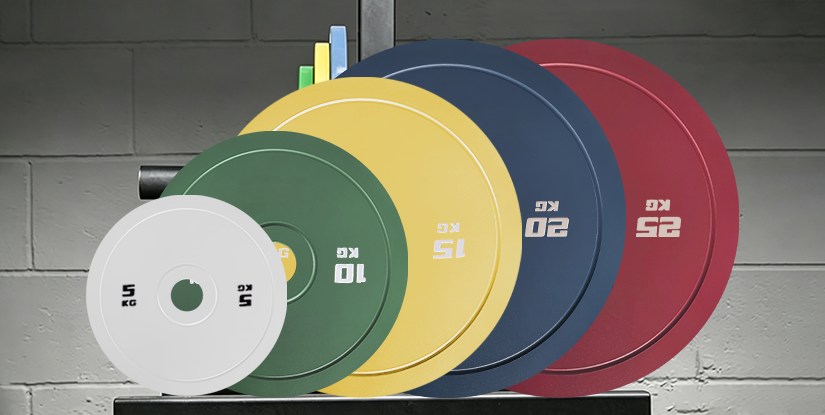
Mitigating the risk of defective shipments is a primary concern for distributors and gym owners managing high-volume orders. Relying on a professional bumper plate export supplier ensures that every unit meets the rigorous standards required for high-traffic commercial environments. Without standardized oversight, importers face the threat of inconsistent weight distribution, material degradation, or uneven surface finishes that can damage flooring and increase maintenance costs.
To maintain commercial duty integrity, a reliable rubber bumper plate manufacturer must implement a multi-stage verification process. This begins with raw material testing to ensure rubber/urethane consistency, followed by weight tolerance checks to prevent discrepancies in bulk shipments. For a commercial bumper plate wholesale order, a standardized China factory protocol typically includes inspecting the bond line adhesion between the inner steel ring and the outer coating, as well as checking for concentricity issues that could affect plate balance during high-impact use.
During the pre-shipment inspection, quality control teams focus on the structural stability of the unit and the durability of the surface finish. This stage is critical for gym equipment sourcing China to ensure that the landed cost is not inflated by subsequent returns or replacements. A professional factory will provide documentation regarding the calibration of weights and the thickness of the protective layer, ensuring the batch aligns with the specific MOQ and quality requirements of the client. We recommend that all buyers confirm the specific QC checkpoints and request a sample approval or a formal factory audit to secure long-term distributor margins.
Technical Inspection Checklist for Professional Procurement
A thorough technical audit prevents the common pitfalls of low-grade imports, such as uneven weight distribution or premature surface cracking. When conducting a sample evaluation or a formal factory audit, buyers should move beyond visual aesthetics to inspect the structural integrity of the components. High-performance bumper plates require precise engineering to ensure longevity in high-impact commercial settings.
The following technical parameters should be part of your standard procurement checklist to ensure the units meet commercial-grade specifications before they leave the China factory:
- Concentricity and Balance: Verify the central bore is perfectly centered. An off-center bore leads to uneven weight distribution and erratic plate movement during high-velocity drops.
- Coating Adhesion: Check the bond between the inner steel ring and the outer rubber/urethane shell. A strong bond line is essential to prevent delamination or "bubbling" under repetitive impact.
- Density Uniformity: The weight should be evenly distributed throughout the material. Inconsistent density can cause the plate to behave unpredictably during heavy lifts.
- Edge Smoothness: Inspect the outer perimeter for any sharp edges or irregular casting defects. Smooth, rounded edges are critical for both safety and protecting expensive gym flooring.
- Packaging Durability: For bulk order shipments, ensure the export packaging is robust enough to withstand sea freight. This includes reinforced corners and moisture-resistant layers to prevent material degradation during transit.
Implementing these checks during your sourcing process reduces the risk of high replacement rates and protects your long-term ROI. We advise all distributors to request a detailed specification sheet and confirm these QC protocols are integrated into the production line before finalizing any OEM or ODM agreement.
A systematic approach to verification ensures that the high-impact performance of your inventory remains consistent. For professionals engaged in gym equipment sourcing China, understanding the qualitative differences between material types is essential for managing long-term maintenance and replacement cycles. The following comparison outlines the standard variables encountered when selecting a bumper plate export supplier for different commercial tiers.
| Material Type | Manufacturing Process | Key Component Focus | Commercial Duty Tier | MOQ Impact | Factory QC Point |
|---|---|---|---|---|---|
| Rubber Compound | Compression Molding | Outer Shell Density | Standard Commercial | Medium | Bond Line Adhesion |
| Urethane (PU) | Injection Molding | Surface Finish Uniformity | Premium / High-End | High | Coating Thickness |
| Steel / Iron Core | Machining / Casting | Bore Concentricity | Standard / Budget | Low | Weight Calibration |
When evaluating a rubber bumper plate manufacturer, the primary focus remains on the structural integrity of the internal steel ring and the external encapsulation. While rubber provides excellent shock absorption for standard training, urethane offers superior durability and a cleaner aesthetic for premium studio environments. From a wholesale perspective, the choice between these materials significantly impacts your landed cost and the eventual maintenance load for your clients. High-tier OEM runs often prioritize urethane for its resistance to environmental degradation and high-impact wear.
To optimize your sourcing strategy, we recommend requesting a sample of each material type to test the tactile quality and the edge-rounding precision. A reliable factory will be able to demonstrate how their specific molding process prevents the common failure modes of delamination or surface cracking. Finalizing your bulk order should always be contingent upon a successful pre-shipment inspection that verifies these technical specifications against your original OEM or ODM design requirements.
Logistics and Export Packaging for Bulk Bumper Plate Orders
Efficient logistics management is a critical factor for any bumper plate export supplier serving the North American market. When managing bulk orders, the primary objective is to balance container utilization with shipping damage prevention to protect your distributor margins. Improperly secured loads often result in dented edges or compromised surface finishes, directly increasing the landed cost through replacement claims and local warehouse labor.
To ensure sea freight stability, a professional China factory utilizes specialized export packaging protocols. Rather than simple loose packing, high-volume shipments typically involve heavy-duty corrugated boxes or reinforced wooden crates designed for high-density weight. Proper palletization is essential; weight must be distributed to prevent crushing the bottom layers of the shipment. We recommend coordinating with your supplier to confirm if OEM custom crate dimensions are available to better fit your specific warehouse racking systems, ensuring that every unit arrives in a condition that meets your commercial standards.
Packaging Standards for Material Optimization
Different bumper plate materials require specific handling and packing strategies to maintain structural integrity during long-distance transit. A professional rubber bumper plate manufacturer must adapt their packaging to the specific density and fragility of the product to ensure maximum container loading efficiency. While rubber-encapsulated plates are resilient, the internal steel cores or outer skins can be vulnerable to deformation if the weight distribution within a shipment is poorly managed.
Selecting the right commercial bumper plate wholesale option involves evaluating how the manufacturer handles the final logistics stage. Below is a comparison of typical packaging and handling requirements for different material grades to assist your gym equipment sourcing China decisions.
| Material Type | Primary Packaging Method | Key Component Concern | Commercial Duty Tier | MOQ Impact | Factory QC Point |
|---|---|---|---|---|---|
| Standard Rubber | Heavy-duty Corrugated Box | Edge Compression | Budget/Commercial | Standard | Coating Adhesion |
| High-Density Urethane | Reinforced Wooden Crate | Surface Scratching | Premium | Higher | Color Uniformity |
| Steel/Cast Iron Core | Palletized with Strapping | Weight Shifting | Standard Commercial | Variable | Bore Concentricity |
For high-volume wholesale buyers, we recommend requesting a detailed pre-shipment packaging specification sheet. This allows you to confirm if the factory uses reinforced corner protectors or custom-sized pallets to optimize your sea freight space. When calculating your total landed cost, always account for the volume-to-weight ratio to ensure your distributor warehouse can efficiently unload and store the incoming stock without specialized heavy-lift equipment.
Pre-Shipment Inspection and Loading Supervision
The final stage of gym equipment sourcing China must involve rigorous quality verification before the container is sealed. A reliable bumper plate export supplier does not merely ship goods; they provide a structured pre-shipment inspection process to mitigate the risk of receiving defective or damaged units. For professional wholesale buyers, this stage is where the actual value of the factory is proven through transparency and standardized checklists.
A comprehensive inspection protocol typically includes checking the bore concentricity of the steel core, verifying the bond line adhesion of the rubber layer, and performing a final weight tolerance spot-check. Beyond product quality, we emphasize container loading supervision to manage the high-density load of bumper plates. This includes verifying pallet stability and ensuring moisture protection—such as the use of silica gel desiccant packs or heavy-duty plastic film—is integrated into the export packaging to prevent oxidation during long-duration sea freight transit. By confirming these technical details and the final MOQ compliance before departure, distributor partners can significantly reduce the likelihood of unexpected damage and ensure a predictable landed cost for their North American operations.