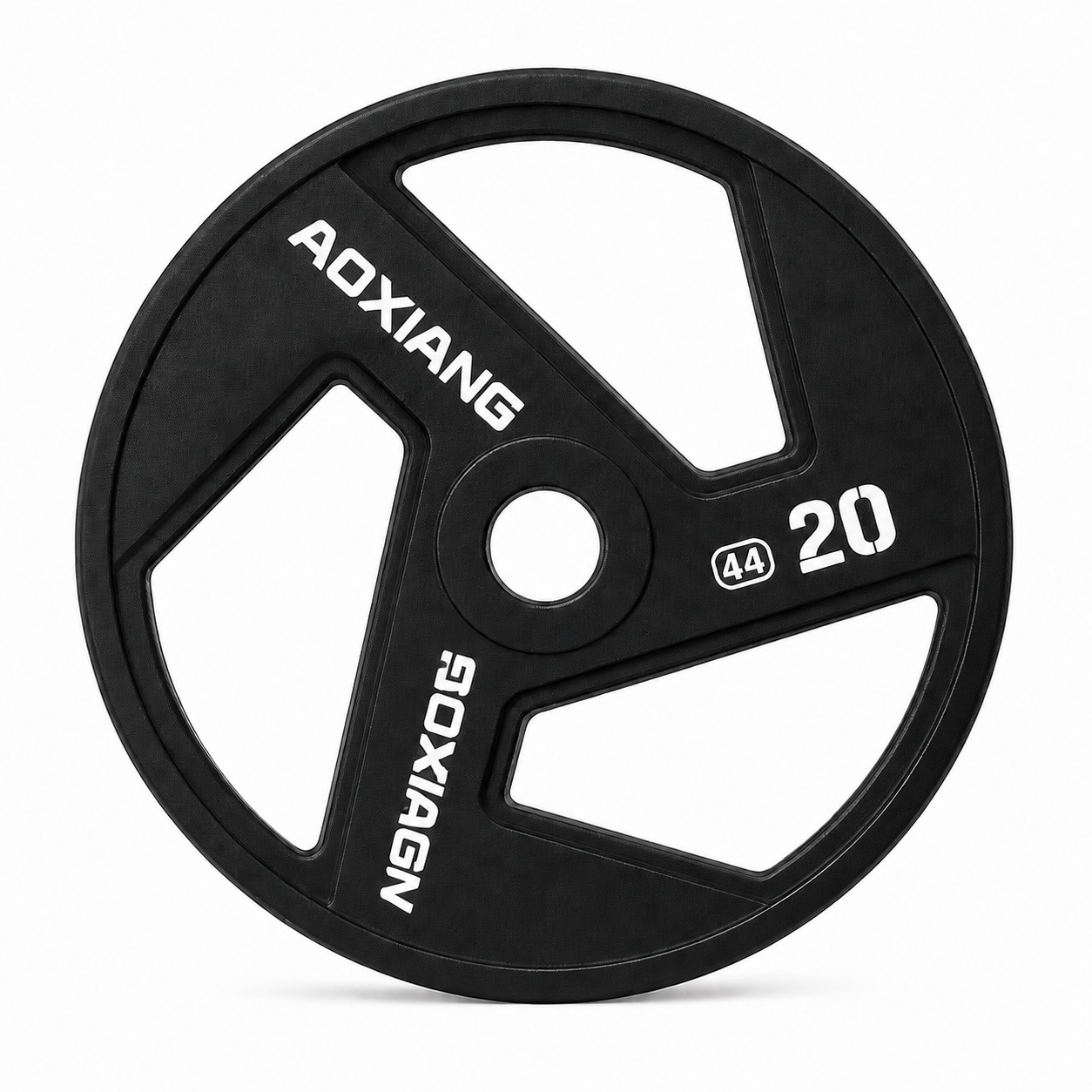
Weight Disc Private Label Manufacturer: China OEM Production
The Strategic Value of a Weight Disc Private Label Manufacturer
For international distributors managing large-scale fitness center rollouts or hotel gym expansions, the procurement of weight plates is not merely a transactional purchase but a long-term asset management decision. Selecting a professional weight disc private label manufacturer allows these entities to move beyond the volatility of spot-market buying toward a structured procurement strategy. By establishing a direct relationship with a China factory, buyers can ensure that their brand identity is reinforced through consistent product quality and custom aesthetics, rather than relying on generic, unbranded stock that lacks professional distinction.
The true value of a partnership lies in optimizing the TCO (Total Cost of Ownership) for the end-user and the distributor alike. While low-cost, unverified sourcing may offer a lower initial wholesale price, it often results in higher long-term costs due to premature surface degradation, weight imbalances, or high replacement rates. A professional commercial weight disc supplier focuses on long-term durability, ensuring that the custom branded weight plates delivered to your warehouse meet the rigorous demands of high-traffic commercial environments. This reliability protects your margins by reducing the frequency of after-sales claims and maintaining the reputation of your fitness brand.
Comparing Sourcing Models: Stock vs. Custom Branding
Deciding between purchasing standard stock or investing in a full OEM production run depends heavily on your business scale and long-term market positioning. While stock orders offer faster lead times and lower initial MOQ requirements, they often lack the differentiation needed to compete in premium fitness markets. For distributors aiming to build a professional brand presence, working with a fitness equipment OEM manufacturer to develop custom branded weight plates provides a significant advantage in perceived value and brand equity.
The following table outlines the qualitative differences between these two common procurement routes to assist in your sourcing decision-making process:
| Sourcing Model | Primary Objective | Brand Differentiation | Typical MOQ | Landed Cost Impact | Primary Advantage |
|---|---|---|---|---|---|
| Standard Stock | Immediate availability for small batches | Low; generic appearance | Lower | Lower initial cost per unit | Speed and flexibility |
| Custom Private Label | Long-term brand building and scaling | High; tailored identity | Higher | Optimized through volume | Market authority and high ROI |
When evaluating your next batch, consider that the ROI of custom branding extends beyond the physical product. By controlling the aesthetic and technical specifications through a specialized weight disc private label manufacturer, you reduce the risk of receiving inconsistent batches that can damage your reputation. We recommend that buyers request a detailed spec sheet and confirm the MOQ for any custom branding projects to ensure the production schedule aligns with your warehouse and distribution timelines.
| Sourcing Model | Primary Objective | Brand Differentiation | Typical MOQ | Landed Cost Impact | Primary Advantage |
|---|---|---|---|---|---|
| Standard Wholesale | Rapid stock replenishment | Minimal; generic or unbranded | Lower | Lower initial unit cost | Speed and immediate availability |
| Private Label OEM | Long-term market authority | High; proprietary aesthetics | Higher | Optimized through scale | Increased brand equity and high ROI |
When evaluating your next batch, consider that the long-term value of a partnership with a weight disc private label manufacturer extends beyond the physical product. While standard stock orders may satisfy immediate, short-term needs, they often fail to build the professional distinction required for premium commercial projects. By utilizing a fitness equipment OEM manufacturer to develop custom branded weight plates, you are investing in a tangible asset that reinforces your market position and protects your distributor margins through superior perceived quality.
To mitigate procurement risks, we recommend that professional buyers request a detailed specification sheet, confirm the specific MOQ for custom designs, and initiate a sample approval process before full-scale production. This structured approach ensures that your custom branding requirements align perfectly with your warehouse capacity and global distribution timelines.
Material Selection and Casting Processes for Commercial Durability
When sourcing for high-traffic fitness facilities, the technical specifications of the base material directly impact your long-term replacement costs and maintenance cycles. A professional weight disc private label manufacturer must provide transparency regarding the casting route and surface treatment to ensure the products meet the rigorous demands of a commercial environment. Selecting the correct material grade is the first step in securing s sourcing stability for your distribution network.
For most high-volume distributors, the choice between cast iron and solid steel involves balancing weight density with production efficiency. While cast iron remains the industry standard for traditional strength training, the quality of the powder coating application determines how well the unit resists oxidation and surface chipping during heavy use. As a commercial weight disc supplier, we prioritize controlled casting environments to ensure consistent density and concentricity across every batch.
| Material Type | Primary Process | Surface Finish | Commercial Duty Tier | Procurement Advantage |
|---|---|---|---|---|
| Cast Iron | Sand Casting | Powder Coating | Standard Commercial | Cost-effective for bulk orders |
| Steel | CNC Machining | Chrome Plating | Premium/Competition | High precision and durability |
| Iron Core | Injection Molding | PU/Rubber Coating | High-End Studio | Superior floor protection |
The structural integrity of custom branded weight plates depends heavily on the transition from the casting stage to the final finishing line. A reliable fitness equipment OEM manufacturer utilizes a sequence of sand casting, precision machining, and multi-stage coating to prevent the common failure mode of coating delamination. For professional importers, verifying these manufacturing steps is essential to maintaining high standards for your end-users and protecting your brand reputation.
Optimizing Production via Sand Casting and Cnc Machining
The distinction between budget-grade units and professional-grade equipment often lies in the precision of the manufacturing sequence. In a high-standard China factory, the production of weight discs begins with sand casting to create the foundational shape. While sand casting is a cost-effective method for high-volume production, the subsequent machining stage is where quality differentiation occurs. Utilizing CNC machining for the center bore ensures that the inner diameter remains consistent, which is critical for preventing uneven wear on barbell sleeves and reducing long-term maintenance loads for gym operators.
Effective sourcing requires an understanding of how surface finishing affects the total cost of ownership. A standard sand casting process may leave a rough texture, but a professional weight disc private label manufacturer will implement a comprehensive surface finishing stage. This typically includes a phosphate treatment or a multi-layer powder coating line to ensure high adhesion. For distributors, this extra step reduces the frequency of replacement requests due to rust or surface chipping, thereby protecting your profit margins through higher product reliability.
Ensuring Precision Through Weight Tolerance and QC Inspection
For professional distributors, the most significant risk in bulk procurement is the variance in weight accuracy. A high-tier fitness equipment OEM manufacturer must implement a rigorous calibration stage following the casting and machining processes. While many budget options overlook this, a professional weight disc private label manufacturer utilizes standardized weight calibration protocols to ensure that the weight tolerance remains within industry-standard limits. This precision is vital for gym owners who rely on consistent loading for strength training programs and for avoiding disputes regarding product specifications.
A comprehensive QC inspection protocol is the final safeguard before a shipment leaves the China factory. This inspection is not merely a visual check; it involves a multi-point verification of the center bore concentricity, the adhesion strength of the powder coating, and the dimensional accuracy of the inner diameter. For an importer, a strict pre-shipment inspection process reduces the risk of receiving a batch with uneven weight distribution or surface defects. By prioritizing these technical checkpoints, buyers can more accurately calculate their landed cost and project more reliable delivery timelines to their local clients, ensuring that the total cost of ownership remains low and the distributor margin remains protected.
Surface Finishing and Coating Standards for Long-Term Use
When sourcing from a weight disc private label manufacturer, the selection of surface treatments directly impacts the long-term Total Cost of Ownership (TCO) for distributors. For high-traffic commercial environments, the coating is not merely aesthetic; it is a critical layer of defense against oxidation and physical wear. A commercial weight disc supplier must provide options that withstand rigorous daily use while minimizing maintenance costs and preventing premature degradation of the base metal.
Standard powder coating processes are commonly utilized to provide a durable, uniform finish that resists chipping and corrosion. For premium facility requirements, rubber coating or polyurethane encapsulation offers superior shock absorption and floor protection, which reduces the frequency of replacement cycles. Selecting the correct finish during the China factory sourcing process ensures that your branded products maintain a professional appearance and structural integrity over years of heavy circulation.
Comparison of Commercial Surface Finishes
| Material Base | Finishing Process | Primary Benefit | Commercial Duty Tier | Maintenance Requirement |
|---|---|---|---|---|
| Cast Iron | Phosphate Treatment | Basic Rust Resistance | Budget/Entry-Level | Low |
| Steel/Iron | powder coating | High Durability & Color Options | Standard Commercial | Minimal |
| Cast Iron | rubber coating | Impact Absorption & Noise Reduction | Premium/High-End | Very Low |
| Steel | Enamel/Paint | Smooth Surface Texture | Standard Commercial | Moderate |
For importers seeking custom branded weight plates, the choice between these finishes should be guided by the target end-user's environment. While a standard powder finish offers a cost-effective way to achieve custom branding through color and logo application, rubberized options provide the high-end feel expected in premium fitness centers. When negotiating OEM specifications, always confirm the adhesion strength and durability of the coating to ensure the finished product meets the expected commercial durability standards for your specific market.
The technical integrity of the surface layer is a primary indicator of long-term value during the sourcing process. A failure in coating adhesion or a thin application of surface treatment can lead to rapid oxidation, unsightly chipping, and increased replacement frequency, which ultimately erodes the distributor's margin. When evaluating a fitness equipment OEM manufacturer, procurement managers should prioritize the stability of the chemical bond between the metal substrate and the final finish to ensure the product survives the high-impact environment of a commercial gym.
For high-volume orders, we recommend verifying the specific application method used by the factory. For example, a multi-stage application process—incorporating a phosphate treatment followed by a high-grade coating—typically yields much higher resistance to environmental moisture and mechanical abrasion than a single-coat method. Understanding these technical nuances allows you to better align your custom branded weight plates with the specific durability requirements of your target market, whether you are supplying budget-friendly studio equipment or high-end, premium-tier training facilities.
Rigorous Pre-Shipment QC and Coating Adhesion Protocols
Reliability in bulk procurement depends on the rigor of the pre-shipment QC protocols established by your fitness equipment OEM manufacturer. For distributors, the greatest risk in overseas sourcing is receiving a batch where the surface treatment fails prematurely due to poor bonding. To mitigate this, a professional weight disc private label manufacturer should implement a standardized coating adhesion test. This process typically involves inspecting the bond strength between the metal substrate and the finish to ensure it can withstand the mechanical stresses of high-frequency commercial use without chipping or peeling.
Beyond simple visual inspection, a high-standard China factory will perform routine checks on coating uniformity and thickness across different weight denominations. This ensures that your custom branded weight plates maintain a consistent aesthetic and tactile feel, which is vital for brand identity. During the final inspection stage, technical teams should verify that the surface treatment is free from bubbles, uneven patches, or oxidation spots. By prioritizing these specific export standards, importers can significantly reduce replacement rates and protect their long-term distributor margins in the North American market.
Custom Branded Weight Plates: Design and Branding Integration
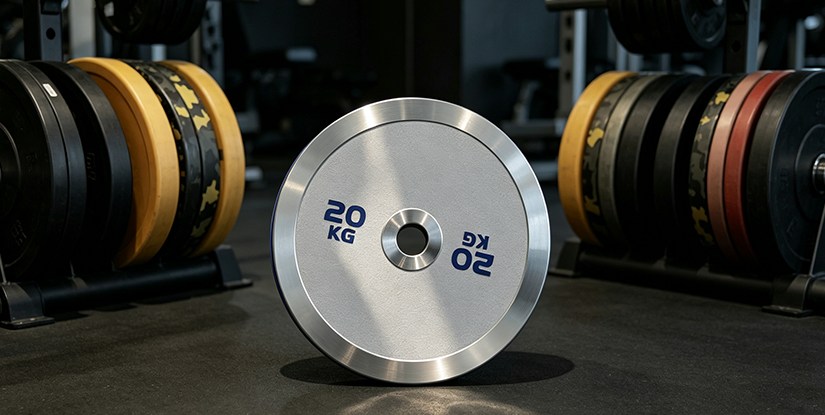
Establishing a distinct brand identity is a critical strategic move for distributors and gym equipment importers looking to differentiate themselves in a crowded market. By partnering with a professional weight disc private label manufacturer, businesses can transition from selling generic commodities to offering proprietary, high-value product lines. This process involves more than just adding a logo; it requires deep integration of your brand into the physical product through specialized OEM/ODM services provided by a specialized China factory.
The value of sourcing custom branded weight plates lies in the ability to control the aesthetic and functional specifications of your inventory. Whether you require specific color-coded PU coatings for high-end studio lines or precision-molded embossed logos for professional training plates, a dedicated commercial weight disc supplier ensures your design requirements are met during the casting and finishing stages. This level of customization allows distributors to command higher margins and build long-term brand loyalty among commercial end-users.
Effective design integration requires clear communication regarding MOQ and technical constraints. For instance, while simple paint-layer logos are cost-effective for high-volume wholesale orders, more complex branding—such as recessed embossing or multi-color polyurethane encapsulation—may impact production timelines and minimum order quantities. Professional manufacturers offer various levels of customization, from basic color changes to full structural design modifications, ensuring that your private label collection meets both your aesthetic standards and your specific sourcing budget.
Technical Comparison of Branding Methods and Surface Finishes
Selecting the correct branding method is a decisive factor in determining the total cost of ownership and the long-term maintenance requirements for your clients. When sourcing from a fitness equipment OEM manufacturer, buyers must evaluate whether the branding is superficial or structural. For high-traffic commercial facilities, the method of logo integration directly impacts the durability of the surface finish and the overall professional appearance of the equipment over time.
The following table outlines the common technical paths used to produce custom branded weight plates, categorized by their manufacturing complexity and commercial application. This comparison helps procurement leads align their product selection with their specific market positioning and budget constraints.
| Material & Branding Method | Primary Process | Logo Integration Type | Commercial Duty Tier | Typical Sourcing Context |
|---|---|---|---|---|
| Cast Iron with Paint | Sand Casting + Surface Painting | Stencil or Silk-screened Paint | Budget / Standard | High-volume wholesale distribution |
| Cast Iron with Powder Coating | Casting + Electrostatic Powder Coating | Embossed/Raised Metal Logo | Commercial / Professional | Standard OEM gym equipment lines |
| PU Coated (Polyurethane) | Casting + Injection Molding/Dip | Embedded/Integrated Branding | Premium / Boutique Studio | High-margin private label collections |
| Rubber Coated | Casting + Vulcanized Rubber Layer | Debossed/Recessed Logo | High-Durability Commercial | Heavy-duty lifting environments |
From a procurement efficiency standpoint, casting-based branding—where the logo is part of the mold itself—offers the highest durability for commercial use, as the branding cannot be scratched or worn away by heavy usage. Conversely, surface-level coatings like paint or thin powder coating are more cost-effective for rapid sourcing but may require more frequent replacement or maintenance in high-impact settings. A professional weight disc private label manufacturer will typically advise on these trade-offs during the sample approval stage to ensure your landed cost and product longevity are properly balanced.
Ensuring Branding Consistency and Export Quality Control
Maintaining brand integrity across large-scale shipments is a primary concern for international distributors. When ordering from a weight disc private label manufacturer, the risk of inconsistent logo adhesion or mismatched color profiles can lead to costly returns and damaged reputation. To mitigate these issues, a professional China factory implements a multi-stage quality control protocol specifically designed for branded components, ensuring that every unit in a bulk shipment meets your exact visual standards.
The technical verification process begins with checking the surface preparation before any coating application. For custom branded weight plates, we verify that the surface is free of casting defects or oil residues that could compromise logo adhesion. Whether your branding is a raised metal relief or a printed color code, the pre-shipment QC involves rigorous inspections of the coating thickness and the durability of the finish. This prevents common failure modes, such as paint chipping or color fading, which can diminish the perceived value of your premium product lines.
Beyond visual aesthetics, the technical inspection focuses heavily on weight tolerance and structural uniformity. A reliable commercial weight disc supplier conducts spot checks to ensure that the addition of branding elements—such as specialized PU coatings or recessed logos—does not deviate from the specified weight parameters. This precision is vital for maintaining the professional standards required by high-end fitness facilities. Finally, the process concludes with specialized export packaging. To protect your investment during long-distance sea freight, we utilize reinforced pallets and heavy-duty protective layers to prevent any impact-related damage to the branded surfaces, ensuring your products arrive in retail-ready condition.
China Factory Sourcing: MOQ, Lead Times, and Export Logistics
Managing a high-volume inventory requires a reliable weight disc private label manufacturer that understands the balance between production speed and landed cost. For distributors, the complexity of overseas sourcing extends beyond unit price; it involves navigating MOQ requirements, seasonal lead times, and the intricacies of export logistics to ensure a seamless supply chain.
When ordering wholesale, a China factory typically requires a minimum MOQ to justify the setup of custom branded weight plates or specialized powder coating lines. Failure to account for these thresholds or the standard 30–45 day lead times for large-scale OEM production can result in stockouts and lost distributor margin. Professional commercial weight disc supplier partners mitigate these risks by providing transparent production schedules and optimized container loading plans.
Efficient export logistics management is critical for maintaining a competitive distributor margin. A professional fitness equipment OEM manufacturer does more than just produce goods; they manage the transition from the factory floor to the port, ensuring that custom branded weight plates are palletized and secured for long-distance transit. By optimizing container utilization and coordinating with freight forwarders, importers can effectively lower the total landed cost per unit, directly impacting their bottom-line profitability.
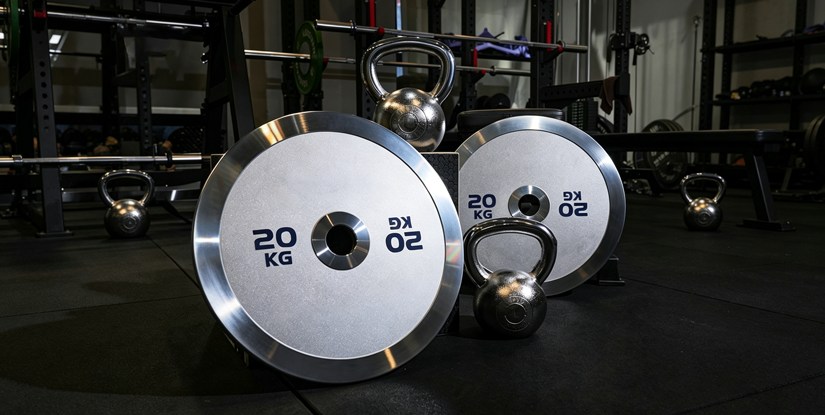
To maximize procurement efficiency, buyers must choose between immediate availability and long-term brand equity. While stock orders offer speed, investing in a weight disc private label manufacturer allows for complete control over the product's visual identity and market positioning.
Sourcing Models: Stock vs. Custom Branding
Selecting the right procurement path depends on your current inventory turnover and branding maturity. A standard commercial weight disc supplier may offer ready-to-ship inventory for rapid replenishment, whereas a fitness equipment OEM manufacturer provides the ability to create high-value, proprietary product lines.
| Sourcing Model | Branding Capability | Production Cycle | Primary Advantage | Typical MOQ Impact |
|---|---|---|---|---|
| Standard Wholesale | Generic or Existing Logo | Immediate / Short | Low Lead Time | Lower Thresholds |
| Custom Branded Weight Plates | Full Private Label | Extended (45+ Days) | High Brand Equity | Higher Thresholds |
| OEM Production | Custom Specs & Colors | Variable | Product Differentiation | Volume Dependent |
For distributors looking to scale, transitioning from generic wholesale purchases to custom branded weight plates is a strategic move to build a recognizable brand identity. While the lead time for a China factory to execute a custom powder coating or specialized casting run is longer, the ability to offer unique, proprietary specifications often justifies the wait through increased customer loyalty and higher perceived value in the commercial market.
Before finalizing your next bulk order, we recommend contacting our team to request a detailed spec sheet, confirm current MOQ tiers for your specific designs, or schedule a virtual factory audit to verify our production standards.
Ensuring Product Integrity via Pre-Shipment QC and Export Packaging
For international distributors, the risk of receiving damaged or non-compliant goods can quickly erode a narrow distributor margin. A professional weight disc private label manufacturer must implement rigorous pre-shipment QC protocols to ensure that every batch meets commercial-grade standards before leaving the factory. This includes precise weight tolerance spot-checks and testing for coating adhesion to prevent peeling or oxidation during transit.
Effective export packaging is just as vital as the production process itself. Because weight plates are high-density, heavy-duty items, they require specialized palletizing and reinforced corner protection to withstand the stresses of maritime shipping. A reliable commercial weight disc supplier ensures that custom branded weight plates are secured in moisture-resistant wrapping and robust crates, preventing rust and structural damage. This attention to shipping safety and container loading efficiency is a hallmark of a high-tier fitness equipment OEM manufacturer, ultimately reducing return rates and stabilizing your total landed cost for bulk wholesale orders.
Pre-Shipment Quality Control and Inspection Protocols
For professional importers and distributors, the final stage of the procurement cycle is the most critical for protecting profit margins and reducing after-sales returns. Relying on a professional weight disc private label manufacturer ensures that every batch meets the rigorous standards required for commercial gym environments. Without a structured pre-shipment inspection, buyers risk receiving shipments with inconsistent weight profiles or surface irregularities that damage brand reputation.
A reliable commercial weight disc supplier implements a multi-stage verification process within the China factory to catch defects before they reach the container. This protocol moves beyond simple visual checks, focusing on the technical integrity of the product to ensure long-term durability and client satisfaction.
Standard Inspection Checklist for Commercial Plates
Quality control must address both the structural composition and the aesthetic finish of the equipment. A standard inspection focuses on three primary areas: weight accuracy, surface integrity, and casting precision. These factors directly impact the landed cost and the long-term maintenance load for the end-user.
- Weight Tolerance Verification: Random sampling from the production batch to ensure the weight deviation stays within industry-standard commercial limits.
- Surface Finish and Coating Adhesion: Inspecting the powder coating or rubber layer for bubbles, peeling, or uneven thickness that could lead to premature wear.
- Casting and Dimensional Integrity: Checking for casting defects such as air pockets, cracks, or uneven edges that could affect the concentricity of the plate.
- Logo and Branding Clarity: Verifying that the custom branded weight plates reflect the exact specifications of the OEM design, ensuring the client's brand identity is perfectly executed.
By establishing these strict QC protocols, a fitness equipment OEM manufacturer provides the transparency necessary for high-volume wholesale sourcing. We recommend that buyers schedule a formal inspection or request a sample approval report to confirm that the factory output aligns with their specific commercial-grade requirements before final export loading.
Technical Inspection Matrix for Bulk Procurement
To mitigate logistics risk and ensure consistent product performance, professional procurement managers should evaluate a weight disc private label manufacturer based on their ability to execute detailed technical checks. A high-tier weight disc private label manufacturer does not merely count units; they verify the technical specifications that define premium commercial-grade equipment.
The following table outlines the critical inspection points used during the pre-shipment inspection process. This matrix is designed to help distributors and importers differentiate between standard production and high-standard custom branded weight plates suitable for global export.
| Inspection Category | Technical Focus Area | Commercial Duty Standard | Impact on Sourcing | Primary QC Point |
|---|---|---|---|---|
| Weight Calibration | Mass consistency and concentricity | Standardized commercial deviation | Protects distributor margins | Randomized scale sampling |
| Surface Integrity | Coating adhesion and texture | Durable powder coating or rubber | Reduces after-sales returns | Peel and scratch resistance |
| Dimensional Accuracy | Inner diameter and edge profile | Precise fit for barbell sleeves | Prevents mechanical wear | Diameter and thickness check |
| Branding Execution | Logo depth and placement | High-definition branding | Maintains brand identity | Casting or print clarity |
| Export Packaging | Structural integrity of crates | Reinforced pallet/carton protection | Minimizes transit damage | Stacking strength and moisture seal |
When sourcing via wholesale channels, we advise all buyers to confirm the specific OEM testing protocols for their unique product specifications. Whether you are ordering cast iron or urethane-coated plates, requesting a detailed inspection report or a third-party audit of the China factory is a standard best practice to ensure your landed cost remains optimized and your product quality remains world-class.
Final Export Readiness and Container Loading Protocols
The final stage of the procurement cycle determines whether your bulk order arrives as a profitable asset or a logistics liability. For a professional weight disc private label manufacturer, the responsibility extends beyond the casting floor to the highly technical requirements of global logistics. Efficient export packaging and professional palletization are essential to prevent damage during long-haul maritime transit, ensuring that your custom branded weight plates reach your warehouse in pristine, retail-ready condition.
A sophisticated fitness equipment OEM manufacturer prioritizes container loading supervision to maximize space efficiency and protect the shipment's structural integrity. This includes using reinforced corner protectors, heavy-duty pallets, and moisture-resistant wraps to safeguard the weight plates from sea-air humidity. By optimizing the loading density, we help distributors manage their landed cost more effectively, ensuring that every cubic meter of the shipping container provides maximum value for your investment.
To ensure seamless distribution, we recommend that all buyers confirm the specific export packaging standards and pallet dimensions during the initial sourcing phase. Whether you require standard industrial crates or custom-sized branded boxes, aligning these details with your warehouse handling capabilities and the expected lead time will significantly reduce friction in your supply chain. We invite you to request a detailed packaging specification sheet or a formal quote to finalize your procurement plan.