Olympic Plate OEM Manufacturer: Global Export from China
The Strategic Value of an Olympic Plate OEM Manufacturer
For large-scale fitness distributors and international gym chains, the decision to source from a professional olympic plate OEM manufacturer is driven by more than just initial unit costs. While a boutique studio might prioritize immediate availability, high-volume importers must calculate the Total Cost of Ownership (TCO) across a five-to-ten-year lifecycle. Choosing a reliable commercial weight plate manufacturer ensures that your inventory maintains structural integrity under heavy usage, significantly reducing the frequency of replacement cycles and long-term maintenance overhead.
A low-quality wholesale olympic plates order may offer a lower landed cost initially, but the hidden expenses of premature oxidation, uneven weight distribution, or coating failure can erode distributor margins. By partnering with a specialized China factory, buyers can secure custom branded weight plates that utilize industrial-grade materials and standardized manufacturing processes, ensuring a higher Return on Investment (ROI) through extended product longevity and reduced warranty claims.
Evaluating TCO: Stock Units vs. Custom Branded Solutions
Procurement professionals must distinguish between the immediate purchase price and the long-term operational expenditure. When sourcing for high-traffic commercial facilities, the durability of the material and the precision of the manufacturing process directly impact the replacement frequency. A high-quality olympic plate OEM manufacturer provides products designed for the rigors of professional strength training, whereas low-tier stock options often lead to higher maintenance costs and diminished brand reputation for the distributor.
| Evaluation Metric | Standard Stock Plates | Premium OEM/Custom Solutions |
|---|---|---|
| Primary Material | Basic Cast Iron | High-Grade Gray Iron or Steel |
| Surface Finish | Basic Paint or Bare Iron | Industrial Powder Coating or PU |
| Weight Consistency | Variable/High Tolerance | Standardized Calibration |
| Commercial Duty | Light/Home Use | High-Volume Commercial/Competition |
| Branding Capability | Generic/No Identity | Full Private Label/Customization |
| Long-term ROI | Low (High Replacement Rate) | High (Extended Product Lifespan) |
Understanding these variables allows distributors to better manage their sourcing strategy. While the initial wholesale price for generic units might appear attractive, the landed cost of a high-performance product is often lower when factoring in the reduced need for after-sales support and the ability to offer a premium, branded experience to end-users. To optimize your procurement efficiency, we recommend requesting a detailed specification sheet or a sample evaluation to confirm that the material and finish meet your specific commercial requirements.
Material Specifications and Manufacturing Processes for Commercial Plates
Selecting a reliable olympic plate OEM manufacturer requires a deep understanding of how material integrity affects long-term durability and total cost of ownership. For professional distributors and gym equipment importers, the choice between different casting methods and surface treatments directly impacts replacement rates and client satisfaction. High-quality wholesale olympic plates must withstand high-volume usage in commercial environments without structural failure or rapid surface degradation.
Most high-volume China factory production lines focus on two primary material paths: traditional cast iron for standard commercial use and specialized steel or urethane-encapsulated options for premium facilities. Understanding these manufacturing routes allows procurement leads to better manage their landed cost and product tiering strategies.
Material and Construction Comparison
| Material Type | Primary Process | Key Component/Feature | Commercial Duty Tier | Procurement Advantage |
|---|---|---|---|---|
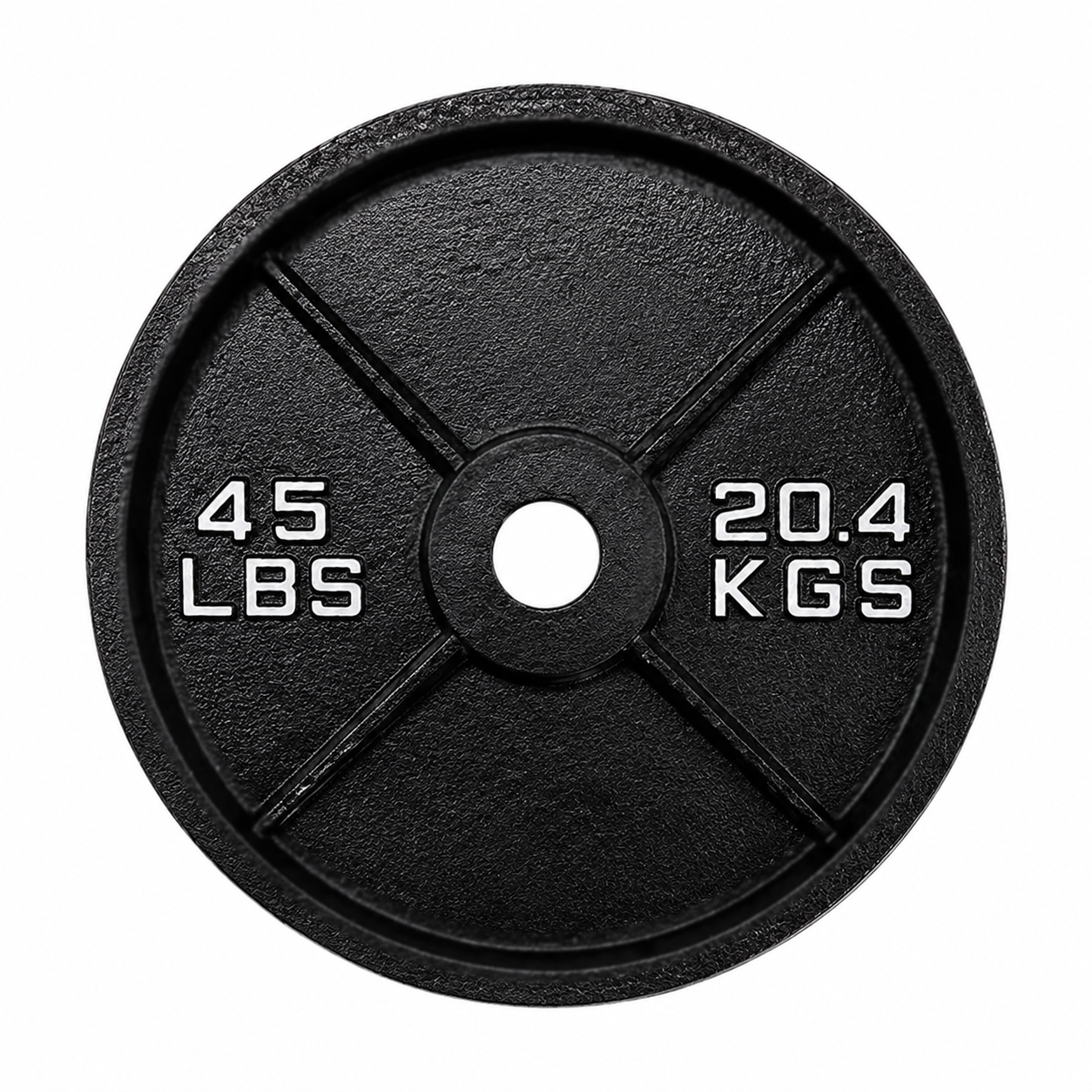
| Cast Iron | Sand Casting | Standard Center Hole | Budget / Standard | Lowest unit cost for high-volume wholesale |
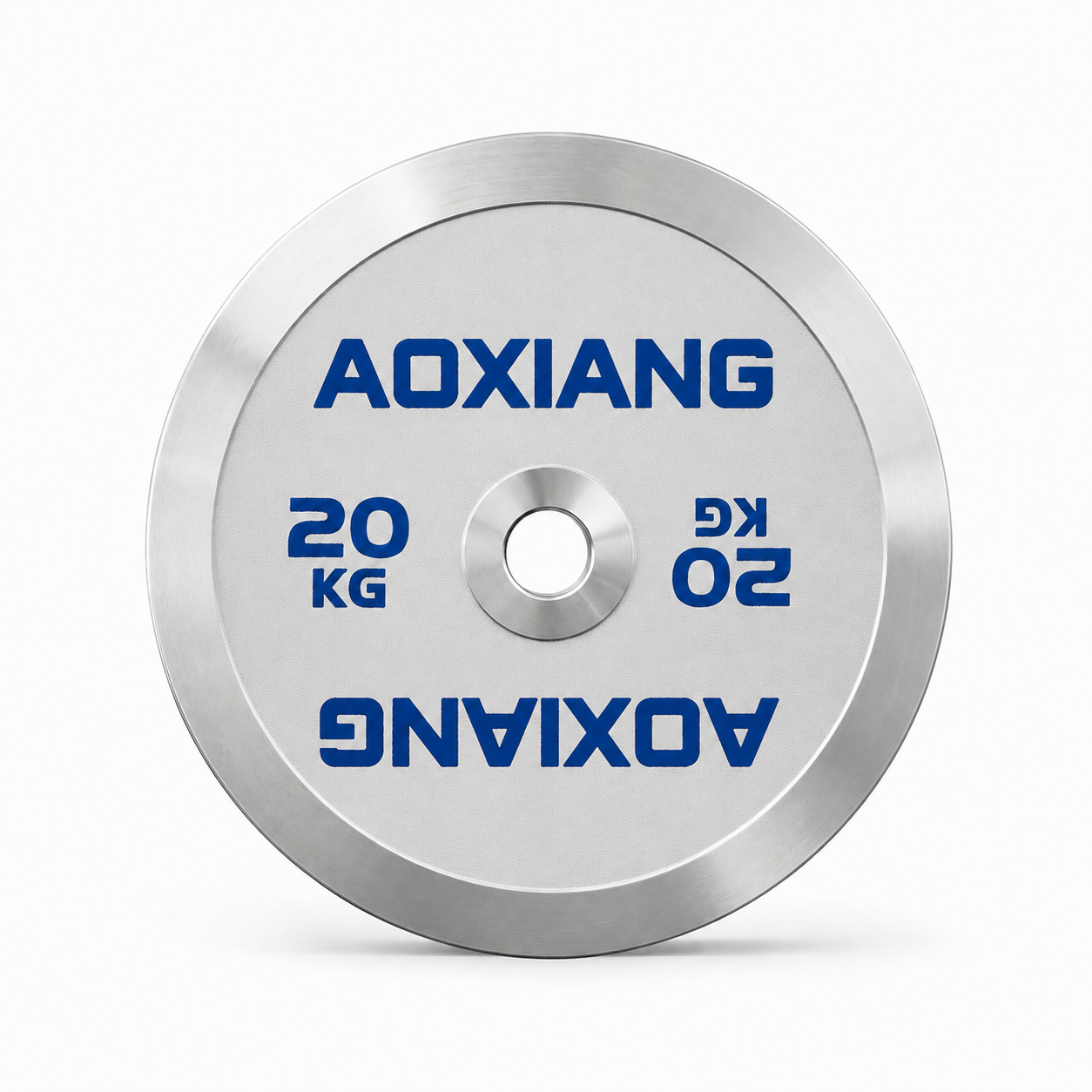
| Steel (Competition) | CNC Machining | Precision Inner Ring | Premium / Professional | Higher durability for high-impact use |
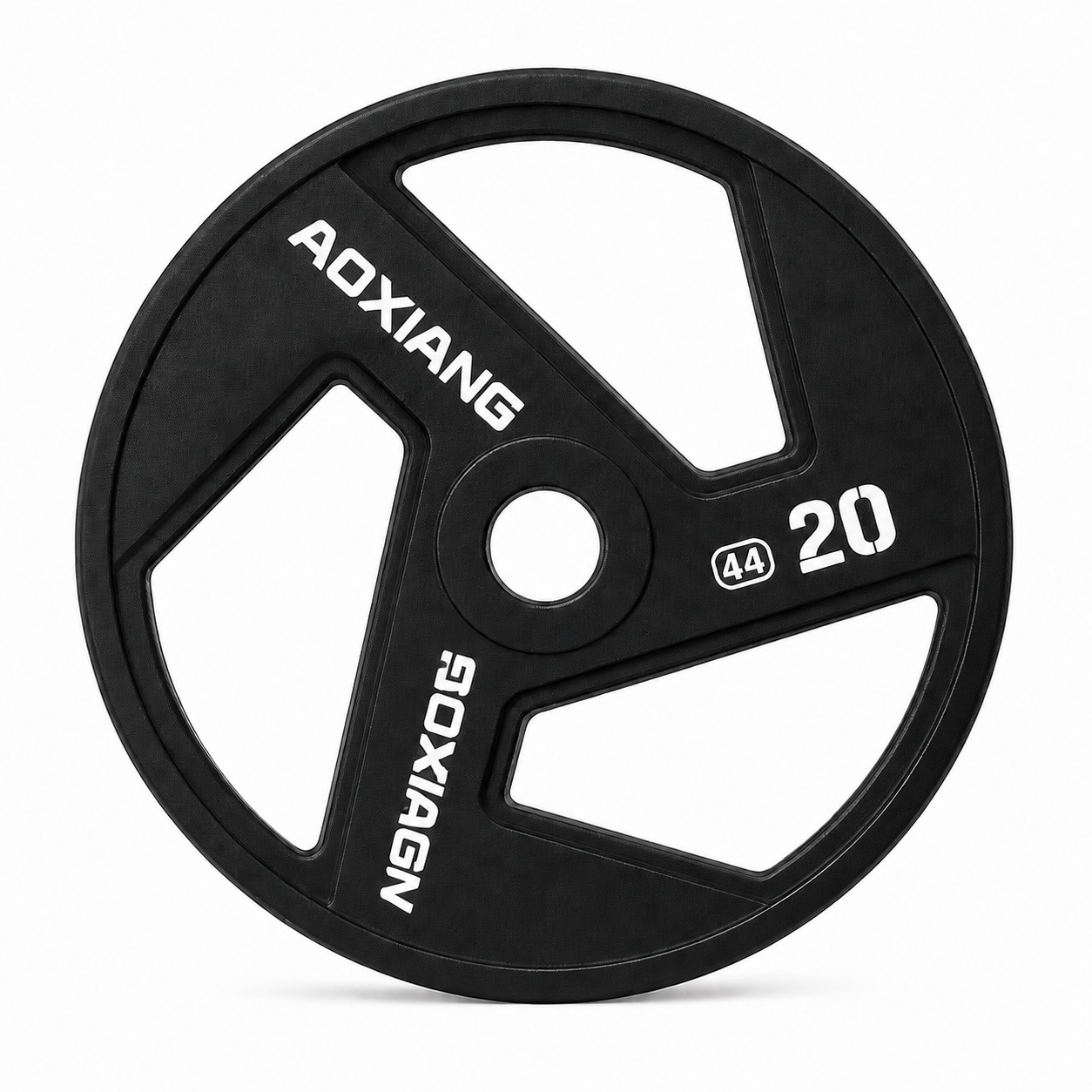
| Rubber/PU Coated | Molding / Dip | Protective Outer Layer | High-End Commercial | Reduced floor impact and noise levels |
The manufacturing workflow for custom branded weight plates typically follows a rigorous sequence to ensure consistency. It begins with sand casting to create the base shape, followed by CNC machining to ensure the center hole meets industry-standard concentricity. After the structural form is finalized, the plates undergo weight calibration to ensure each unit remains within acceptable commercial tolerances. Finally, the surface treatment—whether it is a phosphate treatment, powder coating, or rubber encapsulation—is applied to prevent oxidation and enhance the aesthetic of the custom branded weight plates. This systematic approach to quality control (QC) ensures that every batch delivered to a commercial weight plate manufacturer meets the expectations of professional strength facilities.
The structural integrity of a weight plate is determined by the quality of the initial casting and the precision of the subsequent machining steps. For a professional commercial weight plate manufacturer, the goal is to minimize warping and ensure concentricity across the entire production run. A common failure mode in lower-tier sourcing is uneven weight distribution caused by improper sand casting or inadequate weight calibration, which can lead to uneven loading on high-end barbell sleeves. To mitigate this, reputable production facilities implement a multi-stage process that includes precision machining of the inner ring to ensure a smooth, consistent fit for standard Olympic bars.
Beyond the core material, the surface finish plays a critical role in the long-term maintenance load of a commercial facility. While bare iron or phosphate-treated plates are cost-effective for high-volume wholesale orders, they require more frequent inspection for oxidation. In contrast, premium options utilizing a powder coating or polyurethane (PU) encapsulation offer superior resistance to environmental wear and significantly reduce noise during high-impact training. When evaluating your next batch, consider how the coating adhesion and the thickness of the outer layer will impact the long-term replacement planning and the overall durability of your inventory.
Before finalizing a bulk order, we recommend requesting a detailed specification sheet or a sample for physical evaluation. This allows you to verify the finish quality, the precision of the center hole, and the consistency of the weight marking. Whether you are looking for a standard cast iron solution or high-end custom branded weight plates, confirming these technical details during the initial inquiry will help ensure the final product aligns with your brand identity and the specific demands of your target market.
For international distributors, the true value of an olympic plate OEM manufacturer is found in the final inspection and export readiness. A common risk in bulk sourcing is receiving a shipment with inconsistent weight distribution or surface defects that increase the total cost of ownership for your clients. To prevent these issues, a professional China factory must implement a rigorous pre-shipment inspection protocol that focuses on both mechanical precision and aesthetic consistency.
The final production stages are critical for ensuring the product meets global commercial standards. After the initial casting and weight calibration, each unit undergoes a thorough concentricity check to ensure the center hole is perfectly aligned, preventing any wobbling or uneven wear on barbell sleeves. Following this, the surface treatment—such as high-durability powder coating—is inspected for adhesion and uniformity. This ensures that your custom branded weight plates maintain a premium look and feel even after heavy use in high-traffic training environments.
Beyond product specs, the logistics of international trade require specialized export packaging to protect your margins. Because weight plates are high-density, heavy-duty items, improper packing can lead to transit damage or increased shipping complications. A reliable commercial weight plate manufacturer utilizes reinforced crates or heavy-duty pallets and secure shrink-wrapping to stabilize the load. This level of attention to detail ensures that the landed cost remains predictable and that the product arrives in a condition that reflects the high standards of your brand.
When managing large-scale procurement, we recommend a phased approach to quality assurance. This includes requesting a sample approval for the weight tolerance and the branding/logo execution before full-scale production begins. Once the samples meet your requirements, you can proceed with a formal bulk order, ensuring that the final shipment aligns with your specific MOQ and lead time expectations. For more detailed logistics planning or to discuss custom branding requirements, please contact us to request a formal quote or a detailed technical specification sheet.
Custom Branded Weight Plates: Design and Branding Options
For distributors and gym owners, the ability to provide custom branded weight plates is a critical factor in building brand equity and professional identity. When sourcing from a professional olympic plate OEM manufacturer, the choice between various branding methods directly impacts both the visual premiumness and the long-term durability of the product in high-traffic environments.
Engineering precision is essential during the branding phase to ensure that logos do not degrade under heavy usage or chemical cleaning. A professional China factory typically offers two primary methods for brand integration: physical casting and surface printing. Casting the logo directly into the mold during the sand casting or centrifugal casting process ensures a permanent, high-relief mark that is structurally part of the plate. This is the industry standard for high-end commercial weight plate manufacturer orders where longevity is a priority. Conversely, silk-screen printing or laser etching offers high-detail visual clarity for more complex designs but may require more frequent replacement or specialized coatings to prevent wear.
Effective wholesale procurement requires a clear understanding of how these branding choices affect the final landed cost and the quality control process. For example, integrated casting increases initial mold costs but reduces long-term maintenance issues, whereas printing is more cost-effective for smaller MOQ runs but requires strict adhesion testing to ensure the graphics do not peel during heavy use.
Technical Comparison of Surface Finishes and Branding Durability
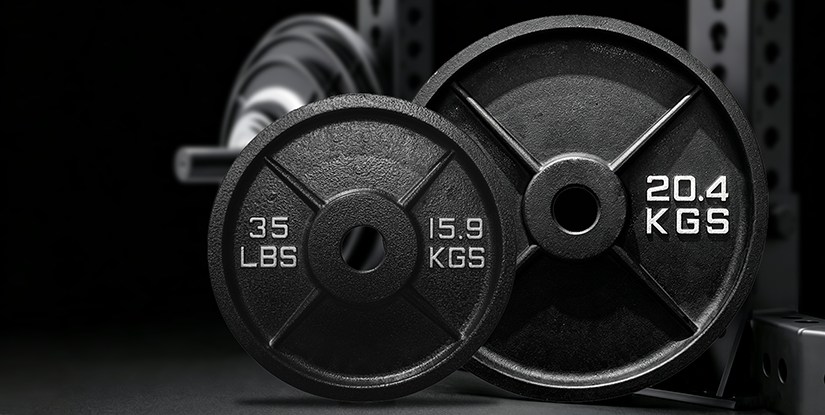
When managing a large-scale procurement project, selecting the appropriate surface finish is a strategic decision that affects the total cost of ownership (TCO). A professional olympic plate OEM manufacturer must provide options that balance aesthetic appeal with the rigorous demands of commercial fitness facilities. The following comparison outlines how different coating technologies impact maintenance requirements and product lifespan for wholesale olympic plates.
| Material & Finish Type | Primary Process | Key Component Detail | Commercial Duty Tier | MOQ Impact | Factory QC Point |
|---|---|---|---|---|---|
| Cast Iron with Powder Coating | Sand Casting & Powder Line | High-relief embossed logo | Standard Commercial | Low | Coating adhesion & flatness |
| Rubber Coated Bumper | Injection Molding or Dip | Integrated steel center hub | Premium/High-Impact | Medium | Encapsulation seamlessness |
| PU Coated (Polyurethane) | Multi-layer Spray/Dip | Smooth high-gloss surface | Premium/Studio | High | Surface smoothness & color consistency |
| Painted/Enamel Finish | Machining & Spray | Etched or silk-screened graphics | Budget/Entry Commercial | Low | Paint chip resistance |
For distributors seeking to maximize margins, the choice between a rugged powder-coated finish and a high-end PU coating often depends on the target facility type. While powder coating provides excellent protection against oxidation and impact, PU coating offers a more refined, premium feel often required for boutique studios. When evaluating your next batch, consider that specialized coatings like rubber or polyurethane may increase the initial wholesale unit price but significantly reduce the long-term maintenance load and replacement frequency in high-volume environments. We recommend requesting a sample evaluation or a detailed spec sheet to confirm how each finish meets your specific durability standards before finalizing your bulk order.
Optimizing Procurement with a Commercial Weight Plate Manufacturer
For global distributors and gym equipment importers, the primary challenge lies in balancing high-quality standards with competitive landed costs. Partnering with a professional olympic plate OEM manufacturer allows you to bypass the inefficiencies of middleman markups and gain direct access to factory-level pricing. By controlling the production chain through a reliable commercial weight plate manufacturer, you can secure consistent weight tolerances and material durability that protect your reputation in the professional fitness market.
Establishing a strong brand identity requires more than just high-quality products; it requires a scalable supply chain. When you source custom branded weight plates directly from a China factory, you gain the ability to integrate your own logos and specialized color-coding systems into the manufacturing process. This level of customization, combined with optimized MOQ structures, enables distributors to build premium, proprietary product lines that drive higher distributor margin and long-term customer loyalty.
| Sourcing Model | Customization Level | Typical MOQ | Lead Time | Landed Cost Impact | Profit Margin Potential |
|---|---|---|---|---|---|
| Stock Wholesale | Low (Standard colors/logos) | Low to Moderate | Short (Ready to ship) | Lower (Includes trader markup) | Standard/Stable |
| OEM/ODM Production | High (Custom branding/specs) | High | Moderate to Long | Optimized (Direct from factory) | Premium/Scalable |
| White Label/Private Label | Full (Custom colors/packaging) | Very High | Long (Production cycle) | Lowest (Bulk scale efficiency) | Highest (Proprietary Value) |
Selecting the right sourcing strategy is essential for long-term scalability. While purchasing wholesale olympic plates from a trading company offers speed for small-scale orders, it often limits your ability to differentiate your product line. For distributors looking to maximize their distributor margin, engaging directly with an olympic plate OEM manufacturer provides the necessary leverage to control product specifications and reduce the total landed cost through bulk efficiency and direct factory-to-port logistics.
When evaluating your next procurement cycle, consider whether your business model prioritizes immediate availability or long-term brand equity. A professional supplier can assist in calculating the trade-offs between a lower MOQ for testing a new market versus the high-volume benefits of a full production run. We recommend requesting a detailed spec sheet and a formal quote to confirm how specific customization requests may impact your current lead time and shipping schedules.
To ensure long-term reliability, we recommend that professional buyers conduct a thorough evaluation of a potential partner's logistical capabilities. A reputable olympic plate OEM manufacturer should provide transparent documentation regarding their export packaging standards and pre-shipment inspection protocols. For high-volume wholesale olympic plates, utilizing reinforced, moisture-resistant packaging is essential to prevent damage or corrosion during sea freight, ensuring the product arrives at your warehouse in peak condition.
Before finalizing a large-scale bulk order, we advise distributors to request a sample approval process and a detailed factory audit report. This allows you to verify the consistency of the weight calibration and the quality of the surface finish—whether it be a standard powder coating or a specialized rubberized layer—before committing to a full production run. Contact our team today to request a formal quote, confirm your specific MOQ, and discuss how our OEM and ODM capabilities can support your brand's growth in the global commercial fitness market.
China Factory QC and Export Packaging Standards
Maintaining high margins as a distributor requires minimizing the landed cost of damaged or inaccurate inventory. A professional olympic plate OEM manufacturer must implement rigorous QC protocols to ensure every unit meets weight tolerance expectations before leaving the factory. For B2B importers, the risk of receiving uneven or poorly finished plates can lead to costly returns and lost client trust.
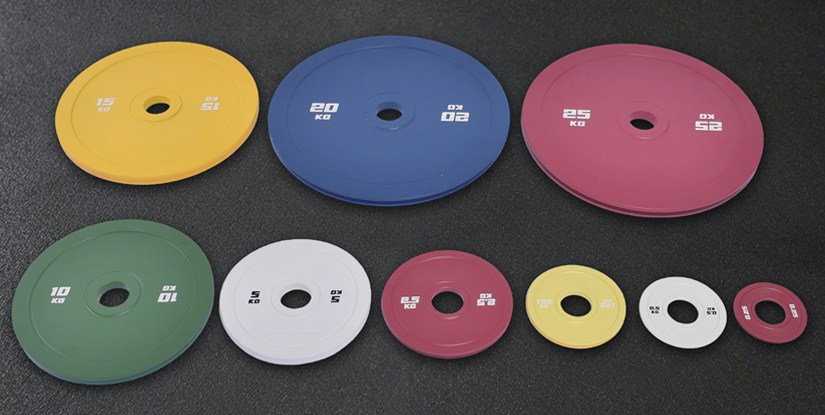
To prevent damage during long-haul sea freight, a reliable commercial weight plate manufacturer utilizes specialized export packaging strategies. This includes heavy-duty corrugated boxes, reinforced palletizing, and protective corner guards to ensure sea freight protection. Standardized damage prevention measures are essential for maintaining bulk order reliability, ensuring that custom branded weight plates arrive at your warehouse in pristine, saleable condition.
Optimizing Shipping Durability and Container Loading Efficiency
Effective logistics management is a critical component of the total landed cost for any international distributor. When sourcing wholesale olympic plates, the method of palletizing and the choice of protective materials directly impact your warehouse receiving efficiency and product integrity. High-volume importers must evaluate how different plate types—such as cast iron versus high-density bumper plates—require distinct handling to maintain optimal container loading efficiency during sea freight.
| Plate Material Type | Typical Packaging Method | Moisture Protection | Shipping Durability | Distributor Value Focus |
|---|---|---|---|---|
| Cast Iron Plates | Heavy-duty reinforced pallets | Standard moisture barrier | High impact resistance | Maximum density for volume |
| Rubber/PU Bumper Plates | Customized cardboard dividers | Enhanced anti-corrosion film | High surface protection | Reduced floor impact noise |
| Custom Branded Weight Plates | Branded outer sleeves | Full shrink wrap protection | High aesthetic preservation | Premium brand identity |
For professional buyers, selecting an olympic plate OEM manufacturer that prioritizes robust sea freight protection is non-negotiable. A seasoned China factory will utilize reinforced palletizing and moisture-resistant layers to prevent oxidation of the metal hubs. We recommend confirming specific packaging requirements during the initial quote phase to ensure your custom branded weight plates are optimized for both space-saving and long-term durability upon arrival at your facility.
Pre-Shipment Inspection and Quality Assurance Protocols
Before a bulk order is cleared for export, a professional olympic plate OEM manufacturer must conduct a multi-stage pre-shipment inspection. For distributors, this process is the final safeguard for profit margins. We focus on three critical technical benchmarks: weight calibration to ensure accuracy, surface finish checks to prevent oxidation or coating defects, and pallet stability testing to withstand rigorous sea freight movements. A systematic final audit prevents the high cost of shipping defective inventory, ensuring that your custom branded weight plates meet the exact specifications promised during the sourcing phase.
By verifying these technical details at the factory level, we reduce the risk of unexpected landed costs or customer returns. Whether you are ordering high-density cast iron or premium PU-coated units, our wholesale quality control ensures that every batch is consistent. We advise partners to request a detailed inspection report or schedule a remote factory audit to confirm that all MOQ requirements and technical tolerances align with your brand standards before the final container is sealed.
Sourcing Logistics and Bulk Order Execution
Managing the international supply chain for heavy lifting equipment requires precise coordination between production cycles and freight logistics. When sourcing from a professional olympic plate OEM manufacturer, distributors must account for the high density and weight-to-volume ratio of the cargo, which directly impacts the total landed cost. Effective procurement involves balancing wholesale olympic plates orders with optimized container loading strategies to maximize shipping efficiency.
A typical procurement workflow begins with confirming the MOQ and technical specifications, followed by a production phase that includes casting, machining, and surface coating. Once the China factory completes the pre-shipment QC and weight calibration, the goods enter the export phase. Depending on your inventory needs and budget, you may select between different shipping methods (sea/air). For large-scale distribution, sea freight remains the industry standard for cost-effective sourcing, though it requires advanced planning for customs clearance and port arrival. To ensure a predictable lead time and maintain healthy distributor margins, we recommend a thorough evaluation of the landed cost—including freight, duties, and local handling—before finalizing your custom branded weight plates order.
Evaluating Sourcing Models for Maximum Distributor Margin
Distributors must choose a procurement model that aligns with their capital availability and brand ambitions. Selecting a direct olympic plate OEM manufacturer offers the highest potential for long-term profitability, whereas trading companies may offer lower entry barriers but limited customization. The following comparison outlines the structural differences in supply chain control and profit potential across different sourcing tiers.
| Sourcing Model | Primary Advantage | Customization Capability | Typical MOQ | Logistics Control | Profit Margin Potential |
|---|---|---|---|---|---|
| Factory-Direct OEM | Lowest unit cost | High (Private Label/Logo) | Higher/Volume-based | Full control over loading | Highest |
| Professional commercial weight plate manufacturer | Consistent quality | Medium (Standard Colors) | Flexible/Tiered | Standardized Export | Stable/High |
| Trading Company | Low initial capital | Low (Stock Only) | Low/Small Batches | Limited/Third-party | Moderate/Low |
When evaluating custom branded weight plates, the choice of a direct supplier significantly affects your ability to build a unique brand identity in the North American market. While a trading company might simplify the initial sourcing process for small studio orders, working directly with a factory ensures you can implement specific weight tolerances, specialized coatings, or custom logo embossing. To optimize your ROI, we suggest requesting a detailed spec sheet and a formal quote that includes the total landed cost and estimated lead time for your specific volume requirements.
Pre-Shipment Inspection and Export Packaging Standards
For high-volume importers, the greatest risk to the landed cost is not the unit price, but the arrival of damaged or off-spec inventory. Relying on a professional olympic plate OEM manufacturer means ensuring that rigorous quality control protocols are strictly followed before the container is sealed. A single batch of plates with poor coating adhesion or inconsistent weight tolerances can erode distributor margins and damage your brand reputation in the commercial market.
To mitigate these risks, a standardized pre-shipment inspection must focus on several critical technical checkpoints. First, the weight tolerance must be verified against the agreed-upon specification to ensure consistency across the entire batch. Second, the coating adhesion—whether it is a powder coating or a rubberized finish—must be inspected for any peeling or unevenness that could indicate a failure in the surface finishing process. Finally, container loading supervision is essential to ensure that the heavy, dense cargo is stacked securely. Proper export packaging, often involving heavy-duty pallets and reinforced corner protection, is mandatory to prevent structural damage or surface scuffing during long-distance sea freight transit. By verifying these technical details at the factory level, buyers can ensure that their bulk order arrives in commercial-ready condition.