Bumper Plate Commercial Supplier: Coating and Material
Bumper Plate Commercial Supplier Selection Criteria
High-traffic environments, such as large-scale fitness franchises or multi-unit hotel gyms, demand equipment that survives constant high-velocity drops and heavy throughput. For these professional settings, selecting a reliable bumper plate commercial supplier is a strategic decision centered on minimizing replacement frequency and protecting facility flooring. When managing a large-scale commercial gym deployment, the focus shifts from individual unit aesthetics to the long-term TCO (Total Cost of Ownership) and the structural integrity of the materials used.
A qualified rubber bumper plate manufacturer must provide more than just weight; they must offer consistency in density and surface resilience. In professional commercial gym equipment sourcing, the goal is to secure units that maintain their shape and internal bond under heavy use. Choosing a wholesale partner that understands the distinction between standard rubber and high-density urethane ensures that your facility avoids the premature cracking or de-lamination often seen in lower-tier products.
Material and Coating Comparison for Professional Deployment
The choice between rubber and urethane significantly affects the lifespan of your inventory and the maintenance load on your facility. While standard rubber is a common option for budget-conscious gym setups, high-performance urethane is often preferred for premium facilities due to its superior impact resistance and density. A professional bumper plate commercial supplier will typically offer a tiered selection to help you balance initial procurement costs against long-term durability requirements.
When conducting wholesale bumper plates procurement, it is essential to evaluate how the coating adheres to the internal core. Poor coating adhesion in low-grade units can lead to surface peeling or edge degradation during high-velocity drops. To assist in your technical evaluation, the following table outlines the standard material tiers used in the industry.
| Material Type | Manufacturing Process | Key Component/Feature | Commercial Duty Tier | MOQ Impact | Factory QC Point |
|---|---|---|---|---|---|
| Standard Rubber | Compression Molding | Impact-absorbing core | Budget / Entry-level | Lower | Surface uniformity |
| High-Density Rubber | Injection Molding | Reinforced edge profile | Standard Commercial | Medium | Coating adhesion |
| Polyurethane (Urethane) | Advanced Casting/Molding | High-density polymer shell | Premium / Professional | Higher | Internal bond integrity |
Technical Inspection and Sourcing Standards
To ensure the highest quality for your bulk orders, we recommend performing a detailed review of the production sequence at the factory. A standard industrial workflow should progress from high-precision casting to weight calibration and, finally, a rigorous pre-shipment inspection. For distributors and large-scale importers, verifying these steps is vital to avoiding the landed cost of defective or imbalanced units.
During the QC process, specialized attention should be paid to the concentricity of the center bore and the seamless integration of the outer coating. When managing commercial gym equipment sourcing, requesting a sample for a weight tolerance spot-check or a physical impact test can prevent costly replacement cycles. Whether you are looking for a standard stock order or a custom OEM solution, ensuring the manufacturer adheres to these industrial-standard calibration steps will protect your long-term ROI.
Logistics and Supply Chain Management for Bulk Procurement
Efficient commercial gym equipment sourcing requires a deep understanding of how production cycles impact your inventory turnover. For professional buyers, the relationship between a China factory and the final delivery date is governed by the complexity of the material and the specific production line used. High-density materials, such as urethane, often require longer molding cycles compared to standard rubber, which must be factored into your initial lead time projections to avoid delays in facility openings or seasonal expansions.
To optimize your landed cost optimization, it is critical to align your order volume with the appropriate MOQ and packaging requirements. A professional bumper plate commercial supplier will offer tiered wholesale pricing and specialized export packaging designed to withstand long-distance maritime transit. This includes reinforced corner protection and heavy-duty crating to prevent edge deformation during container loading. We recommend confirming all export packaging specifications during the initial quote phase to ensure your shipment arrives in a condition ready for immediate deployment.
Before finalizing any bulk shipment, a rigorous pre-shipment inspection is the most effective way to mitigate risk. This process should include a physical spot-check of weight tolerance and a visual inspection of the coating integrity across the entire batch. Whether you are pursuing a standard product line or a customized ODM project, establishing these quality checkpoints ensures that your distributor margins are protected from the costs of returns or client dissatisfaction.
{ "json": , "faq": "Which material offers the best durability for high-traffic gyms?===For high-volume commercial environments, high-density rubber or polyurethane (PU) coatings over a stable core are typically preferred to maximize TCO and reduce floor impact.===How can I ensure coating quality when sourcing from a China factory?===When conducting a factory audit or pre-shipment inspection, buyers should check for coating adhesion, surface uniformity, and the absence of air bubbles or peeling under standard stress conditions.===Does the supplier offer customization for private label orders?===Yes, many professional manufacturers provide OEM and ODM services, allowing for custom branding and specific material configurations based on your MOQ requirements.", "origin": "Bumper Plate Commercial Supplier Section", "content": "Material Composition and Surface Coating Standards
Selecting a reliable bumper plate commercial supplier requires a deep understanding of how core materials and outer layers influence long-term durability. For professional gym deployments, the quality of the material directly impacts the total cost of ownership (TCO) and maintenance frequency. When managing commercial gym equipment sourcing, buyers must evaluate whether the unit utilizes a high-density rubber or a specialized polyurethane (PU) coating to ensure consistent performance under heavy use.
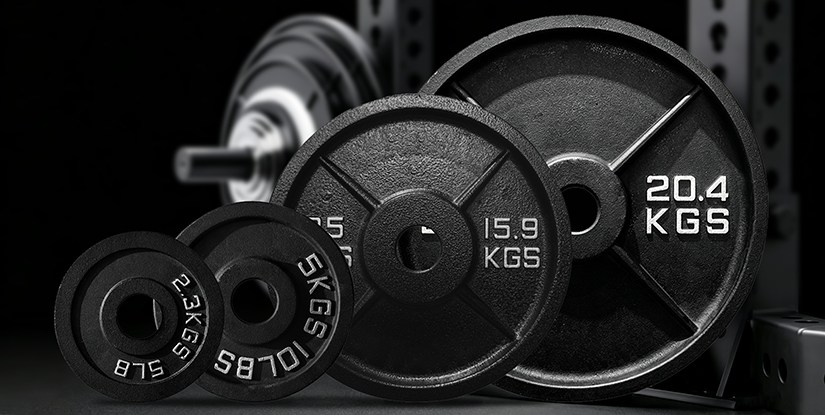
In many commercial settings, the internal structure is a cast iron core or a high-density composite, which is then encased in a protective layer. A premium rubber bumper plate manufacturer will prioritize a seamless bond between the core and the outer shell to prevent delamination. This structural integrity is vital for distributors looking to provide high-end equipment that survives rigorous daily drops in high-traffic training facilities.
Engineering Tiers and Material Specifications
Standardizing your inventory is easier when you understand the qualitative differences between production tiers. Most wholesale bumper plates fall into three distinct categories based on their manufacturing complexity and intended environment.
| Material Tier | Core Construction | Surface Coating | Commercial Duty | MOQ Impact | Factory QC Point |
|---|---|---|---|---|---|
| Budget Commercial | Cast Iron or Composite | Standard Rubber | Light to Medium Use | Lower | Surface Uniformity |
| Professional Grade | High-Density Rubber | Reinforced Rubber | High-Volume Training | Medium | Bond Line Adhesion |
| Premium/Competition | Precision Steel/Composite | Polyurethane (PU) | Elite/Professional Use | Higher | Concentricity & Weight Tolerance |
When evaluating a supplier, it is essential to confirm if the China factory utilizes a multi-step process such as casting, followed by precision machining and then the application of the coating. High-quality PU coatings offer superior color retention and impact resistance compared to basic rubber, making them a better long-term investment for premium studio operators. Before finalizing a bulk order, we recommend requesting a sample to verify the coating's tactile feel and the weight calibration accuracy to ensure it meets your brand standards.
" } json { "title": "Bumper Plate Commercial Supplier: Coating and Material", "seo_description": "Identify high-performance materials and coating standards when sourcing from a bumper plate commercial supplier. Optimize durability and TCO for gym deployments", "seo_keywords": "bumper plate commercial supplier, wholesale bumper plates, commercial gym equipment sourcing, rubber bumper plate manufacturer", "slug": "bumper-plate-commercial-supplier-coating-material-qc", "page_faqs": "What are the critical weight tolerance standards to check with a supplier?===When sourcing in bulk, buyers should verify that the manufacturer performs weight calibration and concentricity checks to ensure each unit meets the specified commercial grade. A reliable supplier will provide consistent weight ranges across a full set to prevent uneven loading on barbell sleeves. How can I verify the coating adhesion of rubber bumper plates?===During a factory audit or pre-shipment inspection, buyers should inspect the bond line between the rubber and the internal core. High-quality rubber bumper plate manufacturer processes ensure the coating is seamlessly integrated or tightly bonded to prevent peeling or delamination during heavy impact usage. Does the manufacturer offer custom branding for wholesale orders?===Yes, most professional suppliers offer OEM and ODM services. This allows distributors to apply private label branding, custom colors, or specific logos to the bumper plates, helping to build a unique brand identity for gym chains or retail distribution.", "origin": "China Factory" } json { "title": "Bumper Plate Commercial Supplier: Coating and Material", "seo_description": "Identify high-performance materials and coating standards when sourcing from a bumper plate commercial supplier. Optimize durability and TCO for gym deployments", "seo_keywords": "wholesale bumper plates, commercial gym equipment sourcing, rubber bumper plate manufacturer", "slug": "bumper-plate-commercial-supplier-coating-material-oem-branding", "page_faqs": "What are the benefits of OEM/ODM for gym equipment distributors?===Using OEM/ODM services allows distributors to build a strong brand identity by adding custom logos and specific color schemes to products. This helps differentiate your catalog from generic market offerings. How does a China factory handle custom branding for bumper plates?===A professional China factory typically offers custom branding through logo placement (such as embossed or printed designs) and color customization of the rubber or PU coating. Most manufacturers require a specific MOQ to initiate these customized production runs. Can I request specific colors for my private label bumper plates?===Yes, most rubber bumper plate manufacturer partners provide color customization options. This allows you to align your wholesale bumper plates with your specific brand identity or studio aesthetic.", "html_filename": "bumper-plate-commercial-supplier-oem-branding.html" } ```OEM/ODM Capabilities and Custom Branding Options
Establishing a distinct market presence requires more than just purchasing generic stock; it requires a strategic partnership with a bumper plate commercial supplier that offers robust customization. For distributors and large-scale gym operators, utilizing OEM and ODM services is a critical step in transitioning from a mere reseller to a recognized brand owner. By leveraging the production depth of a professional China factory, you can move beyond standard inventory to create high-value, branded assets.
The primary advantage of these services lies in the ability to strengthen your brand identity through specialized product differentiation. Rather than competing solely on price for unbranded goods, you can offer a cohesive product line that features unique custom branding. This includes precision logo placement—whether through recessed molding in the rubber or high-durability printing—and extensive color customization to match your studio's aesthetic or a client's specific requirements.
When engaging in commercial gym equipment sourcing, buyers must account for the logistical variables associated with custom orders. While standard stock items offer faster turnaround, a private label program allows for greater control over the final product appearance. It is essential to consult with your supplier early in the process to confirm the specific MOQ for customized colors or specialized molds, as these requirements directly influence your lead time and total landed cost. Developing a signature line of wholesale bumper plates through an ODM approach ensures that your equipment reflects the premium standards of your organization.
Customization Tiers for Commercial Procurement
Understanding the technical trade-offs between standard and customized orders is vital for effective budget planning. A professional rubber bumper plate manufacturer typically categorizes customization into distinct tiers based on the level of modification required. These tiers directly impact your MOQ and the complexity of the production cycle, which in turn affects your total landed cost and delivery schedules.
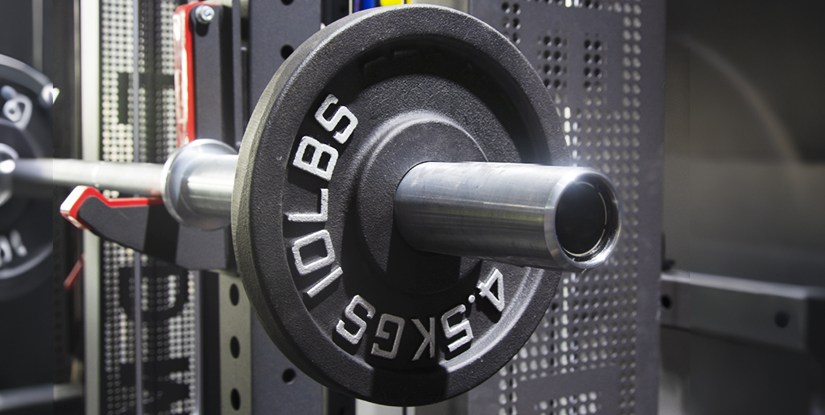
For high-volume distributors, the choice between a standard coating and a customized specification can significantly change the marketability of the product line. Below is a technical breakdown of common customization options available when working with a specialized supplier for bulk procurement.
| Customization Tier | Branding Method | Coating/Material Options | Commercial Application | Typical MOQ Impact |
|---|---|---|---|---|
| Standard Stock | Pre-molded generic design | Standard black rubber or PU | General commercial gym use | Lowest; standard wholesale levels |
| Enhanced Branding | Surface printing or decal | Standard color options | Boutique studios or franchises | Moderate; requires specific volume |
| Full Private Label | Recessed/Embossed logo | Full color customization | Premium brand identity programs | Higher; requires dedicated production run |
When managing commercial gym equipment sourcing, we recommend evaluating the durability of the branding method alongside the coating type. For instance, an embossed logo integrated during the molding process offers much higher longevity than surface printing, making it a more reliable choice for high-traffic facilities. Before finalizing your order, always request a sample or a digital mockup to ensure the custom branding meets your visual standards and that the coating adhesion meets your durability requirements.
Logistics, Export Packaging, and Landed Cost Management
For professional distributors and gym equipment importers, the final landed cost of a shipment is determined as much by the export packaging standards as it is by the unit price. When sourcing heavy, high-volume items like rubberized weights, failing to account for the structural integrity of the shipping configuration can lead to unexpected damage during sea freight, resulting in costly returns and diminished margins.
A reliable bumper plate commercial supplier must implement rigorous palletization protocols to mitigate the risks of long-distance transit. Because high-density rubber and steel components are susceptible to impact damage and moisture-induced oxidation, the wholesale bumper plates must be secured within moisture-proof liners and reinforced outer cartons. Utilizing heavy-duty wooden pallets and shrink-wrapping ensures that the weight distribution remains stable within the shipping container, preventing shifting that could compromise the entire load.
Optimizing commercial gym equipment sourcing requires a focus on container utilization and protection. A professional rubber bumper plate manufacturer will typically use standardized pallet dimensions to maximize volume efficiency, reducing the volumetric weight impact on your landed cost. By ensuring that every batch undergoes a pre-shipment check for packaging durability, the supplier helps importers avoid the high costs of replacement and the logistical headaches of damaged inventory arrival.
Optimizing Shipping Configurations for Bulk Procurement
To effectively manage your total budget, you must evaluate how different packaging tiers impact both protection and container density. Selecting the right configuration allows a distributor to balance the need for product safety with the necessity of maximizing CBM (Cubic Meter) efficiency to lower the per-unit shipping cost. A professional rubber bumper plate manufacturer will offer tiered options based on your specific sourcing requirements and destination.
| Packaging Type | Protection Level | Shipping Volume (CBM) Efficiency | Best For | MOQ/Bulk Impact |
|---|---|---|---|---|
| Standard Export Carton | Moderate | High | Small-scale studio orders | Lower MOQ requirements |
| Reinforced Double-Wall Carton | High | Medium | Standard wholesale distribution | Standard bulk shipment scales |
| Heavy-Duty Palletized Unit | Premium | Optimized for Container Loading | Large-scale commercial gym equipment sourcing | Reduces landed cost via high density |
| Custom OEM Wooden Crate | Maximum | Low | High-end/Competition grade shipments | Requires higher MOQ for cost-efficiency |
When negotiating with a bumper plate commercial supplier, always request a detailed packing list that includes the total CBM and weight per pallet. This data is essential for your freight forwarder to calculate accurate sea freight quotes. High-volume buyers should prioritize palletized configurations that utilize the full height of a 40HQ container to ensure the best possible wholesale value and minimize the impact of volumetric weight on the final landed cost.
Beyond physical protection, successful procurement hinges on managing the lead time and coordinating with a factory that understands international logistics. For distributors managing large-scale deployments, a delay in production or a mistake in container loading can disrupt entire project timelines and inflate labor costs during installation. A professional supplier will provide transparent production schedules and optimized loading plans to ensure your inventory arrives on schedule and ready for immediate deployment.
Effective commercial gym equipment sourcing involves more than just selecting a product; it requires a strategic partnership to manage the complexities of international freight. Whether you are requesting OEM branding or standard wholesale volumes, ensuring that your China factory partner provides precise weight and dimension data is critical. This transparency allows you to secure more competitive shipping rates and accurately forecast your total landed cost, ultimately protecting your distributor margins and project ROI.