Sourcing Rep Cast Iron Plates for Wholesale Distribution
Optimizing Facility Floor Plans with Standardized Weight Sets
Distributors must evaluate how the physical dimensions of rep cast iron plates impact a client's ability to manage high-density training zones. When selecting inventory, procurement managers should prioritize standardized weight increments to ensure seamless integration into various commercial gym layouts, reducing the risk of cluttered weight stations and optimizing the total footprint of strength training areas.
Efficient floor plan management relies heavily on the consistency of equipment dimensions. High-quality rep cast iron plates manufactured with precise tolerances allow facility owners to maximize their usable square footage. In many commercial settings, the ability to stack plates predictably on vertical storage racks or specialized dumbbell trees is a critical factor in footprint optimization. Without standardized profiles, irregular plate thicknesses can lead to uneven loading, wasted shelf space, and logistical friction during rapid facility reconfigurations.
Spatial Efficiency and Configuration Trade-Offs
When planning inventory for fitness equipment distribution, understanding the spatial footprint of different plate profiles is essential for long-term warehouse and client-side management. Selecting between standardized sets and mixed-diameter configurations significantly alters the storage density required in a facility.
| Configuration Type | Storage Density | Weight Uniformity | Spatial Footprint |
|---|---|---|---|
| Standardized Commercial Sets | High (Uniform Stacking) | Consistent | Minimal / Predictable |
| Non-Standard / Mixed Weights | Variable (Irregular Gaps) | Inconsistent | Increased / Unpredictable |
| Precision Calibrated Plates | Maximum (Optimized) | High Precision | Highly Optimized |
For a bulk cast iron plates buyer, prioritizing standardized dimensions ensures that end-users can utilize vertical plate trees and multi-tier racks without encountering fitment issues. This predictability reduces the total square footage required per weight station, allowing distributors to pitch more efficient facility layouts to gym operators.
A professional fitness equipment importer must recognize that dimensional consistency goes beyond aesthetics; it is a logistical necessity for high-traffic environments. When sourcing bulk cast iron plates, even minor deviations in thickness or diameter can disrupt the balance of a barbell or cause inefficient loading on commercial racks. If plates do not adhere to strict manufacturing tolerances, they may fail to sit flush against one another, creating gaps that lead to unstable barbell loading and compromised storage rack compatibility.
To mitigate these risks, procurement strategies should involve rigorous quality control protocols that verify the profile of each weight increment. Ensuring that every unit within a shipment maintains a uniform thickness allows for predictable stacking density. This precision is vital for distributors who provide equipment to high-density training facilities where every inch of floor space and every vertical inch of a storage rack must be utilized to its full potential.
Evaluating Material Integrity and Casting Precision
For distributors managing high-volume inventory, the longevity of rep cast iron plates depends entirely on the metallurgical consistency of the batch. High-quality production must prioritize structural density to ensure that every unit can withstand the repetitive mechanical stress found in high-traffic commercial environments without cracking or chipping.
Technical Standards for Commercial Weight Plate Wholesale
When vetting a factory, the primary concern is the elimination of casting defects, such as air pockets or internal voids, which compromise the weight accuracy and physical toughness of the plates. A high-density casting process ensures that the rep cast iron plates meet strict tolerances for both weight and concentricity. Failure to monitor these technical specifications during the manufacturing phase often leads to increased replacement costs and diminished trust among your B2B clients.
A critical differentiator in your sourcing process is the casting method utilized by the manufacturer. While both sand and precision casting produce durable iron, the choice significantly impacts the dimensional precision and long-term utility of the stock. A fitness equipment importer must weigh the cost advantages of traditional methods against the high-performance requirements of premium commercial gyms.
| Technical Feature | Sand Casting | Precision Casting |
|---|---|---|
| Dimensional Tolerance | Moderate; higher variance | Tight; high precision |
| Surface Finish | Coarse and textured | Smooth and consistent |
| Durability Profile | High impact resistance | High structural density |
| Primary Use Case | Standard bulk distribution | High-end commercial boutique |
For those managing bulk cast iron plates, sand casting remains the industry standard for mass-market distribution due to its proven toughness and lower entry price point. However, if your client base demands consistent concentricity and a premium tactile finish, precision casting provides a more reliable edge in professional facility settings.
Mitigating Defect Risks Through Strict Quality Control
To safeguard your long-term ROI, implement rigorous quality control protocols that target two specific failure points: weight deviation and stress fractures. Even minor internal voids can lead to structural failure under high-impact use. Ensure your manufacturer conducts batch testing to confirm that weight tolerances remain within acceptable commercial ranges. By verifying that bulk cast iron plates are free from surface irregularities and structural weaknesses before shipping, you significantly reduce the likelihood of costly returns and maintain your reputation as a reliable supplier.
Inventory Management Strategies for High-Volume Distributors
Effective distribution relies on the precise calibration of stock levels against warehouse limitations. For professionals sourcing rep cast iron plates, the primary challenge lies in reconciling the desire for low unit costs with the reality of physical logistics. Over-ordering to meet a low MOQ can quickly saturate your storage footprint, whereas under-ordering risks stockouts during high-volume turnover periods.
Balancing Order Volume and Warehouse Capacity
Distributors must evaluate whether to prioritize frequent, smaller shipments or large-scale bulk arrivals. While commercial weight plate wholesale pricing often incentivizes massive single orders, the increased freight costs and the high density of iron require significant square footage. Successful importers maintain a strategic buffer that accounts for both shipping lead times and seasonal demand spikes in the fitness sector.
| Procurement Strategy | Primary Advantage | Logistical Constraint | Best For |
|---|---|---|---|
| High-Volume Bulk | Lowered per-unit cost | Large storage footprint | Established distributors |
| Frequent Small Batches | Optimized cash flow | Higher freight overhead | Boutique gym suppliers |
| Hybrid Just-in-Time | Reduced inventory risk | Complex supply chain coordination | Rapid-growth retailers |
Evaluating Sourcing Models for Optimal Margins
Choosing between a direct factory arrangement and a regional wholesaler dictates your long-term scalability and risk profile. A direct model offers the highest margin potential for bulk cast iron plates, but requires sophisticated oversight of international shipping and customs. Conversely, local wholesalers provide much-needed agility for smaller, more frequent replenishment cycles.
| Sourcing Model | Unit Cost | Logistics Complexity | Lead Time | Shipping Efficiency |
|---|---|---|---|---|
| Direct Factory | Minimal | High (Customs/Ocean Freight) | Extended (30-60+ days) | High (Full Container Loads) |
| Regional Wholesaler | Moderate | Low (Domestic/Local Freight) | Short (1-2 weeks) | Variable (LTL/Parcel) |
When managing a distribution network, the decision often hinges on your warehouse's ability to absorb long lead times. If your business model relies on rapid fulfillment of diverse SKUs, the logistical simplicity of a local wholesaler may outweigh the per-unit savings found through direct overseas procurement.
Standardizing Quality Control and Inspection Protocols
Maintaining a high-performance supply chain requires more than just tracking numbers; it demands rigorous oversight to prevent defective batches from entering your inventory. For a professional fitness equipment importer, the risk of receiving unevenly cast or improperly finished products can lead to costly returns and damaged reputations. Establishing strict inspection protocols is essential to ensure every shipment meets commercial standards.
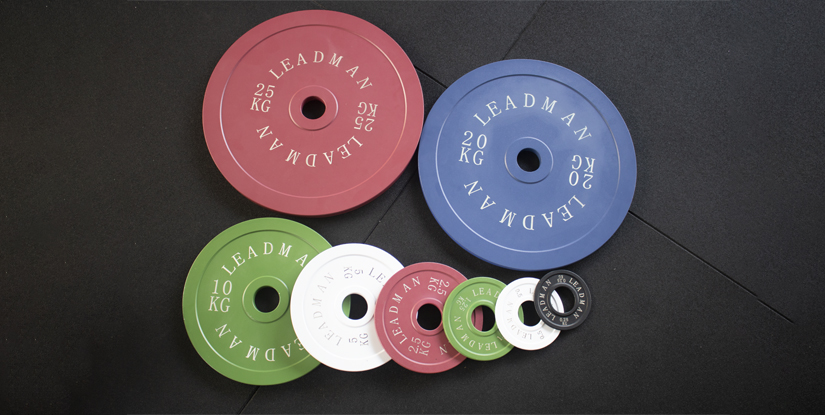
A reliable quality control process must focus on two critical technical dimensions: weight tolerance and batch consistency. Rather than relying solely on factory certifications, distributors should implement a sampling method where random units from each container are verified against specified tolerances. If a 25kg plate deviates beyond the acceptable percentage, the entire lot may be non-compliant. Furthermore, visual inspections should confirm uniform surface finishes and consistent diameter dimensions to ensure smooth loading on barbell sleeves. By prioritizing these technical benchmarks, you mitigate the risk of receiving inconsistent stock that could undermine your reliability as a premium supplier.
Navigating MOQ and Unit Cost Dynamics in Bulk Procurement
Maximizing profit margins in fitness distribution requires a precise understanding of how volume impacts the landed cost of goods. For distributors, the relationship between order size and pricing is the primary lever for maintaining a competitive edge in the North American market.
Optimizing Economies of Scale
When sourcing rep cast iron plates, the unit cost reduction is directly tied to meeting or exceeding the manufacturer's MOQ. High-volume orders allow factories to optimize furnace runs and decrease the relative cost of setup and labor per piece. For a commercial weight plate wholesale buyer, moving from small-batch replenishment to full container loads typically yields the highest economies of scale, significantly lowering the per-unit impact of international freight and customs clearance fees.
A strategic procurement plan must account for the trade-off between inventory carrying costs and freight efficiency. Below is a comparison of how different procurement tiers influence the total landed cost and logistics complexity for a fitness equipment importer.
| Order Tier | Estimated Unit Cost | Shipping Efficiency | Logistics Complexity |
|---|---|---|---|
| Sample/Prototype | Highest (Premium) | Low (Air/Express) | Minimal; direct to facility |
| Small Batch (LCL) | Moderate | Medium (Less-than-Container) | High; requires port handling |
| Bulk (FCL/Container) | Lowest (Volume Base) | High (Full Container Load) | Streamlined; optimized for sea freight |
While LCL shipments provide flexibility for niche SKU replenishment, they often suffer from higher per-unit freight overhead. For distributors managing bulk cast iron plates, transitioning to FCL (Full Container Load) orders minimizes the risk of damage during multi-stop handling and provides the most predictable landed cost profile.
Balancing Capital Tie-Up and Inventory Turnover
A sophisticated procurement strategy must look beyond the invoice price to the long-term impact on liquidity. While aggressive volume purchasing of bulk cast iron plates can drive down unit prices, it simultaneously increases capital tie-up. For many distributors, excessive stock levels lead to high warehousing costs and diminished inventory turnover, effectively locking liquid assets into heavy, slow-moving physical goods.
To optimize cash flow, avoid the trap of over-stocking low-demand SKUs just to hit a lower price bracket. Instead, focus on a tiered approach: maintain high-velocity weights in larger volumes to leverage scale, while utilizing more frequent, smaller shipments for specialized or low-demand denominations. This balanced methodology ensures your warehouse capacity remains available for diverse product lines without compromising your overall margin through excessive storage overhead.
Securing Product Integrity During Transit
When importing heavy iron, the primary threat to your margins is not just the freight cost, but the condition of the goods upon arrival. For distributors, ensuring that rep cast iron plates arrive without surface degradation is a critical quality control step. Improper handling or exposure during long-haul maritime transit can lead to significant oxidation, undermining the professional aesthetic required for commercial gym environments.
Reliable suppliers must implement rigorous moisture protection protocols, such as VCI (Volatile Corrosion Inhibitor) films or heavy-duty shrink wrapping, to ensure effective rust prevention. Furthermore, high-standard palletization standards—utilizing reinforced wooden pallets and edge protectors—are non-negotiable. This level of shipping durability prevents physical chipping and ensures that the weight distribution remains stable, minimizing the risk of structural damage during sea freight oscillations.
Packaging Configurations for Global Distribution
Selecting the appropriate logistics model depends on your volume requirements and the specific transit duration. While standard packaging suffices for local domestic trucking, international distributors sourcing bulk cast iron plates should prioritize reinforced options to mitigate the risks of saltwater humidity and heavy container movement.
| Configuration Type | Weight Capacity | Protection Level | Ideal Use Case |
|---|---|---|---|
| Standard Retail | Low to Moderate | Basic film wrap | LTL/Domestic ground shipping |
| Reinforced Industrial | High | Double-walled cardboard + VCI wrap | Regional distribution/Short sea |
| Export Grade | Maximum | Heat-treated pallets + Steel strapping | Long-haul ocean freight/Intercontinental |
For fitness equipment importers managing high-volume orders, the Export Grade configuration provides the highest level of security. Although it carries a slightly higher initial cost, the reduction in damaged SKU arrivals and the mitigation of rust-related returns often results in a lower total cost of ownership for large-scale commercial inventories.
Post-Arrival Inspection and Inventory Management
Successful commercial weight plate wholesale operations depend on rigorous post-arrival inspection protocols. Once shipments clear customs, importers should conduct random sampling to verify that the coating thickness and surface finish remain consistent with approved factory standards. Checking for any micro-fractures or oxidation signs immediately upon unboxing is essential to validate the efficacy of the moisture-proof liners used during transit.
Effective warehouse storage tips are equally vital for preserving product longevity. To prevent premature degradation, avoid storing bulk cast iron plates directly on concrete floors without a buffer; instead, utilize raised racking systems or heavy-duty palletized stations. Maintaining a temperature-controlled or low-humidity environment within your facility will significantly reduce the need for reactive maintenance and ensure the inventory remains showroom-ready for your clients.
Quality Control Benchmarks for Commercial Weight Plate Wholesale
Distributors sourcing for high-traffic commercial settings must prioritize structural integrity over mere aesthetic appeal. In rigorous gym environments, weight plates undergo constant mechanical stress and frequent impact. Choosing substandard units can lead to premature cracking or uneven wear, increasing the total cost of ownership for your end clients.
Evaluating Density and Surface Standards
Reliable rep cast iron plates require strict density consistency to ensure uniform weight distribution across every unit in a shipment. When inspecting bulk orders, look beyond the surface; minor surface imperfections are common in casting, but deep pits or structural voids can compromise the longevity of the plate. For professional fitness equipment importers, verifying that the manufacturing process minimizes air pockets is essential for maintaining a high-standard inventory that withstands heavy daily use.
Beyond structural density, specific mechanical attributes define the service life of a weight plate. A professional importer must evaluate the precision of the edge beveling and the quality of the surface coating to prevent premature degradation. If the edges are inconsistent, the plates may chip or cause uneven wear on barbell sleeves, leading to client complaints and higher return rates.
| Defect Type | Commercial Standard | Impact on Longevity |
|---|---|---|
| Weight Tolerance | ±1% to 2% deviation | Ensures balanced loading and prevents barbell imbalance |
| Edge Beveling | Smooth, uniform radius | Protects barbell sleeves and prevents plate chipping |
| Surface Coating | High-adhesion powder or paint | Prevents oxidation and rust in high-humidity gyms |
| Density Voids | No visible structural pitting | Reduces the risk of cracking under heavy impact |
Rigorous quality control during the production phase mitigates the risk of receiving defective stock. For those managing bulk cast iron plates, ensuring these benchmarks are met helps maintain a predictable maintenance cycle for the end-user and protects your reputation as a reliable distributor.
Maximizing Long-Term ROI Through Surface Integrity
A critical factor in calculating the long-term value of your inventory is the quality of the protective finish. High-grade bulk cast iron plates must possess superior oxidation resistance to survive the humidity and temperature fluctuations typical in commercial facilities. A weak coating leads to surface rust, which not only diminishes aesthetics but also necessitates a more frequent maintenance cycle for gym owners.
When sourcing, prioritize coating durability that can withstand abrasive contact and cleaning agents. Investing in plates with high-adhesion finishes reduces the frequency of client-side repairs. For distributors, this translates to higher long-term ROI, as premium-grade products result in fewer replacement requests and a more stable, dependable supply chain reputation.
Maximizing Profit Margins Through Product Longevity
For distributors, the true cost of inventory is measured by how often a client returns for a replacement. While low-tier options may offer a lower entry price, high-quality rep cast iron plates provide a superior return on investment by extending the lifecycle of the equipment in high-traffic commercial environments.
When evaluating commercial weight plate wholesale opportunities, procurement managers must weigh durability vs. initial cost. Substandard casting often leads to premature cracking or uneven weight distribution, forcing gyms into frequent, costly replacement cycles. Investing in premium-grade iron reduces the frequency of reorders and builds long-term brand trust with facility owners, ultimately protecting your margins against the high logistical costs of constant restocking.
Distributors should analyze the Total Cost of Ownership (TCO) rather than just the landed cost per unit. A higher initial investment in high-spec iron typically results in fewer warranty claims and lower shipping-related overhead over a five-year period. Below is a comparative breakdown of how different quality tiers impact your bottom line and client retention.
| Feature/Metric | Low-Grade Casting | Premium Rep Cast Iron |
|---|---|---|
| Typical Lifespan | 2–4 Years (High-traffic) | 8–10+ Years |
| Maintenance Needs | Frequent rust/chipping repair | Minimal; occasional coating touch-up |
| Weight Consistency | High variance (±5%) | Strict tolerance (±1-2%) |
| ROI Impact | Low margin; high replacement risk | High margin; long-term client trust |
Choosing premium bulk cast iron plates allows you to market a "set-and-forget" solution to gym owners. While the upfront procurement cost is higher, the reduced frequency of replacement orders stabilizes your revenue streams and minimizes the logistical headaches associated with small, frequent shipments.
Optimizing Inventory Turnover and Stock Reliability
Efficiently managing the lifecycle of bulk cast iron plates requires a delicate balance between meeting high Minimum Order Quantity (MOQ) requirements and maintaining fluid cash flow. A seasoned fitness equipment importer must synchronize stock replenishment cycles with seasonal demand spikes to avoid both capital stagnation and stockouts.
To maximize inventory turnover, implement rigorous logistics planning that accounts for lead times and ocean freight volatility. Rather than reacting to depleted shelves, utilize predictive ordering based on historical sales velocity. This proactive approach ensures that essential weight increments remain available for immediate client needs without overextending warehouse capacity or tying up excessive working capital in slow-moving SKUs.