Olympic Plate OEM Factory: OEM ODM Contract Manufacturing
Olympic Plate OEM Factory: Strategic Sourcing for Commercial Scale
For large-scale distributors and international gym franchises, the challenge of maintaining a standardized product line across multiple locations is a significant logistical hurdle. When managing high-volume inventories, relying on inconsistent small-batch suppliers often leads to discrepancies in weight, texture, and durability. Partnering with a professional olympic plate OEM factory ensures that every unit meets the rigorous standards required for high-traffic commercial environments, providing the reliability that large-scale operators demand.
Maintaining high-volume wholesale orders requires more than just a low price point; it requires a predictable supply chain. Whether you are equipping a regional fitness center chain or stocking a national distribution warehouse, the ability to scale production without sacrificing material precision is critical. A specialized commercial weight plate manufacturer provides the infrastructure necessary to handle large-scale sourcing requests while maintaining strict control over the manufacturing sequence—from the initial casting stage to the final weight calibration and pre-shipment inspection.
Selecting a dedicated custom branding weight plates partner allows distributors to move beyond generic commodities and instead build a proprietary product identity. This level of OEM capability is essential for businesses looking to differentiate their offerings in a competitive market, ensuring that the finished product reflects their specific brand standards through customized coatings, logos, and specialized material finishes.
Material and Finish Comparison for Commercial Procurement
When selecting a product line for a commercial facility, the choice between cast iron and advanced coatings like PU or rubber is a direct decision regarding the total cost of ownership (TCO). While cast iron offers high density and durability, the surface finish significantly impacts floor protection and noise levels. For high-traffic environments, the material selection must align with the specific maintenance capacity and floor-surface requirements of the client's facility.
Procurement professionals must evaluate how different manufacturing routes affect long-term durability. For example, a standard powder coating on cast iron provides a reliable surface for high-volume commercial use, whereas a polyurethane (PU) coating offers superior impact resistance and a premium feel. Choosing the right material through a professional olympic plate OEM factory allows for better control over the landing impact and the overall longevity of the equipment inventory.
| Material Type | Surface Finish | Commercial Duty Tier | Maintenance Profile | Procurement Logic |
|---|---|---|---|---|
| Cast Iron | Powder Coating | Standard Commercial | Low; highly durable for high-traffic zones | Best for high-volume wholesale and budget-conscious scaling |
| Cast Iron | Enamel / Paint | Entry-Level Commercial | Moderate; requires periodic check for chipping | Ideal for cost-sensitive distribution models |
| Steel Core | Rubber Coated | Premium Commercial | Low; provides excellent floor protection | High-end gym branding and premium facility placement |
| Steel Core | PU (Polyurethane) | Elite/Competition | Minimal; high resistance to wear and moisture | Targeted for high-end studio and specialized training centers |
Understanding these technical distinctions is vital when managing custom branding weight plates projects. A specialized commercial weight plate manufacturer can adjust the thickness of the coating or the density of the rubber/PU layer to meet your specific brand identity and durability requirements, ensuring the landed cost remains optimized for your target market segment.
Optimizing Supply Chain Efficiency and Logistics
Navigating the complexities of international procurement requires a partner who understands the impact of lead time and landed cost on your bottom line. For distributors, the true cost of an order extends far beyond the unit price; it includes shipping efficiency, container loading optimization, and the reliability of the production schedule. A professional olympic plate OEM factory provides the transparency needed to manage these variables, offering clear communication regarding production cycles and export-ready packaging to minimize transit damage.
Managing inventory levels effectively often hinges on the flexibility of the factory. Whether you are launching a new product line or restocking a high-demand SKU, understanding the specific MOQ for different material types—such as the difference between standard cast iron and high-end PU-coated plates—is essential for maintaining healthy distributor margins. A capable ODM partner can assist in balancing these requirements, helping you scale your order volumes while ensuring that the lead time remains predictable for your local market delivery.
Beyond production, the logistical expertise of a commercial weight plate manufacturer ensures that heavy, high-volume shipments are handled with professional precision. This includes optimized palletization and robust export packaging designed to withstand long-distance sea freight. By coordinating closely with a direct supplier, procurement leads can better calculate the total landed cost, accounting for weight-based shipping variables and ensuring that the final product arrives at the warehouse in a state that meets strict commercial quality standards.
Material Engineering and Precision Machining for Weight Plates
Selecting a professional olympic plate OEM factory requires a deep understanding of how material integrity impacts long-term commercial durability and distributor margins. For high-volume importers and gym equipment distributors, the choice between cast iron and high-grade steel is not merely about aesthetics, but about the total cost of ownership and the precision of the weight delivery during heavy lifting cycles.
In professional strength training environments, the structural stability of a plate determines its lifespan. A reliable commercial weight plate manufacturer must manage the fundamental trade-offs between production speed and dimensional accuracy. While cast iron is the industry standard for high-volume wholesale orders due to its cost-effectiveness and density, premium steel-based plates offer superior concentricity and a thinner profile, which is essential for high-density storage and professional competition-grade settings.
Precision in sourcing precision begins at the casting stage. A high-quality China factory typically utilizes sand casting or centrifugal casting to ensure the core density is uniform. If the casting process lacks consistency, the resulting plates may suffer from uneven weight distribution or warping, leading to increased maintenance loads for the end-user. For distributors, this translates to higher return rates and diminished brand trust. Therefore, a rigorous OEM production line must include dedicated machining steps to ensure the center bore is perfectly concentric, allowing for a smooth fit on Olympic barbells without wobbling or uneven wear on the bar sleeves.
Durability Through Advanced Coating and Surface Finishing
The longevity of a product in a high-traffic commercial gym is heavily dependent on its surface treatment. A professional olympic plate OEM factory understands that a superficial coating is a liability; instead, the finish must be integrated into the production sequence to prevent chipping, oxidation, and degradation. For a commercial weight plate manufacturer, the selection of coating technology directly influences the landed cost and the long-term maintenance requirements of the final client.
Standard production lines typically utilize powder coating for cast iron plates, providing a rugged, impact-resistant layer that protects the core metal from moisture and oxidation. For premium tier-one units, PU coating (polyurethane) is often preferred. This process involves high-grade polymer encapsulation, which offers a smoother texture and superior shock absorption. While PU coating may involve a higher initial MOQ or production cost, it significantly reduces floor damage and noise, making it a strategic choice for distributors targeting high-end studio operators or boutique fitness chains.
To assist in your procurement decision-making, the following table compares the most common industrial-grade finishing options available through direct sourcing.
| Material/Finish Type | Primary Process | Key Component/Feature | Commercial Duty Tier | MOQ Impact | Factory QC Point |
|---|---|---|---|---|---|
| Cast Iron / Paint | Sand Casting & Spray | Standard Density | Budget / Entry-Level | Low | Coating Adhesion |
| Cast Iron / Powder Coat | Sand Casting & Powder Line | Impact Resistance | Standard Commercial | Medium | Surface Uniformity |
| Steel / PU Coated | Machining & Polymer Dip | High Density / Low Profile | Premium / Competition | High | Bond Line Integrity |
| Steel / Chrome Finish | Machining & Plating | High Precision / Aesthetics | Elite Professional | High | Bore Concentricity |
When evaluating your next batch, we recommend reviewing the specific coating adhesion and weight tolerance spot-checks with your supplier. For large-scale wholesale projects, verifying the thickness and durability of the outer layer is essential to ensure the product meets the rigorous demands of a commercial environment without premature failure.
Pre-Shipment QC and Reliability Standards for Bulk Orders
For distributors managing large-scale inventory, the risk of receiving inconsistent batches can jeopardize profit margins and client trust. A professional olympic plate OEM factory mitigates these risks through a systematic pre-shipment QC protocol. Rather than relying on random sampling, high-tier production facilities implement rigorous checkpoints throughout the assembly and finishing stages to ensure bulk order reliability across every single unit in the container.
One of the most critical technical inspection points involves weight calibration and concentricity. Even a minor deviation in the center bore or an uneven distribution of mass can lead to barbell imbalance, which is unacceptable in professional settings. During the final inspection phase, technicians typically perform spot-checks on the bore diameter and the flatness of the plate face to ensure perfect alignment. Furthermore, the coating adhesion is tested to ensure that the surface—whether it be powder coating or polyurethane—will not peel or crack under the high-impact conditions of a commercial gym environment.
When you engage in custom branding weight plates, the inspection scope expands to include your visual identity. This means verifying that your logo, color specifications, and custom markings are applied with precision and remain intact after the final coating process. For procurement leads, confirming these technical specifications and requesting a detailed inspection report before the final export stage is the most effective way to protect your landed cost and ensure that the shipment meets your brand's quality standards. We suggest discussing your specific tolerance requirements and sample approval protocols with your supplier during the initial sourcing phase to align on expectations for your next high-volume order.
Manufacturing Processes: From Casting to Final Calibration
For distributors and gym equipment importers, ensuring weight consistency is critical to maintaining professional standards and reducing returns. A professional olympic plate OEM factory utilizes a rigorous production sequence to transition from raw metal to finished, high-precision units. This process ensures that every batch meets the strict requirements of commercial strength training environments, protecting your brand reputation and long-term profitability.
The production begins with high-grade sand casting or centrifugal casting to create the foundational shape of the plate. Following the initial casting, the units undergo a series of critical stages including CNC machining for the center bore to ensure perfect concentricity, followed by surface treatment and final weight calibration. This systematic approach allows a reliable commercial weight plate manufacturer to deliver products that maintain structural integrity under heavy usage, minimizing the risk of warping or uneven loading in commercial settings.
The following table outlines the typical production tiers found when sourcing from a China factory, highlighting how different manufacturing paths impact your total cost of ownership and quality expectations.
| Material & Process Tier | Primary Construction | Surface Finish | Typical Sourcing Focus | |
|---|---|---|---|---|
| Standard Cast Iron | Sand Casting | Paint or Enamel | Budget/Entry-Level Gyms | High Volume / Low MOQ |
| Premium Rubberized | Casting + Rubber Molding | Rubber or PU Coating | Full-Scale Commercial Clubs | Durability & Floor Protection |
| Precision Steel | Machined Steel Plate | Chrome or Powder Coating | Competition & High-End Studio | High Precision / Weight Accuracy |
Understanding these distinctions is essential for effective custom branding weight plates development. While standard cast iron offers the best margins for high-volume wholesale, precision-machined steel or high-grade PU coatings provide the durability required for premium facility contracts. When selecting your olympic plate OEM factory, consider whether your target market prioritizes low landed cost or long-term equipment lifespan.
Precision Engineering and Quality Control Standards
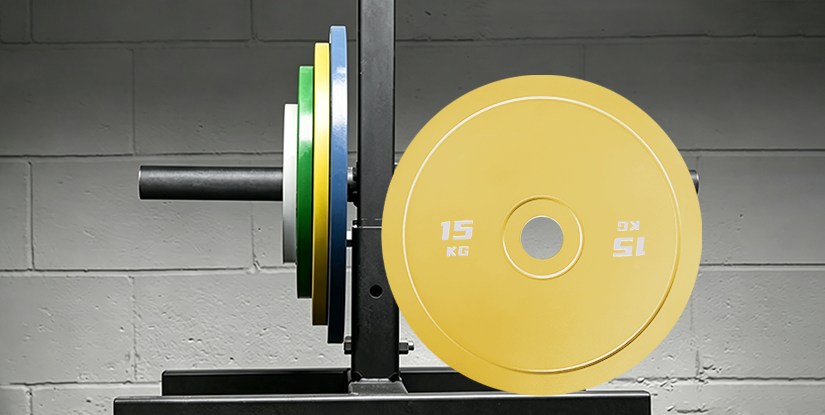
The distinction between a standard production run and a professional grade product often lies in the technical precision of the center bore and the surface uniformity. For buyers managing high-end studio or commercial facility contracts, the risk of uneven weight distribution or poorly centered bores can lead to significant maintenance issues and client dissatisfaction. This is why selecting a capable olympic plate OEM factory is a decision based on technical reliability rather than just price.
In many high-tier manufacturing environments, the process moves beyond basic sand casting into advanced CNC machining. This stage is vital for achieving a precise center hole that ensures the plate sits perfectly flat on a barbell, preventing the "wobble" effect during heavy lifts. A professional commercial weight plate manufacturer will typically implement a weight tolerance check and a concentricity inspection to ensure the plate remains balanced during high-velocity use. This level of detail is what separates a budget-friendly option from a professional-grade product suitable for elite training environments.
Before any bulk shipment departs the China factory, a strict pre-shipment QC protocol must be executed. This protocol is not merely a visual check but a multi-step validation process designed to protect the importer's margins and the distributor's reputation. A standard inspection sequence for wholesale orders includes:
- Bore Concentricity Check: Ensuring the center hole is perfectly centered and smooth to prevent barbell damage.
- Surface Adhesion Test: Verifying that the paint, powder coating, or rubber layer remains bonded to the base material under stress.
- Weight Accuracy Spot-Check: Confirming that the finished unit falls within the acceptable industry-standard tolerance band.
- Packaging Integrity Inspection: Checking the export-grade reinforced corners and heavy-duty cartons to ensure safe transit and reduced breakage during sea freight.
By focusing on these technical benchmarks, an OEM partner helps you mitigate the risks associated with long-distance sourcing. Whether you are developing custom branding weight plates for a private label or sourcing high-volume stock for a global distribution network, these engineering standards directly impact your landed cost and the long-term reliability of your product line. We recommend requesting a detailed specification sheet or a sample evaluation to verify these QC steps before finalizing your bulk order or discussing your specific MOQ and lead time requirements.
Custom Branding and Private Label Capabilities
For global distributors and large-scale gym equipment importers, relying on generic, unbranded stock limits your ability to build a recognizable market presence. A professional olympic plate OEM factory provides the technical infrastructure necessary to transition from a simple reseller to a legitimate brand owner. By leveraging custom branding weight plates, you can move beyond competing solely on price and instead compete on brand equity and perceived value within your specific regional market.
Establishing a strong brand identity requires more than just a logo; it requires consistent manufacturing quality that reflects your standards. Whether you require high-precision logo integration via CNC machining, embossed casting, or specialized private label printing, a specialized commercial weight plate manufacturer ensures that your mark is applied with high adhesion and visual clarity. This level of customization allows you to differentiate your product lines—such as a premium competition-spec series versus a high-volume commercial series—to maximize your distributor margin and satisfy diverse client requirements.
Technical Comparison of Branding Methods
When selecting a branding method, procurement managers must balance visual prestige with long-term durability. The choice between structural branding and surface-level decoration directly impacts the landed cost and the product's lifecycle in high-traffic commercial environments. For instance, an embossed logo integrated during the casting process offers the highest level of durability, as the branding is part of the physical mold, making it virtually impossible to wear off through heavy use. This is the preferred standard for high-end series where long-term brand recognition is vital.
Conversely, surface-applied methods such as silk screen or UV printing offer greater flexibility for complex, multi-color designs but may face adhesion issues under extreme friction or chemical exposure. For high-volume wholesale orders, powder coating remains the industry-standard approach for achieving a professional finish that protects the base material while providing a smooth, uniform surface for secondary branding. Understanding these trade-offs is essential for effective sourcing and product positioning.
| Branding Method | Primary Process | Visual Characteristics | Commercial Durability | MOQ Impact | Best For |
|---|---|---|---|---|---|
| Embossed/Debossed | Casting process | Structural and tactile | Highest (Permanent) | Higher due to mold costs | Premium/Competition series |
| Powder Coating | Electrostatic spray | Uniform, matte or gloss | High (Impact resistant) | Standard wholesale tiers | Standard commercial plates |
| Silk Screen | Manual/Auto printing | High color precision | Moderate (Wear risk) | Low to moderate | Promotional or limited runs |
| UV Printing | Ultraviolet curing | Detailed graphics | Lower (Surface level) | Low | Boutique/Studio branding |
Selecting the appropriate method allows you to optimize your product tiers. A professional olympic plate OEM factory can assist in determining which process best aligns with your target weight tolerance and budget. We recommend discussing your specific branding requirements during the initial sample approval phase to ensure the final product meets your expectations for both aesthetic quality and commercial-grade longevity.
Optimizing Logistics, QC, and Landed Cost
For distributors managing high-volume inventory, the final landed cost is determined by much more than the unit price. A highly efficient China factory must integrate rigorous quality control into the entire export workflow to prevent the hidden costs of damaged goods or shipment delays. When placing a bulk order, procurement specialists should prioritize partners who demonstrate a structured approach to pre-shipment inspection and container-ready packaging to ensure maximum shipping efficiency and warehouse readiness.
A standard pre-shipment check at a professional facility involves several critical stages. First, technical teams conduct a weight tolerance spot-check to ensure every plate in the batch meets the specified grade. Second, we perform a coating adhesion test to confirm that any applied paint or rubber layer will not peel under heavy commercial use. Finally, the inspection focuses on the structural integrity of the center bore and the flatness of the plate face. These steps are essential to minimize the risk of returns or client disputes once the goods reach your local distribution center.
Logistical excellence extends to the final packaging stage. To protect your investment during long-distance sea freight, we utilize heavy-duty export packaging designed for high-density loads. This typically includes reinforced corrugated boxes or custom wooden crates, ensuring that the plates remain secure and the branding stays intact throughout transit. By optimizing the container loading plan, we help you reduce the volumetric footprint, effectively lowering your per-unit shipping expense. We suggest contacting us to confirm your specific MOQ and current lead time to align your procurement schedule with global shipping windows.
China Factory QC Protocols and Export Packaging Standards
Maintaining high margins for distributors requires a reliable olympic plate OEM factory that prioritizes rigorous quality control and standardized inspection points. For B2B importers, the risk of receiving shipments with inconsistent weight tolerance or damaged surfaces can lead to high return rates and increased landed cost. A professional commercial weight plate manufacturer must implement a multi-stage verification process—from raw material testing to final weight calibration—to ensure every unit meets commercial-grade specifications before leaving the China factory.
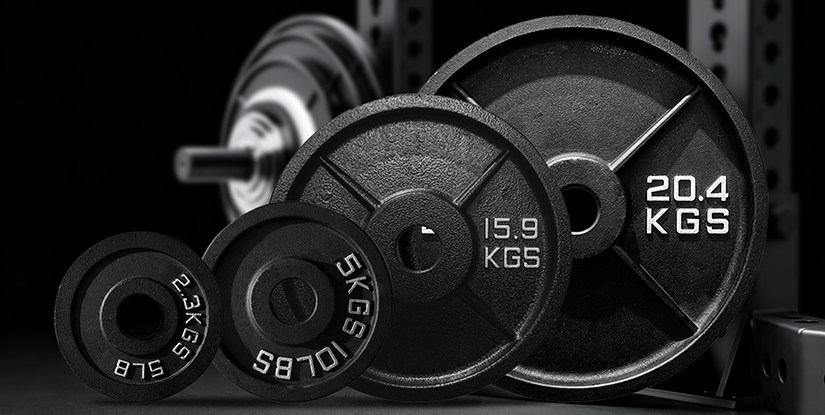
Effective shipping damage prevention is just as critical as the manufacturing process itself. When sourcing in bulk, the way a supplier manages export packaging directly impacts your wholesale profitability. High-density foam protection, reinforced corrugated cartons, and heavy-duty palletizing are industry-standard requirements to prevent denting or coating failure during long-sea transit. By establishing strict pre-shipment protocols, a factory helps importers minimize warehouse damage claims and ensures that custom branding weight plates arrive in pristine condition, ready for immediate distribution.
Standardized Inspection Checklist and Logistics Optimization
To mitigate the risk of defective inventory, procurement managers should request a detailed inspection checklist from their olympic plate OEM factory. A professional commercial weight plate manufacturer typically focuses on three critical areas during the pre-shipment phase: physical dimensions, surface integrity, and weight accuracy. For steel or cast iron units, this includes checking the concentricity of the center bore to ensure smooth loading on bars, inspecting the adhesion of the powder coating or rubber layer to prevent chipping, and performing spot-checks on the weight calibration. Verifying these technical details before the container is sealed is a standard practice to ensure the wholesale order aligns with your quality expectations.
Beyond product integrity, robust logistics management is essential for maintaining a predictable landed cost. High-volume sourcing requires more than just basic boxing; it requires specialized export packaging designed for the rigors of ocean freight. We recommend a standardized protocol for bulk shipments to ensure maximum durability during transit:
| Packaging Stage | Standard Requirement | B2B Procurement Benefit |
|---|---|---|
| Primary Unit Protection | Reinforced corrugated sleeves or heavy-duty dividers | Prevents surface scratches and coating damage |
| Bulk Grouping | Industrial-grade shrink wrapping or high-tensile strapping | Ensures unit stability within the shipping carton |
| Palletizing | Standardized heat-treated wooden or heavy-duty plastic pallets | Optimizes warehouse handling and forklift efficiency |
| Sea Freight Protection | Corner protectors and moisture-absorbent desiccant packs | Reduces risk of impact damage and oxidation during transit |
| Container Loading | Strategic weight distribution and load-bearing reinforcement | Maximizes container volume and prevents shifting during sea transit |
By implementing these rigorous export standards, a reliable supplier ensures that your custom branding weight plates arrive at your warehouse or distribution center in a condition that protects your brand identity. Whether you are managing a single large-scale shipment or recurring bulk order cycles, focusing on these logistical details helps reduce the total cost of ownership and improves overall distributor margins.
To ensure your technical requirements are met, please contact us to request a detailed specification sheet, confirm current MOQ for your specific branding needs, or arrange a factory audit for your next production run.
Optimizing Your Procurement: MOQ and Lead Time Management
For distributors and warehouse operators, the relationship between order volume and product variety is a critical lever for profitability. When sourcing from an olympic plate OEM factory, understanding how MOQ requirements impact your SKU count is essential for effective inventory management. Balancing a diverse product catalog against the logistical costs of wholesale procurement directly determines your distributor margin and long-term market competitiveness.
A common challenge in the supply chain is the trade-off between offering specialized custom branding weight plates and maintaining lean warehouse operations. High-volume orders for a single specification typically lower the landed cost per unit, whereas smaller, varied batches for custom branding weight plates may increase the MOQ per SKU. To maximize efficiency, many professional buyers utilize a tiered sourcing strategy: ordering high-turnover, standard-spec items in bulk to stabilize the baseline, while using OEM or ODM services for premium, branded lines that command higher margins in the boutique or specialized gym sectors.
| Sourcing Model | Product Variety | Typical MOQ Impact | Primary Procurement Goal | Margin Potential |
|---|---|---|---|---|
| Standard Stock Wholesale | High (Standard SKUs) | Low per SKU | Volume and Turnover | Stable/Competitive |
| Custom Branding Weight Plates | High (Unique Identity) | Higher per SKU | Brand Differentiation | Premium/High |
| Specialized OEM Production | Low (Niche Specs) | Very High | Market Leadership | Maximum/Niche |
Effective inventory management requires a clear view of how a China factory handles production cycles. While wholesale bulk orders for standard plates may have shorter lead time windows due to existing production runs, custom branding weight plates require additional time for tooling, logo application, and specific material calibration. We recommend buyers coordinate closely with their supplier to align seasonal demand with production schedules, ensuring that custom branding weight plates arrive in time for market shifts without overextending warehouse capacity.
To ensure your product line remains both profitable and responsive to market shifts, you must evaluate the total landed cost against the complexity of your order. A professional commercial weight plate manufacturer provides two distinct pathways: high-speed replenishment of existing stock or long-term brand building through specialized production. Choosing the right path depends on whether your priority is rapid turnover or establishing a unique market presence through a high-margin, branded identity.
When calculating your budget, do not overlook the hidden variables in the production cycle. A standard wholesale order for unbranded plates typically follows a streamlined route, whereas an OEM request involving custom branding weight plates introduces stages such as mold adjustment, specific color coating, and specialized logo application. These steps are essential for differentiation but will naturally extend the lead time. We advise procurement leads to factor in these variables when planning seasonal inventory arrivals to avoid stockouts or excessive warehousing fees.
To assist in your strategic planning, the following table compares the primary procurement scenarios encountered when working with an olympic plate OEM factory. Use this to align your sourcing strategy with your current warehouse capacity and capital expenditure goals.
| Procurement Scenario | Focus Area | Typical lead time | Impact on landed cost | Best Use Case |
|---|---|---|---|---|
| Standard wholesale | Volume & Turnover | Short/Predictable | Minimized via Bulk | General Gym Supply |
| custom branding weight plates | Brand Identity | Medium (Includes Setup) | Moderate (Tiered) | Specialized Studio Lines |
| Full OEM/ ODM | Unique Specifications | Longer (Tooling Required) | Higher (Specialized) | Premium Market Entry |
Before finalizing your next bulk order, we recommend requesting a detailed specification sheet and a formal quote to confirm the specific MOQ for your desired configurations. For new product lines, it is a standard best practice to request a sample approval and, if possible, a factory audit to verify the quality of the casting and coating processes used by your supplier. This ensures that your branded products meet the durability standards expected by your professional clients.
For distributors and warehouse operators, the relationship between order volume and product variety is a critical lever for profitability. When sourcing from an olympic plate OEM factory, understanding how MOQ requirements impact your SKU count is essential for effective inventory management. Balancing a diverse product catalog against the logistical costs of wholesale procurement directly determines your distributor margin and long-term market competitiveness.
A common challenge in the supply chain is the trade-off between offering specialized custom branding weight plates and maintaining lean warehouse operations. High-volume orders for a single specification typically lower the landed cost per unit, whereas smaller, varied batches for custom branding weight plates may increase the MOQ per SKU. To maximize efficiency, many professional buyers utilize a tiered sourcing strategy: ordering high-turnover, standard-spec items in bulk to stabilize the baseline, while using OEM or ODM services for premium, branded lines that command higher margins in the boutique or specialized gym sectors.
| Sourcing Model | Product Variety | Typical MOQ Impact | Primary Procurement Goal | Margin Potential |
|---|---|---|---|---|
| Standard Stock Wholesale | High (Standard SKUs) | Low per SKU | Volume and Turnover | Stable/Competitive |
| Custom Branding Weight Plates | High (Unique Identity) | Higher per SKU | Brand Differentiation | Premium/High |
| Specialized OEM Production | Low (Niche Specs) | Very High | Market Leadership | Maximum/Niche |
Effective inventory management requires a clear view of how a China factory handles production cycles. While wholesale bulk orders for standard plates may have shorter lead time windows due to existing production runs, custom branding weight plates require additional time for tooling, logo application, and specific material calibration. We recommend buyers coordinate closely with their supplier to align seasonal demand with production schedules, ensuring that custom branding weight plates arrive in time for market shifts without overextending warehouse capacity.
To ensure your product line remains both profitable and responsive to market shifts, you must evaluate the total landed cost against the complexity of your order. A professional commercial weight plate manufacturer provides two distinct pathways: high-speed replenishment of existing stock or long-term brand building through specialized production. Choosing the right path depends on whether your priority is rapid turnover or establishing a unique market presence through a high-margin, branded identity.
When calculating your budget, do not overlook the hidden variables in the production cycle. A standard wholesale order for unbranded plates typically follows a streamlined route, whereas an OEM request involving custom branding weight plates introduces stages such as mold adjustment, specific color coating, and specialized logo application. These steps are essential for differentiation but will naturally extend the lead time. We advise procurement leads to factor in these variables when planning seasonal inventory arrivals to avoid stockouts or excessive warehousing fees.
To assist in your strategic planning, the following table compares the primary procurement scenarios encountered when working with an olympic plate OEM factory. Use this to align your sourcing strategy with your current warehouse capacity and capital expenditure goals.
| Procurement Scenario | Focus Area | Typical lead time | Impact on landed cost | Best Use Case |
|---|---|---|---|---|
| Standard wholesale | Volume & Turnover | Short/Predictable | Minimized via Bulk | General Gym Supply |
| Custom Branding Weight Plates | Brand Identity | Medium (Includes Setup) | Moderate (Tiered) | Specialized Studio Lines |
| Full OEM/ ODM | Unique Specifications | Longer (Tooling Required) | Higher (Specialized) | Premium Market Entry |
Before finalizing your next bulk order, we recommend requesting a detailed specification sheet and a formal quote to confirm the specific MOQ for your desired configurations. For new product lines, it is a standard best practice to request a sample approval and, if possible, a factory audit to verify the quality of the casting and coating processes used by your supplier. This ensures that your branded products meet the durability standards expected by your professional clients.