Bumper Plate Source Supplier: Commercial Material Specs
Defining the Bumper Plate Source Supplier Role
Many distributors fail by sourcing from unverified traders who prioritize low unit costs over material density, leading to high replacement rates and damaged flooring. A professional bumper plate source supplier mitigates these risks by providing direct access to standardized manufacturing, ensuring that every unit meets commercial-grade durability requirements. By establishing a direct relationship with a China factory, importers can stabilize their long-term landed cost and ensure consistent weight tolerances across large-scale commercial gym equipment sourcing orders.
Effective wholesale bumper plates procurement requires more than just finding a low price; it requires a partner capable of managing complex supply chain variables. Whether you are scaling a boutique studio or supplying a large-scale distribution network, your supplier must offer transparency regarding MOQ levels, production lead time, and the ability to execute OEM requests for custom branding. Choosing a specialized bumper plate source supplier ensures that your inventory remains reliable, reducing the frequency of client complaints and maintenance-related downtime.
Strategic Sourcing: Factory-Direct vs. Trading Model
When managing high-volume inventory, the distinction between a standard bumper plate manufacturer and a general trading entity becomes critical for your bottom line. A dedicated manufacturer controls the entire production sequence—from the initial sand casting of the core to the final vulcanization or coating stage—ensuring that the weight tolerance and material density remain consistent across every shipment. In contrast, traders often lack visibility into the actual manufacturing process, which can lead to unexpected discrepancies in material quality or unexpected delays in the production cycle.
To assist in your procurement evaluation, the following table outlines the qualitative differences in the supply chain dimensions that directly impact your distributor margins and long-term operational efficiency.
| Procurement Dimension | Standard Manufacturer (OEM/ODM) | General Trading Entity |
|---|---|---|
| Material Control | Direct oversight of casting and rubber density | Relies on third-party material reports |
| Weight Tolerance | Standardized calibration during production | Variable accuracy depending on source |
| Custom Branding | Full OEM and private label capability | Limited to logo placement on finished goods |
| Quality Control (QC) | In-house pre-shipment inspection protocols | External or intermittent QC oversight |
| Logistics & Packaging | Optimized export packaging for container loading | Standardized retail-style or basic packaging |
| Supply Chain Stability | Direct control over MOQ and lead times | Subject to external production fluctuations |
For professional buyers, the goal is to minimize the total cost of ownership. By working with a specialized bumper plate source supplier, you secure a partner that understands the technical requirements of the North American market, such as high-impact resistance and consistent bore fit. We recommend that distributors request a detailed specification sheet and confirm the specific MOQ for custom branding requests to ensure your replenishment cycles align with your market demand.
Material Integrity and Manufacturing Processes
For professional importers and distributors, selecting a reliable bumper plate source supplier requires a deep understanding of how core material composition affects long-term durability. When managing large-scale commercial gym equipment sourcing, the primary goal is to minimize replacement costs and maintenance cycles. High-quality bumper plates are typically constructed with a high-density rubber exterior bonded to a solid steel core. This combination ensures that the unit can withstand the high-impact stress of repetitive drops in high-traffic training environments, providing essential durability for commercial gyms.
The manufacturing consistency of wholesale bumper plates depends heavily on the precision of the internal assembly and the quality of the vulcanization process. A professional bumper plate manufacturer utilizes a sequence involving precision steel core machining, followed by high-density rubber molding to ensure a seamless bond line. This prevents the common failure mode of rubber separation during heavy use, which can lead to increased replacement frequency and higher TCO for the end-user. When evaluating a factory for bulk production, verifying the density of the rubber and the concentricity of the steel hub is critical for maintaining professional standards.
| Material Tier | Core Construction | Typical Process | Commercial Duty | Procurement Advantage |
|---|---|---|---|---|
| Standard Commercial | Steel Core + High-Density Rubber | Compression Molding | High-Traffic Gyms | Balanced TCO |
| Premium Performance | Precision Steel + Polyurethane | Injection/Vulcanization | Competition/Elite Studios | Maximum Longevity |
| Budget/Entry Level | Recycled Rubber/Composite | Standard Casting | Light Commercial/Home | Low Initial Cost |
Manufacturing Process and Component Specifications
Understanding the technical differentiation between manufacturing routes is essential for successful commercial gym equipment sourcing. For high-volume orders, the choice between standard rubber molding and advanced centrifugal casting can significantly impact the landed cost and the product's lifecycle. A professional bumper plate manufacturer must ensure that the bond between the internal steel hub and the outer rubber layer is seamless. This prevents the common issue of de-lamination or edge chipping, which often occurs when lower-tier production methods are used for heavy-duty training environments.
When you work with a professional bumper plate source supplier, you should evaluate the specific manufacturing sequences used for different product tiers. For instance, premium units often utilize a more sophisticated vulcanization process to ensure the rubber remains resilient under extreme temperature shifts. For distributors, this technical nuance translates directly into higher margins, as premium-grade units reduce the frequency of replacement requests and after-sales service interventions. We recommend requesting a detailed spec sheet to confirm the precision of the steel core machining and the quality of the surface finish before finalizing any wholesale agreement.
To ensure optimal performance, a reliable factory will implement a multi-stage quality control sequence. This typically includes a weight calibration check, a concentricity test for the Olympic collar fit, and a visual inspection of the coating adhesion. For large-scale wholesale bumper plates orders, we suggest booking a pre-shipment inspection to verify that the export packaging can withstand long-distance container transit without compromising the structural integrity of the plates.
Effective commercial gym equipment sourcing requires a focus on the technical precision that prevents long-term replacement costs. A professional bumper plate manufacturer must maintain strict control over the manufacturing sequence, beginning with the precision machining of the steel hub to ensure a consistent concentricity and a perfect Olympic collar fit. If the hub is not perfectly centered, the resulting weight imbalance can cause uneven wear on bars and increase maintenance loads for the end-user.
For distributors managing large-scale wholesale bumper plates orders, the reliability of the bond line between the rubber and the core is a critical factor in reducing the total cost of ownership. A high-tier factory typically employs a controlled vulcanization or high-pressure molding process to prevent de-lamination. When finalizing your sourcing strategy, we recommend verifying the manufacturer's pre-shipment inspection protocols. This should include weight tolerance spot-checks and a rigorous evaluation of the export packaging stability to ensure that even high-volume bulk shipments arrive at your warehouse without structural or aesthetic compromise.
Technical Specifications for High-Volume Sourcing
When establishing a long-term partnership with a bumper plate source supplier, procurement professionals must look beyond basic weight markings to evaluate the structural integrity of the units. For high-volume commercial gym equipment sourcing, the quality of the internal components determines the total cost of ownership and long-term replacement cycles for your clients or facility.
A premium bumper plate manufacturer typically utilizes a high-density rubber outer shell over a reinforced steel core to ensure maximum impact absorption. This construction is vital for maintaining durability in high-traffic environments. During the production process, the factory must ensure a seamless bond between the rubber and the steel center to prevent delamination—a common failure mode in lower-tier units. For distributors managing large-scale wholesale bumper plates orders, verifying these material specs and the consistency of the vulcanization process is essential to meeting rigorous commercial gym standards.
Material and Manufacturing Comparison for Procurement
To optimize your inventory selection, it is critical to understand how material choice impacts both the initial landed cost and the long-term maintenance load. Professional buyers should evaluate the manufacturing route—specifically whether the unit is a single-piece cast or a multi-part assembly—to predict how the product will perform under heavy use. Selecting the correct tier ensures your wholesale bumper plates meet the specific durability requirements of your target facility.
| Material Type | Manufacturing Process | Key Component/Core | Commercial Duty Tier | MOQ Impact | Factory QC Point |
|---|---|---|---|---|---|
| High-Density Rubber | Compression Molding | Steel Inner Hub | Premium / Competition | Higher | Bonding/Adhesion Integrity |
| Polyurethane (PU) | Injection Molding | Reinforced Steel Core | Premium / High-End | High | Surface Coating Uniformity |
| Standard Rubber | Vulcanization | Steel or Composite Core | Commercial / Standard | Moderate | Weight Tolerance & Edge Smoothness |
| Vinyl Dip | Liquid Coating | Solid Core | Budget / Studio | Lower | Coating Thickness & Peel Resistance |
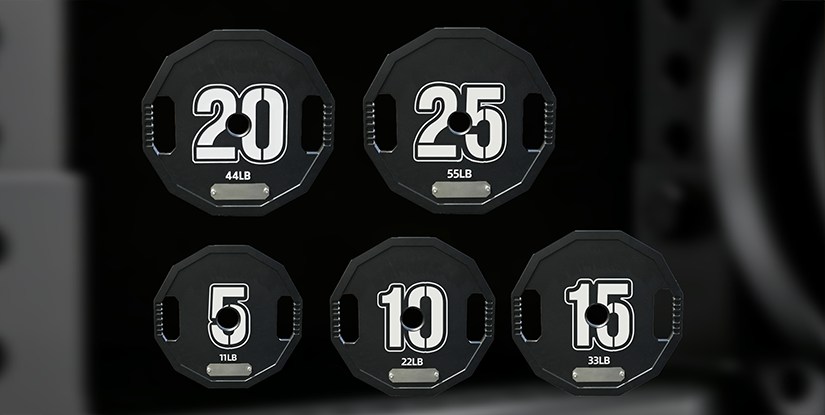
When conducting a sourcing audit or reviewing technical data sheets, confirm that the supplier provides clarity on the internal filler and the precision of the Olympic collar fit. A reliable bumper plate source supplier will provide documentation regarding the weight calibration and the concentricity of the central bore to ensure consistent performance across your entire bulk shipment.
Critical QC Protocols for Bulk Shipments
For distributors managing large-scale imports, the risk of receiving inconsistent batches is a significant threat to profit margins. A professional bumper plate manufacturer must implement a multi-stage pre-shipment QC process that goes beyond simple weight checks. High-volume commercial gym equipment sourcing requires a focus on dimensional precision, specifically the concentricity of the central bore and the uniformity of the edge profile. If the bore is not perfectly centered, it can cause uneven loading on barbell sleeves, leading to premature wear for the end-user.
Beyond the core build, the factory must also validate the integrity of the outer shell through rigorous testing. This includes inspecting the bond line adhesion between the rubber and the steel hub, as well as performing weight tolerance spot-checks across the entire production run. To minimize the risk of damaged goods during transit, specialized export packaging is non-negotiable. This typically involves reinforced carton corners, heavy-duty dividers, and optimized palletizing to prevent crushing and movement within the container. For those looking to scale, confirming these specific QC steps and packaging standards during the initial sourcing phase is essential to protecting your landed cost and ensuring a seamless arrival at your warehouse.
Optimizing Inventory with a Bumper Plate Source Supplier
Selecting a professional bumper plate source supplier is a strategic decision that shifts your procurement model from fragmented retail purchasing to a streamlined, high-margin distribution system. For distributors and gym operators, sourcing directly from a China factory allows for better control over product consistency and inventory turnover. Transitioning to wholesale bumper plates ensures that your stock meets the rigorous demands of commercial environments while optimizing your capital expenditure.
Effective commercial gym equipment sourcing requires more than just finding a low price; it requires a partner capable of managing complex supply chain variables. When you engage in bulk procurement, you must evaluate how the supplier manages MOQ requirements, production lead time, and the final landed cost to ensure your distributor margins remain healthy. Moving away from small-batch orders toward professional wholesale structures allows for predictable replenishment cycles and more efficient warehouse management.
Material Integrity and Manufacturing Standards
To mitigate the risk of high replacement costs and client dissatisfaction, procurement professionals must understand the structural differences between various production methods. A high-tier bumper plate source supplier will provide transparency regarding the core material and the secondary coating process, as these factors directly influence the long-term TCO (Total Cost of Ownership) for a commercial facility.
The most common manufacturing route involves high-density casting followed by precision machining of the central bore to ensure a concentric fit for Olympic barbells. The durability of the outer layer—whether it is a high-grade rubber/urethane coating or a specialized dip coating—determines the impact resistance and floor protection capabilities. Selecting the correct specification is critical when calculating the replenishment frequency for high-traffic strength zones.
| Material Tier | Primary Process | Key Component | Commercial Duty | MOQ Impact | Factory QC Point |
|---|---|---|---|---|---|
| Standard Rubber | Compression Molding | High-Density Core | Commercial/General | Moderate | Bonding Adhesion |
| Premium Urethane | Injection Molding | Steel Hub/Center | Premium/Competition | Higher | Weight Tolerance |
| Vinyl/Dip | Liquid Coating | Cast Iron Base | Budget/Studio | Lower | Coating Uniformity |
When conducting a factory audit or evaluating a new bumper plate manufacturer, we recommend focusing on the pre-shipment inspection protocols. A reliable bumper plate source supplier should perform specific quality control (QC) checks, including weight spot-checks and testing the coating adhesion of the rubber/urethane coating to prevent premature peeling. Verifying these technical standards during the sample approval stage is essential to protect your distributor margins and ensure long-term product reliability.
Factory QC and Export Packaging Standards
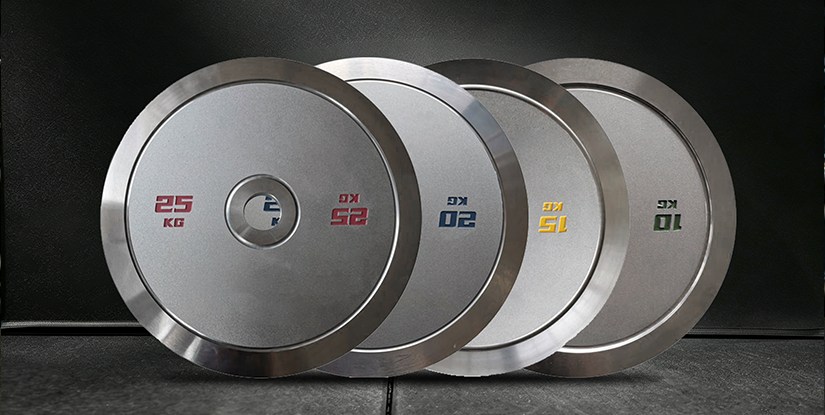
Maintaining product integrity during long-distance transit is a critical variable for distributors and gym equipment importers. A professional bumper plate source supplier must implement rigorous quality control (QC) protocols to mitigate the risk of transit damage and weight discrepancies. For large-scale commercial gym equipment sourcing, the difference between a successful delivery and a high return rate lies in the precision of the pre-shipment inspection and the durability of the export-grade packaging.
When managing wholesale bumper plates orders, the factory must focus on several technical checkpoints to ensure the landed cost remains low by avoiding replacement claims. This includes verifying material consistency across the entire batch and performing weight tolerance spot-checks to ensure each unit meets the specified commercial standard. Without these steps, even high-quality rubber or steel components can suffer from uneven density or dimensional inaccuracies during the long voyage from a China factory to international warehouses.
Critical Inspection Points for B2B Shipments
A reliable supplier does not merely pack boxes; they manage a technical workflow designed for the rigors of ocean freight. Effective sourcing requires understanding that the final QC stage determines the long-term durability of the product in a high-traffic commercial environment.
- Weight Calibration: Regular sampling to ensure the cast core and outer coating maintain the target weight within industry-standard margins.
- Bonding Integrity: Inspecting the adhesion between the rubber/PU layer and the internal steel or iron core to prevent delamination.
- Bore Precision: Verifying the concentricity and smoothness of the Olympic collar fit to ensure seamless compatibility with standard bars.
- Export Packaging: Utilizing heavy-duty corrugated cartons and reinforced corner protectors to withstand pallet stacking and container movement.
Optimizing Logistics and Landed Cost Efficiency
For distributors managing high-volume inventory, the final stage of the bumper plate manufacturer workflow is as critical as the casting process itself. Standard retail packaging is insufficient for the heavy-duty requirements of international ocean freight. To protect profit margins and ensure a low landed cost, professional wholesale bumper plates must be prepared using specialized export-grade packaging protocols designed for heavy, high-density loads.
Effective commercial gym equipment sourcing involves a strict mandate for palletization and moisture protection. A high-tier bumper plate source supplier will typically employ heavy-duty, reinforced corrugated boxes and secondary wrapping to prevent structural deformation during transit. Furthermore, to prevent oxidation or material degradation caused by humidity in shipping containers, the use of moisture-absorbent liners or vacuum-sealed protection is a standard requirement for long-haul sea freight. This level of detail ensures that when your bulk order arrives, the product remains in factory-spec condition, ready for immediate distribution or installation without the need for costly returns or replacements.
When negotiating your next shipment, we recommend confirming the specific OEM or ODM packaging requirements with your partner to ensure the pallet configuration optimizes container space and maximizes your shipping efficiency.
Strategic Sourcing and Bulk Order Logistics
Navigating the transition from small-scale purchasing to professional commercial gym equipment sourcing requires a shift in perspective. For distributors and gym chains, the goal is no longer just finding a single unit, but establishing a reliable partnership with a bumper plate source supplier capable of meeting rigorous volume demands. Relying on fragmented shipments often leads to inconsistent weight tolerances and higher landed cost per unit, which can erode your profit margins.
Effective procurement involves managing complex variables such as MOQ requirements, production lead time, and international shipping logistics. When you source directly from a China factory, you gain control over the entire supply chain, allowing for better inventory planning and more predictable replenishment cycles. Moving toward wholesale bumper plates via a direct manufacturer ensures that your brand identity and quality standards remain consistent across every bulk shipment, regardless of the order scale.
Evaluating Supply Chain Models: Factory-Direct vs. Trading Company
To maximize distributor margins and ensure product consistency, procurement managers must decide between direct production models and third-party intermediaries. Choosing the right bumper plate source supplier depends on your specific scale of operation and the level of technical control required for your inventory. While trading companies offer ease of communication, a direct factory provides the transparency necessary for high-volume commercial gym equipment sourcing.
| Sourcing Model | Material Control | Quality Control (QC) | OEM/ODM Capability | Logistics & Landed Cost |
|---|---|---|---|---|
| Direct Factory | Full oversight of raw materials and casting density | Direct pre-shipment inspection at the production line | High; optimized for custom branding and private label | Lower; direct control over container loading and FOB terms |
| Trading Company | Limited to finished product specifications | Relies on third-party reports or supplier claims | Moderate; limited to existing stock or standard catalogs | Higher; includes additional service and markup margins |
For those managing large-scale facility rollouts, the ability to execute wholesale bumper plates orders with specific technical requirements is vital. A direct manufacturer can integrate custom weight tolerances or specific rubber/PU coating thicknesses into the production sequence. This level of control reduces the risk of receiving sub-standard batches that increase long-term maintenance costs. When finalizing your sourcing strategy, we recommend requesting a detailed spec sheet and confirming the MOQ for any custom OEM requests to ensure alignment with your projected lead time and budget.
Custom Branding and Export-Ready Solutions
Scaling a fitness brand requires more than just a standard product catalog; it demands the ability to implement custom branding that reinforces your market position. A professional bumper plate source supplier offers comprehensive OEM and ODM services, allowing you to integrate your unique logo and color schemes into the casting or coating stages. Whether you require specific color-coded weight increments for better gym organization or a specialized texture for your private label, working with a dedicated factory ensures these details are executed with industrial precision rather than superficial application.
Beyond product customization, the final stage of the procurement process—export packaging—is a critical factor in protecting your investment during long-haul transit. High-volume wholesale bumper plates must be secured in heavy-duty, reinforced cartons designed to withstand the stresses of container loading and maritime shipping. A reliable manufacturer will implement a rigorous pre-shipment QC protocol, focusing on weight calibration, edge integrity, and carton drop testing. This meticulous approach to export packaging minimizes the risk of transit damage, ensuring that your bulk shipments arrive at your warehouse ready for immediate distribution or facility installation.