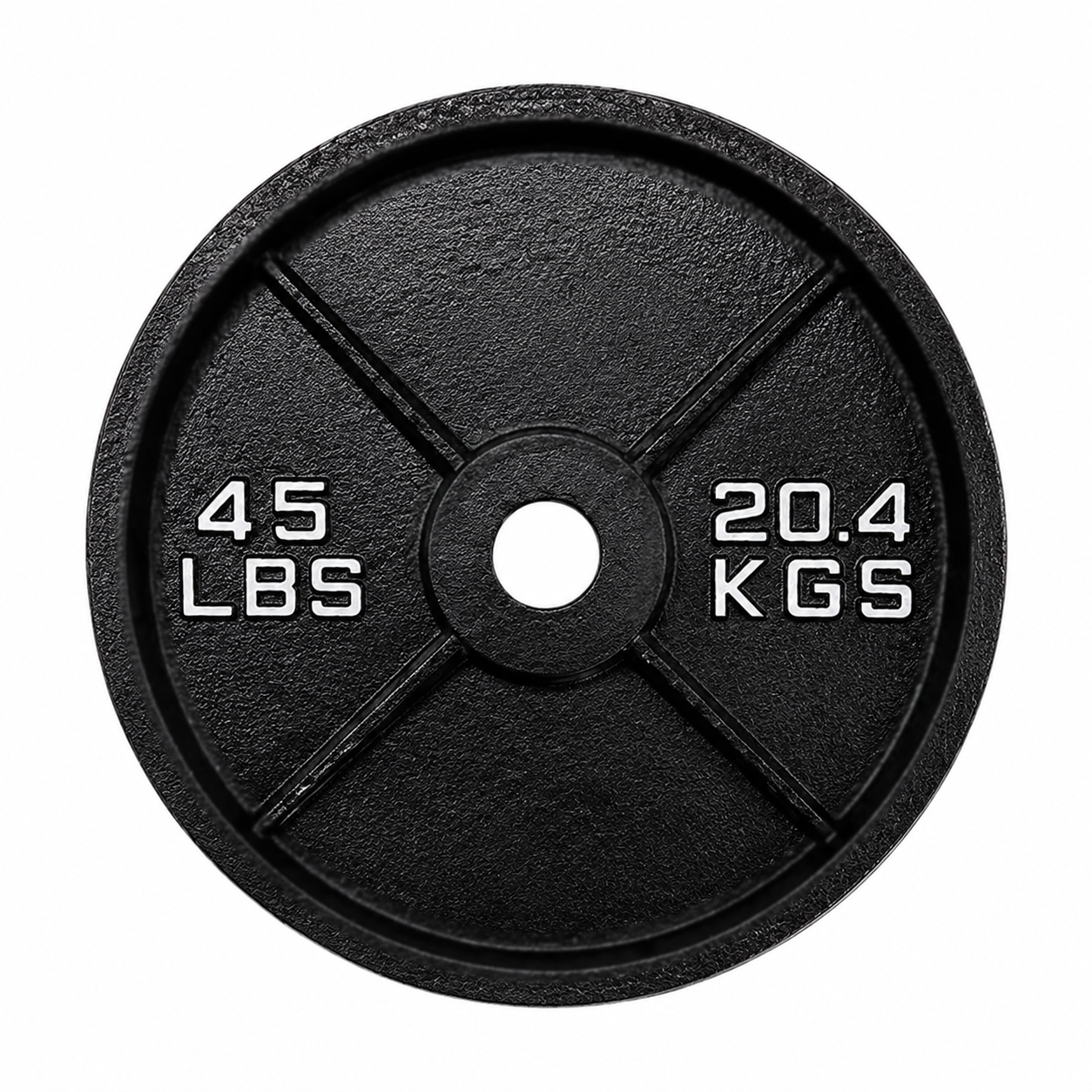
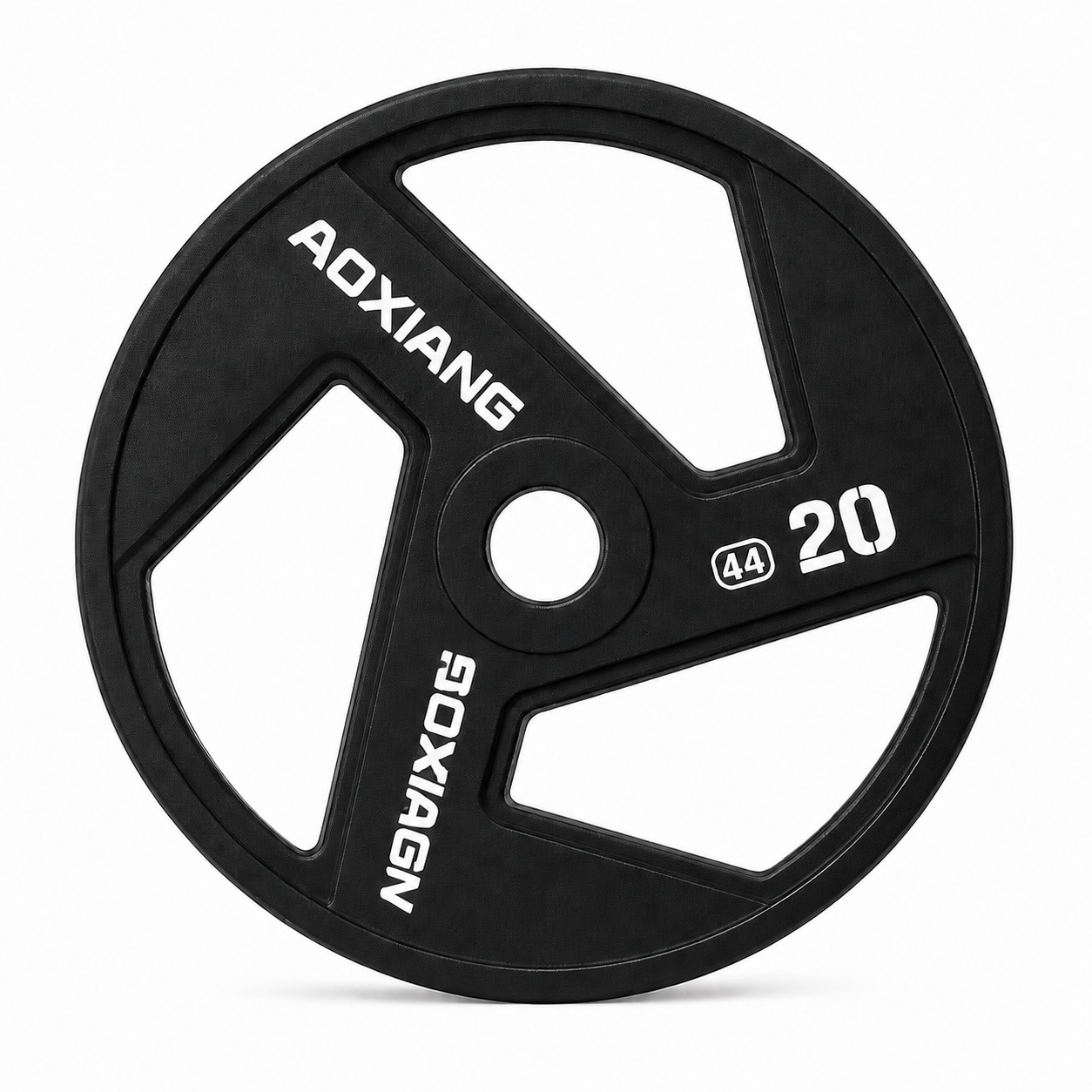
Olympic Plate Wholesale Manufacturer: Bulk OEM from China
Strategic Sourcing: Selecting an Olympic Plate Wholesale Manufacturer
Selecting a reliable olympic plate wholesale manufacturer requires a rigorous evaluation of three critical procurement pillars: technical specification accuracy, logistical reliability, and long-term supply stability. For distributors and gym equipment importers, the risk of sourcing from an unverified factory involves more than just receiving incorrect weights; it involves the threat of high return rates, damaged inventory during transit, and compromised brand reputation. A professional China factory must demonstrate a systematic approach to managing high-volume orders while maintaining consistent tolerances across different production batches.
The complexity of sourcing commercial weight plates bulk orders extends beyond the initial purchase price to the total landed cost and long-term durability. Decision-makers must establish clear procurement criteria early in the negotiation phase, focusing specifically on the MOQ required for custom branding, the realistic lead time for large-scale production runs, and the transparency of the quality control protocols. Establishing a partnership with a specialized supplier ensures that your inventory meets the heavy-duty demands of commercial fitness environments while optimizing your distributor margins through efficient sourcing and predictable shipping schedules.
Sourcing Models: Factory-Direct vs. Trading Company
To optimize your procurement strategy, it is essential to understand the structural differences between working directly with a production facility and engaging with a third-party entity. While trading companies may offer a broader product catalog, a dedicated olympic plate wholesale manufacturer provides the technical oversight necessary for high-spec commercial orders. Choosing the right model depends on your specific requirements for customization, volume, and direct control over the manufacturing process.
| Sourcing Model | OEM/ODM Capability | Landed Cost Efficiency | Quality Oversight & QC | Typical Order Profile |
|---|---|---|---|---|
| Factory-Direct (Manufacturer) | High: Full control over custom branding and technical specs | High: Direct pricing without intermediary margins | High: Direct access to production lines and pre-shipment inspections | Large-scale bulk orders and long-term distribution contracts |
| Trading Company (Agent) | Limited: Often reliant on third-party production schedules | Variable: Includes service fees and middleman markups | Moderate: Indirect oversight through third-party reports | Smaller batches or highly diversified product mixes |
For distributors seeking to build a strong brand identity, a China olympic plate factory is the preferred partner for complex OEM requests. When ordering commercial weight plates bulk, the ability to specify material finishes—such as moving from basic paint to high-durability powder coating—or adjusting the thickness of a rubber encapsulation layer, requires the direct engineering support that only a true manufacturer can provide. We recommend requesting a detailed spec sheet and confirming the MOQ for any custom branding or specialized weight tolerances before finalizing your procurement plan.
Technical Inspection and Export Readiness
High-volume procurement demands a focus on the granular details of the production line to prevent costly after-sales issues. When sourcing from a China olympic plate factory, the most critical technical checkpoints occur during the transition from casting to final finishing. For example, a professional olympic plate wholesale manufacturer will implement a strict weight calibration and concentricity check to ensure the center bore remains perfectly aligned. This prevents uneven wear on barbell sleeves, a common failure mode in lower-tier commercial settings. Furthermore, inspecting the coating adhesion—whether it is a standard paint, a high-durability powder coating, or a thick rubber encapsulation—is vital to ensure the surface does not chip or peel under heavy commercial usage.
Beyond the physical product, logistical excellence determines your final landed cost and inventory turnover efficiency. A reliable supplier must provide specialized export packaging designed to withstand long-distance sea freight. This typically involves reinforced carton corners and heavy-duty pallets to prevent structural damage to the plates during container loading. We advise all professional buyers to request a pre-shipment inspection report that covers specific QC points, such as the thickness of the rubber molding and the flatness of the cast iron base. By verifying these technical standards and confirming the MOQ for specific finishes early, you can ensure a seamless transition from the production line to your local distribution warehouse.
Material Composition and Manufacturing Standards for Commercial Weight Plates
Selecting a reliable olympic plate wholesale manufacturer requires a deep understanding of how base materials and surface treatments impact long-term commercial durability. For high-volume distributors and gym owners, the choice between bare iron, powder coating, or specialized rubber encapsulates the trade-off between initial landed cost and total cost of ownership. A professional China olympic plate factory typically offers tiered material options to suit different market segments, from budget-friendly strength centers to premium performance studios.
When sourcing commercial weight plates bulk, procurement specialists must evaluate the manufacturing sequence—from the initial casting stage to the final calibration—to ensure consistent weight tolerance and structural integrity. High-quality production involves precision machining of the center bore to ensure a smooth fit on Olympic bars, preventing uneven wear during high-frequency use in commercial environments.
| Material Tier | Primary Process | Surface Finish | Commercial Duty | Sourcing Advantage |
|---|---|---|---|---|
| Cast Iron | Sand Casting | Paint or Powder Coating | Standard Commercial | High Margin/Low MOQ |
| Steel Core | Machined Steel | Rubber or PU Coating | Premium/High-Impact | Durability/Longevity |
| Solid Steel | Precision Machining | Chrome or Enamel | Competition/Studio | Precision/Weight Stability |
The durability of a weight plate is often determined by the adhesion of its outer layer. For instance, a China factory specializing in high-end output will utilize advanced rubber molding or multi-stage powder coating lines to ensure the coating does not peel or crack under heavy impact. For distributors, verifying the quality of the internal filler and the thickness of the encapsulation layer is a critical step in the sourcing process to avoid high replacement rates and client complaints.
Evaluating Manufacturing Processes and Quality Control
Understanding the technical nuances of the manufacturing sequence is vital for any professional buyer. A standard production workflow in a reputable olympic plate wholesale manufacturer begins with the casting phase—typically sand casting for iron-based units—followed by CNC machining to ensure the center bore meets industry-standard concentricity. This precision in the machining stage is what prevents the plate from wobbling on a barbell, a common failure mode in low-quality batches that can lead to higher maintenance costs for end-users.
Beyond the core material, the surface finishing process dictates the product's longevity. In many commercial settings, the transition from a basic paint finish to a high-grade powder coating or a specialized rubber encapsulation is a key differentiator. A professional factory will implement a multi-step process: casting, followed by de-burring, precision machining, and finally, the application of the coating. This sequence ensures that the coating adhesion remains high even under the mechanical stress of repetitive loading and unloading.
To minimize the risk of defective shipments, we recommend that importers conduct a rigorous pre-shipment inspection. A reliable China factory should provide documentation or allow for remote verification of key quality checkpoints. This includes checking the flatness of the plate base, the smoothness of the knurling or edge transitions, and the integrity of the center bore. For those looking to manage wholesale orders effectively, requesting a sample to test the coating thickness and the weight stability is a standard best practice to ensure the landed cost remains optimized without sacrificing commercial-grade performance.
Optimizing Gym Floor Layout with High-Density Plate Storage Solutions
In high-traffic commercial fitness facilities, floor real estate is a premium asset. Managing heavy inventory becomes a logistical challenge for distributors and gym owners alike. Partnering with a professional olympic plate wholesale manufacturer allows you to implement smarter storage strategies that maximize your usable square footage. By sourcing high-quality units designed for systematic stacking, you can transition from cluttered floor areas to organized, high-density environments.
Efficient space optimization is not just about aesthetics; it directly impacts the operational flow of a training floor. When procurement leads focus on high-density storage capabilities, they reduce the footprint required for weight stations. Whether you are outfitting a boutique studio or a large-scale training center, selecting commercial weight plates bulk orders that prioritize stackability ensures that your equipment remains accessible without obstructing member movement. Utilizing specialized racks or integrated storage solutions provided by a reliable China factory can significantly improve your facility's overall footprint efficiency and long-term organization.
Material and Footprint Comparison for Procurement Planning
Selecting the right material profile is a critical decision for distributors balancing durability against floor-load requirements. For high-volume facility setups, the choice between traditional iron and modern rubberized options dictates both the long-term maintenance load and the necessary storage footprint. When sourcing from an olympic plate wholesale manufacturer, it is essential to evaluate how the material thickness and surface treatment affect the total weight-to-volume ratio in your shipping containers and warehouse racks.
The following table outlines the technical differences between common commercial-grade options to assist in your sourcing decisions. This comparison focuses on the utility and logistical impact of each type within a professional training environment.
| Material Type | Primary Process | Key Component/Feature | Commercial Duty | MOQ Impact | Factory QC Point |
|---|---|---|---|---|---|
| Cast Iron | Sand casting and machining | Standard steel hub | Budget/Traditional | Lower for standard stock | Bore concentricity and flatness |
| Rubber Coated | Injection molding or dip | High-density rubber layer | Premium/High-impact | Higher due to material costs | Coating adhesion and edge bonding |
| Polyurethane (PU) | Precision molding | Encapsulated core | Elite/Competition | Significant for custom orders | Surface smoothness and weight tolerance |
For importers seeking to maximize their landed cost, cast iron remains a staple for strength-focused facilities due to its compact profile and lower price point. However, for premium studios where noise reduction and floor protection are priority, high-density rubber or PU options are the industry standard. We recommend requesting a sample evaluation or a detailed spec sheet to confirm how these material choices align with your specific China olympic plate factory OEM requirements and your target market's durability expectations.
When managing a large-scale import, the total landed cost is heavily influenced by how efficiently your product occupies shipping containers and warehouse shelves. A professional olympic plate wholesale manufacturer understands that volume-to-weight ratios are a critical metric for distributors. Choosing between a thin-profile cast iron plate and a thicker, high-density rubberized version is not merely a product preference; it is a strategic decision regarding your logistics and storage overhead.
For procurement leads, optimizing the supply chain involves more than just the unit price. It requires calculating the impact of product dimensions on container loading and long-term warehouse efficiency. By utilizing OEM or ODM solutions, you can request specific packaging configurations or custom branding that integrates seamlessly with your existing storage hardware. Whether you are prioritizing the low-profile nature of iron for maximum density or the protective qualities of rubber for premium facilities, a direct factory partnership ensures that your bulk order is engineered to meet both your space constraints and your budgetary goals.
Customization Capabilities: OEM and ODM Services for Global Distributors
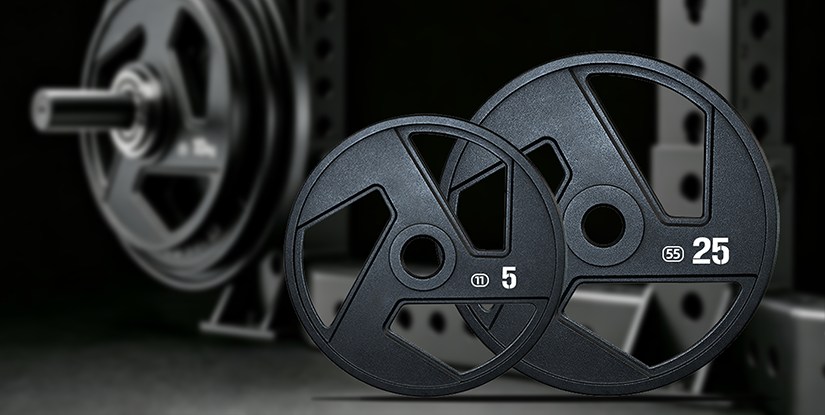
For distributors and large-scale gym operators, standard off-the-shelf products often fail to differentiate a brand in a crowded market. Partnering with a professional olympic plate wholesale manufacturer allows you to move beyond generic inventory toward a proprietary product line. By leveraging OEM and ODM capabilities, you can control every variable from the aesthetic identity to the specific material density, ensuring your inventory meets the exact requirements of your target demographic.
Strategic customization is not merely about aesthetics; it is a tool for increasing distributor margins and building long-term brand equity. Whether you require a specific private label solution for a premium fitness boutique or high-volume commercial weight plates bulk orders for a global gym chain, a specialized China factory can adapt production to your specifications. This includes selecting between different material profiles—such as high-density rubber/PU coating for impact reduction or standard cast iron for traditional strength training—to optimize your product's market positioning and durability.
Strategic Sourcing and Customization Tiers
| Material Option | Manufacturing Process | Primary Application | Branding Potential | Typical Sourcing Use |
|---|---|---|---|---|
| Cast Iron | Sand Casting & Powder Coating | Standard Commercial Gyms | High (Embossed/Painted Logos) | Budget-conscious Bulk Orders |
| Rubber Coated | Steel Core & Vulcanization | Premium Strength Facilities | High (Custom Color/Texture) | High-End Distributor Stock |
| Polyurethane (PU) | Precision Molding & Injection | Boutique Studios & Competition | Extreme (Full Color Customization) | Premium Private Label Lines |
When managing a sourcing project, understanding these tiers is critical for calculating your landed cost and projected ROI. A wholesale order of cast iron plates offers a lower entry point for high-volume distribution, while ODM requests for PU-coated plates allow you to target the premium segment with unique branding and superior floor protection. Working directly with a supplier that understands these technical nuances ensures that your custom specifications—from the knurling texture to the coating adhesion—are executed to professional commercial standards.
Selecting the right customization path depends heavily on your target market's price sensitivity and the intended environment of the end-user. A professional olympic plate wholesale manufacturer provides the technical infrastructure to scale these options based on your specific volume requirements and branding goals.
Customization Tiers and Commercial Duty Comparison
| Customization Tier | Branding Options | Material/Finish Focus | Commercial Duty Level | Typical MOQ Impact |
|---|---|---|---|---|
| Standard (Stock-Based) | Standard Raised Logo or Paint | Cast Iron with Powder Coating | High-Traffic Commercial | Lower MOQ / Faster Lead Time |
| Premium (Customized) | Full Color Molded or Injected | Rubber Coated or PU Coated | Boutique & Performance | Higher MOQ / Longer Lead Time |
| Elite (Private Label) | Customized Color & Full Branding | Precision Steel/High-Density PU | Competition & Specialized | Strict MOQ / Specialized Production |
For distributors, the ability to offer a tiered product catalog is a significant competitive advantage. While standard powder-coated iron plates are ideal for high-volume commercial weight plates bulk procurement in general strength facilities, the high-margin boutique market often demands the specialized aesthetics and impact-absorption of rubber/PU coating. By coordinating directly with a China factory, you can align your OEM or ODM requests with your warehouse capacity and shipping schedules, ensuring that custom colorways or specialized branding do not negatively impact your landed cost or inventory turnover.
Production Workflow: From Design Approval to Export Readiness
Navigating a custom production cycle requires a structured approach to ensure that your brand identity remains consistent across large-scale shipments. A reliable China olympic plate factory follows a disciplined sequence to mitigate the risks of weight variance or coating failure. The process typically begins with a detailed design consultation where your technical specifications—such as the specific thickness of the rubber/PU coating or the depth of the embossed logo—are finalized. Once the prototype is approved, the transition to mass production can begin, provided the agreed-upon MOQ is met.
The manufacturing sequence follows a standardized path: starting with precision sand casting or centrifugal casting of the core, followed by CNC machining to ensure the bore diameter meets industry-standard tolerances. After the structural work, the plates undergo surface treatment, such as a powder coating line or vulcanization, depending on your selection. Throughout this cycle, a rigorous QC process is integrated, involving weight spot-checks and adhesion testing to ensure the product survives high-traffic commercial environments. This level of oversight is essential for importers to avoid the high costs of replacement and damaged goods upon arrival.
Effective logistics management is the final pillar of a successful sourcing strategy. After passing pre-shipment inspections, the goods are prepared using heavy-duty export packaging designed to withstand long-distance maritime transit. This includes reinforced carton corners and palletization optimized for container loading efficiency. By coordinating the lead time and shipping schedules directly with your supplier, you can more accurately forecast your landed cost and ensure that your warehouse remains stocked without unnecessary capital tie-up. Whether you are managing a single container or multiple shipments, a professional olympic plate wholesale manufacturer provides the transparency needed to maintain a seamless global distribution chain.
Quality Control Protocols and Export Packaging Standards in China Factories
Managing a large-scale procurement project requires more than just finding a low price; it requires a olympic plate wholesale manufacturer that prioritizes precision and structural integrity. For distributors and gym equipment importers, the primary risks involve weight discrepancies and transit damage that can inflate the total landed cost. A professional China factory must implement a rigorous multi-stage verification process to ensure every unit meets commercial-grade standards before leaving the warehouse.
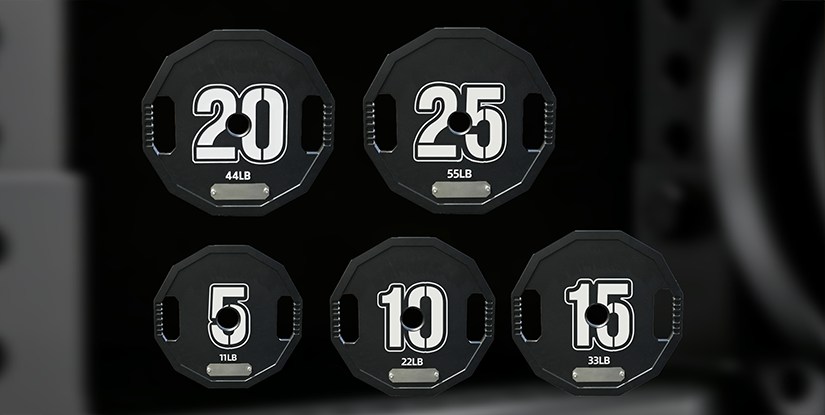
Standard commercial weight plates bulk orders undergo a systematic inspection sequence to mitigate common failure modes such as uneven coating or inaccurate weight. A reliable China olympic plate factory typically follows a sequence of casting, machining, and surface treatment, followed by a strict pre-shipment inspection. This process ensures the weight tolerance remains within acceptable industry-standard limits and that the center of gravity is consistent across the batch.
Effective logistics planning for heavy iron or rubber-coated products must also account for high-density container loading. To protect the investment of the buyer, high-quality sourcing involves utilizing reinforced export cartons and heavy-duty pallets. This prevents the crushing of inner packaging and ensures that the product arrives at the destination warehouse in a condition ready for immediate retail or commercial use, thereby protecting the distributor's margins.
Inspection Focus and Export-Grade Protection
During the final stages of production, a professional olympic plate wholesale manufacturer conducts specific technical checks that directly impact the long-term durability of the equipment. A critical inspection point is the concentricity of the central bore; if the hole is not perfectly centered, the plate will wobble on the barbell, causing uneven wear and potential safety issues in a commercial gym environment. Furthermore, technicians must verify the surface finish and coating adhesion to ensure the paint or rubber layer does not chip or peel during high-frequency use. A qualified China olympic plate factory will also perform weight spot-checks across the batch to maintain consistency, ensuring that the actual weight aligns with the labeled specifications.
For high-volume commercial weight plates bulk orders, the packaging strategy is just as vital as the manufacturing process to minimize damage during sea freight. Standard export-grade protocols include the use of reinforced corrugated cartons and heavy-duty palletization to secure the load. Each pallet is typically wrapped in high-strength stretch film and secured with edge protectors to prevent shifting within the shipping container. For distributors managing complex logistics, specifying these heavy-duty packaging standards is essential to reducing the risk of transit-related returns and ensuring the shipment arrives at the destination ready for immediate deployment.
To optimize your procurement workflow, we recommend discussing specific packaging requirements and MOQ levels during the initial consultation. Our team can provide detailed technical spec sheets, discuss custom branding options through OEM or ODM services, and provide estimated lead time for your specific order volume. Please contact us to request a formal quote or to schedule a factory audit to verify our quality control standards firsthand.
Tiered Inspection and Packaging Options for Importers
Depending on your specific market positioning and budget, you may choose from different levels of quality assurance and protection. Understanding these tiers allows a supplier to better align with your brand identity and the expected durability requirements of your end-users. Whether you are sourcing budget-friendly iron plates or premium rubber-coated units, selecting the appropriate level of pre-shipment inspection and export packaging is vital for maintaining your distributor margins.
| Inspection Tier | Packaging Type | Typical Use | QC Focus | Shipping Method |
|---|---|---|---|---|
| Standard Commercial | Reinforced Single Carton | Standard Gyms / General Retail | Weight Accuracy & Surface Finish | LCL / Standard Container |
| Premium Professional | Double-Wall Corrugated Box | High-End Fitness Studios | Bore Centricity & Coating Adhesion | FCL / Containerized Sea Freight |
| Distributor Grade | Heavy-Duty Palletized Case | Large-Scale Gym Chains / Distributors | Full Batch Weight Consistency & Edge Integrity | Full Container Load (FCL) |
When coordinating with an olympic plate wholesale manufacturer, we advise clarifying these tiers during the sourcing phase. A higher tier of protection or more frequent spot-checks may affect the initial MOQ or the total lead time, but it significantly reduces the risk of transit damage. For customized OEM or ODM projects, we can also integrate specific branding requirements into these packaging tiers to ensure your brand arrives in professional, retail-ready condition.
Evaluating Total Cost of Ownership and Bulk Procurement Logistics
When engaging with an olympic plate wholesale manufacturer, professional buyers must look beyond the initial unit price to understand the long-term economic impact on their facility. While a low quote from a China factory may seem attractive for immediate capital expenditure, the true expense is defined by the landed cost and the subsequent operational lifecycle of the equipment. A low-quality casting that requires frequent replacement or surface refurbishment will quickly erode your distributor margins and increase your maintenance load.
For distributors and gym operators, high-volume sourcing strategy should prioritize durability to ensure a high long-term ROI. If the commercial weight plates bulk order consists of plates with inconsistent weight tolerances or poor coating adhesion, the cost of replacement and the labor for maintenance will eventually exceed the initial savings. Selecting a reliable China olympic plate factory that emphasizes standardized production ensures that your investment remains stable over several years of heavy commercial use.
To optimize your wholesale procurement, consider these qualitative tiers when evaluating different supply options:
| Supply Tier | Primary Material Focus | Typical Surface Finish | Commercial Duty Level | Procurement Priority |
|---|---|---|---|---|
| Budget/Entry | Standard Gray Iron | Basic Paint or Bare Iron | Light Commercial/Home | Lowest Initial Capex |
| Standard Commercial | Cast Iron / Steel | Powder Coating | Full Commercial Gyms | Balanced TCO & Durability |
| Premium/Competition | High-Grade Steel / PU | Polyurethane or Chrome | Professional Training Centers | Maximum Longevity & ROI |
Understanding the relationship between material composition and replacement frequency is essential for effective commercial weight plates bulk procurement. A high-performance facility requires equipment that withstands high-frequency impact without degrading, as the cost of labor and shipping for replacement units can quickly outpace the initial savings of a cheaper order. When you partner with a professional olympic plate wholesale manufacturer, you are investing in the long-term stability of your inventory.
The following comparison outlines how different material-process combinations influence the total cost of ownership. For example, while cast iron offers a lower entry price, the durability of a high-grade surface coating or a full polyurethane encapsulation significantly reduces the long-term maintenance load and protects your facility's flooring, ultimately improving your overall ROI.
| Material Type | Primary Process | Surface Coating | Maintenance Needs | Replacement Frequency |
|---|---|---|---|---|
| Cast Iron | Sand Casting | Paint or Powder Coating | Low; periodic visual inspection | Moderate in high-impact settings |
| Rubber Coated | Steel Core + Molding | Vulcanized Rubber | Minimal; standard cleaning | Low; highly durable for commercial use |
| Urethane (PU) | Precision Casting | Polyurethane Coating | Very Low; premium protection | Minimal; ideal for elite facilities |
Before finalizing your next sourcing contract, we recommend requesting a detailed specification sheet to confirm the specific coating adhesion and weight tolerance standards used by the China factory. We also invite you to discuss your specific MOQ requirements or OEM branding needs with our team to ensure your bulk order aligns perfectly with your distribution or facility goals.
Optimizing Logistics and Pre-Shipment Inspection Protocols
Navigating the complexities of international shipping logistics is a critical step for any professional buyer sourcing from a China olympic plate factory. To ensure a predictable landed cost, importers must account for more than just the unit price. Factors such as container loading efficiency, customs duties, and freight volatility can significantly impact your final procurement budget. A highly efficient China factory will provide optimized packing configurations—such as heavy-duty reinforced cartons or specialized palletization—to maximize container volume and reduce the risk of transit damage.
To mitigate the risks of receiving sub-standard inventory, a rigorous pre-shipment QC process is non-negotiable. During the inspection phase, professional buyers should verify critical technical benchmarks, including weight tolerance consistency and the structural integrity of the coating or encapsulation layer. Relying on a specialized olympic plate wholesale manufacturer ensures that every batch undergoes standardized checks—from bore diameter precision to surface finish adhesion—before leaving the warehouse. By integrating these strict quality controls and clear sourcing protocols into your workflow, you can minimize the frequency of costly returns and ensure your high-volume orders meet the strict demands of the North American commercial market.