Bumper Plate Private Label: Material and Sourcing Comparison
Bumper Plate Private Label: Material Selection for Commercial Durability
Distributors often face a critical procurement dilemma: choosing between the low initial price of budget materials and the long-term stability of premium builds. A common mistake is sourcing low-grade rubber that cracks within months, leading to high replacement frequency and damaged gym floors. For a successful bumper plate private label project, professional buyers must prioritize the Total Cost of Ownership (TCO) by selecting materials that balance upfront wholesale costs with extended replacement cycles in high-traffic environments.
Understanding the relationship between material density and durability is essential when managing a commercial bumper plate OEM program. While rubber and urethane offer different impact profiles, the choice directly affects your distributor margins and the reputation of your brand. High-density materials typically offer better shape retention and longer lifespans, which reduces the frequency of re-ordering and minimizes long-term maintenance overhead for the end-user.
Material Performance and TCO Comparison
When evaluating wholesale rubber bumper plates, buyers should analyze how different compositions impact the landed cost versus the long-term durability of the equipment. A China factory can provide various tiers of production to meet different market segments, from budget-friendly training centers to premium performance studios.
| Material Type | Common Process | Primary Commercial Use | Durability Tier | Sourcing Consideration |
|---|---|---|---|---|
| Rubber (Standard) | Compression Molding | General Fitness/CrossFit | Standard Commercial | Best for high-volume wholesale |
| Urethane (Premium) | Injection/Dip Molding | High-End Performance Gyms | Premium/High-Impact | Higher landed cost; lower replacement frequency |
| Cast Iron (Base) | Sand Casting | Traditional Strength Training | Budget/Durable | Lowest MOQ impact; high weight density |
Selecting the right material through a reliable supplier ensures that your bumper plate private label meets the rigorous demands of professional athletes. For instance, while standard rubber is cost-effective for mass-market distribution, urethane provides a more resilient surface that resists cracking and maintains its color integrity over years of heavy use, ultimately providing a better ROI for commercial facility operators.
To optimize the long-term ROI of your procurement, it is essential to understand how manufacturing processes and material density influence the replacement cycle. A mismatch between material choice and facility usage can lead to increased maintenance costs and diminished brand trust. For a successful bumper plate private label project, we recommend evaluating the specific impact of the material's surface treatment and internal structure on the total lifecycle cost.
Strategic Sourcing and Quality Control Standards
Effective sourcing requires more than just comparing price per unit; it requires verifying the technical consistency of the production line. A professional China factory will typically implement a multi-stage inspection process to ensure that the weight tolerance and structural integrity of every batch remain consistent. This level of detail is what separates a high-performance product from a budget alternative that fails under heavy commercial use.
When you engage in a commercial bumper plate OEM partnership, you should request specific details regarding the pre-shipment inspection protocols. A reliable supplier should be able to provide clarity on how they manage the following critical checkpoints:
- Material density and uniform weight distribution through calibration.
- Bonding adhesion between the internal core and the outer rubber/urethane layer.
- Edge integrity and surface finish to prevent chipping during high-impact drops.
- Packaging durability to ensure the product arrives without structural deformation.
For distributors looking to maximize their margins, selecting a wholesale tier that aligns with the target facility's usage frequency—such as high-intensity interval training (HIIT) versus standard strength training—is the most effective way to manage the balance between initial MOQ requirements and long-term customer satisfaction. We suggest requesting a sample evaluation or a detailed spec sheet to confirm that the material's performance profile meets your specific market demands before proceeding with a bulk order.
To optimize the long-term ROI of your procurement, it is essential to understand how manufacturing processes and material density influence the replacement cycle. A mismatch between material choice and facility usage can lead to increased maintenance costs and diminished brand trust. For a successful bumper plate private label project, we recommend evaluating the specific impact of the material's surface treatment and internal structure on the total lifecycle cost.
Comparing Rubber, Urethane, and Cast Iron Specifications
Selecting the correct material profile for a bumper plate private label project requires balancing initial procurement costs against long-term maintenance and floor protection requirements. For distributors and gym owners sourcing from a China factory, understanding the engineering trade-offs between impact absorption and surface durability is essential for calculating total cost of ownership (TCO) and managing replacement cycles.
When managing wholesale rubber bumper plates orders, the choice of outer coating significantly impacts the lifespan of the unit in high-traffic commercial environments. While standard rubber offers high impact absorption, premium urethane options provide superior resistance to abrasion and chemical exposure, which is a critical factor for high-end facility branding.
| Material Type | Primary Surface Finish | Impact Absorption | Commercial Durability | Procurement Tier |
|---|---|---|---|---|
| Rubber | Rubberized Coating | High | Standard Commercial | Budget-Friendly |
| Urethane | PU Coating | Moderate | Premium/High-Traffic | Mid-to-High Tier |
| Cast Iron | Powder Coating | Low | High (Rigid) | Value/Standard |
For professional buyers looking to expand their product lines, a commercial bumper plate OEM partnership allows for customized material density and coating thickness. A professional supplier can adjust the outer layer—whether it is a standard rubber dip or a high-density polyurethane—to meet specific branding or durability requirements, ensuring the final product aligns with the intended market positioning and sourcing strategy.
The engineering divergence between these materials dictates not only the physical performance of the equipment but also the logistics of your sourcing strategy. For instance, while rubber-based units are typically produced through high-pressure molding or dip processes to ensure a seamless bond, urethane-coated plates often require more complex application stages to achieve a high-gloss, abrasion-resistant finish suitable for premium facility branding.
When evaluating a bumper plate private label program, procurement leads must consider how material density affects the landed cost and shipping volume. Heavier, more rigid materials like cast iron offer excellent value for strength-focused training environments but lack the impact-damping properties required for high-velocity Olympic lifting. Conversely, high-density rubber or urethane options are indispensable for protecting facility flooring and reducing acoustic noise in multi-use commercial spaces.
| Material | Primary Process | Commercial Durability | Sourcing/MOQ Impact |
|---|---|---|---|
| Rubber | Compression Molding | High Impact Absorption | Standard MOQ |
| Urethane | Injection Molding / PU Coating | High Abrasion Resistance | Higher MOQ / Premium Tier |
| Cast Iron | Sand Casting & Powder Coating | High Structural Rigidity | Low MOQ / High Volume Efficiency |
To ensure quality consistency across large-scale wholesale shipments, a reliable factory will implement specific QC checkpoints for each material type. For rubber and urethane variants, this includes checking the adhesion of the outer layer to the internal core to prevent delamination. For cast iron components, the focus shifts to the precision of the sand casting and the uniformity of the powder coating application. We recommend that buyers request detailed spec sheets and confirm the specific manufacturing route during the initial inquiry to align the product quality with their target market's expectations.
To ensure quality consistency across large-scale wholesale shipments, a reliable factory will implement specific QC checkpoints for each material type. For rubber and urethane variants, this includes checking the adhesion of the outer layer to the internal core to prevent delamination. For cast iron components, the focus shifts to the precision of the sand casting and the uniformity of the powder coating application. We recommend that buyers request detailed spec sheets and confirm the specific manufacturing route during the initial inquiry to align the product quality with their target market's expectations.
Manufacturing Processes and Surface Finishing Standards
Maintaining high standards for bumper plate private label production requires a rigorous sequence of casting, machining, and coating to ensure long-term durability. For distributors managing high-volume inventory, understanding the technical nuances of how a commercial bumper plate OEM operates is vital for reducing replacement costs and ensuring consistent product performance across large-scale gym installations.
The manufacturing journey typically begins with high-grade rubber or polyurethane molding, followed by precision machining to ensure the central bore meets strict concentricity standards. A professional China factory will implement a multi-stage process—starting from raw material preparation to final calibration—to guarantee that every unit meets the required weight tolerance. For wholesale rubber bumper plates, the bond between the internal core and the outer protective layer is the most critical factor in preventing delamination or edge cracking during heavy impact. Ensuring a seamless integration between the structural core and the surface finish is a primary focus during the quality control phase to protect your brand's reputation in the professional market.
Surface Finishing and Durability Comparison
The choice between rubber molding and urethane coating significantly affects the total cost of ownership and the maintenance cycle for commercial facilities. When sourcing for a bumper plate private label project, buyers must weigh the immediate savings of rubber against the long-term resilience of polyurethane. While rubber is the industry standard for high-impact durability in most commercial settings, urethane offers a denser, more abrasion-resistant surface that maintains its finish under heavy usage.
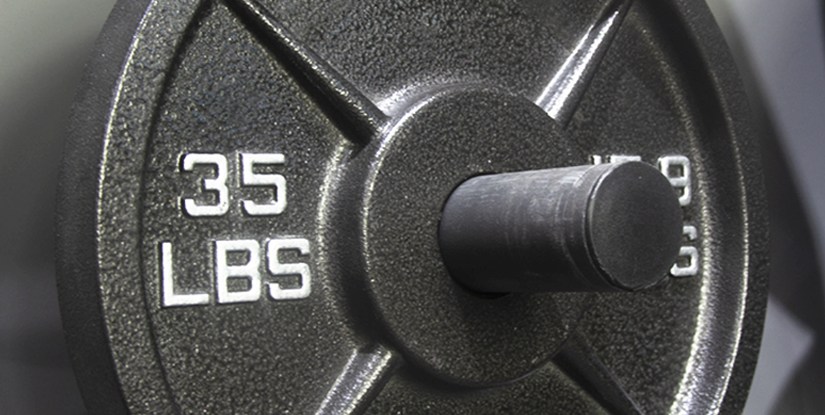
The following comparison outlines the technical distinctions between these two common surface finishing routes to assist in your wholesale procurement decisions:
| Material Type | Surface Finishing Process | Key Component Characteristic | Commercial Duty Tier | Procurement Impact |
|---|---|---|---|---|
| Rubber | Compression Rubber Molding | High impact absorption/soft edge | Standard Commercial | Lower landed cost / High volume |
| Polyurethane | Urethane Coating/Encapsulation | High abrasion resistance/smooth texture | Premium Commercial | Higher MOQ / Higher unit price |
| Hybrid/Composite | Dual-Layer Molding | Reinforced core for structural stability | High-End Studio | Specialized sourcing required |
From a sourcing perspective, selecting the appropriate material is not merely about the initial price but about the long-term maintenance load for the end-user. A professional supplier will typically provide detailed specifications regarding the coating adhesion and the structural integrity of the internal core to prevent premature wear. We recommend requesting sample evaluations to inspect the density and surface uniformity before finalizing large-scale orders.
When finalizing your bumper plate private label selection, the technical execution of the central bore and the bond line of the outer coating are the two most frequent failure points in low-tier production. A professional China factory ensures that the transition between the internal weight core and the outer shell is seamless, preventing the common issue of edge peeling or weight shifts during high-impact drops. This level of precision is essential for maintaining the structural integrity of wholesale rubber bumper plates throughout their lifecycle in high-traffic commercial environments.
To ensure your procurement meets international standards, we suggest a multi-step verification process. Before confirming a bulk order, request a detailed specification sheet that covers the internal core material and the specific molding process used. It is also standard practice to conduct a pre-shipment inspection focusing on the concentricity of the Olympic collar fit and the uniformity of the surface coating. By focusing on these technical benchmarks, you can mitigate the risks of high replacement rates and ensure your branded equipment delivers a premium experience for professional athletes.
China Factory QC: Inspecting Bore Fit and Edge Bonding
For distributors managing high-volume inventory, the technical integrity of a bumper plate private label project determines long-term profitability. Unlike standard retail products, commercial-grade units must withstand constant impact without structural failure. A failure in manufacturing precision often leads to high return rates, which directly erodes your distributor margin and complicates wholesale replenishment cycles.
A critical failure point in commercial bumper plate OEM production is the relationship between the central bore and the outer casing. If the bore fit is inconsistent, plates will wobble on the barbell, causing uneven weight distribution and potential damage to expensive Olympic bars. Furthermore, the edge bonding—the process where the rubber or urethane shell meets the internal core—must be seamless. In a professional China factory, QC protocols must verify that the material adhesion is uniform to prevent delamination or "peeling" during heavy drops. Without strict weight tolerance and concentricity checks during the pre-shipment phase, a supplier risks delivering batches that fail to meet international commercial standards, leading to costly disputes and lost client trust.
Technical Inspection Standards for B2B Procurement
To minimize the total cost of ownership and avoid the risks associated with substandard imports, procurement managers should utilize a structured inspection matrix. When sourcing wholesale rubber bumper plates, the focus must shift from aesthetic appeal to structural durability and dimensional consistency. A standardized inspection approach ensures that your private label products maintain a premium reputation in the competitive North American market.
| Inspection Point | Material Type | Key Component / Detail | Commercial Grade Tier | QC Standard Focus |
|---|---|---|---|---|
| Bore Diameter | Rubber / Urethane | Olympic Sleeve Fit | Premium / Competition | Concentricity & Center Alignment |
| Edge Smoothness | High-Density Rubber | Outer Perimeter | Commercial / Standard | Seamless Bonding & No Burrs |
| Bonding Strength | Encapsulated Core | Internal-to-External Layer | High-Impact Commercial | Adhesion & Delamination Resistance |
| Weight Accuracy | Cast Iron / Rubber | Total Mass Consistency | Professional / Wholesale | Weight Tolerance Spot-check |
| Surface Finish | PU / Vinyl / Rubber | Coating Adhesion | Distributor / Budget | Color Uniformity & Scratch Resistance |
Effective sourcing requires more than just reviewing a spec sheet; it requires understanding the manufacturing variables that impact your landed cost. For instance, a factory-direct order with a higher MOQ may allow for more rigorous multi-stage calibration, ensuring every unit in the shipment meets the same weight and diameter thresholds. We recommend requesting a sample approval and a detailed pre-shipment inspection report to verify the edge bonding and bore precision before the container is loaded for export.
To ensure long-term reliability for your brand, professional buyers must look beyond the surface. A reliable China factory should offer a transparent pre-shipment protocol that addresses the most common failure modes of high-impact equipment. For wholesale importers, the goal is to minimize the frequency of defective units arriving at the warehouse, thereby protecting the distributor margin and reducing the cost of replacement logistics.
Critical Pre-Shipment Checklist for Bulk Orders
When finalizing a bumper plate private label order, the inspection process must focus on the structural junctions where most commercial failures occur. A standard factory QC report should specifically validate the integrity of the internal-to-external transition. For high-tier commercial bumper plate OEM production, this includes a thorough check of the edge bonding to ensure the rubber or urethane skin is fully encapsulated around the core, preventing moisture ingress or material separation. Additionally, a precision check of the bore fit is essential; the central diameter must be consistent across the entire batch to ensure a smooth, centered rotation on Olympic barbells without excessive wobble.
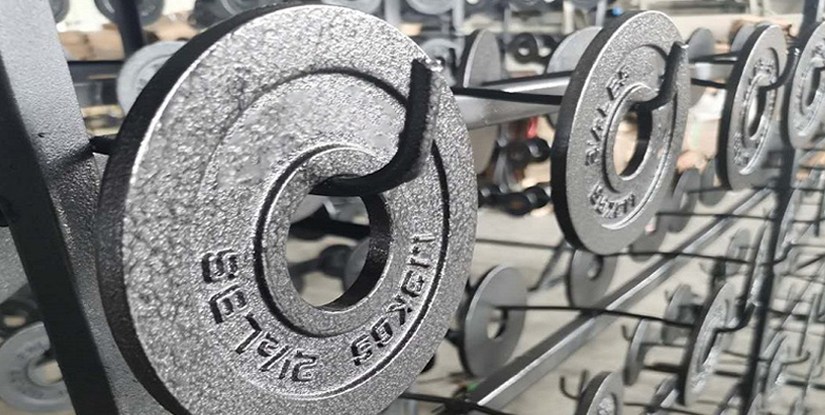
Beyond technical dimensions, the export packaging strategy is a vital component of the sourcing process. For heavy wholesale rubber bumper plates, the factory must utilize reinforced, heavy-duty cartons and stabilized palletizing to prevent damage during maritime transit. We advise all procurement leads to confirm the specific packing configuration and request a photographic or video-based pre-shipment inspection of the loaded container. This level of due diligence reduces the risk of damaged goods upon arrival, effectively lowering your total landed cost and ensuring your product reaches the end-user in peak commercial condition.
OEM and Private Label Sourcing: MOQ and Lead Time Realities
Navigating the complexities of a bumper plate private label project requires a deep understanding of how material density and manufacturing processes dictate your supply chain. For distributors and gym equipment importers, the choice between rubber and urethane is not merely a question of durability, but a strategic decision involving MOQ, production cycles, and landed cost optimization. A professional China factory will typically offer different tiers of service based on these variables to ensure your brand identity remains consistent across high-volume orders.
When managing a commercial bumper plate OEM program, the logistical weight of the product must be factored into your lead time calculations. Rubber-encapsulated plates are a staple for high-volume wholesale distribution due to their cost-effective production, but they often involve longer drying and curing stages in the molding process. Conversely, high-end urethane options, while offering superior impact resistance and a more premium aesthetic for your private label, may require more specialized sourcing and tighter production windows to maintain strict weight tolerances. Understanding these nuances allows a supplier to better align production schedules with your warehouse replenishment needs, minimizing the risk of stockouts during peak procurement seasons.
Material-Specific Sourcing and Procurement Matrix
To optimize your inventory turnover and distributor margins, you must evaluate how different material compositions influence the total cost of ownership. The following table provides a qualitative comparison of standard options available through a wholesale channel, focusing on the relationship between material characteristics and procurement logistics.
| Material Type | Production Complexity | Typical MOQ Impact | Lead Time Factor | Sourcing Advantage | Factory QC Point |
|---|---|---|---|---|---|
| Rubber Encapsulated | Moderate (Molding & Curing) | Standard for wholesale | Longer (Curing Cycles) | Cost-effective for high-volume gym sets | Rubber-to-core bond adhesion |
| Urethane (High-Density) | High (Precision Injection) | Higher for specialized runs | Moderate to Long | Premium brand positioning | Surface finish and dent resistance |
| Cast Iron (Base) | Low (Sand Casting) | Flexible/Low | Shortest | Best for budget-tier commercial lines | Weight tolerance spot-check |
Selecting the right bumper plate private label strategy depends on whether your target market prioritizes immediate availability or long-term material durability. While rubber-based wholesale rubber bumper plates offer a reliable entry point for many commercial bumper plate OEM programs, the specialized molding requirements can impact your ability to react to rapid market shifts. We recommend confirming your specific MOQ requirements and requesting a detailed production schedule during the initial consultation to ensure your sourcing timeline aligns with your warehouse capacity and seasonal demand.
Managing Logistics and Export Quality Control
Beyond material selection, a critical factor in your bumper plate private label strategy is the management of shipping volume and weight precision. For distributors, the landed cost is heavily influenced by how effectively the factory manages export packaging and container loading. Because wholesale rubber bumper plates are high-density, heavy-duty items, even minor inefficiencies in palletization or box dimensions can significantly increase your freight expenses per unit.
To mitigate these risks, a professional China factory must implement a rigorous pre-shipment inspection protocol. This process should not only focus on the aesthetic finish of the commercial bumper plate OEM product but also on technical compliance. We emphasize a multi-stage QC workflow that includes a weight tolerance spot-check to ensure every plate meets the specified commercial standard, alongside a thorough inspection of the rubber-to-core bond and the integrity of the center bore. Furthermore, evaluating the durability of the export packaging—such as reinforced corner protectors and heavy-duty cartons—is essential to prevent damage during long-haul sea freight. By coordinating closely with your supplier on these technical details, you ensure that your bulk shipments arrive at your warehouse ready for immediate distribution without the margin-eroding costs of damaged or non-compliant inventory.
Optimizing Landed Cost Through Export Packaging and Logistics
For distributors managing high-volume imports, the final landed cost of a bumper plate private label project is often determined by shipping efficiency rather than unit price alone. When sourcing from a China factory, the relationship between product weight, volumetric dimensions, and container utilization directly dictates your net profit margins. Inefficient packing leads to wasted space, increasing the freight cost per unit and eroding the competitive advantage of wholesale rubber bumper plates.
To maximize logistics efficiency, professional commercial bumper plate OEM manufacturers implement specialized export packaging strategies. This typically involves optimizing the stacking density of heavy rubber plates within reinforced corrugated cartons to prevent deformation during sea transit. By focusing on weight optimization and precise palletization, a supplier can help importers maximize the payload of a 20ft or 40ft High Cube container, ensuring that every cubic meter of freight space contributes to a lower cost-per-kilo for the end distributor.
Packaging Configuration Comparison for Bulk Procurement
Selecting the appropriate packaging tier is a critical decision for procurement managers looking to balance protection and shipping density. When managing a bumper plate private label, the choice between basic protection and high-durability packaging can significantly impact your landed cost and the condition of the goods upon arrival at your warehouse. A factory that offers tiered packaging options allows you to adjust your wholesale strategy based on whether you prioritize low-cost shipping or long-term product aesthetics.
| Packaging Type | Protection Level | Shipping Density | Cost Impact | Bulk Order Suitability |
|---|---|---|---|---|
| Standard Reinforced Carton | Moderate | High | Low | High-volume general distribution |
| Double-Wall Corrugated Box | High | Medium | Moderate | Premium commercial bumper plate OEM orders |
| Custom Palletized Unit | Maximum | Optimized for Stability | Higher | Large-scale wholesale rubber bumper plates imports |
For many importers, moving from standard cartons to palletized shipments is a common way to reduce breakage and transit damage during long-haul sea freight. We recommend reviewing these specifications with your supplier during the sourcing phase to ensure the packaging meets your regional delivery standards. Before finalizing your order, please request a detailed packing list and confirm the MOQ for custom-branded or reinforced packaging options to ensure your private label products arrive in pristine condition.
Critical Role of Pre-Shipment QC and Container Loading
The final stage of the production cycle is where the risk of margin erosion is highest. Even with a high-quality bumper plate private label, inadequate pre-shipment QC can lead to costly returns and damaged brand reputation. A professional China factory must implement a rigorous inspection sequence that extends beyond the production line and into the loading bay. This includes a final weight spot-check to ensure compliance with your specifications and a visual inspection of the rubber-to-core bonding to prevent edge separation during transit.
Effective container loading is a specialized skill required to manage the heavy density of wholesale rubber bumper plates. Because these units are extremely heavy yet compact, improper stacking can lead to crushed bottom cartons or shifted loads during sea transit. We advise distributors to verify that the manufacturer utilizes standardized palletization and edge protectors. Ensuring that the load is properly braced and secured within the container not only prevents physical damage but also optimizes the total weight-to-volume ratio, directly protecting your long-term profitability and reducing the landed cost per unit.