Olympic Plate Source Supplier: OEM Contract Manufacturing
Strategic Selection of an Olympic Plate Source Supplier
For commercial gym chains and large-scale distributors, the stability of a supply chain depends on the technical integrity of the equipment. Selecting a professional olympic plate source supplier is not merely a matter of finding a low price, but of securing a China factory that understands the rigorous demands of high-traffic training environments. Whether you are outfitting a premium boutique studio or a high-volume fitness center, the durability of your inventory directly impacts your long-term maintenance costs and client satisfaction.
In professional settings, standard weights often fail due to poor material selection or inadequate finishing. A reputable commercial weight plate manufacturer mitigates these risks by utilizing industrial-grade cast iron or high-density rubber/urethane coating to ensure longevity. Without precision machining to guarantee concentricity and balanced weight distribution, even a high-quality batch can lead to uneven wear on barbell sleeves and increased replacement cycles. For importers looking to scale, sourcing through wholesale channels allows for better control over these technical specifications and ensures that the MOQ requirements align with your distribution or retail expansion plans.
Technical Material and Coating Comparison for Commercial TCO
When evaluating the total cost of ownership (TCO), procurement leads must look beyond the initial landed cost. The choice between different manufacturing routes determines the frequency of replacement and the maintenance load for your facility. A professional olympic plate source supplier will provide distinct material tiers to suit different commercial environments, ranging from standard strength training to high-impact functional fitness zones. Understanding these material properties is essential for effective sourcing and long-term inventory management.
Typical procurement decisions involve choosing between the structural density of iron-based products and the impact-absorption properties of advanced polymer coatings. While cast iron remains the industry standard for durability and cost-efficiency in traditional weightlifting, high-end facilities often require the shock-absorption capabilities of specialized coatings to protect flooring and reduce ambient noise. A reliable commercial weight plate manufacturer will offer various grades of finish, such as high-durability powder coating or premium polyurethane, to ensure the surface withstands constant friction and environmental exposure.
| Material Tier | Primary Process | Key Component/Finish | Commercial Duty Level | MOQ Impact | Factory QC Point |
|---|---|---|---|---|---|
| Cast Iron | Sand Casting & Machining | Phosphate or Paint | Standard Commercial | Lower/Standard | Weight Tolerance & Surface Flatness |
| Rubber Coated | Injection Molding | High-Density Rubber Shell | High-Traffic/Functional | Moderate | Coating Adhesion & Seamlessness |
| Urethane/PU | Multi-Layer Coating | Polyurethane Encapsulation | Premium/Boutique | Higher | Material Uniformity & Impact Resistance |
To optimize your wholesale olympic plates China procurement, we recommend requesting a sample evaluation for each material tier. This allows your technical team to verify the weight calibration and the quality of the powder coating or encapsulation layer before finalizing a bulk order. Contact our team to confirm current MOQ, request a detailed specification sheet, or arrange a factory audit to ensure all production standards meet your brand's requirements.
To optimize your wholesale olympic plates China procurement, we recommend requesting a sample evaluation for each material tier. This allows your technical team to verify the weight calibration and the quality of the powder coating or encapsulation layer before finalizing a bulk order. Contact our team to confirm current MOQ, request a detailed specification sheet, or arrange a factory audit to ensure all production standards meet your brand's requirements.
Material Composition and Structural Integrity for Commercial Use
Selecting a reliable olympic plate source supplier requires a deep understanding of how core materials influence the total cost of ownership and long-term durability. For high-traffic facilities, the choice between traditional cast iron and advanced synthetic composites determines both the maintenance frequency and the replacement cycle of your inventory. A professional commercial weight plate manufacturer must provide transparency regarding the structural composition to ensure the products withstand rigorous daily use in professional environments.
When sourcing wholesale olympic plates China, buyers typically evaluate three distinct material tiers to balance durability with budget constraints. High-density cast iron or gray iron remains the industry standard for traditional strength training due to its predictable density and cost-effectiveness. For high-impact environments, a rubber/urethane bumper construction—utilizing a high-grade steel center hub—is essential for protecting both the equipment and the facility flooring. Selecting the right composition is a critical step in the sourcing process to ensure the finished goods meet the specific mechanical demands of your target market.
Technical Material Tiers and Procurement Specifications
Navigating the technical nuances of material selection is vital for distributors looking to optimize their landed cost and product durability. Different manufacturing routes, such as sand casting for iron or injection molding for synthetic coatings, impact the final weight tolerance and surface consistency. A professional olympic plate source supplier will typically categorize products by their intended impact level to help you manage inventory risk and customer satisfaction.
| Material Type | Primary Process | Key Component | Commercial Duty | MOQ Impact | Factory QC Point |
|---|---|---|---|---|---|
| Cast Iron | Sand Casting & Machining | Steel Inner Ring | Standard Strength Training | Lower | Weight Calibration |
| Steel Bumper | CNC Machining & Molding | Precision Steel Hub | High-Impact/Crossfit | Medium | Concentricity Check |
| Urethane/PU | Encapsulation/Dip Coating | Reinforced Core | Premium/High-End Studio | Higher | Coating Adhesion |
When evaluating a commercial weight plate manufacturer, it is essential to inspect the precision of the steel hub and the quality of the surface finish. For instance, a high-grade powder coating or a high-density urethane coating provides better resistance to chipping and oxidation compared to basic paint. During the pre-shipment phase, a qualified factory will perform spot-checks on the base flatness and the thickness of the encapsulation layer to ensure the plates remain balanced under heavy use. For those looking for wholesale olympic plates China, understanding these qualitative distinctions between budget and premium tiers helps in accurately calculating long-term maintenance costs and distributor margins.
Manufacturing Processes and Precision Calibration Standards
For distributors and gym equipment importers, the technical integrity of a product determines long-term TCO (Total Cost of Ownership). When sourcing from an olympic plate source supplier, the focus must shift from simple cost to the technical capability of the factory to deliver consistent results. High-performance lifting environments require more than just raw weight; they demand structural stability and extreme precision to prevent equipment wear and user injury.
A reliable commercial weight plate manufacturer utilizes a multi-stage production line to ensure every unit meets professional standards. This typically begins with high-quality casting—often using gray iron or steel—followed by specialized precision machining to refine the central bore and outer edges. Without proper CNC machining and weight tolerance management, plates can suffer from concentricity issues, leading to uneven barbell loading and increased maintenance frequency for the end-user.
To help you evaluate your next sourcing project, the following table compares common production methods used by a professional China factory to achieve different commercial grade standards.
| Material & Process | Key Component Detail | Commercial Duty Level | Procurement Advantage |
|---|---|---|---|
| Cast Iron + Powder Coating | Smooth outer rim & steel hub | Standard Commercial | High durability & low cost |
| Steel + Precision Machining | High-precision central bore | Premium / Competition | Maximum balance & stability |
| Cast Iron + Rubber Molding | Encapsulated impact layer | High-Traffic Commercial | Noise reduction & floor protection |
When managing wholesale olympic plates China procurement, it is essential to verify the quality control steps involved in the final stages. A professional supplier will implement a pre-shipment inspection that specifically checks the flatness of the plate and the adhesion of the coating. Ensuring these technical specifications are met at the factory level reduces the risk of costly returns and protects your distributor margins.
For distributors and gym equipment importers, the technical integrity of a product determines long-term TCO (Total Cost of Ownership). When sourcing from an olympic plate source supplier, the focus must shift from simple cost to the technical capability of the factory to deliver consistent results. High-performance lifting environments require more than just raw weight; they demand structural stability and extreme precision to prevent equipment wear and user injury.
A reliable commercial weight plate manufacturer utilizes a multi-stage production line to ensure every unit meets professional standards. This typically begins with high-quality sand casting—often using gray iron or cast iron—followed by specialized precision machining to refine the central bore and outer edges. Without proper CNC machining and weight calibration, plates can suffer from concentricity issues, leading to uneven barbell loading and increased maintenance frequency for the end-user.
To help you evaluate your next sourcing project, the following table compares common production methods used by a professional China factory to achieve different commercial grade standards.
| Material & Process | Key Component Detail | Commercial Duty Level | Procurement Advantage |
|---|---|---|---|
| Cast Iron + Powder Coating | Smooth outer rim & steel hub | Standard Commercial | High durability & low cost |
| Steel + Precision Machining | High-precision central bore | Premium / Competition | Maximum balance & stability |
| Cast Iron + Rubber Molding | Encapsulated impact layer | High-Traffic Commercial | Noise reduction & floor protection |
When managing wholesale olympic plates China procurement, it is essential to verify the QC steps involved in the final stages. A professional supplier will implement a pre-shipment inspection that specifically checks the flatness of the plate and the adhesion of the powder coating. Ensuring these technical specifications are met at the factory level reduces the risk of costly returns and protects your distributor margins.
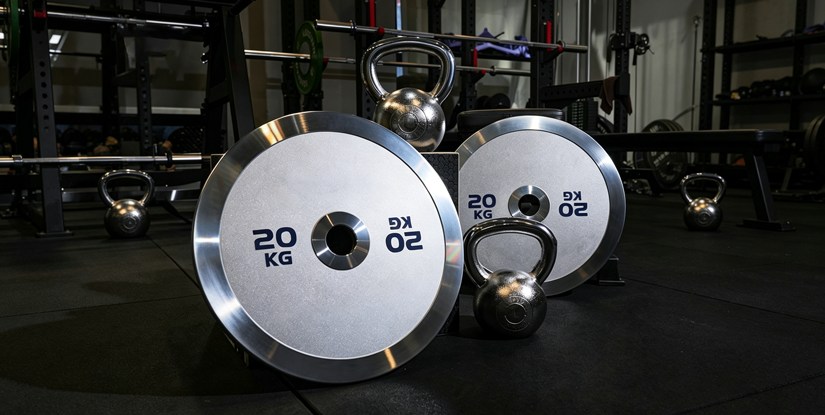
For distributors and gym equipment importers, the technical integrity of a product determines long-term TCO (Total Cost of Ownership). When sourcing from an olympic plate source supplier, the focus must shift from simple cost to the technical capability of the factory to deliver consistent results. High-performance lifting environments require more than just raw weight; they demand structural stability and extreme precision to prevent equipment wear and user injury.
A reliable commercial weight plate manufacturer utilizes a multi-stage production line to ensure every unit meets professional standards. This typically begins with high-quality sand casting—often using gray iron or cast iron—followed by specialized precision machining to refine the central bore and outer edges. Without proper CNC machining and weight calibration, plates can suffer from concentricity issues, leading to uneven barbell loading and increased maintenance frequency for the end-user.
To help you evaluate your next sourcing project, the following table compares common production methods used by a professional China factory to achieve different commercial grade standards.
| Material & Process | Key Component Detail | Commercial Duty Level | Procurement Advantage |
|---|---|---|---|
| Cast Iron + Powder Coating | Smooth outer rim & steel hub | Standard Commercial | High durability & low cost |
| Steel + Precision Machining | High-precision central bore | Premium / Competition | Maximum balance & stability |
| Cast Iron + Rubber Molding | Encapsulated impact layer | High-Traffic Commercial | Noise reduction & floor protection |
When managing wholesale olympic plates China procurement, it is essential to verify the QC steps involved in the final stages. A professional supplier will implement a pre-shipment inspection that specifically checks the flatness of the plate and the adhesion of the powder coating. Ensuring these technical specifications are met at the factory level reduces the risk of costly returns and protects your distributor margins.
Optimizing Procurement with OEM and Private Label Solutions
For professional distributors and global fitness brands, moving beyond standard stock items is essential for building market authority. Partnering with a dedicated olympic plate source supplier allows you to transition from a generic importer to a specialized brand owner through high-value OEM and ODM services. This strategic approach enables you to integrate your brand identity directly into the product, ensuring that every piece of equipment reflects your specific quality standards and visual requirements.
When sourcing at scale, the ability to implement custom branding—such as specialized logo embossing, unique color-coded rim coatings, or specific weight marking styles—is a critical differentiator. While standard wholesale orders offer speed, utilizing private label manufacturing allows commercial gym brands to control the aesthetic and functional nuances of their product lines. Whether you require specific rubber density for bumper plates or custom steel hub finishes, a professional China factory can calibrate production to meet your proprietary specifications. However, procurement leads must carefully balance these customization depth requirements with MOQ thresholds and lead time variables to maintain optimal inventory turnover and distributor margins.
Technical Comparison of Material and Finish Specifications
Selecting the right material and surface treatment is a foundational decision for any commercial weight plate manufacturer. The choice between cast iron and advanced coatings directly impacts the total cost of ownership (TCO) and the long-term maintenance load for your clients. While standard iron plates are cost-effective for high-volume distribution, premium finishes like polyurethane or specialized rubber provide the durability required for high-traffic commercial environments.
The following table outlines the common tier-based options available when you secure a partnership with an olympic plate source supplier. This comparison is designed to help procurement officers align product specifications with their target market segment, whether they are focusing on budget-friendly strength gyms or high-end performance studios.
| Material Tier | Surface Finish | Key Component/Process | Commercial Duty | MOQ Impact | Typical QC Focus |
|---|---|---|---|---|---|
| Cast Iron | Powder Coating | Sand Casting & Machining | Standard Commercial | Lower | Coating Adhesion |
| Cast Iron | Rubber Coating | Encapsulation / Molding | High-Traffic Gyms | Medium | Edge Smoothness |
| Steel/High-Grade | PU Coating | Polyurethane Injection | Premium/Competition | Higher | Weight Tolerance |
| Iron/Steel | Phosphate/Paint | Industrial Paint Line | Budget/Entry-Level | Lowest | Surface Uniformity |
When ordering wholesale olympic plates China, it is vital to confirm the specific manufacturing route for each finish. For example, a powder coating process provides a durable, hard-wearing layer that prevents rust, whereas a high-grade PU coating offers superior impact absorption and a premium tactile feel. For large-scale wholesale projects, we recommend requesting a sample evaluation of the coating adhesion and the concentricity of the weight marking to ensure the product meets your brand's quality expectations before the full production run begins.
Technical Execution: From Cnc Machining to Export Packaging
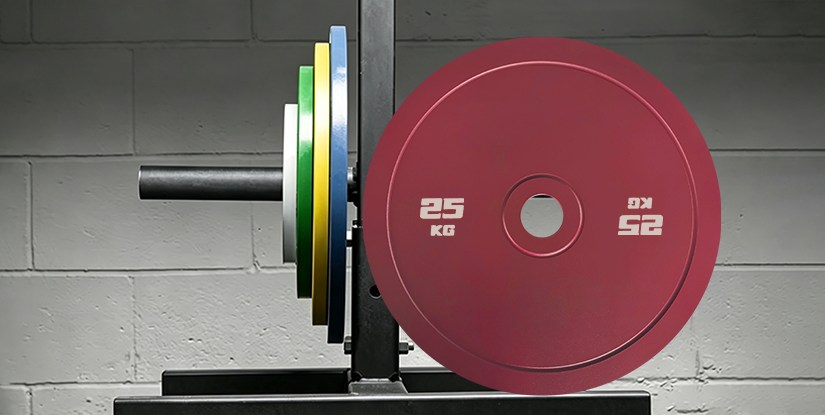
Precision in the production workflow is what separates a standard unit from a professional-grade asset. A high-tier olympic plate source supplier utilizes a rigorous sequence of manufacturing steps to ensure dimensional stability and weight accuracy. The process typically begins with high-quality casting, followed immediately by precision CNC machining. This stage is critical for perfecting the center bore and ensuring the plate remains concentric, which prevents wobbling during high-intensity training. After machining, the plates undergo specialized surface finishing—such as sandblasting or chemical cleaning—to prepare the surface for the final coating, whether that be industrial paint or high-density urethane.
To elevate your brand's professional appearance, the factory can integrate advanced logo embossing or precision-milled markings that withstand heavy usage. Once the aesthetic and structural components are finalized, the products undergo a strict pre-shipment QC protocol. This includes weight tolerance spot-checks and visual inspections of the coating adhesion and edge smoothness. Finally, to protect your investment during long-distance transit, we utilize heavy-duty export packaging designed for container loading. This meticulous attention to detail ensures that the final landed cost remains predictable by minimizing damage-related claims and ensuring that your bulk shipment arrives at your warehouse ready for immediate distribution.
Factory QC Protocols and Export Packaging for Global Distribution
Maintaining a consistent olympic plate source supplier relationship requires more than just selecting a manufacturer; it requires rigorous oversight of the entire production and logistics chain. For professional distributors and gym equipment importers, the primary risk in bulk sourcing is receiving inconsistent batches that deviate from the agreed-upon weight standards. A high-tier commercial weight plate manufacturer mitigates this by implementing multi-stage inspections that verify every unit before it leaves the China factory. This technical oversight ensures that your inventory remains uniform, protecting your brand reputation and reducing the long-term landed cost by eliminating the need for costly returns or replacements due to damaged or underweight shipments.
Quality control must begin at the material level and extend through the final container loading process. A professional wholesale olympic plates China provider will typically conduct a pre-shipment inspection focusing on three critical areas: dimensional accuracy, surface integrity, and packaging durability. For example, technicians perform a weight tolerance spot-check to ensure that the mass of the plates remains within industry-standard commercial ranges. Furthermore, because these heavy components are subject to significant friction and impact during transit, the export packaging must be engineered for sea freight safety. This often involves heavy-duty reinforced cartons and optimized palletization to prevent shifting within the container, ensuring that your bulk order arrives at your warehouse in professional, sale-ready condition.
To ensure high-standard delivery for bulk orders, our technical inspection protocols focus on the structural and aesthetic integrity of every unit. A professional olympic plate source supplier implements a systematic verification process that begins with weight calibration and concentricity checks to ensure a balanced center of gravity. We also conduct rigorous testing of coating adhesion to prevent chipping or peeling during high-impact commercial use. These steps are vital for wholesale buyers who cannot afford the overhead of defective inventory.
Logistics efficiency is equally critical to managing your total landed cost. Our factory utilizes advanced container loading optimization strategies to maximize volume and protect heavy shipments. Standard export packaging includes reinforced cartons and heavy-duty palletization, ensuring that wholesale olympic plates China shipments remain secure during ocean transit. By prioritizing palletization and structural support, we minimize the risk of transit-related damage, allowing distributors to move products directly from the port to the end-user with zero downtime.
Standardization of Inspection and Packaging Tiers
When evaluating your next batch, it is essential to understand how different sourcing tiers impact your long-term operational efficiency. A professional olympic plate source supplier will offer tiered options based on your target market, whether you are supplying budget-friendly commercial gyms or premium fitness centers. Choosing the correct tier ensures that your MOQ and wholesale investment aligns with your customers' expectations for durability and presentation.
| Inspection/Packaging Standard | Budget Tier | Commercial/Premium Tier | Impact on Landed Cost/Durability |
|---|---|---|---|
| Weight Calibration | Standard mass variance check | High-precision calibration and concentricity verification | Premium tiers ensure higher precision for competitive use, reducing returns. |
| Surface Finish QC | Basic visual inspection for casting flaws | Rigorous coating adhesion and surface smoothness check | Better coating quality reduces maintenance and long-term replacement needs. |
| Primary Packaging | Standard single-wall cardboard boxes | Reinforced multi-layer heavy-duty cartons | Higher tier packaging reduces breakage and damage during sea freight. |
| Loading & Palletization | Loose loading or basic palletizing | Optimized container loading with reinforced pallet structures | Optimized loading maximizes container volume and protects heavy inventory. |
For distributors, selecting a commercial weight plate manufacturer that offers a clear distinction between these tiers is vital for risk management. While budget tiers may lower the initial landed cost, premium tiering provides the structural and aesthetic reliability required for high-traffic commercial environments. We recommend reviewing your OEM specifications and requesting a sample approval to confirm that the weight calibration and export packaging meet your specific market standards before proceeding with bulk production.
Managing Lead Times and Bulk Order Logistics
Efficient procurement requires a deep understanding of how production cycles impact your inventory turnover. When sourcing from an olympic plate source supplier, the relationship between order volume and delivery speed is the most critical variable for maintaining distributor margins and meeting seasonal demand. A well-coordinated bulk order strategy ensures that your warehouse remains stocked without incurring excessive carrying costs or facing stockouts during peak gym setup seasons.
For professional importers, understanding the MOQ is the first step in logistical planning. While smaller orders may be serviced from existing stock, customized OEM requests or high-volume wholesale olympic plates China production runs require a structured production timeline. This timeline typically encompasses raw material procurement, casting, machining, and multi-stage surface treatment. Because industrial production cycles are subject to factory capacity and global shipping schedules, advanced planning is essential to avoid delays in your supply chain.
The following table illustrates how different procurement tiers typically influence the logistics and production workflow:
| Procurement Tier | Typical Order Scale | Production Focus | Primary Lead Time Driver | Sourcing Context |
|---|---|---|---|---|
| Stock Fulfillment | Low to Medium | Immediate dispatch from factory inventory | Shipping vessel availability | Rapid replenishment |
| Standard Wholesale | Medium to High | Standardized wholesale production runs | Standardized production cycle | Consistent distributor stock |
| Custom OEM/ODM | High Volume | Tailored commercial weight plate manufacturer specs | Material sourcing and custom tooling | Strategic long-term branding |
To optimize your sourcing efficiency, we recommend a proactive approach. Rather than placing reactive orders, professional buyers should align their purchase orders with the China factory production calendar. This includes accounting for potential surges in seasonal demand and the time required for pre-shipment QC and container loading. For complex OEM projects, initiating the process several months in advance allows for thorough sample approval and smoother transit to your destination port.
Logistical variables such as transit mode and destination geography significantly impact your total landed cost. When managing international inventory, a professional olympic plate source supplier will provide transparency regarding the distinction between air and sea freight timelines. For high-volume wholesale distributions, sea freight remains the industry standard due to its cost-effectiveness for heavy, high-density metal products, despite the longer transit duration. Conversely, air freight is typically reserved for urgent, low-volume OEM sample evaluations or high-end specialty plates where speed outweighs the increased shipping premium.
Effective sourcing involves a multi-stage lead time calculation that extends beyond simple manufacturing. A comprehensive timeline includes the initial production stage—such as casting and weight calibration—followed by the critical pre-shipment inspection and export packaging phase. For large-scale orders from a commercial weight plate manufacturer, the process often concludes with container loading and port clearance. We advise procurement managers to factor in these cumulative stages to ensure reliable arrival windows for client projects or retail restocking.
Managing the total landed cost requires a granular view of the movement from the China factory to your regional warehouse. Because weight plates are high-density, heavy-duty commodities, the logistics of sea freight are the most significant factor in maintaining competitive distributor margins. A professional olympic plate source supplier must provide clear visibility into how export packaging and container loading efficiency directly impact your shipping expenses and volume utilization.
For high-volume wholesale procurement, optimizing the loading density within a standard 20ft or 40ft container is a key variable for reducing the landed cost per unit. Standardized export packaging—often involving heavy-duty reinforced cartons or specialized wooden crates—is essential to protect the precision-machined edges and surface coatings during long-distance transit. When finalizing your sourcing plan, we recommend discussing specific palletization or container-fill strategies with your supplier to ensure that weight-to-volume ratios are maximized without compromising the safety of the commercial weight plate manufacturer output during sea transit.