Bumper Plate Procurement: Material QC for Export Supply
Bumper Plate Procurement: Essential Criteria for Importers
Successful bumper plate procurement requires a deep understanding of how material density and surface durability impact long-term commercial utility. For distributors and gym owners, selecting high-grade rubber or polyurethane-encapsulated units ensures floor protection and equipment longevity, reducing the total cost of ownership in high-traffic environments.
When managing large-scale orders, the distinction between various rubber types is a critical decision for your inventory. Professional wholesale rubber bumper plates typically utilize high-density synthetic rubber or polyurethane to withstand constant impact without cracking or losing shape. Relying on a commercial bumper plate supplier that provides transparent material specifications allows importers to mitigate the risks of premature wear and high replacement costs.
For those looking to scale their own brand identity, a China factory bumper plate OEM model offers the ability to customize thickness, color, and branding while maintaining strict weight tolerances. Whether you are sourcing for a single facility or managing a global distribution network, verifying the manufacturing process—from the initial casting of the internal weight core to the final outer layer encapsulation—is vital for ensuring consistent quality across every shipment.
Material and Manufacturing Comparison for Bulk Sourcing
Understanding the technical trade-offs between material density and production methods is essential for effective bumper plate procurement. Importers must evaluate whether the manufacturing route aligns with their target market's durability requirements and their own distributor margins.
In many commercial settings, the choice between rubber and polyurethane (PU) determines the product's lifecycle and resale value. While standard rubber is widely available for general fitness use, PU-encapsulated plates offer superior impact resistance and a more consistent surface finish, making them a premium choice for high-end facility distributors. A reliable commercial bumper plate supplier will provide clear documentation regarding the molding or dip-coating process used to ensure the outer layer remains intact under heavy use.
| Material Type | Primary Process | Key Component | Commercial Duty | MOQ Impact | Factory QC Point |
|---|---|---|---|---|---|
| High-Density Rubber | Compression Molding | Internal Weight Core | Standard Commercial | Lower | Surface Texture & Density |
| Polyurethane (PU) | Injection Molding | Encapsulated Layer | Premium/Competition | Higher | Coating Adhesion |
| Vinyl/PVC Coated | Dip Coating | Outer Protective Skin | Studio/Light Commercial | Variable | Layer Thickness |
When sourcing wholesale rubber bumper plates, technical buyers should focus on the quality of the internal-to-external bond. A common failure mode in low-quality production is the delamination of the outer shell from the core. To avoid these issues, we recommend requesting a sample evaluation or a pre-shipment inspection to verify the weight calibration and the concentricity of the center bore. For distributors seeking to build a long-term brand, selecting a China factory bumper plate OEM partner that utilizes precision molding ensures that every unit meets the expected commercial-grade standards for both weight accuracy and impact durability.
Pre-Shipment QC and Export Packaging Logistics
The final stages of bumper plate procurement are often where the most significant risks to landed cost and inventory integrity reside. For high-volume importers, a failure in pre-shipment QC can result in costly returns or damaged reputations. A professional commercial bumper plate supplier must implement a rigorous inspection sequence that includes weight calibration spot-checks and center bore concentricity verification to ensure every unit fits standard Olympic bars without wobbling.
Beyond the product itself, the durability of the export packaging is a non-negotiable factor for global shipping. When ordering wholesale rubber bumper plates, the packaging must withstand the rigors of sea freight and multiple handling points. This typically involves heavy-duty, reinforced cartons and specialized palletizing techniques to prevent crushing or shifting during transit. For distributors working with a China factory bumper plate OEM, confirming the exact lead time and the specific export packaging configuration is essential for accurate logistics planning and maintaining healthy distributor margins.
To optimize your supply chain, we recommend coordinating a formal factory audit or a third-party pre-shipment inspection. This allows you to verify that the weight tolerances and coating adhesion meet your commercial-grade specifications before the container is sealed. Contact us to request a detailed spec sheet, confirm the current MOQ, or discuss custom branding options for your next bulk order.
Material Selection and Manufacturing Processes for Commercial Use
Efficient bumper plate procurement requires a deep understanding of how material density and surface coatings influence long-term durability and floor protection. For distributors and gym operators sourcing from a China factory, selecting between high-density rubber and polyurethane (PU) is a critical decision that impacts both the landed cost and the total cost of ownership (TCO).
When managing large-scale wholesale rubber bumper plates orders, buyers must evaluate the internal core composition. Most commercial-grade units utilize a high-density recycled rubber crumb or a solid virgin rubber core to ensure impact absorption. In many professional settings, the choice of outer coating—such as a thick polyurethane layer—determines the plate's resistance to abrasion and color fading, which is essential for maintaining a premium brand image in high-traffic facilities.
For those looking to expand their product lines through commercial bumper plate supplier partnerships, understanding the manufacturing sequence is vital. A standard production route involves high-pressure compression molding of the rubber core, followed by precision machining of the center bore to ensure concentricity, and finally, the application of the outer coating or encapsulation layer. This structured process ensures that the plates meet the weight tolerances required for professional training environments.
Technical Comparison of Manufacturing Methods and Materials
Selecting the right specification is a strategic decision for any importer. The choice between manufacturing routes significantly affects the durability of the product and the subsequent maintenance load for the end-user. A professional commercial bumper plate supplier will typically offer different tiers based on the core material and the molding process used during production.
For high-volume bumper plate procurement, it is essential to distinguish between standard compression molding and high-precision injection molding. While compression molding is a widely used, cost-effective method for large-scale production, injection molding or specialized PU encapsulation provides a more refined finish and tighter tolerances. These technical differences directly influence the product's lifespan and the distributor's replacement planning.
| Material Type | Manufacturing Process | Key Component Focus | Commercial Duty Tier | Procurement Implication | Typical Factory QC Point |
|---|---|---|---|---|---|
| High-Density Rubber | Compression Molding | Rubber Core & Edge Bond | Standard Commercial | Optimized for Bulk/Low MOQ | Edge thickness & Surface uniformity |
| Polyurethane (PU) | Injection Molding / Encapsulation | Outer Coating Adhesion | Premium / Competition | Higher TCO / Higher Unit Cost | Bore concentricity & Coating integrity |
| Virgin Rubber | Multi-Stage Molding | Impact Absorption Layer | High-End Commercial | Long-term Durability focus | Weight spot-check & Density consistency |
When sourcing wholesale rubber bumper plates, we recommend reviewing the specific manufacturing sequence with your China factory contact. A robust production line should include a dedicated weight calibration and concentricity check after the molding stage but before the final coating application. This ensures that the center bore remains perfectly aligned, reducing friction on the barbell sleeves and extending the life of the equipment. Before finalizing your order, you may request a sample evaluation or a detailed spec sheet to confirm that the manufacturing tolerances align with your brand's quality standards.
Standardized Production Workflow and Pre-Shipment Inspection
Reliable bumper plate procurement depends on a factory that maintains strict control over the transition from raw material to finished goods. A professional China factory bumper plate OEM workflow begins with the preparation of high-density rubber compounds, moving into a high-pressure molding stage. Following the primary molding, the units undergo precision machining to refine the center bore, ensuring the diameter is consistent for seamless barbell integration. This sequence is critical to prevent the uneven wear or "wobble" that can degrade the user experience in professional facilities.
For distributors managing large-scale imports, the final stages of production are where quality is truly verified. After the molding and any surface coating application, a thorough calibration step is required to ensure weight consistency across the entire batch. A reputable commercial bumper plate supplier will implement a rigorous pre-shipment QC protocol. This includes inspecting the rubber/PU edge bonding for any separation, performing weight spot-checks on a statistical sample, and verifying the concentricity of the center bore. These technical checks are vital to ensure that the bulk shipment arrives meeting the required commercial-grade specifications.
Beyond the physical product, logistics and packaging readiness are essential components of the sourcing process. High-quality wholesale rubber bumper plates must be packed in reinforced, export-grade cartons that can withstand the stresses of sea freight and long-distance transit. This includes checking the structural integrity of the packaging corners and ensuring the palletization is optimized for container loading efficiency. We recommend that buyers confirm the specific export packaging standards and request a detailed inspection report or a sample approval before the final dispatch to minimize the risk of transit-related damage and ensure a predictable landed cost.
Comparing Bumper Plate Material Tiers and Commercial Duty
Effective bumper plate procurement requires a technical understanding of how different outer layers affect long-term durability and your total landed cost. For distributors and gym owners sourcing from a China factory, selecting the right material is not just about aesthetics; it is a decision regarding replacement cycles and floor protection requirements. While rubber is the industry standard for high-impact training, the distinction between various synthetic coatings and core materials can significantly impact your wholesale margins and product longevity.
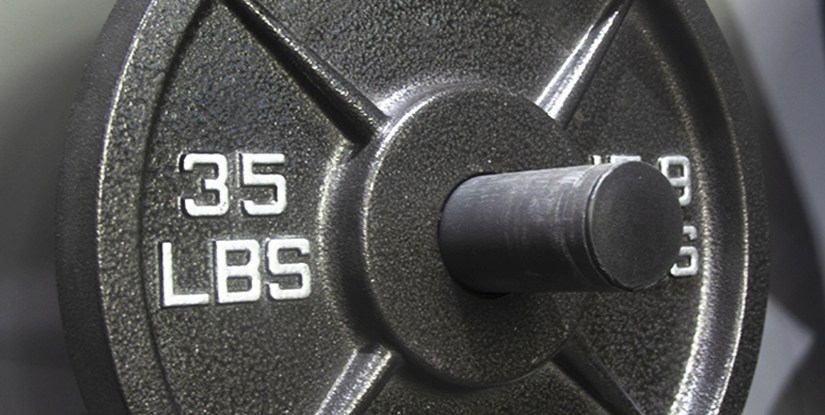
When evaluating wholesale rubber bumper plates, buyers must distinguish between standard vulcanized rubber and premium polyurethane (PU) options. Standard rubber provides excellent shock absorption and is the most cost-effective choice for high-volume sourcing in general fitness settings. However, in high-traffic commercial environments where precision and aesthetic longevity are required, PU-coated units offer a more compact profile and higher resistance to environmental wear. Choosing the incorrect tier can lead to premature degradation, increasing your after-sales support burden and reducing the value of your commercial bumper plate supplier partnership.
| Material Tier | Primary Coating | Commercial Duty Level | Procurement Advantage | |
|---|---|---|---|---|
| Standard | Vulcanized Rubber | Solid Rubber Core | General Commercial / CrossFit | High volume, low cost |
| Premium | Polyurethane (PU) | High-Density Synthetic | Professional / Competition | Compact, high durability |
| Budget | Vinyl / Dip Coating | Pressed Rubber/Plastic | Light Commercial / Home | Lowest MOQ impact |
Understanding these distinctions is vital for successful bumper plate procurement, especially when managing inventory for diverse client needs. A supplier offering rubber/urethane/PU distinction clarity allows you to better manage client expectations regarding weight bounce and surface texture. For large-scale OEM projects, we recommend aligning the material choice with the specific usage intensity of the end-user facility to optimize the return on investment for your customers.
Selecting the appropriate material profile directly impacts the durability of your inventory and the long-term satisfaction of your clients. During the bumper plate procurement process, it is essential to understand how different manufacturing routes influence the final product's concentricity and weight tolerance. A professional commercial bumper plate supplier will typically offer tiered options based on the intended impact intensity of the facility, ranging from standard high-impact training to precision-focused lifting environments.
Material Selection and Manufacturing Processes
The manufacturing sequence for high-grade plates involves several critical stages to ensure the product meets export-grade standards. Most high-quality units undergo a sequence starting with the core formation—either through high-pressure compression molding for rubber or injection molding for synthetic materials—followed by precision machining of the center bore. This ensures the plate sits perfectly flat on a barbell, a critical factor for professional distributors. A reliable China factory bumper plate OEM will emphasize the calibration stage, where the weight is verified to ensure consistency across a full set before the final outer coating or encapsulation is applied.
The choice between vulcanized rubber and polyurethane (PU) often dictates the thickness and the "bounce" profile of the plate. While vulcanized rubber is industry-standard for heavy drop scenarios in strength and conditioning, PU-coated plates offer a much thinner, more compact profile that allows for more weight on the bar. When managing wholesale rubber bumper plates orders, consider that the manufacturing complexity of these materials will influence your lead times and total landed cost. For example, high-density PU requires more precise temperature control during the molding process compared to standard rubber, which can affect the production schedule during peak sourcing seasons.
China Factory QC Standards and Export-Grade Inspection
For international distributors and gym equipment importers, the reliability of a bumper plate procurement strategy depends entirely on the rigor of the manufacturer's inspection protocols. When sourcing from a China factory, the risk of receiving units with inconsistent density or uneven weight distribution can lead to significant commercial losses and damaged brand reputation. High-volume orders require a standardized approach to ensure every unit meets international commercial expectations.
A professional commercial bumper plate supplier must implement a multi-stage quality control process that begins at the raw material stage and extends through to final export packaging. For those managing wholesale rubber bumper plates, a lack of oversight in weight tolerance or surface bonding can result in high return rates and increased landed costs. To mitigate these risks, procurement specialists should prioritize China factory bumper plate OEM partners that provide transparent documentation of their pre-shipment inspection routines.
Effective quality control in a professional manufacturing environment typically involves several critical checkpoints:
- Material Density Verification: Ensuring the rubber-to-core ratio remains consistent across all weight increments to prevent structural weaknesses.
- Weight Tolerance Spot-Checks: Verifying that each plate stays within the industry-standard deviation to ensure professional-grade accuracy.
- Bore Diameter Calibration: Inspecting the central hole diameter to guarantee seamless fitment on standard Olympic barbells.
- Surface Adhesion Testing: Checking the bond between the rubber coating and the internal core to prevent delamination during high-impact use.
- Export Packaging Integrity: Testing carton strength and pallet stability to ensure the product survives long-distance sea freight without damage.
By establishing these strict standards, a supplier ensures that the bulk shipment arriving at your warehouse meets the exact specifications required for high-traffic commercial environments, protecting your distributor margins and long-term client satisfaction.
Manufacturing Grades and Technical Specifications Comparison
Understanding the technical hierarchy between different manufacturing tiers is essential for effective bumper plate procurement. Depending on your target market—whether it is budget-friendly training centers or high-end performance studios—the choice of material and molding process will directly impact your landed cost and product durability. A professional China factory bumper plate OEM will typically offer tiered options to help distributors optimize their product catalogs for different commercial needs.
The following table outlines the qualitative differences between common manufacturing grades to assist in your sourcing decisions. Note that for high-volume wholesale rubber bumper plates, the manufacturing process—specifically the transition from simple casting to advanced molding—is the primary driver of both quality and price volatility.
| Material Grade | Primary Process | Key Component Detail | Commercial Duty Tier | MOQ Impact | Typical Factory QC Point |
|---|---|---|---|---|---|
| Standard Rubber Core | Sand casting and dip coating | Single-layer rubber encapsulation | Budget / Entry-level Commercial | Lower MOQ requirements | Weight spot-check and bore fit |
| High-Density Vulcanized | Compression molding | Multi-layer rubber/urethane coating | Mid-tier Professional Gyms | Standard bulk orders | Coating adhesion and surface evenness |
| Competition-Spec Urethane | Precision injection molding | Seamless high-grade urethane skin | Premium / Performance Center | Higher MOQ for custom branding | Concentricity and edge precision |
When evaluating a commercial bumper plate supplier, it is advisable to request a sample of each tier if your business model involves multiple price points. For example, a distributor might source the budget tier for general fitness centers while utilizing the premium tier for specialized strength facilities. Always confirm with your factory if the molding process includes a secondary calibration step to ensure the concentricity of the central bore, as this significantly affects the long-term usability of the plates on Olympic bars.
OEM and Private Label Capabilities for Global Distributors
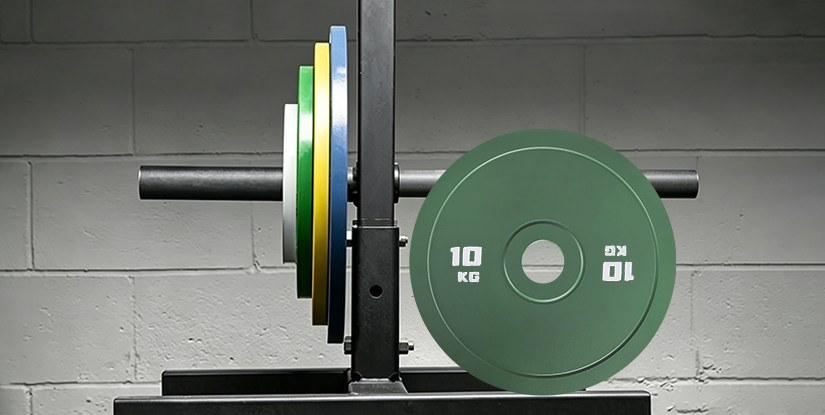
For international distributors, successful bumper plate procurement extends beyond simple material selection; it requires a strategic partnership with a China factory that can execute complex branding requirements. As global markets become more competitive, establishing a unique brand identity through OEM and ODM services allows importers to differentiate their product lines from generic stock offerings.
Utilizing customization options—such as specialized color palettes, unique logo embossing, or specific diameter markings—enables a supplier to help you capture premium market segments. Whether you are looking to launch a high-end professional series or a durable entry-level line, leveraging private label manufacturing optimizes your distributor margin by reducing reliance on third-party branding and allowing for direct control over your product's visual and technical specifications.
Customization Tiers and Sourcing Complexity
Choosing between standard stock and custom manufacturing depends on your specific market positioning and inventory strategy. While standard products offer faster replenishment, a wholesale order focused on OEM or ODM services allows for greater control over the product's visual differentiation. Professional buyers must balance the desire for a unique product against the impact on MOQ and total landed cost.
| Customization Level | Branding Scope | Material/Color Options | Typical MOQ | Lead Time Impact |
|---|---|---|---|---|
| Standard Stock | Standard factory logo or unbranded | Industry-standard black rubber/iron | Low (Container load/Pallet) | Minimal (Standard shipping) |
| Light Customization | Single-color logo printing | Limited color variations | Medium | Moderate (Production queue) |
| Full OEM | Embossed logos and custom colors | Full selection of rubber/PU finishes | High | Significant (Tooling/Molding) |
| Advanced ODM | Full technical specification control | Bespoke material/density profiles | Very High | Extensive (R&D/Testing) |
When evaluating your next commercial bumper plate supplier, consider that higher customization levels often require longer lead times to accommodate specialized molding or precision machining. For high-volume wholesale rubber bumper plates, we recommend confirming the specific China factory bumper plate OEM capabilities regarding logo depth and color consistency before finalizing your procurement contract to ensure your brand standards are met during the pre-shipment QC process.
Technical Execution of Branding and Material Finishes
Precision in branding is a critical factor in successful bumper plate procurement, particularly when managing high-volume orders for professional fitness centers. For a commercial bumper plate supplier, the method of logo application must match the material substrate to ensure long-term durability. In high-tier production, branding is typically achieved through logo molding during the casting or injection stage, ensuring the logo is an integral part of the plate structure rather than a surface-level addition that can peel or fade.
For premium lines, the choice between rubber or urethane coating significantly impacts the final aesthetic and technical performance. A specialized China factory bumper plate OEM can offer various surface treatments, such as deep-relief embossed logos for rubber-coated units or precision-printed graphics for high-density urethane plates. This level of detail is essential for distributors who need to maintain strict quality consistency across multiple wholesale rubber bumper plates shipments, ensuring that every unit in a bulk container meets the exact color and branding specifications required by their local market.
Optimizing Logistics and Landed Cost for Bulk Orders
Effective bumper plate procurement requires a strategic focus beyond unit price to include the total landed cost. For international distributors and gym owners, the final price per unit is heavily dictated by how efficiently weight is distributed within a shipping container. Because bumper plates are high-density, heavy-duty items, inefficient shipping volume management can rapidly erode profit margins during wholesale transactions.
To maximize ROI, professional buyers must coordinate closely with their China factory regarding container optimization. A supplier that understands how to stack varied weight increments—from 5kg to 25kg—can significantly reduce the cost per kilogram of imported goods. When managing large-scale wholesale rubber bumper plates orders, even slight improvements in pallet density or crate configuration can lower the overall landed cost. Furthermore, aligning your MOQ with full container load (FCL) requirements rather than less-than-container load (LCL) shipments is a standard industry practice to mitigate the impact of high freight costs and ensure a more predictable lead time for replenishment.
Shipping Configuration and Container Utilization Strategies
Selecting the right packaging method is a critical decision during the bumper plate procurement process. A mismatch between product weight and packaging durability can lead to damaged edges or compromised weight tolerances upon arrival. For high-volume commercial bumper plate supplier orders, the goal is to balance protection with maximum volumetric density to lower the cost per unit.
The following table outlines the common configurations used by a China factory to assist distributors in calculating total shipping impact and optimizing their wholesale inventory replenishment.
| Packaging Type | Typical Configuration | Container Utilization | Durability Level | Best Use Case |
|---|---|---|---|---|
| Standard Export Carton | Individual or sets of 2-4 plates per box | Moderate: High air gap between units | Standard: Protects against surface scuffs | Small wholesale orders or OEM samples |
| Reinforced Heavy-Duty Crate | Bulk stacked plates with protective dividers | High: Optimized for weight-bearing stability | Premium: High protection for long-distance sea freight | Large bulk distributor shipments |
| Palletized FCL Loading | Multiple crates secured on heat-treated pallets | Maximum: Designed for full container efficiency | Highest: Minimizes movement and impact risk | Full container sourcing for major gym chains |
When evaluating your next batch of wholesale rubber bumper plates, we recommend confirming the exact pallet dimensions and weight distribution with your supplier before finalizing the bill of lading. This ensures that your landed cost remains competitive and that your warehouse receiving team can manage the heavy-duty arrival without specialized lifting delays.
Export-Grade Packaging and Pre-Shipment QC Standards
Protecting your investment during long-distance sea freight is a non-negotiable aspect of professional bumper plate procurement. The physical stresses of maritime transport—including humidity, constant vibration, and heavy stacking—require more than just standard consumer-grade boxing. A reliable China factory bumper plate OEM must implement rigorous export packaging protocols to prevent structural deformation or surface damage that could compromise your profit margins upon arrival.
To mitigate the risks of transit-related damage, professional buyers should verify that their commercial bumper plate supplier utilizes heavy-duty, reinforced carton layers and specialized palletization. Effective damage prevention involves securing plates in high-density configurations that minimize movement within the container. Furthermore, a mandatory pre-shipment QC phase is essential; this should include weight spot-checks, checking the integrity of the rubber-to-core bonding, and testing the durability of the outer packaging under load. By prioritizing these logistics-focused quality controls, importers can ensure that their bulk shipments arrive in pristine condition, ready for immediate distribution or gym installation.