Bumper Plate Factory Direct: Cast Iron vs Rubber Options
Bumper Plate Factory Direct: Material Performance and Selection
Importers often face a critical choice between the density of iron and the resilience of polymer. A common procurement mistake is selecting high-density cast iron for high-impact Olympic lifting zones, leading to increased floor damage and noise, or choosing low-grade rubber for heavy strength training, which results in premature compression and weight loss. For professional bumper plate factory direct sourcing, understanding the engineering distinction between these materials is essential to optimizing long-term TCO and facility longevity.
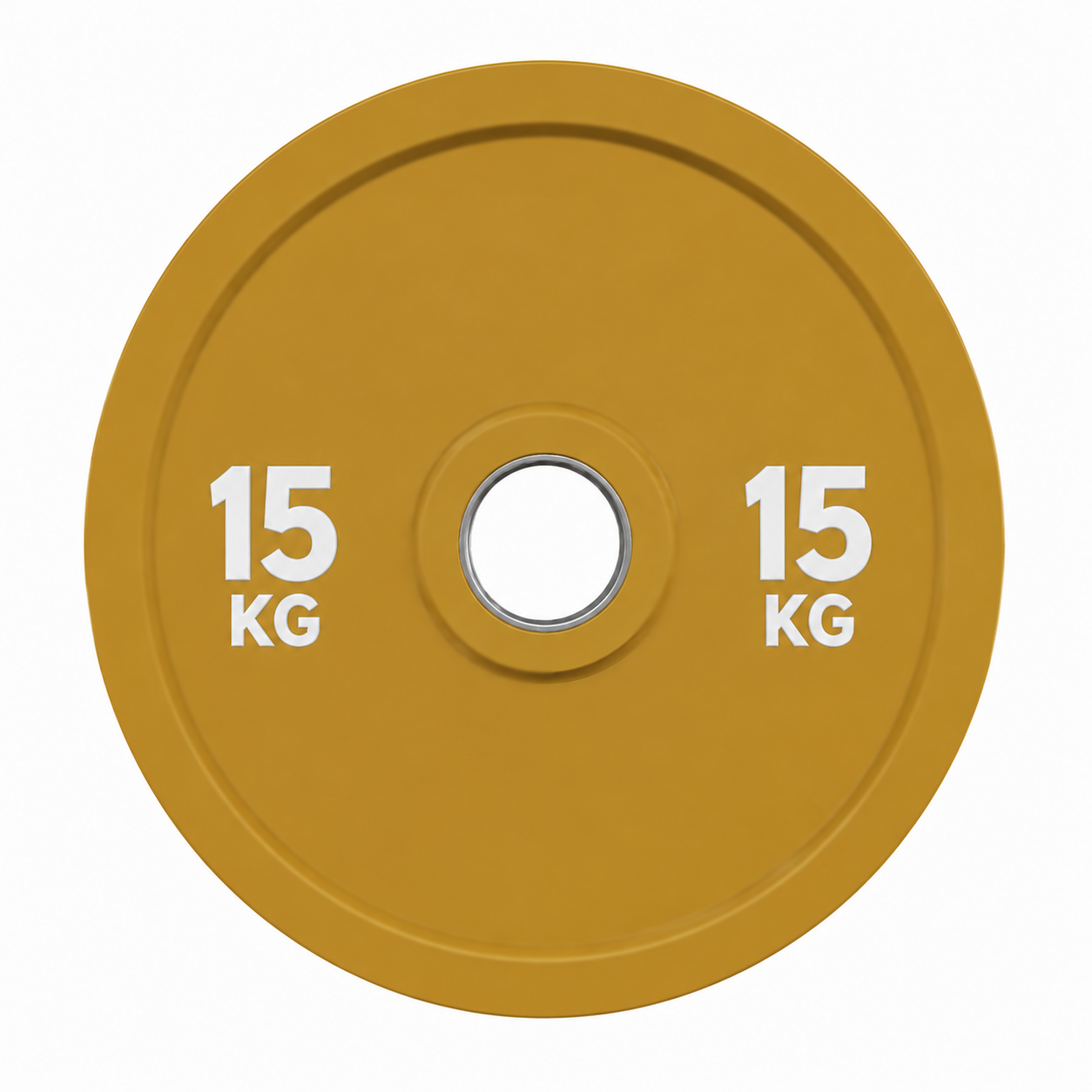
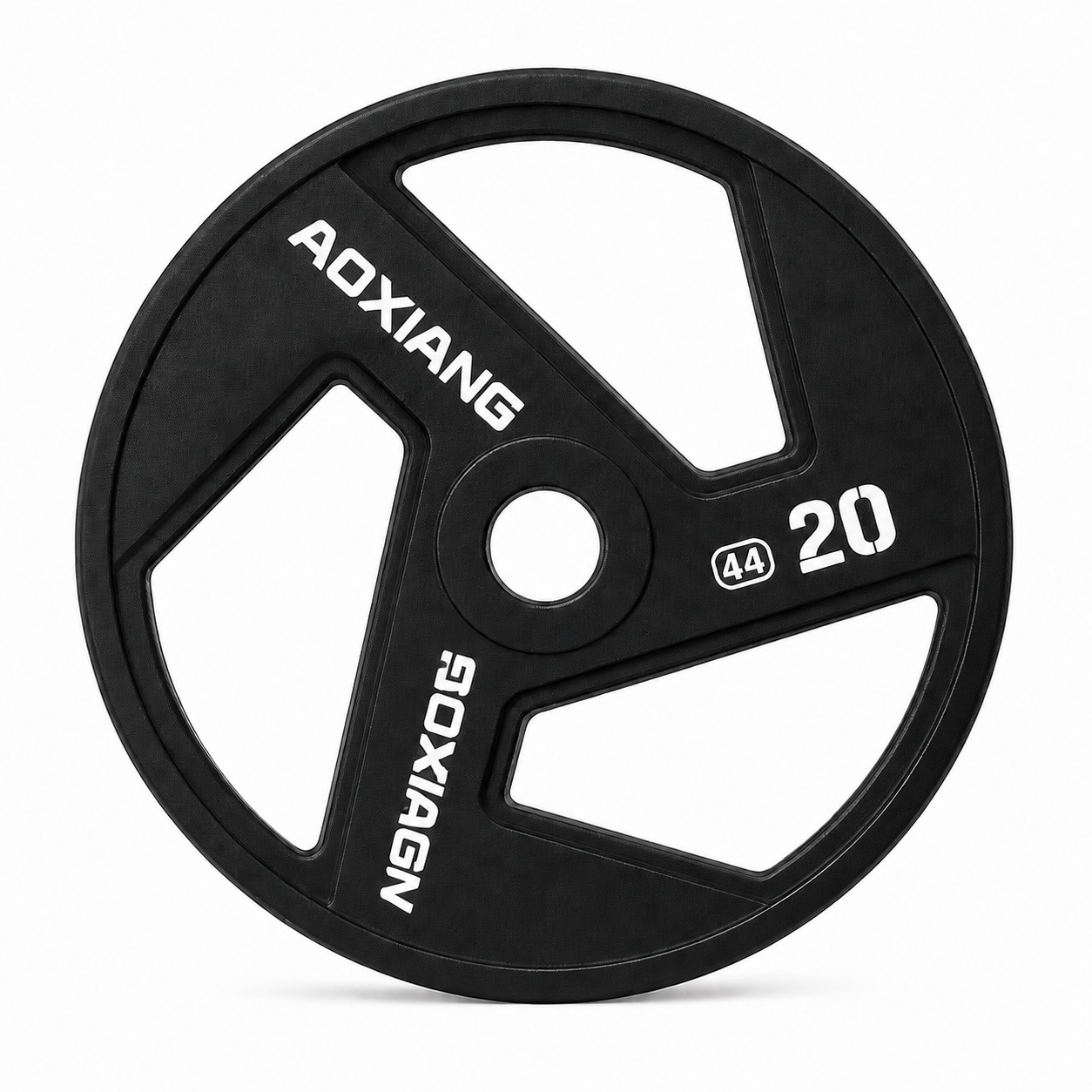
When managing wholesale cast iron plates orders, procurement leads prioritize the rigid stability of gray iron. These units are typically produced through sand casting and finished with a powder coating to prevent oxidation. While they offer excellent space efficiency and a compact footprint for heavy lifting, they lack the high impact absorption required for high-velocity drops. In contrast, commercial rubber bumper plates are engineered with a high-density rubber or polyurethane outer layer surrounding a steel or composite core. This construction is designed to dissipate kinetic energy, protecting both the flooring and the weight bar during heavy usage in high-traffic commercial gyms.
For distributors and gym owners, the decision between these two formats depends on the specific training environment. A China factory specializing in commercial rubber bumper plates can provide various grades of impact-resistant materials to suit different budget tiers, from standard gym-grade rubber to premium high-rebound polymers. Selecting the correct material through a direct supplier ensures that your sourcing strategy aligns with the expected wear and tear of your client's facility.
Material and Manufacturing Comparison for Bulk Procurement
To effectively manage landed cost and long-term maintenance, buyers must evaluate the structural differences between material types. A professional procurement strategy requires a clear understanding of how manufacturing routes impact the final product's durability and your distributor margins. The following table outlines the technical distinctions encountered when sourcing directly from a factory.
| Material | Process | Key Component | Commercial Duty | MOQ Impact | Factory QC Point |
|---|---|---|---|---|---|
| Cast Iron | Sand Casting & Powder Coating | Steel Center Hub | Strength & High-Density Training | Lower MOQ for standard stock | Weight Tolerance Spot-check |
| Rubber Bumper | Compression Molding or Dip Coating | High-Density Core | Olympic Lifting & Impact Zones | Higher MOQ for custom colors | Coating Adhesion & Surface Uniformity |
| Steel/Hybrid | CNC Machining & Finishing | Precision Inner Ring | Competition & Precision Training | Significant MOQ for specialized runs | Concentricity & Dimensional Accuracy |
When evaluating bumper plate factory direct options, technical inspection should focus on the assembly integrity. For rubber-based units, the bond between the outer layer and the internal core is a common failure point if the molding process is inconsistent. A reliable supplier will implement rigorous pre-shipment checks on the coating adhesion and the flatness of the base to ensure consistent performance during high-volume drops.
For large-scale distributors, the choice of material dictates not only the initial investment but also the long-term replacement planning for the end-user. We recommend requesting a detailed specification sheet or a sample evaluation to confirm that the material density and the weight marking methods—such as silk-screen or laser engraving—meet your brand identity requirements before finalizing a bulk order.
Importers often face a critical choice between the density of iron and the resilience of polymer. A common procurement mistake is selecting high-density cast iron for high-impact Olympic lifting zones, leading to increased floor damage and noise, or choosing low-grade rubber for heavy strength training, which results in premature compression and weight loss. For professional bumper plate factory direct sourcing, understanding the engineering distinction between these materials is essential to optimizing long-term TCO and facility longevity.
When managing wholesale cast iron plates orders, procurement leads prioritize the rigid stability of gray iron. These units are typically produced through sand casting and finished with a powder coating to prevent oxidation. While they offer excellent space efficiency and a compact footprint for heavy lifting, they lack the high impact absorption required for high-velocity drops. In contrast, commercial rubber bumper plates are engineered with a high-density rubber or polyurethane outer layer surrounding a steel or composite core. This construction is designed to dissipate kinetic energy, protecting both the flooring and the weight bar during heavy usage in high-traffic commercial gyms.
For distributors and gym owners, the decision between these two formats depends on the specific training environment. A China factory specializing in commercial rubber bumper plates can provide various grades of impact-resistant materials to suit different budget tiers, from standard gym-grade rubber to premium high-rebound polymers. Selecting the correct material through a direct supplier ensures that your sourcing strategy aligns with the expected wear and tear of your client's facility.
Cast Iron vs. Rubber: Structural Durability and Impact Management
When sourcing bumper plate factory direct, procurement specialists must distinguish between the rigid structural integrity of cast iron and the kinetic energy absorption of rubber. For high-volume wholesale cast iron plates, the focus is on density and surface longevity. Conversely, commercial rubber bumper plates are engineered to manage high-impact forces, protecting both the equipment and the facility floor during heavy drops.
Selecting the correct material profile is critical for optimizing total cost of ownership (TCO) in a commercial setting. A factory specializing in both types can provide specialized production lines to ensure that each material meets specific durability requirements for your gym or distribution network.
| Material Type | Primary Engineering Benefit | Impact Management | Typical Commercial Use | Durability Profile |
|---|---|---|---|---|
| Cast Iron | High density and compact footprint | Low (Rigid surface) | Strength training and powerlifting zones | High resistance to compression |
| Rubber/PU | High kinetic energy absorption | High (Shock absorption) | Olympic lifting and CrossFit areas | Resilient against high-impact drops |
| Steel Hub Hybrid | Structural stability for high weight | Moderate | Multi-functional training facilities | Balanced wear resistance |
Understanding these engineering trade-offs allows importers to align their sourcing strategy with the specific needs of their end-users, whether they require the compact durability of iron or the impact-resistant safety of rubberized surfaces.
Technical Comparison for Commercial Procurement
To optimize your landed cost and long-term maintenance schedules, a detailed understanding of the manufacturing route is essential. When evaluating a bumper plate factory direct, procurement officers should analyze the relationship between material density and the manufacturing process to ensure the product meets the rigorous demands of high-traffic facilities.
| Material | Manufacturing Process | Key Component | Commercial Duty | MOQ Impact | Factory QC Point |
|---|---|---|---|---|---|
| Cast Iron | Sand casting and machining | Steel center ring | High-density strength training | Lower MOQ for standard weights | Weight tolerance spot-check |
| Rubber | Injection molding or dip coating | Internal steel hub | High-impact Olympic lifting | Variable based on OEM specs | Coating adhesion and seam integrity |
| Hybrid/PU | Precision molding over steel | Integrated steel core | Premium multi-functional use | Higher wholesale entry point | Concentricity and edge smoothness |
For distributors, choosing between commercial rubber bumper plates and wholesale cast iron plates often depends on the target facility's flooring and training style. While rubberized options offer superior impact management, the precision machining of a steel hub is a critical quality indicator for high-end commercial rubber bumper plates. A professional supplier will implement a strict pre-shipment inspection focusing on the thickness of the coating and the flatness of the base to prevent uneven wear during heavy usage.
Before finalizing a bulk order, we recommend requesting a technical spec sheet or a sample evaluation to verify the weight calibration and surface finish. Confirming the MOQ and lead time for OEM or ODM custom branding requests will ensure your project remains on schedule and within budget.
For distributors, choosing between commercial rubber bumper plates and wholesale cast iron plates often depends on the target facility's flooring and training style. While rubberized options offer superior impact management, the precision machining of a steel hub is a critical quality indicator for high-end commercial rubber bumper plates. A professional supplier will implement a strict pre-shipment inspection focusing on the thickness of the coating and the flatness of the base to prevent uneven wear during heavy usage.
Before finalizing a bulk order, we recommend requesting a technical spec sheet or a sample evaluation to verify the weight calibration and surface finish. Confirming the MOQ and lead time for OEM or ODM custom branding requests will ensure your project remains on schedule and within budget.
Manufacturing Processes: From Casting to Precision Calibration
Understanding the technical divergence between production routes is essential for professional importers when selecting a bumper plate factory direct partner. For distributors, the choice between cast iron and rubber-encapsulated units determines the long-term durability and maintenance requirements of the client's facility.
Cast iron production typically begins with sand casting, where molten iron is poured into specialized molds to create the foundational weight. For high-volume wholesale cast iron plates, manufacturers often utilize centrifugal casting or CNC machining to refine the surface and ensure the inner ring remains concentric. This process is vital for maintaining weight stability and preventing uneven wear during high-frequency use in commercial settings.
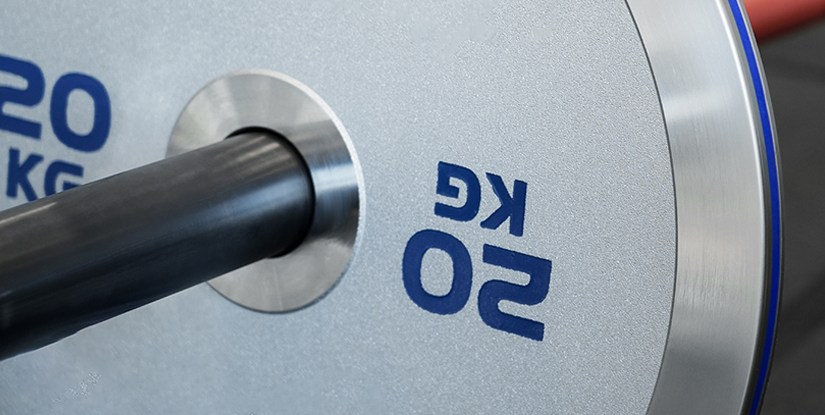
In contrast, the production of commercial rubber bumper plates involves a complex multi-stage molding process. After the internal steel or high-density core is prepared, the component undergoes rubber molding where high-grade elastomers are pressed or injected around the center. This stage is critical for shock absorption and protecting the facility's flooring. A reliable factory must implement rigorous weight calibration and concentricity checks at the end of the line to ensure each unit meets the specified commercial tolerances before export.
Quality Control and Export Inspection Standards
For professional importers, the technical success of a bulk order depends on the rigor of the China factory during the final production stages. Relying on a bumper plate factory direct source allows for much closer oversight of the pre-shipment inspection process, ensuring that every unit meets the high-impact demands of a commercial environment. A single failure in weight consistency or coating adhesion can lead to significant replacement costs and diminished distributor margins.
During the QC phase, our production team focuses on several critical inspection points. For cast iron units, this includes a weight tolerance spot-check and a precision check of the inner ring diameter to ensure a perfect fit on Olympic barbells. For rubber-encased models, the inspection shifts toward the coating adhesion and the structural integrity of the steel hub. We recommend that all procurement leads request a sample evaluation or a detailed inspection report to verify these standards before the final container loading.
By establishing a clear OEM or ODM specification sheet at the start of the production cycle, you can mitigate the risks of receiving sub-standard goods. Whether you are managing a small studio order or a large-scale warehouse replenishment, coordinating with a professional supplier for a pre-shipment inspection is the most effective way to protect your landed cost and ensure long-term product reliability.
China Factory QC and Export Standards for Bulk Orders
When sourcing heavy lifting equipment, distributors must prioritize a bumper plate factory direct model to mitigate the risks of inconsistent weight tolerances and material degradation. Relying on a professional China factory ensures that every batch undergoes rigorous calibration and structural testing before leaving the production line. For high-volume importers, establishing a strict pre-shipment inspection protocol is the most effective way to protect distributor margins and ensure that the commercial rubber bumper plates delivered meet international commercial-grade standards.
A lack of standardized quality control can lead to catastrophic failures in a commercial setting, such as uneven rubber thickness or poorly bonded steel hubs. To avoid these issues, professional sourcing teams should verify that the wholesale cast iron plates undergo a multi-stage process involving sand casting, precision machining, and a final weight tolerance spot-check. By confirming MOQ requirements and lead time expectations during the initial OEM or ODM consultation, buyers can better manage their landed costs and inventory turnover.
Technical Specification and Material Comparison for Procurement
Selecting the correct material architecture is critical for optimizing the total cost of ownership (TCO) and long-term durability in high-traffic facilities. When managing a bumper plate factory direct procurement cycle, buyers must distinguish between the structural density of cast iron and the impact-absorption properties of high-grade rubber or PU. This decision directly influences warehouse storage efficiency, shipping weight, and the eventual replacement frequency for your clients.
| Material Type | Manufacturing Process | Key QC Inspection Point | Commercial Durability | Sourcing Impact (MOQ/Lead Time) |
|---|---|---|---|---|
| Cast Iron (Gray Iron) | Sand Casting & CNC Machining | Inner Ring Concentricity | High (Rigid/High Density) | Lower MOQ / Faster Lead Time |
| Rubber Coated | Steel Hub Injection/Molding | Coating Adhesion & Bond Strength | Medium-High (Impact Resistant) | Standard MOQ / Moderate Lead Time |
| Polyurethane (PU) | Precision Mold Casting | Surface Uniformity & Hardness | Premium (High Durability/Low Maintenance) | Higher MOQ / Longer Lead Time |
For distributors looking to scale, understanding these manufacturing nuances allows for more accurate landed cost calculations. While commercial rubber bumper plates offer superior floor protection and noise reduction, the wholesale cast iron plates option remains a staple for strength-focused training due to its cost-effective density and simpler production route. We recommend requesting a technical spec sheet and confirming the factory ability to perform weight calibration checks to ensure your private label or bulk order meets the specific density requirements of your target market.
Critical Inspection Protocols for High-Volume Imports
To maintain high reliability in a commercial gym environment, procurement professionals must look beyond basic pricing and focus on the technical integrity of the components. A standard bumper plate factory direct workflow should include a rigorous inspection of the steel hub and the outer rim assembly. For instance, when ordering commercial rubber bumper plates, the bond between the internal steel ring and the external rubber coating is a common failure point. A professional China factory will typically perform adhesion checks to ensure the outer layer does not delaminate under repeated high-impact drops, which protects your brand reputation and reduces after-sales maintenance claims.
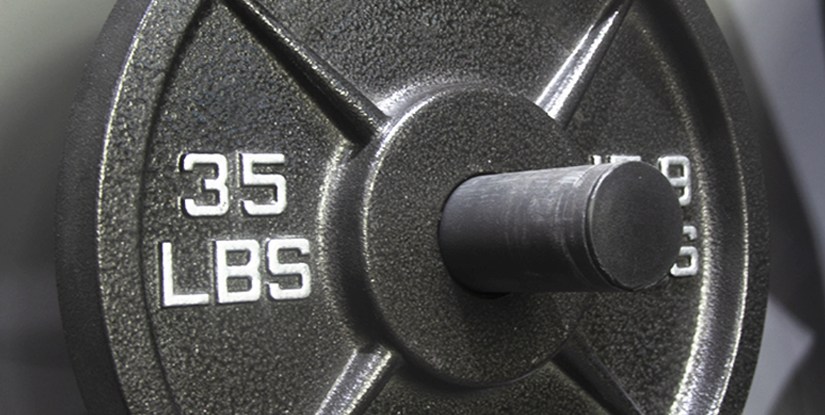
Furthermore, edge smoothness and weight accuracy are non-negotiable for high-end facility operators. During the pre-shipment phase, quality control teams should inspect the casting finish of the inner ring to prevent barbell damage. Whether you are sourcing wholesale cast iron plates or premium rubberized versions, verifying the precision of the central hole diameter and the uniformity of the surface finish is essential. For large-scale OEM or ODM projects, we suggest requesting a sample approval or a detailed video of the weight tolerance spot-checks. This proactive approach to sourcing ensures that your container loading is optimized and that the landed cost reflects a product capable of enduring heavy commercial usage without premature wear.
OEM/ODM Customization and Private Label Branding Capabilities
For distributors and gym equipment importers, the ability to differentiate a product line is a critical lever for increasing distributor margin. When you source bumper plate factory direct, you move beyond merely buying stock and begin building a proprietary asset. By leveraging OEM and ODM services, procurement leads can transition from generic commodity trading to establishing a high-value private label presence in their local markets.
Customization extends far beyond a simple logo. A professional China factory can integrate specific brand identity elements into the manufacturing process, such as specialized color-coded weight markings, custom embossed textures, or unique peripheral branding on the plate rim. This level of customization allows a supplier to meet the precise aesthetic and functional requirements of premium fitness centers, ensuring the equipment aligns with the client's high-end branding standards while maintaining a competitive landed cost.
Branding Integration for Cast Iron and Rubber Formats
The technical approach to branding depends heavily on the core material selected during the sourcing phase. For wholesale cast iron plates, customization is typically achieved through sand casting or CNC machining. Importers can request logo embossing directly into the iron mold, creating a permanent, high-relief mark that resists wear during heavy use. Alternatively, a high-grade powder coating can be applied over a laser-etched surface to ensure your brand remains visible even after years of commercial impact.
When procuring commercial rubber bumper plates, the branding process shifts to the molding stage. A professional factory utilizes injection molding or compression molding to embed your logo into the rubber skin. This ensures the branding is part of the structural integrity of the plate, rather than a surface-level print that might peel. Furthermore, color customization is a standard capability for rubber products, allowing distributors to match specific weight increments to a consistent, professional color palette that enhances the visual identity of a premium fitness facility.
To maintain strict quality control, all custom branding undergoes a pre-shipment inspection. This includes checking the depth of embossed logos and the adhesion of color-coded markings to ensure they meet commercial-grade standards before leaving the China factory. For high-volume orders, these processes are integrated into the standard production lead time to ensure that custom specifications do not compromise your delivery schedule or overall landed cost.
Customization Specification Overview
Selecting the right branding method is a strategic decision that impacts both the long-term durability of the product and your ability to build a recognized brand. Below is a comparison of the typical customization tiers available when you source bumper plate factory direct. This table helps procurement managers evaluate the trade-offs between material durability, visual impact, and the technical requirements for OEM production.
| Material | Branding Method | Color Options | Customization Complexity | MOQ Impact | Best For |
|---|---|---|---|---|---|
| Cast Iron | Sand Casting / Embossing | Standard Black or Paint-based | Low to Moderate | Lower MOQ | Traditional Gyms & High-Durability Needs |
| Rubber / PU | Injection Molding / Embossing | Full Spectrum Color Coding | Moderate to High | Higher MOQ | Premium Studios & High-End Commercial Centers |
| Steel / Chrome | Laser Etching / Silk-Screen | Metallic or High-Gloss | High | Variable based on wholesale volume | Competition-Grade & Boutique Environments |
When evaluating commercial rubber bumper plates, the complexity of the molding process often dictates the minimum order requirements. While rubber-based options offer superior color-coding capabilities for weight identification, the specialized tooling required for ODM requests may influence your initial sourcing budget. For those prioritizing a rapid wholesale rollout with lower upfront tooling costs, wholesale cast iron plates with embossed logos provide a reliable and cost-effective way to establish a private label presence.
Before finalizing a bulk order, we recommend requesting a detailed specification sheet or a physical sample to verify the branding adhesion and mold depth. This step ensures that your brand identity remains intact through heavy commercial use and that the final product meets your specific quality expectations before the pre-shipment inspection begins.
Optimizing Procurement: MOQ, Lead Times, and Landed Cost
Effective sourcing strategies for professional gym equipment require a deep understanding of how material choices influence the total landed cost. When a factory manages production directly, distributors can better predict the impact of shipping volume and weight-to-volume ratios on their final margins. For instance, wholesale cast iron plates offer a higher density and lower volume per unit of weight, which typically optimizes container utilization during sea freight compared to bulkier alternatives.
Selecting commercial rubber bumper plates involves different logistical considerations, as the increased volume can affect the number of units per pallet and the overall shipping volume. A professional China factory will provide detailed packing specifications to help you calculate the most cost-effective way to move high-volume orders. By evaluating the MOQ and the specific lead time for different material runs, procurement managers can balance the need for inventory availability with the goal of minimizing landed cost. Working with a bumper plate factory direct source allows for greater transparency in these variables, ensuring that your sourcing decisions support long-term profitability and efficient warehouse management.
Material Performance and Sourcing Comparison
Selecting the correct material profile is essential for maintaining long-term commercial efficiency. Whether you are prioritizing durability for high-impact training or cost-efficiency for standard strength zones, understanding the manufacturing trade-offs is a core part of the bumper plate factory direct procurement process. A professional supplier will provide technical data to help you differentiate between density-driven and impact-driven options.
| Material Type | Typical Process | Key Component | Commercial Duty | MOQ Impact | Factory QC Point |
|---|---|---|---|---|---|
| Cast Iron | Sand casting and machining | Steel center hub | Standard Strength/High Density | Lower for standard runs | Weight tolerance spot-check |
| Rubber Bumper | Compression molding or dip | Internal steel ring | High-Impact/Olympic Training | Higher for custom colors | Coating adhesion and edge finish |
| PU Bumper | Injection molding | Integrated steel core | Premium/Competition Grade | Highest for high-spec runs | Concentricity and surface smoothness |
When evaluating commercial rubber bumper plates, the focus often shifts from pure density to surface protection and impact absorption. In many commercial settings, the choice between a standard cast iron profile and a specialized bumper option depends on the specific training environment and the desired wholesale volume. For distributors, the decision-making process should include a review of the OEM capabilities of your China factory to ensure that custom branding or specific thickness requirements do not negatively impact your sourcing timeline or final container load efficiency. We recommend requesting a detailed specification sheet and confirming the MOQ for your specific material preference before finalizing your bulk order.
To ensure a successful partnership, we suggest that buyers initiate the procurement cycle by requesting a detailed technical specification sheet. Before finalizing any bulk order, it is prudent to confirm the exact MOQ for your specific material profile and request a sample evaluation to verify weight tolerances and surface finishes. Furthermore, we recommend booking a formal factory audit or a third-party pre-shipment inspection to validate that the production output meets your commercial standards. Engaging with a bumper plate factory direct partner during the initial stages allows you to align your branding requirements with realistic lead time expectations, ensuring a seamless transition from the production line to your local warehouse.