Bumper Plate Wholesale Manufacturer: Cast Iron vs Rubber
Bumper Plate Wholesale Manufacturer: Material Performance and Selection
When a large-scale fitness chain or a boutique studio operator prepares for a new facility rollout, the choice between material types dictates long-term maintenance loads and equipment longevity. Selecting the right bumper plate wholesale manufacturer involves more than just comparing unit prices; it requires an understanding of how material density affects floor integrity and sound levels. Whether you are sourcing for a high-impact functional training zone or a traditional strength floor, the distinction between cast iron and rubber is critical for your total cost of ownership (TCO).
For professional distributors, the decision often hinges on the specific environment of the end-user. A commercial bumper plate supplier will typically recommend rubber-based options for Olympic lifting areas to maximize noise reduction and protect expensive flooring. Conversely, for standard weight training sections where durability and a compact footprint are prioritized, high-quality cast iron remains a staple. Understanding these nuances allows importers to optimize their sourcing strategy based on the target market's needs.
Material Comparison for Commercial Deployment
The following table outlines the primary functional differences between the two most common commercial-grade materials. This comparison is designed for procurement professionals evaluating wholesale gym weight plates for diverse facility types.
| Material Type | Primary Process | Key Characteristic | Commercial Use Case | Procurement Focus |
|---|---|---|---|---|
| Cast Iron | Sand Casting & Machining | High Density & Compact | Traditional Strength Training | Low TCO & High Durability |
| Rubber Bumper | Steel Core & Vulcanization | Impact Absorption | Olympic & CrossFit Training | Floor Protection & Noise Control |
When ordering a rubber bumper plate OEM solution, buyers should note that these units typically consist of a high-density steel inner ring encapsulated by a high-quality rubber or PU layer. This construction ensures the plate can withstand repeated drops without significant bounce or structural deformation. For those looking to maximize margins through a wholesale order, selecting a factory that specializes in both casting and molding processes ensures better consistency in weight calibration and coating adhesion across your entire shipment.
| Material | Manufacturing Process | Key Component | Commercial Duty | MOQ Impact | Factory QC Point |
|---|---|---|---|---|---|
| Cast Iron | Sand Casting & Machining | Bore Concentricity | Standard Strength Training | Lower MOQ Tiers | Flatness & Surface Finish |
| Rubber Bumper | Steel Core & Vulcanization | Encapsulation Layer | High-Impact Olympic Lifting | Higher MOQ Requirements | Coating Adhesion & Bounce Control |
From a procurement standpoint, the technical divergence between these two options affects both the landed cost and the long-term maintenance load of a facility. A professional rubber bumper plate OEM must ensure the vulcanization process results in a seamless bond between the steel inner ring and the outer elastomer. This prevents the common failure mode of material delamination during high-volume use. For buyers focused on high-frequency training zones, the investment in rubberized materials often yields a better ROI by reducing floor replacement frequency and acoustic disruption.
In contrast, when a commercial bumper plate supplier produces cast iron variants, the focus shifts toward the precision of the sand casting and subsequent CNC machining of the center bore. High-quality production ensures that the weight tolerance remains consistent across the entire batch, which is a critical metric during pre-shipment inspection. For distributors managing large-scale gym builds, understanding these manufacturing routes allows for more accurate project timelines and more predictable maintenance schedules for the end-user.
From a procurement standpoint, the technical divergence between these two options affects both the landed cost and the long-term maintenance load of a facility. A professional rubber bumper plate OEM must ensure the vulcanization process results in a seamless bond between the steel inner ring and the outer elastomer. This prevents the common failure mode of material delamination during high-volume use. For buyers focused on high-frequency training zones, the investment in rubberized materials often yields a better ROI by reducing floor replacement frequency and acoustic disruption.
In contrast, when a commercial bumper plate supplier produces cast iron variants, the focus shifts toward the precision of the sand casting and subsequent CNC machining of the center bore. High-quality production ensures that the weight tolerance remains consistent across the entire batch, which is a critical metric during pre-shipment inspection. For distributors managing large-scale gym builds, understanding these manufacturing routes allows for more accurate project timelines and more predictable maintenance schedules for the end-user.
To mitigate risk during bulk procurement, we recommend a multi-step validation process. Before finalizing a wholesale agreement, importers should request a technical spec sheet to confirm the weight calibration standards and the specific thickness of the powder coating or rubber layer. For large-scale deployments, we suggest scheduling a factory audit or a pre-shipment inspection to verify critical components such as bore concentricity and coating adhesion. This proactive approach ensures that your sourcing strategy results in a high-performance product that meets the rigorous demands of the North American commercial fitness market.
Comparing Cast Iron and Rubber Bumper Plate Specifications
When sourcing high-volume inventory, professional buyers must distinguish between the rigid density of cast iron and the kinetic energy absorption of rubber. Selecting the right material profile is a critical decision for long-term facility management and total cost of ownership. A professional bumper plate wholesale manufacturer provides different technical configurations depending on whether your deployment targets heavy strength training or high-impact Olympic lifting environments.
Choosing between these two materials directly affects your facility's maintenance load and equipment longevity. While cast iron offers a traditional, compact profile for standard strength training, rubber variants are engineered to mitigate the destructive forces of heavy drops. As a commercial bumper plate supplier, we recommend evaluating both based on your specific floor protection requirements and the intended intensity of your gym'1s throughput.
| Material Type | Primary Process | Impact Resistance | Commercial Duty | Procurement Focus |
|---|---|---|---|---|
| Cast Iron | Sand Casting & Machining | Low (Rigid) | Strength & Bodybuilding | Landed Cost & Density |
| Rubber | Steel Hub & Vulcanization | High (Absorbent) | Olympic & CrossFit | Durability & Floor Protection |
| PU Coated | Steel Core & Injection | Medium-High | Premium Studio/Boutique | Aesthetics & Longevity |
For distributors managing diverse client needs, understanding these technical baselines is essential for effective wholesale gym weight plates procurement. While cast iron is often selected for its cost-efficiency in standard weight rooms, a rubber bumper plate OEM solution provides the necessary resilience for high-impact zones where floor damage and noise reduction are primary operational concerns.
Technical Specifications for Procurement Evaluation
To ensure high-quality inventory arrival, procurement managers should look beyond basic weight markings and focus on the manufacturing integrity of the core components. A reliable bumper plate wholesale manufacturer will provide detailed specifications regarding the internal construction and the outer layer's adhesion quality. For instance, high-tier rubber units typically utilize a precision-machined steel center hub to maintain concentricity and ensure a consistent fit on Olympic barbells during high-frequency use.
The distinction between budget and premium tiers often lies in the secondary manufacturing steps, such as the vulcanization process or the quality of the powder coating on the inner steel core. When you work with a specialized rubber bumper plate OEM, you can request specific focus on the bond line integrity to prevent delamination under heavy impact. This level of technical detail is essential for reducing long-term maintenance costs and ensuring the product meets the rigorous demands of commercial-grade training environments.
| Material | Manufacturing Process | Key Component | Commercial Use | MOQ Impact | Factory QC Point |
|---|---|---|---|---|---|
| Cast Iron | Sand Casting & Machining | Steel Hub/Bore | Traditional Strength Training | Low (Standard Stock) | Bore Concentricity |
| Rubber | Steel Core & Vulcanization | Encapsulated Core | High-Impact Olympic Lifting | Medium (Production Cycle) | Coating Adhesion |
| PU/Vinyl | Steel Core & Injection | High-Density Shell | Premium Boutique Studios | High (Customization) | Surface Uniformity |
Effective sourcing requires a clear understanding of how these manufacturing variables impact your landed cost and shipping efficiency. For example, the volumetric weight of rubber plates versus the high density of cast iron will significantly alter your container loading density and freight calculations. We recommend discussing your specific weight coverage needs with your supplier to optimize both the product durability and the logistical efficiency of your bulk order.
Manufacturing Processes: From Casting to Precision Machining
Understanding the technical divergence between material types is essential for professional importers. A reputable bumper plate wholesale manufacturer utilizes distinct production routes to ensure each unit meets the rigorous demands of high-traffic facilities. While both options serve commercial needs, the underlying manufacturing process dictates the long-term durability and impact resistance of the equipment.
For standard weight plates, the process typically begins with sand casting. In this stage, molten iron is poured into sand molds to create the basic plate shape. Once cooled, the unit undergoes machining to ensure the center bore is concentric and the surface is flat. This method is highly efficient for wholesale orders, offering a cost-effective solution for traditional strength training environments where weight density is the priority.
In contrast, a high-performance rubber bumper plate relies on a complex molding or vulcanization process. Rather than a single-piece casting, these units often feature a heavy-duty inner steel or high-density core that is encapsulated within specialized rubber. This injection molding or dip-coating technique ensures the plate can withstand high-velocity drops without cracking or losing structural integrity. For a commercial bumper plate supplier, maintaining the bond line adhesion between the core and the outer layer is a critical quality control checkpoint during OEM production to prevent delamination in professional settings.
Technical Comparison of Material Performance and Production Standards
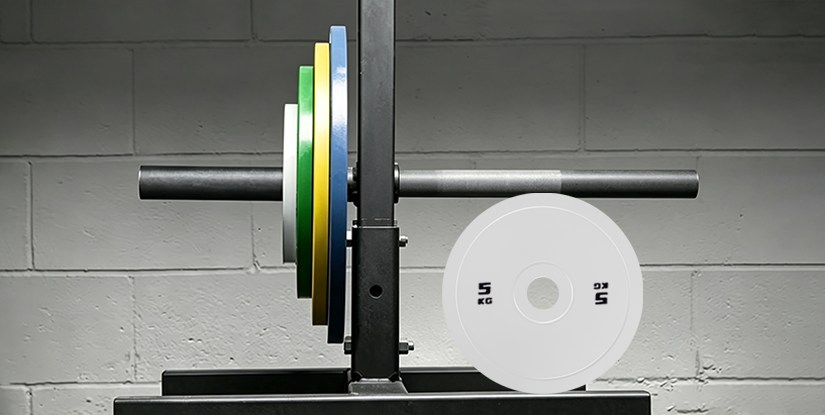
To optimize your procurement strategy, it is necessary to evaluate how different manufacturing routes affect the total cost of ownership and long-term maintenance. When sourcing through a bumper plate wholesale manufacturer, the distinction between a simple cast unit and a multi-layered molded unit significantly impacts your landed cost and product replacement cycles. A commercial bumper plate supplier will typically offer various tiers to suit different facility budgets and impact requirements.
| Material | Production Method | Key Component | Commercial Duty | MOQ Impact | Factory QC Focus |
|---|---|---|---|---|---|
| Cast Iron | Sand Casting & Machining | Precision Center Bore | Standard Strength/Budget | Low | Bore Concentricity & Flatness |
| Rubber-Coated | Steel Core & Vulcanization | Inner Steel Hub | High-Impact/Crossfit | Medium | Bond Line Adhesion |
| Polyurethane (PU) | Injection Molding | High-Density Core | Premium/Competition | High | Surface Uniformity & Coating Integrity |
Selecting the right wholesale gym weight plates requires balancing initial sourcing costs against the durability needed for your specific deployment. While cast iron offers excellent density and lower MOQ requirements, high-performance rubber or PU options provide superior floor protection and impact absorption, reducing long-term facility maintenance. We recommend requesting a detailed spec sheet or sample approval to verify the weight tolerance and finish quality before finalizing any large-scale OEM or ODM order.
Quality Control and Precision Calibration in Bulk Production
For distributors and facility managers, the primary risk in large-scale procurement is inconsistent weight accuracy and structural failure. A professional bumper plate wholesale manufacturer mitigates these risks through a rigorous calibration sequence that follows the casting or molding phase. In many China factory settings, precision is not merely about the final weight, but about the concentricity of the center bore and the uniformity of the material density. If the bore is not perfectly centered during the machining stage, it can lead to uneven wear on barbell sleeves, increasing long-term maintenance costs for the end user.
During the pre-shipment QC process, high-tier suppliers implement a multi-stage verification protocol. This includes a weight tolerance spot-check to ensure every unit within a batch remains within industry-standard deviations, as well as a physical inspection of the coating adhesion. For rubber-encapsulated models, the factory must verify that the bond between the inner core and the outer layer is seamless to prevent delamination under heavy impact. When managing wholesale gym weight plates orders, we advise buyers to confirm whether the manufacturer performs these calibration steps on every single unit or uses a statistical sampling method, as this directly affects the reliability of your landed inventory.
Effective sourcing also requires a clear understanding of how production complexity affects your lead time. While standard cast iron plates can be produced and shipped rapidly due to a straightforward casting-to-machining route, specialized rubber bumper plate OEM orders involving complex vulcanization or multi-layer injection molding may require longer production windows. To avoid delays in facility deployment, ensure your ODM or OEM specifications are finalized early in the procurement cycle, allowing sufficient time for both the manufacturing process and the necessary pre-shipment inspections.
Commercial Deployment Scenarios: Gym, Studio, and Hotel Requirements
Selecting the appropriate weight plate depends entirely on the operational environment and the specific throughput of the facility. When sourcing from a bumper plate wholesale manufacturer, procurement leads must align material selection with the expected wear patterns of their specific venue to optimize long-term TCO and minimize maintenance downtime.
In high-traffic strength gym environments, durability is the primary concern. Heavy lifting and frequent dropping require high-density rubber or specialized casting to protect flooring and equipment. Conversely, boutique fitness studio settings often prioritize aesthetics and noise reduction, making high-quality rubber bumper plate OEM options more suitable for maintaining a premium atmosphere. For hospitality-focused hotel fitness centers, the focus shifts to space efficiency and low-maintenance profiles, where specialized wholesale gym weight plates can provide a consistent, professional look without the heavy maintenance load of raw iron. Identifying these needs early in the sourcing process ensures that your commercial bumper plate supplier can provide the correct weight tolerances and finish specifications required for professional deployment.
Material Suitability and Procurement Decision Matrix
To effectively manage total cost of ownership (TCO) and operational longevity, procurement specialists must evaluate the technical trade-offs between cast iron and rubber. A professional bumper plate wholesale manufacturer provides different specifications based on the intended impact intensity and facility maintenance capacity. While cast iron offers superior density and a lower landed cost for traditional strength training, rubber-based plates significantly reduce the frequency of floor repairs and noise-related complaints in multi-use commercial spaces.
| Deployment Scenario | Primary Material | Manufacturing Process | Key Component Focus | Commercial Duty Tier | MOQ Impact | Factory QC Point |
|---|---|---|---|---|---|---|
| High-Volume Strength Gym | Cast Iron | Sand Casting & Machining | Bore Concentricity | Heavy-Duty | Lower | Weight Tolerance Spot-check |
| Boutique Fitness Studio | Rubber/PU | Injection Molding/Vulcanization | Coating Adhesion | Premium | Moderate | Surface Uniformity |
| Hotel/Hospitality Center | Rubber Coated | Steel Core & Dip Coating | Base Flatness | Standard Commercial | Flexible | Encapsulation Integrity |
When evaluating your next batch, consider that the choice between cast iron vs rubber extends beyond initial purchase price. For distributors, selecting a rubber bumper plate OEM solution for studio clients can justify higher margins through premium branding, whereas bulk wholesale gym weight plates in cast iron are ideal for high-density warehouse-to-gym shipments where weight-to-volume efficiency is critical. We recommend requesting a detailed spec sheet or a sample approval to verify the material density and finish quality before finalizing your large-scale sourcing contract.
Logistics and Customization Capabilities for Global Importers
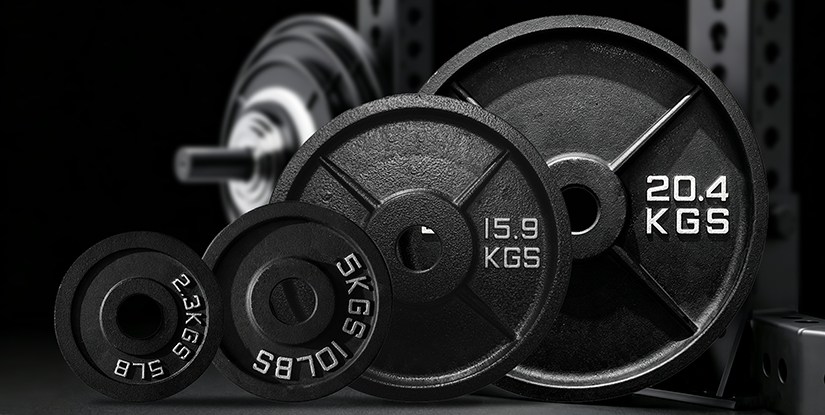
For distributors and large-scale gym operators, the procurement process extends far beyond material selection; it requires a reliable partner capable of complex OEM and ODM workflows. A professional bumper plate wholesale manufacturer must provide more than just finished goods—they must offer a complete supply chain solution that includes precision custom branding to support your brand identity and market differentiation.
Effective logistics management is critical when importing heavy, high-volume equipment from a China factory. To minimize transit damage and reduce landed costs, we implement specialized export packaging protocols. This typically involves reinforced heavy-duty cartons and optimized container loading patterns designed to maximize volume efficiency while protecting the integrity of the plate surfaces. During the pre-shipment QC phase, our technical teams perform rigorous inspections on critical areas such as the inner bore diameter, the adhesion of the rubber/PU coating, and the overall flatness of the plates. This ensures that every unit meets the strict standards required for international commercial deployment. We encourage buyers to discuss specific MOQ requirements and lead times during the initial consultation to ensure seamless inventory turnover and optimized warehouse management.
China Factory QC Standards and Pre-Shipment Inspection
Maintaining strict quality control is essential when sourcing from a bumper plate wholesale manufacturer to ensure every unit meets the rigorous demands of high-traffic fitness facilities. For distributors and gym owners, inconsistent weight or poor material integrity leads to increased maintenance costs and diminished professional reputation. A reliable China factory implements a multi-stage inspection sequence—moving from raw material verification to final dimensional calibration—to mitigate these risks during bulk procurement.
The inspection process begins with raw material validation, ensuring the consistency of the cast iron or rubber compounds used in production. During the manufacturing of wholesale gym weight plates, the factory must monitor critical points such as the concentricity of the center bore and the adhesion of the outer coating. For rubber-encapsulated models, this includes checking for even density and seamless molding to prevent premature peeling or cracking under heavy use.
Before any wholesale order leaves the facility, a pre-shipment inspection is conducted to verify that the finished products align with commercial gym standards. This involves spot-checking the weight tolerance across the batch to ensure that the actual weight closely matches the declared specification. For a commercial bumper plate supplier, this stage is also the time to inspect the integrity of the OEM branding and the durability of the export packaging, ensuring that the load is secured for long-distance sea freight without shifting or structural damage.
Technical Inspection Checklist for B2B Procurement
To optimize your landed cost and reduce the risk of returns, professional buyers should request a specific inspection protocol from their rubber bumper plate OEM partner. A standardized checklist ensures that the material quality and structural integrity remain consistent throughout the entire production run, regardless of the total order volume.
| Inspection Point | Cast Iron Focus | Rubber Bumper Focus | Commercial Duty Requirement |
|---|---|---|---|
| Bore Concentricity | Center hole alignment and flatness | Internal steel ring stability | Smooth rotation on barbell sleeve |
| Surface Integrity | Coating adhesion and edge smoothness | Material density and seam strength | Resistance to cracking or peeling |
| Weight Calibration | Mass consistency across the batch | Uniformity of rubber/filler density | Strict adherence to declared weight |
| Export Packaging | Pallet stability and corner protection | Moisture-proof wrapping and stacking | Safe long-distance sea freight transit |
When coordinating with a bumper plate wholesale manufacturer, we recommend scheduling a formal pre-shipment audit to review these specific technical benchmarks. Verifying the quality of the center bore, the bond line of the rubber coating, and the robustness of the export packaging will protect your distributor margins and ensure a seamless deployment for your end-users.
To ensure long-term durability and minimize replacement cycles, we advise procurement leads to confirm the specific inspection protocols during the initial quote stage. Whether you are sourcing for a single flagship facility or managing a large-scale distribution network, understanding these technical checkpoints allows for more accurate landed cost calculations and risk management. We recommend requesting a sample approval and a detailed technical spec sheet to verify that the material density and bore tolerances align with your brand identity requirements before proceeding with a full bulk order.
Optimizing Sourcing: MOQ, Lead Times, and Export Logistics
Navigating the complexities of international procurement requires a strategic partnership with a reliable bumper plate wholesale manufacturer. For distributors and large-scale gym operators, the decision between sourcing cast iron or rubber-coated units is not merely about material preference, but about managing the total landed cost and warehouse efficiency. High-density rubber bumper plates offer superior floor protection and noise reduction, yet their larger shipping volume and weight-to-space ratio can significantly impact container utilization and freight expenses compared to more compact cast iron alternatives.
Managing a diverse inventory requires precise coordination regarding MOQ and production schedules to avoid stockouts during peak seasons. A professional commercial bumper plate supplier must provide transparent lead times that account for both the manufacturing cycle—such as casting, vulcanization, or powder coating—and the subsequent export documentation processes. When ordering wholesale gym weight plates, buyers must evaluate the trade-offs between specialized rubber bumper plate OEM requirements, which may involve complex molding processes, and standard cast iron production, which typically allows for faster turnover and higher volume density in sea containers.
Sourcing Comparison: Material, Production, and Logistics
Selecting the correct product tier directly influences your distributor margins and inventory turnover. While cast iron remains a staple for high-volume, cost-effective gym setups, rubber-encapsulated options cater to premium facilities requiring higher durability. Understanding these technical variables allows for better planning of your next bulk order.
| Material | Manufacturing Process | Key Component/Detail | Commercial Duty | MOQ Impact | Factory QC Point |
|---|---|---|---|---|---|
| Cast Iron | Sand casting and CNC machining | Bore concentricity and flatness | Budget / High-Volume | Lower | Weight tolerance spot-check |
| Rubber/PU | Steel core molding and vulcanization | Coating adhesion and thickness | Premium / High-Impact | Higher | Encapsulation layer integrity |
When working with a China factory, it is essential to verify the specific production sequence for your chosen material. For rubber-coated units, the bond between the internal steel core and the outer layer is a critical failure point that requires strict pre-shipment inspection. For distributors, balancing these technical requirements with wholesale volume targets ensures a stable supply chain. We recommend requesting a detailed spec sheet or a sample evaluation to confirm that the manufacturing tolerances and packaging standards align with your market's specific commercial requirements.
Export Packaging and Quality Assurance Protocols
The final stage of the procurement cycle is often where the greatest risks to distributor margins occur. Even a high-quality product can suffer significant damage if the export packaging is insufficient for long-haul sea freight. A professional bumper plate wholesale manufacturer understands that heavy plates exert immense pressure on container walls and stacking layers. Therefore, robust packaging—typically involving reinforced cartons, corner protectors, and heavy-duty pallets—is a non-negotiable requirement for a successful bulk order.
Before any shipment leaves the China factory, a rigorous pre-shipment QC process must be executed to mitigate the risk of high replacement costs. For rubberized units, this includes checking the coating adhesion to ensure the outer layer does not peel under impact, which is a common failure mode in lower-tier production. For cast iron, the focus remains on weight tolerance and bore concentricity to ensure seamless compatibility with commercial barbells. We advise all professional buyers to coordinate a formal inspection or request detailed photographic evidence of the palletization and container loading process. By verifying these technical details and the integrity of the export packaging, you secure a more predictable landed cost and maintain the long-term reputation of your brand in the commercial fitness market.