Is Buying Used Competition Kettlebells Worth the Investment?
High-Traffic Deployment and Floor Layout Optimization
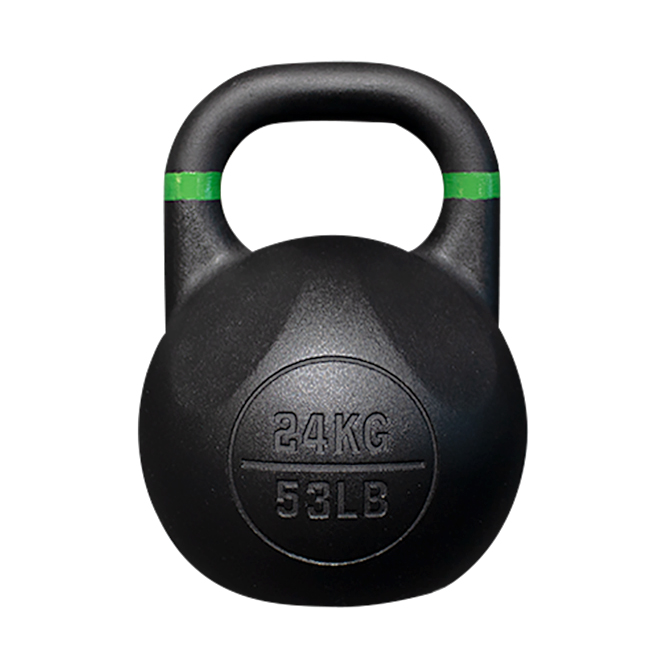
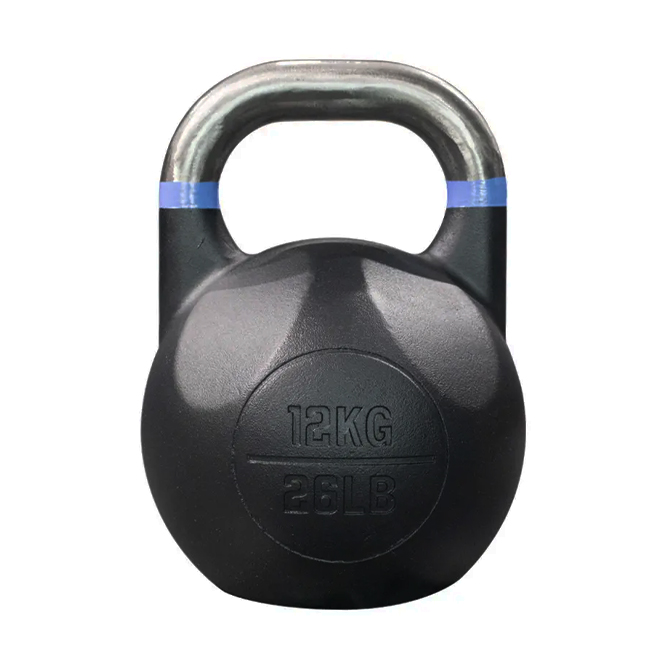
Used competition kettlebells are precision-cast iron or steel implements with standardized dimensions and handle diameters designed for professional strength athletics. B2B buyers often source these pre-owned units to scale their strength training departments while maintaining the exact spatial footprint required for sanctioned competition standards.
When planning a facility layout, understanding the movement radius is critical. Unlike standard kettlebells, secondhand competition kettlebells adhere to strict sizing specifications, ensuring that the ball diameter remains consistent across different weights. This predictability allows facility managers to optimize space efficiency by calculating exact clearance zones for swings, snatches, and cleans. If your floor plan does not account for the widest part of the bell, you risk bottlenecking training flow in high-traffic zones.
By integrating these standardized implements into your refurbished kettlebell training zones, you can create a modular environment. Whether you are a distributor setting up a boutique studio or a gym owner maximizing a small footprint, knowing the exact dimensions helps prevent collisions between athletes and maintains a professional, safe, and organized training environment.
To help you decide whether to invest in new equipment or opt for secondhand competition kettlebells, we have outlined a comparison based on operational demands. The choice often hinges on how much physical room you have for storage and how much wear and tear your facility can sustain.
While refurbished kettlebell training setups can significantly lower your initial budget, they require a strategic approach to spatial management. For instance, high-end competition models often feature specific handle geometries that demand consistent clearance. Below is a quick reference to assist in your procurement planning.
| Consideration | New Competition Models | Pre-owned / Refurbished Options |
|---|---|---|
| Space Footprint | Predictable, uniform dimensions for perfect rack alignment. | Varied; requires measuring for exact storage rack compatibility. |
| Durability | Maximum; optimized for high-frequency, heavy-impact use. | Depends on previous use; check for casting integrity. |
| Budget Impact | Higher upfront cost; premium gym equipment resale value. | Lower entry cost; ideal for scaling specialized zones. |
| Usage Intensity | Best for high-traffic, professional competition floors. | Great for supplemental strength or boutique studio setups. |
When evaluating used competition kettlebells, always prioritize the uniformity of the ball diameter. This ensures that your facility's space footprint remains optimized for sanctioned training movements without unexpected spatial bottlenecks.
Beyond the immediate movement radius, maximizing your facility's utility requires advanced storage solutions. When sourcing secondhand competition kettlebells, a common pitfall is failing to account for slight variations in casing thickness or paint texture, which can impact how tightly they sit in standard racks. To achieve high training density, we recommend investing in heavy-duty, tiered shelving or specialized vertical racks that accommodate the standardized sizing of competition-grade bells. This prevents the "clutter creep" often seen in high-traffic strength areas.
Effective floor layout optimization also involves more than just placement; it requires rigorous quality control. Before full deployment, verify the weight accuracy of your entire batch. Even a slight deviation in mass can disrupt the rhythmic flow of a high-density class. By ensuring each unit meets the expected specification, you can confidently design compact, high-performance zones that offer maximum gym equipment resale value through organized, professional-grade presentation and maintenance.
Evaluating Weight Accuracy and Structural Integrity in Secondhand Units
When sourcing used competition kettlebells, the primary risk involves hidden deviations in weight accuracy. Unlike standard training bells, competition-grade equipment requires strict adherence to weight standards to ensure a predictable center of gravity. If a bell is off-spec, it can disrupt a lifter's rhythm, leading to improper form and potential injury. Beyond the numbers, you must inspect the structural integrity of the unit. We often advise distributors to look closely for casting defects, such as hairline fractures or uneven surfaces, which can compromise the balance of the bell during high-velocity movements.
A high-quality refurbished kettlebell training setup relies on the physical stability of the iron. If the cast is uneven, the weight distribution shifts, creating an unpredictable swing. To help you decide which procurement route offers the best long-term durability, we have outlined the key differences below.
| Procurement Option | Weight Consistency | Surface Integrity | Risk of Defect |
|---|---|---|---|
| Certified Refurbished | High Precision | Smooth/Uniform | Minimal |
| Standard Secondhand Competition Kettlebells | Moderate Variance | Potential Scratches | Low to Moderate |
| Unverified Local Resale | Low/Uncertain | Rough/Irregular | High |
Prioritizing these technical aspects ensures that your gym equipment resale value remains high, as well-maintained, accurate tools are always more desirable in the secondary market.
To avoid costly errors during procurement, we recommend a hands-on inspection of the physical build. When evaluating secondhand competition kettlebells, the first point of contact is the handle. A high-quality unit must maintain a consistent handle smoothness; any grit, excessive rust, or jagged edges can cause friction burns and compromise grip stability during intense sessions. Always run your hand (carefully) or a cloth along the circumference to ensure the texture is uniform.
Next, perform a rigorous crack inspection. Focus on the transition points where the handle meets the bell body, as these are high-stress zones. Even a microscopic fissure can lead to catastrophic failure under heavy loads. Finally, examine the surface finish. While minor aesthetic scuffs are common in refurbished kettlebell training gear, deep pitting or significant oxidation can indicate poor material quality. A clean, even finish is a hallmark of a durable, professional-grade tool that will withstand years of rigorous use.
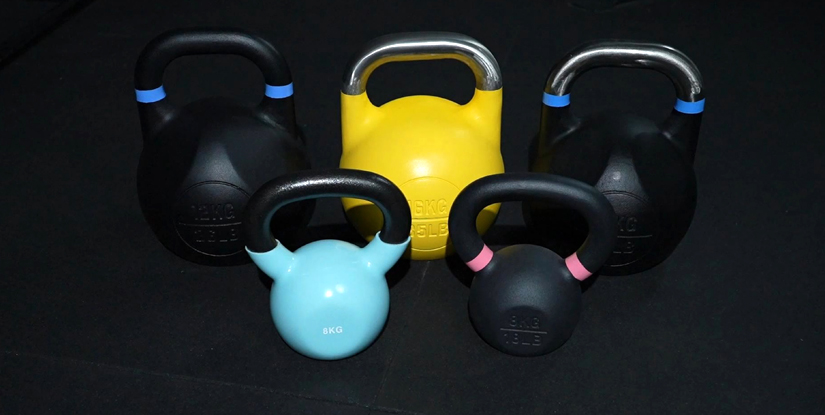
Choosing between new and pre-owned inventory often comes down to a trade-off between initial budget and strict precision requirements. While the upfront cost of used competition kettlebells is undeniably attractive, the long-term value depends on how much maintenance and verification the equipment will demand over time.
To streamline your decision-making process, we have categorized the selection based on common facility needs and long-term durability considerations:
| Feature Focus | Brand New Competition Gear | Secondhand Competition Kettlebells |
|---|---|---|
| Precision | Guaranteed calibration | Variable; requires verification |
| Initial Budget | Higher capital expenditure | Cost-effective/Lower entry cost |
| Durability | Maximum; no prior wear | Dependent on previous use |
| Resale Potential | High gym equipment resale value | Diminishing returns over time |
Ultimately, if your facility prioritizes strict tournament standards, new units are the safer bet. However, for general strength conditioning where minor variances are acceptable, high-quality refurbished kettlebell training assets can significantly optimize your procurement efficiency.
The Economics of Refurbished Kettlebell Training Programs
For gym owners and high-performance facility managers, the primary challenge in scaling a strength program is balancing capital expenditure with equipment longevity. When evaluating the initial investment vs. long-term value, the decision to source used competition kettlebells often hinges on the rapid depreciation seen in brand-new retail inventory. New units often carry a premium that reflects marketing and retail overhead rather than purely functional utility.
By opting for secondhand competition kettlebells, procurement specialists can significantly improve cost-efficiency across their entire strength department. Instead of allocating a massive budget to a single shipment of new steel, smart buyers can diversify their weight sets. This approach allows for a more comprehensive range of increments while maintaining a lower cost-per-kilo. In many professional settings, the gym equipment resale value of high-quality cast iron remains remarkably stable, meaning that even when you eventually rotate your inventory, the loss in equity is far less drastic than with less durable, entry-level alternatives. This strategic sourcing ensures that your budget stretches further without sacrificing the precision required for competitive training.
To determine if refurbished kettlebell training aligns with your specific facility goals, we recommend a structured assessment of your operational requirements. While new equipment offers pristine aesthetics, the functional requirements of a high-traffic training floor often favor the durability and cost-savings of pre-owned assets. The following framework helps categorize whether your procurement strategy should prioritize brand-new inventory or high-quality secondhand competition kettlebells.
| Decision Factor | New Premium Equipment | Refurbished/Pre-owned Assets |
|---|---|---|
| Budget | High initial capital outlay | Significant cost savings per unit |
| Durability | Maximum (factory finish) | High (proven structural integrity) |
| Aesthetic Condition | Pristine and uniform | Varied (may show signs of use) |
| Frequency of Use | Ideal for boutique studios | Ideal for heavy-duty commercial use |
Ultimately, if your goal is to build a diverse weight library with a limited budget, prioritizing used competition kettlebells allows you to maximize your inventory depth. This method ensures that your facility can support a wide range of athlete skill levels without overextending your initial procurement budget.
Beyond the immediate purchase price, savvy procurement professionals view equipment through the lens of asset depreciation. Unlike many modern fitness gadgets that lose value almost instantly, high-grade steel implements maintain a predictable gym equipment resale value. When you invest in premium used competition kettlebells, you are essentially purchasing a liquid asset that retains its utility and market demand. This stability is crucial for managing long-term ownership costs, as the ability to recoup a significant percentage of your capital during a facility upgrade or inventory rotation provides a safety net for your operational budget. By treating your strength equipment as a durable commodity rather than a consumable expense, you mitigate the financial risks typically associated with rapid scaling and equipment turnover.
Sourcing Standards for Competition-Grade Specifications
When sourcing used competition kettlebells, the primary risk is not just cosmetic wear, but the degradation of technical precision. Unlike standard training bells, competition models must adhere to strict IWF-style standards regarding balance and dimensions. If you are evaluating secondhand competition kettlebells for a professional facility, your inspection must prioritize weight accuracy above all else. Even a slight deviation in mass can disrupt a lifter's rhythm and compromise high-level training sessions.
Beyond the scale, you must scrutinize the structural integrity of each unit. We often advise buyers to look closely for casting defects, such as air bubbles or uneven metal distribution, which can lead to cracks under heavy use. Furthermore, the handle smoothness is a non-negotiable quality marker; any pitting or rough edges in the grip area can cause friction issues or skin abrasions. Ensuring these technical benchmarks are met is essential to maintaining the gym equipment resale value and ensuring long-term durability in a high-performance environment.
To mitigate the risks associated with refurbished kettlebell training, we recommend implementing a standardized inspection protocol. A thorough audit of the physical components ensures that the equipment remains functional for high-intensity use and retains its long-term gym equipment resale value. Beyond the visual check, you must verify the tactile experience and the mathematical precision of the mass.
Technical Inspection Checklist
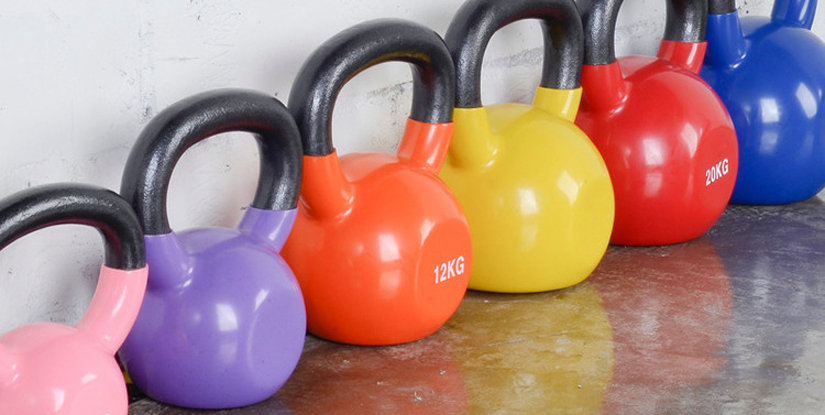
Before finalizing any bulk purchase, use the following parameters to evaluate the surface coating condition and structural ergonomics. A high-quality unit should feel seamless, with no unexpected texture or dimensional irregularities.
| Inspection Point | What to Look For | Ideal Status |
|---|---|---|
| Handle Ergonomics | Smoothness of the grip area | Consistent diameter; no pitting or sharp edges |
| Surface Coating | Paint or powder coat integrity | Uniform coverage; no chipping or oxidation |
| Weight Tolerance | Deviation from labeled mass | Within ±1% to 2% of target weight |
By adhering to this weight tolerance table, buyers can ensure that the used competition kettlebells they acquire meet the rigorous demands of professional athletes and maintain a professional standard in any commercial facility.
Preserving Longevity and Material Integrity
Securing high-quality used competition kettlebells is only the first step; the real challenge lies in ensuring their durability over several more years of intense training. To protect your investment, you must evaluate the current state of the metal and the protective finish. For instance, any signs of deep oxidation or surface pitting can compromise the long-term value of the set, as these imperfections can eventually lead to structural weaknesses.
Effective rust prevention is critical, especially when purchasing secondhand competition kettlebells that may have been stored in suboptimal conditions. We recommend that facility managers maintain a controlled storage environment, keeping the equipment in a low-humidity area to prevent moisture-induced corrosion. If you notice minor surface oxidation, a light cleaning and the application of a thin, specialized metal protector can often restore the finish. By prioritizing these maintenance habits, you ensure that your refurbished kettlebell training gear remains a reliable, high-standard asset for your clients for years to come.
Long-Term Asset Value and Gym Equipment Resale Potential
In the commercial fitness sector, procurement decisions should be viewed through the lens of asset management rather than mere consumption. Unlike rubberized accessories or low-grade training tools that degrade rapidly, high-quality used competition kettlebells function as durable capital assets. Because these pieces are engineered to meet strict international weight standards, they possess an inherent investment stability that many budget-tier alternatives lack.
When a facility invests in premium-grade gear, they are effectively securing high gym equipment resale value. Even after years of heavy use in high-traffic environments, the structural integrity of a professional-grade bell remains intact. This long-term durability ensures that when it comes time to refresh your inventory or upgrade your facility, your previous outlays can be partially recovered through the secondary market.
| Procurement Factor | Standard Training Gear | Competition-Grade Assets |
|---|---|---|
| Lifespan Expectancy | Moderate to Low | High / Indefinite |
| Secondary Market Demand | Low / Niche | High / Consistent |
| Depreciation Rate | Rapid | Slow and Controlled |
| Value Retention | Minimal | Strong |
By prioritizing refurbished kettlebell training solutions or high-spec pre-owned units, savvy gym owners can optimize their initial capital expenditure without sacrificing the long-term financial health of their equipment inventory.
Deciding between brand-new stock and secondhand competition kettlebells often comes down to your specific operational scale and capital allocation strategy. For many facility managers, the goal is to maximize utility per dollar spent while maintaining a professional training environment. While new equipment offers the psychological benefit of a fresh aesthetic, the financial logic of refurbished kettlebell training setups often provides a more efficient path to scaling your inventory.
To help clarify your procurement direction, consider how different purchasing paths impact your bottom line over a multi-year cycle:
| Comparison Factor | New Premium Inventory | Secondhand Competition Units |
|---|---|---|
| Initial Capital Outlay | High (Full MSRP) | Lower (Significant Savings) |
| Expected Lifespan | Maximum | Very High (Proven Durability) |
| Resale Ease | Standard | High (Proven Market Demand) |
| Maintenance Needs | Minimal/None | Occasional (Surface Cleaning) |
Ultimately, if your objective is to build a high-performance weight room with a focus on gym equipment resale value, sourcing high-spec pre-owned units can drastically reduce your entry costs without compromising the standard of your training facility.
Ultimately, this approach represents smart purchasing for facilities aiming to balance high-performance standards with fiscal responsibility. Rather than viewing these acquisitions as a sunk cost, professional buyers recognize them as a long-term training investment that yields consistent utility. Because the core asset value of a precision-cast bell is tied to its weight accuracy and structural composition rather than its cosmetic finish, the financial depreciation is remarkably slow.
When we analyze the procurement lifecycle, the ability to source used competition kettlebells that have already been vetted for weight consistency provides a distinct advantage. If these units are kept in a controlled environment, they remain a high-liquidity asset. This strategic foresight allows gym owners to deploy capital more effectively, ensuring that their equipment inventory remains a robust, value-retaining component of their overall business infrastructure.
Strategic Inventory Management for Specialized Strength Zones
For facility owners and gym developers, floor space is a premium commodity. Rather than filling every square meter with high-cost, brand-new inventory, smart procurement involves strategic inventory management to balance variety with capital expenditure. By integrating used competition kettlebells into specialized strength zones, you can create high-performance training environments without the steep price tag of a full-scale new shipment.
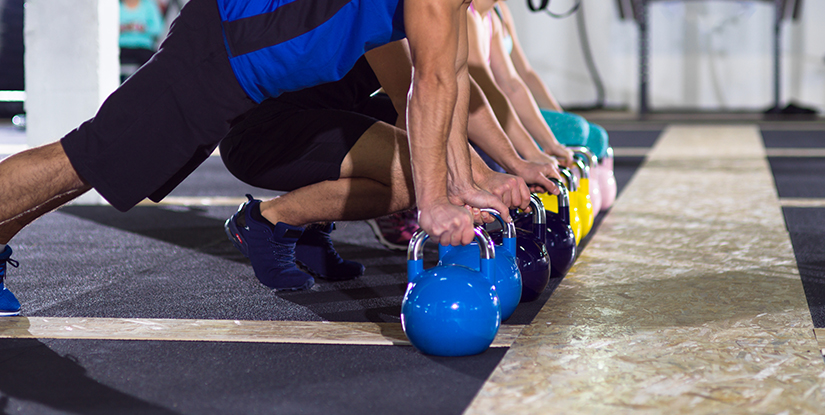
Allocating a specific area for refurbished kettlebell training allows you to offer a diverse range of weights—from lighter technical bells to heavy competition standards—while maintaining budget optimization. This approach is particularly effective for functional fitness corners or heavy lifting platforms where the aesthetic finish is secondary to weight accuracy and durability. Instead of investing heavily in a single weight class of new equipment, sourcing secondhand competition kettlebells enables you to build a comprehensive, multi-weight station that caters to both novice athletes and seasoned competitors, all while maximizing the gym equipment resale value of your initial investment through a more diversified asset pool.
Deciding whether to prioritize pristine factory-fresh gear or high-quality pre-owned assets depends heavily on your facility's operational profile. A high-traffic commercial gym requires a different procurement logic than a boutique strength studio or a specialized training camp. To assist in your decision-making process, we have outlined the primary variables that influence the long-term viability of your investment.
When evaluating your inventory, consider the relationship between the weight class and the expected wear. While lighter bells are often more forgiving, heavier sets used in high-intensity settings may require more frequent inspections. The following comparison helps clarify where refurbished kettlebell training assets fit within your broader equipment strategy:
| Factor | New Competition Sets | Secondhand Competition Kettlebells |
|---|---|---|
| Usage Frequency | Ideal for heavy-use commercial gyms | Best for specialized or niche zones |
| Maintenance Difficulty | Low (standard upkeep) | Moderate (requires regular inspection) |
| Budget Impact | High initial capital expenditure | Significant cost savings per unit |
| Asset Longevity | Maximum lifespan potential | High, provided quality control is verified |
Ultimately, a hybrid model often yields the best gym equipment resale value. By mixing new flagship equipment with well-vetted, pre-owned heavy weights, you optimize your cash flow while ensuring your strength zones remain fully functional and diverse.
Scaling a professional strength area requires more than just finding a good deal; it requires a rigorous approach to logistics and sourcing. When building out a specialized zone, the primary challenge lies in the consistency of the supply. Sourcing secondhand competition kettlebells at scale demands a sophisticated quality assessment protocol to ensure that every unit meets professional standards. Unlike standard cast iron, competition-grade bells must maintain strict tolerances to ensure the center of gravity remains predictable for the athlete.
To mitigate the risks of inconsistent batches, professional buyers should prioritize suppliers who offer detailed weight accuracy verification. A reliable distributor will provide documentation or physical proof that the weight deviation remains within acceptable professional margins. Furthermore, an effective inventory rotation strategy is essential; by cycling through high-quality pre-owned assets and periodically auditing your stock, you can maintain a high-performance training environment while keeping your capital liquid. This methodical approach to procurement ensures that your specialized zones remain both cost-effective and technically sound for long-term use.
Lifecycle maintenance planning for busy facilities
For high-traffic strength and conditioning facilities, the longevity of equipment directly impacts the bottom line. When sourcing used competition kettlebells, the primary advantage lies in the inherent durability of professional-grade cast iron or steel construction. Unlike entry-level models, these robust implements are engineered to withstand years of rigorous impact and heavy usage cycles.
To maximize your return on investment, we recommend integrating a routine inspection into your facility's monthly maintenance checklist. This process should focus on checking handle integrity and ensuring the surface finish remains intact to prevent oxidation. Even when investing in refurbished kettlebell training setups, a proactive approach to upkeep ensures that the equipment remains safe for competitive use. By managing these small details, distributors and gym owners can extend the functional lifespan of their inventory, ensuring that used competition kettlebells perform with the same reliability as brand-new units in a demanding commercial environment.
A rigorous maintenance checklist is essential for maintaining the high standards required in professional training environments. Beyond simple visual inspections, facility managers must prioritize verifying weight stability across the entire set. Discrepancies in mass can disrupt a competitor's rhythm and lead to uneven training loads, which is a critical risk when managing secondhand competition kettlebells. We suggest performing periodic weight verification using calibrated scales to ensure the set remains uniform and compliant with standard competition requirements.
Furthermore, technicians should closely monitor the surface integrity of the bell's coating and the handle's grip texture. Scratches or peeling finishes can lead to premature oxidation, while a worn-down handle may compromise grip security during high-velocity movements. By implementing a structured cleaning and lubrication protocol, you can mitigate the wear typically seen in refurbished kettlebell training equipment. This disciplined approach to asset management not only protects your initial outlay but also preserves the gym equipment resale value for future inventory turnover.
Deciding between a fresh shipment and a pre-owned inventory requires a clear understanding of how operational demands influence your long-term costs. To assist in your procurement strategy, we have outlined the typical trade-offs between new and secondhand competition kettlebells based on various facility requirements.
| Operational Factor | New Competition Sets | Refurbished kettlebell training |
|---|---|---|
| Usage Frequency | High-intensity/Professional | Moderate/General Strength |
| Maintenance Difficulty | Minimal/Low | Moderate (Requires periodic surface care) |
| Budget Impact | Higher initial capital outlay | Lower upfront cost/Higher ROI |
| Gym Equipment Resale Value | High (Premium brand status) | Stable (Based on weight accuracy) |
While new equipment offers the lowest immediate maintenance difficulty, sourcing used competition kettlebells can significantly optimize your budget impact, especially when scaling a new facility or expanding an existing strength zone. Always consider how the expected usage frequency of your athletes will affect the long-term gym equipment resale value before finalizing your order.