Why Competition Kettlebells Matter for Your Training
Optimizing High-Traffic Training Zones with Uniform Equipment
Competition kettlebells are specialized strength tools engineered with standardized dimensions and precision kettlebell weight tolerances. B2B buyers, including gym owners and facility managers, prioritize these high-grade implements to ensure consistent training experiences and long-term equipment reliability across diverse fitness environments.
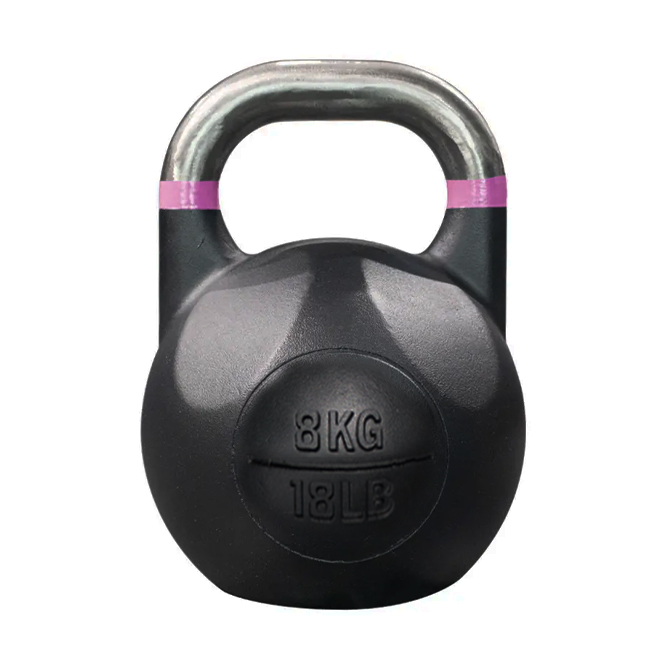
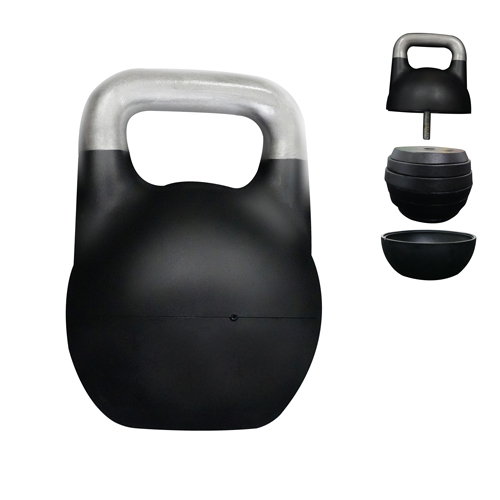
In high-traffic commercial settings, floor real estate is a premium commodity. Unlike standard cast iron variations that often feature irregular shapes and varying diameters, competition grade kettlebell designs utilize a uniform shell size across the entire weight spectrum. This standardization significantly enhances spatial efficiency within your facility. When every implement occupies a predictable footprint, trainers can more effectively organize weight racks and density-based training zones without fear of unexpected obstructions.
Furthermore, the predictable movement radius afforded by uniform sizing allows for safer, high-density programming. Whether clients are performing complex ballistic movements or rapid transitions, the consistent dimensions ensure that equipment does not interfere with neighboring athletes. By investing in equipment that adheres to strict kettlebell training standards, distributors and gym operators can maximize the utility of every square foot, facilitating smoother workflows in even the most crowded training areas.
When evaluating procurement options, it is essential to distinguish between the footprint of traditional cast iron and modern specialized gear. Standard cast iron models often suffer from uneven diameters, where a lighter bell may be significantly smaller than a heavier one. This lack of size consistency can lead to disorganized storage solutions and inefficient use of rack space. In contrast, a competition grade kettlebell is engineered to maintain a constant diameter regardless of the mass, ensuring a predictable footprint for every unit in your inventory.
For facility managers looking to optimize high-density training zones, this uniformity is a strategic advantage. Because the external dimensions remain constant, your staff can implement more streamlined storage systems and rack configurations. Adhering to these kettlebell training standards prevents the visual and physical clutter often seen with non-standardized equipment. Ultimately, choosing tools with a uniform profile allows you to pack more functionality into smaller square footage, making it easier to manage high-traffic areas without sacrificing safety or professional aesthetics.
For professional studio owners and large-scale facility managers, the long-term value of standardized equipment extends far beyond mere aesthetics. In a professional environment, the ability to maintain a seamless training flow is critical to client retention and operational efficiency. When every implement follows a strict precision kettlebell weight and size specification, the transition between different strength progressions becomes intuitive rather than chaotic.
Investing in competition kettlebells eliminates the logistical friction caused by mismatched gear. In crowded training zones, disorganized or irregularly sized implements can disrupt the rhythm of a class and create unnecessary safety hazards. By sourcing equipment that meets established kettlebell training standards, you ensure that your storage solutions—whether they are specialized racks or mobile carts—are optimized for the specific dimensions of your inventory. This foresight reduces equipment downtime, simplifies staff organization, and ensures your facility remains a high-performance space where movement is never hindered by inconsistent hardware.
The Impact of Precision Weight on Member Retention and Skill Progression
For commercial gym owners and distributors, the true cost of equipment is measured by its lifecycle, not just the initial invoice. Opting for a competition grade kettlebell ensures that your facility is investing in assets built for high-frequency usage. Unlike standard cast iron models that may suffer from uneven weight distribution or surface degradation, these high-spec tools are engineered for extreme durability. When members engage in high-intensity ballistic movements, they demand equipment that maintains its integrity under constant impact.
Investing in a precision kettlebell weight standard minimizes the risk of frequent replacements caused by excessive wear and tear. For a professional training facility, this reliability translates directly into long-term value. When athletes can rely on consistent sizing and structural stability across an entire set, their skill progression remains uninterrupted. Ultimately, providing equipment that meets professional standards fosters a premium training environment, driving higher member satisfaction and long-term retention for your facility.
Understanding the structural differences between standard and professional gear is vital for long-term procurement planning. Standard cast iron bells often feature rough, irregular textures and inconsistent dimensions, which can lead to increased maintenance requirements and potential chipping over time. In contrast, high-end competition kettlebells are typically manufactured with a more refined surface finish and a uniform shell geometry. This design is not just for aesthetics; it significantly enhances impact resistance during heavy drops or high-volume training sessions.
For distributors and gym operators, the choice between a basic bell and a professional-grade option comes down to the expected lifecycle of the product. While cast iron is robust, the superior manufacturing processes used to meet strict kettlebell training standards result in a tool that withstands the rigors of a commercial environment more effectively. Choosing equipment with a smoother, more consistent exterior reduces the likelihood of structural flaws, ensuring your inventory remains a high-performing asset for years rather than a recurring expense.
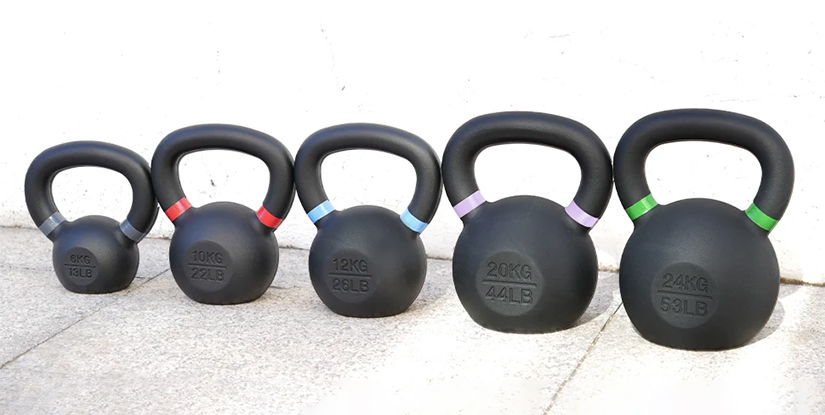
The long-term success of a strength facility often hinges on the reliability of its core equipment. When a gym provides competition kettlebells, it communicates a commitment to excellence that trickles down to the athlete's experience. In a professional environment, any deviation in handle texture or weight balance can disrupt a user's rhythm, potentially stalling their skill progression. By sourcing equipment that adheres to strict kettlebell training standards, operators eliminate the variables that lead to frustration and injury.
Furthermore, the consistency found in high-end gear fosters a sense of trust. Athletes training for high-level performance require a predictable tool; when they transition between weights, they expect the same ergonomic feel and precision kettlebell weight. For the procurement professional, this means selecting products that offer stability and longevity. Investing in high-standard competition grade kettlebell options ensures that your facility remains a premier destination where technical mastery can flourish without the interruptions caused by substandard, unreliable equipment.
Standardizing Kettlebell Training Standards Across Your Facility
For facility managers and high-end gym operators, the long-term cost of ownership is driven by equipment consistency. Relying on mismatched weights creates a logistical headache, as uneven dimensions force users to adjust their technique constantly. By investing in competition kettlebells, you ensure that every piece of equipment adheres to strict kettlebell training standards. This uniformity is not just about performance; it is about operational efficiency. High-quality competition grade kettlebell sets offer a precision kettlebell weight that remains stable over years of heavy use, reducing the need for frequent replacements due to wear or weight drift.
Beyond weight accuracy, the surface integrity of your inventory dictates your maintenance schedule. A consistent grip texture across an entire set prevents the common issue of uneven wear, which can lead to safety concerns or premature decommissioning of the gear. Choosing professional-grade equipment ensures long-term durability and a lower total cost of ownership for your facility.
| Equipment Type | Weight Consistency | Surface Longevity | Maintenance Demand |
|---|---|---|---|
| Standard Cast Iron | Moderate | Lower | High (Rust/Chipping) |
| Competition Grade | High | Very High | Low (Stable Finish) |
| Rubber Coated | Variable | Moderate | Medium (Peeling Risks) |
When evaluating your procurement strategy, it is essential to look beyond the initial purchase price. While standard cast iron options may appear more budget-friendly upfront, a competition grade kettlebell often proves more cost-effectiveness over a multi-year cycle. The primary driver of value is the maintenance difficulty associated with different finishes. Standard iron is prone to oxidation and surface chipping, whereas a premium competition grade kettlebell features a high-quality, resilient surface finish designed to withstand high-volume commercial environments without degradation.
The following comparison helps clarify how investment in kettlebell training standards impacts your facility's long-term lifespan and operational overhead:
| Feature | Standard Cast Iron | Competition Grade Kettlebell |
|---|---|---|
| Surface Finish | Rough/Prone to Rust | Smooth/Consistent Coating |
| Maintenance Difficulty | High (Requires Cleaning/Rust Care) | Low (Minimal Upkeep) |
| Expected Lifespan | Moderate (Subject to Wear) | Very High (Built for Durability) |
| Cost-effectiveness | Low (Frequent Replacement) | High (Long-term Value) |
Ultimately, a strategic investment in quality serves as a hedge against the rising costs of constant equipment turnover. For high-volume training centers, the goal is to maintain professional standards without the constant disruption of replacing worn-out gear. By prioritizing competition kettlebells that meet rigorous manufacturing tolerances, you secure facility longevity and protect your bottom line. A single high-quality shipment of competition grade kettlebell sets provides a seamless training experience for your members, ensuring that the equipment feels as reliable in year five as it did on day one. Rather than chasing low-cost, short-lived solutions, savvy buyers focus on the long-term value of precision kettlebell weight and structural integrity to minimize operational downtime and maximize return on investment.
Balancing Aesthetics and Performance in Premium Strength Areas
When outfitting a high-end strength zone, the initial price tag often dictates the procurement strategy. Standard cast iron models are budget-friendly, but they frequently lack the consistency required for advanced movement patterns. In contrast, investing in a competition grade kettlebell serves as a long-term investment for facilities that prioritize both professional aesthetics and functional excellence. While the upfront cost per unit is higher, the value proposition lies in the unmatched durability and technical precision of the equipment.
Standard iron bells often suffer from irregular shapes and varying handle diameters, which can disrupt a trainee's rhythm. However, competition kettlebells are engineered with uniform sizing, ensuring that a 24kg bell feels identical to the next one in the set. This precision kettlebell weight and standardized geometry allow your clients to transition seamlessly between strength and skill work without the mechanical interference found in lower-tier gear. For distributors and gym owners, choosing high-spec equipment reduces the frequency of replacement cycles, ultimately lowering the total cost of ownership.
To make an informed procurement decision, it is essential to weigh the immediate capital expenditure against the long-term utility of your strength equipment. While standard models offer a lower entry point, they often fail to meet the rigorous kettlebell training standards required for professional-grade programming. Below, we have outlined the primary differences to help you determine where your budget provides the highest return on investment.
| Feature/Metric | Standard Cast Iron | Competition Kettlebells |
|---|---|---|
| Functional Precision | Variable sizing/shape | Uniform, standardized geometry |
| Aesthetic Value | Rugged, industrial look | Premium, sleek professional finish |
| Budget Consideration | Low upfront cost | Higher initial investment |
| Cost-per-Use | Higher (due to wear/replacement) | Lower (long-term durability) |
For facility owners, the choice often comes down to the intended use case. If you are outfitting a high-traffic commercial space, the precision kettlebell weight and consistent handle feel of a competition grade kettlebell justify the premium. This ensures that as your clients progress, the equipment remains a reliable tool rather than a limiting factor, protecting your long-term procurement budget.
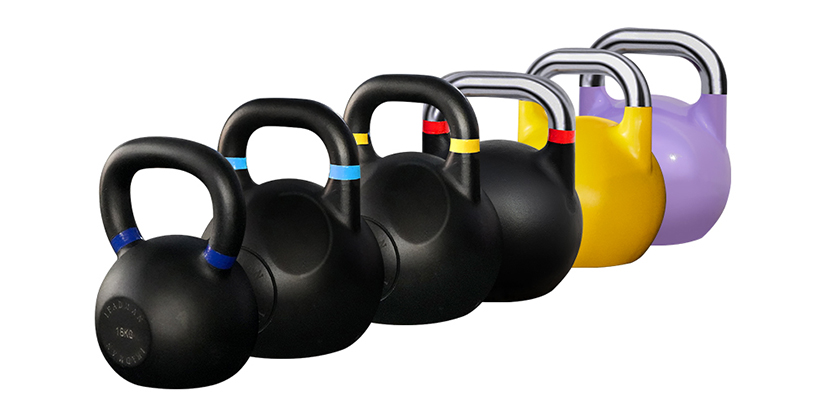
Ultimately, the decision to upgrade to premium equipment is a calculation of both performance and longevity. While the initial invoice for a set of competition kettlebells may be higher than standard iron alternatives, the long-term value for money is found in the reduction of equipment turnover. High-quality gear maintains its integrity under heavy use, ensuring that your facility stays compliant with modern kettlebell training standards without frequent reinvestment.
Beyond the numbers, providing a professional-grade feel is a powerful retention tool for high-end studios and performance centers. When athletes experience seamless skill progression—unhindered by the erratic balance or inconsistent handles of budget models—they perceive a higher level of service and quality. By prioritizing precision kettlebell weight and standardized dimensions, you are not just purchasing tools; you are investing in a reliable training environment that supports elite performance and justifies a premium membership experience.
Sourcing Competition Grade Kettlebells for Long-Term Asset Value
When scaling a commercial facility or a high-end boutique studio, the distinction between a disposable piece of equipment and a durable asset becomes clear. Standard cast iron bells often suffer from inconsistent dimensions and weight variances, which can lead to rapid depreciation and frequent replacement cycles. In contrast, investing in competition kettlebells ensures your facility maintains a premium standard of excellence.
The true value lies in the precision kettlebell weight and uniform sizing inherent in competition-grade manufacturing. Unlike standard models, these bells provide a consistent diameter across the entire weight spectrum, allowing athletes to progress seamlessly without adjusting to different handle thicknesses or balance points. For distributors and gym owners, this translates to a long-term investment that withstands heavy usage while retaining its functional integrity. By prioritizing kettlebell training standards during your procurement process, you reduce the total cost of ownership and provide a superior, reliable training environment that justifies a premium membership experience.
To better understand the economic implications of your procurement decisions, it is essential to look beyond the initial unit cost. While standard cast iron options may appear cost-effective at first glance, the lifecycle costs—including maintenance and replacement frequency—often tell a different story. A competition grade kettlebell is engineered for high-performance environments where consistency and durability are non-negotiable.
The following comparison illustrates how prioritizing precision kettlebell weight and build quality impacts your long-term operational budget compared to entry-level alternatives.
| Feature/Metric | Standard Cast Iron | Competition Kettlebells |
|---|---|---|
| Dimensional Consistency | Variable; diameter changes per weight | Uniform; constant diameter across set |
| Durability & Build | High risk of chipping/irregularities | High-density, smooth finish for longevity |
| Maintenance Needs | Periodic inspection for surface defects | Minimal; designed for heavy-use cycles |
| Long-Term Asset Value | Rapid depreciation/higher turnover | Sustainable; maintains kettlebell training standards |
| Ideal Use Case | Home use or budget-tier gyms | Professional studios & high-end facilities |
By choosing equipment that adheres to strict kettlebell training standards, you are not just buying tools; you are securing a durable asset that enhances your facility's reputation and reduces the frequency of reinvestment.
When evaluating potential suppliers, look for manufacturers that emphasize quality consistency through rigorous quality control protocols. A high-tier competition grade kettlebell should exhibit perfect balance and a smooth, ergonomic handle finish that remains identical regardless of the weight increment. This level of precision ensures that your inventory remains a reliable staple in your facility rather than a source of mechanical frustration for your clients.
For procurement professionals, the decision to source high-spec equipment is a strategic move to mitigate long-term replacement costs. While entry-level models may offer lower initial outlays, they often lack the structural integrity required for high-traffic commercial environments. By insisting on equipment that meets established kettlebell training standards, you effectively protect your capital. You are investing in a professional-grade ecosystem where the precision kettlebell weight and uniform geometry provide the stability necessary for elite performance, ultimately boosting the resale value and the perceived prestige of your fitness assets.
Streamlining Inventory Management for Specialized Strength Modalities
For high-end studios and boutique strength facilities, the logistical headache of managing diverse equipment sets can quickly erode profitability. Standard cast-iron kettlebells often suffer from inconsistent dimensions, creating a chaotic storage environment where varying diameters make organized stacking nearly impossible. By transitioning to a standardized set of competition kettlebells, facility owners can implement much more efficient inventory management protocols. Because these units adhere to strict kettlebell training standards, they feature uniform sizing across the entire weight spectrum.
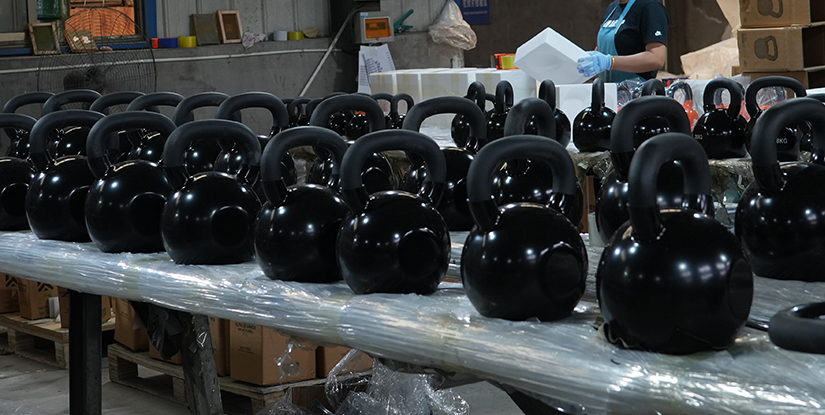
This consistency is a game-changer for space optimization within your training zones. When every bell in a progressive set shares the same handle diameter and ball circumference, they fit seamlessly into specialized racks and compact storage solutions. Furthermore, sourcing competition grade kettlebell units ensures that your clients experience a precision kettlebell weight that remains constant, reducing the need to frequently replace or recalibrate equipment due to wear. Investing in high-spec, standardized gear simplifies your procurement cycles and ensures your floor layout remains professional, organized, and scalable.
When evaluating your procurement strategy, the choice between cast iron and professional-grade equipment often comes down to the total cost of ownership. While standard cast iron offers an entry-level price point, it lacks the long-term long-term value found in premium gear. A competition grade kettlebell is engineered with a high-density core and a smooth, consistent finish that resists the structural fatigue common in cheaper alternatives. This superior durability means fewer replacements and a lower replacement frequency, which is vital for high-traffic commercial environments.
Beyond the functional benefits, do not overlook the aesthetic appeal of a standardized set. A uniform, high-quality appearance signals a premium training environment to your members, elevating the perceived value of your facility. When you source equipment that meets global kettlebell training standards, you are not just buying weights; you are investing in a cohesive, professional brand image. For distributors and gym owners, prioritizing precision kettlebell weight and consistent sizing ensures that your inventory remains a reliable, high-performing asset rather than a mounting maintenance liability.
Ultimately, the decision to stock competition kettlebells is a strategic move toward long-term brand stability. In a crowded market, the distinction between a standard gym and a high-performance training center lies in the details of the equipment. Providing a premium fitness experience requires more than just space; it requires the assurance that every movement is supported by equipment consistency. When athletes can rely on the exact same grip and balance from their lightest to heaviest sets, they build trust in your facility's quality.
By prioritizing competition grade kettlebell specifications during your procurement process, you mitigate the risks of client dissatisfaction caused by erratic equipment behavior. A professional training environment is defined by its reliability. High-spec gear reduces the frequency of maintenance requests and minimizes the friction caused by mismatched weight sets. For those managing large-scale inventories or distribution networks, investing in precision kettlebell weight standards is a proactive way to protect your reputation and ensure that your facility remains a premier destination for serious strength athletes.
Maximizing Long-Term Training Value
When sourcing for a commercial facility or high-end studio, the procurement logic must shift from the initial purchase price to the total cost of ownership. While standard cast-iron bells may seem cost-effective, they often lack the consistency required for professional-grade environments. Investing in competition kettlebells ensures that your facility provides a predictable and high-quality experience for every athlete.
The primary advantage lies in uniform sizing. Unlike irregular standard bells, competition grade kettlebell models maintain a consistent diameter across the same weight class. This precision kettlebell weight and dimension allow users to progress through advanced movements without the jarring transition of changing handle grips or ball diameters. Furthermore, the superior durability of high-quality steel construction means fewer replacements and lower maintenance overhead. By prioritizing long-term training value over cheap unit costs, buyers secure equipment that remains a reliable staple in their strength programs for years to come.
To make an informed procurement decision, it is essential to evaluate how different specifications align with your facility's specific operational goals. Choosing between standard cast iron and professional-grade equipment is not just about aesthetics; it is about meeting established kettlebell training standards for your clientele. Below is a framework to help you differentiate between the two most common options found in the global market.
| Feature | Standard Cast Iron | Competition Grade Kettlebell |
|---|---|---|
| Dimensions | Varies by weight; irregular shape | Uniform diameter across weight classes |
| Balance | Variable center of gravity | High precision and consistent feel |
| Durability | Prone to surface wear/rust | High-grade steel; built for heavy use |
| Ideal Use Case | General fitness/Home gyms | Professional strength & skill training |
When selecting your inventory, consider whether your users require the precision kettlebell weight found in professional settings. While standard bells suffice for general movement, a competition grade kettlebell is the superior choice for facilities focused on technical skill development and high-performance coaching.
Final Quality Assurance Checklist
Before finalizing a bulk order, professional buyers should implement a rigorous inspection process to ensure every unit meets global competition grade kettlebell specifications. A single batch of substandard equipment can compromise your facility's reputation and user safety. Use the following criteria to verify that your supplier's output aligns with high-performance competition kettlebells requirements.
- Weight Consistency: Verify that the actual mass matches the declared weight within a minimal tolerance range to ensure true precision kettlebell weight.
- Handle Ergonomics: Inspect the grip area for smoothness and uniform thickness; the handle must be free of burrs to prevent skin irritation during high-repetition training.
- Dimensional Uniformity: Confirm that the ball diameter remains consistent across the entire weight set to maintain standard kettlebell training standards.
- Strict Quality Control: Request documentation regarding the manufacturer's quality control protocols and material composition to guarantee long-term durability.