How to Calculate Kettlebell Landed Cost: Export Ready China
Understanding the Fundamentals of How to Calculate Kettlebell Landed Cost
Professional importers must look beyond the initial invoice to understand the true economic impact of a shipment. When determining how to calculate kettlebell landed cost, procurement specialists must verify product specifications against international standards, assess potential regulatory risks, and account for the complete logistical chain. Relying solely on a low unit price from a factory often leads to budget overruns once the goods reach your local warehouse.
A comprehensive approach to how to calculate kettlebell landed cost requires a deep dive into the total cost of ownership (TCO). This metric encompasses every expenditure from the moment the production line finishes at the China factory until the unit is ready for distribution in your target market. Neglecting these variables can erode the margins of even the most successful wholesale operations.
For distributors importing fitness equipment from China, the calculation must integrate factory-direct pricing with several moving parts. You must account for logistics services, ocean or air freight charges, and the inevitable duties and customs clearance fees. Without a precise formula, the kettlebell wholesale pricing you negotiated may appear highly competitive, yet the final cost per unit becomes unviable due to unforeseen maritime or tax-related expenses.
Detailed Breakdown of the Expense Chain
To accurately determine the final unit cost, procurement managers should utilize a structured model that tracks every variable from the point of origin. The following table outlines the essential components required for a professional audit of your procurement budget. This ensures that your commercial kettlebell procurement strategy remains profitable after all international transit and local handling fees are settled.
| Cost Component Category | Description and Typical Variables | Impact on Unit Margin |
|---|---|---|
| Ex-Works / FOB Price | The base price from the factory or supplier for the physical goods. | Primary driver of baseline kettlebell wholesale pricing. |
| International Freight | Ocean freight or air cargo charges based on weight and volume (CBM). | Highly volatile; heavily influenced by MOQ and container utilization. |
| Import Duties & Taxes | Customs tariffs and value-added taxes (VAT) specific to your region. | Fixed percentage based on HS code and local trade regulations. |
| Port & Terminal Fees | Port handling, documentation, and discharge fees at both origin and destination. | Variable depending on port congestion and terminal efficiency. |
| Local Logistics | Inland trucking from the port to your warehouse or distribution center. | Depends on distance and local fuel surcharges. |
| Warehousing & Storage | Costs associated with receiving, palletizing, and holding inventory. | Affects long-term inventory turnover and working capital. |
Effective management of these variables allows distributors to optimize their inventory replenishment cycles. By understanding exactly how to calculate kettlebell landed cost, you can better negotiate terms with your China factory and plan for seasonal fluctuations in shipping rates. A disciplined approach to these numbers is what separates high-performing distributors from those struggling with unpredictable overhead.
Optimizing the Weight-to-Cost Ratio for Maximum ROI
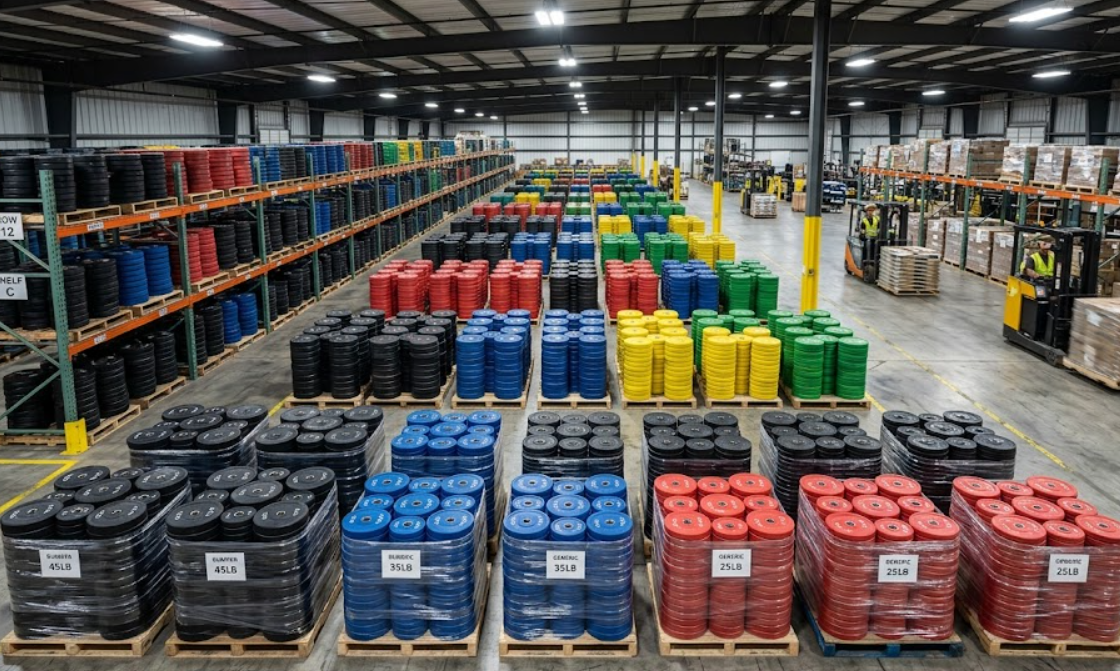
A critical factor in high-volume sourcing is the relationship between physical weight and shipping volume. Because kettlebells are high-density products, the weight-to-cost ratio directly dictates your container utilization efficiency. When you understand how to calculate kettlebell landed cost, you realize that maximizing the payload of a 20ft or 40ft container is essential for protecting your margins. A shipment that is volume-heavy but weight-light results in wasted freight spend, whereas a perfectly optimized load ensures every dollar of ocean freight contributes to your inventory depth.
To achieve high ROI, procurement leads must also consider the efficiency of bulk order structures. Sourcing through a single supplier with a high MOQ often yields better freight consolidation than multiple smaller, fragmented shipments. By streamlining your order into full container loads, you reduce the per-unit impact of port fees and documentation costs. This level of strategic planning ensures that your commercial kettlebell procurement remains a scalable and predictable part of your business growth, rather than a source of constant financial volatility.
Breaking Down the Components of Import Costs and Freight Logistics
Understanding how to calculate kettlebell landed cost is critical for distributors managing inventory margins. The landed cost represents the total price of a product once it has arrived at your warehouse, encompassing more than just the initial wholesale invoice. For professionals importing fitness equipment from China, failing to account for the full spectrum of logistics can erode the expected ROI on bulk orders.
To achieve accurate commercial kettlebell procurement, you must aggregate the factory-direct pricing from your China factory with all subsequent international transit expenses. This includes ocean freight, terminal handling charges, and local delivery fees. Furthermore, your budget must strictly account for customs clearance fees, import taxes, and any applicable duties to avoid unexpected capital outlays during the sourcing process.
| Cost Component | Description for Importers | Impact on Margin |
|---|---|---|
| Ex-Works/FOB Price | The base unit price from the factory | Primary driver of unit cost |
| International Freight | Ocean or air transport to destination port | Highly volatile based on volume |
| Customs and Duties | Government-mandated import taxes | Fixed by HTS code and region |
| Local Logistics | Port handling and final warehouse delivery | Influences last-mile efficiency |
Accurately calculating how to calculate kettlebell landed cost allows a supplier or distributor to set competitive retail prices while protecting net profits. By analyzing these variables during the initial sourcing phase, you can better negotiate MOQ terms and optimize container loading configurations to minimize the per-unit shipping impact.
Effective logistics planning requires a granular understanding of the hidden fees that follow the initial kettlebell wholesale pricing agreement. Beyond the basic unit cost, a professional procurement manager must account for documentation fees, port charges, and the specific complexities of heavy-weight cargo. Because kettlebells are high-density items, the relationship between weight, volume, and container utilization is the most significant factor in determining the final landed cost.
When importing fitness equipment from China, the total expenditure is often influenced by the precision of the lead time and the efficiency of the export packaging. A delay in production or a failure in container optimization can lead to increased storage fees or the need for additional shipping space, directly impacting your ability to maintain consistent stock levels for your clients. To minimize these risks, we recommend coordinating closely with your manufacturer to confirm container loading plans and documentation accuracy before the vessel departs.
Optimizing Shipping Volume and Container Utilization
For professional distributors, maximizing the density of every shipment is the most effective way to reduce the impact of logistics on the final unit cost. Because kettlebells are high-density, heavy-weight products, your primary goal is to optimize the ratio of weight to volume. Efficient export packaging is not just about protecting the product; it is a strategic tool to ensure you are not paying for empty space in a container. A well-planned loading strategy allows you to reach your target kettlebell wholesale pricing goals by spreading fixed ocean freight costs across a larger number of units.
To achieve peak efficiency in commercial kettlebell procurement, work with your partner to refine the dimensions of the outer cartons and the palletization method. Small adjustments in box size or the decision to use nested loading techniques can significantly increase your total weight-per-container capacity. This level of weight optimization ensures that you maximize the utility of a 20ft or 40ft container, effectively lowering the per-unit shipping expense. Before finalizing your next order, we suggest requesting a detailed packing list and a 3D loading diagram from your manufacturer to verify exactly how many units will fit within your chosen shipping configuration.
Evaluating Factory-Direct Pricing Versus Trading Company Quotations
To master how to calculate kettlebell landed cost, a procurement specialist must first distinguish between the two primary sourcing channels available in the Asian market. Understanding whether you are receiving a wholesale quote from a China factory or a third-party trading company is the baseline for accurate commercial kettlebell procurement and margin forecasting.
When importing fitness equipment from China, the source of your quote dictates your ability to scale. A factory provides direct access to production schedules and raw material costs, whereas a trading company acts as a middleman, often adding a markup for service and consolidated logistics. For distributors looking to optimize kettlebell wholesale pricing, the choice between these models affects everything from MOQ requirements to final profitability.
| Procurement Factor | Factory-Direct Model | Trading Company Model |
|---|---|---|
| Price Structure | Direct manufacturing cost + margin | Manufacturer cost + service markup |
| Customization Capability | High OEM and ODM flexibility | Limited to existing product catalogs |
| Order Minimums | Strict MOQ per specification | More flexible for mixed-SKU orders |
| Supply Chain Control | Direct oversight of QC and production | Indirect oversight through agent |
| Primary Value | Maximum margin and scale | Simplified sourcing and consolidation |
Choosing the correct partner is essential for a sustainable landed cost calculation. While a trading company may offer lower entry barriers for small batches, a China factory remains the superior option for high-volume distributors seeking to build a private label identity and maintain long-term control over the total cost of ownership.
Understanding these structural differences allows you to better predict how how to calculate kettlebell landed cost will fluctuate based on your order volume and complexity. A direct manufacturer provides the most transparent path for large-scale distribution, whereas a trading agent might offer a more convenient, albeit more expensive, solution for smaller, diverse inventories.
For distributors and large-scale importers, the goal is to minimize the friction between production and delivery. When you work directly with a source, you gain more control over the variables that impact your final margin, such as packaging specifications, container loading efficiency, and direct technical adjustments. This level of oversight is critical when your business model relies on high-volume turnover and consistent product quality across multiple shipments.
Before finalizing your next procurement cycle, we recommend requesting a detailed specification sheet and a formal quote that breaks down the FOB or CIF terms. Confirming the specific MOQ for your desired weight range and customization requirements will ensure your budget remains accurate from the factory floor to your local warehouse.
For distributors and large-scale importers, the goal is to minimize the friction between production and delivery. When you work directly with a source, you gain more control over the variables that impact your final margin, such as packaging specifications, container loading efficiency, and direct technical adjustments. This level of oversight is critical when your business model relies on high-volume turnover and consistent product quality across multiple shipments.
Before finalizing your next procurement cycle, we recommend requesting a detailed specification sheet and a formal quote that breaks down the FOB or CIF terms. Confirming the specific MOQ for your desired weight range and customization requirements will ensure your budget remains accurate from the factory floor to your local warehouse.
Optimizing Your Procurement Through OEM and Custom Branding Strategies
When professional buyers evaluate how to calculate kettlebell landed cost, many mistakenly focus solely on the unit price provided by a supplier. However, for distributors and large-scale gym operators, the true investment lies in the distinction between purchasing generic stock and investing in OEM or ODM services. While a standard unit might appear cheaper on a line-item invoice, failing to account for the long-term value of a specialized brand identity can lead to missed market opportunities and lower distributor margins.
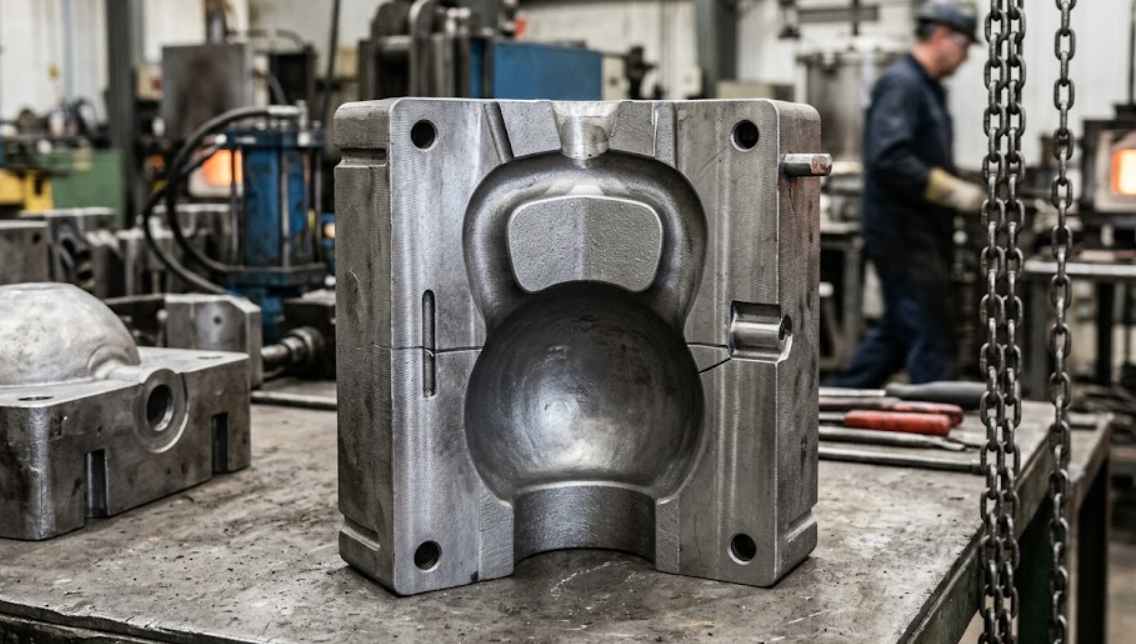
Transitioning from a simple wholesale model to a customized private label approach shifts the focus from unit price vs. total cost to long-term brand equity. Utilizing ODM capabilities allows you to integrate specific ergonomic grips or unique coating textures that differentiate your product line in a crowded market. While these customization requirements may slightly increase the initial factory-direct invoice, they significantly enhance the perceived value and retail potential of your inventory.
Understanding how to calculate kettlebell landed cost requires a holistic view of how customization impacts your supply chain. A China factory offering advanced OEM services helps you move beyond commodity trading into true brand building. By integrating your logo and specific material requirements at the source, you ensure that your commercial kettlebell procurement supports a cohesive, premium brand presence rather than just a one-time shipment of generic weights.
Comparing Wholesale Models and Customization Value
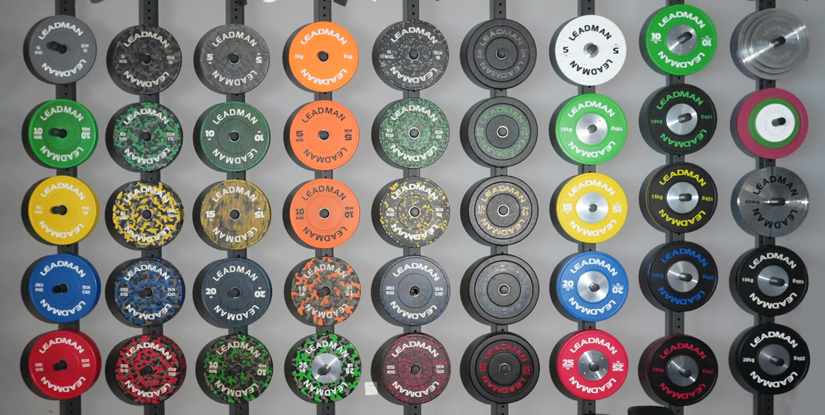
To effectively manage your budget, you must differentiate between the rapid replenishment of standard stock and the strategic development of a proprietary product line. A standard wholesale approach offers lower risk and faster turnaround, but it lacks the differentiation required for high-end commercial distribution. Conversely, leveraging OEM or ODM services allows you to control every detail, from handle diameter to specific coating durability, which directly influences your long-term ROI and market positioning.
The following table illustrates how different sourcing strategies impact your procurement variables, including the landed cost impact and overall product value.
| Procurement Metric | Standard Wholesale Order | Custom OEM/ODM Order |
|---|---|---|
| Customization Level | None (Standard Factory Specs) | High (Color, Texture, Logo, Dimensions) |
| Typical MOQ | Low to Moderate | Moderate to High |
| Lead Time | Short (Stock Availability) | Extended (Production & Tooling) |
| Brand Identity | Generic/Unbranded | Fully Integrated Private Label |
| Landed Cost Impact | Predictable/Low Initial Cost | Higher Initial Cost/Higher Perceived Value |
| Primary Goal | Rapid Inventory Replenishment | Market Differentiation & Brand Equity |
When analyzing how to calculate kettlebell landed cost, remember that while importing fitness equipment from China via standard wholesale is efficient for basic stock, the custom branding route builds a moat around your business. A professional distributor must weigh the higher MOQ and longer lead time of a custom order against the increased profit margins and customer loyalty that a specialized, branded product line provides.
Before finalizing your next shipment, we recommend requesting a detailed spec sheet or a sample evaluation to confirm how your specific customization requirements will affect the final kettlebell wholesale pricing and total import logistics.
Strategic Value of Customization for Long-Term ROI
For professional buyers, the decision to move toward a private label model is a pivot from cost-minimization to value-maximization. While standard kettlebell wholesale pricing is highly competitive, it often leaves the buyer vulnerable to price wars with other distributors selling the exact same generic units. By utilizing OEM or ODM services, you can control the technical specifications—such as handle ergonomics, powder coating thickness, or weight tolerance—to create a product that meets specific commercial standards that generic competitors cannot match.
This level of market differentiation is essential for maintaining a healthy distributor margin in the long run. A specialized product line allows you to command a premium price point and build brand loyalty among gym owners and studio operators. When calculating how to calculate kettlebell landed cost, the sophisticated buyer views the slightly higher initial production cost of a customized unit as a strategic investment in market positioning rather than just an increased expense.
To ensure your brand identity aligns with your quality expectations, we advise following a structured procurement workflow. Before committing to a full-scale production run, please contact us to request a formal quote, confirm the specific MOQ for your custom design, and initiate a sample approval process to verify that the finished product meets your exact commercial-grade requirements.
Managing Lead Times and Production Cycles for Bulk Orders
Understanding how to calculate kettlebell landed cost requires more than just adding the product price to the shipping fee; you must account for the temporal costs of inventory management. For distributors, the relationship between MOQ and production cycles determines both your liquidity and your ability to meet market demand without stockouts.
A China factory operates on specific production cycles that can vary based on raw material availability and seasonal demand. When importing fitness equipment from China, failing to account for a 30-to-45-day production window plus transit time can lead to expensive air-freight surcharges to replenish stock. To maintain healthy kettlebell wholesale pricing and protect your margins, professional buyers must synchronize their sourcing schedules with global shipping trends to avoid peak-season congestion costs.
Effective commercial kettlebell procurement involves balancing the savings of large-scale orders against the costs of warehouse storage and capital tie-up. A higher MOQ may lower your unit cost through economies of scale, but it also increases the risk of high carrying costs if your inventory turnover slows down. We recommend reviewing your annual sales volume to determine an optimal order frequency that maximizes your ROI while minimizing the volatility of the total landed cost.
The following table illustrates how order volume directly influences both production speed and the overall cost structure. For a professional importer, selecting the right tier is a strategic decision between immediate availability and long-term margin optimization.
| Order Tier / Volume | Typical Production Time | Primary Shipping Method | Impact on Unit Cost |
|---|---|---|---|
| Small Batch (Standard Stock) | 7–14 Days | LCL (Less than Container Load) | Higher per-unit cost due to lower scale |
| Medium Bulk (Standard MOQ) | 25–35 Days | FCL (Full Container Load) | Optimized for balanced distributor margins |
| Large Scale (High Volume wholesale) | 40–50+ Days | FCL (Full Container Load) | Lowest unit cost through massive scale |
| Custom OEM / ODM Orders | 45–60 Days | FCL (Full Container Load) | Variable based on custom specifications |
When planning your next shipment, consider that the most efficient way to manage kettlebell wholesale pricing is to align your order with the factory production schedule. While smaller orders offer faster turnaround, they often lack the container-loading efficiency required to keep your landed cost competitive. We suggest confirming your specific requirements with the supplier at least two months in advance to ensure your production slot is secured and your shipping window remains stable.
Understanding how to calculate kettlebell landed cost requires more than just adding the product price to the shipping fee; you must account for the temporal costs of inventory management. For distributors, the relationship between MOQ and production cycles determines both your liquidity and your ability to meet market demand without stockouts.
A China factory operates on specific production cycles that can vary based on raw material availability and seasonal demand. When importing fitness equipment from China, failing to account for a 30-to-45-day production window plus transit time can lead to expensive air-freight surcharges to replenish stock. To maintain healthy kettlebell wholesale pricing and protect your margins, professional buyers must synchronize their sourcing schedules with global shipping trends to avoid peak-season congestion costs.
Effective commercial kettlebell procurement involves balancing the savings of large-scale orders against the costs of warehouse storage and capital tie-up. A higher MOQ may lower your unit cost through economies of scale, but it also increases the risk of high carrying costs if your inventory turnover slows down. We recommend reviewing your annual sales volume to determine an optimal order frequency that maximizes your ROI while minimizing the volatility of the total landed cost.
The following table illustrates how order volume directly influences both production speed and the overall cost structure. For a professional importer, selecting the right tier is a strategic decision between immediate availability and long-term margin optimization.
| Order Tier / Volume | Typical Production Time | Primary Shipping Method | Impact on Unit Cost |
|---|---|---|---|
| Small Batch (Standard Stock) | 7–14 Days | LCL (Less than Container Load) | Higher per-unit cost due to lower scale |
| Medium Bulk (Standard MOQ) | 25–35 Days | FCL (Full Container Load) | Optimized for balanced distributor margins |
| Large Scale (High Volume wholesale) | 40–50+ Days | FCL (Full Container Load) | Lowest unit cost through massive scale |
| Custom OEM / ODM Orders | 45–60 Days | FCL (Full Container Load) | Variable based on custom specifications |
When planning your next shipment, consider that the most efficient way to manage kettlebell wholesale pricing is to align your order with the factory production schedule. While smaller orders offer faster turnaround, they often lack the container-loading efficiency required to keep your landed cost competitive. We suggest confirming your specific requirements with the supplier at least two months in advance to ensure your production slot is secured and your shipping window remains stable.
Quality Control and Pre-Shipment Inspection Protocols
When managing how to calculate kettlebell landed cost, many importers overlook the financial impact of substandard production. A failure in factory QC leads to more than just damaged goods; it results in weight discrepancies and material failures that trigger expensive returns and diminish your distributor margins. For professional buyers, a rigorous inspection process is a mandatory safeguard for protecting the total cost of ownership.
High-tier commercial grade equipment must meet strict standards for weight accuracy and material integrity. If a China factory provides units that deviate from the specified weight, you face immediate replacement costs and potential damage to your brand reputation. By prioritizing preventing hidden costs through pre-shipment audits, you ensure that your kettlebell wholesale pricing remains truly competitive once the goods reach your warehouse.
To mitigate these risks during importing fitness equipment from China, we recommend implementing a multi-stage verification process. This includes verifying the density of the cast iron, the durability of the coating, and the precision of the handle diameter. Establishing these protocols early in the commercial kettlebell procurement cycle allows you to stabilize your landed cost and maintain high reliability for your end-users.
Pre-Shipment Inspection Checklist for Bulk Orders
A standardized pre-shipment inspection is the final defense against unexpected expenses. For distributors managing large-scale kettlebell wholesale pricing, an unverified batch can instantly erase profit margins due to shipping weight discrepancies or surface defects. Utilizing a professional inspection ensures that every unit aligns with the original OEM specifications and meets the rigorous demands of high-traffic commercial facilities.
To ensure your importing fitness equipment from China remains a high-margin venture, your inspection protocols should focus on these four critical commercial pillars:
- Weight Tolerance Verification: Each unit must be weighed to ensure the variance stays within the industry-standard percentage. Significant deviations directly impact your how to calculate kettlebell landed cost by altering freight weight calculations.
- Surface Finish and Coating: Inspect for uniform paint application, absence of rust, and smooth handle textures. This prevents high return rates and maintenance complaints from end-users.
- Packaging Durability: Confirm that export-grade cartons and internal dividers can withstand sea freight stacking. Poor packaging leads to crushed units, increasing your replacement costs.
- Batch Consistency: Verify that all items in the current MOQ tier match the approved sample in terms of color, handle diameter, and casting quality.
By executing these checks at the factory before the container is sealed, you transition from reactive troubleshooting to proactive supply chain management. We recommend scheduling a final audit once production is complete to confirm that your bulk order meets all commercial-grade requirements before transit.
The Financial Impact of QC Failure on Total Landed Cost
Understanding how to calculate kettlebell landed cost requires looking beyond the initial invoice. A single batch of substandard products can lead to catastrophic margin erosion through secondary expenses. When a factory fails to meet technical specifications, the resulting costs extend far beyond the replacement of the physical unit.
The following table illustrates how common production errors during the wholesale process can drastically increase your total expenditure per unit, often negating the benefits of low initial unit prices.
| Scenario (QC Failure Type) | Direct Cost (Replacement/Refund) | Indirect Cost (Landed Cost Increase) |
|---|---|---|
| Weight Mismatch (Overweight) | Refund for weight difference | Higher freight charges and customs duty adjustments |
| Surface Defect (Rust/Chipping) | Unit replacement or credit note | Increased customer returns and brand reputation loss |
| Handle Diameter Deviation | Full batch replacement | Higher warehouse turnover costs and inventory aging |
| Packaging Failure (Crushed Box) | Replacement of damaged units | Increased shipping insurance claims and logistical delays |
For a professional supplier, maintaining these standards is non-negotiable. To avoid these pitfalls, we suggest confirming all technical tolerances and requesting a pre-shipment sample approval before finalizing your bulk order. This proactive approach ensures that your commercial kettlebell procurement remains a predictable and profitable operation.
Finalizing Your Sourcing Strategy and Next Steps
Moving beyond basic arithmetic to understand how to calculate kettlebell landed cost is essential for maintaining healthy distributor margins. For professional buyers, the true value of a shipment is not found in the unit price alone, but in the total cost of ownership (TCO). A lower initial price from a non-vetted supplier often results in higher long-term costs due to premature wear, replacement needs, or shipping damage.
To maximize your ROI, your commercial procurement strategy must account for the durability of the equipment and the reliability of the China factory you select. High-quality casting and consistent weight accuracy ensure that your inventory remains a premium asset rather than a recurring expense. By prioritizing long-term profitability through rigorous quality control and optimized wholesale logistics, you secure a competitive advantage in your local market.
Once you have finalized your how to calculate kettlebell landed cost model, we recommend the following professional steps to mitigate risk: request a detailed technical specification sheet, confirm the specific MOQ for your OEM or ODM requirements, and arrange for a pre-shipment inspection to verify weight tolerances and coating integrity before the container is sealed.
Sourcing Model Comparison Matrix
Before finalizing your order, evaluate the different procurement paths available. Selecting the correct model depends on your volume requirements and your desire for brand differentiation through custom branding or private label services. Use the following comparison to determine which approach best aligns with your how to calculate kettlebell landed cost projections.
| Sourcing Model | Typical MOQ | Lead Time | Customization Potential | Primary Advantage |
|---|---|---|---|---|
| Standard Stock Order | Low | Short | Minimal (Logo only) | Fast replenishment and low initial capital |
| OEM Manufacturing | Medium to High | Medium | High (Colors, Handles, Packaging) | Builds unique brand identity and differentiation |
| ODM Development | High | Long | Full (Complete product design) | Exclusive product features for market leaders |
| Trading Company | Variable | Variable | Low | Simplified communication for small volumes |
When importing fitness equipment from China, the distinction between a factory-direct model and a trading agent significantly impacts your kettlebell wholesale pricing. A direct sourcing relationship allows for tighter control over QC processes and more transparent logistics management. While trading companies may offer convenience, working directly with a China factory typically yields a more predictable landed cost and better scalability for large-scale commercial kettlebell procurement.
To ensure your final decision is data-driven, we recommend initiating a formal inquiry to confirm your how to calculate kettlebell landed cost formula. You should request a formal quote that includes FOB or CIF terms, ask for a detailed MOQ breakdown for different weight increments, and request a sample to verify the material quality and handle grip ergonomics before committing to a full container load.
Moving beyond basic arithmetic to understand how to calculate kettlebell landed cost is essential for maintaining healthy distributor margins. For professional buyers, the true value of a shipment is not found in the unit price alone, but in the total cost of ownership (TCO). A lower initial price from a non-vetted supplier often results in higher long-term costs due to premature wear, replacement needs, or shipping damage.
To maximize your ROI, your commercial kettlebell procurement strategy must account for the durability of the equipment and the reliability of the China factory you select. High-quality casting and consistent weight accuracy ensure that your inventory remains a premium asset rather than a recurring expense. By prioritizing long-term profitability through rigorous quality control and optimized wholesale logistics, you secure a competitive advantage in your local market.
Once you have finalized your how to calculate kettlebell landed cost model, we recommend the following professional steps to mitigate risk: request a detailed technical specification sheet, confirm the specific MOQ for your OEM or ODM requirements, and arrange for a pre-shipment inspection to verify weight tolerances and coating integrity before the container is sealed.