OEM Kettlebell Manufacturing Process: Export Ready China
Understanding the OEM Kettlebell Manufacturing Process for Commercial Use
When sourcing high-volume orders from a China factory, professional buyers must evaluate three critical checkpoints: material purity, weight precision, and structural integrity. A failure in the OEM kettlebell manufacturing process can lead to uneven weight distribution or premature surface degradation, directly increasing the total cost of ownership for gym operators and distributors. Reliable custom kettlebell production ensures that every unit meets the rigorous demands of high-traffic commercial environments, protecting your brand reputation and minimizing replacement costs.
The foundation of high-quality wholesale gym equipment factory output relies on the selection of premium steel or iron. During the initial stages of the OEM kettlebell manufacturing process, the metallurgical quality of the raw material is paramount to prevent internal structural flaws. Leading manufacturers utilize precision casting techniques to ensure the density of the metal is uniform throughout the bell. This level of control is essential for achieving a strict weight tolerance, which is a non-negotiable standard for professional strength training equipment used in commercial settings.
Achieving commercial-grade durability requires more than just a standard mold; it demands a sophisticated approach to surface treatment and handle ergonomics. A professional commercial kettlebell manufacturer will implement multi-stage finishing processes, such as powder coating or high-grade silicone encapsulation, to prevent chipping and corrosion. By focusing on these engineering standards, a supplier can provide products that withstand heavy daily use while maintaining a premium aesthetic for the end-user's facility.
Rigorous QC Protocols and Safety Testing Standards
To mitigate liability and ensure long-term durability, a professional commercial kettlebell manufacturer must implement strict QC protocols throughout the production cycle. For B2B buyers, the risk of receiving batches with inconsistent weight or fragile handles can disrupt distribution timelines and increase returns. During custom kettlebell production, every unit undergoes specific stress tests, such as impact testing, to ensure the casing does not crack or deform under heavy use. This level of scrutiny is a standard requirement for any reputable wholesale gym equipment factory aiming to meet international export standards.
Beyond structural integrity, verifying surface coating durability is essential for maintaining product value in high-humidity or high-traffic gym environments. The OEM kettlebell manufacturing process must include specialized adhesion tests to ensure that powder coating or silicone layers do not peel during intensive training. For distributors managing large-scale orders, confirming these technical specifications during the sample approval stage reduces the risk of landed cost spikes caused by faulty inventory. Ensuring that the OEM kettlebell manufacturing process adheres to these rigorous safety benchmarks allows importers to offer high-performance equipment with confidence in its long-term reliability.
Technical Specifications: Commercial Grade vs. Standard Production
When evaluating your next bulk order, it is essential to distinguish between consumer-grade items and professional-grade equipment. A standard manufacturing approach often overlooks the subtle engineering requirements that dictate long-term durability in high-traffic facilities. For importers and distributors, understanding these technical variances is a vital part of the OEM kettlebell manufacturing process, as it directly impacts the replacement rate and the overall value proposition of your product line.
| Technical Metric | Standard Production (Residential) | Commercial-Grade OEM Production |
|---|---|---|
| Weight Precision | +/- 5% to 10% variance | +/- 1% to 2% strict tolerance |
| Handle Ergonomics | Basic cast shape; potential sharp edges | Smooth, ergonomic contouring for high-repetition use |
| Surface Coating | Basic paint or thin silicone layer | High-density powder coating or multi-layer UV resistance |
| Coating Thickness | Inconsistent; prone to chipping | Uniform, impact-resistant thickness for heavy use |
| Material Density | Variable air pockets or internal voids | Uniform density for balanced center of gravity |
| Usage Environment | Light home use or occasional training | Continuous, high-intensity commercial environments |
Selecting a commercial kettlebell manufacturer that prioritizes these high-end specifications allows you to build a more resilient brand identity. While standard production may offer lower initial costs, the custom kettlebell production standards used for commercial-grade units significantly reduce the frequency of returns and warranty claims. When finalizing your wholesale gym equipment factory selection, always request a detailed specification sheet to confirm that the weight tolerances and coating durability align with your market's professional requirements.
Material Selection and Casting Standards in China Factories
Understanding the technicalities of the OEM kettlebell manufacturing process is essential for distributors seeking to minimize long-term replacement costs. High-quality production begins with the selection of high-grade cast iron, ensuring that the final product meets the rigorous demands of high-traffic commercial environments.
A professional commercial kettlebell manufacturer must prioritize density consistency and structural integrity to prevent weight fluctuations or surface cracking. By adhering to strict China factory standards, suppliers can ensure that every unit in a bulk order maintains uniform dimensions and weight accuracy, which is critical for maintaining brand reputation and reducing client complaints.
The following table outlines the impact of material and casting choices on the total cost of ownership (TCO) for professional importers and gym owners.
| Procurement Factor | Standard Casting (Low Tier) | Precision Casting (Professional Grade) |
|---|---|---|
| Material Purity | Variable iron density | High-grade cast iron |
| Surface Uniformity | Irregular texture/pitting | Smooth, consistent finish |
| Weight Tolerance | Higher deviation risk | Strict density consistency |
| Commercial Lifespan | Higher replacement frequency | Optimized for long-term durability |
| Sourcing Value | Low initial cost | Better long-term ROI |
For those engaged in custom kettlebell production, selecting a wholesale gym equipment factory that utilizes advanced sand casting or centrifugal casting techniques will significantly improve the OEM kettlebell manufacturing process. This level of precision ensures that the handle-to-body transition is seamless, reducing the risk of structural failure during heavy use.
Technical Specifications for High-Volume Sourcing
When evaluating a wholesale gym equipment factory for large-scale distribution, procurement officers must look beyond the initial unit price and focus on the technical specifications that dictate long-term durability. A high-quality custom kettlebell production workflow utilizes advanced coating technologies to protect the iron core from oxidation, which is a common failure point in lower-tier equipment. For instance, the choice between powder coating and liquid paint significantly affects the product's resistance to chipping in high-intensity training zones.
The following specifications are typical for professional-grade units produced through a reliable OEM kettlebell manufacturing process. These standards help importers justify premium pricing to their end-users by ensuring the equipment remains functional and aesthetically consistent over several years of heavy use.
| Feature Category | Technical Specification Requirement | Commercial Impact on TCO |
|---|---|---|
| Core Material | High-density grey cast iron | Reduces weight drift and cracking |
| Surface Finish | Electrostatic powder coating | Prevents rust and surface chipping |
| Handle Ergonomics | Smooth, seamless casting | Reduces user fatigue and friction |
| Weight Accuracy | Strict tolerance standards | Ensures professional reliability |
To ensure your batch meets these rigorous standards, we recommend requesting a sample evaluation or a detailed technical spec sheet from your supplier. Confirming these material benchmarks during the pre-shipment stage allows you to secure a more stable landed cost and higher distributor margins by avoiding the high replacement rates associated with inferior casting methods.
Custom Kettlebell Production: Engineering the Perfect Grip and Balance
Achieving high-performance standards in the OEM kettlebell manufacturing process requires more than just casting iron; it demands rigorous engineering to ensure long-term commercial utility. For distributors and gym equipment importers, the difference between a low-margin product and a premium tier-one unit lies in the precision of the handle and the consistency of the weight distribution. A commercial kettlebell manufacturer must prioritize these technical specifications to minimize replacement costs and maximize user safety in high-traffic environments.
The structural integrity of each unit begins with the precision of the handle diameter and the specific grip texture applied during the finishing stages. In professional settings, a handle that is too smooth or improperly textured can lead to grip failure, increasing the risk of injury and subsequent liability for the facility operator. A professional wholesale gym equipment factory ensures that the surface finish provides optimal friction under various conditions, such as sweaty hands or chalk usage, without causing skin abrasion.
Beyond surface ergonomics, the internal weight balance is a critical metric for quality control. If the center of gravity is offset, the kettlebell will behave unpredictably during ballistic movements, leading to uneven wear on the user and potential damage to the equipment itself. High-standard custom kettlebell production involves strict calibration to ensure that the weight remains centered and stable, meeting the expectations of professional strength athletes and commercial gym owners alike. By focusing on these engineering nuances, a China factory can deliver products that offer superior commercial-grade durability and a lower total cost of ownership for global buyers.
Material Selection and Coating Durability Comparison
When evaluating a custom kettlebell production order, procurement leads must decide between various coating technologies based on the intended environment and expected maintenance load. The choice of finish directly impacts the total cost of ownership (TCO) and the lifespan of the inventory. For instance, a high-volume distributor sourcing for premium fitness clubs may require different specifications than a supplier catering to standard commercial strength rooms. Selecting the wrong material or coating can lead to premature oxidation or chipping, necessitating frequent replacements and reducing the overall ROI for the end-user.
A professional commercial kettlebell manufacturer typically offers several finishing options to meet diverse market demands. Cast iron with a basic paint finish is cost-effective for standard weight sets, whereas powder coating offers a much higher level of impact resistance and aesthetic longevity. Understanding these technical differences allows a wholesale gym equipment factory to provide tiered pricing structures that align with your specific market positioning, whether you are targeting budget-friendly studios or high-end performance centers.
| Finishing Type | Durability Profile | Typical Commercial Use Case | Maintenance Requirement |
|---|---|---|---|
| Standard Cast Iron (Painted) | Moderate; prone to surface oxidation if moisture is present | Standard commercial gyms and functional training zones | Low; periodic wiping of surface dust |
| Premium Powder Coated | High; resistant to chipping, scratches, and heavy impact | High-traffic professional training facilities and CrossFit boxes | Minimal; highly resilient to sweat and friction |
| Vinyl/Neoprene Coated | Medium; provides excellent grip and floor protection | Boutique studios and wellness-focused training environments | Moderate; requires cleaning to prevent texture wear |
To optimize your OEM kettlebell manufacturing process, we recommend requesting a sample evaluation for each coating type before committing to a full bulk order. This allows you to verify the texture, weight consistency, and finish quality against your brand standards. Once the sample is approved, our China factory can proceed with full-scale production, ensuring that every unit meets your specific export-grade requirements and arrives with the necessary durability for your target market.
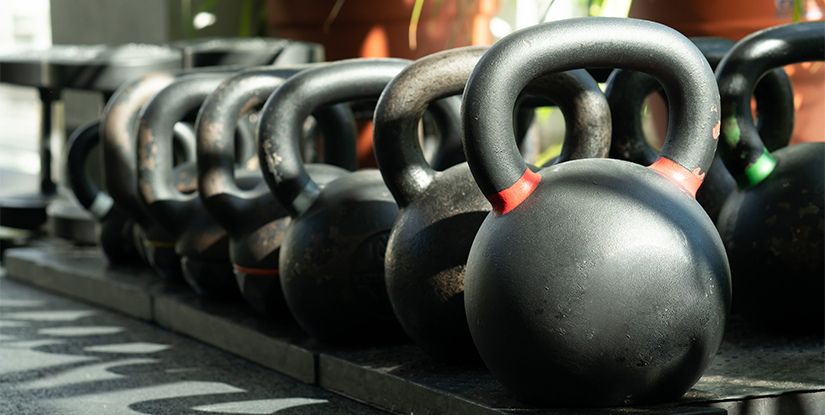
Quality Control Protocols for High-Volume Wholesale Orders
Maintaining strict oversight during the OEM kettlebell manufacturing process is essential for distributors to avoid the high costs of defective bulk shipments. A professional wholesale gym equipment factory implements multi-stage testing to ensure every unit meets international commercial standards before leaving the facility.
Reliability in high-volume sourcing depends on rigorous pre-shipment inspection protocols. We focus on two critical technical benchmarks: weight tolerance and surface finish consistency. For a commercial kettlebell manufacturer, ensuring that a 16kg unit does not deviate beyond industry-standard margins is vital for maintaining your brand's reputation. Furthermore, verifying the uniformity of powder coating or cast iron textures prevents premature wear and corrosion in high-traffic gym environments. By prioritizing these technical specifications, a China factory minimizes the risk of returns and protects the long-term margins of international importers.
Technical Inspection Checklist for Bulk Production
To ensure every batch meets your specific requirements, a professional custom kettlebell production line utilizes a standardized inspection checklist. This systematic approach mitigates the risk of receiving substandard goods, which can lead to increased maintenance costs and damaged distributor reputations. Each stage of the OEM kettlebell manufacturing process is designed to verify structural integrity and surface durability.
| Inspection Stage | Technical Focus Area | Standard Verification Metric |
|---|---|---|
| Material Verification | Raw iron purity and density | Compositional analysis to prevent brittleness |
| Casting & Molding | Structural uniformity | Detection of air bubbles or surface fissures |
| Weight Accuracy | Mass deviation control | Strict tolerance levels for commercial consistency |
| Coating Adhesion | Powder coating or paint durability | Cross-cut test to ensure resistance to chipping |
A reliable supplier understands that high-volume orders require more than just visual checks. Rigorous material verification prevents the inclusion of impurities that compromise the longevity of the cast. Additionally, precise weight accuracy ensures that your inventory remains compliant with professional training standards, while high-grade coating adhesion prevents the unsightly peeling often seen in lower-tier products. For procurement leads, reviewing these quality control protocols during a factory audit is a critical step in securing a high-quality, long-term supply chain.
Beyond unit-level testing, high-volume logistics require specialized attention to prevent transit-related losses. A professional commercial kettlebell manufacturer integrates rigorous export packaging standards to protect heavy, high-density cargo during long-haul sea freight. This focus on durability ensures that your landed cost remains predictable and that your inventory arrives in retail-ready condition.
Effective shipping damage prevention involves more than just standard boxing; it requires heavy-duty, reinforced corrugated cartons and custom-fitted internal dividers to prevent movement within the container. By implementing these specialized packing protocols, a China factory reduces the likelihood of dented handles or chipped finishes, which are common issues with substandard packaging. For distributors managing high-volume shipments, investing in these protective measures during the OEM kettlebell manufacturing process is a strategic way to ensure bulk order reliability and maintain high customer satisfaction levels upon arrival at your warehouse.
OEM and Private Label Capabilities for Global Distributors
For distributors looking to establish a distinct market presence, a professional OEM kettlebell manufacturing process offers the ability to transition from a simple reseller to a recognized brand owner. By leveraging a direct China factory, importers can move beyond generic stock and implement specific custom kettlebell production protocols that align with their unique market positioning and high-end client requirements.
Successful private label strategies require more than just a logo; they demand precise control over the product's physical identity. High-tier wholesale buyers utilize various customization options—such as specific powder coating colors, unique handle textures for grip optimization, and embossed or printed branding—to differentiate their inventory from standard market offerings. This level of ODM service ensures your product line meets the exact aesthetic and functional standards of your target demographic, whether they are boutique studio owners or large-scale commercial facility managers.
| Procurement Model | Customization Depth | Branding Control | Typical MOQ | Best For |
|---|---|---|---|---|
| Standard Wholesale | Minimal (Stock colors) | Logo on packaging only | Low | Small distributors |
| Private Label | Moderate (Color/Texture) | Full product branding | Medium | Growing fitness brands |
| Full OEM/ODM | High (Custom molds/specs) | Complete brand identity | High | Global equipment brands |
When evaluating your sourcing strategy, consider how much control over the final product identity you require to maintain a competitive edge. A specialized supplier can manage everything from the initial technical drawing to the final branded packaging, ensuring your brand identity remains consistent across all weight increments and product lines.
The decision to move from standard purchasing to a full OEM kettlebell manufacturing process is often driven by the need for higher margins and long-term market stability. While stock orders are efficient for rapid replenishment, they limit your ability to control the technical specifications that define a premium product line. For professional buyers, understanding the depth of custom kettlebell production is essential for optimizing the total cost of ownership and ensuring the product meets the rigorous demands of high-traffic commercial environments.
A professional commercial kettlebell manufacturer provides the technical infrastructure necessary to manage complex production variables. This includes everything from selecting specific iron densities to refining the ergonomic profile of the handle. Whether you are optimizing for a specific grip feel or seeking a unique aesthetic to match a boutique studio's interior, these capabilities allow a wholesale gym equipment factory to act as an extension of your own R&D department, rather than just a vendor.
Before finalizing your next bulk order, we recommend contacting our team to request a detailed specification sheet or to confirm the current MOQ for your specific customization requirements. We are available to discuss sample approval processes, factory audit protocols, and how to best integrate your brand identity into the production workflow to maximize your distributor margins.
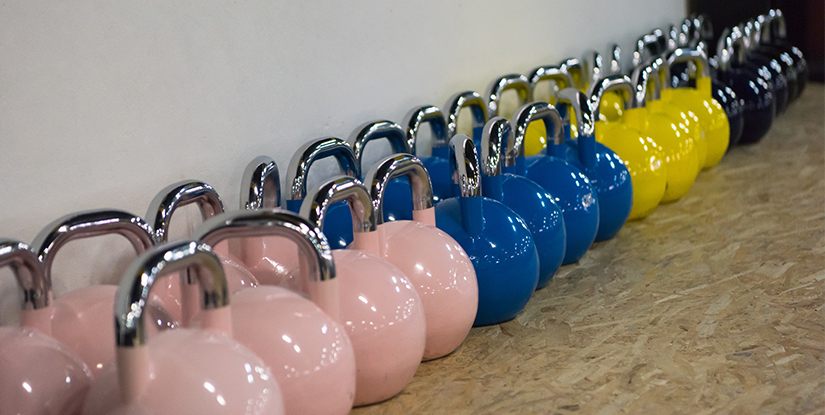
To mitigate the risks of international procurement, a sophisticated OEM kettlebell manufacturing process must integrate rigorous quality control and logistics optimization. For a global commercial kettlebell manufacturer, the responsibility extends beyond the production line to ensure that every unit arriving at your warehouse meets international durability standards. This reduces the friction often associated with high-volume wholesale imports, such as damaged goods, weight inaccuracies, or substandard finishes that can damage your reputation with end-users.
Reliability in the custom kettlebell production cycle is anchored by strict pre-shipment protocols. Leading facilities implement multi-stage inspections—from raw material verification to final weight calibration—ensuring that the landed cost remains predictable and free from the hidden expenses of defective inventory. Furthermore, an experienced wholesale gym equipment factory optimizes export-ready packaging and container loading density. By utilizing reinforced, stackable shipping solutions, we help distributors maximize container volume, effectively lowering the per-unit shipping cost and improving the overall ROI of each bulk shipment.
Before finalizing your next bulk order, we recommend contacting our team to request a detailed specification sheet or to confirm the current MOQ for your specific customization requirements. We are available to discuss sample approval processes, factory audit protocols, and how to best integrate your brand identity into the production workflow to maximize your distributor margins.
Logistics and Export Packaging for Efficient Container Loading
Managing the OEM kettlebell manufacturing process requires more than just material precision; it demands rigorous attention to logistics to protect your profit margins. For professional importers, the landed cost is heavily dictated by how effectively the China factory manages export packaging and container loading efficiency. Inefficient packing leads to wasted space and higher per-unit shipping costs, directly eroding the competitive advantage of bulk orders.
A professional commercial kettlebell manufacturer optimizes the shipping volume by utilizing standardized, reinforced cartons and palletization strategies. By focusing on weight optimization and nesting techniques, a wholesale gym equipment factory ensures that every cubic meter of a shipping container is utilized to its maximum potential. This strategic approach reduces the number of containers required for large-scale sourcing projects, significantly lowering the total freight expenditure per unit for international distributors.
Optimizing Sea Freight Through Strategic Packaging
To minimize the impact of volumetric weight on your total procurement budget, you must evaluate the specific packaging configurations offered during custom kettlebell production. Depending on your warehouse capacity and local delivery logistics, a supplier will typically offer three primary methods for handling heavy, high-density steel or cast iron goods. Choosing the correct method is essential for managing the balance between protection and sea freight density.
| Packaging Method | Primary Benefit | Logistics Profile | Best For |
|---|---|---|---|
| Individual Reinforced Cartons | High protection for retail-ready units | Higher volumetric weight due to box dimensions | Small studios or boutique distributors |
| Bulk Nested Crates | Maximum density and space savings | Optimized for weight-to-volume ratio | Large-scale gym equipment importers |
| Standardized Palletization | Rapid unloading and warehouse efficiency | Requires heavy-duty pallet support | High-volume wholesale distributors |
For large-scale distributors, maximizing container utilization is the most effective way to reduce the landed cost per unit. A professional commercial kettlebell manufacturer will often recommend palletization for high-volume wholesale shipments. While pallets add a fixed amount of volume, they significantly decrease labor costs during unloading and reduce the risk of product damage during transit. When planning your next sourcing cycle, we recommend requesting a detailed packing list and a 3D loading plan from your factory to confirm the exact MOQ and shipping dimensions before finalizing your purchase order.
Ensuring Product Integrity and Durability During Transit
The final stage of the OEM kettlebell manufacturing process involves preparing the units for the physical stresses of international maritime travel. Even a high-quality product can suffer from surface degradation or structural damage if the wholesale gym equipment factory neglects moisture protection and impact resistance. For distributors, receiving damaged goods is not just a product issue; it is a direct hit to the landed cost and customer satisfaction levels.
To guarantee that your custom kettlebell production arrives in pristine condition, we implement several layers of defense. First, we utilize advanced moisture protection, such as industrial-grade desiccants and specialized plastic wraps, to prevent oxidation and rust during long-duration sea freight transit. Second, we employ heavy-duty cartons and reinforced pallet stability protocols to prevent shifting within the container. Every shipment undergoes a rigorous pre-shipment inspection to verify that the load is secure and the packaging can withstand the weight-to-volume pressures of a full container. By prioritizing these durability standards, we ensure that your bulk inventory arrives ready for immediate distribution or retail sale.
Strategic Sourcing: Moving Toward Your Next Bulk Order
For professional distributors and large-scale gym operators, the OEM kettlebell manufacturing process is not merely about shaping iron; it is a critical lever for controlling long-term operational expenses. When managing high-volume inventory, understanding how a commercial kettlebell manufacturer handles material density and coating adhesion is vital for protecting your margins against premature product failure.
A high-quality custom kettlebell production standard ensures that each unit maintains its structural integrity under heavy daily use in commercial environments. By focusing on a rigorous wholesale gym equipment factory workflow, importers can minimize the frequency of replacement cycles. This optimization directly improves your ROI by reducing the long-term replacement costs and maintenance overhead typically associated with lower-grade, non-commercial imports. Selecting a reliable China factory that prioritizes standardized casting and durable finishes allows you to secure a lower TCO through enhanced product longevity and reduced warranty claims.
Direct Sourcing vs. Trading Company: Optimizing Your Landed Cost
To maximize distributor margins, professional buyers must evaluate the total landed cost and operational efficiency of their supply chain. Sourcing directly from a wholesale gym equipment factory offers significant advantages over purchasing through a third-party trader, especially regarding transparency in the OEM kettlebell manufacturing process. While traders may offer convenience, direct factory partnerships provide more control over the final price and product specifications.
| Sourcing Dimension | Direct Factory Sourcing | Trading Company / Middleman |
|---|---|---|
| Landed Cost | Lower; eliminates middleman markups | Higher; includes multiple service margins |
| MOQ Requirements | Standardized based on production lines | Often lower, but with higher unit costs |
| Lead Time Control | Direct oversight of production schedules | Subject to third-party communication delays |
| Quality Control | Direct factory-led inspection protocols | Dependent on trader's secondary QC |
| Customization | Full OEM and ODM capabilities | Limited to existing stock or pre-set options |
When planning your next bulk order, consider how a custom kettlebell production setup at a source factory can accommodate your specific branding needs. A direct relationship allows you to negotiate the MOQ more effectively and ensure that your quality control standards are met before the shipment leaves the port. This level of transparency is essential for maintaining a stable supply chain and ensuring that your imported goods meet the durability requirements of high-traffic commercial facilities.
Optimizing Inventory and Replacement Cycles
For equipment distributors, the true cost of a product is found in its lifecycle, not just the initial invoice. A poorly executed OEM kettlebell manufacturing process often results in surface chipping, weight inconsistencies, or handle degradation, which triggers high replacement frequencies and damages your brand reputation. By sourcing from a specialized commercial kettlebell manufacturer, you transition from reactive purchasing to proactive inventory management, ensuring that your stock remains a premium asset in your catalog.
Investing in professional custom kettlebell production allows you to standardize the durability of your entire product line. This level of control is essential when you are managing large-scale distribution networks where reliability is the primary metric of success. When you align your procurement strategy with a high-standard wholesale gym equipment factory, you effectively lower your long-term maintenance costs and improve the overall value proposition for your end-users. We recommend that buyers initiate a formal request for a technical spec sheet or request a sample evaluation to confirm that the factory's output meets your specific commercial-grade durability requirements before finalizing any large-scale MOQ or shipping arrangements.