How to Compare Kettlebell Suppliers in China: Wholesale Spec
How to Compare Kettlebell Suppliers in China: Establishing Sourcing Standards
To effectively understand how to compare kettlebell suppliers in China, professional buyers must evaluate manufacturers based on production capacity, material certifications, and rigorous quality control protocols. High-volume importers prioritize wholesale kettlebell supplier partners that offer consistent weight tolerances and durable finishes to ensure long-term commercial viability.
The procurement process for heavy iron or cast iron equipment involves significant logistical risks. Without a standardized framework for factory-direct verification, distributors risk receiving batches with inconsistent casting or substandard coatings. Establishing a baseline for commercial gym standards ensures that every unit meets the durability requirements of high-traffic strength training facilities, protecting your investment and reducing replacement frequency.
For professional distributors and gym equipment importers, successful sourcing begins with identifying a commercial kettlebell manufacturer capable of meeting strict international export specifications. Relying on a China factory that understands the nuances of bulk shipping and container loading optimization can significantly reduce your total landed cost and prevent common supply chain bottlenecks.
Tiered Comparison Framework for Procurement Decision-Makers
When assessing potential partners, it is essential to differentiate between a specialized manufacturer and a general trading company. A professional wholesale kettlebell supplier should provide granular data regarding their production infrastructure and ability to scale with your demand. Use the following framework to evaluate the operational depth of your potential China factory direct kettlebells source.
| Evaluation Criteria | Tier-One Manufacturer (High-Tier) | General Trading Company (Low-Tier) |
|---|---|---|
| Production Capacity | High-volume automated casting and specialized lines | Variable; dependent on third-party sourcing |
| QC Protocols | In-house pre-shipment testing and weight tolerance audits | Basic visual inspection or outsourced QC |
| OEM/ODM Capability | Advanced custom branding and proprietary mold development | Limited to standard stock product availability |
| Logistics/Export Experience | Expertise in container loading optimization and FOB/CIF terms | Basic shipping assistance; limited logistics control |
Successful how to compare kettlebell suppliers in China strategies often involve auditing these specific technical capabilities. A robust commercial kettlebell manufacturer will typically offer transparent MOQ tiers and detailed specification sheets for every weight increment. Before finalizing a bulk order, we recommend requesting a sample approval and a detailed factory audit to confirm that their quality control and export packaging meet your specific commercial distribution requirements.
Critical QC and Documentation Standards for Bulk Procurement
When determining how to compare kettlebell suppliers in China, the most significant differentiator is the rigor of their pre-shipment inspection. For high-volume distributors, a single batch of inconsistent weight or substandard casting can lead to massive replacement costs and damaged brand reputation. A high-tier commercial kettlebell manufacturer should provide verifiable documentation for every production run, including material certifications and precise weight tolerance reports. In professional strength training environments, even a minor deviation in weight can disrupt training standards and increase liability risks.
Beyond the product itself, the efficiency of your sourcing depends on the supplier's ability to manage the total landed cost through optimized export packaging. A reliable wholesale kettlebell supplier will implement reinforced, palletized shipping solutions designed to withstand long-haul sea freight and heavy machinery handling. This prevents damage during transit and ensures that your container loading is maximized for volume efficiency. To mitigate procurement risks, we advise all professional buyers to confirm the factory's specific protocols for weight verification, coating durability, and container-ready packaging before initiating any bulk order or OEM agreement.
Evaluating Manufacturing Specifications and Material Durability
When professional buyers attempt to determine how to compare kettlebell suppliers in China, the most critical factor is the long-term durability of the units. For distributors and gym owners, substandard material quality leads to high replacement costs and damaged brand reputation. A reliable commercial kettlebell manufacturer must provide transparency regarding the raw material composition and the consistency of the finish to ensure a low total cost of ownership.
High-volume sourcing requires moving beyond visual inspection. You must evaluate the structural integrity of the cast iron and the precision of the surface treatment. A professional wholesale kettlebell supplier will offer technical documentation regarding weight tolerances and coating adhesion, ensuring the product survives rigorous commercial use without premature degradation or weight drift.
Technical Standards for Commercial-Grade Durability
To mitigate the risk of receiving inconsistent batches, procurement leads should demand specific technical parameters. Using a China factory direct kettlebells approach allows for closer monitoring of these essential variables during the production cycle.
| Durability Parameter | Standard Commercial Specification | Procurement Impact |
|---|---|---|
| Cast Iron Quality | Homogeneous density with minimal air pockets | Prevents structural cracks under impact |
| Weight Tolerance | Typically within +/- 1% to 3% per unit | Ensures professional training consistency |
| Powder Coating Thickness | Uniform application with high adhesion strength | Reduces chipping and oxidation risk |
| Handle Surface Finish | Smooth, non-abrasive, and ergonomic | Extends product lifecycle in high-traffic areas |
Establishing strict QC standards at the factory level is the only way to guarantee that every unit in a bulk shipment meets your brand's quality expectations. Before finalizing a large wholesale order, we recommend requesting a technical spec sheet or a sample evaluation to verify that the powder coating thickness and weight accuracy align with your commercial requirements.
Material Comparison for Commercial Inventory Optimization
Selecting the correct material profile is essential for balancing upfront procurement costs with long-term maintenance loads. Professional buyers must decide whether to prioritize extreme impact resistance or aesthetic versatility based on their specific end-user environment. When determining how to compare kettlebell suppliers in China, a detailed understanding of how different materials respond to high-frequency commercial use is vital for calculating total landed cost and replacement cycles.
| Material Type | Surface Finish & Texture | Durability Profile | Maintenance & Wholesale Suitability |
|---|---|---|---|
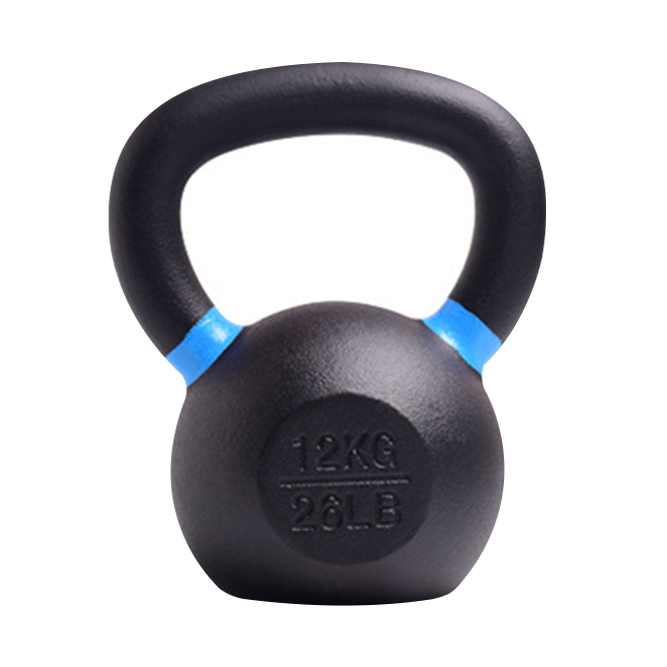
| Cast Iron | Powder-coated or painted | Extreme; resistant to heavy impact and high-volume use | High suitability for rugged gym environments; low maintenance |
| Steel (Single Piece) | Smooth or textured coating | High; excellent structural integrity for professional training | Ideal for premium studio settings; requires consistent coating QC |
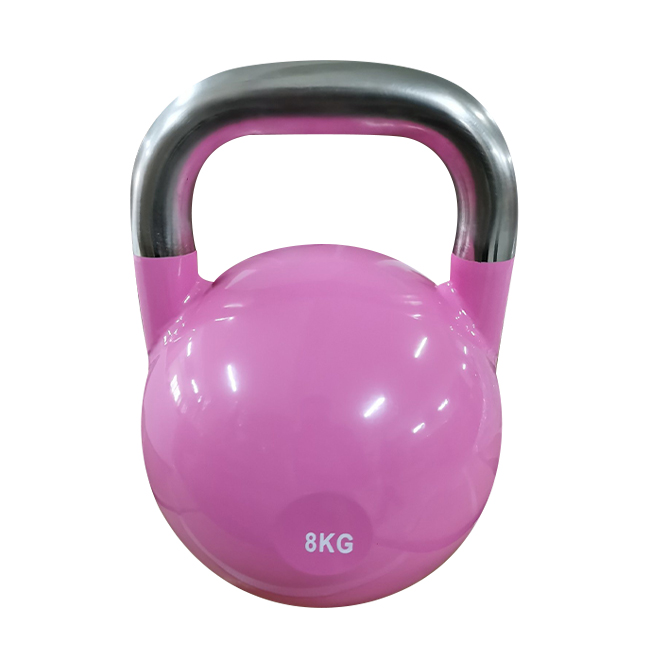
| Vinyl / Neoprene | Soft, non-abrasive coating | Moderate; susceptible to punctures or peeling over time | Best for boutique studios or residential-tier commercial use |
The choice between a rugged cast iron model and a specialized steel unit directly impacts your distributor margins and the longevity of your stock. For instance, while vinyl-coated options offer a premium feel, they may require more frequent replacement in high-traffic weight rooms compared to a standard commercial kettlebell manufacturer offering industrial-grade powder-coated iron. We suggest requesting a sample of each material type to test coating adhesion and handle ergonomics before committing to a large-scale wholesale purchase.
Managing Weight Deviation and Surface Imperfections
A common failure in low-tier procurement is ignoring the impact of weight deviation and surface imperfections on the total cost of ownership. For professional operators, a kettlebell that is significantly off-spec is not just a quality issue; it is a liability that affects training accuracy and client satisfaction. When learning how to compare kettlebell suppliers in China, you must look beyond the price per unit and investigate the factory's ability to maintain strict tolerances across a full production run.
Surface imperfections, such as uneven powder coating or rough handle textures, may seem minor in a single sample, but they become significant issues during high-volume commercial gym usage. Inconsistent finishes can lead to premature oxidation or peeling, forcing distributors to deal with frequent returns and replacement requests. To avoid these hidden costs, a professional wholesale kettlebell supplier should provide evidence of rigorous pre-shipment inspection protocols that specifically target weight accuracy and coating adhesion.
To ensure your bulk order meets international commercial standards, we recommend including a specific requirement for weight deviation limits in your RFQ. A high-quality China factory direct kettlebells provider will be able to guarantee a specific tolerance range, such as +/- 1% to 3%, ensuring that your inventory remains reliable and professional for years of heavy use.
Assessing Factory QC and Pre-Shipment Inspection Protocols
When managing large-scale inventory, the cost of a single defective batch can compromise your entire distributor margin. Learning how to compare kettlebell suppliers in China requires looking beyond initial unit pricing to evaluate their rigorous quality control systems. A professional commercial kettlebell manufacturer must implement multi-stage inspections to ensure every unit meets strict commercial gym standards, preventing the logistical nightmare of processing high-volume returns.
Reliable batch consistency is the hallmark of a high-tier wholesale kettlebell supplier. Without standardized weight calibration and surface finish protocols, your shipments may arrive with unacceptable variances, damaging your reputation with end-users. To achieve effective wholesale risk mitigation, you should verify that the factory conducts systematic defect prevention through weight tolerance testing, casting integrity checks, and handle grip durability assessments before any container is sealed.
We recommend requesting a formal pre-shipment inspection report or scheduling a third-party audit to confirm that the China factory direct kettlebells align with your specific OEM or ODM requirements. Confirming these technical standards early in the sourcing process protects your long-term landed cost and ensures high-performance reliability for your clients.
Technical Specification Checklist for Pre-Shipment Verification
To mitigate the risk of receiving substandard inventory, professional buyers must move beyond visual inspections and demand technical data. A high-quality wholesale kettlebell supplier should provide measurable benchmarks for every batch. When you are determining how to compare kettlebell suppliers in China, use the following technical criteria to evaluate their internal quality control capabilities and ensure your bulk orders meet the durability requirements of high-traffic commercial environments.
| Technical Metric | Commercial Standard Requirement | Inspection Method |
|---|---|---|
| Weight Tolerance | Typically within +/- 1% to 3% of declared weight | Precision calibrated scale verification |
| Casting Integrity | Zero structural cracks, air bubbles, or voids | Visual inspection and ultrasonic testing |
| Handle Smoothness | Seamless transition; no sharp edges or burrs | Tactile manual check and surface profile audit |
| Coating Adhesion | High resistance to chipping and impact peeling | Cross-cut adhesion test or impact testing |
| Dimensional Accuracy | Consistent diameter and handle circumference | Vernier caliper measurement |
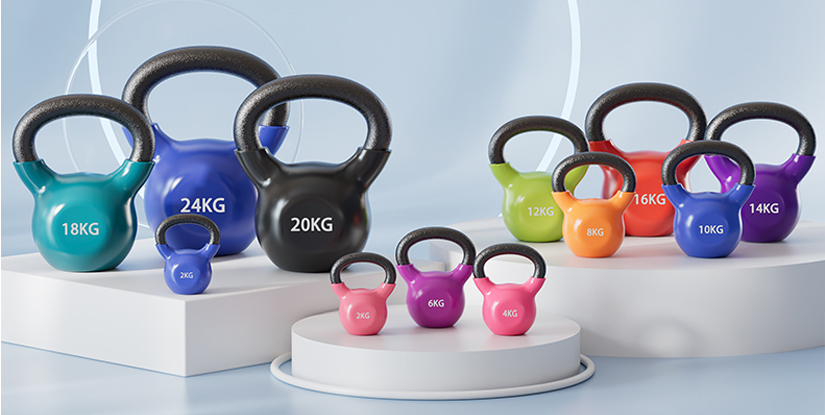
Failure to verify these specs during the sourcing phase often results in increased maintenance loads and higher replacement costs for your clients. A competent commercial kettlebell manufacturer will not only possess these testing tools but will also provide standardized inspection reports for every production run. We suggest requesting a sample batch for physical stress testing to validate that the China factory direct kettlebells can withstand the rigorous demands of a commercial setting before you finalize your full container load.
The Role of Documentation and Third-Party Audits in Risk Management
For high-volume importers, the visual quality of a sample is insufficient to guarantee the integrity of a full container load. To truly master how to compare kettlebell suppliers in China, you must evaluate their capacity for comprehensive documentation and transparency. A professional wholesale kettlebell supplier should provide more than just a basic invoice; they must offer detailed material certification and batch-specific quality assurance reports to validate the structural integrity of the iron or steel used in production.
Relying solely on internal factory claims introduces significant procurement risk. To protect your distributor margins and ensure long-term durability, we recommend engaging a specialized third-party audit service to perform a pre-shipment inspection. This process verifies that the weight tolerances, handle ergonomics, and coating thickness align exactly with your technical spec sheet. By confirming these details before the shipment leaves the factory, you effectively mitigate the risk of receiving substandard inventory that could lead to costly returns or client dissatisfaction.
A robust sourcing strategy includes requesting formal material test reports (MTR) to confirm the grade of the metal and the chemical composition of any coatings. This level of due diligence is essential when ordering China factory direct kettlebells for high-traffic commercial gyms, where equipment failure can lead to liability concerns. Establishing these rigorous standards during the initial wholesale negotiation ensures that your brand identity remains associated with premium, reliable equipment.
Customization Capabilities: OEM and ODM Options
Understanding how to compare kettlebell suppliers in China requires a clear distinction between purchasing off-the-shelf inventory and engaging in custom manufacturing. For distributors looking to build a unique brand identity, the choice between standard wholesale orders and specialized OEM or ODM services dictates your long-term market positioning and product differentiation.
Standard stock orders typically involve purchasing existing designs and colors directly from a factory. While this method offers shorter lead times and lower MOQ requirements, it limits your ability to stand out in a crowded commercial market. In contrast, high-level wholesale kettlebell supplier partnerships allow for deeper integration into your product development cycle through custom specifications.
Strategic Differences in Sourcing Models
When evaluating how to compare kettlebell suppliers in China, professional buyers must assess whether a commercial kettlebell manufacturer can support their specific branding or technical requirements. A China factory direct kettlebells approach often provides two distinct paths for scaling your inventory:
| Sourcing Model | Primary Focus | Branding & Customization | Typical Sourcing Use Case |
|---|---|---|---|
| Standard Wholesale | Speed and Cost-Efficiency | Generic or existing manufacturer logos | Rapid restocking of high-turnover items |
| OEM (Original Equipment Manufacturer) | Brand Identity & Design | Custom logos, colors, and specific weight increments | Building a proprietary product line for distributors |
| ODM (Original Design Manufacturer) | Technical Innovation | Full structural or material engineering adjustments | Developing specialized commercial-grade equipment |
Engaging in OEM services allows you to implement custom branding, such as laser-etched logos or specific powder-coating colors, which strengthens your private label authority. While these customized paths involve higher MOQ thresholds and extended production schedules, they ultimately protect your margins by reducing direct competition on price and increasing the perceived value of your specialized fitness inventory.
Selecting the right level of customization is a pivotal decision for any importer or distributor. A mismatch between your branding goals and the actual China factory capability can lead to significant setbacks in product launches and market penetration. To optimize your procurement strategy, you must evaluate how much control you require over the physical attributes and the visual identity of your inventory.
Technical Specification Comparison for Commercial Buyers
When professional buyers analyze how to compare kettlebell suppliers in China, they often look beyond simple aesthetics. True customization involves the ability to modify technical specs—such as handle diameter, casting precision, or coating thickness—to meet specific commercial-grade standards. The following table outlines the operational impact of choosing between standard and custom production paths.
| Dimension | Standard Wholesale | OEM/ODM Customization |
|---|---|---|
| MOQ | Lower; often based on existing stock units | Higher; driven by custom tool/mold requirements |
| Branding | Generic or manufacturer-branded labels | Full private label (logos, colors, packaging) |
| Material Spec | Standard cast iron or competition steel | Custom coatings, specialized grip textures, or weights |
| Lead Time | Short; ready for immediate export/shipping | Extended; includes design, prototyping, and production |
| Cost Structure | Fixed unit price from current catalog | Variable; based on custom engineering and volume |
For high-volume distributors, the wholesale kettlebell supplier who offers robust ODM capabilities becomes a strategic partner rather than a mere vendor. While a commercial kettlebell manufacturer providing standard goods is efficient for rapid replenishment, those capable of executing complex OEM requests enable you to control your total landed cost through optimized weight distributions and specialized packaging that reduces shipping volume and warehouse footprints.
Before finalizing your next bulk order, we recommend requesting a detailed specification sheet for any custom-engineered units. Confirming the specific MOQ for customized colorways or logo applications early in the sourcing process will ensure your lead time aligns with your market launch or seasonal inventory replenishment needs.
For distributors and large-scale gym operators, the decision to move from standard procurement to specialized manufacturing is a strategic pivot. While purchasing off-the-shelf inventory is efficient for maintaining stock levels, it offers limited control over the total landed cost and brand differentiation. In contrast, leveraging OEM and ODM services allows you to tailor the physical and visual attributes of your equipment to match your specific market positioning.
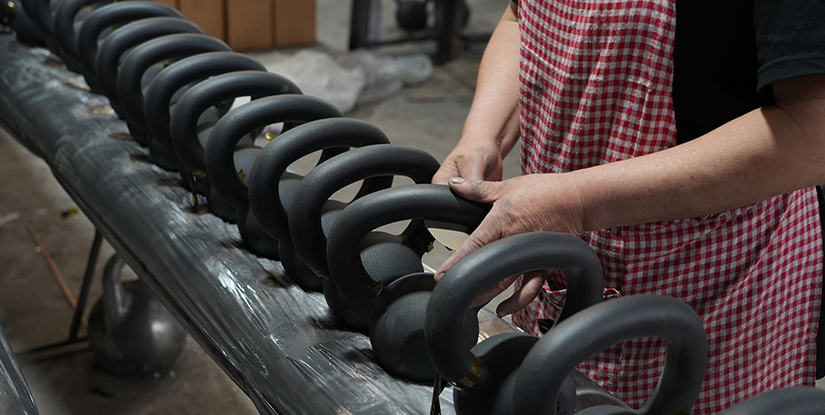
However, deep customization introduces specific variables into your procurement model. A China factory capable of high-level customization will typically require a higher MOQ to offset the costs of custom molds, specialized tooling, or unique powder-coating runs. Furthermore, these custom orders naturally extend your lead time, as the production cycle must now account for prototyping, sample approval, and specialized quality control protocols. For a professional buyer, understanding these trade-offs is essential to avoid disruptions in the supply chain.
Ultimately, the goal of professional sourcing is to balance these operational requirements with the long-term value of a proprietary product line. While a commercial kettlebell manufacturer providing standard goods can help you maintain rapid turnover, a partner who masters OEM requests enables you to build a premium brand identity that justifies higher margins and fosters long-term customer loyalty in the commercial fitness sector.
Optimizing Logistics: Export Packaging and Container Loading
When professional importers and distributors evaluate how to compare kettlebell suppliers in China, they must look beyond unit prices to the total landed cost. A low factory price is neutralized if inefficient container loading or inadequate export packaging results in high volumetric weight charges or transit damage. For high-volume commercial gym inventory, logistics efficiency directly determines your final distributor margins.
Effective sourcing requires a supplier who prioritizes sea freight efficiency through standardized palletization and reinforced outer cartons. High-quality damage prevention strategies—such as using heavy-duty corrugated boxes and moisture-proof liners—are essential for maintaining the integrity of cast iron or rubber-coated finishes during long-haul transit. By optimizing the density of each shipment, a reliable wholesale kettlebell supplier helps you minimize the cost per unit, ensuring your China factory direct kettlebells arrive in showroom condition without unexpected replacement expenses.
Strategic Packaging and Shipping Configurations
Selecting the correct logistics model is a critical component of how to compare kettlebell suppliers in China. For large-scale distributors, the choice between speed and cost-efficiency must align with warehouse capacity and seasonal demand. A professional commercial kettlebell manufacturer will provide distinct packaging tiers to protect the integrity of the cast iron or urethane coating while maximizing container density.
| Configuration Type | Packaging Specification | Typical Logistics Use Case | Primary Advantage |
|---|---|---|---|
| Standard Export | Single carton or small master carton; basic protective wrap | Small MOQ orders or air freight samples | Lower initial packaging cost |
| Reinforced Commercial | Heavy-duty corrugated boxes; reinforced corners; moisture-proof liners | Bulk sea freight for gym distributors | High durability and damage prevention |
| Palletized Bulk | Standardized pallet stacking; shrink wrap; edge protectors | Full container load (FCL) or LCL shipments | Optimized unloading and warehouse efficiency |
When calculating the total landed cost, consider the trade-offs between sea and air transport. Sea freight remains the industry standard for high-volume wholesale kettlebell supplier orders due to its significant cost advantages for heavy, dense iron products. However, for time-sensitive product launches or filling immediate stock gaps, air freight offers much shorter lead times despite the higher cost per kilogram. A capable China factory direct kettlebells provider will assist in calculating the most efficient volume-to-weight ratio to ensure your shipment maximizes every cubic meter of container space.
Beyond physical protection, professional procurement teams must evaluate how a supplier manages the complexities of international shipping documentation and transit timelines. Understanding how to compare kettlebell suppliers in China requires a deep dive into their ability to provide accurate shipping lead time estimates and manage the nuances of sea freight optimization. A wholesale kettlebell supplier that offers transparent tracking and rigorous palletization protocols reduces the risk of stockouts and unexpected warehouse delays, which are critical for maintaining consistent distributor margins.
Ultimately, the goal of any high-volume sourcing operation is to achieve the lowest possible total landed cost without compromising on product quality. This means selecting a commercial kettlebell manufacturer that can balance competitive wholesale pricing with high-density loading strategies. By prioritizing China factory direct kettlebells that are optimized for container volume, importers can ensure that their capital is invested in inventory rather than wasted on inefficient shipping space or high volumetric surcharges.
Analyzing Total Cost of Ownership and Wholesale Pricing Structures
Understanding how to compare kettlebell suppliers in China requires looking beyond the initial unit price to the total landed cost. For distributors and gym owners, a low per-unit price can quickly become a liability if shipping, customs, and unexpected logistics fees are not factored into the initial procurement budget.
When sourcing China factory direct kettlebells, the true cost of your inventory is a combination of the ex-works price, freight charges, import duties, and local handling fees. Failing to calculate the total cost of ownership (TCO) can lead to significant budget overruns that erode your distributor margins.
Comparing Procurement Models and Hidden Costs
To protect your ROI, you must evaluate the difference between purchasing from a trading company versus a commercial kettlebell manufacturer. A direct wholesale kettlebell supplier provides more transparency regarding the actual manufacturing costs, whereas third-party traders may add layers of markup and opaque service fees.
| Procurement Factor | Factory-Direct Sourcing | Trading Company / Agent |
|---|---|---|
| Unit Price | Lower (Direct from source) | Higher (Includes markup) |
| Customization (OEM/ODM) | High capability and control | Limited to existing stock |
| Logistics Transparency | High (Direct oversight) | Moderate (Third-party managed) |
| Total Landed Cost | Predictable with clear FOB/CIF | Variable due to service fees |
| MOQ Requirements | Standard factory levels | Often lower but higher unit cost |
Effective sourcing strategy involves requesting a detailed breakdown of the landed cost before finalizing any bulk order. This includes verifying the weight of the cargo for sea freight calculations, confirming the HS code for accurate customs/duties estimation, and ensuring the factory provides professional export packaging to prevent damage during transit.
The discrepancy between a low quote and a high-quality shipment often stems from a misunderstanding of how different entities manage the production and export process. For professional buyers, the decision of how to compare kettlebell suppliers in China is ultimately a decision on how to manage long-term capital expenditure versus operational reliability.
If you rely on a middleman, you might encounter lower MOQ thresholds, but you often sacrifice the ability to implement strict quality control or custom branding. Conversely, working directly with a commercial kettlebell manufacturer allows for tighter integration of your brand identity into the production line through OEM or ODM services, ensuring that every unit meets your specific commercial-grade durability standards.
Before finalizing your next procurement cycle, we recommend requesting a formal quote that includes a full technical spec sheet. A transparent supplier will be able to provide detailed dimensions, material density, and weight tolerance specifications. We suggest you also confirm the lead time for both standard stock and custom private label orders to ensure your inventory management remains efficient and your distribution timelines stay on track.
Durability and the Cost of Replacement Frequency
The long-term ROI of your fitness inventory is heavily dictated by material integrity and the frequency of replacement. A single procurement error—choosing a unit with poor casting or substandard coating—can lead to rapid degradation in high-traffic commercial environments. When you analyze how to compare kettlebell suppliers in China, you must prioritize the durability of the cast iron or steel construction to avoid the hidden costs of high replacement frequency.
Low-quality finishes often lead to premature oxidation or peeling, which increases maintenance costs and reduces the professional appearance of a facility. By partnering with a reliable commercial kettlebell manufacturer, you ensure that the product undergoes rigorous quality control (QC) protocols. This oversight guarantees that the weight tolerances remain consistent and the surface coatings can withstand heavy usage, effectively extending the lifecycle of your assets and protecting your initial capital expenditure.
A professional wholesale kettlebell supplier will provide detailed information regarding their metal purity and paint application processes. Investing in higher-grade materials may result in a slightly higher initial landed cost, but it significantly lowers the total cost of ownership by minimizing the need for frequent re-ordering and restocking. For large-scale distributors, this stability in product performance is essential for maintaining high margins and client satisfaction.