Vinyl Coated Kettlebell Pros and Cons: Leading OEM ODM
Evaluating the Commercial Utility of Vinyl Coated Kettlebells
When procurement leads evaluate the vinyl coated kettlebell pros and cons, they must look beyond basic aesthetics to assess long-term operational risks, material specifications, and logistical reliability. A successful deployment in a professional setting depends on whether the coating survives high-volume use without peeling or degrading, which directly impacts your replacement cycles and total cost of ownership. For distributors and gym owners, sourcing directly from a China factory ensures that these technical specifications meet international standards while maintaining competitive margins for wholesale distribution.
In a high-traffic gym environment, the choice of coating dictates the frequency of maintenance and the lifespan of the equipment. While cast iron provides density, vinyl-coated units offer a protective layer that reduces floor impact and protects the underlying core from oxidation. Understanding the vinyl coated kettlebell pros and cons allows importers to decide if this specific product line aligns with their target market, whether it be boutique studios requiring premium aesthetics or large-scale commercial facilities focused on high-throughput durability. Selecting a reliable gym equipment OEM manufacturer ensures that the coating adhesion and weight accuracy remain consistent across large bulk orders.
To make an informed procurement decision, buyers must weigh the material benefits against the specific operational requirements of their facility. The following comparison evaluates the technical trade-offs between vinyl and traditional cast iron or rubber-coated options to assist in your commercial vinyl kettlebell wholesale planning.
| Feature/Metric | Vinyl Coated Units | Cast Iron/Standard Rubber |
|---|---|---|
| Floor Protection | High; reduces impact vibration and noise | Moderate to Low; requires thick mats |
| Maintenance Load | Low; easy to wipe and sanitize | Moderate; prone to rust or surface wear |
| Durability Profile | High impact resistance; coating stability | Extreme density; high structural integrity |
| Visual Appeal | Premium; color-coded for branding | Industrial; standard dark finishes |
| Landed Cost Factor | Optimized for high-volume distribution | Variable based on weight/shipping density |
| Ideal Use Case | Boutique studios and high-end wellness | Heavy-duty strength and conditioning |
When analyzing the vinyl coated kettlebell pros and cons, the decision often rests on the total cost of ownership rather than the initial unit price. For example, while vinyl coating provides superior floor protection and reduces the need for constant maintenance, the quality of the application process at the factory level is critical to preventing premature peeling. For large-scale procurement, ensuring that your supplier utilizes high-grade, non-toxic polymers is essential for long-term durability. If you are evaluating your next shipment, we recommend requesting a sample to verify the coating adhesion strength and weight accuracy before confirming your MOQ.
To ensure long-term ROI and minimize replacement costs, professional buyers should prioritize partnerships with a capable gym equipment OEM manufacturer. A high-quality production line does more than just shape the iron; it manages the complex adhesion processes required for seamless coating. When you engage in custom branding, you are not just choosing a color, but also setting the standard for your brand's identity and perceived value in the market. A professional factory will provide detailed technical specifications to ensure that your private label products meet the rigorous demands of high-end boutique studios and premium wellness centers.
Reliability in the supply chain is as critical as the product itself. For distributors managing large-scale deployments, a strict quality control protocol is non-negotiable. This includes pre-shipment inspections to verify weight tolerances, coating thickness, and the absence of surface imperfections. When placing bulk orders, transparency regarding lead times and shipping logistics helps prevent inventory gaps in your warehouse. We suggest that procurement leads request a full factory audit and sample approval process to confirm that the finished goods align with your commercial durability requirements and your specific market positioning.
Durability and Maintenance Realities in High-Traffic Facilities
When procurement managers evaluate vinyl coated kettlebell pros and cons, the primary concern is long-term operational expenditure. In high-volume commercial environments, the integrity of the outer layer determines how often a facility must replace inventory. Sourcing directly from a China factory ensures that the coating thickness and material density meet the rigorous demands of professional strength training centers.
A high-quality coating provides essential high-traffic durability by absorbing impact and preventing the underlying cast iron from chipping or rusting. For distributors, understanding the vinyl coated kettlebell pros and cons is vital for managing client expectations regarding commercial usage longevity. A thin or low-grade coating will peel under heavy use, leading to increased maintenance costs and premature replacement cycles for the end-user.
To mitigate these risks, professional sourcing strategies should prioritize suppliers that adhere to strict China factory QC standards. This includes verifying the impact resistance of the polymer layer and ensuring uniform coating thickness across all weight increments. High-spec commercial vinyl kettlebell wholesale orders should ideally include technical data sheets that confirm the material's ability to withstand repeated drops and friction without degradation.
Maintenance and Operational Efficiency Comparison
For facility operators, the total cost of ownership (TCO) is driven by how much time and labor is required for upkeep. While cast iron or rubber options have different profiles, the vinyl coated kettlebell pros and cons often center on the ease of sanitation and surface protection. When managing commercial vinyl kettlebell wholesale procurement, selecting a high-grade polymer ensures that the equipment remains hygienic and visually consistent over several years of service.
The following table outlines the maintenance requirements and durability factors essential for professional decision-making. This comparison helps distributors and gym owners assess the long-term ROI and procurement efficiency when choosing between different coating technologies.
| Factor | High-Grade Vinyl Coating | Standard Powder Coating | Cast Iron (Uncoated) |
|---|---|---|---|
| Surface Protection | Superior; protects against moisture and impact | Moderate; susceptible to chipping | Low; prone to oxidation/rust |
| Cleaning Requirements | Minimal; wipeable with standard disinfectants | Moderate; requires careful handling of chips | High; requires rust prevention care |
| Floor Impact/Noise | High; reduces noise and surface wear | Medium; moderate impact sound | Low; high impact and noise levels |
| Maintenance Load | Low; ideal for high-turnover studios | Moderate; requires periodic inspection | High; constant oxidation monitoring |
| Visual Longevity | Excellent; color remains vibrant | Variable; can chip and show metal | Poor; aesthetic degradation over time |
When evaluating vinyl coated kettlebell pros and cons for large-scale deployments, consider that the higher initial investment in a premium coating often results in a lower long-term maintenance load. For those looking to optimize facility upkeep, sourcing from a reliable gym equipment OEM manufacturer allows for the customization of coating textures and colors, ensuring your brand identity remains intact while meeting strict commercial hygiene standards. We recommend requesting a sample approval and a detailed specification sheet to confirm the coating's durability before finalizing any bulk orders.
Optimizing Procurement Through Customization and OEM Solutions
For large-scale distributors and facility planners, the decision to move beyond standard stock items toward a gym equipment OEM manufacturer is often driven by the need for precise technical control. Relying on generic, off-the-shelf products can lead to unpredictable long-term maintenance costs if the coating specifications do not align with your specific environmental or branding requirements. By leveraging custom coating specifications, procurement professionals can dictate the exact polymer density, color saturation, and grip texture required for their target market.
Strategic professional sourcing involves more than just comparing unit prices; it requires a deep understanding of how a gym equipment OEM manufacturer can mitigate the vinyl coated kettlebell pros and cons through engineering. For instance, an ODM partner can adjust the internal casting density to ensure the weight remains stable even if the outer layer experiences high-frequency friction. This level of customization ensures that your bulk order reliability remains high, as every unit meets a unified, high-performance standard before it ever reaches your warehouse.
Ultimately, managing a professional facility requires a balance between upfront capital expenditure and long-term operational stability. To ensure your inventory remains an asset rather than a maintenance liability, we suggest contacting our team to discuss MOQ levels, request a formal technical specification sheet, or initiate a sample evaluation process to verify the durability of our custom-branded solutions.
Optimizing Inventory with Commercial Vinyl Kettlebell Wholesale
For distributors and large-scale gym operators, understanding the vinyl coated kettlebell pros and cons is essential for managing long-term warehouse overhead. When sourcing via commercial vinyl kettlebell wholesale channels, the primary advantage lies in the predictable physical profile of the units. Unlike irregular or highly textured cast iron, the smooth finish of high-quality vinyl facilitates easier stacking and more efficient weight distribution within storage racks. This streamlined profile directly impacts space-saving capabilities in high-density storage environments.
Efficient sourcing strategies must account for how product dimensions affect shipping volume and landed cost. Because vinyl-coated units maintain a consistent shape, logistics providers can optimize container loading patterns more effectively. When working with a reliable China factory, importers can better predict pallet dimensions, reducing the risk of wasted space during sea freight. This predictability is a critical factor in maximizing the ROI of every shipment.
| Procurement Factor | Standard Cast Iron | Vinyl Coated Units |
|---|---|---|
| Stacking Stability | Variable due to surface texture | High due to uniform surface |
| Inventory Density | Standard | Optimized for rack systems |
| Handling Speed | Requires more care for grip | Smooth and easy to maneuver |
| Storage Footprint | Standard | Consistent and predictable |
Ultimately, selecting the right gym equipment OEM manufacturer allows you to balance product variety with logistical efficiency. By choosing a factory that understands the nuances of export packaging, you ensure that your wholesale orders arrive with minimal damage, protecting your margins and ensuring your warehouse remains an efficient hub for distribution.
Effective inventory management requires a clear understanding of the vinyl coated kettlebell pros and cons regarding long-term storage and handling. For distributors, the ability to predict how much space a shipment will occupy is a direct driver of profitability. When you secure commercial vinyl kettlebell wholesale contracts, you are not just buying equipment; you are investing in a standardized product profile that simplifies the entire supply chain, from the initial container loading to the final warehouse shelf placement.
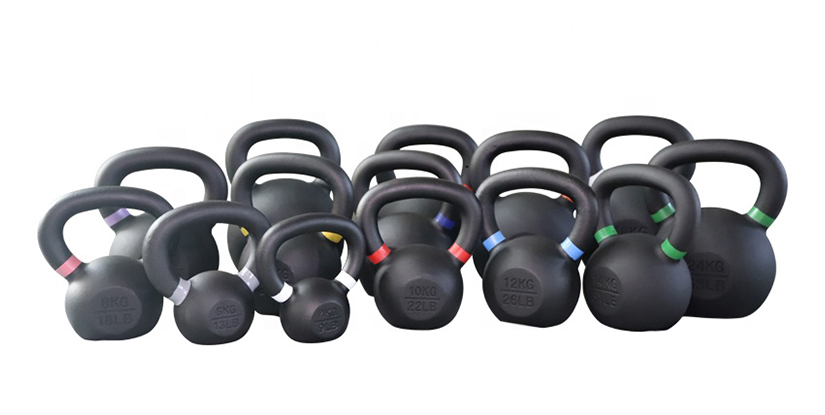
A professional gym equipment OEM manufacturer will often provide optimized packaging solutions to maximize your shipping density. Because the vinyl surface provides a consistent outer diameter, it reduces the volatility of pallet dimensions compared to raw or irregular cast iron. This consistency allows for more precise volume calculations, helping procurement leads minimize wasted space in sea freight and optimize the total landed cost per unit. To ensure your specifications meet these logistical needs, we recommend requesting a detailed spec sheet and discussing customized export packaging during the sample approval stage.
Effective inventory management requires a clear understanding of the vinyl coated kettlebell pros and cons regarding long-term storage and handling. For distributors, the ability to predict how much space a shipment will occupy is a direct driver of profitability. When you secure commercial vinyl kettlebell wholesale contracts, you are not just buying equipment; you are investing in a standardized product profile that simplifies the entire supply chain, from the initial container loading to the final warehouse shelf placement.
A professional gym equipment OEM manufacturer will often provide optimized packaging solutions to maximize your shipping density. Because the vinyl surface provides a consistent outer diameter, it reduces the volatility of pallet dimensions compared to raw or irregular cast iron. This consistency allows for more precise volume calculations, helping procurement leads minimize wasted space in sea freight and optimize the total landed cost per unit. To ensure your specifications meet these logistical needs, we recommend requesting a detailed spec sheet and discussing customized export packaging during the sample approval stage.
Sourcing Standards for Gym Equipment OEM Manufacturer Capabilities
When procurement professionals evaluate the vinyl coated kettlebell pros and cons, the decision often hinges on the consistency of the manufacturing process. For distributors and large-scale gym operators, the value lies not just in the aesthetic appeal, but in the technical reliability of the coating adhesion and the uniformity of the weight distribution. A professional gym equipment OEM manufacturer must provide more than just a finished product; they must provide a standardized production protocol that ensures every unit in a bulk shipment meets the same rigorous specifications.
Reliability in a high-traffic facility depends heavily on material thickness and application precision. If the vinyl layer is too thin or inconsistently applied, it leads to premature peeling, which increases maintenance costs and shortens the product lifecycle. For those managing large-scale commercial vinyl kettlebell wholesale orders, verifying the factory's ability to maintain strict tolerances is essential for protecting your long-term margins and ensuring high user satisfaction.
Technical Specifications and Quality Control Standards
To mitigate the risks associated with low-quality imports, buyers should prioritize a factory that implements multi-stage testing. Quality control must extend beyond simple visual inspections to include adhesion tests and thickness verification. This ensures the coating can withstand the mechanical stress of heavy commercial use without degrading.
A professional supplier will typically offer detailed spec sheets that outline the exact material composition and the coating process used. This transparency allows importers to calculate the total cost of ownership more accurately, accounting for potential replacement cycles and durability in different environmental conditions.
Comparison of Sourcing and Customization Models
For distributors and importers, choosing between standard stock and customized production determines both your initial capital expenditure and your long-term market positioning. While stock orders offer faster turnaround, leveraging OEM or ODM capabilities allows for a more distinctive product line that aligns with specific regional or brand requirements. The following table outlines the technical and logistical differences between these procurement paths to assist in your decision-making process.
| Sourcing Model | Typical MOQ | Lead Time | Customization Scope | Primary Advantage |
|---|---|---|---|---|
| Standard Stock Order | Lower/Tiered | Short (15-30 Days) | Limited to standard colors | Rapid inventory replenishment |
| Custom OEM Production | Higher | Moderate (45-60 Days) | Logo, specific colors, handle texture | Stronger brand identity and differentiation |
| Full ODM Development | Highest | Long (90+ Days) | Complete structural and material specs | Unique market entry and proprietary design |
When calculating your landed cost, it is vital to consider how these models impact your shipping efficiency. A factory specializing in high-volume output can often optimize container loading patterns, whether you are ordering standard SKUs or custom-dimensioned units. For large-scale deployments, a structured approach to sourcing—including early sample approval and rigorous pre-shipment inspections—is the most effective way to ensure that the final batch meets the high-traffic demands of a commercial facility.
Logistics and Export Optimization for Large-Scale Orders
Effective logistics management is a critical component of the procurement process when evaluating the vinyl coated kettlebell pros and cons. For international distributors, the cost of a product is not merely the unit price, but the total landed cost, which includes shipping efficiency and the integrity of the arrival condition. A professional gym equipment OEM manufacturer understands that high-density loading and robust protection are necessary to prevent any damage to the vinyl surface during long-haul ocean freight. This level of attention to detail ensures that the high-quality finish you expect arrives at your warehouse without scuffs or compression marks.

To streamline the import process, specialized export packaging protocols are implemented to maximize container utilization. Whether you are managing a small boutique studio replenishment or a large-scale commercial vinyl kettlebell wholesale contract, the goal is to balance volume efficiency with product safety. By utilizing standardized, reinforced cartons and optimized palletization, a reliable factory can reduce the dimensional weight costs that often inflate the final invoice for overseas buyers.
For buyers looking to scale their product lines, we recommend initiating a discussion regarding bulk pricing and specific MOQ requirements during the initial inquiry stage. This allows for better planning of your supply chain and ensures that your lead times align with your facility deployment or retail launch schedules. To move forward with your procurement planning, please contact our team to request a detailed spec sheet, confirm current MOQ levels, or schedule a formal factory audit.
Optimizing Landed Cost and Export Packaging Logistics
For professional importers and distributors, understanding the vinyl coated kettlebell pros and cons extends beyond physical durability to the complexities of global supply chain management. When sourcing high-volume orders, the total landed cost—which includes the factory price, international freight, duties, and local handling—is heavily dictated by the efficiency of the export packaging and container loading protocols used by your China factory.
Inefficient shipping configurations can rapidly erode distributor margins. Because vinyl-coated units are often heavier and have specific volume profiles compared to standard cast iron, optimizing shipping density is critical. A professional gym equipment OEM manufacturer will implement strategic weight distribution within sea containers to prevent crushing and ensure stability. By prioritizing volume efficiency through customized carton dimensions and reinforced palletizing, a supplier can minimize wasted space, effectively lowering the per-unit freight cost for bulk orders.
Comparison of Packaging Specifications for Wholesale and Retail
To effectively manage your procurement budget, it is essential to differentiate between standard consumer-grade packaging and professional-grade logistics. While retail packaging focuses on shelf aesthetics, B2B sourcing requires a focus on structural integrity and volumetric efficiency. Choosing the correct configuration helps a distributor minimize damage claims and optimize the landed cost of commercial vinyl kettlebell wholesale shipments.
| Packaging Metric | Standard Retail Packaging | Professional B2B/OEM Export Packaging |
|---|---|---|
| Primary Focus | Shelf appeal and consumer unboxing | Structural protection and container density |
| Box Construction | Single-wall corrugated cardboard | Double or triple-wall reinforced corrugated box |
| Internal Protection | Minimal or lightweight padding | Custom dividers and high-density foam inserts |
| Volume/Weight Ratio | High wasted space; lower density | Optimized for maximum container loading efficiency |
| Palletization | Often loose or light-duty stacking | Heavy-duty palletized with shrink wrap and edge protectors |
| Suitability | Small individual orders or e-commerce | High-volume wholesale and sea freight |
When evaluating the vinyl coated kettlebell pros and cons from a logistics perspective, the choice of packaging directly impacts your ability to scale. A specialized gym equipment OEM manufacturer provides tailored solutions that allow for more units per 20ft or 40ft container. We recommend confirming specific carton dimensions and pallet heights during the initial sourcing phase to ensure your warehouse receiving protocols and freight calculations are precise. Contact us to request a detailed specification sheet or to discuss customized OEM packaging requirements for your next shipment.
Strategic Customization: OEM/ODM and Container Utilization
Beyond basic shipping, high-level procurement involves leveraging OEM and ODM capabilities to refine the product footprint. A sophisticated gym equipment OEM manufacturer does not merely produce a unit; they engineer the product and its packaging to meet specific market-driven volume requirements. For instance, when assessing the vinyl coated kettlebell pros and cons, a buyer must consider how custom handle dimensions or slightly modified diameters can influence how tightly units can be nested or stacked within a shipping carton.
Working directly with a China factory allows you to move beyond standard stock options and implement custom branding or specialized weight sets that are optimized for high-density loading. This level of customization is essential for managing the MOQ effectively. By aligning your custom branding requirements with optimized container loading protocols, you reduce the frequency of shipments and lower the overhead of international logistics. We invite professional buyers to reach out to discuss how our specialized OEM services can help you optimize both your product identity and your long-term logistics efficiency.
Strategic Procurement for Global Distributors
Understanding the vinyl coated kettlebell pros and cons is essential for distributors looking to optimize their product mix and maximize distributor margin. For high-volume importers, the decision to source from a China factory involves balancing the aesthetic appeal and surface protection of vinyl against long-term durability requirements in high-traffic environments.
When evaluating commercial utility, the vinyl coating offers a distinct advantage in floor protection and noise reduction, which can be a significant selling point for boutique studios and hotel gyms. However, procurement specialists must also account for potential coating degradation under extreme mechanical stress. By establishing a direct sourcing relationship with a specialized supplier, distributors can better manage the landed cost and ensure the product specifications align with the expectations of premium commercial clients.
To maintain a competitive edge, professional buyers should look beyond the surface and evaluate the underlying casting quality and the consistency of the wholesale application process. Selecting the right commercial vinyl kettlebell wholesale partner ensures that your inventory remains a high-value asset rather than a maintenance liability.
| Procurement Model | Primary Benefit | Typical MOQ | Supply Chain Focus |
|---|---|---|---|
| Factory-Direct Sourcing | Lowest landed cost and highest margin potential | High | Direct communication with production line |
| Trading Company | Simplified logistics and smaller order volumes | Low | Service-oriented procurement and consolidated shipping |
| OEM/ODM Partnership | Full control over brand identity and custom specs | Medium to High | Strict quality control and custom branding |
Choosing between a direct gym equipment OEM manufacturer and a local trading company often dictates your long-term scalability. While trading companies offer ease of access for smaller initial orders, working directly with a specialized factory provides the transparency required for large-scale deployments. For distributors aiming to build a proprietary product line, leveraging OEM or ODM capabilities is the most effective way to differentiate your catalog through custom colorways and specific weight increments.
Before finalizing any bulk purchase, professional buyers should request a detailed technical spec sheet and confirm the specific MOQ for custom-branded runs. To mitigate risk, we recommend conducting a pre-shipment inspection or a factory audit to verify the consistency of the vinyl application and the density of the iron core. Validating these production standards early ensures that your total cost of ownership remains low and your client satisfaction remains high.