How to Import Kettlebells from China: Top China Factory
How to Import Kettlebells from China: The Strategic Sourcing Framework
For a regional fitness distributor or a high-volume studio operator, the difference between a profitable quarter and a logistical bottleneck lies in the structural integrity of the supply chain. When deciding how to import kettlebells from China, professional buyers must move beyond simple unit pricing to evaluate total landed costs and long-term supply chain stability. Rely true to the requirements of large-scale deployment, a structured approach ensures that every container shipment meets strict commercial standards while protecting your distributor margins.
Relying on unverified sources often leads to inconsistent weight tolerances or coating failures, which can damage your brand reputation and increase replacement costs. Implementing professional procurement protocols—such as rigorous pre-shipment inspections and verified wholesale volume agreements—is essential for risk mitigation. By establishing a direct relationship with a reliable China factory, you optimize wholesale efficiency and ensure that your inventory remains consistent with the high-performance expectations of commercial end-users.
Direct Manufacturer vs. Trading Company: Impact on Margins and Customization
A critical decision in the procurement process involves choosing between a direct manufacturer and a trading company. While traders can offer a broader product catalog, they often introduce an additional layer of markup that compresses your potential wholesale margins. For distributors seeking to maximize their ROI, sourcing directly from a China factory typically offers superior cost control and more direct communication regarding production timelines.
Furthermore, if your business model relies on private label expansion, the choice of partner becomes even more vital. A commercial kettlebell supplier with in-house production capabilities can provide much deeper customization capability compared to a trader who merely resells existing stock. This allows you to implement specific branding, unique weight increments, or specialized handle textures that differentiate your product line in a competitive market.
| Procurement Dimension | Direct Factory Sourcing | Trading Company Sourcing |
|---|---|---|
| Unit Cost Efficiency | Optimized for high-volume wholesale | Includes service and markup premiums |
| OEM & ODM Support | High; direct control over technical specs | Limited to existing product catalogs |
| MOQ Flexibility | Negotiable based on production lines | Often dictated by stock availability |
| Quality Oversight | Direct access to factory QC protocols | Dependent on third-party verification |
| Custom Branding | Seamless integration of private label | Often restricted by supplier constraints |
When evaluating how to import kettlebells from China, consider that the direct manufacturer model provides the highest level of transparency for sourcing specialized equipment. While a trading company may simplify initial communications, the long-term advantages of working with a China factory OEM include better MOQ management and more reliable lead time forecasting for large-scale commercial deployments.
Quality Control and Logistics Checkpoints for High-Volume Orders
Maintaining product consistency across multiple containers is a significant challenge for international importers. When you master how to import kettlebells from China, you must implement a rigorous oversight framework that addresses both physical product specifications and logistical durability. For a professional commercial kettlebell supplier, quality is not just about the final appearance, but the precision of the internal density and the reliability of the external coating under heavy use.
The most critical failure point in bulk procurement is weight accuracy. Discrepancies in weight can lead to significant financial losses and legal disputes during customs or upon arrival at your warehouse. To prevent this, professional buyers should mandate a formal pre-shipment inspection that verifies the weight of every SKU within a specific tolerance range. A reliable China factory OEM will provide documented test results for each batch to ensure that the cast iron or steel components meet the exact specifications required for your commercial-grade inventory.
Beyond the product itself, export packaging is a vital component of the total landed cost equation. High-density iron products require specialized palletization and reinforced cartons to withstand the rigors of ocean freight and multi-modal transport. Failure to optimize export packaging can result in damaged surfaces, chipped paint, or even broken pallets, which directly impacts your distributor margins. We recommend coordinating with your wholesale kettlebells partner to confirm that all shipping materials meet international maritime standards for heavy-duty weight distribution.
Finally, effective sourcing requires a clear understanding of how lead time and shipping logistics interact. A well-managed production schedule, combined with a clear understanding of the factory production cycles, allows you to plan your stock levels without the risk of unexpected stockouts. Before finalizing any large-scale purchase, always request a detailed technical spec sheet, confirm the specific MOQ for your custom requirements, and schedule a formal factory audit or third-party inspection to ensure your investment is protected.
Evaluating Material Integrity and Commercial Durability Standards
Understanding how to import kettlebells from China requires a deep dive into the relationship between material grade and long-term operational expenditure. For professional importers and distributors, the initial unit price is secondary to the total cost of ownership (TCO). Selecting a commercial kettlebell supplier that prioritizes high-density casting and surface coating integrity ensures that your inventory can withstand the rigors of high-traffic gym environments without premature degradation or weight fluctuations.
When sourcing wholesale kettlebells, procurement professionals must distinguish between consumer-grade finishes and industrial-grade coatings. Inferior paint or thin powder coating may lead to chipping and oxidation, necessitating frequent replacements and increasing maintenance costs. By auditing the China factory production standards for thickness and adhesion, buyers can mitigate the risk of high turnover rates in their client facilities.
| Material/Finish Type | Durability Profile | Typical Commercial Application | Maintenance Requirement |
|---|---|---|---|
| Cast Iron with Powder Coating | High impact resistance and chip prevention | High-traffic strength and conditioning zones | Minimal; periodic wipe-down |
| Cast Iron with Neoprene Skin | High grip stability; softer impact | Studio settings and boutique fitness | Moderate; monitor for skin tearing |
| Competition Grade Steel | Maximum density and precision weight | Professional training and strength sports | Low; requires strict environmental control |
A reliable China factory will provide transparency regarding the metallurgical composition of their products. For large-scale deployments, the goal is to achieve a balance between a competitive landed cost and a product that maintains its structural integrity under heavy use. Investing in premium wholesale kettlebells with superior material density reduces the long-term replacement frequency, effectively lowering the TCO for your end-users and increasing your reputation as a high-quality supplier.
Material Specifications for Professional Procurement
The decision on material selection directly impacts your inventory turnover and brand reputation. When you research how to import kettlebells from China, you must evaluate how different surface finishes affect the longevity of the unit. For instance, a high-quality China factory OEM process will ensure that powder coating is not just an aesthetic layer but a thick, impact-resistant shield that prevents oxidation in humid gym environments. This level of detail is critical for maintaining a low replacement rate across your distribution network.
For distributors focusing on high-end studio equipment, specialized finishes like neoprene or high-grade vinyl can offer a premium feel, but they require a supplier who can guarantee consistent skin adhesion. Conversely, for heavy-duty strength and conditioning facilities, solid cast iron remains the industry standard due to its extreme durability and predictable weight consistency. Before finalizing any bulk order, we recommend requesting a technical specification sheet to verify the metallurgical standards and coating thickness used in the manufacturing process.
The Role of Precision and Pre-Shipment Inspection
Reliability in commercial settings is often determined by weight tolerance and precision. A professional China factory OEM setup should maintain strict control over casting molds to prevent weight variances that can disrupt professional training. For distributors, even a slight deviation from the labeled weight across a large shipment can lead to significant disputes or dissatisfaction from end-users. Therefore, when you are learning how to import kettlebells from China, you must ensure the manufacturer utilizes calibrated testing equipment to verify that every unit within your bulk order meets the specified weight tolerances.
Beyond weight accuracy, a rigorous quality control process must include a thorough pre-shipment inspection. This stage is vital for verifying surface coating durability and structural integrity before the goods leave the warehouse. A high-tier commercial kettlebell supplier will offer transparent documentation or allow for third-party audits to confirm that the products can handle high-impact usage without surface failure. By prioritizing these technical checkpoints, importers can achieve better landed cost optimization through the reduction of defective returns and replacement claims, ultimately protecting their profit margins and long-term brand reputation.
Optimizing SKU Breadth and Inventory Management via China Factory OEM
Distributors often face the dilemma of limited capital versus the need for a diverse product catalog. Relying on standard stock models can restrict your ability to cater to niche professional markets. By leveraging a China factory OEM partnership, importers can significantly expand their SKU breadth without the prohibitive costs of independent production. This strategic approach allows you to offer a specialized range of weights, materials, and finishes that meet specific commercial demands.
Effective inventory management is critical for maintaining healthy cash flow in the fitness equipment sector. Instead of overstocking generic items, working with a professional commercial kettlebell supplier enables you to align your orders with actual market demand. Utilizing wholesale kettlebells sourced through customized production cycles helps reduce the risk of dead stock while ensuring your warehouse remains stocked with high-demand, high-margin units.
Furthermore, customization serves as a powerful tool for market differentiation. Rather than competing solely on price, distributors can implement private label solutions to build brand equity. Whether it is a specific powder coating color or a unique handle texture, a direct factory relationship provides the flexibility to create a signature product line that stands out in a crowded commercial landscape.
Evaluating Sourcing Models for Scaling Operations
To maximize profitability, procurement leads must decide between the speed of off-the-shelf availability and the high margins of customized production. Understanding how to navigate these two paths is essential for anyone researching how to import kettlebells from China effectively. The following comparison outlines the structural differences in capital requirements, branding, and scale between standard purchasing and customized manufacturing.
| Feature | Standard Wholesale Sourcing | OEM/ODM Customization |
|---|---|---|
| SKU Variety | Limited to factory standard weights | Full control over weight increments and colors |
| Branding | Generic or factory-branded | Full private label and custom logo integration |
| MOQ | Lower requirements for ready-to-ship stock | Higher volume requirements per specification |
| Customization Level | Minimal (standard packaging only) | High (material, texture, and color control) |
| Lead Time | Short; based on existing inventory | Longer; includes production and QC cycles |
| Profit Margin Potential | Moderate; high competition | High; creates unique market positioning |
Choosing the right model depends on your current warehouse capacity and long-term growth objectives. While standard orders offer faster turnaround for immediate replenishment, a dedicated China factory partnership via OEM or ODM services allows for the development of a proprietary product line. This transition from a simple importer to a specialized brand owner is a key step in optimizing your landed cost and long-term distributor value.
Strategic procurement requires a deep understanding of how order volume directly influences your bottom line. When professionals study how to import kettlebells from China, they must account for the interplay between logistics and capital efficiency. A failure to balance these variables often results in excessive storage costs or, conversely, missed sales opportunities due to stockouts.
Balancing MOQ, Lead Time, and Landed Cost
The relationship between MOQ and your total landed cost is a primary driver of distributor profitability. While smaller, frequent orders may seem to reduce risk, they often increase the per-unit cost through higher shipping premiums and diminished economies of scale. Conversely, high-volume bulk orders can lower the unit price significantly but require greater upfront capital and more substantial warehouse space.
Managing lead time is equally vital for maintaining supply chain stability. A reliable supplier will provide predictable production schedules, allowing you to time your shipments to coincide with seasonal demand or warehouse capacity availability. By optimizing the timing of your orders, you can improve warehouse efficiency, ensuring that your inventory turnover remains high and your capital is not unnecessarily tied up in slow-moving stock. For many successful distributors, the goal is to find the "sweet spot" where the volume discount from the factory offsets the extended duration of the production and transit cycle.
Custom Branding and Private Label Capabilities for Global Distributors
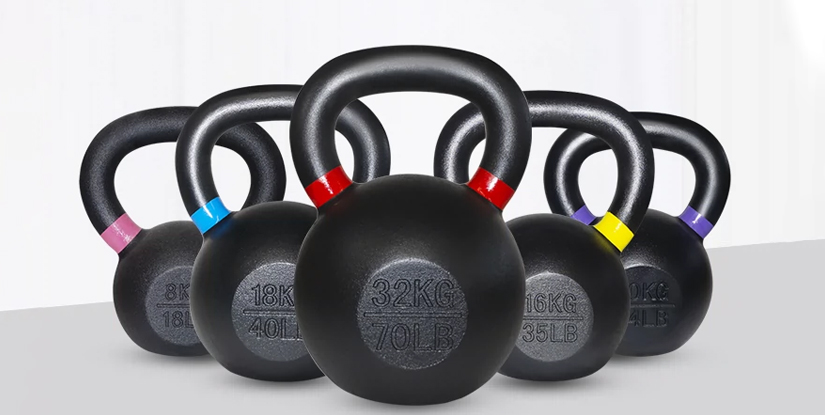
Establishing a distinct brand identity is a critical requirement for distributors seeking to move beyond generic commodity trading. When you learn how to import kettlebells from China, you quickly realize that high-margin success depends on more than just low unit costs; it requires the ability to offer specialized, branded solutions to your local fitness clients. By leveraging China factory capabilities, importers can transition from a simple reseller to a recognized equipment provider.
Utilizing OEM and ODM services allows you to implement private label strategies that drive long-term differentiation in crowded markets. Whether you need custom color schemes, laser-etched logos, or unique handle textures, a professional commercial kettlebell supplier can execute these specifications to match your market positioning. This level of customization ensures that your inventory carries your professional mark, increasing perceived value and strengthening customer loyalty across your distribution network.
Advanced Customization Options for Professional Series
To maintain a competitive edge, distributors often require more than standard stock units. A high-tier China factory provides the technical infrastructure to customize various physical attributes of the product. This includes selecting specific material finishes, such as powder coating for cast iron or high-density urethane coatings for premium commercial environments. You can also specify handle textures—ranging from smooth finishes to aggressive knurling patterns—to meet the ergonomic requirements of high-performance training facilities.
Logo application is another critical component of the OEM process. Depending on your budget and the desired durability, manufacturers can offer various methods such as sandblasting, laser etching, or high-durability silk screening. These techniques ensure that your branding remains intact even under the heavy wear and tear typical of commercial gym use, protecting your brand equity during long-term deployment.
Sourcing Model Comparison for Bulk Procurement
Understanding which procurement model fits your current scale is essential for managing your landed cost and inventory turnover. When you research how to import kettlebells from China, you must evaluate the trade-offs between speed and customization depth. The following table outlines the three primary sourcing paths available to international buyers.
| Sourcing Model | Customization Depth | Typical MOQ | Best For |
|---|---|---|---|
| Stock Order | None (Standardized colors/specs) | Low to Medium | Rapid replenishment and testing market demand |
| OEM (Original Equipment Manufacturer) | High (Custom logos, colors, and textures) | Medium to High | Building a dedicated private label brand identity |
| ODM (Original Design Manufacturer) | Full (Custom mold shapes and structural design) | Very High | Developing proprietary, unique fitness equipment lines |
Selecting the right model depends on your long-term strategy. For distributors focused on high-volume wholesale kettlebells, moving from stock orders to full China factory OEM production is a common way to increase profit margins and establish market authority. We recommend requesting a detailed spec sheet and a sample evaluation to confirm that the factory's customization capabilities align with your quality standards before committing to a large-scale production run.
Managing the Impact of Customization on Procurement Timelines
While deep customization enhances your market position, it also directly influences your logistical planning. Professional buyers must account for how specific OEM or ODM requests affect the overall lead time. Standardized production runs can be fulfilled relatively quickly, but specialized orders involving custom molds, unique color coatings, or precision laser-etched branding often require additional preparation and quality testing phases. Neglecting to factor in these extended windows can lead to stockouts and disrupted distribution schedules.
Furthermore, highly customized specifications can impact the total landed cost of your shipment. Beyond the base unit price, factors such as specialized export packaging for premium finishes or specific labeling requirements can shift your final procurement budget. When evaluating how to import kettlebells from China, we suggest calculating the total cost per unit including all customization surcharges and freight adjustments. This ensures your wholesale pricing remains competitive while maintaining the high-quality standards required for commercial-grade equipment deployment.
Managing Lead Times and MOQ Requirements for Bulk Orders
Understanding the logistics of how to import kettlebells from China requires a clear grasp of how order volume dictates both production speed and minimum entry thresholds. For professional distributors, managing the balance between wholesale kettlebells inventory levels and China factory production cycles is essential to maintaining consistent stock availability and healthy distributor margins.
A common procurement challenge involves the direct correlation between the complexity of the China factory OEM request and the final lead time. Standardized cast iron or rubber-coated models typically offer shorter production cycles, whereas bulk orders involving custom colors, specialized handle textures, or unique branding requirements will necessitate a longer MOQ buffer and extended manufacturing windows. To avoid stockouts or excessive landed costs, professional buyers should align their sourcing schedules with seasonal demand shifts and factory capacity cycles.
Comparing Sourcing Models: Stock vs. Custom Production
When planning your procurement, choosing between immediate stock availability and customized production is a strategic decision that affects your capital expenditure and inventory turnover. A professional commercial kettlebell supplier will typically offer two distinct pathways: purchasing ready-to-ship existing inventory or initiating a full customization process. While stock orders allow for rapid replenishment, customized orders provide the ability to build a unique brand identity through specific weight increments, colorways, or proprietary handle designs.
| Sourcing Model | Lead Time | MOQ | Customization Level | Best For |
|---|---|---|---|---|
| Standard Stock | Short (14-30 days) | Lower | Minimal (Standard Colors/Weights) | Rapid replenishment and testing market demand |
| China factory OEM | Extended (45-75+ days) | Higher | High (Colors, Logos, Custom Weights) | Brand building and long-term distribution |
| Private Label | Moderate to Long | Specific to SKU | Full (Packaging and Branding) | Established distributors with set brand specs |
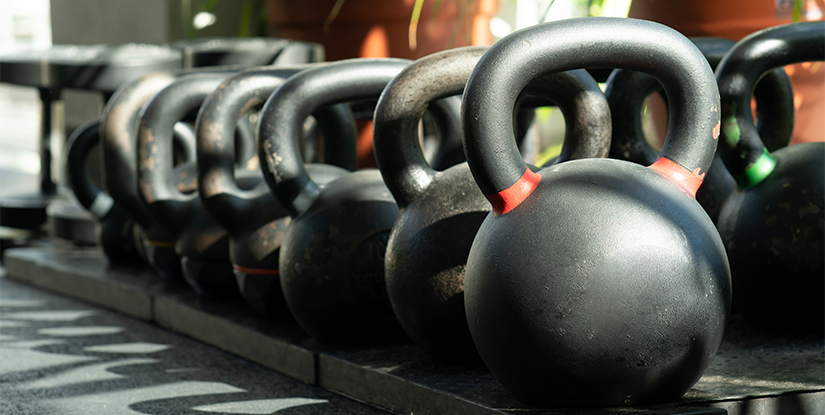
To optimize your sourcing strategy, we recommend a hybrid approach: maintain a baseline of standardized wholesale kettlebells for immediate availability while scheduling OEM production cycles well in advance. This minimizes the risk of high landed costs caused by urgent air freight and ensures your warehouse remains stocked with high-margin, branded units during peak demand periods. Always confirm the exact MOQ and production timeline for any custom specification before finalizing your purchase order to ensure alignment with your local distribution schedules.
Impact of Custom Branding on Logistics and Landed Cost
Integrating custom branding into your procurement workflow introduces specific variables that affect the total landed cost. While adding a logo or custom colors enhances your brand identity, these modifications require additional steps in the manufacturing process, such as specialized painting, powder coating, or laser engraving. For a professional importer, failing to account for these nuances can lead to unexpected production delays and disrupted supply chains.
The complexity of a China factory OEM request directly influences the final price and shipping schedule. For instance, a standard cast iron kettlebell follows a streamlined production path, whereas a unit with a custom color finish requires an extra curing stage. To maintain a competitive edge, professional buyers should integrate these custom requirements into their long-term sourcing strategy. By planning for these variables, you can better manage your inventory turnover and ensure that your wholesale shipments arrive in time to meet market demand without incurring high expedited shipping fees.
Quality Control Protocols and Export Packaging Standards
Managing the landed cost of heavy iron goods requires strict oversight of the manufacturing output. When you learn how to import kettlebells from China, you must prioritize a China factory that implements rigorous pre-shipment inspections. Without standardized quality control, importers face the risk of receiving batches with inconsistent weight tolerances or uneven surface finishes, which can damage your professional reputation and distributor margins.
To protect your investment during long-distance sea freight, professional wholesale kettlebells procurement requires specialized export-grade packaging. A reliable commercial kettlebell supplier will utilize reinforced cartons and heavy-duty pallets to prevent impact damage and rust. By verifying weight precision and coating uniformity before the container is sealed, you ensure that your China factory OEM order arrives at your warehouse meeting all commercial-grade specifications, thereby reducing the total cost of ownership and replacement planning overhead.
Export Packaging and Protection Standards by Product Type
Different kettlebell materials demand specific protection protocols to minimize damage during transit. A professional supplier must align packaging strength with the material density to prevent surface degradation or structural failure. For example, cast iron requires moisture-control measures to prevent oxidation, while rubberized surfaces require protection against abrasive friction. Understanding these nuances is essential for optimizing your landed cost and ensuring product integrity upon arrival.
| Kettlebell Type | Standard Packaging (Domestic) | Export-Grade Packaging (B2B) | Protection Layers & Palletization |
|---|---|---|---|
| Cast Iron | Single box or loose wrap | Reinforced heavy-duty cartons | Rust-preventative VCI film and moisture-absorbing silica packets |
| Competition (Steel) | Standard single box | Double-wall corrugated boxes | Protective foam padding for handles and high-density cardboard dividers |
| Rubber Coated | Standard single box | Impact-resistant reinforced cartons | Non-abrasive sleeve layers to prevent coating scuffs and heavy-duty pallet strapping |
When finalizing your sourcing plan, request a detailed packaging specification sheet from your manufacturer. A high-tier China factory should be able to provide details on carton thickness, pallet dimensions, and loading volume efficiency. Verifying these standards before the container is loaded allows you to better calculate container utilization and manage your warehouse space effectively.
Optimizing Container Loading and Sea Freight Stability
Maximizing container utilization is a critical step in the process of how to import kettlebells from China effectively. Because kettlebells are high-density, heavy-weight items, improper loading can lead to shifting during sea freight, which causes both physical damage and structural instability within the container. A professional China factory OEM partner will not only provide the products but also offer optimized loading plans to ensure maximum volume efficiency without compromising safety.
To reduce your landed cost, work with a commercial kettlebell supplier that understands the physics of heavy-load transport. This includes using high-strength palletization and precision weight distribution to stabilize the load against the rhythmic motion of ocean transit. By confirming the exact dimensions of the reinforced cartons and the weight-bearing capacity of the pallets during the sourcing phase, you can accurately predict your shipping costs and ensure that your bulk order arrives in a condition that preserves your distributor margins and minimizes the need for costly replacements.
Finalizing Your Procurement: From Sample Approval to Container Loading
Successfully navigating how to import kettlebells from China requires moving beyond the initial negotiation phase into rigorous technical verification. Once your sample approval is secured, the focus must shift immediately to ensuring that the mass production output maintains identical specifications to the approved prototype. Relying solely on a single sample without a structured verification plan introduces significant risk to your landed cost and product consistency.
To mitigate these risks, professional buyers implement strict QC protocols throughout the manufacturing cycle. A reliable commercial kettlebell supplier will provide transparent documentation regarding their quality standards and material testing. It is standard practice to schedule a formal pre-shipment inspection at the China factory before the final balance payment is released. This step ensures that every unit in your wholesale kettlebells order meets your specific weight tolerances and coating requirements, preventing costly returns or distributor disputes due to batch variations.
Managing the lead time effectively is equally critical for maintaining your inventory turnover. You should confirm the exact production schedule and shipping window during the China factory OEM setup phase. This proactive approach allows you to coordinate with freight forwarders and optimize container loading, ensuring your sourcing process results in a seamless transition from the production line to your warehouse or client's facility.
Optimizing Export Packaging and Sea Freight Logistics
Effective logistics management determines the true efficiency of your procurement. When executing how to import kettlebells from China, the final stage of the supply chain—packaging and loading—can significantly impact your total landed cost. High-density iron or steel products require specialized export packaging to prevent surface oxidation and structural damage during long-distance sea freight. A professional supplier will utilize reinforced cartons and moisture-absorbent materials to ensure the integrity of your wholesale kettlebells upon arrival at the destination port.
To maximize your ROI, you must prioritize volume optimization during the container loading phase. Since kettlebells are heavy, high-density items, the limiting factor is often weight rather than volume. Working closely with your China factory to coordinate the exact dimensions of pallets and carton configurations allows for more efficient container utilization. Whether you are ordering a 20ft or 40ft container, optimizing the load density reduces the per-unit shipping expense, directly improving your distributor margins and overall competitiveness in the North American market.
Comparison of Procurement Models: Stock vs. OEM
Choosing between immediate inventory availability and long-term brand building is a foundational decision in how to import kettlebells from China. Most professional importers must decide whether the speed of a standard stock order outweighs the higher margins and brand equity found in a customized production run. Understanding these two distinct paths allows you to align your procurement strategy with your current warehouse capacity and long-term market positioning.
| Procurement Dimension | Standard Stock Orders | Customized OEM Orders |
|---|---|---|
| Primary Goal | Rapid inventory replenishment | Brand differentiation and identity |
| MOQ Requirements | Typically lower or pallet-based | Higher volume per SKU required |
| Customization Level | Standard colors and weight sets | Full private label and custom specs |
| Lead Time | Short (ready to ship) | Longer (production + customization) |
| Branding Options | Generic or factory-standard | Full custom branding and logos |
| Unit Cost Impact | Lower initial capital outlay | Higher volume discounts via scale |
A standard stock order is an efficient way to test market demand without heavy capital commitment, making it a preferred method for smaller distributors. However, for those looking to establish a dominant market presence, leveraging China factory OEM capabilities is the superior strategy. While the MOQ and lead time are naturally higher for customized units, the ability to control every aspect of the product—from the specific grip texture to the precision of the weight increments—allows you to build a premium brand identity that commands higher retail margins and fosters long-term customer loyalty.