How Many Kettlebells Does a Gym Need: Leading OEM ODM
How Many Kettlebells Does a Gym Need: Sourcing Strategy for Bulk Orders
Determining how many kettlebells does a gym need depends on your specific facility type, member density, and training intensity. Professional buyers must balance inventory depth with weight coverage to ensure high turnover and durability, often opting for direct wholesale procurement to maximize ROI and equipment lifespan.
For boutique studios or high-end personal training centers, a curated selection of premium weights is often sufficient. However, large-scale commercial fitness centers require a much broader spectrum of weights to prevent bottlenecks during peak hours. When calculating your initial order, the focus should shift from retail quantities to commercial kettlebell wholesale volumes that ensure a complete weight progression for all skill levels.
Selecting the right facility type—whether a boutique studio or a massive multi-functional training zone—dictates your total sourcing requirements. A boutique setting might prioritize a high-end aesthetic and specialized coatings, whereas a high-traffic commercial gym requires rugged, industrial-grade cast iron or competition-style steel. To maintain long-term operational efficiency, procurement leads should partner with a reliable China factory that understands the structural demands of heavy-use environments and can provide consistent manufacturing standards across large batches.
| Facility Type | Typical Inventory Volume | Typical MOQ | Estimated Lead Time | Landed Cost Factor |
|---|---|---|---|---|
| Boutique Studio | 15–30 Units | Low | 4–6 Weeks | Premium/Specialized |
| Commercial Gym | 60–150+ Units | Medium | 8–12 Weeks | Standard Commercial |
| Training Center/Distributor | 300+ Units | High | 12+ Weeks | Bulk/Volume Optimized |
When planning your gym equipment procurement, understanding these tiers is critical for managing capital expenditure and warehouse space. A distributor looking for a supplier to fill a large-scale warehouse must account for longer lead times associated with massive production runs, whereas a studio owner might prioritize speed and specialized finishes.
For those managing large-scale distribution or multi-location expansions, optimizing the landed cost through direct bulk orders is the most effective way to maintain healthy margins. We recommend that buyers confirm the specific weight increments required for their market before finalizing a contract to ensure the most efficient use of container space and shipping costs.
To move forward with your inventory expansion, please contact us to request a detailed product specification sheet, confirm the current MOQ for your target weight range, or schedule a factory audit to verify our production standards.
Leveraging OEM and ODM for Brand Identity and TCO Optimization
Standardized inventory often fails to meet the specific branding or functional requirements of high-end fitness chains. To differentiate your offering and optimize the total cost of ownership, professional buyers frequently utilize OEM or ODM services. This allows you to transition from a generic importer to a provider of specialized, branded strength equipment that meets your exact market standards.
Engaging in custom branding through a direct manufacturer provides more than just a logo on a weight; it allows for control over handle ergonomics, color schemes, and specialized coatings. For distributors, this level of customization is a powerful tool to build brand equity and increase customer loyalty. When you work with a specialized bulk kettlebell supplier, you can dictate the specific weight tolerances and finish durability required to ensure long-term reliability in high-traffic commercial environments.
Beyond aesthetics, the strategic advantage of ODM lies in technical optimization. Whether you require specific cast iron density or specialized rubberized coatings for floor protection, working directly with the production source ensures that your technical specifications are integrated into the manufacturing process. This proactive approach to sourcing mitigates the risk of receiving substandard batches that could lead to high replacement costs and diminished ROI.
To ensure the highest standards for your branded inventory, we implement rigorous quality control protocols at every stage of production. From raw material verification to pre-shipment inspection, our processes are designed to guarantee that every unit meets international commercial specifications. We invite procurement leads to request a sample evaluation or discuss how our factory can support your specific branding and technical requirements for your next bulk order.
Determining Inventory Volume by Facility Type and Usage Intensity
Calculating how many kettlebells does a gym need depends heavily on your facility scale and the specific training density of your members. For procurement professionals, treating this as a fixed number is a mistake; instead, it should be viewed as a strategic gym equipment procurement decision based on throughput. A high-traffic functional training zone requires a higher density of weight increments to prevent bottlenecks during peak hours.
When planning your commercial kettlebell wholesale order, you must categorize your inventory by facility type. A boutique studio with limited square footage may prioritize a versatile range of mid-range weights, whereas a large-scale strength facility requires a deep, comprehensive spectrum to accommodate diverse athlete profiles. A professional procurement strategy ensures you do not over-invest in slow-moving weight increments while avoiding the high landed cost of emergency, small-batch reorders.
| Facility Type | Typical Inventory Density | Primary Weight Focus | Procurement Priority |
|---|---|---|---|
| Boutique Studio | Low to Moderate | Standardized sets (8kg - 16kg) | Space efficiency and aesthetics |
| Commercial Fitness Center | High | Broad spectrum (4kg - 32kg+) | Durability and weight coverage |
| Performance/Strength Club | Very High | High-volume replacement cycles | |
| Hotel/Apartment Gym | Minimal | Compact, versatile ranges | Low maintenance and footprint |
To optimize your stock levels, we recommend working directly with a China factory to align your specific weight distribution with your facility's footprint. By establishing a clear sourcing plan during the initial order, you can manage both the variety of SKUs and the total volume to maximize your return on investment.
Optimizing Inventory Selection via Bulk Sourcing
Effective inventory management is not just about total weight, but about the ratio of increments. For distributors and large-scale operators, the goal is to minimize the time members spend searching for a specific weight, which directly impacts facility throughput. A common procurement error is ordering a uniform distribution of weights, which leads to empty racks in popular mid-range categories during peak sessions. Instead, professional buyers should utilize a tiered volume strategy based on the most frequently used increments in their specific market.
When you engage a professional bulk kettlebell supplier, you gain the ability to customize the weight distribution of your shipment. Rather than accepting a standard set, you can request a skewed distribution that favors the high-demand 12kg to 20kg range. This level of customization is a primary advantage of direct sourcing. By tailoring the weight increments to your specific client demographic—whether they are high-performance athletes or general fitness enthusiasts—you optimize your capital expenditure and ensure your equipment inventory remains efficient and high-performing.
Before finalizing your shipment, we suggest requesting a detailed product specification sheet and discussing potential MOQ requirements for custom weight increments. This ensures your landed cost remains optimized while meeting the exact needs of your facility's training density.
Maximizing Logistics Efficiency and Total Landed Cost
Optimizing the volume of your order is a critical component of gym equipment procurement, as it directly affects your long-term profitability. For large-scale distributors and gym chains, the objective is to balance the variety of weight increments with the logistical constraints of international shipping. Relying on small, frequent reorders often results in higher administrative overhead and inflated shipping costs per unit, which can erode your distributor margins and increase the total landed cost of your equipment.
To achieve true shipping optimization, professional buyers should coordinate with a bulk kettlebell supplier to align order volumes with standard container capacities. By calculating the volumetric weight and weight limits of a 20ft or 40ft container, you can maximize the density of your shipment. This strategic approach minimizes the empty space within a container, ensuring that every cubic meter of freight contributes to your inventory value. Furthermore, planning larger, consolidated orders allows you to leverage better pricing structures and manage the complexities of international freight more effectively.
Understanding the relationship between how many kettlebells does a gym need and the logistical requirements of a single shipment is vital for maintaining a lean supply chain. We recommend that procurement leads review the MOQ for specific weight increments and custom branding requests well in advance of the peak season. By establishing a predictable ordering cycle and working closely with your manufacturer on lead time projections, you can ensure a steady flow of stock without the risks of sudden shortages or excessive warehousing costs.
To ensure your procurement strategy is both cost-effective and high-performing, we invite you to contact us for a detailed quote. Our team can provide a comprehensive specification sheet, confirm current MOQ levels for various weight tiers, and assist with calculating the most efficient shipping configuration for your next bulk order.
Optimizing Weight Distribution for Commercial Durability and ROI
When calculating how many kettlebells does a gym need, procurement specialists must look beyond simple headcount and consider the long-term TCO of the inventory. A high-volume facility requires a weight distribution strategy that balances frequent, heavy-use increments with durable, high-quality casting to prevent premature replacement cycles. Sourcing through commercial kettlebell wholesale channels allows distributors to secure sets that meet rigorous commercial-grade standards, ensuring that the investment survives high-traffic environments without constant maintenance or weight discrepancies.
Selecting a reliable China factory for your bulk orders is critical to managing these variables. A professional supplier provides more than just hardware; they offer consistent material density and precision molding that ensures each unit in a set remains uniform. By focusing on high-quality sourcing, gym owners can reduce the frequency of replacement, effectively lowering the total landed cost over the equipment's lifecycle and maximizing the return on initial capital expenditure.
The difference between low-grade stock and professional-grade production often becomes apparent only after months of heavy usage. For procurement leads, understanding these material variances is essential when evaluating gym equipment procurement strategies. Low-quality units frequently suffer from coating failure, uneven weight distribution, and dimensional inaccuracies, which can lead to higher replacement costs and diminished brand reputation for the facility.
Comparison of Production Standards and Long-Term Value
| Feature / Specification | Standard Stock Units | Professional OEM/ODM Production |
|---|---|---|
| Material Integrity | Variable density; potential air pockets | Consistent high-density casting |
| Surface Coating | Thin, prone to chipping and peeling | Robust, impact-resistant coating |
| Weight Precision | High tolerance variance | Strict weight accuracy standards |
| Maintenance Load | Frequent inspection/replacement required | Low maintenance for high-traffic use |
| Long-Term Value | High replacement frequency | Optimized total landed cost |
To ensure these standards are met, we recommend conducting a thorough factory audit or requesting a sample approval before finalizing large-scale orders. When you engage with a professional bulk kettlebell supplier, you can specify requirements for coating thickness and weight tolerances to match your specific facility needs. This level of customization through wholesale procurement ensures that your inventory remains a durable asset rather than a recurring expense.
Maintaining long-term inventory value requires more than just a smart initial purchase; it demands rigorous oversight of the entire supply chain. To prevent the hidden costs of defective batches, professional buyers should prioritize a supplier that implements strict QC protocols and transparent pre-shipment inspections. Whether you are managing a small studio or a global distribution network, ensuring that every unit meets your specific weight and finish requirements is the only way to protect your margins.
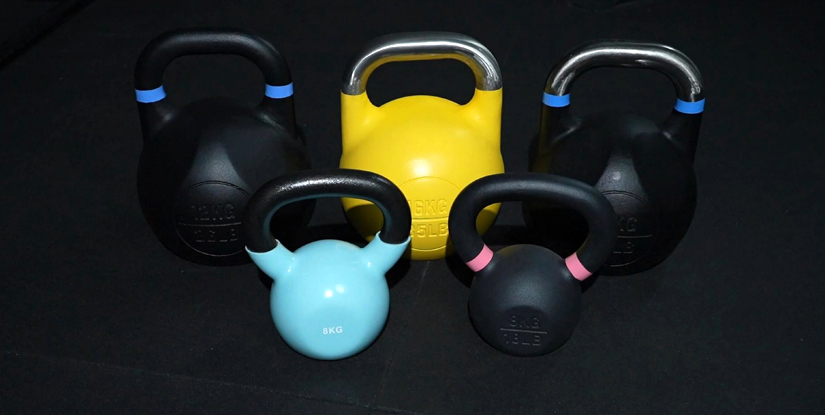
Effective logistics management and export packaging are equally vital to preserving the integrity of your shipment. High-quality packing prevents transit damage, ensuring that your bulk kettlebell supplier delivers a product that is ready for immediate use upon arrival. To optimize your long-term ROI, we suggest discussing customized lead times, MOQ, and specialized container loading plans during your initial inquiry. Contact us today to request a detailed spec sheet, confirm your custom branding requirements, or schedule a factory audit to secure your next high-performance inventory batch.
How Many Kettlebells Does a Gym Need: OEM and Private Label Customization
Determining how many kettlebells does a gym need involves more than just calculating weight increments; it requires a strategic approach to equipment identity. For distributors and large-scale facility operators, sourcing through OEM or ODM services allows for the integration of a unique brand identity into every unit. Instead of providing generic, unbranded iron, professional commercial gym branding ensures that your inventory reflects your specific market positioning and quality standards.
Utilizing a private label strategy through a reliable China factory offers significant differentiation in a crowded market. Rather than competing solely on price, importers can leverage custom branding to build long-term brand equity. Whether you are requesting specific color coatings, custom handle textures, or etched logos, these high-margin wholesale options allow you to move beyond basic gym equipment procurement and establish a signature product line that sets your facility or distribution business apart from competitors.
Comparing Procurement Models: Standard Wholesale vs. Custom Solutions
When evaluating your next batch, it is essential to understand the trade-offs between immediate availability and long-term brand equity. A standard commercial kettlebell wholesale order typically focuses on rapid fulfillment of existing SKUs, whereas a customized OEM approach prioritizes your specific design requirements and market differentiation. Choosing the right model depends on your current inventory turnover goals and your long-term strategy for building a recognizable product line.
| Procurement Dimension | Standard Wholesale Sourcing | Custom OEM/ODM Solutions |
|---|---|---|
| Customization Level | Limited to standard weight increments and colors | High: Custom colors, textures, and handle designs |
| Branding Options | Generic or factory-standard markings | Full private label integration and logo placement |
| Typical MOQ | Lower requirements for standard existing SKUs | Higher requirements based on specific custom specs |
| Lead Time | Faster; often depends on current factory stock | Extended; includes design, tooling, and production |
| Primary Advantage | Rapid replenishment and lower initial capital outlay | High differentiation and enhanced brand authority |
For many importers, the decision on how many kettlebells does a gym need is influenced by whether they are filling a temporary gap or building a permanent inventory. If you are looking to optimize your landed cost while establishing a premium presence, transitioning from generic sourcing to a dedicated supplier that offers full customization can significantly increase your distributor margins. We recommend requesting a detailed spec sheet and confirming the specific MOQ for any custom color or logo requests before finalizing your procurement plan.
Technical Execution: Quality Control and Export Logistics
Beyond aesthetics, professional gym equipment procurement must prioritize structural integrity and consistent manufacturing standards. When sourcing at scale, a rigorous quality control protocol is non-negotiable. This includes verifying weight tolerances for every single unit, inspecting the seamlessness of cast iron or steel shells, and ensuring that the coating—whether powder, rubber, or silicone—is free from bubbles or uneven application. A professional supplier should provide pre-shipment inspection reports to guarantee that the batch arriving at your facility matches the approved sample exactly.
Efficient logistics management is the final step in optimizing your total landed cost. For large-scale orders, the way products are packed directly impacts shipping density and potential damage. High-tier manufacturers utilize specialized export packaging, such as reinforced corrugated boxes and heavy-duty pallets, designed to withstand the rigors of international sea freight. By optimizing container loading patterns, distributors can maximize volume efficiency, reducing the freight cost per unit. Before finalizing your order, we suggest discussing specific packing requirements and lead times to ensure your inventory arrives ready for immediate commercial deployment.
Ensuring Quality Control and Pre-Shipment Inspection Standards
Determining how many kettlebells does a gym need requires more than just calculating floor space; it requires a procurement strategy focused on long-term durability. For professional importers, the risk of sourcing low-grade cast iron or poorly balanced handles can lead to high replacement costs and liability issues. High-volume commercial kettlebell wholesale orders must prioritize rigorous quality control to ensure every unit meets industry-standard weight tolerances and surface finish requirements.
When managing gym equipment procurement, relying on a supplier with standardized testing protocols reduces the risk of receiving defective batches. A reliable China factory will implement strict inspection cycles to prevent cracks, uneven weight distribution, or peeling coatings that compromise commercial usage safety. Investing in high-quality units upfront lowers your total cost of ownership and protects your brand reputation.
| Procurement Tier | Material Integrity | Surface Finish Quality | Typical Replacement Cycle |
|---|---|---|---|
| Standard Wholesale | Basic cast iron | Basic powder coating | 18-24 months |
| Premium Commercial | High-density iron/steel | Reinforced textured coating | 36-48+ months |
| Custom OEM/ODM | Precision-molded spec | Specialized grip/color | Optimized for high-traffic |
To mitigate procurement risks, we recommend conducting a thorough factory audit or requesting a pre-shipment inspection report before final payment. This ensures your bulk kettlebell supplier adheres to your specific weight-accuracy standards and shipping durability requirements.
Standardized Inspection Protocols for High-Volume Sourcing
A professional bulk kettlebell supplier must implement a multi-stage verification process to ensure batch consistency. For distributors, the primary concern is often weight variance; a high-tier China factory will utilize calibrated electronic scales to verify that each unit falls within a strict ±1% to ±3% weight tolerance. This precision is critical for maintaining professional standards across a full set of equipment.
Beyond weight, the pre-shipment inspection must validate coating integrity and material durability. This includes testing the adhesion of powder coatings to prevent chipping during high-frequency commercial use, and inspecting handle ergonomics for any casting defects or sharp edges. For those managing large-scale gym equipment procurement, these technical audits prevent the high landed cost of returns and ensure the long-term reliability of the inventory.
Critical Inspection Checklist for Professional Importers
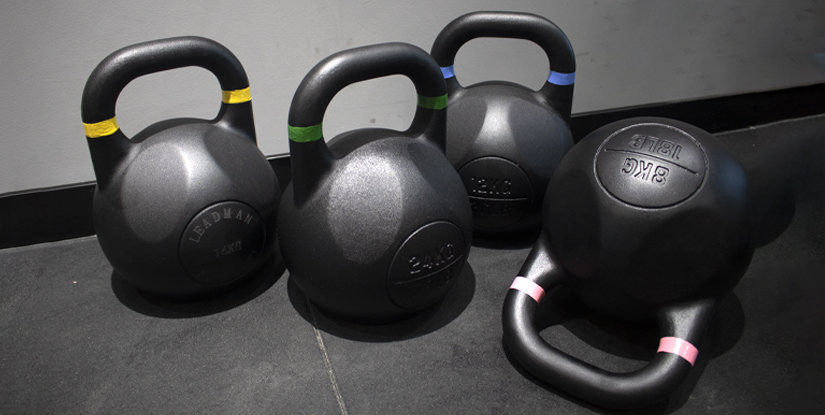
To ensure high-performance standards when deciding how many kettlebells does a gym need, procurement managers should utilize a technical checklist during the sampling or pre-shipment stage. Relying on a professional bulk kettlebell supplier means verifying that every technical specification aligns with commercial-grade requirements. A failure to inspect these details often results in higher maintenance costs and diminished distributor margins due to product returns.
| Inspection Category | Technical Requirement | Critical Verification Point |
|---|---|---|
| Weight Accuracy | ±1% to ±3% tolerance | Calibration of electronic scales |
| Handle Smoothness | Seamless ergonomic grip | Absence of casting burrs or sharp edges |
| Surface Finish | High-adhesion coating | Resistance to chipping and peeling |
| Shipping Durability | Reinforced export packaging | Container loading stability and moisture protection |
Effective gym equipment procurement extends to the final stage of the supply chain: export packaging. A reliable supplier must ensure that heavy iron loads are secured in reinforced cartons to prevent crushing or structural damage during long-haul maritime transit. We recommend requesting a detailed photo report of the container loading process to confirm that your bulk order arrives in optimal condition, protecting your initial capital investment and ensuring a smooth inventory rollout.
Managing Lead Times and Export Packaging for Global Logistics
Optimizing your inventory depends heavily on how effectively a China factory manages the transition from production to international transit. For distributors, understanding how many kettlebells does a gym need is only the first step; the second is ensuring that the bulk order arrives without structural compromise or surface damage. A failure in logistics can instantly erode your margins through replacement costs and delayed facility openings.
To protect your landed cost, professional export packaging must go beyond standard retail boxing. High-volume commercial kettlebell wholesale orders require rigorous palletization and the use of heavy-duty cartons to withstand the rigors of sea freight. Without these standards, the weight and density of the units can lead to crushing or container shifting during long-distance transit.
A reliable bulk kettlebell supplier integrates shipping damage prevention into their core gym equipment procurement workflow. This involves precise container loading patterns and reinforced edge protection to ensure that every unit remains in factory-spec condition. By prioritizing robust bulk shipping protocols, importers can minimize the risk of transit-related losses and maintain a predictable supply chain for their clients.
Freight Method Comparison for Bulk Procurement
Choosing the correct logistics strategy is critical to managing the total cost of ownership for your facility. While air freight offers speed, the high density and weight of iron or rubber-coated kettlebells often make it an inefficient choice for large-scale inventory replenishment. For most professional buyers, sea freight remains the industry standard for maintaining a competitive margin during gym equipment procurement.
| Shipping Method | Typical Lead Time | Cost Impact | Ideal Sourcing Scenario |
|---|---|---|---|
| Sea Freight | 30–45 Days | Lowest (Best for high volume) | Initial facility setup or major seasonal restock |
| Air Freight | 5–10 Days | Highest (Weight-sensitive) | Emergency small-batch replenishment |
| Express Courier | 3–7 Days | Extreme (Not recommended for bulk) | Single unit sample approval only |
When determining how many kettlebells does a gym need, importers must account for these transit windows to avoid stockouts. A professional bulk kettlebell supplier will provide detailed packing lists and weight specifications early in the process. This allows you to optimize container utilization and accurately calculate your final landed cost before the order leaves the factory floor.
Production Cycles and Strategic Inventory Planning
Effective procurement planning requires more than just selecting a weight range; it demands a deep understanding of the production cycle. Unlike smaller, local orders, high-volume commercial kettlebell wholesale orders involve specific manufacturing stages—from raw iron casting and machining to final coating and quality inspection. If your gym equipment procurement timeline does not account for these phases, you risk missing critical gym opening dates or experiencing gaps in your product availability.
To mitigate these risks, professional buyers should coordinate with their supplier well in advance of seasonal demand spikes. A transparent China factory will provide a clear timeline that includes the initial production cycle, the time required for customs clearance, and the duration of ocean transit. By integrating these variables into your strategy, you can determine how many kettlebells does a gym need for both immediate setup and long-term inventory replenishment without the stress of unexpected delays.
When managing large-scale projects, always confirm the MOQ and expected lead time during the initial inquiry stage. This ensures your budget and logistics schedules remain aligned with your business goals. Once your production schedule is confirmed, you can proceed with confidence, knowing your inventory is moving through a controlled, professional supply chain designed for high-volume international export.
Finalizing Your Procurement: From Sample Approval to Bulk Delivery
Determining how many kettlebells does a gym need is only the first step in a professional procurement cycle. Once your inventory requirements are defined, the focus must shift from theoretical quantity to rigorous quality assurance to protect your long-term capital expenditure. A successful commercial kettlebell wholesale order relies heavily on the transition from a single unit evaluation to a standardized mass production workflow.
The process begins with formal sample approval, where the buyer verifies material density, handle ergonomics, and coating durability. After the physical specimen meets your brand standards, the factory initiates production under strict oversight. To mitigate the risk of receiving substandard batches, professional importers utilize a multi-stage QC process. This includes monitoring the casting consistency and weight tolerances of every unit produced. For high-volume orders, a formal pre-shipment inspection is essential to ensure that the final shipment matches the approved sample in both specification and finish, effectively securing your gym equipment procurement investment before it leaves the China factory.
Navigating the logistical complexities of international freight requires advanced planning to ensure your inventory arrives on schedule. When managing a large-scale bulk kettlebell supplier contract, you must account for the total landed cost, which encompasses not just the unit price, but also ocean freight, port fees, and local customs duties. Failure to calculate these variables accurately can lead to unexpected budget overruns that impact your overall facility ROI.
To optimize your supply chain, maintain a clear communication loop regarding lead time and shipping milestones. Standard production cycles vary depending on whether you are ordering stock items or utilizing custom ODM services. We recommend establishing a strict timeline that includes buffers for maritime delays and domestic last-mile delivery. To ensure a seamless transition from the China factory to your warehouse, request a detailed packing list and container loading plan early in the process. This allows you to confirm that the volumetric weight and pallet configurations align with your facility's receiving capabilities and storage-efficiency requirements.
Procurement Checklist for Professional Buyers
| Procurement Stage | Critical Action Item | B2B Focus Area |
|---|---|---|
| Pre-Production | Confirm MOQ and weight tolerances | Specification Accuracy |
| Production Phase | Schedule mid-production QC check | Batch Consistency |
| Post-Production | Execute pre-shipment inspection | Quality Assurance |
| Logistics | Calculate final landed cost and freight terms | Budget Management |
| Delivery | Verify container seal and packing integrity | Transit Safety |
Finalizing your decision on how many kettlebells does a gym need requires a transition from quantity estimation to logistical execution. We encourage professional buyers to request a formal quote that includes tiered pricing, detailed technical spec sheets, and a clear breakdown of the lead time. Whether you are seeking a standard inventory refresh or a specialized OEM branding solution, thorough documentation and a verified inspection protocol remain the most effective ways to secure a high-quality, cost-efficient supply chain.
| Procurement Model | Customization & Branding | Cost Structure | Logistics & Scalability |
|---|---|---|---|
| Small-Scale/Retail Sourcing | Limited to existing stock options | High unit price; low volume discounts | Individual parcel shipping; high shipping-to-value ratio |
| Professional B2B Procurement | Full OEM and ODM capabilities | Optimized wholesale pricing; tiered volume discounts | Containerized bulk shipping; optimized landed cost |
| Direct China Factory Sourcing | Custom color, texture, and private label | Lowest direct manufacturing cost | Full control over MOQ and pre-shipment protocols |
Choosing the correct sourcing path is as critical as deciding how many kettlebells does a gym need for your facility. While small-scale purchasing offers speed for immediate needs, it often lacks the long-term margin protection required for professional distributors. Transitioning to a bulk kettlebell supplier model allows you to leverage economies of scale, significantly lowering your total cost of ownership through optimized container loading and direct factory-level pricing.
For operators looking to build a unique brand identity, working directly with a supplier that offers comprehensive OEM services ensures your equipment meets specific commercial durability standards. This professional approach moves beyond simple purchasing into strategic inventory management, ensuring your gym equipment procurement strategy supports both facility growth and high-volume usage demands.