Kettlebell Leg Workout: Leading OEM ODM Manufacturer
Optimizing Facility Throughput with Kettlebell Leg Workout Equipment
Professional procurement managers must evaluate three critical checkpoints when sourcing high-density training tools: equipment specification accuracy, logistical reliability, and long-term durability. Selecting a reliable kettlebell leg workout solution requires more than just weight availability; it demands a partner capable of meeting rigorous commercial standards. When sourcing from a China factory, distributors must ensure that the production capacity aligns with their facility throughput needs and that the material quality withstands high-traffic environments to protect their initial capital investment.
High-performance kettlebell leg workout routines often demand a diverse range of weights within a compact footprint. For gym owners and studio operators, maximizing floor space is a direct lever for increasing revenue per square foot. By utilizing high-quality, compact equipment, facilities can facilitate more efficient transitions between training sets, thereby increasing total daily throughput. Investing in commercial kettlebell manufacturing processes that prioritize standardized dimensions and ergonomic stability ensures that your facility remains a premium destination while minimizing the logistical headache of frequent equipment replacement.
The long-term ROI of a fitness facility is heavily influenced by the total cost of ownership, which includes both initial procurement and ongoing maintenance. Low-quality cast iron or poorly finished handles lead to rapid degradation, increasing maintenance costs and reducing the lifespan of the asset. By prioritizing wholesale gym equipment sourced directly from professional OEM production lines, buyers can secure equipment with superior coatings and structural integrity. This strategic sourcing approach mitigates the risk of premature wear, ensuring that your kettlebell leg workout zones remain operational and aesthetically professional for years without constant intervention.
Direct Sourcing vs. Traditional Trading: Evaluating Total Cost of Ownership
For large-scale distributors and gym equipment importers, the decision to source through a traditional trading company versus a direct manufacturer significantly impacts the landed cost and long-term scalability. While traders may offer convenience, they often add layers of markup and obscure the true production timeline. In contrast, engaging in custom kettlebell production through a direct factory allows for precise control over material density, handle ergonomics, and coating durability, ensuring the final product meets the exact specifications of your commercial clients.
| Procurement Metric | Traditional Trading Company | Direct OEM/ODM Manufacturer |
|---|---|---|
| Landed Cost | Higher due to multiple intermediary markups | Optimized through direct factory-to-buyer pricing |
| Customization Capability | Limited to existing stock or basic branding | Full custom kettlebell production and specification control |
| Quality Control | Dependent on third-party inspection reports | Direct oversight of factory QC and pre-shipment processes |
| Lead Time Predictability | Variable based on trader's inventory sourcing | Stable timelines aligned with direct production cycles |
| Branding Options | Generic or minimal private label support | Robust ODM and private label integration |
Understanding these variables is essential when planning a kettlebell leg workout zone deployment for high-traffic commercial environments. A direct OEM partnership reduces the risk of receiving non-standardized weights that can disrupt facility training flow. When evaluating your next bulk order, consider the benefits of a direct supplier relationship to ensure that every unit delivered adheres to strict commercial-grade tolerances. We recommend requesting a detailed specification sheet and confirming the MOQ for any custom branding or specialized weight ranges to ensure your procurement strategy aligns with both your budget and your facility's throughput goals.
Streamlining Logistics and Global Fulfillment Efficiency
Effective procurement for global distributors requires more than just selecting a quality product; it requires a manufacturer with a sophisticated understanding of international logistics and shipping optimization. When planning a large-scale kettlebell leg workout equipment deployment, the complexity of moving heavy, high-density metal goods across oceans can significantly impact your landed cost. Professional buyers must account for volumetric efficiency and protective measures to ensure that bulk orders arrive at their destination without structural or cosmetic compromise.
A professional China factory specializing in export-grade fitness tools understands that shipping efficiency is a direct component of your profit margin. To mitigate the risks associated with long-distance transit, we implement rigorous export packaging standards designed specifically for heavy iron and steel products. This includes reinforced, heavy-duty corrugated boxes and standardized palletization strategies that maximize container loading density. By optimizing the ratio of product weight to shipping volume, we help our partners reduce the per-unit freight cost, making large-scale wholesale gym equipment imports more economically viable for international distributors and large-scale facility developers.
Beyond packaging, transparent communication regarding lead time and production schedules is critical for maintaining your inventory turnover. Whether you are managing a single facility upgrade or a multi-region distribution network, knowing the exact timeline from order placement to pre-shipment inspection allows for precise capital planning. We provide clear guidance on MOQ requirements for both standard stock items and specialized custom kettlebell production runs. For buyers looking to establish a unique market presence, our ODM capabilities allow you to integrate your brand identity into the manufacturing process without the logistical friction typically associated with custom orders. We invite you to contact us to request a formal quote, confirm current MOQ tiers, or schedule a factory audit to ensure our production capabilities align with your commercial expansion goals.
Procurement Checklist for High-Volume Kettlebell Leg Workout Sourcing
Optimizing a commercial facility requires moving beyond retail-grade products to high-durability solutions. When planning a kettlebell leg workout area, professional buyers must prioritize equipment that withstands high-frequency use while maintaining a low TCO. Sourcing directly from a China factory allows distributors to bypass middleman markups and secure specialized commercial kettlebell manufacturing standards that ensure long-term structural integrity and consistent weight accuracy.
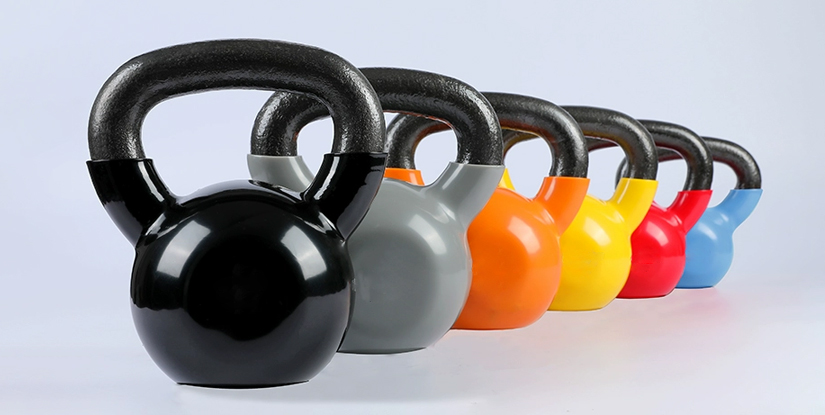
Selecting the wrong weight increments or inferior coating can lead to rapid depreciation and high replacement costs. To maximize ROI, procurement leads should evaluate wholesale gym equipment based on material density, handle ergonomics, and surface resilience. Effective custom kettlebell production ensures your facility or brand identity remains consistent across all weight sets, providing a premium user experience through professional-grade specifications.
| Procurement Factor | Standard Retail Sourcing | Direct Factory Sourcing |
|---|---|---|
| Unit Durability | Consumer-grade coatings | Industrial-grade finishes |
| Weight Consistency | Variable tolerances | Strict manufacturing precision |
| Customization | Limited to standard SKUs | Full OEM and ODM capabilities |
| Landed Cost | High retail markup | Optimized for bulk import |
| Long-term TCO | Frequent replacement cycles | Extended commercial lifespan |
Evaluating Sourcing Models for Volume Orders
Strategic procurement requires choosing between rapid fulfillment and long-term brand differentiation. For distributors managing high-volume inventory, understanding the distinction between purchasing existing stock and initiating custom kettlebell production is essential for managing both capital expenditure and market positioning. While stock orders offer speed, specialized manufacturing allows for the precision required in high-end facility deployments.
| Sourcing Model | Customization Scope | Typical MOQ | Lead Time | Unit Cost Efficiency |
|---|---|---|---|---|
| Standard Stock Purchase | Fixed SKUs and colors | Low to Moderate | Short (Ready to ship) | Higher per-unit cost |
| Direct OEM Production | Full branding and specs | High | Longer (Production cycle) | Optimized for bulk |
| ODM Solutions | Pre-designed variations | Moderate | Medium | Competitive wholesale rates |
When scaling a product line, the ability to control every aspect of the kettlebell leg workout equipment specification provides a significant competitive edge. We recommend that procurement managers request a detailed spec sheet and confirm the specific MOQ for any custom branding or material changes. Before finalizing a large-scale container order, always initiate a sample approval process and a factory audit to ensure the final product meets your specific commercial durability requirements and landed cost targets.
Streamlining Global Logistics and Quality Assurance
For international distributors and large-scale gym operators, the complexity of a kettlebell leg workout equipment order extends far beyond the initial purchase price. Successful procurement relies on a robust supply chain that handles everything from precision casting to international shipping. When you engage in commercial kettlebell manufacturing, the focus must shift toward minimizing logistical friction and ensuring that every unit arriving at your facility meets rigorous commercial standards.
A professional supplier manages more than just production; they oversee a comprehensive quality control framework. This includes pre-shipment inspections to verify weight accuracy, handle balance, and coating durability. Furthermore, specialized export packaging is a critical requirement for wholesale gym equipment to prevent damage during long-distance sea freight. By prioritizing a partner with proven expertise in high-volume custom kettlebell production, buyers can secure predictable lead times and optimized container loading patterns, which directly reduces the total landed cost and protects profit margins.
Custom Kettlebell Production for Specialized Studio Requirements
High-end fitness facilities and boutique studios often face the challenge of maintaining a unique brand identity while ensuring equipment durability. Standardized, off-the-shelf options frequently fail to meet specialized studio requirements, such as specific color palettes or custom weight increments that align with a premium aesthetic. For professional buyers, the ability to differentiate a facility through high-quality, branded equipment is a critical component of long-term ROI and client retention.
To address these needs, professional distributors and facility owners leverage custom kettlebell production to create a cohesive and professional environment. By working directly with a factory, you can move beyond generic inventory to develop equipment that reflects your specific design standards. This level of customization is essential for maintaining professional aesthetics in high-traffic, luxury environments where every detail of the kettlebell leg workout setup contributes to the overall brand experience.
Our OEM and ODM services allow for precise control over material finishes, handle textures, and branding placement. Whether you require specific powder coating colors to match a studio's interior or custom laser-etched logos for a private label collection, our manufacturing processes are designed to scale with your procurement needs. This capability ensures that your high-end fitness facilities stand out in a competitive market through superior product differentiation and consistent quality.
Comparison of Wholesale Sourcing and Custom Manufacturing Solutions
When scaling a fitness brand or managing large-scale procurement, buyers must distinguish between standard stock and specialized production. Choosing between generic wholesale gym equipment and a fully customized production line involves balancing initial landed cost against long-term brand value. While standard wholesale units offer rapid fulfillment, they lack the differentiation required for premium facility positioning.
For distributors looking to establish a proprietary line, the technical specifications of the manufacturing process become the primary differentiator. This includes selecting high-grade cast iron or steel, precise color coating applications for durability, and high-fidelity logo engraving to ensure brand longevity. The following table outlines the procurement differences between standard bulk sourcing and professional-grade custom manufacturing.
| Specification Category | Standard Wholesale Sourcing | Custom Branding & Production |
|---|---|---|
| Branding Options | Generic or unbranded | Full custom branding (Logo/Colors) |
| Material Customization | Standard cast iron/rubber | Specific metal density or grip textures |
| Aesthetic Control | Fixed industry-standard colors | Customized color coating and finishes |
| Brand Identity | None (Generic utility) | High (Private label differentiation) |
| Production Lead Time | Short (Based on existing stock) | Extended (Based on custom kettlebell production) |
| Typical MOQ | Low to Medium | Higher (Volume-driven for OEM) |
Selecting the right path depends on your specific business model. If your goal is immediate inventory replenishment, standard wholesale is efficient. However, if you are developing a premium kettlebell leg workout equipment line to increase your market authority, investing in commercial kettlebell manufacturing via an custom kettlebell production workflow provides the highest long-term competitive advantage. We recommend contacting our sales team to confirm your specific MOQ and review our technical specification sheets for upcoming production cycles.
To ensure your procurement strategy accounts for both quality and logistics, we recommend a direct consultation to discuss your specific requirements. Whether you are looking to finalize a kettlebell leg workout equipment setup for a single boutique studio or a multi-facility rollout, understanding the nuances of the supply chain is vital for maintaining your margins. We invite professional buyers to request a detailed quote, confirm current MOQ tiers, or schedule a virtual factory audit to verify our production standards firsthand.
Effective custom kettlebell production requires rigorous oversight of every stage, from raw material melting to the final export packaging process. To mitigate the risks of international shipping, our facility implements strict protocols to ensure that bulk orders arrive in optimal condition, ready for immediate deployment in commercial environments. This systematic approach reduces the total cost of ownership and ensures that your brand identity remains intact from the factory floor to your client's facility.
Managing the landed cost is a primary concern for any importer or distributor. Beyond the unit price, successful procurement involves accounting for lead time, freight logistics, and customs readiness. By partnering with a specialized China factory, you gain access to streamlined export processes and optimized container loading strategies. This transparency allows you to plan your inventory cycles with precision, ensuring that your facility throughput remains high without the disruption of unexpected stockouts or shipping delays.
Standardizing Quality Control in Commercial Kettlebell Manufacturing
For professional distributors and gym procurement officers, the long-term total cost of ownership is dictated by the reliability of the equipment provided. A rigorous kettlebell leg workout regimen in a high-traffic commercial facility requires equipment that can withstand repetitive impact and heavy use without structural failure. Relying on a factory that lacks standardized testing protocols often leads to increased replacement costs and diminished client trust.
High-quality commercial kettlebell manufacturing must integrate strict quality control at every stage, from raw material selection to the final coating application. When sourcing wholesale gym equipment, understanding the technical precision of the China factory ensures that the weight distribution remains consistent and the handles remain ergonomic even under extreme stress. This level of durability is essential for maintaining high facility throughput and reducing maintenance-related downtime.
By choosing a factory-direct supplier with advanced custom kettlebell production capabilities, importers can mitigate the risks associated with substandard casting or uneven weight distribution. Implementing a standardized inspection process protects your margins by ensuring that every unit delivered to your warehouse meets international commercial-grade specifications.
Technical Inspection Protocols for High-Volume Orders
To ensure consistent performance across large-scale shipments, procurement teams must evaluate specific technical checkpoints. A professional kettlebell leg workout setup requires precise weight increments to maintain training integrity across all skill levels. Inconsistent weight distribution is a common failure point in low-tier production, which can lead to uneven wear and increased liability in commercial environments.
The following table outlines the critical technical standards required during the manufacturing process to ensure your bulk order meets global commercial expectations. We recommend that all importers verify these specific metrics during the sample approval or pre-shipment inspection phase to safeguard their landed cost and product reputation.
| Inspection Dimension | Technical Requirement | Commercial Impact |
|---|---|---|
| Weight Accuracy | Strict tolerance levels (typically +/- 1-3%) | Ensures standardized training and professional certification compliance |
| Coating Integrity | High-adhesion, impact-resistant finish | Prevents chipping and maintains aesthetic quality under heavy use |
| Handle Ergonomics | Smooth casting with optimized grip diameter | Redures user fatigue and prevents skin abrasions during high-volume use |
| Structural Integrity | Uniform density and zero internal air pockets | Prevents cracking or structural failure during high-impact drops |
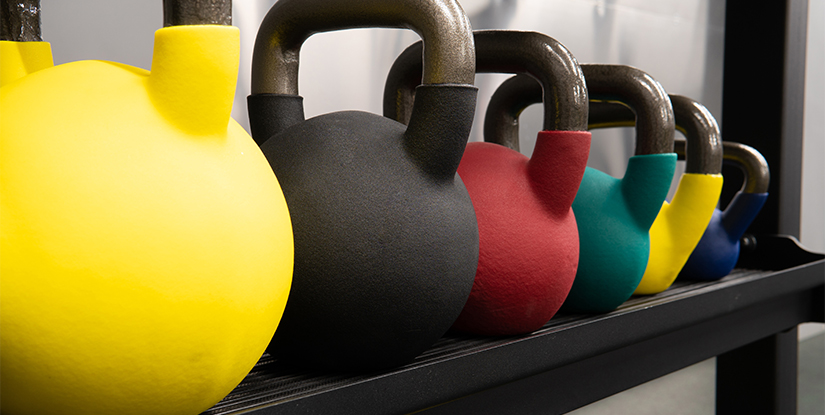
When managing a large-scale custom kettlebell production project, these checkpoints serve as the foundation for a reliable supply chain. Whether you are managing an MOQ for a single boutique studio or a massive distributor-level shipment, these standards ensure that your brand identity remains associated with premium, durable performance. We suggest requesting detailed specification sheets and conducting a factory audit to confirm that these QC standards are integrated into the daily production workflow.
Logistics and Export Packaging for Wholesale Gym Equipment
Optimizing the kettlebell leg workout equipment supply chain requires more than just production quality; it demands rigorous logistics planning to protect your margins. For distributors and gym owners, the total landed cost is heavily influenced by how effectively heavy, high-density items are packed and containerized. Relying on a China factory that lacks specialized export packaging protocols often leads to unexpected damage claims and increased freight expenses.
When sourcing wholesale gym equipment, the weight-to-volume ratio is a critical factor in sea freight efficiency. Standard shipping methods often fail to account for the impact of heavy iron or cast components during long-distance transit. A professional supplier must implement heavy-duty shipping solutions, such as reinforced pallets and moisture-proof shrink wrapping, to ensure that every unit arrives in commercial-ready condition. This level of logistics efficiency prevents the high costs associated with replacement cycles and damaged inventory.
To minimize risk during large-scale custom kettlebell production, we recommend implementing a standardized loading protocol. This ensures that your kettlebell leg workout inventory is stabilized within the container, preventing shifting that could damage both the product and the shipping container itself. By prioritizing high-standard export packaging, importers can achieve a more predictable landed cost and a smoother transition from port to warehouse.
Packaging and Volume Optimization Comparison
Selecting the correct packaging tier is a strategic decision for importers to manage the balance between protection and container density. When engaging in commercial kettlebell manufacturing, buyers must decide between standard protective layers and reinforced solutions designed for high-volume sea freight. The following comparison outlines how different packaging configurations impact your shipping efficiency and the safety of your kettlebell leg workout inventory during long-haul transit.
| Packaging Type | Protection Level | Volume Optimization | Ideal Sourcing Use Case |
|---|---|---|---|
| Standard Export Box | Basic moisture and dust protection | High density; optimized for small MOQ orders | Small studio replenishment or sample testing |
| Reinforced Wooden Crate | High impact resistance; heavy-duty stability | Medium density; requires more pallet footprint | High-end commercial gym equipment distribution |
| Customized Bulk Palletization | Maximum stability for mixed-weight shipments | Highest efficiency; optimized for full container loads | Large-scale custom kettlebell production orders |
For distributors seeking to maximize their ROI, we recommend discussing specific container loading plans during the sourcing phase. A professional factory will provide detailed packing lists and dimensions to help you calculate the exact number of units per 20ft or 40ft container. This level of transparency in wholesale gym equipment procurement ensures that your shipping costs per unit remain competitive while maintaining strict quality control standards.
Beyond physical protection, the reliability of your kettlebell leg workout inventory depends on the precision of the documentation and inspection workflows established by your supplier. For large-scale importers, a single error in weight labeling or shipping manifests can lead to significant customs delays and unexpected port storage fees. Establishing a clear protocol for pre-shipment verification is a non-negotiable step in professional sourcing.
Streamlined Workflow for Bulk Order Reliability
To ensure seamless delivery of your wholesale gym equipment, we adhere to a rigorous multi-stage verification process. This workflow is designed to mitigate the risks inherent in long-distance maritime transport and to provide total transparency for distributors managing high-volume inventory. By integrating these steps into the production cycle, we ensure that every piece of equipment meets both the technical specifications and the logistical requirements of your destination market.
- Pre-Shipment Inspection: A mandatory check of weight tolerances, coating uniformity, and handle ergonomics to ensure every unit meets commercial-grade standards before it leaves the factory.
- Documentation Verification: Preparation of all necessary commercial invoices, packing lists, and certificates of origin to facilitate smooth customs clearance and minimize landed cost fluctuations.
- Loading Supervision: Direct oversight of the container loading process to ensure weight distribution is balanced and that all custom kettlebell production batches are secured against shifting.
When planning your next procurement cycle, we encourage buyers to request a detailed shipping specification sheet. This document will outline the precise dimensions, weight per unit, and pallet configurations, allowing you to optimize your container utilization and refine your logistics budget. Whether you are managing a single MOQ or a full container load, our goal is to provide the predictable lead times and documentation accuracy required for professional commercial operations.
Scaling Your Inventory via Direct Factory Partnerships
Optimizing a professional inventory requires more than just selecting quality products; it requires a reliable supply chain. For distributors and facility managers, securing a consistent kettlebell leg workout equipment supply through a direct China factory ensures that your stock levels remain stable while maximizing your competitive edge in the market.
When scaling a commercial fitness line, procurement professionals often face the volatility of middleman markups and unpredictable availability. By prioritizing commercial kettlebell manufacturing through direct channels, you gain control over your product roadmap. This approach allows for precise custom kettlebell production that aligns with your specific brand identity and weight-coverage requirements, rather than settling for generic, off-the-shelf options that limit your market reach.
Optimizing Logistics and Procurement Efficiency
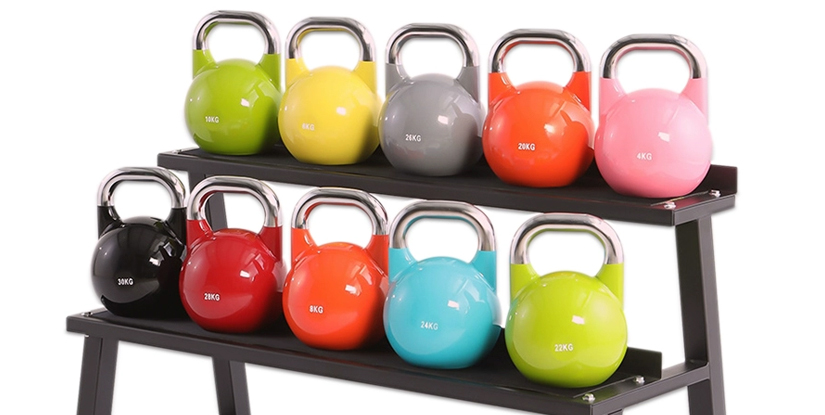
Managing large-scale imports requires strict attention to MOQ and lead time to maintain healthy cash flow and warehouse throughput. A professional supplier provides transparency in production schedules, allowing you to plan seasonal restocks or large facility deployments without the risk of sudden stockouts. Understanding these variables is essential for calculating a realistic landed cost, ensuring your pricing remains profitable despite international shipping fluctuations.
| Sourcing Model | Order Volume / MOQ | Production Lead Time | Primary Advantage |
|---|---|---|---|
| Trading Company | Low to Medium | Short / Variable | Ease of small-batch ordering |
| factory-direct | High / Tiered | Predictable / Scheduled | Optimized landed cost and wholesale margins |
| OEM / ODM | Customized | Production-based | Full control over product specifications |
Efficient sourcing strategies focus on minimizing the total cost of ownership. By working directly with the production source, you eliminate redundant layers of wholesale distribution, which directly improves your distributor margins. Whether you are looking to establish a private label or expand an existing commercial catalog, direct partnerships offer the stability required for long-term growth.
Deciding between immediate stock availability and long-term brand development is a critical pivot point for any professional importer. While standard orders satisfy short-term demand, investing in custom kettlebell production allows a business to transition from a mere reseller to a recognized equipment provider. This strategic shift is essential for those aiming to capture higher-tier commercial contracts where specific weight increments or unique finishes are mandatory.
For distributors, the choice often involves balancing the speed of a standard wholesale gym equipment order against the higher margins of a branded solution. A well-structured OEM agreement provides the ability to control every variable—from the texture of the handle to the precision of the weight markings—ensuring that the final product meets the rigorous durability standards required for a high-traffic kettlebell leg workout environment. This level of customization builds long-term client trust and reduces the frequency of replacement requests.
To move forward with your procurement strategy, we recommend contacting our team to request a detailed technical spec sheet or to confirm the current MOQ for your specific weight range. We are available to assist with sample approval processes, factory audits, or to provide detailed shipping quotations to help you calculate your final landed cost for your next major deployment.
To move forward with your procurement strategy, we recommend contacting our team to request a detailed technical spec sheet or to confirm the current MOQ for your specific weight range. We are available to assist with sample approval processes, factory audits, or to provide detailed shipping quotations to help you calculate your final landed cost for your next major deployment.