Best Kettlebell Weight: OEM Partner Selection Standards
Best Kettlebell Weight Selection for Commercial Facility Layouts
Professional procurement managers must evaluate three critical checkpoints when sourcing weight sets: technical specification accuracy, logistical compatibility with facility dimensions, and long-term inventory scalability. Selecting the best kettlebell weight involves more than choosing individual mass increments; it requires a strategic approach to how these units integrate into your facility layout and long-term operational budget. When managing commercial kettlebell wholesale orders, decision-makers must ensure that the weight distribution aligns with both user training progression and the physical constraints of the training floor to maximize utility per square foot.
Optimizing a facility layout requires a precise balance between weight coverage and spatial density. A poorly planned selection of weight increments can lead to excessive footprint requirements or, conversely, gaps in training utility that frustrate high-end clients. By focusing on space optimization through standardized sizing and efficient storage solutions, distributors can improve the overall professional aesthetic of a studio while maintaining a high density of usable equipment. This strategic planning directly influences the total cost of ownership by reducing the need for frequent, fragmented re-orders and minimizing the logistical overhead of expanding a collection piece by piece.
From a procurement standpoint, the landed cost of a shipment is heavily influenced by the volumetric efficiency of the weight sets. When negotiating with a supplier, buyers should prioritize weight configurations that maximize container loading density. For instance, selecting sets with consistent dimensions allows for more predictable palletization and more efficient shipping from a China factory, ultimately improving the ROI of each bulk shipment. Effective gym equipment procurement strategies prioritize these variables to ensure that the capital expenditure yields a high-performance training environment with minimal wasted space and optimized maintenance cycles.
| Procurement Model | Weight Increment Flexibility | Storage & Layout Efficiency | Typical MOQ | Production Lead Time |
|---|---|---|---|---|
| Standard Stock Sets | Fixed industry-standard increments | High; uniform dimensions for easy stacking | Low/No minimum for existing stock | Short; ready for immediate export |
| Custom OEM Solutions | Highly variable; custom mass increments | Optimized; dimensions tailored to specific racks | Higher requirements for production runs | Extended; includes tooling and QC cycles |
Choosing between standardized stock and custom weight kettlebell manufacturing depends largely on your long-term scalability and branding objectives. Standard sets offer the fastest turnaround for immediate facility launches, whereas custom solutions allow distributors to fill specific weight gaps in a training curriculum or develop a unique product line under a private label. While a China factory can produce highly specialized increments, procurement managers must weigh the benefits of customization against the higher MOQ and longer lead times required for specialized production runs.
For large-scale distributors, the decision often hinges on the balance between immediate availability and long-term brand differentiation. Standardized sets are excellent for rapid deployment, but investing in custom manufacturing can provide a competitive edge in specialized markets where unique weight profiles are in high demand. We recommend requesting a detailed spec sheet and confirming the minimum order requirements for any custom production to ensure your project remains within budget and on schedule.
Maintenance Cycles and Replacement Planning
Long-term durability is a primary driver of the total cost of ownership in commercial environments. When sourcing the best kettlebell weight, procurement leads must look beyond the initial purchase price to the lifecycle of the product. High-use facilities often face challenges with surface degradation or handle wear, which can increase maintenance frequency. Selecting a supplier that utilizes industry-standard coating technologies and high-density casting ensures that the equipment withstands rigorous daily use without frequent replacement. This durability reduces the frequency of replacement cycles, protecting your long-term capital expenditure and ensuring a stable training environment.
Effective replacement planning involves more than just monitoring wear; it requires a proactive inventory strategy. For distributors and large-scale facility operators, managing the replacement of individual units within a set can be a logistical challenge. We suggest establishing a tiered procurement schedule where common weight increments are replenished through wholesale channels before stock levels become critical. By coordinating with a reliable factory to understand standard lead times, you can maintain a consistent equipment density, ensuring that your facility never experiences a gap in training utility due to broken or missing units.
Optimizing Floor Footprint with Strategic Weight Distribution
Efficient facility layout depends on the precision of your equipment dimensions. When sourcing the best kettlebell weight through commercial kettlebell wholesale channels, procurement leads must prioritize standardized dimensions to ensure predictable floor footprint management. Inconsistent sizing from a non-professional factory leads to disorganized storage and wasted square footage.
A reliable China factory provides uniform casting and handles that allow for seamless integration into professional racking systems. This level of standardization is critical for distributors managing high-density functional training zones where space optimization directly impacts the total capacity and throughput of the facility.
| Procurement Model | Storage Efficiency | Dimension Consistency | Ideal Sourcing Use Case |
|---|---|---|---|
| Standardized Wholesale | High | Strictly Uniform | Large-scale gym fit-outs |
| Custom OEM Design | Variable | Highly Controlled | Premium studio branding |
| Generic Small-batch | Low | Inconsistent | Low-budget retail supply |
For professionals engaged in gym equipment procurement, the goal is to minimize the landed cost per square foot. By selecting a supplier capable of custom weight kettlebell manufacturing, you ensure that every unit occupies the exact same volumetric space, facilitating easier inventory management and optimized rack density.
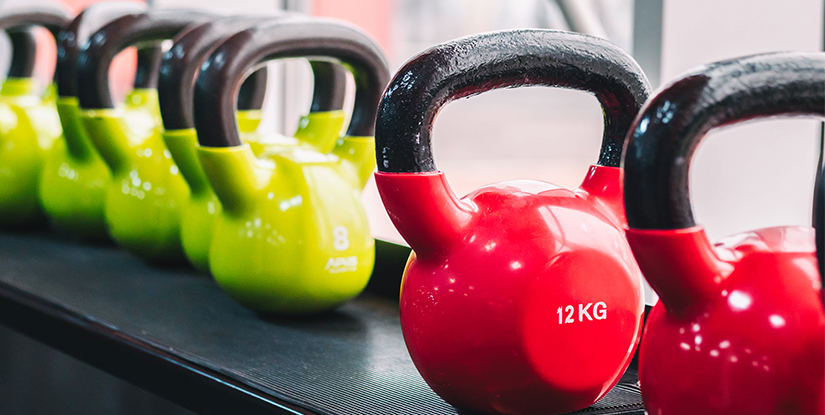
Strategizing your weight distribution requires a balance between inventory depth and logistical overhead. A common pitfall in large-scale facility planning is selecting an overly dense increment system that increases the complexity of your storage footprint without proportional utility. To maximize ROI, procurement managers must evaluate whether a highly granular weight selection or a streamlined, high-impact distribution model better serves their specific facility type and long-term maintenance budget.
When evaluating the best kettlebell weight sets for a commercial rollout, consider how different distribution strategies affect your long-term operational efficiency. A strategy focused on high-frequency weight ranges reduces the total number of SKUs to manage, thereby improving logistics efficiency and reducing the likelihood of lost or misplaced units in high-traffic areas.
| Distribution Strategy | Weight Increments | Storage Footprint | Logistics Efficiency | Procurement Focus |
|---|---|---|---|---|
| High-Granularity Model | Small (e.g., 1-2kg gaps) | Large/High-Density | Complex SKU Management | Specialized Training Centers |
| Standardized Commercial Model | Medium (e.g., 4-5kg gaps) | Optimized/Moderate | High Throughput/Low SKU | Commercial Gym Fit-outs |
| Streamlined Essential Model | Large (e.g., 8kg+ gaps) | Minimal/Compact | Maximum Efficiency | High-Volume Public Facilities |
The decision between these models should be driven by your target user base and your facility's square footage. If your goal is to minimize the landed cost while maintaining a premium user experience, working with an OEM partner allows you to customize the weight gaps to match your specific programming needs. This ensures that your investment in custom weight kettlebell manufacturing results in a highly efficient, professional-grade setup that optimizes both floor space and capital expenditure.
The decision between these models should be driven by your target user base and your facility's square footage. If your goal is to minimize the landed cost while maintaining a premium user experience, working with an OEM partner allows you to customize the weight gaps to match your specific programming needs. This ensures that your investment in custom weight kettlebell manufacturing results in a highly efficient, professional-grade setup that optimizes both floor space and capital expenditure.
Comparing Sourcing Models for High-Volume Procurement
Selecting the best kettlebell weight requires more than just evaluating physical dimensions; professional buyers must evaluate the entire supply chain to protect their margins. When scaling a facility or managing a distribution network, the choice between a local trader and a direct China factory determines your long-term landed cost and ability to maintain consistent quality control standards across large-scale shipments.
Sourcing through a middleman often introduces hidden costs through markups and fragmented communication, which can destabilize your gym equipment procurement budget. In contrast, establishing a direct relationship with an OEM manufacturer allows for precise oversight of production tolerances and material density, ensuring that every unit in a commercial kettlebell wholesale order meets international commercial-grade specifications.
| Procurement Factor | Local Trading Company | Direct Factory Sourcing |
|---|---|---|
| Unit Cost Potential | Higher due to markup | Optimized for high volume |
| Customization Ability | Limited to stock items | Full OEM/ODM capabilities |
| Quality Oversight | Dependent on third-party inspection | Direct factory level QC |
| Supply Chain Transparency | Low visibility into production | High visibility for sourcing |
| Landed Cost Control | Variable and unpredictable | Highly predictable for bulk wholesale |
The decision to move from standard stock orders to a custom weight kettlebell manufacturing model depends heavily on your specific volume requirements and brand vision. While trading companies offer convenience for small-batch replenishment, they lack the technical infrastructure to support complex custom weight kettlebell manufacturing requests or specialized branding for large-scale fitness franchises.
For distributors looking to build long-term equity, the ability to control the production process is a critical competitive advantage. Working directly with a supplier ensures that technical specifications—such as handle diameter tolerances and coating durability—are strictly maintained, reducing the risk of high return rates and protecting your reputation in the commercial market.
Evaluating Scalability and Order Efficiency
When planning your next procurement cycle, consider how the best kettlebell weight distribution aligns with your storage capacity and shipping container utilization. A direct-to-factory approach allows you to optimize the container loading plan, ensuring that you maximize the volume of high-density steel products per shipment to lower the overall landed cost per unit.
Before finalizing your purchase, we recommend contacting our team to request a detailed spec sheet and confirm the current MOQ for your specific weight range. Our technical team is available to assist with sample approval, factory audit requests, and specialized export packaging configurations to ensure your cargo arrives in optimal condition for immediate commercial use.
The decision to move from standard stock orders to a custom weight kettlebell manufacturing model depends heavily on your specific volume requirements and brand vision. While trading companies offer convenience for small-batch replenishment, they lack the technical infrastructure to support complex custom weight kettlebell manufacturing requests or specialized branding for large-scale fitness franchises.
For distributors looking to build long-term equity, the ability to control the production process is a critical competitive advantage. Working directly with a supplier ensures that technical specifications—such as handle diameter tolerances and coating durability—are strictly maintained, reducing the risk of high return rates and protecting your reputation in the commercial market.
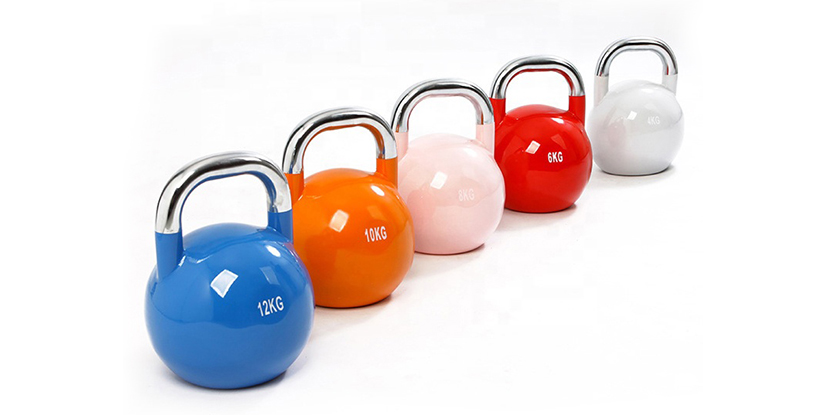
Custom Weight Kettlebell Manufacturing and Branding Standards
Selecting the best kettlebell weight for a commercial facility requires more than just choosing a range of sizes; it demands strict adherence to precision engineering and weight tolerance standards. For distributors and large-scale gym operators, sourcing through a professional China factory ensures that every unit meets the rigorous density and balance requirements necessary for high-traffic environments. When managing commercial kettlebell wholesale orders, the focus must remain on the relationship between manufacturing accuracy and long-term operational efficiency.
Inconsistent weight distribution or high tolerance deviations can lead to uneven wear on flooring and increased maintenance cycles. By prioritizing custom weight kettlebell manufacturing, procurement leads can ensure that their product sets provide a predictable ROI through enhanced durability and reduced replacement frequency. High-quality OEM production guarantees that the center of gravity remains consistent across the entire weight spectrum, which is essential for professional-grade strength training environments.
From a TCO perspective, investing in precision-milled or high-grade cast iron units from a reliable supplier reduces the long-term cost of ownership. While lower-cost alternatives may seem attractive during initial sourcing, the lack of standardized weight precision often results in higher replacement rates and diminished brand reputation for the facility. A structured bulk procurement strategy should always prioritize a factory that can demonstrate strict quality control over weight variance and surface finish durability.
Technical Comparison of Manufacturing and Sourcing Standards
To mitigate procurement risks, professional buyers must evaluate the technical capabilities of their supplier through a structured comparison of production models. Relying on standard stock may offer faster delivery, but it limits your ability to build a unique brand identity or meet specific facility requirements. The following table outlines the critical differences between various sourcing paths to help you determine the most efficient best kettlebell weight procurement strategy for your business model.
| Evaluation Metric | Standard Wholesale/Stock | Custom OEM/ODM Manufacturing |
|---|---|---|
| Weight Accuracy | Standardized tolerance ranges | High-precision specialized tolerances |
| Coating Durability | Basic powder coating or paint | Advanced urethane or specialized finishes |
| Branding Options | Limited to standard logos | Full private label and custom branding |
| Minimum Order Quantity | Low to moderate (standardized sets) | Higher MOQ for custom specs |
| Lead Time | Short (ready-to-ship inventory) | Extended (production and QC cycles) |
| QC Protocol | Batch-based spot checks | Individual unit and material testing |
| Primary Use Case | Rapid restocking/Small studio needs | Distributor expansion/Large facility builds |
When evaluating the best kettlebell weight for a global distribution model, the choice between stock and custom manufacturing directly impacts your landed cost and market positioning. A professional factory capable of full ODM services allows for the integration of proprietary handle geometries or specific color palettes that align with your brand identity. We recommend requesting a detailed specification sheet and confirming the MOQ for any custom-branded production runs to ensure alignment with your inventory planning and logistics schedule.
Optimizing the final landed cost requires a deep understanding of how production scale affects logistics. For large-scale distributors, a China factory that offers integrated ODM solutions can significantly streamline the supply chain. Rather than managing multiple vendors for different weight classes, sourcing a complete, branded ecosystem from a single supplier reduces administrative overhead and ensures consistent packaging standards across all shipments. This level of integration is vital when calculating the total cost of ownership for high-volume gym equipment imports.
Effective gym equipment procurement must also account for the complexities of international shipping and container loading efficiency. High-density products like kettlebells require specialized export packaging to prevent surface damage and ensure structural integrity during transit. When negotiating wholesale contracts, buyers should request specific details regarding palletization and volumetric weight optimization. A partner capable of managing high-volume shipping logistics can help minimize dead space in containers, effectively lowering the per-unit freight cost and improving your overall profit margins in the North American market.
To ensure long-term success, we recommend that procurement leads initiate a formal factory audit or request a physical sample for evaluation before committing to large-scale orders. Confirming the MOQ for specialized branding and understanding the exact lead time for custom production runs will allow for more precise inventory management. Contact our team to request a detailed specification sheet, bulk pricing tiers, or to discuss your specific OEM requirements for your next facility build-out.
China Factory QC and Export Packaging Protocols
When managing large-scale commercial kettlebell wholesale orders, the risk of transit damage or weight discrepancies can significantly impact your landed cost. A reliable China factory must implement a multi-stage verification process to ensure that every unit meets strict commercial-grade specifications before leaving the warehouse. This level of oversight is essential for distributors who require consistent product performance across high-volume shipments.
Rigorous pre-shipment inspection protocols focus on two critical variables: weight accuracy and surface coating integrity. For professional procurement, even a slight deviation in mass can lead to compliance issues or client dissatisfaction. Our custom weight kettlebell manufacturing process includes calibrated testing to ensure each piece matches its designated weight within industry-standard tolerances. Furthermore, we prioritize the durability of the finish to prevent oxidation or chipping during long-distance transit.
To mitigate the physical stresses of sea freight, we utilize heavy-duty, reinforced export packaging designed specifically for high-density iron products. This includes specialized palletization and moisture-resistant wrapping to protect the best kettlebell weight sets from salt air and container humidity. By investing in superior packaging and strict QC, importers can reduce the frequency of replacement claims and maintain higher profit margins through optimized sourcing strategies.
| Packaging Specification | Standard Retail Packaging | Professional Export Standards |
|---|---|---|
| Box Construction | Single-wall corrugated cardboard | Double-wall reinforced heavy-duty carton |
| Internal Protection | Basic bubble wrap or loose filler | Custom-fit dividers and high-density foam |
| Moisture Control | Minimal or none | Industrial-grade silica gel and vacuum sealing |
| Palletization | Loose shipping or small boxes | Standardized palletized stacking for stability |
| Logistics Efficiency | Higher risk of crushing and damage | Optimized volume for container loading |
| Primary Use Case | E-commerce and small retail | Large-scale gym equipment procurement |
Evaluating these structural differences is vital for distributors managing bulk orders. While retail-grade packaging may appear cost-effective initially, it often leads to higher breakage rates and increased replacement costs during international transit. Choosing a supplier that prioritizes reinforced carton strength and standardized palletization ensures that your inventory arrives in peak condition, protecting your long-term margins.
Effective custom weight kettlebell manufacturing requires a deep understanding of how density and weight distribution affect container utilization. We focus on maximizing every cubic meter of shipping space through precision stacking and moisture-proof wrapping. This strategic approach minimizes the risk of oxidation and structural failure, ensuring that the best kettlebell weight sets arrive ready for immediate commercial deployment. We recommend that all buyers confirm specific packaging requirements and request a detailed specification sheet to align with their local warehousing and logistics capabilities.
Optimizing your long-term procurement strategy requires a transition from viewing equipment as a one-time expense to managing it as a long-term asset. When selecting the best kettlebell weight for a commercial facility, the true cost is not the initial invoice price, but the total cost of ownership (TCO). High-quality gym equipment procurement must account for the frequency of maintenance and the eventual necessity of replacement planning. If a batch arrives with inconsistent weight distribution or substandard coatings, the resulting operational friction can diminish your facility's ROI through increased labor costs and equipment downtime.
To achieve maximum commercial efficiency, distributors should prioritize a factory-direct model that emphasizes rigorous quality control. A professional supplier ensures that weight-to-volume ratios remain constant across all SKUs, preventing the logistical headaches often caused by substandard manufacturing. By securing high-standard custom weight kettlebell manufacturing, you mitigate the risk of uneven wear and premature surface degradation. This proactive approach to sourcing allows facility managers to forecast their capital expenditure more accurately and maintain a high-performance environment without constant inventory turnover.
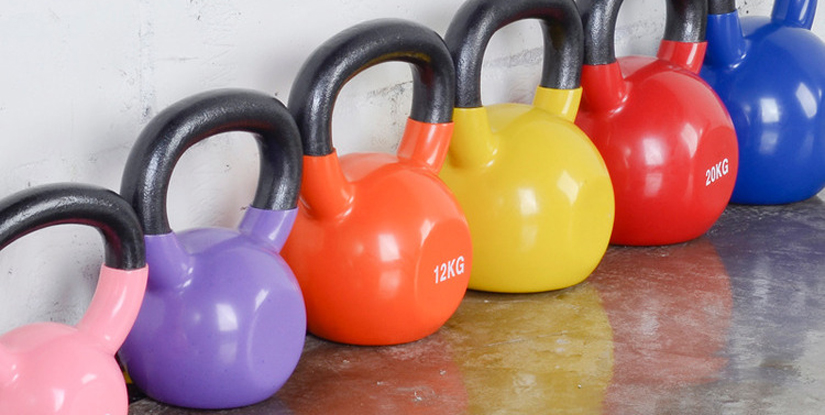
Managing Lead Times and MOQ for Global Distribution
Efficiently managing your inventory requires a precise understanding of how the best kettlebell weight selection impacts your inventory turnover. For distributors and large-scale facility operators, the challenge lies in maintaining a high stock variety without overextending capital into slow-moving SKUs. Balancing a diverse range of weights against MOQ requirements is a critical component of successful gym equipment procurement.
A common pitfall in commercial kettlebell wholesale is failing to account for the logistical complexities of international sourcing. Relying on a single supplier without a contingency plan for shipping delays can disrupt your entire supply chain. When ordering from a China factory, it is vital to align your procurement cycles with realistic lead time expectations to ensure your facility or retail warehouse remains stocked with the best kettlebell weight increments demanded by your clients.
To maximize your profit margins and ensure predictable inventory arrival, you must evaluate the structural differences between sourcing through a local distributor versus a direct factory-to-buyer model. The primary advantage of custom weight kettlebell manufacturing is the ability to control the total landed cost by removing intermediary markups and optimizing the shipping density within each container.
| Procurement Metric | Local Distributor Model | Factory-Direct OEM Model |
|---|---|---|
| Landed Cost | Higher due to multiple markup layers | Optimized via direct volume pricing |
| Lead Time | Short for existing stock availability | Longer due to production and ocean freight |
| MOQ | Low, suitable for small boutique studios | Higher, designed for bulk import/wholesale |
| Customization | Limited to standard off-the-shelf SKUs | High via specialized OEM/ODM services |
| Shipping Logistics | Simple domestic freight delivery | Complex international container management |
While a local distributor offers speed for immediate needs, professional importers often find that the best kettlebell weight sets are more cost-effectively acquired through direct production. By managing your own shipping logistics and working with a specialized factory, you can secure better pricing on high-demand weight increments. When planning your next large-scale order, we recommend requesting a detailed specification sheet and confirming the specific MOQ for your desired custom weight ranges to ensure your procurement timeline aligns with your facility launch or seasonal restocking goals.
The logistical integrity of your shipment is as vital as the weight accuracy itself. For high-volume importers, the risk of receiving damaged goods due to substandard export packaging can instantly erode your profit margins. To mitigate these risks, professional procurement teams must mandate a rigorous QC protocol that extends beyond the production line and into the final container loading stage. This includes verifying the structural integrity of every unit and ensuring that the export packaging is engineered specifically for long-haul ocean freight, preventing metal-on-metal friction or surface abrasions during transit.
A single instance of significant shipping damage can lead to costly returns, delayed facility openings, and damaged reputation among your end-users. Therefore, a comprehensive pre-shipment inspection is not an optional luxury but a necessary safeguard for large-scale bulk orders. When you partner with a specialized supplier, you should require a detailed inspection report that confirms the dimensions, weight tolerances, and coating durability of the entire batch. By prioritizing these quality assurance steps during your initial sourcing phase, you ensure that your investment in the best kettlebell weight sets arrives at your warehouse in showroom-ready condition, ready for immediate commercial deployment.