Calibrated Steel Plate Casting Manufacturer: Factory
The Critical Role of a Calibrated Steel Plate Casting Manufacturer in Commercial Gyms
Many procurement leads mistake high-volume availability for quality, resulting in uneven weight distribution and increased maintenance cycles. Relying on unverified sources often leads to hidden costs through frequent replacement and uneven wear on barbell sleeves. Selecting a professional calibrated steel plate casting manufacturer ensures that your bulk orders consist of precision-machined units that maintain structural integrity under heavy usage, protecting your long-term capital investment.
For distributors and gym operators, the TCO of weight sets is driven by how long the equipment remains in service without requiring recalibration or surface repair. Low-quality commercial weight plate production often overlooks the concentricity of the center bore, which can cause uneven loading and premature damage to high-end barbell systems. By sourcing directly from a specialized factory, you secure products designed for high-frequency commercial environments, where durability and consistent weight accuracy are non-negotiable for professional standards.
Optimizing your ROI requires a transition from viewing weight plates as a one-time expense to a long-term asset. High-quality steel plate OEM manufacturing minimizes the need for constant inventory replenishment and reduces the labor costs associated with replacing damaged or inaccurate plates. When managing high-volume procurement, working with a reliable supplier who understands the necessity of precision machining helps stabilize your landed cost and ensures your facility maintains a premium standard of equipment availability.
Strategic Sourcing: Standard Casting vs. Precision Calibrated Casting
When evaluating your next bulk order, it is essential to distinguish between standard casting and the specialized processes used by a professional calibrated steel plate casting manufacturer. While standard casting is suitable for low-traffic environments, it often lacks the dimensional consistency required for high-performance commercial settings. For distributors looking to maximize their margins, understanding these technical differences can prevent the high replacement costs associated with substandard equipment.
The following comparison highlights the qualitative differences between standard and precision-grade options to assist in your procurement decision-making:
| Material Tier | Primary Process | Weight Tolerance Profile | Commercial Duty Level | Sourcing Impact |
|---|---|---|---|---|
| Standard Cast Iron | Sand Casting | Variable/High Variance | Light Commercial / Home | Lower initial cost; higher replacement frequency |
| Standard Steel | Basic Machining | Moderate Consistency | Standard Commercial | Balanced price-to-durability ratio |
| Precision Calibrated Steel | Advanced CNC Machining & Calibration | Strict/High Precision | Premium/Professional Gym | Optimized TCO and long-term asset stability |
For importers and large-scale distributors, the choice between these tiers directly affects the commercial weight plate production standards of your inventory. Precision-grade plates undergo rigorous machining to ensure the center bore remains concentric, which reduces the wear on barbell sleeves and stabilizes the loading experience. Investing in steel plate OEM manufacturing that prioritizes these technical specifications allows you to offer a more reliable product to your end-users, ultimately lowering the total cost of ownership and enhancing your reputation as a provider of high-tier commercial equipment.
Optimizing Logistics and Scale Through Direct Sourcing
Managing large-scale inventory requires more than just product quality; it demands a partner capable of handling complex logistics and strict production schedules. A professional calibrated steel plate casting manufacturer provides the necessary infrastructure to support global distributors through predictable lead time management and scalable output. By bypassing middle-tier traders and working directly with a factory, procurement teams can gain better control over their supply chain, ensuring that large-volume shipments arrive on time and within specification.
For organizations seeking to expand their product lines, leveraging steel plate OEM manufacturing offers a significant competitive advantage. Whether you require custom branding to strengthen your market identity or specific weight increments for a specialized set, a direct supplier can accommodate these requirements through established OEM and ODM workflows. This level of customization, combined with specialized export packaging designed for container stability, helps mitigate the risks of transit damage and reduces the total landed cost for your business.
Effective wholesale procurement also hinges on finding the right balance between MOQ thresholds and inventory turnover. High-tier manufacturing partners offer flexible sourcing solutions that allow distributors to maintain a diverse stock of commercial weight plate production units without overextending capital. When you secure a partnership with a reliable China factory, you gain access to optimized shipping protocols and volume-based pricing, ensuring your distribution margins remain healthy even as market demands fluctuate.
Material Engineering and Precision Machining for Commercial Weight Plate Production
For distributors and gym equipment importers, the technical integrity of a weight set determines long-term replacement costs and client satisfaction. A professional calibrated steel plate casting manufacturer must bridge the gap between raw casting and high-precision performance. Rely much on standard sand casting alone; instead, look for a calibrated steel plate casting manufacturer that integrates advanced precision machining to ensure structural balance and concentricity. In the context of commercial weight plate production, precision is not just about the weight itself, but about the structural uniformity that prevents wobbling during high-intensity training.
When managing China factory sourcing for high-end fitness facilities, procurement leads must evaluate the secondary machining stages. Standard casting often results in slight deviations in thickness or bore diameter. To mitigate this, a reliable steel plate OEM manufacturing partner utilizes CNC machining to refine the inner diameter and outer edges. This ensures that the plates sit flush on the barbell, reducing mechanical wear on the equipment and improving the overall bulk order reliability for your inventory. High-tier commercial sets require strict adherence to industrial standards regarding weight tolerance and surface flatness to maintain a professional reputation in the competitive fitness market.
The Transition from Raw Casting to Precision Finishing
The production workflow for a professional calibrated steel plate casting manufacturer follows a rigorous sequence to ensure every unit meets commercial-grade requirements. The process begins with high-quality sand casting to create the foundational shape of the plate. However, the true value in commercial weight plate production lies in the post-casting refinement. After the initial casting, the plates undergo CNC machining to address the natural irregularities of the sand-casting process. This critical step focuses on the central bore and the contact surfaces, ensuring perfect concentricity and flatness. Without this secondary machining stage, plates may exhibit uneven weight distribution or uneven seating on a barbell, which can lead to increased maintenance frequency for the end-user.
Once the structural dimensions are stabilized through machining, the plates move to the surface treatment phase. For many wholesale buyers, the durability of the aesthetic finish is as vital as the weight accuracy. We utilize advanced powder coating lines to apply a resilient, high-impact layer that protects the steel from oxidation and surface wear. This process involves thorough degreasing and phosphate treatment to ensure maximum coating adhesion, preventing the peeling or chipping often seen in lower-tier products. This level of technical detail is a hallmark of quality steel plate OEM manufacturing, ensuring that the final product can withstand the high-traffic environment of a commercial gym or a premium training facility.
To ensure seamless sourcing for international distributors, each batch undergoes a standardized quality control protocol. This includes a weight tolerance spot-check and a visual inspection of the coating integrity. By focusing on these technical transitions—from raw sand casting to precision CNC machining and finally to industrial-grade powder coating—we provide a product that minimizes the total cost of ownership for your clients. When planning your next bulk order, we recommend requesting a technical specification sheet to confirm the specific machining and coating standards applied to your customized design.
| Material Tier | Primary Process | Precision Level | Commercial Application | QC Focus | Sourcing Value |
|---|---|---|---|---|---|
| Standard Cast Iron | Sand Casting | Standard/Variable | Budget Gyms & Home Use | Surface Smoothness | High Volume/Low Cost |
| Machined Steel | Casting + CNC Machining | High Precision | Commercial Strength Training | Bore Concentricity | Balanced TCO/Durability |
| Premium Calibrated Steel | Precision Casting + Full Machining | Ultra-High Precision | Professional Competition | Weight Tolerance & Flatness | Premium Brand Positioning |
Selecting the correct tier through a calibrated steel plate casting manufacturer is a strategic decision for any procurement lead. While standard cast iron serves budget-conscious markets, professional distributors often require the technical stability offered by high-precision machining. This table illustrates the qualitative differences in manufacturing depth and how they impact your final sourcing strategy. For example, while a standard calibrated steel plate casting manufacturer may offer high-volume casting, the addition of CNC machining significantly reduces the risk of uneven weight distribution, thereby protecting your brand identity and reducing client complaints regarding equipment balance.
Comparing Manufacturing Standards: Material, Process, and Commercial Duty
For professional distributors and gym equipment importers, understanding the technical divergence between standard casting and high-precision machining is critical for long-term TCO. A professional calibrated steel plate casting manufacturer ensures that each unit meets strict weight tolerance and concentricity standards required for high-end commercial facilities. While standard casting focuses on volume and low cost, precision-engineered plates prioritize material consistency and surface flatness to prevent uneven wear on barbell sleeves and high-use lifting platforms.
When managing commercial weight plate production, the secondary machining stage is what separates budget-grade items from professional-grade assets. This process involves refining the center bore and the outer circumference to ensure the plate remains perfectly balanced during high-velocity movements. For large-scale sourcing, selecting a partner that integrates these calibration steps into their standard production line reduces the risk of uneven weight distribution and premature equipment degradation in heavy-duty environments.
| Material Tier | Primary Process | Key Component Focus | Commercial Duty | Procurement Value |
|---|---|---|---|---|
| Standard Cast Iron | Sand Casting | Surface Texture | Budget/Light Commercial | Low TCO / High Volume |
| Precision Steel | Machining & Calibration | Bore Concentricity | Premium Commercial/Competition | High Durability / Low Maintenance |
| Coated Steel/Iron | Molding & Encapsulation | Coating Adhesion | Standard Commercial | Floor Protection / High Visibility |
Optimizing your steel plate OEM manufacturing strategy requires a clear understanding of these qualitative differences. While standard cast iron is sufficient for general fitness environments, high-performance facilities demand the strict weight tolerance and structural integrity provided by precision-machined steel. For those looking to build a premium brand identity through OEM or ODM partnerships, prioritizing these engineering distinctions ensures your product line maintains high performance standards across global markets.
Distributors must evaluate these technical variables to avoid the high replacement costs associated with substandard manufacturing. A reliable calibrated steel plate casting manufacturer provides a distinct advantage by controlling the transition from raw casting to final calibration, ensuring the product survives the rigorous demands of a high-traffic gym environment. When a calibrated steel plate casting manufacturer implements CNC machining for the center bore, the resulting concentricity significantly reduces vibration and mechanical stress on barbell bars, extending the lifespan of the entire lifting system.
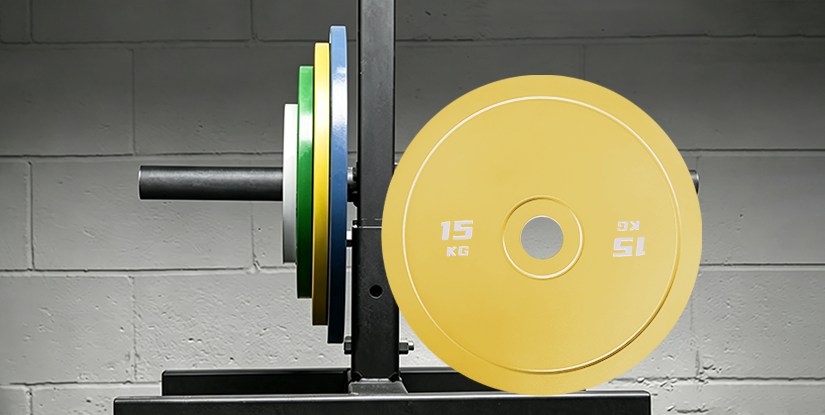
From a procurement standpoint, selecting the correct tier of commercial weight plate production directly impacts your long-term distributor margins and client satisfaction. Higher-grade steel plates typically undergo more intensive surface finishing and calibration cycles compared to standard cast iron, making them the preferred choice for premium facility owners. For companies engaged in large-scale steel plate OEM manufacturing, the ability to specify these precision-driven processes is essential for delivering a product that meets the expectations of professional athletes and high-end commercial gym chains.
Distributors must evaluate these technical variables to avoid the high replacement costs associated with substandard manufacturing. A reliable calibrated steel plate casting manufacturer provides a distinct advantage by controlling the transition from raw casting to final calibration, ensuring the product survives the rigorous demands of a high-traffic gym environment. When a calibrated steel plate casting manufacturer implements CNC machining for the center bore, the resulting concentricity significantly reduces vibration and mechanical stress on barbell bars, extending the lifespan of the entire lifting system.
From a procurement standpoint, selecting the correct tier of commercial weight plate production directly impacts your long-term distributor margins and client satisfaction. Higher-grade steel plates typically undergo more intensive surface finishing and calibration cycles compared to standard cast iron, making them the preferred choice for premium facility owners. For companies engaged in large-scale steel plate OEM manufacturing, the ability to specify these precision-driven processes is essential for delivering a product that meets the expectations of professional athletes and high-end commercial gym chains.
Optimizing Sourcing via Professional Steel Plate OEM Manufacturing
For distributors and gym equipment importers, selecting a calibrated steel plate casting manufacturer is a strategic decision that directly impacts long-term profitability. Unlike standard cast iron, professional steel plate OEM manufacturing focuses on high-precision machining and strict weight tolerance protocols to ensure every unit meets commercial standards. When sourcing in bulk, the goal is to minimize the total cost of ownership (TCO) by investing in products that require less frequent replacement and lower maintenance overhead.
In high-traffic commercial settings, the cost of a product extends far beyond the initial landed cost. Low-quality plates often suffer from concentricity issues or uneven weight distribution, leading to premature wear on barbell sleeves and increased replacement frequency. By partnering with a specialized China factory that prioritizes commercial weight plate production, buyers can secure high-durability assets that maintain their structural integrity and aesthetic appeal over years of heavy use, effectively lowering the long-term TCO for the end-user.
Reducing TCO Through Precision and Durability
The difference between budget-grade plates and professional-grade equipment lies in the calibration and finishing stages. High-standard commercial weight plate production involves multiple layers of quality control, from the initial sand casting to the final CNC machining of the center bore. This precision ensures that the plates remain flat and balanced, preventing the warping often seen in inferior batches. For a supplier, providing these technical specifications is essential for building trust with large-scale gym operators and international distributors.
Effective steel plate OEM manufacturing also addresses the durability of the surface finish. Whether utilizing a heavy-duty powder coating or a specialized plating process, the coating must withstand constant impact and environmental exposure without chipping or peeling. This level of detail reduces the need for onsite maintenance and protects the buyer's investment, making high-spec plates a more attractive option for premium commercial projects where reliability is non-negotiable.
Economic Impact: Professional Calibration vs. Uncalibrated Alternatives
When evaluating a bulk procurement strategy, decision-makers must look beyond the initial invoice to the actual value of the assets being imported. Relying on uncalibrated, low-cost alternatives often results in hidden expenses such as uneven wear on premium bar sets and high replacement rates. A professional calibrated steel plate casting manufacturer provides a predictable asset class that stabilizes long-term operational costs.
The following table illustrates the qualitative differences between standard commercial-grade production and low-tier uncalibrated options, highlighting why professional commercial weight plate production offers a superior return on investment for distributors and large-scale facility owners.
| Material Tier | Primary Process | Weight Precision | Commercial Durability | Long-term ROI | Sourcing Risk |
|---|---|---|---|---|---|
| Standard Cast Iron | Basic Sand Casting | Variable/Loose | Moderate (Prone to warping) | Lower initial, higher replacement | High (Tolerance inconsistencies) |
| Professional Calibrated Steel | Casting + CNC Machining | High (Strictly controlled) | High (Optimized for heavy use) | High (Extended asset lifespan) | Low (Standardized quality) |
| Premium OEM Grade | Casting + Precision Machining + Advanced Coating | Very High (Consistent) | Maximum (High impact resistance) | Highest (Minimal maintenance) | Minimal (Rigorous QC) |
For those managing large-scale wholesale orders, the choice of a supplier determines whether a shipment is a one-time purchase or a repeatable, high-margin inventory stream. By choosing a factory that integrates precise machining into their steel plate OEM manufacturing workflow, you ensure that the landed cost reflects true value, providing your clients with equipment that remains balanced and durable through years of intensive commercial training.
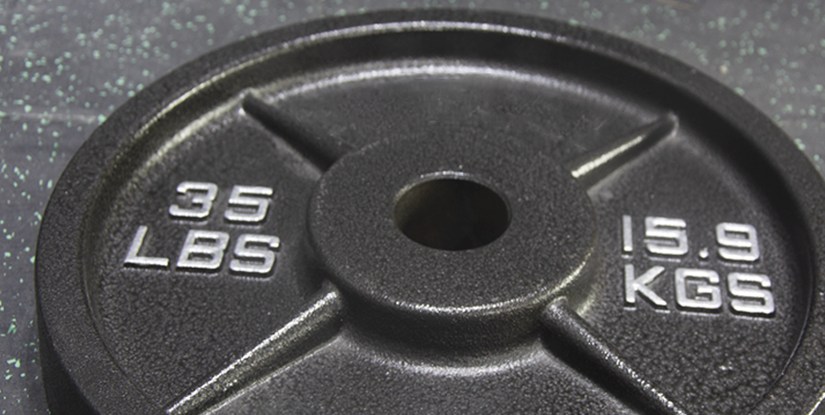
Factory QC Protocols and Export Standards for International Distributors
Maintaining strict quality control is the baseline for any calibrated steel plate casting manufacturer serving the global market. For international distributors and gym equipment importers, the primary risk in bulk procurement is receiving inconsistent batches that fail to meet weight or structural standards. A professional China factory mitigates this by integrating inspection points throughout the entire production cycle, from the initial sand casting stage to the final weight calibration and packaging.
In high-volume commercial weight plate production, even minor casting defects or uneven thickness can lead to significant issues in professional settings. We focus on eliminating common failures such as surface pitting, uneven weight distribution, or poor concentricity. By implementing a rigorous precision machining protocol after the initial casting, we ensure that every plate meets the necessary flatness and balance required for high-traffic commercial environments. This commitment to steel plate OEM manufacturing standards ensures that your landed cost remains low by reducing the need for after-sales replacements or returns due to manufacturing inconsistencies.
Critical Quality Control Benchmarks for Bulk Sourcing
When evaluating a supplier for large-scale orders, distributors must understand the specific technical checkpoints that guarantee weight tolerance and long-term durability. A reliable calibrated steel plate casting manufacturer does not merely check the final weight; they audit the entire manufacturing route to ensure B2B sourcing reliability.
| Process Stage | Technical Focus | Commercial Duty Requirement | Distributor QC Checkpoint |
|---|---|---|---|
| Initial Casting | Material Density & Surface Integrity | Consistent density to prevent structural cracks | Visual inspection for casting defects |
| Machining | Concentricity & Bore Precision | Smooth plate edges and centered bore hole | Tolerance check on thickness and flatness |
| Surface Finishing | Coating Adhesion & Texture | Durable finish for high-use environments | Surface smoothness and coating uniformity |
| Final Calibration | Weight Accuracy | Uniform weight across the entire set | Batch-level weight tolerance verification |
For professional buyers, managing the MOQ and lead time requires absolute confidence in the factory's ability to execute these steps without deviation. Whether you are requesting OEM custom branding or standard wholesale units, our pre-shipment inspection protocols are designed to protect your margins and ensure your clients receive equipment that meets global commercial standards.
Technical Inspection and Export-Ready Standards
A critical component of professional steel plate OEM manufacturing is the final verification of physical geometry and weight consistency. Beyond simple weight checks, a high-tier calibrated steel plate casting manufacturer must perform a concentricity check to ensure the central bore is perfectly centered. This prevents vibration and uneven wear on barbell sleeves during heavy use, a common failure mode in lower-quality commercial settings. Our technical team also conducts a surface finish inspection to verify that the powder coating or plating adheres uniformly to the steel substrate, ensuring long-term resistance to oxidation and mechanical abrasion.
To protect the landed cost for international distributors, our export packaging protocols are engineered for maximum shipping durability. We utilize heavy-duty reinforced cartons or custom palletization depending on the order volume and destination. This specialized packaging minimizes the risk of edge damage or surface scratching during long-haul maritime transit, ensuring that the product arrives in a condition that meets your brand's premium standards. When coordinating your next bulk order, we recommend discussing specific packaging requirements to align with your local warehouse logistics and distribution needs.
Understanding the nuances of production cycles is essential for effective inventory planning. We provide clear transparency regarding MOQ requirements and lead time for both standard stock and custom branding projects. Whether you are seeking a single SKU expansion or a full-scale private label line, our production scheduling is designed to support the rapid growth of your distribution business. We invite professional buyers to contact us to request a technical spec sheet, confirm current MOQ, or schedule a factory audit to verify our quality control capabilities firsthand.
Strategic Procurement: MOQ, Lead Times, and Logistics for Bulk Orders
Managing a global distribution network requires more than just finding a reliable calibrated steel plate casting manufacturer; it requires a partner who understands the financial impact of inventory cycles. For distributors and large-scale gym operators, the ability to forecast lead time and manage MOQ effectively is the difference between a profitable quarter and a broken supply chain. When sourcing high-precision equipment, the complexity of bulk orders often involves balancing the speed of production with the necessity of rigorous weight calibration.
A professional China factory provides the scale necessary to maintain a steady wholesale supply, but successful sourcing depends on understanding the trade-offs between custom production and stock availability. Whether you are managing commercial weight plate production for a single large facility or overseeing a multi-country distribution line, understanding the landed cost—including shipping, duties, and local warehousing—is essential for protecting your margins. We work closely with importers to align steel plate OEM manufacturing schedules with their specific seasonal demand, ensuring that your inventory management remains optimized without overextending capital.
Managing a global distribution network requires more than just finding a reliable calibrated steel plate casting manufacturer; it requires a partner who understands the financial impact of inventory cycles. For distributors and large-scale gym operators, the ability to forecast lead time and manage MOQ effectively is the difference between a profitable quarter and a broken supply chain. When sourcing high-precision equipment, the complexity of bulk orders often involves balancing the speed of production with the necessity of rigorous weight calibration.
A professional China factory provides the scale necessary to maintain a steady wholesale supply, but successful sourcing depends on understanding the trade-offs between custom production and stock availability. Whether you are managing commercial weight plate production for a single large facility or overseeing a multi-country distribution line, understanding the landed cost—including shipping, duties, and local warehousing—is essential for protecting your margins. We work closely with importers to align steel plate OEM manufacturing schedules with their specific seasonal demand, ensuring that your inventory management remains optimized without overextending capital.
To maintain high-tier standards, our factory integrates quality control at every stage of the OEM and ODM process. This begins with the initial casting and moves through precision machining to ensure concentricity and flatness. Every batch undergoes a strict pre-shipment inspection to verify that the weight tolerance remains within commercial-grade specifications. For distributor partners, this reduces the risk of returns and ensures that the branding you place on your products is backed by consistent, high-performance hardware. We recommend that buyers request a detailed spec sheet and confirm specific MOQ requirements during the initial consultation to streamline the transition from sample approval to full-scale container loading.
Sourcing Models and Procurement Comparison
Selecting the right procurement route depends on your specific business scale and the level of brand identity you wish to establish. For professional buyers, the decision between sourcing standard stock or investing in custom steel plate OEM manufacturing is a balance of upfront capital, customization requirements, and long-term margin potential. A professional calibrated steel plate casting manufacturer will typically offer several tiers of engagement to suit different distributor needs.
| Sourcing Model | Customization Level | Typical MOQ | Lead Time | Logistics Complexity | Target Buyer |
|---|---|---|---|---|---|
| Standard Wholesale | Low (Stock Items) | Lower | Short (Stock Availability) | Low (Standard Container Loading) | Small Studios / Local Gyms |
| Private Label | Medium (Logo/Color) | Moderate | Medium (Production Cycle) | Medium (Custom Packaging) | Regional Distributors |
| Full OEM/ODM | High (Full Spec) | Higher | Long (Design to Delivery) | High (Customized Crating) | Global Equipment Brands |
When evaluating your next batch, consider that while wholesale stock orders offer the fastest way to replenish inventory, they limit your ability to differentiate your product line. Conversely, engaging in full commercial weight plate production through an ODM or OEM approach allows for superior control over technical specifications and brand-specific finishes. We suggest that procurement leads perform a thorough factory audit or request a sample evaluation to confirm that the machining precision and coating adhesion meet your local market's commercial-grade expectations before committing to large-scale bulk orders.