Cast Iron Weight Plate Wholesale Manufacturer: Cast Iron Vs
Cast Iron Weight Plate Wholesale Manufacturer: Material and Lifecycle Comparison
When selecting a cast iron weight plate wholesale manufacturer, professional buyers must evaluate three critical checkpoints: material-driven durability, long-term maintenance requirements, and the logistical implications of weight-to-volume ratios. Choosing the wrong material can lead to increased replacement costs or damaged flooring, which negatively impacts the total cost of ownership (TCO) for a commercial gym layout. A reliable commercial weight plate supplier will provide clear distinctions between solid cast iron and rubber-encapsulated options to help you optimize your procurement strategy.
The primary distinction lies in the mechanical interaction with the gym environment. Cast iron plates, typically produced via sand casting and finished with high-grade powder coating, offer maximum density and a compact footprint, making them ideal for strength-focused zones. Conversely, rubber bumper plates are engineered for high-impact functional training where floor protection and noise reduction are prioritized. For distributors looking to maximize shelf-space efficiency and reduce shipping-related landed costs, the density of cast iron often provides a significant advantage in container loading efficiency during a bulk order.
Material, Process, and Commercial Utility Comparison
Understanding the manufacturing route—from the initial casting to the final surface treatment—is essential for assessing the long-term value of your inventory. A professional China factory will follow a standardized sequence of casting, machining the central bore for a precise Olympic collar fit, and applying a durable finish to prevent oxidation.
| Material | Primary Process | Key Component/Detail | Commercial Duty | MOQ Impact | Factory QC Point |
|---|---|---|---|---|---|
| Cast Iron | Sand Casting & Machining | Precision center bore | High-intensity strength zones | Lower MOQ for standard stock | Concentricity & weight tolerance |
| Rubber Bumper | Molding & Encapsulation | Steel hub & rubber rim | Functional & CrossFit areas | Higher MOQ for custom colors | Coating adhesion & density |
| Steel (Precision) | Forging & Polishing | Smooth surface finish | Premium/Competition use | High MOQ/Specialized production | Surface smoothness & balance |
For distributors and gym owners, the decision between these materials affects more than just the initial purchase price; it dictates the long-term maintenance load and the replacement frequency of the equipment. While rubber bumper plates offer superior floor protection, the specialized OEM gym equipment manufacturing required for high-end PU or rubber coating can lead to higher lead times and different sourcing profiles. We recommend reviewing the technical specifications and requesting a sample to evaluate the coating adhesion and weight consistency before finalizing any large-scale procurement.
Contact us today to request a detailed spec sheet, confirm the MOQ for your specific requirements, or discuss OEM/ODM branding opportunities for your next shipment.
When selecting a cast iron weight plate wholesale manufacturer, professional buyers must evaluate three critical checkpoints: material-driven durability, long-term maintenance requirements, and the logistical implications of weight-to-volume ratios. Choosing the wrong material can lead to increased replacement costs or damaged flooring, which negatively impacts the total cost of ownership (TCO) for a commercial gym layout. A reliable commercial weight plate supplier will provide clear distinctions between solid cast iron and rubber-encapsulated options to help you optimize your procurement strategy.
The primary distinction lies in the mechanical interaction with the gym environment. Cast iron plates, typically produced via sand casting and finished with high-grade powder coating, offer maximum density and a compact footprint, making them ideal for strength-focused zones. Conversely, rubber bumper plates are engineered for high-impact functional training where floor protection and noise reduction are prioritized. For distributors looking to maximize shelf-space efficiency and reduce shipping-related landed costs, the density of cast iron often provides a significant advantage in container loading efficiency during a bulk order.
Evaluating Material Durability and Surface Finishing Options
Selecting the right weight plate involves more than just weight accuracy; it requires a strategic understanding of long-term durability and maintenance costs. For professional importers and gym developers, choosing a cast iron weight plate wholesale manufacturer depends on whether the facility prioritizes high-impact resilience or long-term structural rigidity. While cast iron offers unmatched density and a compact footprint, bumper plates provide different advantages for high-velocity training environments.
When sourcing from a commercial weight plate supplier, procurement leads must evaluate the Total Cost of Ownership (TCO). This includes not only the initial unit price but also the long-term expenses related to floor damage, surface degradation, and replacement frequency. A cast iron weight plate wholesale manufacturer typically provides options ranging from bare iron to high-durability powder coatings, each serving distinct commercial needs.
| Material Type | Primary Coating | Typical Process | Commercial Duty Tier | Floor Protection Level | TCO Factor |
|---|---|---|---|---|---|
| Cast Iron | Powder Coating | Sand Casting & Machining | Standard Commercial | Moderate | Low (High Durability) |
| Rubber Bumper | Rubber/PU Coating | Compression Molding | Premium/High-Impact | High | Medium (Wear Dependent) |
| Steel Core | Vinyl/Poly Dip | Steel Fabrication | Budget/Light Commercial | Moderate | Medium (Maintenance) |
Understanding these material nuances is essential for effective OEM gym equipment manufacturing. For instance, a factory specializing in cast iron will focus on the quality of the powder coating adhesion to prevent rust, whereas a supplier of bumper plates will emphasize the integrity of the rubber/urethane coating and the bond line to the inner steel hub. Depending on your specific facility layout, you may choose to diversify your order to balance high-density strength training with high-impact functional training areas.
Technical Specifications for Procurement and QC
A professional cast iron weight plate wholesale manufacturer maintains strict control over the manufacturing sequence to ensure consistent weight calibration and concentricity. The typical production route begins with sand casting, followed by precision machining of the center bore to ensure a smooth Olympic collar fit. This process is critical for distributors, as any deviation in the concentricity of the plate can lead to uneven weight distribution and increased wear on barbell sleeves during high-volume commercial use.
During the pre-shipment inspection, experienced buyers should focus on the surface finishing and the integrity of the coating layer. For cast iron products, the adhesion of the powder coating is a primary QC point to prevent oxidation in humid gym environments. When managing a wholesale order, it is standard practice to request samples that demonstrate the quality of the knurled inner ring and the smoothness of the outer edge. If your project requires specific branding, an OEM partner can integrate custom embossed logos directly into the casting mold, ensuring the brand identity remains permanent and does not peel like a printed label.
To optimize your sourcing strategy, we recommend confirming the specific weight tolerance and the coating thickness with your chosen supplier before finalizing the production schedule. Whether you are looking for standard black iron plates or specialized colored finishes, understanding these technical layers helps in calculating the true landed cost and long-term maintenance requirements for your commercial facility.
Precision Machining and Weight Calibration Standards
Maintaining strict weight tolerance is a critical requirement for any professional cast iron weight plate wholesale manufacturer serving the global market. When sourcing bulk orders for commercial gym layouts, distributors must ensure that every unit meets consistent commercial gym standards to prevent discrepancies in training loads. High-quality production begins with high-grade sand casting, but the true differentiation in value occurs during the secondary precision machining stages.
To achieve a professional finish, a reputable commercial weight plate supplier utilizes CNC machining to refine the central bore and the outer edges of the plate. This process ensures perfect concentricity, allowing the plates to spin smoothly on an Olympic barbell without wobbling. For importers, these technical details directly impact the long-term durability and the perceived premium quality of the OEM gym equipment manufacturing batch, reducing the risk of uneven wear or mechanical imbalance during heavy usage.
Reliable weight calibration is the final, indispensable step in the factory production sequence. Rather than relying on raw casting weights, a professional China factory implements a rigorous calibration protocol where each plate is verified against a standard weight. This ensures that the weight tolerance remains within acceptable industry limits, protecting the buyer from the high landed cost of shipping defective or inaccurate inventory. For large-scale wholesale procurement, this level of factory QC provides the necessary assurance that the sourcing process will result in a consistent, high-performance product line for the end-user.
Manufacturing Tier Comparison for Commercial Procurement
When evaluating different production routes, professional buyers must understand how manufacturing complexity affects both the unit price and the long-term value of the inventory. A high-tier cast iron weight plate wholesale manufacturer will typically offer different levels of finishing depending on the intended commercial application and the client's budget requirements.
The following table outlines the standard technical differences between budget-tier casting and premium-tier machining, which is essential for distributors to consider when calculating the total value of a bulk order.
| Material Tier | Primary Process | Key Component/Detail | Commercial Duty | MOQ Impact | Factory QC Point |
|---|---|---|---|---|---|
| Standard Gray Iron | Basic Sand Casting | Rough Surface Finish | Budget/General Gym | Lower | Surface Uniformity |
| Premium Cast Iron | Casting + CNC Machining | Precision Concentricity | Professional/Strength Training | Medium | Bore Diameter Accuracy |
| High-End Finished Plate | Casting + Multi-Stage Coating | Advanced Surface Adhesion | Premium Studio/Competition | Higher | Coating Integrity |
For procurement leads, choosing the right tier is a balance between upfront wholesale costs and the long-term maintenance load of the facility. While basic casting is sufficient for many general-purpose settings, investing in OEM specifications that include advanced surface finishing and precision calibration ensures a much higher standard of reliability. We recommend that buyers request a detailed specification sheet and confirm the MOQ for specialized machined orders to ensure the technical requirements of their specific market are met before finalizing the sourcing agreement.
Optimizing Facility Footprint and Storage Efficiency
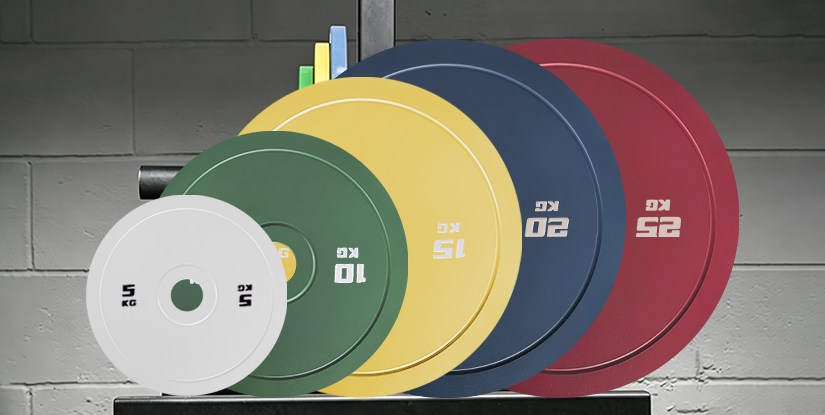
For facility managers and distributors, maximizing square footage is a critical component of long-term ROI. When selecting a cast iron weight plate wholesale manufacturer, procurement professionals must evaluate how material thickness and storage density impact the total commercial gym layout. Unlike thicker bumper plates, cast iron units offer a high-density profile that allows for more weight in a smaller physical footprint, making them a preferred choice for high-capacity strength zones.
Choosing the right commercial weight plate supplier involves more than just comparing unit costs; it requires analyzing space optimization and long-term storage efficiency. In many commercial settings, the thinner profile of cast iron plates allows for more weight to be stacked on a single barbell or stored in compact vertical racks. This efficiency is vital when sourcing equipment for boutique studios or multi-functional training centers where floor space is at a premium. By prioritizing high-density iron products, importers can optimize their bulk procurement strategies to ensure a more versatile and compact gym floor arrangement.
Physical Footprint and Storage Density Comparison
When planning a facility layout, the thickness of the weight plates directly dictates the capacity of your barbell loading and the density of your storage solutions. A professional cast iron weight plate wholesale manufacturer produces units with a significantly lower profile compared to rubberized alternatives. This distinction is a primary factor in determining the total weight capacity of a single barbell and the overall efficiency of your equipment racks.
The following table outlines the qualitative differences between these two common commercial options to assist in your OEM gym equipment manufacturing planning and facility design. This comparison focuses on the practical implications for logistics, storage density, and long-term landed cost considerations during large-scale wholesale orders.
| Feature | Cast Iron Plates | Rubber Bumper Plates |
|---|---|---|
| Thickness Profile | Low (High Density) | High (Lower Density) |
| Weight-to-Volume Ratio | Superior for compact loading | Lower; requires more space per kg |
| Storage Footprint | Minimal; ideal for dense racks | Larger; requires more rack depth |
| Primary Commercial Use | Strength training and heavy lifting | Olympic lifting and high-impact zones |
| Impact on Logistics | Higher density; optimized container loading | Bulkier; affects shipping volume efficiency |
| Typical Procurement Tier | Standard Commercial / Premium | Commercial / High-Impact Specialty |
For distributors and gym owners, understanding these variables is essential for calculating the true value of a commercial weight plate supplier. While bumper plates offer specific impact advantages, the high weight-to-volume ratio of cast iron provides a distinct advantage for maximizing the density of barbell loading and optimizing vertical storage in space-constrained environments.
Logistics and Warehouse Management Efficiency
Beyond the gym floor, the efficiency of your wholesale procurement is heavily dictated by the physical dimensions of the product. A professional cast iron weight plate wholesale manufacturer understands that reducing the total shipping volume is a key lever for lowering the final landed cost for international distributors. Because cast iron plates possess a high density and a low profile, they allow for more efficient container utilization during the export process compared to bulkier, low-density alternatives.
When managing large-scale sourcing projects, professional buyers must also consider the complexities of warehouse management and long-term inventory storage. A high-quality cast iron weight plate wholesale manufacturer provides specialized export packaging and standardized palletization to ensure that heavy loads remain secure and stable during transit. This level of attention to detail minimizes the risk of damage and optimizes the number of units per pallet, which is a critical factor when evaluating the MOQ and total volume requirements for a new facility or retail distribution center.
China Factory Sourcing: MOQ and Lead Time Management
Managing the procurement cycle for a cast iron weight plate wholesale manufacturer requires a clear understanding of how production scale dictates your inventory turnover. For distributors and gym equipment importers, the primary challenge is balancing the MOQ requirements of a China factory against the necessary lead time to avoid stockouts during peak seasons.
When sourcing from a commercial weight plate supplier, buyers must account for the multi-stage production cycle. This typically involves raw material casting, followed by precision machining for the center bore, surface coating application, and final weight calibration. Because these steps are sequential, high-volume OEM gym equipment manufacturing orders often require advanced scheduling to ensure that shipping logistics and container loading schedules align with your local market demand.
Sourcing Model Comparison for Procurement Planning
To optimize your landed cost and inventory strategy, it is essential to differentiate between purchasing standard stock and initiating a custom production run. A professional commercial weight plate supplier will offer different service levels depending on whether you require immediate replenishment or a unique brand identity. Understanding these tiers allows importers to better manage their capital expenditure and warehouse space.
| Sourcing Model | Typical MOQ | Lead Time | Customization Level | Best For |
|---|---|---|---|---|
| Standard Stock Order | Low to Medium | Short (Ready to Ship) | Minimal (Standard Finishes) | Rapid replenishment and testing market demand |
| OEM Manufacturing | High | Long (Production + Sea Freight) | High (Custom Branding & Colors) | Distributors building a proprietary brand identity |
| Private Label ODM | Very High | Extended (Design + Tooling + Production) | Maximum (Full Specification Control) | Large-scale gym chains and global distributors |
When engaging in OEM gym equipment manufacturing, we recommend a structured approach to mitigate risks. Buyers should first request a technical specification sheet and a sample evaluation to verify the weight tolerance and coating adhesion. Once the sample is approved, you may proceed to book a pre-shipment inspection at the factory to ensure the batch meets your commercial standards before the final container loading. For those looking to scale, discussing bulk pricing and long-term wholesale contracts early in the sourcing process can significantly improve your overall profit margins.
Even after a successful production run, the final stages of the supply chain are where the most significant risks to your landed cost occur. A reliable cast iron weight plate wholesale manufacturer must implement rigorous pre-shipment QC to prevent the arrival of defective units that can erode your distributor margins. For large-scale importers, a single batch of plates with inconsistent weight tolerance or damaged coatings can lead to costly returns and damaged brand reputation.
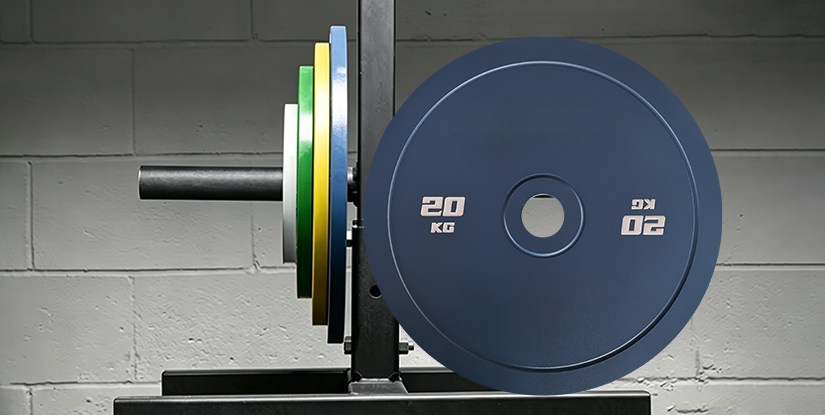
Effective export packaging is not just about protection; it is a critical component of logistics efficiency. Professional wholesale orders require standardized palletization to maximize container density and ensure stability during sea freight. We recommend that buyers verify the specific packaging protocols used by their supplier, such as the use of reinforced corner protectors, heavy-duty corrugated boxes, and secure shrink wrapping. High-quality palletization prevents shifting and prevents the weight plates from impacting one another, ensuring that your shipment arrives in a condition ready for immediate warehouse distribution or retail display.
To ensure the highest level of transparency, we encourage all procurement leads to schedule a final inspection before the container is sealed. This inspection should focus on the physical integrity of the center bore, the uniformity of the surface finish, and the accuracy of the weight markings. By confirming these details during the pre-shipment QC phase, you can mitigate the risk of receiving substandard goods and ensure that your bulk order aligns perfectly with your commercial-grade requirements.
Custom Branding and OEM/ODM Manufacturing Capabilities
Establishing a distinct brand identity is a critical strategic move for distributors and gym owners looking to differentiate themselves in a crowded market. When you partner with a professional cast iron weight plate wholesale manufacturer, you gain access to more than just bulk inventory; you gain a production partner capable of high-level OEM and ODM services. This allows you to transition from a generic reseller to a recognized equipment provider with a signature look.
For large-scale importers, the ability to implement private label solutions is essential for long-term brand equity. Whether it involves precision embossed logos on the cast iron surface or custom commercial gym branding through specialized powder coating colors, a reliable China factory can execute these requirements at scale. These customization options are typically integrated during the casting or surface finishing stages to ensure the logo remains permanent and durable under heavy commercial use. Depending on your MOQ, these services help you build a cohesive product line that meets specific market positioning, from budget-friendly sets to premium boutique studio aesthetics.
Technical Execution of Customization and Branding
To maintain high standards of brand consistency, the customization process must be deeply integrated into the primary production stages. High-tier OEM gym equipment manufacturing begins with the sand casting phase, where the logo is often embossed directly into the mold. This ensures that the branding is an integral part of the iron structure rather than a superficial addition, preventing wear during heavy lifting. Following the casting, the plates undergo precision machining to ensure the center bore remains concentric and the weight tolerance stays within industry-standard commercial limits.
The final aesthetic is often determined during the surface finishing stage. For distributors seeking a premium look, a professional powder coating process is applied to provide a uniform, high-durability layer that resists chipping. This stage is critical for maintaining your brand identity across large shipments, as the coating adhesion must withstand the friction of constant loading and unloading in a commercial environment. When negotiating with a commercial weight plate supplier, it is prudent to confirm whether customization occurs via casting, etching, or specialized coating to ensure the final product meets your specific durability and visual requirements.
Customization Strategy and Procurement Tiers
Selecting the appropriate level of customization depends heavily on your target market segment and your total volume per order. A professional cast iron weight plate wholesale manufacturer typically offers tiered service levels to accommodate different business models, from high-volume distributors to niche boutique studio providers. Understanding these tiers allows you to manage your landed cost effectively while meeting the aesthetic or functional expectations of your end users.
The following table outlines the standard customization pathways available through a commercial weight plate supplier. This comparison is designed to help procurement leads determine the most efficient way to scale their product lines through OEM gym equipment manufacturing processes.
| Customization Level | Branding Method | Surface Finish | MOQ Impact | Typical Use Case |
|---|---|---|---|---|
| Standard Wholesale | Pre-cast generic markings | Black powder coating | Low | General fitness centers and budget-tier gyms |
| Mid-Tier Custom | Raised or recessed logo | Color-specific powder coating | Moderate | Commercial distributors and regional gym chains |
| Premium Private Label | High-precision embossed branding | Multi-layer enamel or custom texture | High | High-end boutique studios and premium brands |
| Full ODM Solution | Complete mold redesign | Specialized industrial coating | Very High | Global equipment manufacturers and large-scale brands |
When evaluating your next batch, it is essential to verify where in the production sequence your branding is applied. For instance, a factory that integrates branding during the initial casting phase provides a more durable solution for heavy-duty environments than those relying solely on surface printing. We recommend requesting a sample or a detailed technical spec sheet to confirm that the branding method aligns with your durability requirements and your long-term distributor margins.
Pre-Shipment Inspection and Export Packaging Protocols
For distributors and gym equipment importers, the greatest risk in long-distance sourcing is receiving a shipment with weight discrepancies or surface damage. A professional cast iron weight plate wholesale manufacturer must implement rigorous quality control to protect your margins. Relying on a commercial weight plate supplier that lacks standardized testing can lead to high replacement costs and dissatisfied clients.
To mitigate these risks, we prioritize a multi-stage pre-shipment inspection. This process begins with a weight tolerance spot-check to ensure every plate in the bulk order aligns with the specified commercial standards. We also conduct a coating adhesion test to verify that the powder coating or paint remains intact under mechanical stress. Finally, specialized export packaging protocols are utilized, involving heavy-duty pallets and reinforced wrapping, to ensure that the landed cost remains optimized by preventing transit-related damage during ocean freight.
Whether you are looking for OEM gym equipment manufacturing or standard wholesale stock, verifying these technical steps is essential for maintaining long-term supply chain reliability.
For distributors and gym equipment importers, the greatest risk in long-distance sourcing is receiving a shipment with weight discrepancies or surface damage. A professional cast iron weight plate wholesale manufacturer must implement rigorous quality control to protect your margins. Relying on a commercial weight plate supplier that lacks standardized testing can lead to high replacement costs and dissatisfied clients.
To mitigate these risks, we prioritize a multi-stage pre-shipment inspection. This process begins with a weight tolerance spot-check to ensure every plate in the bulk order aligns with the specified commercial standards. We also conduct a coating adhesion test to verify that the powder coating or paint remains intact under mechanical stress. Finally, specialized export packaging protocols are utilized, involving heavy-duty pallets and reinforced wrapping, to ensure that the landed cost remains optimized by preventing transit-related damage during sea freight.
Whether you are looking for OEM gym equipment manufacturing or standard wholesale stock, verifying these technical steps is essential for maintaining long-term supply chain reliability. We recommend that all buyers confirm the specific palletization method and container loading plan during the initial sourcing phase to ensure maximum container utilization.
For distributors and gym equipment importers, the greatest risk in long-distance sourcing is receiving a shipment with weight discrepancies or surface damage. A professional cast iron weight plate wholesale manufacturer must implement rigorous quality control to protect your margins. Relying on a commercial weight plate supplier that lacks standardized testing can lead to high replacement costs and dissatisfied clients.
To mitigate these risks, we prioritize a multi-stage inspection. This process begins with a weight tolerance spot-check to ensure every plate in the bulk order aligns with the specified commercial standards. We also conduct a coating adhesion test to verify that the powder coating or paint remains intact under mechanical stress. Finally, specialized export packaging protocols are utilized, involving heavy-duty pallets and reinforced wrapping, to ensure that the landed cost remains optimized by preventing transit-related damage during sea freight.
Whether you are looking for OEM gym equipment manufacturing or standard wholesale stock, verifying these technical steps is essential for maintaining long-term supply chain reliability. We recommend that all buyers confirm the specific palletization method and container loading plan during the initial sourcing phase to ensure maximum container utilization.