Calibrated Steel Plate Bulk Supplier: Material and Sourcing
Calibrated Steel Plate Bulk Supplier: Material and Sourcing Standards
When establishing a long-term supply chain, professional importers must evaluate three critical pillars: material consistency, precision engineering, and logistical reliability. Sourcing from a calibrated steel plate bulk supplier requires more than just comparing unit prices; it demands a deep understanding of how steel grade and machining tolerances impact the total cost of ownership. A failure to verify these technical specifications during the initial sourcing phase can lead to uneven weight distribution, increased maintenance costs, and diminished brand reputation for distributors. High-tier procurement professionals prioritize a China factory that provides transparent documentation regarding their metallurgical standards and calibration routines to ensure every batch meets commercial-grade expectations.
The structural integrity of commercial steel weight plates depends heavily on the initial casting or rolling process. In many commercial settings, high-density steel is preferred to ensure that the plates maintain their shape under heavy use and frequent impact. A reputable calibrated steel plate bulk supplier will utilize standardized material grades that offer a balance of hardness and durability, preventing the warping or cracking often seen in lower-quality alternatives. By selecting a factory that specializes in precision steel plate manufacturing, buyers can mitigate the risks of weight drift and ensure that the Olympic collar fit remains consistent across the entire product line.
Effective wholesale procurement also involves understanding the relationship between manufacturing complexity and the final landed cost. For instance, the transition from basic sand casting to more advanced CNC machining significantly alters the weight tolerance and surface finish of the plate. While advanced machining increases the initial production cost, it reduces the long-term rate of returns and customer complaints, making it a more efficient choice for premium gym distributors. When negotiating MOQ requirements, it is essential to clarify whether the precision levels are achieved through standard production or specialized calibration steps to ensure the final product aligns with your market positioning.
Technical Comparison of Manufacturing Tiers
To optimize the procurement strategy, buyers should differentiate between various production methods and their impact on long-term durability. The following table outlines the qualitative differences between manufacturing tiers to assist in determining the best fit for your specific market segment, whether you are targeting budget-conscious facilities or high-end performance studios.
| Material Tier | Primary Process | Surface Finishing | Key Component/QC Point | Commercial Duty | MOQ Impact |
|---|---|---|---|---|---|
| Standard Steel | Sand Casting | Paint or Enamel | Base Flatness | Budget/Entry-Level | Lower |
| Premium Steel | CNC Machining | Powder Coating | Bore Concentricity | Commercial/Professional | Moderate |
| Competition Grade | Precision Forging | Chrome or Advanced PU | Weight Tolerance | Elite/Performance | Higher |
Understanding these distinctions is vital when evaluating a calibrated steel plate bulk supplier. For example, a China factory offering advanced precision steel plate manufacturing will typically employ CNC machining to ensure the central bore is perfectly concentric. This prevents the wobbling or uneven loading often encountered with basic casting methods. Furthermore, the application of high-grade powder coating or specialized surface finishing is not merely aesthetic; it is a critical layer that protects the steel from oxidation and improves the overall tactile experience for the end user.
When reviewing a supplier's capabilities, procurement managers should also inquire about the specific QC protocols used during the weight calibration and surface finishing stages. A robust pre-shipment inspection should include checks for coating adhesion and bore fit to ensure the plates interface seamlessly with standard Olympic bars. By prioritizing these technical details during the sourcing process, distributors can better manage their landed cost and ensure that the commercial steel weight plates delivered to their clients meet the highest standards of professional durability.
Precision Machining and Weight Calibration Processes
Achieving consistent density and balance is a critical requirement for professional distributors and gym owners. When sourcing from a calibrated steel plate bulk supplier, the technical focus must shift from simple casting to advanced precision steel plate manufacturing. High-tier commercial facilities require plates that maintain concentricity and uniform weight distribution to ensure long-term equipment stability and user safety.
The production sequence typically begins with high-grade steel casting, followed by rigorous CNC machining to refine the center bore and outer edges. This secondary machining stage is what differentiates standard stock from high-performance commercial steel weight plates. Without precise machining, plates often suffer from uneven thickness or eccentric bores, which can lead to uneven wear on barbell sleeves and increased maintenance costs for the end-user. A professional China factory will implement a multi-stage calibration process, where each unit is checked for weight accuracy and dimensional consistency before the final surface treatment is applied. This level of control is essential for maintaining the high standards expected in premium strength training environments.
Technical Grade Comparison for Procurement Decision-Making
Understanding the distinction between production tiers is vital for calculating the total cost of ownership and managing inventory margins. A professional calibrated steel plate bulk supplier will typically offer different manufacturing routes depending on your target market segment. While budget-tier plates rely on basic casting and minimal finishing, premium options undergo extensive machining to ensure the highest level of balance and durability.
The following table outlines the standard industry tiers to assist in your sourcing strategy, focusing on how production depth affects the final landed cost and commercial utility.
| Material Tier | Machining Process | Key Component Focus | Commercial Duty | MOQ Impact | Factory QC Point |
|---|---|---|---|---|---|
| Cast Iron / Basic Steel | Standard Sand Casting | Bore Diameter | Budget/Entry-Level | Lower | Surface Smoothness |
| Standard Commercial Steel | Secondary CNC Machining | Concentricity & Edge | Standard Commercial | Medium | Weight Spot-Check |
| Competition-Spec Steel | High-Precision CNC & Calibration | Bore Fit & Weight Uniformity | Premium/Professional | Higher | Dimensional Tolerance |
When evaluating a calibrated steel plate bulk supplier, we recommend requesting a detailed specification sheet that clarifies the level of machining applied to the center bore and the outer circumference. For high-traffic commercial facilities, investing in the higher tier reduces the risk of barbell sleeve damage and extends the replacement cycle. If you are looking to develop a private label line, please contact our team to confirm the MOQ and discuss how our OEM capabilities can meet your specific branding and precision requirements.
Comparing Commercial Steel Weight Plates and Material Tiers
When sourcing from a calibrated steel plate bulk supplier, procurement professionals must distinguish between standard utility items and high-performance equipment. While standard commercial steel weight plates are designed for general gym use, precision-machined units are essential for high-end strength facilities where weight accuracy and concentricity directly impact athlete performance and equipment longevity. Understanding these tiers is critical for calculating the total cost of ownership (TCO) and ensuring your precision steel plate manufacturing requirements meet professional standards.
For distributors and gym owners, the choice between budget-friendly cast options and premium machined steel involves balancing initial landed costs against long-term durability. A professional calibrated steel plate bulk supplier will typically offer tiered product lines to suit different facility needs, from entry-level commercial studios to elite strength and conditioning centers.
| Material Tier | Primary Process | Key Component/Feature | Commercial Duty | Procurement Focus |
|---|---|---|---|---|
| Standard Cast Iron | Sand Casting | Integral Rim/Bore | Budget Commercial | Low MOQ / Low Cost |
| Painted Steel | Stamping & Coating | Surface Enamel | Standard Commercial | Durability / Aesthetics |
| Precision Steel | CNC Machining | Calibrated Bore | Premium/Elite Training | High Precision / TCO |
| Chrome-Manganese | Forging/Machining | High-Density Core | Competition Grade | Maximum Longevity |
Choosing the correct tier ensures that your commercial steel weight plates do not become a maintenance liability. For example, while sand-cast plates are cost-effective for high-volume wholesale orders, they may lack the concentricity required for high-speed barbell work. In contrast, investing in precision steel plate manufacturing reduces the risk of uneven wear on barbells and reduces the frequency of replacement cycles, ultimately improving your long-term ROI.
Evaluating Manufacturing Processes for Sourcing Efficiency
The technical distinction between a standard manufacturing run and high-end production lies in the secondary machining stages. When negotiating with a calibrated steel plate bulk supplier, it is essential to understand how these processes affect your landed cost and the long-term durability of the inventory you distribute. A high-quality calibrated steel plate bulk supplier will utilize multi-stage production lines to ensure every unit meets the expected concentricity and bore fit required for professional barbell integration.
In many commercial settings, the difference between a budget-tier plate and a premium unit is not just the material, but the rigor of the calibration process. While basic stamping or casting provides a functional weight, it often lacks the precision needed for high-frequency commercial use. A professional precision steel plate manufacturing workflow typically follows a sequence of casting or forging, followed by CNC machining to refine the bore and outer diameter, and finally a specialized coating application. This ensures the plate remains balanced and resists oxidation even under heavy usage cycles.
For importers, the complexity of these processes directly influences the MOQ and lead time. Highly specialized machining requires more intensive quality control and longer production windows, but it significantly lowers the replacement rate for your end users. When evaluating a wholesale partnership, we recommend requesting a detailed specification sheet that outlines the specific machining and coating steps used by the factory to ensure the product meets your brand's durability standards.
China Factory QC and Pre-Shipment Inspection Protocols
For distributors and gym equipment importers, the cost of receiving a shipment with inconsistent weight accuracy is far higher than the initial savings from a low-cost calibrated steel plate bulk supplier. Inconsistent weights and poor concentricity lead to equipment imbalances, increased maintenance requests, and diminished brand reputation. To mitigate these risks, a professional China factory must implement a multi-stage inspection process that focuses on both physical dimensions and weight stability.
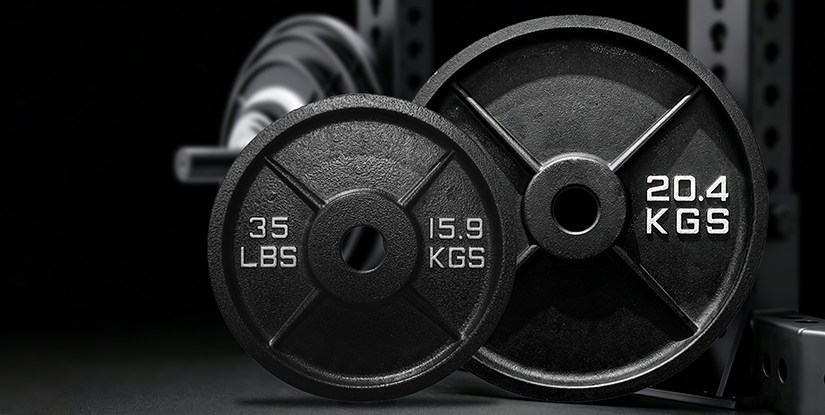
High-tier precision steel plate manufacturing requires more than just a basic visual check. A reliable supplier integrates rigorous weight tolerance testing and dimensional verification into the standard production flow. This ensures that every unit meets the strict requirements of commercial steel weight plates, providing the consistency expected in high-traffic strength training environments. Without these standardized protocols, the risk of non-compliance with commercial durability standards increases significantly.
Standardized China factory QC protocols typically involve several critical checkpoints before any container loading occurs:
- Dimensional Calibration: Verifying the diameter and thickness of the steel plate to ensure it fits standard Olympic bars without excessive play or friction.
- Weight Spot-Checks: Using calibrated scales to ensure the actual mass falls within the acceptable industry-standard deviation for the specific weight class.
- Surface Integrity: Inspecting the powder coating or plating for adhesion issues, bubbles, or unevenness that could lead to premature oxidation.
- Concentricity Testing: Ensuring the central bore is perfectly centered to prevent wobbling during high-intensity use.
When managing sourcing for large-scale distributor orders, we recommend requesting a pre-shipment inspection report that specifically highlights these metrics. For wholesale buyers, confirming these QC steps can drastically reduce the landed cost of errors and ensure long-term commercial durability for the end user.
Beyond the technical calibration of the metal itself, the final stage of the procurement cycle involves the integrity of the entire shipment. For professional importers, a failure in the final stage—such as poor export packaging or improper container loading—can result in damaged surfaces, bent edges, or even unusable inventory upon arrival at the warehouse. A professional calibrated steel plate bulk supplier must treat the logistics preparation with the same precision as the initial CNC machining process.
Reliable commercial steel weight plates require specialized handling to maintain their finish and structural alignment during long-distance ocean freight. This includes using heavy-duty reinforced cartons and high-density palletizing to prevent shifting within the shipping container. A high-quality China factory will typically implement a standardized loading protocol to ensure that the weight distribution within the container is optimized, protecting both the product and the shipping efficiency. This attention to detail is a critical component of professional precision steel plate manufacturing, as it directly impacts the final landed cost and the readiness of the stock for your retail or distribution channels.
Before finalizing a bulk order, we recommend that buyers confirm the specific export packaging standards and request a detailed pre-shipment report. Verifying these final steps ensures that your wholesale investment arrives in a condition that meets your brand's quality expectations, ready for immediate distribution or commercial installation.
To ensure a transparent procurement process, we recommend that distributors and importers utilize a structured evaluation framework when reviewing factory capabilities. A professional calibrated steel plate bulk supplier should provide clear documentation regarding their inspection stages and the resulting impact on your commercial operations. This level of transparency is essential for managing long-term inventory reliability and minimizing the risk of defective returns.
Standardized Inspection and Quality Benchmarks
The following table illustrates the typical inspection hierarchy used in high-standard precision steel plate manufacturing. This framework helps buyers differentiate between basic production and the rigorous standards required for professional-grade distribution.
| Inspection Stage | Focus Area | Standard Requirement | Commercial Impact |
|---|---|---|---|
| Raw Material Verification | Steel Grade & Purity | Standardized carbon/manganese ratios | Ensures long-term structural integrity |
| Primary Machining | Bore Concentricity | Centered Olympic collar fit | Prevents barbell wobble and uneven wear |
| Calibration Phase | Weight Accuracy | Consistent mass within industry-standard tolerance | Maintains professional training standards |
| Surface Finishing | Coating Adhesion | Uniform powder coating or plating | Reduces maintenance and oxidation risk |
| Pre-Shipment QC | Final Dimensions & Weight | Full compliance with spec sheet | Protects distributor margins and reputation |
When negotiating wholesale contracts, it is standard practice to clarify how the factory handles deviations found during these stages. For example, a high-tier supplier should have a protocol for isolating non-compliant units before they reach the export packaging stage. Furthermore, many manufacturers offer OEM or ODM services that allow you to integrate your own branding or custom weight increments into these specific QC checkpoints. We suggest confirming the minimum MOQ for custom branded plates and requesting a sample to verify that the commercial steel weight plates meet your specific density and finish requirements before proceeding with a full container order.
OEM/ODM Customization and Private Label Capabilities
For distributors and gym equipment importers, the ability to transition from a generic buyer to a specialized brand owner is a critical lever for increasing distributor margin. Working with a professional calibrated steel plate bulk supplier allows you to move beyond standard stock items and enter the high-value tier of branded fitness solutions. By leveraging OEM and ODM services, you can integrate your unique brand identity directly into the product through custom embossing, specialized coating colors, or bespoke packaging, ensuring your inventory stands out in a competitive market.
Strategic sourcing from a specialized China factory provides the flexibility needed to meet specific regional market demands. Whether you require unique weight increments for a boutique studio chain or specific aesthetic finishes for a premium commercial gym, a reliable supplier can manage the complexities of production. While private label projects often involve a higher MOQ compared to standard wholesale orders, the long-term value of commercial gym branding—such as proprietary logo placement on the plate face or custom color-coded rings—builds much stronger customer loyalty and brand recognition.
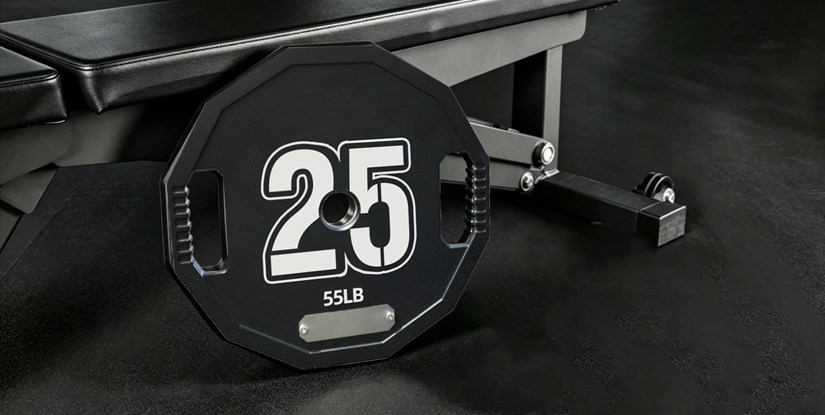
Navigating the technical requirements of precision steel plate manufacturing requires a partner who understands both the production timeline and the final landed cost implications. When you initiate an ODM request, the lead time will typically account for custom tooling or specialized surface treatments. It is essential to coordinate these timelines with your sourcing plan to ensure that customized batches arrive in time for seasonal market shifts or new facility openings.
Technical Precision in Branding and Surface Finishing
Achieving a premium look requires more than just a logo; it requires high-standard precision steel plate manufacturing to ensure that customization does not compromise the structural integrity of the plate. For high-end distributors, the method of branding is a key differentiator in perceived value. We offer two primary methods for logo application: logo embossing and high-durability printing. Embossing involves creating the brand mark directly into the mold during the casting or machining phase, resulting in a permanent, three-dimensional relief that cannot wear off through heavy use. This is the industry standard for commercial steel weight plates intended for high-traffic strength facilities, as it maintains a clean aesthetic even after years of friction.
For projects requiring more complex visual elements, high-grade printing can be applied, provided it is followed by a robust surface finishing process. To ensure maximum commercial durability, we utilize advanced CNC machining to refine the plate face before any decorative application. This ensures the surface is perfectly level and free of imperfections. Following the branding, a thick layer of powder coating is typically applied. This electrostatic process creates a resilient, impact-resistant barrier that protects the steel from oxidation and prevents chipping during heavy drops or plate transitions. When sourcing customized batches, buyers should confirm that the powder coating adhesion meets commercial standards to avoid peeling in high-humidity gym environments.
Maintaining a strict weight tolerance is the most critical aspect of the production sequence. Even when applying custom colors or embossed logos, the factory must ensure that the precision steel plate manufacturing workflow—from initial casting to final CNC machining—remains calibrated. A rigorous quality control protocol is implemented at the end of the line, where each plate is checked for concentricity and dimensional accuracy. This ensures that your private label products perform with the same professional-grade consistency as standard high-end equipment, protecting your brand reputation and reducing the risk of customer returns due to weight discrepancies.
Standard Wholesale vs. Custom OEM/ODM Comparison
When evaluating your next batch, it is essential to understand how procurement paths impact your landed cost and brand positioning. Choosing between standard wholesale stock and a full OEM or ODM project depends on whether your priority is immediate inventory availability or long-term market differentiation. A professional calibrated steel plate bulk supplier will offer distinct tiers of service to accommodate different business scales and customization depth.
| Feature/Dimension | Standard Wholesale (Stock) | Custom OEM/ODM (Private Label) |
|---|---|---|
| Material Base | Standard High-Grade Steel | Bespoke Alloy or Specialized Steel |
| Surface Finish | Standard Black Powder Coating | Custom Colors or Metallic Finishes |
| Branding Method | Standard Factory Logo/None | Custom Embossing or Precision Printing |
| Customization Level | Limited to Standard Sizes | High (Bore Size, Color, Branding) |
| Typical MOQ | Lower (Standardized Batches) | Higher (Tooling & Production Setup) |
| Lead Time | Short (Existing Inventory/Production) | Extended (Custom Tooling & QC Cycles) |
| Commercial Use Case | General Gym/Distributor Stock | Premium Brand/Specialized Studio |
For many importers, the decision to move toward commercial steel weight plates with custom branding is a strategic move to increase distributor margin. While standard orders offer faster lead time for quick replenishment, OEM production allows you to control the entire aesthetic experience of your product line. We recommend that buyers request a detailed spec sheet and confirm the MOQ for any custom ODM project during the initial sourcing phase to ensure alignment with your project's budget and delivery timeline.
Logistics, Export Packaging, and Landed Cost Optimization
When managing high-volume procurement, the final landed cost of your shipment is heavily influenced by how a calibrated steel plate bulk supplier handles the transition from the China factory to your warehouse. For distributors and gym equipment importers, the primary risk during long-distance sea freight is not just product damage, but the degradation of precision through moisture exposure or structural shifting within a container. Efficient export packaging strategies are essential to mitigate these risks and ensure that commercial steel weight plates arrive in a condition that meets strict commercial standards.
Standard logistics protocols for heavy metal goods require more than simple boxing. To maintain the integrity of precision steel plate manufacturing results, professional sourcing partners typically utilize heavy-duty wooden crates or reinforced pallets. This structural support is vital for stability during sea freight. Furthermore, advanced moisture control, such as the application of anti-rust coatings or the use of desiccant packs within the wholesale bundles, prevents oxidation during the weeks spent in high-humidity maritime environments. By optimizing palletization and ensuring high-density loading, a supplier can help you maximize container space, effectively lowering the per-unit shipping cost and improving your overall margin.
Export Standards and Container Loading Efficiency
Effective sourcing requires a clear understanding of how MOQ and shipping volumes interact with container capacity. A professional calibrated steel plate bulk supplier will provide detailed packing lists that account for the weight-to-volume ratio of steel plates. Because steel is exceptionally dense, container weight limits are often reached before physical volume is exhausted. Therefore, coordinating with your factory to optimize the arrangement of commercial steel weight plates within a 20ft or 40ft container is a critical step in reducing your total landed cost.
To ensure a seamless arrival, we recommend requesting a detailed export packaging specification during your initial sourcing phase. This includes verifying the use of heat-treated pallets (ISPM 15 compliant) and the thickness of the protective layers used to prevent metal-on-metal friction. Whether you are ordering small batches or a full container load, ensuring these sea freight protection measures are in place will prevent costly delays at the port and ensure your inventory is ready for immediate distribution.
Shipping Configuration and Cost Analysis
Optimizing your procurement budget requires a granular understanding of how packaging choices impact both protection and shipping density. For high-volume importers, selecting the correct configuration for commercial steel weight plates can significantly alter the total landed cost. A professional calibrated steel plate bulk supplier will offer various tiers of protection and volume efficiency to suit different distributor needs, from budget-conscious stock replenishment to premium, high-protection shipments for high-end gym clients.
The following table outlines common logistics configurations used by a leading calibrated steel plate bulk supplier to help you evaluate the trade-offs between protection, volume, and cost during your sourcing process.
| Packaging Type | Shipping Method | Protection Level | Volume Efficiency | Cost Impact |
|---|---|---|---|---|
| Standard Industrial Carton | LCL / Air Freight | Basic (Surface protection only) | High (Lower density) | Lower unit cost |
| Reinforced Palletized Bundle | FCL (20ft/40ft Container) | Medium (Structural stability) | Medium (Standard loading) | Moderate (Standard B2B) |
| Custom Heavy-Duty Wooden Crate | FCL (Sea Freight) | High (Maximum impact/moisture resistance) | Lower (Increased footprint) | Higher (Premium protection) |
| Steel Frame/Rack Bundle | FCL (Bulk Sea Freight) | High (Prevents plate deformation) | Very High (Optimized for weight) | Optimized for large MOQ |
When evaluating precision steel plate manufacturing orders, consider that while higher protection levels like wooden crating may increase initial packaging costs, they often reduce the risk of transit-related damage and subsequent insurance claims. We recommend consulting with your factory to confirm the specific weight-to-volume ratios for your order to ensure your container is loaded to its maximum legal capacity without exceeding maritime weight limits.