Calibrated Steel Plate ODM: Material and Sourcing Comparison
The High Cost of Precision Errors in Weight Plate Procurement
For large-scale gym chains and international distributors, the difference between a high-performing facility and a maintenance-heavy liability often comes down to the technical specifications of their weight sets. When sourcing bulk orders from a China factory, overlooking the calibration requirements of precision machined steel plates can lead to significant operational friction. If the plates in a shipment lack concentricity or consistent weight distribution, the resulting imbalance affects barbell movement and increases wear on expensive lifting machines, ultimately driving up the TCO (Total Cost of Ownership) for the end-user.
In a high-traffic commercial setting, the financial impact of low-precision equipment extends far beyond the initial landed cost. Importers who fail to partner with a professional calibrated steel plate ODM often face unexpected expenses in replacement planning due to uneven wear or coating failure. These precision errors create a ripple effect: uneven weight distribution can damage barbell sleeves, and inconsistent plate thickness causes uneven loading on racks. For a professional commercial weight plate manufacturer, the goal is to mitigate these risks through rigorous machining and calibration, ensuring that every bulk shipment meets the strict standards required for elite commercial durability.
The procurement risks associated with a substandard calibrated steel plate ODM often manifest as hidden logistical and financial drains. One of the most frequent pain points for distributors is receiving shipments with inconsistent weight tolerances. When a single batch lacks uniformity, it compromises the professional standard of the entire facility, leading to client dissatisfaction and high return rates. Furthermore, poor surface finishing—such as inadequate powder coating or improper phosphate treatment—can lead to premature oxidation or peeling. This degradation is not just an aesthetic issue; it increases the maintenance load and decreases the lifespan of the equipment, directly impacting the distributor's margin and the client's long-term ROI.
Beyond physical durability, manufacturing inconsistencies in the machining phase can lead to serious structural headaches. If the central bore lacks concentricity or the flatness of the plate is poorly controlled, the plates will not sit flush on the barbell. This uneven loading creates vibration and mechanical stress that can damage high-end barbell sleeves and commercial racks. For importers managing large-scale bulk orders, these technical failures often result in delayed lead time adjustments, increased shipping costs for replacements, and the need for constant oversight during pre-shipment inspection. To avoid these pitfalls, sourcing from a reliable commercial weight plate manufacturer that prioritizes precision machining and standardized quality control is essential for maintaining a stable, high-quality product line in the global market.
Procurement Tier Comparison: Budget vs. Precision
To make an informed decision during the sourcing phase, buyers must evaluate whether the project requires basic utility or high-performance stability. While budget-tier options may lower the initial landed cost, they often introduce long-term maintenance risks. Conversely, a specialized calibrated steel plate ODM provides the technical consistency required for premium commercial facilities and professional distributors.
| Procurement Tier | Material/Process | Impact on Commercial Use | Sourcing Risk |
|---|---|---|---|
| Budget / Entry-Level | Standard cast iron with basic surface treatment | Higher vibration and potential barbell sleeve wear | Inconsistent weight and poor bore concentricity |
| Commercial / Standard | Machined steel with standard powder coating | Stable loading for general gym environments | Moderate variance in plate thickness |
| Premium / Precision | precision machined steel plates with high-grade finish | Optimized for high-traffic and elite training | Minimal; requires strict factory QC oversight |
When evaluating your next batch, consider the MOQ and the technical requirements of your target market. A professional commercial weight plate manufacturer will typically offer tiered specifications to accommodate different distributor needs. We recommend requesting a detailed spec sheet and confirming the calibration process during your initial sourcing inquiry to ensure the final product aligns with your brand identity and durability standards.
Material Specifications for Calibrated Steel Plate ODM
Selecting the correct grade of steel is the foundation of any high-performance calibrated steel plate ODM program. For distributors and gym equipment importers, the choice of material directly dictates the long-term durability and the total cost of ownership for the end user. High-quality precision machined steel plates typically utilize industrial-grade steel that has been processed to ensure structural integrity under heavy repetitive use. When sourcing from a China factory, understanding the distinction between standard casting and precision machining is vital for maintaining consistent weight standards across bulk orders.
The manufacturing sequence for these units generally follows a rigorous path: raw steel selection, precision CNC machining to achieve the desired thickness and diameter, and finally, advanced surface treatments. A professional commercial weight plate manufacturer will focus heavily on the concentricity of the center bore and the flatness of the plate surface. These technical attributes are what separate budget-tier units from premium, competition-ready plates that meet strict international commercial standards. For large-scale wholesale procurement, ensuring the steel grade remains consistent across different production batches is a critical QC requirement to prevent weight discrepancies in a full set.
Material and Manufacturing Tier Comparison
| Material Type | Primary Process | Key Component Focus | Commercial Duty Tier | MOQ Impact |
|---|---|---|---|---|
| Solid Steel | CNC Machining | Bore Concentricity | Premium / Competition | Higher |
| Chrome-Manganese Steel | Forging & Machining | Surface Hardness | High-End Commercial | Medium |
| Standard Steel | Sand Casting | Edge Smoothness | Budget / Standard Commercial | Lower |
Surface Treatment and Coating Durability
The final layer of protection is just as critical as the base metal when evaluating a calibrated steel plate ODM. For distributors, the coating determines how the product survives high-impact environments and chemical exposure from cleaning agents. A common mistake in procurement is overlooking the bond strength between the steel and the finish, which can lead to chipping or oxidation in humid gym environments. A reliable commercial weight plate manufacturer will offer various finishing options to match different market segments, from basic industrial finishes to high-end aesthetic coatings.
One of the most common methods for high-volume wholesale orders is the application of powder coating. This process involves applying a dry powder to the surface and curing it under heat to create a hard, durable skin. Unlike liquid paint, this provides superior resistance to scratches and impact. For premium lines, manufacturers may utilize more complex processes to ensure the finish does not compromise the weight calibration or the precision of the plate edges. When conducting a pre-shipment inspection, buyers should check for coating adhesion and uniform thickness to ensure the product meets the expected commercial-grade standards before it reaches the final destination.
Precision Engineering and Export Quality Control
Reliability in bulk procurement depends on the precision of the manufacturing sequence. For a professional calibrated steel plate ODM, the process must move beyond basic casting into advanced CNC machining to achieve the exact tolerances required for high-end commercial use. This stage is where the center bore and plate thickness are finalized to ensure a perfect fit on Olympic barbells. A professional commercial weight plate manufacturer will prioritize the concentricity of the bore to prevent wobbling during heavy lifts, a common failure mode in lower-tier production.
Before any container loading, a rigorous pre-shipment QC protocol is essential to protect your distributor margins. This includes a systematic weight tolerance check to verify that every plate in the batch adheres to the agreed specifications. Beyond the metal itself, the export packaging must be robust enough to withstand international transit and multiple handling points without surface damage or structural deformation. For importers managing high-volume wholesale accounts, verifying these specific QC checkpoints—such as coating adhesion and bore precision—is the most effective way to minimize the landed cost of returns and replacement claims.
Manufacturing Processes and Precision Machining Standards
For professional importers and distributors, the technical differentiation of a calibrated steel plate ODM lies in the transition from raw casting to high-precision finishing. While standard cast iron plates are sufficient for basic gym use, high-end commercial facilities require precision machined steel plates to ensure consistent weight distribution and a perfect fit on Olympic barbells. When sourcing from a China factory, understanding the specific machining steps is essential to avoid the common issue of uneven weight distribution or improper bore concentricity in bulk shipments.
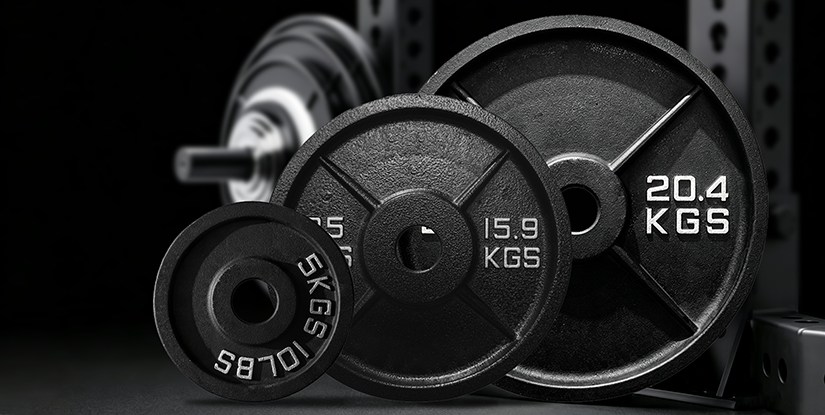
The production of high-grade plates typically follows a rigorous sequence: starting with high-quality steel or iron casting, followed by secondary CNC machining to refine the central bore and the striking surface. This stage is critical for a commercial weight plate manufacturer to ensure that the weight tolerance meets strict industrial standards. Without precise machining, plates may exhibit wobbling or uneven wear, which increases long-term maintenance costs and reduces the lifespan of the barbell sleeves. For those managing large-scale wholesale orders, verifying that the factory utilizes automated machining rather than manual grinding is a vital QC step to ensure uniformity across the entire MOQ.
Technical Comparison of Manufacturing Routes
Distributors must distinguish between standard production and high-spec finishing when evaluating a calibrated steel plate ODM. The choice between sand casting and advanced machining directly impacts the landed cost and the long-term durability of the inventory. While sand casting is a cost-effective method for high-volume wholesale distribution, it often requires more intensive secondary processing to achieve the surface smoothness expected in premium commercial settings. Conversely, utilizing precision machined steel plates ensures a much higher degree of concentricity and a cleaner fit, which is a critical selling point for high-end gym clients.
A professional commercial weight plate manufacturer will typically integrate several layers of finishing to protect the steel core. This includes a phosphate treatment to prevent oxidation, followed by a high-grade powder coating for impact resistance. For B2B buyers, the decision between these processes should be based on the target market: budget-tier gyms often accept standard casting, whereas premium training centers require the precision of CNC machining and specialized coating adhesion to ensure long-term commercial durability.
| Material/Process | Primary Method | Key Component/QC Point | Commercial Duty | MOQ Impact |
|---|---|---|---|---|
| Standard Cast Iron | Sand Casting | Bore concentricity | Budget/Entry-level | Lower MOQ flexibility |
| Premium Steel | CNC Machining | Surface flatness | High-end Commercial | Higher MOQ requirements |
| Coated Steel | Powder Coating | Coating adhesion | Standard Commercial | Standard bulk pricing |
Sourcing and Quality Control for Bulk Orders
When managing international sourcing, the complexity of the manufacturing process necessitates a robust pre-shipment inspection. A reliable China factory will not only verify the weight of the plates but also perform a detailed QC on the surface finishing and the bore diameter. For a calibrated steel plate ODM project, it is standard practice to request a sample approval before the full production run begins. This allows the importer to check the thickness of the powder coating and the smoothness of the weight markings to ensure they align with the brand identity.
Effective procurement planning should also account for the lead time associated with advanced machining. Because precision machined steel plates require more specialized equipment and time-intensive calibration, the production cycle may be longer than standard cast iron. We recommend that distributors confirm the MOQ and the specific production timeline during the initial OEM consultation to ensure that container loading schedules and shipping deadlines are met without delay.
Comparing Sourcing Tiers for Commercial Weight Plate Manufacturer Orders
For distributors and large-scale importers, selecting the right calibrated steel plate ODM partner depends on balancing initial landed cost against long-term replacement cycles. In the global wholesale market, sourcing involves navigating different manufacturing standards that directly impact your profit margins and client satisfaction. Understanding these tiers allows a commercial weight plate manufacturer to provide the specific level of precision required for your target market, whether you are supplying budget-friendly fitness centers or high-end strength studios.
When managing bulk inventory, the distinction between tiers often lies in the depth of the machining process and the quality of the surface treatment. A precision machined steel plates order with higher tolerances ensures better fitment on premium bars, reducing the frequency of customer returns and maintenance requests. Choosing the correct tier is a strategic decision regarding your sourcing roadmap and long-term service reputation.
| Tier Level | Primary Material | Manufacturing Process | Typical Use Case | Distributor Margin Potential |
|---|---|---|---|---|
| Budget | Cast Iron / Standard Steel | Sand Casting & Basic Paint | Standard Commercial Gyms | High Volume / Low Margin |
| Commercial | Machined Steel | CNC Machining & Powder Coating | Premium Fitness Studios | Mid-Volume / Moderate Margin |
| Premium | High-Grade Chrome-Manganese Steel | Precision Calibration & Multi-Layer Coating | Professional Training Facilities | Low Volume / High Margin |
When evaluating a calibrated steel plate ODM request, we recommend requesting a sample to verify the concentricity and the bond line adhesion of the coating. High-tier precision machined steel plates typically undergo more rigorous weight tolerance spot-checks at the factory level to ensure consistency across an entire wholesale shipment. For OEM projects, we can also adjust the thickness of the coating or the depth of the knurled bore to meet your specific brand identity requirements.
| Tier Level | Material | Process | Key Component / QC Point | Commercial Use | MOQ Impact |
|---|---|---|---|---|---|
| Budget | Cast Iron | Sand Casting | Base Flatness | Standard Gyms | Low |
| Commercial | Machined Steel | CNC Machining | Bore Concentricity | Fitness Studios | Medium |
| Premium | Chrome-Manganese Steel | Precision Calibration | Coating Adhesion | Professional Facilities | High |
Selecting the appropriate tier for a calibrated steel plate ODM project requires a clear understanding of how manufacturing depth affects your landed cost. While budget options focus on high-volume turnover, premium precision machined steel plates are engineered for high-frequency use where weight accuracy and bore fitment are critical. When negotiating with a commercial weight plate manufacturer, always clarify whether the calibration occurs during the initial casting stage or through secondary machining processes, as this significantly impacts the final product consistency.
For distributors looking to optimize their sourcing strategy, we suggest evaluating the long-term TCO (Total Cost of Ownership) rather than just the initial unit price. A higher-spec calibrated steel plate ODM solution may require a higher MOQ, but it reduces the risk of uneven wear or coating failure in the field. We recommend requesting a detailed specification sheet and confirming the specific factory QC protocols for bore concentricity and surface finish before finalizing any wholesale purchase order.
Selecting the appropriate tier for a calibrated steel plate ODM project requires a clear understanding of how manufacturing depth affects your landed cost. While budget options focus on high-volume turnover, premium precision machined steel plates are engineered for high-frequency use where weight accuracy and bore fitment are critical. When negotiating with a commercial weight plate manufacturer, always clarify whether the calibration occurs during the initial casting stage or through secondary machining processes, as this significantly impacts the final product consistency.
For distributors looking to optimize their sourcing strategy, we suggest evaluating the long-term TCO (Total Cost of Ownership) rather than just the initial unit price. A higher-spec calibrated steel plate ODM solution may require a higher MOQ, but it reduces the risk of uneven wear or coating failure in the field. We recommend requesting a detailed specification sheet and confirming the specific factory QC protocols for bore concentricity and surface finish before finalizing any wholesale purchase order.
China Factory QC Protocols and Export Packaging Standards
Maintaining consistent standards during bulk procurement requires a rigorous calibrated steel plate ODM protocol. For international distributors and gym equipment importers, the primary risk is weight variance and surface defects arriving in sea containers. A professional China factory must implement a multi-stage inspection sequence that moves from raw material validation to final container loading to ensure every unit meets commercial-grade expectations.
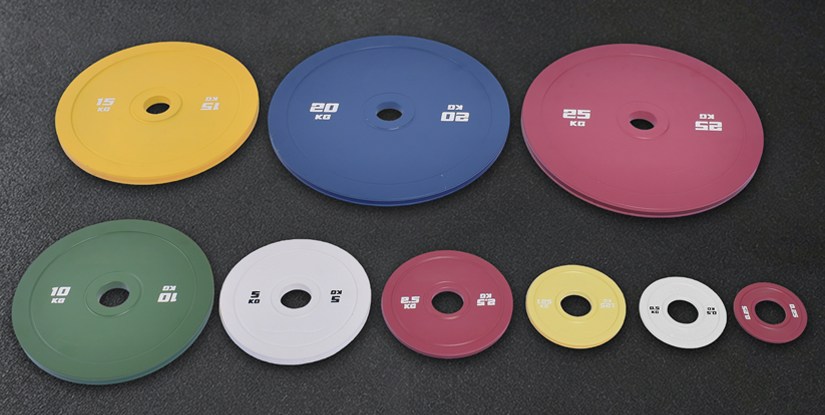
The process begins with CNC machining to ensure the center bore remains perfectly concentric and the plate surface maintains strict flatness. Following the machining phase, a weight tolerance spot-check is conducted on a randomized sample from each production batch. This step is critical for a commercial weight plate manufacturer to ensure that the finished product aligns with the promised weight specifications, preventing costly discrepancies in a distributor's inventory. High-quality precision machined steel plates undergo a final pre-shipment QC that includes inspecting the coating adhesion and the integrity of the edge bevels before they are cleared for export.
Reliable sourcing depends on more than just the product; it requires professional export packaging. To minimize damage during long-transit sea freight, heavy plates should be palletized using reinforced steel or high-density wooden crates. This ensures that the wholesale shipment arrives at the destination port with minimal impact on the landed cost due to transit damage. When negotiating MOQ or lead times, always confirm the specific QC checklist and packaging standards to protect your profit margins.
Standard logistics efficiency is often compromised by inadequate protection during long-haul sea freight. For professional importers, the goal is to ensure that the calibrated steel plate ODM units arrive without surface oxidation, dented edges, or structural deformation. A single poorly packaged container can significantly increase the landed cost through damaged inventory and warehouse handling delays. To mitigate these risks, a high-tier supplier must utilize a specialized export packaging strategy designed for high-density, high-weight cargo.
Effective bulk shipping protocols for precision machined steel plates typically involve heavy-duty palletization. Each pallet is often secured with steel strapping and wrapped in moisture-resistant VCI (Volatile Corrosion Inhibitor) film. This provides essential moisture protection, preventing the salt-air environment of sea freight from compromising the metal surface or the coating integrity. By utilizing reinforced wooden crates or heavy-duty steel frames, the factory ensures that the stack remains stable during vessel movement, optimizing container space and maintaining the commercial durability of the product. When managing wholesale orders, procurement leads should verify that the China factory employs these industrial-grade standards to safeguard their investment and ensure seamless warehouse integration upon arrival.
QC & Packaging Tier Comparison for Global Distribution
To optimize your procurement strategy, it is essential to distinguish between different service levels offered by a commercial weight plate manufacturer. Selecting the appropriate tier based on your target market—whether budget-friendly fitness centers or premium training facilities—will directly impact your distributor margins and total landed cost. A professional calibrated steel plate ODM partner will provide clear documentation regarding these tiers during the initial sourcing phase.
| QC & Packaging Tier | Inspection Focus | Packaging Type | Best For |
|---|---|---|---|
| Standard Commercial | Visual surface finish and basic weight variance | Standard corrugated boxes or single-layer pallets | Budget gym chains and high-volume wholesale |
| Premium Professional | Bore concentricity, edge beveling, and coating adhesion | Reinforced wooden crates with VCI moisture protection | High-end studio distributors and premium retail |
| Custom OEM/ODM Tier | Full technical spec validation and brand identity check | Custom-branded reinforced steel frames or heavy-duty pallets | Private label brands and specialized equipment importers |
When evaluating a potential supplier, we recommend requesting a sample or a detailed inspection report to confirm that the precision machined steel plates meet your specific requirements. Confirming the MOQ and the exact level of protection used for bulk sea freight will help prevent unexpected expenses related to transit-related damage or inventory loss.
Optimizing Your Bulk Order via OEM and ODM Partnerships
For professional distributors and gym equipment importers, the decision between a standard stock order and a customized production run determines long-term market positioning. When sourcing a calibrated steel plate ODM, buyers must evaluate the depth of technical involvement required to differentiate their catalog. While standard wholesale orders offer faster lead times, specialized custom branding allows a distributor to build a unique brand identity that commands premium pricing in the commercial sector.
Selecting the right manufacturing model depends on your specific product specifications and the level of control you require over the final output. An OEM arrangement is typically ideal for buyers who have a pre-defined design and simply require a reliable China factory to execute the production to strict standards. This is often the most cost-effective route for high-volume wholesale orders where the primary goal is scaling existing product lines with consistent quality.
Conversely, choosing a calibrated steel plate ODM partnership provides a higher degree of customization capability. This model is designed for market leaders who wish to develop proprietary weight plate designs, specialized coatings, or unique dimensional profiles. Through an ODM process, you can work closely with the supplier to refine the machining tolerances and surface finishes, ensuring the final product meets the exact requirements of high-end commercial facilities. While this may involve a higher MOQ and longer development cycles, the ability to offer a specialized product provides a significant competitive advantage in the global market.
Comparing Manufacturing Models for Procurement Efficiency
To facilitate informed decision-making during the sourcing process, it is essential to understand how different production models impact your landed cost, lead time, and brand differentiation. A calibrated steel plate ODM partnership offers significantly more control over the technical nuances of the product compared to standard manufacturing, but it requires a more structured procurement timeline.
| Dimension | OEM Model | ODM Model |
|---|---|---|
| Manufacturing Control | Standardized production based on buyer's existing technical drawings | |
| Product Design | Buyer provides the design; factory executes the build | |
| Customization Level | Basic branding, logo placement, and standard color options | |
| Technical Specifications | Fixed specs; ideal for precision machined steel plates | |
| Typical MOQ | Lower thresholds for standard product lines | |
| Lead Time | Faster turnaround for ready-to-produce designs | |
| Branding Focus | Efficient way to scale a private label catalog | |
| Commercial Use | High-volume replenishment of proven inventory |
When evaluating a commercial weight plate manufacturer, the choice between these two paths should be driven by your long-term inventory strategy. An OEM approach minimizes development risk and is highly efficient for distributors focusing on high-turnover, standard-spec items. However, if your goal is to introduce a high-margin, specialized product to the market, the ODM route allows you to influence the manufacturing sequence—from the initial material selection to the final calibration and pre-shipment QC—ensuring the final unit meets your exact commercial-grade standards.
Before finalizing your next bulk order, we recommend requesting a detailed spec sheet or a sample evaluation to confirm that the factory's machining and coating capabilities align with your brand's quality expectations. Please contact our team to confirm current MOQ levels and discuss your specific requirements for custom branding or technical adjustments.
Logistical Planning and Quality Control for Bulk Orders
Effective procurement of high-precision equipment requires more than just selecting a product; it requires a deep understanding of the logistics chain. When managing a large-scale bulk order, the complexity of shipping heavy steel components necessitates rigorous planning regarding container loading and export packaging. A professional China factory will implement specialized packaging solutions—such as reinforced wooden crates or heavy-duty reinforced cartons—to ensure that the precision of the precision machined steel plates is not compromised by impact or moisture during long-distance sea freight.
Beyond physical protection, the total landed cost is heavily influenced by the efficiency of the logistics strategy and the accuracy of the initial MOQ agreement. Importers must account for the interplay between weight-to-volume ratios and shipping costs to maximize container utilization. To mitigate the risk of receiving non-conforming goods, we emphasize a transparent pre-shipment inspection protocol. This involves a thorough QC process where key points—such as bore concentricity, surface coating adhesion, and weight tolerance—are verified against your approved samples before the goods leave the facility.
For distributors seeking a long-term supplier relationship, understanding the typical lead time for a calibrated steel plate ODM project is vital for maintaining steady inventory levels. While standard production runs may offer shorter windows, customized projects involving specialized materials or unique branding require additional time for material sourcing and technical calibration. We suggest scheduling your procurement cycles well in advance to account for these specialized manufacturing stages, ensuring your market supply remains uninterrupted.