Calibrated Steel Plate Sourcing: Material QC for Export
Essential Criteria for Calibrated Steel Plate Sourcing
Effective calibrated steel plate sourcing involves procuring precision-engineered weight plates that meet strict weight and concentricity standards. For distributors and gym equipment importers, selecting a China factory that utilizes advanced machining ensures consistent product density and long-term durability for high-traffic commercial environments.
In professional strength training facilities, the margin for error regarding weight accuracy is minimal. Standard cast iron plates often suffer from uneven thickness or irregular center bores, which can lead to uneven loading on barbell sleeves. This is why high-end distributors prioritize precision machined steel plates. By utilizing CNC machining, manufacturers can refine the plate surface and the central aperture to ensure a perfect fit and consistent rotation. This level of precision reduces mechanical wear on expensive barbell bars, lowering the total cost of ownership for the end-user and protecting the reputation of the supplier.
Achieving strict weight tolerance is the primary differentiator between budget-grade equipment and professional-grade gear. When managing commercial gym standards, procurement leads must ensure that commercial steel weight plates do not deviate significantly from their labeled mass. A reliable factory will implement a multi-stage calibration process—typically involving machining the steel to a specific thickness and then performing weight adjustments—to ensure each unit in a bulk shipment remains within acceptable commercial-grade bounds. For those engaged in calibrated steel plate sourcing, this technical rigor is a non-negotiable requirement for maintaining professional credibility and reducing return rates in wholesale distributions.
Technical Comparison of Plate Specifications and Manufacturing Tiers
To optimize your procurement strategy, it is essential to distinguish between different production methods and material grades. Understanding these variables allows importers to align their orders with specific market segments, whether providing budget-friendly solutions or high-end competition-grade gear. A professional supplier will provide detailed specifications regarding the machining depth and surface treatment to ensure the product meets your brand identity requirements.
| Material Type | Surface Finish | Machining Process | Commercial Duty Tier | MOQ Impact | Factory QC Point |
|---|---|---|---|---|---|
| Solid Steel | Powder Coating | CNC Machining & Calibration | Premium / Competition | Higher | Bore concentricity & flatness |
| Chrome-Manganese Steel | Chrome Plating | Precision Machining | High-End Commercial | Medium | Coating adhesion & surface smoothness |
| Cast Iron (Standard) | Enamel or Paint | Sand Casting & Basic Grinding | Standard Commercial | Lower | Weight tolerance & thickness consistency |
| Steel Core with PU | Polyurethane Coating | Molding & Injection | Premium Lifestyle/Studio | Medium | Bond line adhesion & edge smoothness |
When evaluating commercial steel weight plates, the choice between a sand-cast or a CNC-machined process significantly affects both the landed cost and the long-term maintenance load. While sand casting is a cost-effective method for high-volume wholesale orders, it lacks the precision required for professional strength training. Conversely, precision machined steel plates offer superior concentricity, which is critical for preventing barbell wobble in premium facilities. If your business model focuses on high-performance gym setups, ensure your sourcing process includes a request for specific machining and calibration protocols to mitigate the risk of receiving inconsistent batches.
Navigating the complexities of international calibrated steel plate sourcing requires more than just selecting a high-quality product; it requires a partner who understands the nuances of global logistics. For distributors and large-scale importers, the final landed cost is heavily influenced by how a factory manages the transition from the production line to the shipping container. A failure in export packaging or a lack of rigorous pre-shipment protocols can lead to damaged goods, uneven weight distribution in containers, and significant financial losses during transit.
To ensure the integrity of high-precision items, a professional China factory must implement a strict QC inspection workflow that goes beyond surface-level aesthetics. For commercial steel weight plates, this means verifying the structural uniformity and the precision of the central bore before the items are even packed. A reliable supplier will utilize heavy-duty, reinforced packaging—such as custom-sized steel crates or reinforced corrugated dividers—to prevent metal-on-metal friction and impact damage during sea freight. This level of detail is essential for maintaining the strict tolerances required for precision machined steel plates.
Furthermore, procurement leads should evaluate a manufacturer’s capacity for OEM and ODM services to ensure that custom branding or specialized weight increments do not compromise the production lead time. When negotiating wholesale contracts, clearly define the expectations for pre-shipment audits. Whether you are requesting a third-party inspection or a direct factory report, ensuring that every batch of calibrated steel plate sourcing meets your specific commercial standards is the most effective way to protect your margins and ensure a seamless arrival at your warehouse.
Material Integrity and Machining Precision for Commercial Sets
For professional importers and distributors, calibrated steel plate sourcing requires a strict focus on dimensional stability and machining accuracy. Unlike standard cast iron, high-end commercial steel weight plates must undergo rigorous CNC machining to ensure a perfect Olympic collar fit and consistent concentricity. When managing wholesale procurement, understanding these technical requirements is essential to avoid the high return rates and consumer dissatisfaction associated with uneven or poorly balanced plates.
Achieving professional-grade standards involves a multi-step manufacturing sequence. Typically, the process begins with high-grade steel stock, followed by precision precision machined steel plates production where the center bore is calibrated to ensure a smooth, non-wobble fit on Olympic barbells. A reliable China factory will implement a sequence of casting, CNC machining, and surface treatment to maintain strict weight tolerance standards. This level of precision is a critical factor in determining the long-term value and bulk order reliability for your distribution network.
Technical Comparison of Manufacturing Methods
Selecting the right production route is a fundamental part of calibrated steel plate sourcing. Procurement officers must distinguish between standard casting methods and high-precision machining to determine the true landed cost and long-term durability of their inventory. While sand casting is efficient for high-volume orders, it often lacks the concentricity required for premium commercial environments. In contrast, advanced manufacturing techniques ensure that each unit meets the strict requirements of high-traffic fitness facilities.
| Material | Machining Process | Precision Level | Commercial Application | Sourcing Impact |
|---|---|---|---|---|
| Solid Steel | CNC machining | High precision | Premium commercial/Competition | Higher MOQ and lead time |
| Cast Iron | Sand casting | Standard commercial | General gym/Strength training | Lower landed cost/High volume |
| Chrome-Manganese Steel | Precision grinding | Elite/Professional | Professional training centers | Premium pricing/Strict QC |
When evaluating a supplier, it is vital to confirm whether the facility utilizes automated CNC machining for the center bore or relies on manual finishing. A lack of precision in the machining stage often leads to uneven weight distribution and poor barbell fit, which can damage high-end barbells and increase your after-sales service costs. For large-scale wholesale distributors, prioritizing a factory that integrates weight calibration into their standard production line is the best way to ensure consistent quality across all shipments.
Comparison of Commercial Steel Weight Plates and Casting Methods
When executing calibrated steel plate sourcing, professional distributors must distinguish between standard production and high-precision manufacturing. For high-end gym chains or professional strength facilities, the difference between commercial steel weight plates and precision machined steel plates is not merely aesthetic; it is a matter of long-term operational efficiency and equipment longevity. While standard casting methods are cost-effective for high-volume wholesale orders, they often lack the strict tolerance control required for elite performance environments.
Choosing the correct manufacturing route directly impacts your landed cost and the total cost of ownership (TCO) for your clients. A China factory specializing in CNC-driven processes can provide the consistency needed for premium tier requirements, whereas traditional sand casting remains a viable sourcing option for budget-conscious commercial projects with higher MOQ thresholds.
| Material Type | Primary Process | Key Component Focus | Commercial Duty Tier | Sourcing Implication |
|---|---|---|---|---|
| Cast Iron | Sand Casting | Base Flatness | Budget / Standard | Low unit cost; high MOQ |
| Standard Steel | Stamping / Rolling | Edge Smoothness | Commercial | Reliable for general gym use |
| Machined Steel | CNC Machining | Bore Concentricity | Premium / Competition | High precision; higher sourcing cost |
| Chrome-Manganese | Advanced Forging | Structural Integrity | Elite / Professional | Maximum durability for high-traffic |
Understanding these technical variations allows importers to better manage expectations regarding weight tolerance and surface finish. Whether you are prioritizing the low entry cost of cast iron or the extreme precision of precision machined steel plates, aligning your calibrated steel plate sourcing strategy with your target market's performance needs is essential for maintaining healthy distributor margins.
Selecting the appropriate production method requires a deep understanding of how manufacturing variables affect the final product's performance in a high-traffic facility. For most professional buyers, the decision between casting and machining is a trade-off between initial capital expenditure and the long-term precision required for elite training environments.
Technical Nuances in Weight Tolerance and Bore Precision
In many commercial settings, the primary concern for a supplier is ensuring that the weight tolerance remains consistent across a full set. While sand casting is a highly efficient method for producing large volumes of plates with a rugged aesthetic, it typically offers a wider variance in both thickness and weight. Conversely, the production of precision machined steel plates involves a secondary CNC machining stage where the plate face and the central bore are refined. This process is critical for ensuring optimal concentricity, which prevents the plate from wobbling or unevenly distributing weight on a barbell during heavy lifts.
For distributors focusing on high-performance strength equipment, the bore concentricity and the smoothness of the Olympic collar fit are the most frequent points of inspection during a factory audit. A high-quality China factory will implement a multi-step calibration process—often involving precision grinding and weight adjustment—to ensure that the diameter of the center hole is perfectly circular and consistent. This level of detail reduces mechanical wear on barbell sleeves, thereby lowering the long-term maintenance load for the end-user and increasing the value of your product line.
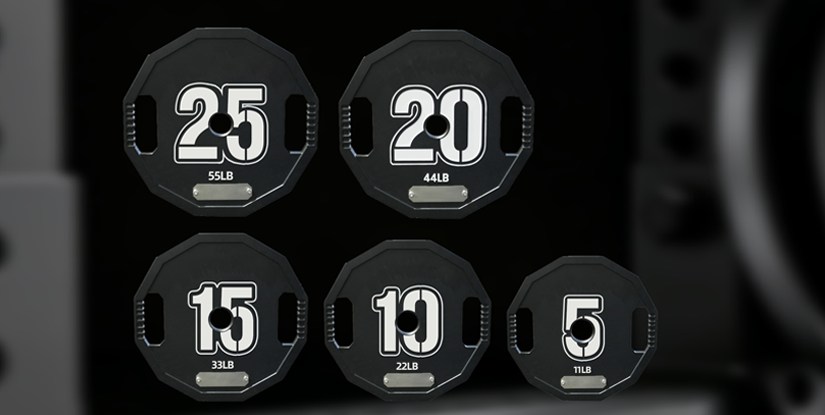
Before finalizing a bulk order, we recommend requesting a specific technical data sheet or a physical sample to evaluate the surface finish and the accuracy of the bore. Confirming the specific calibration method used by your manufacturer can help you mitigate the risk of receiving inconsistent batches, ensuring your branded equipment meets the professional standards expected by your clients.
Optimizing Precision Machined Steel Plates for High-Volume Gyms
In high-traffic fitness facilities, the cumulative impact of uneven weight distribution can lead to rapid equipment degradation and increased maintenance overhead. For distributors and professional importers, calibrated steel plate sourcing is not merely about weight accuracy, but about ensuring long-term operational efficiency. When sourcing at scale, understanding the technical requirements of precision machined steel plates is essential to avoid the hidden costs of non-conforming batches that disrupt facility workflows.
Standard weight sets often suffer from concentricity issues or uneven thickness, which can compromise the stability of barbell movements. For large-scale procurement, especially when dealing with commercial steel weight plates, the focus must shift from simple weight increments to the structural integrity of the bore and the flatness of the plate surface. Relying on a professional China factory that utilizes CNC-driven machining processes ensures that each unit meets the rigorous demands of high-volume gym requirements, protecting your clients' investment and your brand reputation.
Machining Precision and Surface Finishing Standards
The distinction between budget-tier casting and professional-grade machining lies in the precision of the bore and the consistency of the surface. For high-end distributors, calibrated steel plate sourcing must prioritize units that undergo secondary CNC machining. This process refines the Olympic collar fit, ensuring that the plate sits perfectly centered on the barbell without wobbling. A poorly machined bore can lead to uneven wear on barbell sleeves, a common failure mode in high-usage commercial environments that increases long-term replacement costs for gym operators.
Beyond structural dimensions, the surface finish dictates both durability and aesthetic longevity. While basic paint may suffice for low-tier settings, professional commercial steel weight plates typically utilize advanced powder coating or specialized treatments to prevent oxidation and chipping. High-quality powder coating provides a resilient barrier against impact and sweat, maintaining a premium look even under heavy use. When evaluating a supplier, it is critical to verify the coating adhesion process to ensure the finish does not peel during heavy barbell transitions.
| Material Tier | Primary Process | Surface Finish | Commercial Duty | Procurement Focus |
|---|---|---|---|---|
| Standard Cast Iron | Sand Casting | Basic Paint | Light Commercial | Low MOQ / Cost Efficiency |
| Machined Steel | CNC Machining | Powder Coating | High-Volume Gyms | Precision / Durability |
| Competition Grade | Precision Forging | Chrome or PU Coating | Professional Training | Weight Tolerance / Aesthetic |
To ensure the highest standards, we recommend that importers perform a sample evaluation focusing on the concentricity of the center hole and the smoothness of the precision machined steel plates edges. For large-scale orders, requesting a detailed technical spec sheet regarding the machining sequence and coating thickness is a standard part of a professional factory audit. Confirming these details during the initial quote phase helps mitigate risks related to landed cost and product consistency in your bulk shipments.
Logistics Reliability and Export-Grade Quality Control
Successfully managing large-scale imports requires more than just technical oversight; it requires a partner capable of handling complex logistics and rigorous pre-shipment QC. For distributors, the risk of receiving a damaged or non-conforming batch is a significant threat to profit margins and client satisfaction. A reliable supplier should offer a transparent production timeline that accounts for the specific lead time required for precision machining and specialized coating applications. This transparency is vital when planning inventory cycles for large-scale gym openings or seasonal replenishment.
Standardizing export-grade packaging is another critical pillar of calibrated steel plate sourcing. High-density steel plates are heavy and prone to edge damage during ocean freight if not secured correctly. Professional manufacturers utilize reinforced crates or heavy-duty pallets with corner protection to ensure that the weight distribution remains stable throughout transit. When negotiating your next wholesale order, verify the manufacturer's standard for container loading and palletization to prevent structural shifts or moisture-related oxidation during long-haul shipping.
Ultimately, a successful procurement strategy balances technical precision with logistical stability. Whether you are looking for a specific MOQ for a niche product line or requiring full OEM customization for a global brand identity, the goal remains the same: consistent quality. We recommend that buyers initiate a formal factory audit or request a detailed pre-shipment inspection report to confirm that every batch of commercial steel weight plates meets the required concentricity and finish standards before leaving the factory. Contact us today to request a quote, confirm MOQ requirements, or discuss your custom ODM specifications for your next project.
China Factory QC Protocols and Export Standards
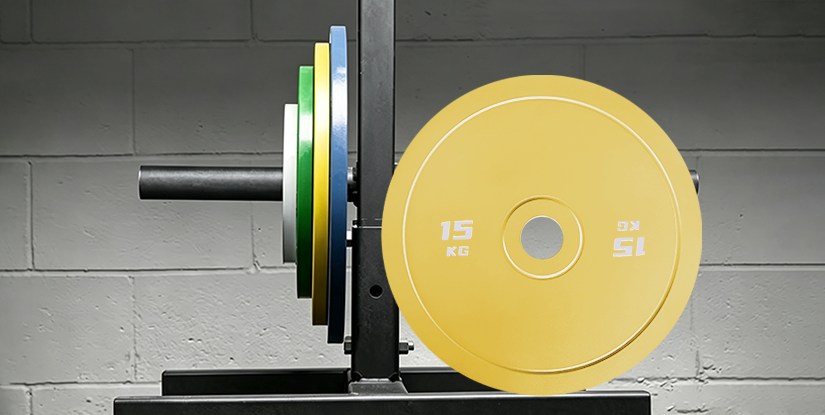
Maintaining strict oversight during calibrated steel plate sourcing is the only way to mitigate the risk of receiving non-compliant batches that fail to meet international commercial standards. For distributors and gym equipment importers, a single shipment of plates with inconsistent weight or poor concentricity can lead to significant returns and damaged professional reputations. Relying on a China factory with established QC protocols ensures that every unit meets the rigorous demands of high-traffic fitness environments.
When managing large-scale wholesale orders, the focus must shift from simple visual inspection to technical validation. High-tier commercial steel weight plates require more than just a surface check; they demand precise weight tolerance management and structural integrity. Without standardized pre-shipment testing, your landed cost may appear low initially, but the long-term cost of replacement and customer dissatisfaction will erode your margins.
To ensure reliability, professional sourcing agents prioritize suppliers capable of producing precision machined steel plates through a verified sequence of casting, CNC machining, and surface treatment. This technical rigor is essential for maintaining the high standards expected by premium commercial facilities worldwide.
Technical Inspection Points for High-Volume Procurement
To mitigate technical risks during calibrated steel plate sourcing, buyers must look beyond basic aesthetics. A professional factory should implement a multi-stage inspection process that validates the fundamental geometry and weight consistency of each batch. For high-volume wholesale clients, the cost of error is high, making technical verification a prerequisite for any successful OEM or ODM partnership.
The inspection sequence typically follows a rigorous path from raw material through to final packaging. First, the machining precision of the center bore is evaluated to ensure it meets standard Olympic or specialized collar dimensions without excessive play. Second, concentricity is a critical metric; plates must be checked for flatness and center-alignment to prevent wobbling during high-intensity commercial use. Finally, weight calibration is performed on a statistically significant sample of the bulk orders to ensure that the actual weight remains within the industry-standard tolerance levels. This level of scrutiny prevents the common issue of uneven loading on barbell sleeves, which can damage premium equipment and increase maintenance liabilities.
Beyond the physical plate, the pre-shipment inspection must also cover the surface finish and coating adhesion. For commercial steel weight plates, the coating must be applied via a controlled process—such as a professional powder coating line—to ensure it does not chip or flake under heavy usage. This includes checking the bond line and edge smoothness to ensure the precision machined steel plates are safe for high-traffic gym environments. For distributors, verifying these specific QC points before the container is sealed is the most effective way to protect your landed cost and ensure the integrity of your inventory.
Commercial-Grade Comparison: Plate Type and Sourcing Specifications
Selecting the appropriate grade of plate is a critical decision that directly impacts your long-term distributor margins and total cost of ownership. A professional supplier must provide clear differentiation between product tiers to ensure you are not overpaying for features you do not need, or under-specifying for high-intensity commercial environments. The following table outlines the qualitative differences between common plate categories to assist in your technical sourcing decisions.
| Material | Process | Key QC Point | Commercial Application | Sourcing Priority |
|---|---|---|---|---|
| Solid Steel | CNC Machining & Calibration | Bore Concentricity | High-End Training & Competition | High Precision |
| Chrome-Manganese Steel | Precision Machining & Polishing | Surface Smoothness | Premium Commercial Gyms | High Durability |
| Cast Iron | Sand Casting & Powder Coating | Weight Tolerance | Standard Commercial/Retail | Cost Efficiency |
| Rubber-Coated Steel | Molding or Dip Coating | Coating Adhesion | High-Impact/Bumper Use | Floor Protection |
When evaluating calibrated steel plate sourcing, remember that higher precision tiers typically involve more complex machining stages, which can influence both the MOQ and the lead time for your wholesale shipment. We recommend requesting a technical spec sheet or a sample approval before finalizing any large-scale OEM or ODM contract to ensure the material and finish align with your brand identity and the specific requirements of your target market.
OEM/ODM Capabilities and Bulk Procurement Logistics
For professional distributors and gym equipment importers, scaling a product line requires more than just finding a supplier; it requires a partner capable of complex calibrated steel plate sourcing. Transitioning from standard stock to a private label model necessitates a China factory that integrates advanced precision machined steel plates into a structured OEM or ODM workflow. This ensures that your brand identity is preserved through custom embossing or specialized finishes while maintaining strict weight tolerances.
Effective calibrated steel plate sourcing must also account for the logistical complexities of heavy-weight cargo. Managing lead time and MOQ is critical to maintaining healthy distributor margins and avoiding stockouts during peak procurement seasons. When ordering commercial steel weight plates in bulk, the integration of custom branding with optimized export packaging is essential to reduce landed costs and ensure the integrity of the precision machined steel plates during long-distance ocean freight.
Manufacturing Tiers and Procurement Specifications
When managing large-scale inventory, understanding the technical variations in production is essential for accurate cost-benefit analysis. High-performance weight sets rely heavily on the quality of CNC machining and the consistency of the weight calibration process. A specialized China factory will typically offer different tiers of production to accommodate varying budget and performance requirements, which directly impacts your MOQ and total landed cost.
| Material Tier | Manufacturing Process | Key Component/Finish | Commercial Duty | MOQ Impact | Factory QC Point |
|---|---|---|---|---|---|
| Solid Steel | CNC machining | Precision bore & knurling | Premium / Competition | Higher | Concentricity & flatness |
| Chrome-Manganese Steel | Machining & Plating | High-gloss finish | Professional / High-End | Moderate | Surface finishing adhesion |
| Industrial Steel | Standard Machining | Powder coating | Standard Commercial | Lower | Coating thickness & evenness |
| Cast Iron Base | Sand Casting | Paint or Rubber dip | Budget / General Gym | Lowest | Weight tolerance spot-check |
For importers focusing on calibrated steel plate sourcing, selecting the correct surface finishing is a vital step in reducing long-term maintenance loads for the end-user. Whether you require a high-grade powder coating for durability or a precision-machined surface for elite performance, your supplier must demonstrate a controlled production sequence—from raw steel cutting to final weight calibration. We recommend requesting a detailed specification sheet and confirming the MOQ for any OEM or ODM custom branding requests to ensure your project timelines remain on schedule.
Export Packaging and Container Loading Optimization
The final stage of professional calibrated steel plate sourcing involves rigorous export packaging protocols designed to mitigate the risks of ocean freight. For bulk orders, the weight density of commercial steel weight plates poses a unique challenge for container loading efficiency. A reliable factory will employ heavy-duty, reinforced pallets and specialized protective layering—such as moisture-resistant film or high-density cardboard edge protectors—to prevent metal-on-metal friction and oxidation during transit. This level of care is vital for maintaining the integrity of precision machined steel plates, ensuring that the precision-drilled bores and high-grade finishes arrive at your warehouse without structural or aesthetic damage.
Optimizing the volumetric efficiency of a shipment is a key lever in reducing the total landed cost for distributors. By utilizing standardized pallet dimensions and professional crate assembly, a China factory can maximize container space, effectively lowering the per-unit shipping expense. We advise procurement leads to coordinate closely with their supplier regarding pre-shipment inspection of the loading process. Confirming the stability of the load and the quality of the export packaging before the container is sealed is a critical step in securing a predictable and cost-effective supply chain for your commercial fitness brand.