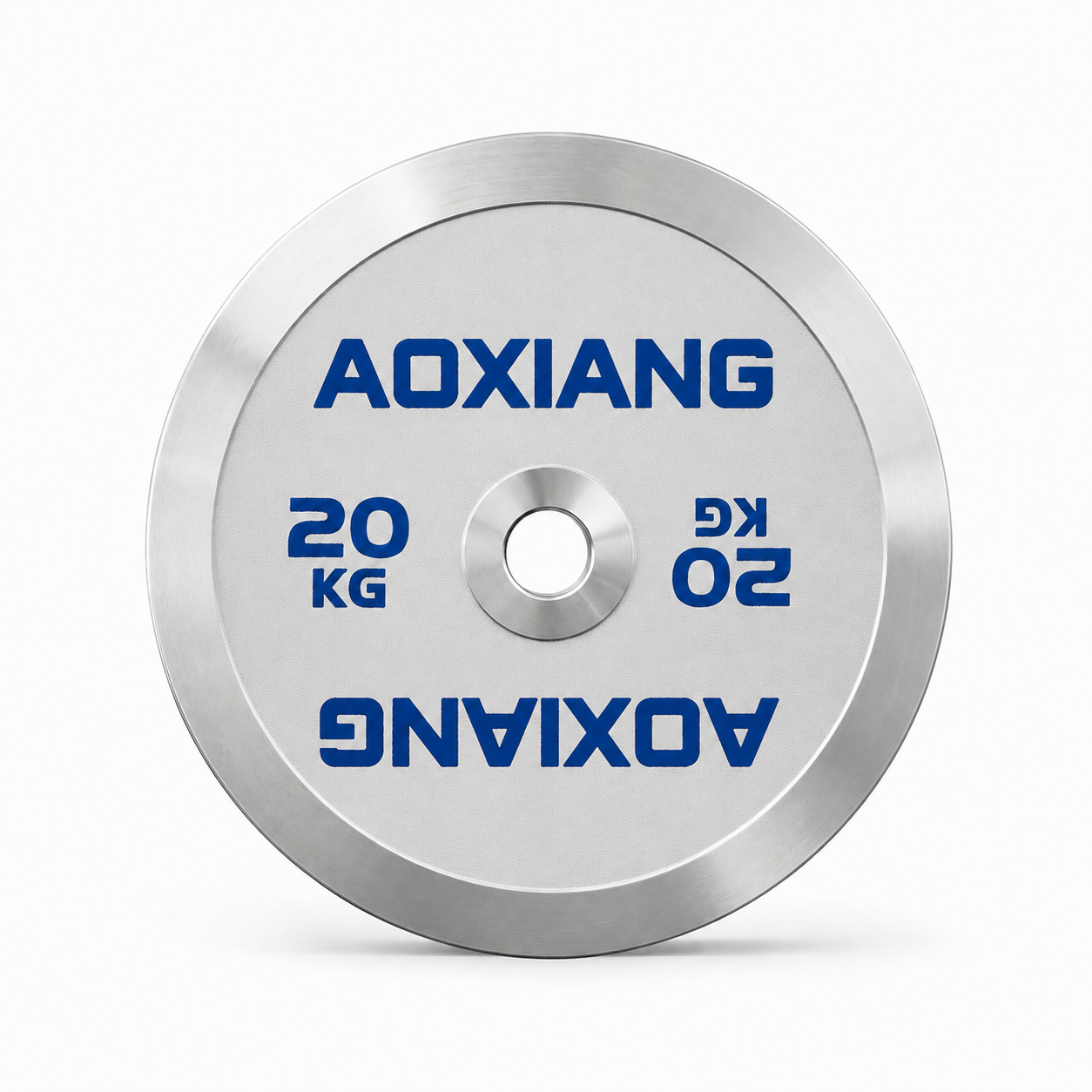
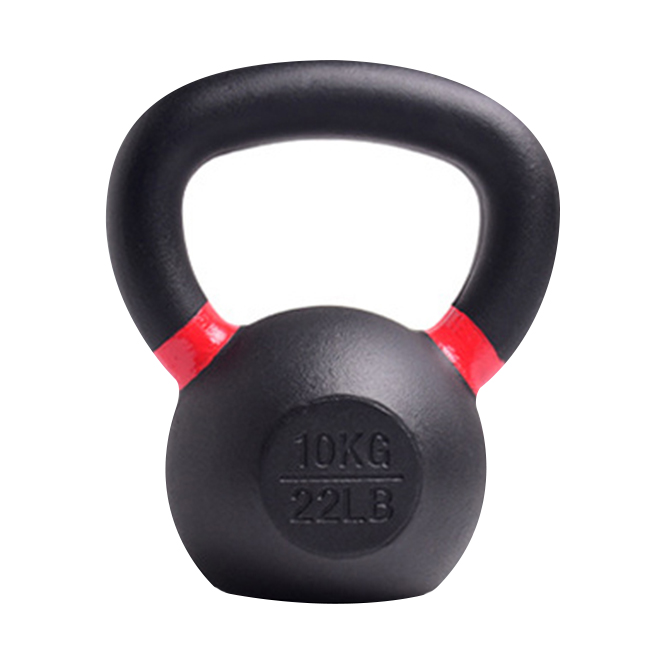
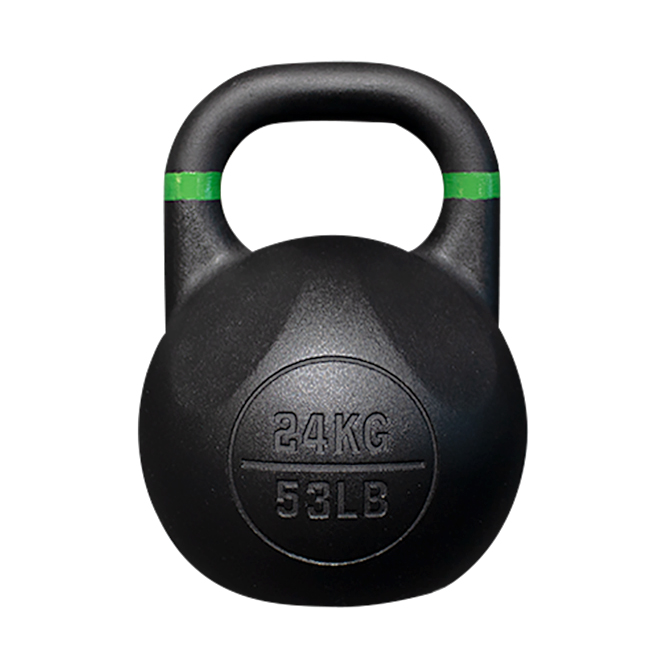
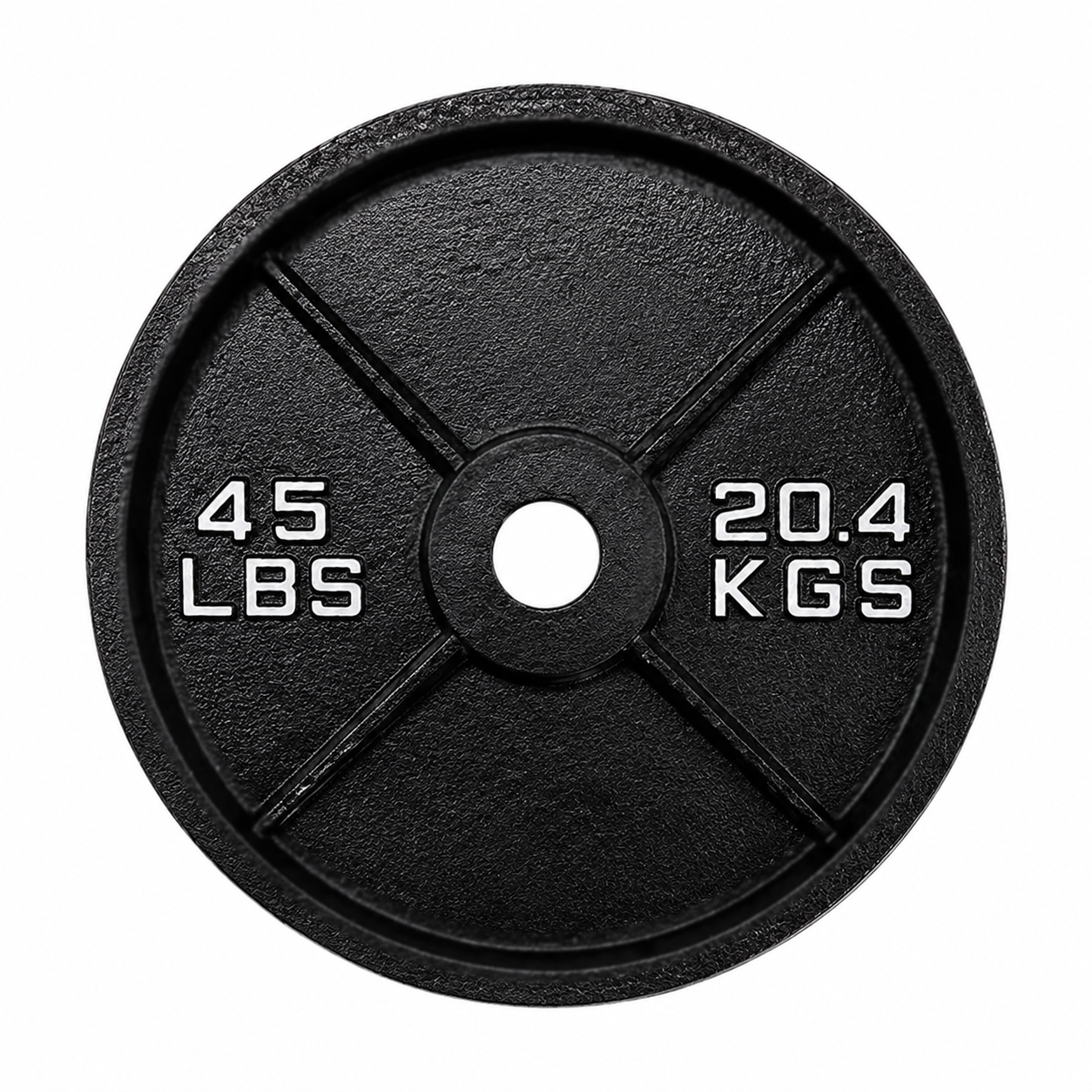
Wholesale Calibrated Steel Plate Foundry for Commercial Gyms
The Strategic Value of a Calibrated Steel Plate Foundry for Commercial Gyms
For professional gym owners and large-scale distributors, the decision to source high-precision weight sets involves balancing three critical procurement risks: weight accuracy, long-term material durability, and logistical reliability. When managing high-volume procurement for a fitness facility or a retail distribution network, a single batch of inconsistent plates can lead to significant operational friction and diminished client trust. Selecting a specialized calibrated steel plate foundry ensures that every unit meets the rigorous standards required for professional training environments, effectively mitigating the risk of weight discrepancies during high-intensity sessions. By establishing a direct relationship with a professional China gym equipment factory, importers can secure a more stable supply chain that prioritizes consistent manufacturing outputs over the unpredictable quality found in low-tier production lines.
The necessity of precision extends beyond simple weight accuracy; it directly impacts the long-term operational efficiency of a commercial facility. In a high-traffic gym, equipment that lacks precise calibration often results in uneven loading, which can accelerate wear on barbell sleeves and increase maintenance costs. Sourcing through commercial fitness equipment wholesale channels allows distributors to access equipment designed for high-frequency use, where the dimensional stability of the steel and the quality of the bore machining are optimized for long-term durability. This strategic focus on precision reduces the total cost of ownership and ensures that the heavy-duty equipment remains a reliable asset rather than a recurring maintenance liability.
Navigating the complexities of international sourcing requires a deep understanding of how different manufacturing tiers affect your landed cost and product reliability. Whether you are looking for a calibrated steel plate foundry to produce custom branded sets or a reliable supplier for standard commercial stock, the quality of the base casting and the subsequent surface treatment will determine the lifespan of your inventory. Understanding these technical nuances is essential for any professional buyer aiming to maximize distributor margins and maintain high standards of service in their local markets.
Sourcing Models: Specialized Foundry vs. General Trading
Professional buyers must differentiate between sourcing from a specialized manufacturing facility and a general trading company. While traders may offer a broader product catalog, a dedicated calibrated steel plate foundry provides the technical oversight necessary for high-precision weight sets. For distributors and gym operators, the primary advantage lies in the control over the entire production sequence—from the initial casting of the steel to the final weight calibration and pre-shipment inspection. This control is vital when managing high-volume orders where consistency is non-negotiable.
The following table illustrates how different sourcing structures impact your procurement metrics, including the ability to execute OEM or ODM requests and the overall impact on your final landed cost.
| Sourcing Model | Primary Focus | Manufacturing Control | Typical MOQ | Lead Time Stability | Landed Cost Impact |
|---|---|---|---|---|---|
| Specialized Foundry | Precision & High-Volume | Direct oversight of casting and calibration | Higher (Batch-based) | High (Direct control) | Optimized for bulk scale |
| General Trader | Variety & Low Volume | Limited to third-party QC reports | Lower (Mixed stock) | Moderate (Variable) | Higher (Added margins) |
| Direct Factory (Standard) | Efficiency & Speed | Standardized production processes | Moderate | Stable | Competitive/Standard |
When evaluating your next procurement cycle, consider that a factory specializing in precision calibration can offer much better long-term value. A general trader may offer a lower entry MOQ for small samples, but they often lack the ability to guarantee the dimensional stability of the bore or the uniformity of the coating across large-scale shipments. For professional importers, the ability to work directly with a supplier that manages its own machining and surface finishing processes is the most effective way to secure a predictable lead time and a more competitive landed cost for your commercial projects.
Impact of Precision on Commercial Equipment Longevity
The technical value of a calibrated steel plate foundry is most visible in the operational durability of the equipment. In professional settings, uneven weight distribution or poorly machined bores can lead to premature wear on barbell sleeves and high-end training bars. By sourcing from a specialized China gym equipment factory that utilizes precision machining after the initial casting phase, distributors can ensure that the center of gravity remains consistent. This precision is critical for reducing the frequency of maintenance cycles and preventing the mechanical friction that often plagues lower-tier, uncalibrated weight sets.
For procurement leads, investing in commercial-grade precision is a direct strategy to lower the total cost of ownership. High-traffic facilities require equipment that maintains its structural integrity under constant loading and unloading. A professional supplier focuses on the consistency of the casting density and the quality of the surface finish—whether it be a durable powder coating or a high-grade paint—to prevent oxidation and surface degradation. This focus on technical excellence ensures that the equipment meets professional gym standards, providing a stable long-term ROI by minimizing the need for early replacement or frequent repair.
Material Composition and Precision Machining Standards
Reliable weight distribution is the foundation of high-performance training environments. For distributors and gym owners, sourcing from a professional calibrated steel plate foundry ensures that every unit meets the rigorous demands of high-traffic commercial facilities. Unlike standard cast iron, precision-engineered steel plates require specific material compositions and machining sequences to maintain dimensional stability and weight accuracy during heavy use.
When managing procurement for large-scale facility rollouts, understanding the distinction between basic casting and precision machining is vital for long-term TCO (Total Cost of Ownership). A high-tier China gym equipment factory utilizes a controlled manufacturing route—typically starting with high-grade steel or gray iron casting, followed by advanced CNC machining to ensure the center bore is perfectly concentric. This precision prevents uneven wear on Olympic barbells and reduces maintenance frequency for the end-user.
For buyers looking to scale their inventory, selecting the right commercial fitness equipment wholesale partner means verifying the technical depth of their production line. This includes evaluating the transition from raw casting to the final calibration stage, where the plate thickness and mass are fine-tuned to meet strict commercial-grade specifications. This level of engineering minimizes the risk of weight discrepancies that can compromise professional training standards.
Manufacturing Process and Surface Treatment Comparison
The choice between surface finishes and manufacturing methods directly impacts both the landed cost and the long-term durability of your inventory. For professional importers, selecting a production method that balances aesthetic appeal with mechanical resilience is essential for maintaining high distributor margins. A high-quality calibrated steel plate foundry must offer various tiers to suit different market segments, from budget-conscious commercial gyms to premium strength training studios.
In many commercial settings, the decision between sand casting and CNC machining is a trade-off between volume and precision. While sand casting is a cost-effective method for creating the base shape of a plate, it often lacks the concentricity required for high-end competition-spec equipment. Conversely, integrating CNC machining into the production line allows a factory to achieve superior bore accuracy, ensuring a smooth fit on Olympic barbells. This precision is a critical factor in reducing customer complaints regarding plate wobble or barbell wear.
Similarly, surface treatments like powder coating versus urethane coatings serve different procurement goals. Powder coating is a common industry-standard for durable, cost-effective protection, whereas urethane offers a premium, high-impact finish. When negotiating wholesale agreements, buyers should consider how these finishes affect the weight of the unit and the overall shipping efficiency within a container.
| Material Tier | Primary Process | Surface Treatment | Key Component Detail | Commercial Duty | MOQ Impact |
|---|---|---|---|---|---|
| Standard Cast Iron | Sand Casting | Paint or Enamel | Basic Bore Fit | Budget Commercial | Lower |
| Precision Steel | CNC Machining | Powder Coating | Concentric Center Bore | Premium Commercial | Moderate |
| High-End Competition | Precision Casting | Urethane/PU Coating | Seamless Edge/Bonding | Elite Professional | Higher |
To ensure quality, a professional supplier should implement rigorous pre-shipment QC protocols. This includes weight tolerance spot-checks, testing coating adhesion, and inspecting the smoothness of the center bore. For large-scale orders, we recommend requesting a sample evaluation or a factory audit to verify that the manufacturing output aligns with your specific commercial durability requirements.
Manufacturing Processes: From Casting to Final Calibration
Reliable procurement of high-precision weight sets requires a deep understanding of the manufacturing sequence used by a professional calibrated steel plate foundry. For distributors and gym owners, the transition from raw casting to a finished, high-tolerance product determines the long-term durability and the perceived value of the inventory. A high-standard China factory typically follows a rigorous multi-stage workflow to ensure that each unit meets the strict requirements of commercial environments.
The production cycle begins with sand casting, where molten metal is poured into high-density molds to create the foundational shape of the plate. Following the initial cooling and structural formation, the plates undergo CNC machining to refine the center bore and ensure a perfect fit for Olympic barbells. This precision is critical for preventing uneven wear on expensive barbell sleeves. The final stage is weight calibration, a process where plates are vetted for mass consistency to ensure they meet the specific weight class requested in a commercial fitness equipment wholesale order. This systematic approach reduces the risk of weight discrepancies that can lead to customer complaints or returns for distributors.
Technical Workflow and Material Durability Comparison
When sourcing equipment, buyers must choose between different manufacturing tiers based on their target market and budget. The following table outlines how different processes impact the commercial utility and the technical QC points required during pre-shipment inspection.
| Material Tier | Primary Process | Surface Finish | Commercial Duty | QC Focus Point |
|---|---|---|---|---|
| Cast Iron | Sand Casting | Paint or Enamel | Standard Commercial | Surface Smoothness |
| Steel | Machining & Fabrication | Powder Coating | Premium Commercial | Bore Concentricity |
| Steel/Rubber Hybrid | Molding & Vulcanization | PU or Rubber Coating | High-End/Competition | Bonding Adhesion |
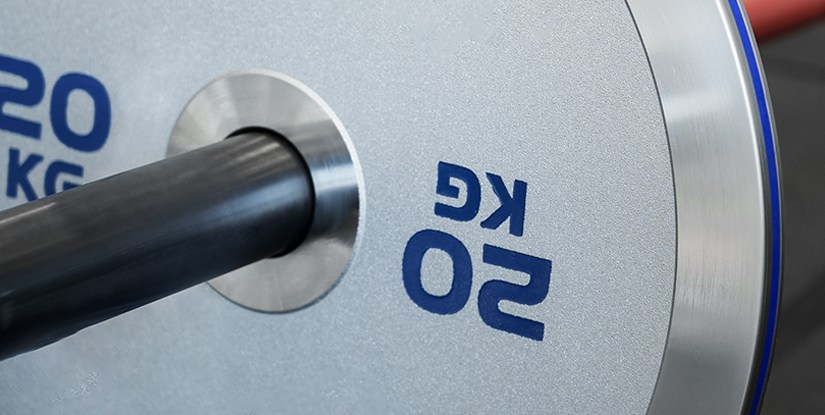
Understanding these distinctions allows a supplier to better align their MOQ and lead time expectations with the specific technical requirements of a project. For instance, while sand casting is highly cost-effective for large-scale wholesale distribution, CNC-refined steel plates offer the precision required for high-performance training facilities.
Choosing the correct manufacturing route directly influences the total cost of ownership and the maintenance load for the end-user. In the context of commercial fitness equipment wholesale, a mismatch between the manufacturing process and the intended facility tier can lead to high replacement costs and diminished distributor margins. For example, while basic casting serves standard gym environments, high-traffic professional facilities often require the precision of machined components to ensure long-term stability and smooth barbell transitions.
Optimizing Procurement Through Process Selection
When evaluating a calibrated steel plate foundry, procurement officers should consider how different finishing methods affect both the aesthetic longevity and the functional lifespan of the product. A well-managed China factory will provide documentation regarding their surface treatment stages to ensure that the coating does not compromise the plate's dimensional accuracy. A common failure mode in lower-tier production is poor coating adhesion or uneven bore diameters, which can lead to premature oxidation or barbell instability.
To ensure the highest quality for your brand, we recommend requesting a sample evaluation or a detailed specification sheet during the sourcing phase. This allows your technical team to verify the weight tolerance, the quality of the powder coating, and the concentricity of the central bore before committing to a full wholesale production run. Contact our team to confirm your MOQ or to discuss OEM customization options for your upcoming distribution cycle.
Optimizing Sourcing via China Gym Equipment Factory Direct Channels
For international distributors and large-scale gym operators, the difference between a profitable year and a logistical bottleneck often lies in the efficiency of the supply chain. Sourcing directly from a calibrated steel plate foundry allows procurement professionals to bypass the markups associated with multi-tier trading companies. By establishing a direct relationship with a China gym equipment factory, buyers can better control the landed cost and ensure that every shipment meets the rigorous density and balance requirements of high-traffic commercial facilities.
The primary objective of professional commercial fitness equipment wholesale is to maximize the distributor margin while maintaining strict adherence to weight tolerances. When you move away from middleman-heavy models and focus on direct sourcing, you gain transparency into the actual manufacturing stages. This visibility is critical when managing large-scale inventory, as it allows for more accurate forecasting of lead time and more predictable MOQ requirements for customized or specialized plate sets.
Navigating the complexities of international shipping requires more than just finding a low price; it requires a partner that understands the nuances of export-ready production. A specialized factory can optimize container loading patterns to reduce shipping volume and mitigate the risks of transit damage, ensuring that your bulk orders arrive at your warehouse ready for immediate distribution or installation.
Precision Calibration vs. Standard Casting: A Procurement Comparison
Understanding the technical divergence between standard casting and precision calibration is essential for calculating the long-term Total Cost of Ownership (TCO). While standard sand casting is a cost-effective method for budget-tier facilities, it often results in inconsistent weight distribution and surface irregularities. For high-end commercial venues or competitive environments, a calibrated steel plate foundry utilizes advanced machining to ensure structural uniformity and exact weight density.
The following table outlines the technical and economic differences to assist in your next sourcing decision. This comparison highlights how material choice and production depth influence both the initial wholesale price and the eventual durability of the equipment in a commercial setting.
| Material Tier | Core Process | Surface Finishing | Weight Precision | Commercial Duty | MOQ Impact |
|---|---|---|---|---|---|
| Standard Cast Iron | Sand Casting | Paint or Enamel | Variable | Budget / Light Commercial | Low |
| Premium Calibrated Steel | Casting + CNC Machining | Powder Coating | High Precision | Professional / High-Traffic | Medium to High |
| Competition Grade | Precision Forging/Machining | Chrome or PU Coating | Strict Tolerance | Elite / Competition | High |
When evaluating a calibrated steel plate foundry, procurement officers should inspect the specific production sequence. A high-tier factory will typically follow a rigorous workflow: starting with high-grade raw material, moving through casting, followed by CNC machining for the bore and face, and concluding with a multi-stage powder coating process for enhanced adhesion. This level of detail ensures that the plates do not suffer from premature oxidation or uneven wear, protecting your investment and reducing long-term maintenance loads.
For distributors looking to build a premium brand identity, we recommend requesting a sample to evaluate the coating adhesion and the smoothness of the machined edges. Confirming these technical specifications during the pre-shipment stage can prevent costly returns and ensure your inventory meets the professional standards expected by your end-users.
Export Packaging and Pre-Shipment Quality Control Standards
For high-volume importers, the risk of transit-related damage can significantly erode the net profitability of a bulk order. A professional calibrated steel plate foundry must prioritize specialized export packaging to protect the integrity of the machined surfaces and the precision of the weight. Standard shipping methods often fail to account for the high density and potential for metal-on-metal friction during long-haul ocean freight. Therefore, a reliable China gym equipment factory utilizes reinforced corrugated cartons and heavy-duty palletization to ensure structural stability within the shipping container.
Effective logistics management also requires a rigorous pre-shipment QC protocol that extends beyond simple visual inspections. Before any shipment is cleared for departure, the factory should perform a systematic weight spot-check to verify that the calibration remains within the agreed-upon tolerance bands. Additionally, technical teams must inspect the coating adhesion to ensure the powder coating or paint can withstand the vibrations and temperature shifts typical of international transit. This level of scrutiny prevents the arrival of oxidized or chipped units, which would otherwise damage your brand reputation and increase the cost of customer service and replacements.
To optimize container loading and minimize the landed cost per unit, we suggest coordinating closely with your supplier regarding pallet dimensions and weight distribution. Efficient palletization not only protects the product but also streamlines the unloading process at your warehouse, allowing for faster inventory turnover. We invite procurement leads to request a detailed packaging specification sheet or a sample shipment to verify that our export-ready standards align with your regional distribution requirements and warehouse handling capabilities.
Quality Control Protocols and Export-Ready Packaging Standards
Maintaining consistent margins as a distributor requires more than just finding a low-cost calibrated steel plate foundry; it requires a partner that mitigates the high cost of shipping damage and weight discrepancies. When sourcing commercial fitness equipment wholesale, the hidden expenses often lie in landed costs caused by improper export packaging or inconsistent weight tolerance across a bulk shipment. A professional China factory must implement rigorous quality control to ensure every unit meets the strict standards required for high-traffic commercial environments.
To protect your investment, a reliable supplier should conduct a multi-stage pre-shipment inspection. This process typically includes a weight tolerance spot-check to ensure precision, a visual audit of the surface finish for coating adhesion, and a physical check of the center bore for concentricity. Beyond the product itself, the export packaging must be robust enough for sea freight. Utilizing reinforced heavy-duty cartons, palletization, and edge protectors is standard practice to prevent structural damage during long-distance transit, ensuring your commercial fitness equipment wholesale order arrives at your warehouse in retail-ready condition.
| Sourcing Tier | Material Base | Surface Process | QC Focus Point | Packaging Standard |
|---|---|---|---|---|
| Budget Commercial | Cast Iron | Paint or Enamel | Visual Surface Defects | Standard Corrugated Box |
| Premium Commercial | Solid Steel | Powder Coating | Weight Tolerance & Bore Fit | Reinforced Export Carton |
| Professional/Competition | Chrome-Manganese Steel | High-Gloss Chrome | Concentricity & Precision Calibration | Multi-Layered Protective Crating |
When evaluating your next sourcing project, we recommend requesting a detailed specification sheet and confirming the MOQ for custom branding. Whether you require OEM manufacturing for a private label or standard stock fulfillment, our factory provides full transparency regarding lead time and inspection protocols to ensure your distributor margins remain protected.
Logistics Efficiency and Sea Freight Optimization
For high-volume importers, the total landed cost is heavily influenced by how effectively a calibrated steel plate foundry manages volumetric weight and container utilization. Efficient palletization is not merely about organization; it is a critical factor in reducing sea freight expenses and preventing transit-related damage. A professional China gym equipment factory will utilize standardized pallet dimensions and heavy-duty strapping to ensure that high-density steel products do not shift during ocean transit, which can lead to container imbalance or damaged packaging.
To maximize your warehouse efficiency, we offer various bulk shipping configurations tailored to your specific distribution model. Whether you are ordering standard weight increments or specialized commercial-grade sets, our logistics team optimizes the loading plan to minimize empty space. We recommend discussing your specific container loading requirements—such as whether you prefer loose loading for maximum density or palletized shipments for faster unloading—during the initial sourcing phase. This proactive approach helps you manage both your initial MOQ and your long-term inventory turnover more effectively.
Customization and Private Labeling for Global Distributors
Distributors and warehouse operators often face the challenge of market saturation with generic, unbranded products that erode profit margins. To establish a long-term competitive edge, sourcing from a professional calibrated steel plate foundry allows you to move beyond simple commodity trading. By leveraging OEM/ODM capabilities, you can transition from a mere reseller to a recognized brand owner within your local territory.
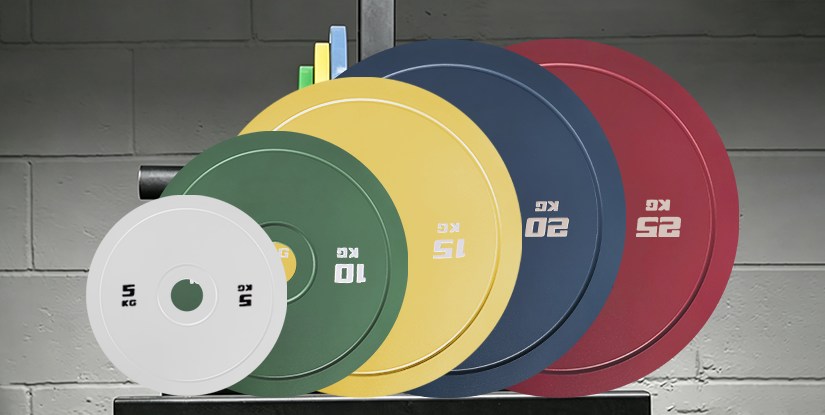
A specialized China factory provides the technical infrastructure necessary to support your brand identity through customized specifications. Whether you require specific color palettes for powder coating, unique embossed logos on the plate face, or custom packaging dimensions for optimized container loading, these services are designed to increase your differentiation. High-tier commercial fitness equipment wholesale is no longer just about the base unit; it is about the ability to offer a cohesive, branded product line that meets the specific aesthetic and functional demands of premium gym chains and boutique studios.
For distributors managing high-volume sourcing, the ability to implement private label solutions directly impacts your landed cost and market positioning. Working with a dedicated supplier ensures that your custom branding is integrated during the initial casting or coating stages, rather than as an afterthought, ensuring a professional finish that stands up to rigorous commercial use.
Technical Customization Tiers and Branding Specifications
To maximize distributor margins, it is essential to select a customization level that aligns with your target market's price sensitivity and durability requirements. A professional calibrated steel plate foundry offers tiered options ranging from standard commercial-grade units to high-end competition-ready specifications. When managing large-scale commercial fitness equipment wholesale orders, understanding these technical trade-offs—such as the difference between basic paint and high-durability powder coating—is vital for long-term product reliability and customer satisfaction.
The following table outlines the standard customization levels available through our China gym equipment factory to assist in your procurement planning and product positioning.
| Customization Tier | Material & Finish | Branding Options | Weight Tolerance Control | Ideal Market Segment |
|---|---|---|---|---|
| Standard Commercial | Cast Iron with Enamel Paint | Standard Embossed Logo | Standard Industry Check | Budget Gyms & Basic Studios |
| Premium Commercial | Cast Iron with powder coating | Custom Color & Raised Logo | Enhanced Calibration | Premium Fitness Centers |
| Elite/Competition | Precision Machined Steel | Laser-Etched or Fine Embossing | Strict Precision Calibration | Professional Training Facilities |
For distributors seeking a high-end private label solution, we recommend the Premium or Elite tiers. These options allow for sophisticated branding, such as high-contrast logo embossing and specialized color-coding, which enhances your brand recognition. When finalizing your sourcing strategy, please consult with your supplier to confirm the specific MOQ for custom color requests and the expected lead time for specialized branding applications to ensure seamless inventory management.