Calibrated Steel Plate Trade Manufacturer: Cast Iron Vs
Understanding the Value of a Calibrated Steel Plate Trade Manufacturer
For large-scale commercial gym chains and international distributors, the decision to transition from cast iron to precision-machined steel involves a complex calculation of long-term durability versus upfront investment. When scaling a global fitness brand, sourcing from a specialized calibrated steel plate trade manufacturer allows procurement leads to bridge the gap between high-end competition specifications and high-volume wholesale requirements. This strategic shift ensures that your facility or product line maintains professional standards without the prohibitive costs often found in boutique-only supply chains.
Selecting a reliable wholesale gym plate supplier is not merely about finding the lowest price per unit, but about optimizing the total landed cost through predictable manufacturing cycles. Professional buyers must evaluate how material thickness, machining precision, and surface finishes impact the long-term maintenance load and replacement frequency of commercial steel weight plates. A specialized factory that understands these nuances can provide the scalability required for massive deployments while maintaining the tight tolerances expected in premium commercial environments.
A professional sourcing strategy focuses on the economic advantage of high-volume, high-precision production. By working directly with a China factory that specializes in calibrated steel, distributors can secure better MOQ terms and more stable lead times, which are critical for maintaining inventory levels across multiple gym locations or retail channels. This approach maximizes the distributor margin by reducing the frequency of quality-related returns and ensuring a consistent product profile for the end-user.
Economic Comparison of Material and Manufacturing Specifications
Procurement leads must distinguish between the cost structures of standard cast iron and high-precision steel to optimize capital expenditure. While cast iron remains a staple for budget-tier facility deployments, the manufacturing route for commercial steel weight plates involves more intensive CNC machining and calibration steps. This increased technical requirement directly influences the bulk pricing and the overall value proposition for premium commercial projects.
When evaluating a calibrated steel plate trade manufacturer, it is essential to analyze the relationship between the material grade and the final commercial duty. Steel plates typically offer superior flatness and a thinner profile, which improves space efficiency in high-density training environments. Understanding these technical trade-offs allows importers to better manage their long-term inventory and product positioning.
| Material | Primary Process | Key Component/QC Point | Commercial Duty | MOQ Impact |
|---|---|---|---|---|
| Cast Iron | Sand Casting & Finishing | Surface Smoothness & Base Flatness | Budget / Standard Commercial | Lower |
| Machined Steel | CNC Machining & Calibration | Bore Concentricity & Plate Thickness | Premium / Professional Commercial | Moderate |
| Rubber Coated Steel | Molding or Dip Coating | Coating Adhesion & Edge Integrity | High-End / Full Commercial | Higher |
A professional wholesale gym plate supplier will provide detailed specifications regarding the weight calibration methods used during production. For high-volume orders, the ability to maintain consistency across batches is a critical factor in reducing the landed cost of quality-related disputes. We recommend that buyers request a formal specification sheet and confirm the MOQ for custom branding or specialized finishes before finalizing any large-scale procurement contract.
Material Specifications: Calibrated Machined Steel vs. Cast Iron
When sourcing high-end training equipment, understanding the distinction between casting and machining is vital for long-term TCO. A professional calibrated steel plate trade manufacturer typically offers two distinct paths: the cost-effective durability of cast iron and the high-precision performance of machined steel. For distributors and gym operators, selecting the right material determines whether your inventory serves a budget-friendly commercial setting or a high-performance training facility.
Cast iron remains the industry standard for high-volume wholesale orders due to its balanced production speed and ruggedness. However, for premium facilities requiring tighter weight tolerances and smoother edges, commercial steel weight plates produced through precision CNC machining offer a superior edge. Choosing between these depends on your target market's needs and your specific sourcing strategy for weight coverage efficiency.
| Material Type | Primary Process | Commercial Duty Tier | Weight Tolerance Profile | Typical Sourcing Use Case |
|---|---|---|---|---|
| Cast Iron | Sand Casting | Budget / Standard Commercial | Standard Deviation | High-volume gym fit-outs |
| Machined Steel | CNC Machining | Premium / Competition Grade | High Precision | Strength & Conditioning Centers |
| Rubber Coated Steel | Molding / Dip Coating | Standard Commercial | Moderate Precision | Commercial Strength Training |
For buyers looking to optimize B2B sourcing, the choice often hinges on the trade-off between unit cost and technical specification. While a wholesale gym plate supplier can provide massive quantities of cast iron to lower your initial CAPEX, specialized distributors often request commercial steel weight plates for clients who demand absolute concentricity and minimal thickness variations. If your factory partner utilizes advanced machining, you can offer a more specialized product line under your own private label.
Manufacturing Precision and Quality Control Standards
The production workflow of a professional calibrated steel plate trade manufacturer follows a rigorous sequence to ensure that every unit meets commercial-grade expectations. For cast iron products, the process begins with sand casting, followed by basic surface finishing to remove imperfections. In contrast, premium steel plates undergo intensive CNC machining to achieve the exact dimensions required for high-performance training. This technical distinction is a critical factor for importers to consider when calculating the long-term value and durability of their inventory.
During the production cycle, several key stages impact the final landed cost and product reliability. After the initial casting or machining, plates undergo weight calibration and surface treatments such as powder coating or phosphate treatment. A reliable wholesale gym plate supplier will implement a strict pre-shipment QC process that includes checking the concentricity of the center bore and the flatness of the plate face. These steps prevent common failure modes, such as uneven weight distribution or coating peeling, which can damage a distributor's reputation.
When negotiating with a China factory, buyers should inquire about the specific calibration methods used for their metal plates. High-tier manufacturers often include a weight tolerance spot-check as part of their standard QC to ensure consistency across bulk orders. Whether you are requesting a standard run or a specialized OEM production for a private label, verifying the surface finishing quality and the precision of the center hole is essential for maintaining high commercial standards in your local market.
Precision Machining and Surface Finishing Processes
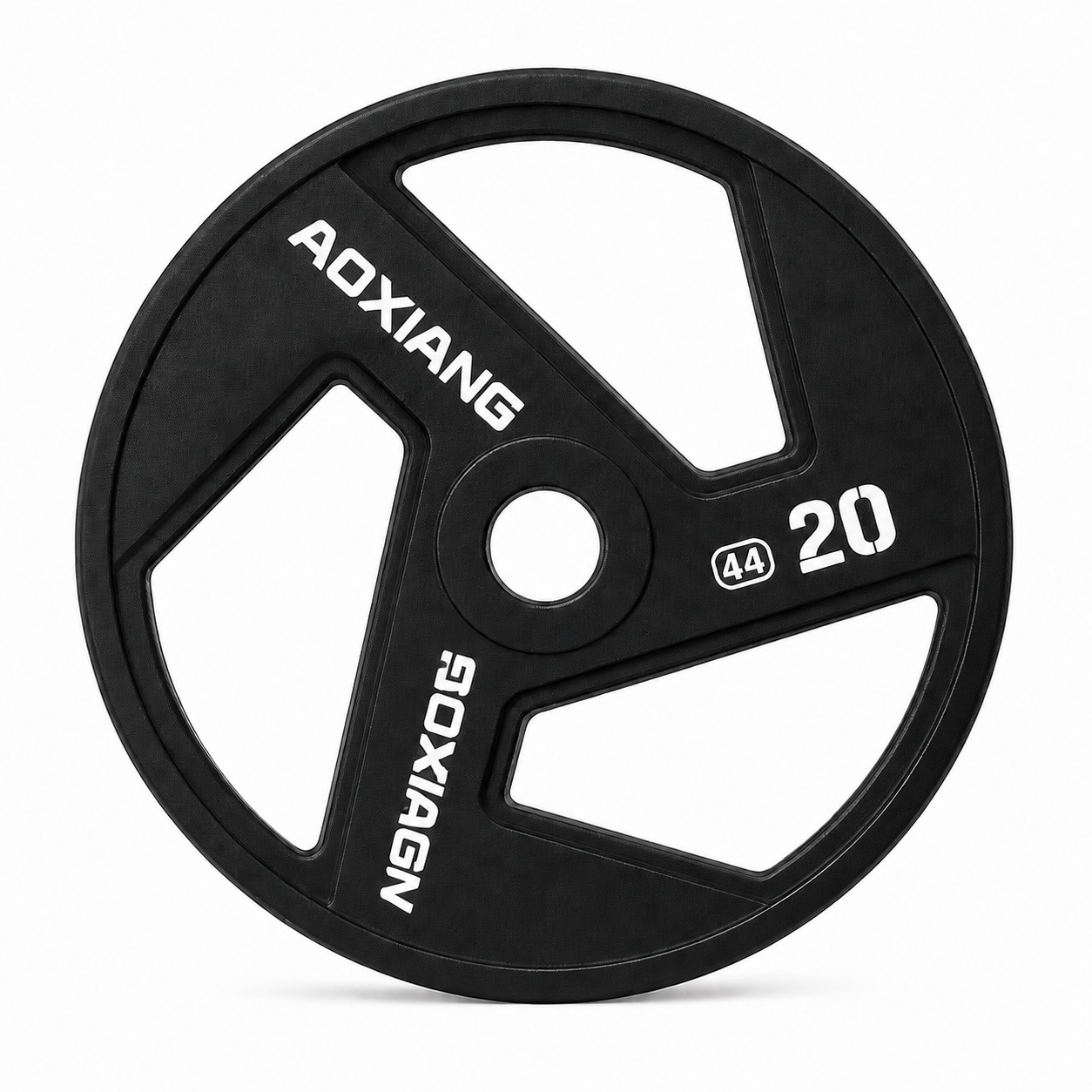
For professional distributors and gym equipment importers, the technical integrity of weight plates determines long-term durability and brand reputation. A reliable calibrated steel plate trade manufacturer must prioritize precision engineering to ensure that every unit meets strict weight and balance standards. Unlike standard cast iron, which may have surface irregularities, high-end commercial steel weight plates undergo rigorous CNC machining to achieve optimal flatness and concentricity. This level of precision is essential for high-performance training environments where even slight imbalances can affect user safety and equipment longevity.
The manufacturing sequence typically begins with high-grade steel fabrication, followed by advanced machining to refine the bore and outer edges. This process ensures that the plates sit perfectly flush on Olympic bars, preventing uneven wear on the barbell sleeves. Once the dimensions are stabilized, the plates undergo specialized surface treatments. Whether it is a high-grade powder coating for color-coded identification or a protective finish to prevent oxidation, the application must be consistent across the entire wholesale batch. For a China factory, maintaining this consistency through automated lines is a key indicator of production capability and readiness for international export.
When sourcing commercial steel weight plates, professional buyers should evaluate the depth of the CNC machining and the quality of the finish. A professional calibrated steel plate trade manufacturer will implement a multi-stage weight tolerance check and a China factory QC protocol that includes inspecting the bore diameter and the adhesion of the coating. These technical details directly impact the landed cost by reducing the frequency of replacements and minimizing maintenance-related downtime for the end-user. High-quality sourcing strategies should always prioritize these manufacturing benchmarks to ensure the final product can withstand the high-throughput demands of a commercial facility.
Technical Comparison: Casting vs. Precision Machining
In the high-volume procurement of strength equipment, understanding the distinction between sand casting and precision machining is vital for managing long-term depreciation and maintenance costs. While sand casting is a cost-effective method for producing high volumes of standard weight plates, it often results in higher surface roughness and less predictable thickness uniformity. For distributors looking for premium tier products, transitioning to CNC-machined specifications offers a significant advantage in terms of mechanical stability and aesthetic longevity.
The following table outlines the technical and commercial differences between these two manufacturing routes to assist in your sourcing decision. As a professional wholesale gym plate supplier, we recommend evaluating these tiers based on your target market's price sensitivity and durability requirements.
| Material & Process | Surface Finishing | Key Component/QC Point | Commercial Duty Tier | MOQ Impact |
|---|---|---|---|---|
| Sand Casting | Basic Paint or Powder Coating | Bore Concentricity & Surface Texture | Budget / Entry-Level | Lower (Standard Stock) |
| CNC Machining | Premium Powder Coating or Chrome | Plate Flatness & Edge Precision | Premium / Competition-Grade | Higher (Custom Production) |
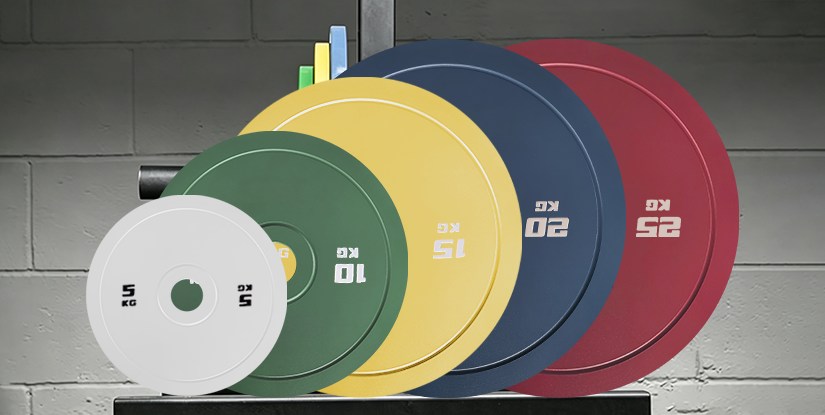
When negotiating with a calibrated steel plate trade manufacturer, it is essential to confirm whether the quoted price includes the precision machining stage. For large-scale gym deployments, the higher initial investment in machined plates often results in a lower total cost of ownership (TCO) due to reduced barbell sleeve wear and improved plate stacking efficiency. We suggest requesting a sample evaluation to inspect the coating adhesion and the smoothness of the bore before finalizing any large-scale wholesale agreement.
Optimizing Commercial Gym Throughput and Equipment Lifespan
For large-scale facility operators and distributors, the choice between material grades determines more than just initial capital expenditure; it dictates the long-term Total Cost of Ownership (TCO). A professional calibrated steel plate trade manufacturer understands that high-traffic environments demand precision. When sourcing in bulk, selecting high-grade commercial steel weight plates ensures that weight increments remain consistent even under heavy use, preventing the calibration drift often seen in lower-tier production. This consistency is vital for maintaining high throughput in professional training environments where precision is non-negotiable.
Selecting a reliable wholesale gym plate supplier allows procurement leads to mitigate the risks of premature wear and frequent replacement cycles. In a high-volume China factory setting, the distinction between standard casting and precision machining becomes a critical factor in equipment lifespan. By prioritizing products with optimized surface finishes and structural integrity, importers can reduce maintenance downtime and enhance the overall value of their inventory, ensuring that every sourcing decision supports long-term operational efficiency and maximized ROI.
Material Performance and Durability Comparison
When evaluating the long-term durability of your inventory, understanding the fundamental differences in manufacturing routes is essential for calculating the true landed cost. A professional calibrated steel plate trade manufacturer provides options that cater to different commercial tiers, ensuring that your procurement aligns with the specific intensity of your target facility. While cast iron remains a standard for high-volume commercial use due to its cost-effectiveness, machined steel and specialized coatings offer enhanced longevity and specialized performance for premium environments.
The following table outlines the typical material and process distinctions that professional buyers should inspect during a factory audit or sample evaluation to ensure product longevity and floor protection.
| Material Type | Primary Process | Key Component/Feature | Commercial Duty Tier | Maintenance/Protection | Sourcing Impact |
|---|---|---|---|---|---|
| Cast Iron | Sand Casting & Machining | Base Flatness | Standard Commercial | Requires Floor Mats | High Volume/Low MOQ |
| Steel (Machined) | Precision CNC Machining | Concentricity & Tolerance | Premium/High-Traffic | High Impact Resistance | Higher Unit Cost |
| Rubber Coated | Molding or Dip Coating | Encapsulation Layer | High-End/Studio | Superior Floor Protection | Specialized Production |
For distributors looking to scale their product lines, choosing the right manufacturing specifications can significantly impact your margin. For instance, opting for a wholesale order of rubber-encapsulated plates may increase the initial investment, but it drastically reduces the long-term maintenance costs associated with floor damage and noise reduction in commercial settings. When coordinating with an OEM partner, it is advisable to request specific details regarding the coating adhesion and the precision of the weight calibration to ensure the products meet the rigorous standards of your local market.
Standardizing Quality Control and Export Logistics
Mitigating the risk of defective shipments is a primary concern for procurement professionals managing large-scale imports. A dependable calibrated steel plate trade manufacturer implements rigorous pre-shipment protocols to ensure that every unit meets the required weight tolerances and structural specifications. In a professional China factory, this involves a systematic sequence: from initial sand casting and CNC machining of the steel core to the final calibration and surface finishing. For high-volume buyers, verifying these steps during a factory audit or by requesting a detailed inspection report is a critical step in reducing the long-term landed cost and preventing the high costs associated with faulty inventory.
Effective sourcing also requires a clear understanding of how packaging and logistics impact your final delivery. To protect the integrity of precision-machined surfaces, professional manufacturers utilize specialized export packaging, such as reinforced steel crates or heavy-duty palletizing, to prevent warping or coating damage during transit. When negotiating your next bulk order, it is essential to confirm the specific MOQ, estimated lead time, and the technical details of the pre-shipment QC process. Whether you are pursuing a wholesale replenishment or a custom OEM production run, aligning on these logistical benchmarks ensures that your equipment arrives ready for immediate deployment in high-traffic commercial facilities.
Sourcing Strategy: China Factory Capabilities and OEM/ODM Services
When scaling a fitness distribution business, your sourcing strategy must move beyond simple procurement to deep manufacturing integration. Selecting a specialized calibrated steel plate trade manufacturer allows importers to transition from buying off-the-shelf stock to controlling the technical specifications of their product lines. For high-volume distributors, the ability to leverage a China factory for specialized production is the difference between a generic inventory and a proprietary brand identity.
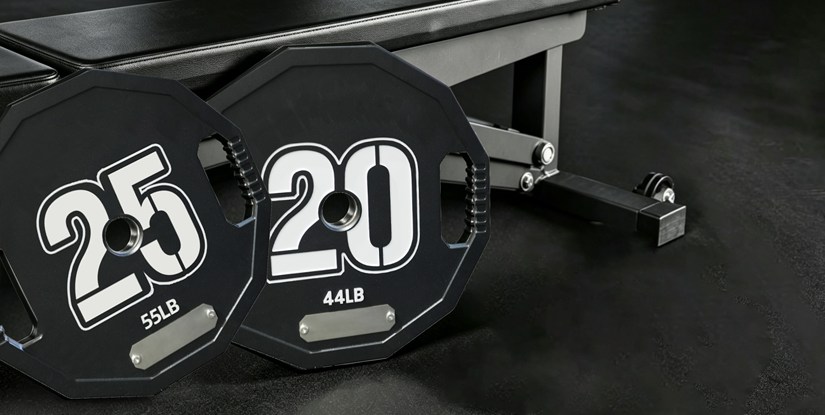
Standard production cycles often limit a buyer to existing weight increments and basic finishes. However, professional procurement leads require more flexibility to meet specific market demands. Utilizing OEM services enables you to implement custom weight markings, specific color-coding systems, or unique branding on the plate face. Furthermore, ODM capabilities allow for structural adjustments, such as specialized bore diameters or specific coating thicknesses, ensuring your commercial steel weight plates meet the exact durability standards of your target facility tier.
For those managing large-scale gym deployments or regional distribution, understanding the wholesale distinction between a basic trader and a specialized supplier is critical. A direct factory connection provides better control over the MOQ for custom runs and more transparent oversight of the calibration process, ultimately protecting your landed cost and long-term distributor margins.
Navigating the logistical complexities of international procurement requires a clear understanding of how production volume impacts your supply chain. A professional calibrated steel plate trade manufacturer must provide transparent data regarding MOQ requirements and production timelines to ensure your warehouse or retail stock levels remain optimized. For most specialized runs involving custom branding or specific material finishes, the lead time typically encompasses a sequence of casting, precision machining, and surface coating, followed by a mandatory calibration phase to ensure weight consistency.
To mitigate the risk of unexpected expenses, importers should evaluate the total landed cost, which includes not just the unit price but also the specialized export packaging required for heavy steel goods. High-quality wholesale gym plate supplier operations utilize reinforced, moisture-resistant packaging and palletization strategies designed to withstand long-distance sea freight. This prevents surface oxidation or structural damage during transit, ensuring that the shipment arrives at your facility ready for immediate commercial deployment.
B2B Procurement Comparison: Sourcing Models
| Sourcing Model | Typical MOQ | Lead Time Profile | Customization Potential | Primary QC Focus |
|---|---|---|---|---|
| Stock Wholesale | Low to Medium | Short (Ready to Ship) | Limited to Standard Specs | Surface Finish & Weight |
| OEM Production | High | Extended (Production Cycle) | High (Branding & Dimensions) | Bore Precision & Calibration |
| ODM Development | Very High | Long (R&D + Production) | Full (Material & Structure) | Complete Technical Spec Compliance |
Effective sourcing for high-tier commercial facilities often involves a multi-step verification process. We recommend that buyers initiate a request for a detailed spec sheet and a formal quote early in the planning phase. To ensure long-term reliability, professional procurement leads should also request a factory audit or book a pre-shipment inspection to verify the calibration accuracy and the integrity of the export-grade packaging before the container is sealed.
Effective sourcing for high-tier commercial facilities often involves a multi-step verification process. We recommend that buyers initiate a request for a detailed spec sheet and a formal quote early in the planning phase. To ensure long-term reliability, professional procurement leads should also request a factory audit or book a pre-shipment inspection to verify the calibration accuracy and the integrity of the export-grade packaging before the container is sealed.
Quality Control Protocols and Export Packaging Standards
Maintaining consistent weight tolerances and surface integrity is the primary challenge for any calibrated steel plate trade manufacturer. For distributors and gym equipment importers, a single shipment of damaged or inaccurately weighted units can drastically increase the total landed cost and erode profit margins. Reliable commercial steel weight plates must undergo a multi-stage verification process to ensure they meet international commercial standards before leaving the China factory.
Effective QC begins at the casting stage, where technicians perform concentricity checks and flatness inspections to prevent warping. Once the machining and coating processes are complete, a final weight tolerance spot-check is mandatory. This ensures that every unit in a bulk order aligns with the specified weight, reducing the risk of client disputes. Beyond the product itself, professional export packaging is essential for long-distance maritime transit. High-density foam corner protectors, reinforced heavy-duty cartons, and customized wooden crates are standard for preventing edge chipping and coating adhesion failure during sea freight. For high-volume wholesale buyers, these rigorous standards ensure that the product arrives in retail-ready condition, protecting the supplier's reputation and the buyer's bottom line.
When managing high-volume logistics, the efficiency of your supply chain depends on how a wholesale gym plate supplier handles the transition from production to sea freight. For large-scale distributors, the primary risks involve palletizing errors and inadequate protection against the high humidity and physical movement typical of long-distance maritime transport. A professional calibrated steel plate trade manufacturer must integrate structural stability into their shipping protocols to prevent the high replacement costs associated with transit damage.
Standardized Loading and Export Protection
To ensure the lowest possible landed cost and zero breakage, we implement a standardized loading sequence. This includes precision palletizing where plates are stacked by weight and size to maintain a low center of gravity. Each pallet is typically wrapped in heavy-duty stretch film and secured with edge protectors to prevent shifting within the container. This level of detail is critical for any wholesale order destined for international ports, as it minimizes the risk of dented edges or scratched powder coating during sea freight. For clients requiring OEM or ODM solutions, we can also provide customized crate dimensions to optimize container volume and reduce shipping overhead.
| Packaging Tier | Material/Method | Primary Use Case | Protective Focus | Shipping Mode |
|---|---|---|---|---|
| Standard Commercial | Reinforced Cartons | Small-batch wholesale | Edge and surface protection | LCL / Sea Freight |
| Premium Export | Customized Wooden Crates | High-volume bulk orders | Structural integrity & stacking | FCL / Container Shipping |
| Custom Branding | Branded Inner Sleeves | OEM / ODM retail-ready | Aesthetic & logo protection | Global Distribution |
Before any shipment is cleared, a final pre-shipment inspection is conducted to verify both the product specifications and the load stability. We recommend that buyers confirm the MOQ and specific packaging requirements during the initial sourcing phase to ensure the container load plan is optimized for their specific warehouse footprint. Whether you are requesting a sample evaluation or planning a full-scale container order, our factory provides full documentation regarding the packing list and weight distribution to facilitate smooth customs clearance.
To optimize your procurement workflow, we suggest coordinating the final pre-shipment inspection with your logistics provider. This allows for a synchronized verification of the weight calibration, surface finish, and pallet stability before the container is sealed. For long-term distribution partnerships, we recommend requesting a detailed packing list and a high-resolution photo report of the loaded container to ensure all commercial steel weight plates meet your brand identity standards upon arrival at your warehouse.