Calibrated Weight Plate Manufacturer: OEM Manufacturing
The High Cost of Precision Errors in Weight Procurement
For international distributors managing large-scale fitness facility fit-outs or high-end boutique studio chains, even minor deviations in unit weight can disrupt entire training protocols. When sourcing from a calibrated weight plate manufacturer, the difference between professional-grade accuracy and budget-grade casting is not just a matter of performance—it is a matter of financial risk. Inaccurate weight distributions across a full set can lead to uneven wear on barbell sleeves and uneven loading during heavy compound movements, ultimately affecting the long-term TCO of the entire equipment fleet.
Procurement professionals often overlook the hidden costs of low-quality precision weight plate OEM services. If a commercial gym plate supplier provides units with inconsistent weight tolerance, the impact extends beyond the weight room. For gym owners, this translates to increased maintenance requests, potential liability concerns during heavy lifts, and a diminished reputation for quality. Furthermore, inconsistent weights can skew inventory management and shipping calculations, leading to unexpected increases in the landed cost when bulk shipments arrive with significant weight discrepancies compared to the original manifest.
Unreliable sourcing increases procurement risks for those managing multi-site rollouts or large-scale distribution. Relying on a non-specialized factory that lacks rigorous calibration protocols often results in high return rates and damaged distributor margins. To protect your brand identity and operational efficiency, it is essential to partner with a China factory that prioritizes commercial-grade accuracy through standardized production sequences—moving from precision casting to final calibration—ensuring every unit meets the strict requirements of professional strength training environments.
The technical root of these discrepancies often lies in a neglected production sequence. In many budget-oriented production lines, the transition from initial casting to the final product is rushed, bypassing critical stages of refinement. Without a dedicated calibrated weight plate manufacturer, the process may lack the necessary precision steps required for high-performance gear. For example, if the initial sand casting is not followed by rigorous CNC machining to refine the center bore and the outer diameter, the plate will naturally exhibit concentricity issues. This lack of geometric precision leads to uneven weight distribution, causing the plate to wobble or sit unevenly on the barbell sleeve during heavy use.
Furthermore, the absence of a structured weight calibration stage before the final coating or packaging is a common failure mode in substandard production. A professional precision weight plate OEM workflow must integrate a calibration step after the primary machining is complete. This ensures that any minor mass variations are accounted for before the final surface treatment is applied. Without this, the weight of the plate becomes a variable rather than a constant, making it impossible to guarantee the precision required for competitive or high-end commercial environments. For distributors, this inconsistency is a primary driver of client dissatisfaction and higher long-term maintenance loads.
To mitigate these risks, professional sourcing strategies must prioritize a factory that implements a multi-stage quality control (QC) protocol. A reliable China factory specializing in high-end plates will not only focus on the casting quality but also perform strict inspections on the bore fit and the flatness of the plate surface. This level of oversight ensures that every unit in a wholesale order adheres to expected industry standards. By investing in a supplier that understands the necessity of both precision casting and secondary machining, importers can ensure the commercial durability and precision accuracy required to protect their brand reputation and minimize the total cost of ownership.
Selecting the wrong tier of production can lead to significant operational friction. To assist in your procurement decision, the following comparison illustrates how different manufacturing approaches impact your bottom line. Whether you are looking for high-volume budget options or high-precision equipment, understanding these qualitative differences is vital for effective sourcing.
| Precision Level | Manufacturing Process | Typical Use Case | Sourcing Impact (MOQ/Cost) |
|---|---|---|---|
| Standard Commercial | Basic sand casting followed by surface treatment | General fitness centers and budget gym chains | Lower MOQ and optimized landed cost |
| Professional Grade | Precision casting with secondary machining and calibration | Performance training facilities and boutique studios | Mid-range wholesale pricing with higher accuracy requirements |
| Premium/Competition | Advanced CNC machining and multi-stage weight calibration | High-end training hubs and professional competition environments | Higher MOQ and specialized OEM requirements |
Choosing between these tiers requires a balance of your target market's needs and your distributor margins. While budget-grade plates serve general fitness needs, a dedicated calibrated weight plate manufacturer provides the technical consistency required to eliminate the mechanical imbalances that often plague lower-tier equipment. When evaluating your next bulk order, consider the long-term value of precision over initial unit savings to ensure your clients receive a truly professional product.
Calibrated Weight Plate Manufacturer: Essential Casting and Machining Standards
A professional calibrated weight plate manufacturer ensures that every unit meets strict weight tolerance standards through a disciplined production sequence. For distributors and gym equipment importers, sourcing from a reliable China factory means moving beyond basic sand casting to advanced machining and calibration processes. This precision is critical for maintaining the commercial-grade accuracy required in professional strength training environments.
The manufacturing journey begins with high-quality casting, typically using gray iron or steel, followed by precision machining to refine the center bore and outer edges. This technical rigor prevents the common issues seen in low-tier products, such as uneven weight distribution or improper Olympic collar fit. When managing large-scale sourcing projects, professional buyers prioritize a supplier that integrates these steps into a standardized quality control framework to ensure long-term durability and consistent performance.
For high-volume wholesale orders, the transition from raw casting to a finished precision weight plate OEM product involves several critical stages: initial casting, CNC-guided machining for concentricity, surface treatment, and final weight verification. This systematic approach reduces the risk of defective batches and ensures that the commercial gym plate supplier can meet the strict expectations of premium fitness facilities.
Technical Production Stages and Procurement Tiers
For professional procurement leads, understanding the technical differentiation between production tiers is essential for calculating total cost of ownership. A high-tier calibrated weight plate manufacturer utilizes a multi-stage workflow to eliminate the volatility often found in budget-grade units. This sequence typically begins with sand casting to establish the core density, followed by rigorous CNC machining to ensure the center bore remains perfectly concentric. Without this mechanical refinement, plates may cause uneven wear on expensive barbell sleeves, increasing long-term maintenance costs for the end-user.
The following table provides a qualitative comparison of production standards to assist in your sourcing decision-making, specifically regarding material integrity and final duty ratings.
| Material | Process | Key Component Detail | Commercial Duty | MOQ Impact | Factory QC Point |
|---|---|---|---|---|---|
| Gray Iron | Standard Sand Casting | Basic Bore Fit | Budget/Commercial | Lower | Surface Uniformity |
| Solid Steel | Precision CNC Machining | Concentric Center Bore | Premium Commercial | Medium | Weight Tolerance |
| Steel/Iron Blend | Precision weight plate OEM | High-Precision Inner Hub | Professional/Competition | Higher | Concentricity Check |
When evaluating a commercial gym plate supplier, it is standard practice to verify the calibration method used before final export. Premium manufacturers implement a weight spot-check during the final stage of the machining line to ensure that every unit in a bulk shipment aligns with the specified weight class. We recommend that buyers request a detailed spec sheet and confirm the specific MOQ for customized branding or private label requests to ensure the production timeline aligns with your distribution or facility opening schedule.
Final QC and Export-Ready Standards for Bulk Procurement
For international importers and distributors, the risk of receiving a shipment with weight deviations or damaged surfaces can significantly impact the landed cost and distributor margins. A professional calibrated weight plate manufacturer mitigates these risks by implementing a rigorous pre-shipment inspection protocol. Beyond simple visual checks, a high-tier commercial gym plate supplier performs a weight tolerance spot-check on random samples from every batch to ensure the precision achieved during the precision weight plate OEM process remains consistent throughout the entire production run.
To ensure seamless logistics and warehouse efficiency, export-ready standards must also address the physical protection of the units. Professional sourcing requires robust export packaging—typically involving heavy-duty reinforced cartons or custom wooden crates—to prevent edge chipping or bore deformation during ocean freight. When planning your inventory, always account for the standard lead time and the specific MOQ required for custom branding or specialized coatings. By verifying these QC and packaging protocols during your factory audit, you can ensure that your bulk order arrives at your facility in peak commercial condition, ready for immediate distribution or installation.
Material and Process Specifications for Commercial Grade Plates
For distributors and professional gym operators, the integrity of weight sets depends on the precision of the manufacturing sequence. A professional calibrated weight plate manufacturer utilizes a standardized production pipeline—starting with high-grade casting and moving through rigorous machining—to ensure each unit meets commercial-grade standards. When sourcing equipment in bulk, understanding these technical layers is essential to avoid the high replacement costs associated with unevenly weighted or poorly finished plates.
Reliable precision weight plate OEM production typically follows a strict progression: raw material casting, followed by CNC machining for the center bore, and finally, surface finishing. This ensures that the concentricity of the plate remains consistent, preventing wobbling during high-volume commercial use. A reputable China factory will implement these stages to maintain a stable commercial-grade standard across every batch delivered to your warehouse.
Technical Comparison of Plate Manufacturing Tiers
| Material Type | Primary Process | Surface Finish | Commercial Duty | Maintenance Load |
|---|---|---|---|---|
| Cast Iron | Sand Casting | Powder Coating | Standard Commercial | Low |
| Steel Core | Machining & Molding | Rubber/PU Coating | Premium/High-Traffic | Minimal |
| Precision Steel | CNC Machining | Chrome/Enamel | Competition/Studio | Moderate |
Choosing the right commercial gym plate supplier involves balancing the durability of the finish with your total landed cost. While standard powder-coated iron is a staple for high-volume wholesale orders, high-end studio environments often require the enhanced floor protection and aesthetic polish provided by rubber or PU-coated options. Selecting the appropriate tier during the sourcing phase ensures your inventory meets the specific performance expectations of your target market.
The transition from raw casting to a finished product involves several critical technical stages that directly impact the long-term value of your inventory. A high-standard calibrated weight plate manufacturer ensures that each plate undergoes specific refinement steps to prevent common failure modes like uneven wear or plating delamination.
Critical Manufacturing Stages and QC Focus
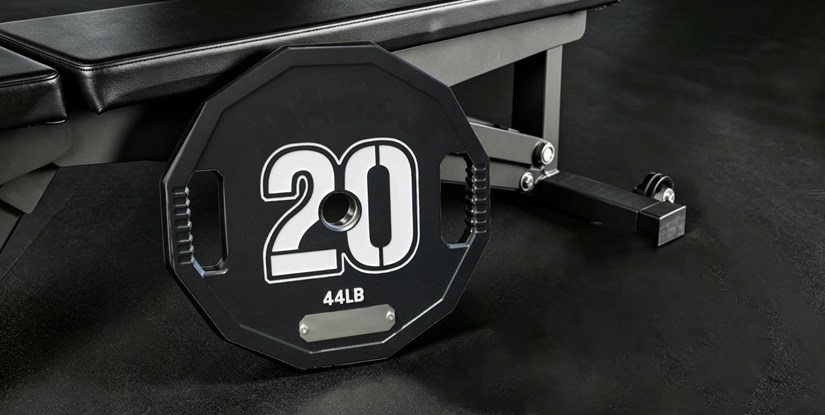
The production process begins with sand casting to establish the fundamental shape and density of the plate. Following this, the unit undergoes CNC machining to refine the center bore. This step is vital for ensuring a perfect Olympic collar fit, as even minor deviations in concentricity can lead to uneven weight distribution and mechanical instability during heavy lifts. After machining, the plate moves to the surface finishing stage, where specialized powder coating or rubber molding is applied. This layer is not merely aesthetic; it provides the necessary durability to resist oxidation and impact damage in high-traffic environments.
During the pre-shipment phase, a professional precision weight plate OEM facility implements specific quality control checkpoints. For bulk orders, we recommend that buyers focus on three primary inspection areas: the quality of the center bore fit, the adhesion strength of the powder coating, and the overall weight tolerance. A reliable commercial gym plate supplier will perform spot-checks on these components to ensure that the finished units meet the strict tolerances required for professional strength training environments. Evaluating these technical details during your initial inquiry helps mitigate the risk of receiving substandard batches and optimizes your total landed cost.
The production process begins with sand casting to establish the fundamental shape and density of the plate. Following this, the unit undergoes CNC machining to refine the center bore. This step is vital for ensuring a perfect Olympic collar fit, as even minor deviations in concentricity can lead to uneven weight distribution and mechanical instability during heavy lifts. After machining, the plate moves to the surface finishing stage, where specialized powder coating or rubber molding is applied. This layer is not merely aesthetic; it provides the necessary durability to resist oxidation and impact damage in high-traffic environments.
Optimizing Sourcing via Precision Weight Plate OEM Services
A professional calibrated weight plate manufacturer provides more than just physical products; they provide long-term financial predictability for distributors and gym owners. When sourcing in bulk, the primary risk is not the initial purchase price, but the hidden TCO (Total Cost of Ownership) caused by uneven weight distribution, poor bore fit, or premature surface degradation. High-quality precision weight plate OEM services mitigate these risks by implementing rigorous calibration protocols that ensure every unit meets strict commercial-grade standards, protecting your margins and your reputation.
For importers and large-scale distributors, the cost of a bad batch extends far beyond the replacement costs of the plates themselves. If a commercial gym plate supplier provides units with inconsistent weight tolerances or uneven center-of-gravity issues, the resulting wear on barbell sleeves and high-end plates can lead to expensive equipment damage. By prioritizing a China factory that utilizes advanced precision machining and systematic QC, buyers can significantly reduce maintenance frequency and extend the lifecycle of their entire strength training inventory.
In a commercial setting, the value of a single wholesale order is measured by its durability over several years of high-volume use. Investing in precision-machined components ensures that the weight tolerance remains stable, preventing the uneven loading that often leads to premature failure in budget-tier alternatives. This focus on manufacturing accuracy directly improves the long-term ROI for facility operators and strengthens the reliability of the supply chain for global distributors.
Commercial Grade Value Comparison
When evaluating your next procurement cycle, it is essential to distinguish between standard cast iron and precision-engineered options. While budget-tier products may offer a lower initial landed cost, the long-term financial impact of weight inconsistency and surface wear can erode distributor margins. A professional calibrated weight plate manufacturer provides a structured approach to quality that stabilizes your total cost of ownership.
The following table illustrates the qualitative differences between standard production and the high-spec standards provided by a premium precision weight plate OEM to assist in your sourcing decision.
| Material | Process | Key Component/Feature | Commercial Duty Tier | Long-term ROI |
|---|---|---|---|---|
| Standard Cast Iron | Basic Sand Casting | Rough Bore/Natural Surface | Budget/Entry-level | Low (Higher replacement frequency) |
| Premium Calibrated Steel | CNC Machining & Calibration | Precision Olympic Collar Fit | High-end Commercial | High (Extended equipment lifecycle) |
| Coated Commercial Plate | Casting + Powder Coating | Durable Surface Layer | Standard Commercial | Moderate (Reduced maintenance) |
Choosing a reliable commercial gym plate supplier allows you to move beyond the volatility of low-quality stock. By establishing a partnership with an experienced factory, you can secure consistent specifications across all your wholesale orders. We recommend that buyers request a detailed specification sheet and confirm the MOQ requirements for custom branding to ensure the final product aligns perfectly with your brand identity and market positioning.
Logistics and Export Efficiency for Bulk Procurement
Managing the logistics of heavy, high-density equipment requires more than just standard shipping. A professional calibrated weight plate manufacturer understands that optimizing the landed cost involves a delicate balance between container volume utilization and protective durability. For large-scale bulk orders, we implement specialized export packaging protocols—such as reinforced corner protection and heavy-duty corrugated layering—to ensure that high-precision surfaces arrive at your warehouse without the scuffs or dimensional shifts often seen in substandard shipments.
Efficiency in the supply chain also relies heavily on predictable lead time management. When you partner with a direct China factory, you gain transparency regarding production cycles and shipping windows. Whether you are executing a standard wholesale replenishment or a complex OEM project involving custom branding, our production scheduling is designed to accommodate your inventory turnover needs. We encourage distributors to confirm their MOQ and technical requirements early in the sourcing process to secure optimal production slots and streamlined sea freight arrangements.
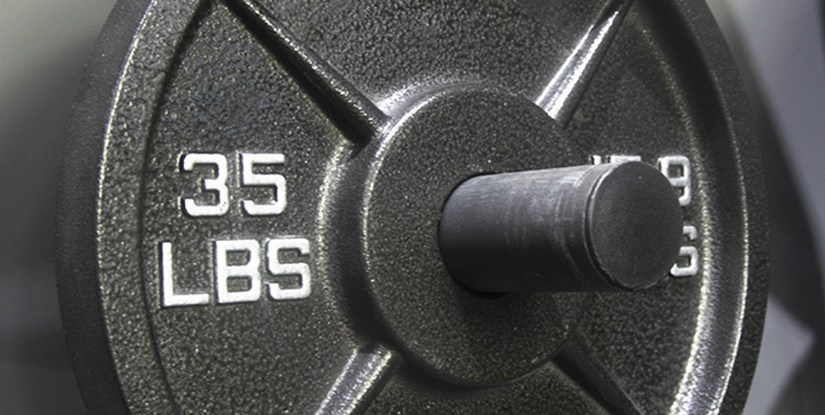
China Factory Quality Control and Export Packaging Protocols
For distributors and large-scale gym operators, the cost of a bad batch extends far beyond the initial landed cost; it includes the logistics of returns and damaged reputation. A professional calibrated weight plate manufacturer must implement a rigorous multi-stage inspection to ensure every unit meets commercial-grade accuracy. When sourcing directly from a China factory, understanding the specific QC touchpoints—from the initial casting to the final palletization—is essential to reducing buyer friction and ensuring long-term profitability.
The manufacturing sequence typically begins with precision machining to ensure the center bore is perfectly concentric, followed by a meticulous weight tolerance spot-check. This step is critical for high-end commercial use where even slight imbalances can affect user experience. Once the weight is verified, the plates undergo surface finishing, such as powder coating or specialized painting, to ensure coating adhesion and durability. A reliable precision weight plate OEM will not only verify the mass but also inspect the edge smoothness and the uniformity of the finish to prevent chipping during high-volume transit.
Effective quality control must also extend to the final export stage. For bulk orders, the way the product is secured for sea freight determines the final condition upon arrival at your warehouse. Standard operating procedures should include reinforced corner protection, heavy-duty corrugated cartons, and secure palletization to prevent shifting within the container. This attention to detail ensures that your commercial gym plate supplier delivers a product that is ready for immediate distribution or installation, protecting your margins and reducing the need for replacement planning.
Optimizing Sea Freight and Warehouse Efficiency
Logistics planning is a critical variable in the total cost of ownership for any professional importer. When managing bulk orders, the structural integrity of the packaging determines whether your shipment arrives ready for the sales floor or requires costly labor for sorting and damage claims. A specialized calibrated weight plate manufacturer utilizes heavy-duty, reinforced palletization strategies designed specifically for the weight density of steel and cast iron products. This involves using high-strength wooden pallets or reinforced skids that can withstand the extreme pressure of sea freight stacking and long-duration transit cycles.
To minimize the landed cost and maximize warehouse efficiency, we recommend standardized unitization for all high-volume shipments. Instead of loose cartons, we employ industrial-grade shrink wrapping and edge protectors to secure the load, preventing any lateral shifting during container movement. This systematic approach to export packaging ensures that the weight distribution remains stable, which is vital for both maritime safety and the ease of unloading at your destination. By optimizing the loading density and ensuring robust palletization, we help our commercial gym plate supplier partners maintain higher profit margins through reduced breakage and faster inventory turnover.
For distributors managing large-scale procurement, transparency in the shipping process is non-negotiable. We provide detailed packing lists and weight specifications for every container to assist with your customs clearance and local logistics planning. Whether you are executing an OEM order for a private label brand or sourcing standard commercial stock, our focus remains on delivering a shipment that is optimized for both sea freight stability and rapid unboxing. We invite you to contact us to discuss your specific palletization requirements, confirm your MOQ, or request a detailed shipping specification sheet for your next bulk procurement.
Technical QC Inspection Matrix for Commercial Grade Accuracy
To assist procurement leads in evaluating factory capability, the following table outlines the standard inspection stages required to maintain high-tier commercial standards. A professional calibrated weight plate manufacturer utilizes these checkpoints to mitigate the risks of weight variance and surface failure during transit. Evaluating these specific QC methods allows you to differentiate between standard production and high-precision precision weight plate OEM services.
| Inspection Stage | Focus Area | Commercial Standard | QC Method |
|---|---|---|---|
| Post-Machining | Bore Concentricity | Uniform Olympic collar fit | Manual gauge check and visual alignment |
| Weight Verification | Weight Calibration | Strict tolerance adherence | Precision scale spot-checks |
| Surface Finishing | Coating Adhesion | Uniform finish without chipping | Visual inspection and scratch resistance check |
| Final Dimension | Edge Smoothness | No sharp or uneven edges | Tactile and visual inspection |
| Pre-Shipment | Packaging Durability | High-density load stability | Pallet drop test and weight-load simulation |
When conducting a factory audit or evaluating a new supplier, we recommend requesting specific data regarding their weight calibration protocols and surface finish testing. High-quality results in these areas directly impact the long-term durability and resale value of your inventory. If you require customized technical specifications or wish to review our standard operating procedures for bulk orders, please contact us to discuss your wholesale requirements or to request a sample approval kit.
Strategic Partnership with a Commercial Gym Plate Supplier
For distributors and wholesalers, the primary challenge is not just finding a product, but securing a reliable calibrated weight plate manufacturer that protects your distributor margin. In the high-volume fitness export market, inconsistent weight tolerances or poor coating adhesion from a low-tier supplier can lead to costly returns and damaged brand reputation. A professional commercial gym plate supplier acts as a strategic partner by providing predictable lead time and scalable production capabilities.
When managing wholesale accounts, your success depends on the landed cost and the ability to offer high-spec products under your own label. By working directly with a China factory, you bypass middleman markups and gain access to OEM and ODM services that allow for customized branding. Whether you are sourcing standard cast iron sets or high-end precision plates, establishing a direct sourcing relationship ensures that your MOQ requirements are met with consistent quality, allowing you to scale your inventory without the friction of unexpected quality failures.
Evaluating Sourcing Models for High-Volume Procurement
To maximize your long-term ROI, it is essential to understand how different supply chains affect your final landed cost and product reliability. When scaling a distribution business, the choice between a direct factory and a trading entity determines your level of control over the manufacturing process and your ability to scale through precision weight plate OEM services. A professional calibrated weight plate manufacturer offers the most direct path to high-margin growth by eliminating redundant layers in the supply chain.
The following table compares the common procurement pathways for professional buyers to assist in your sourcing decisions. While trading companies may offer smaller volumes, a factory-direct model is typically required for specialized customization and strict adherence to commercial-grade specifications.
| Procurement Model | Primary Advantage | Typical MOQ | Control Over QC | Customization Potential |
|---|---|---|---|---|
| Direct Factory (OEM/ODM) | Lowest unit cost and direct control | Higher requirements | Full oversight of production and pre-shipment | High: Branding, color, and specs |
| Trading Company / Agent | Lower initial entry barrier | Flexible and lower | Limited to third-party inspection reports | Low: Primarily standard stock items |
| Wholesale Distributor | Faster access to ready-to-ship stock | Medium/Mixed | Relies on supplier's internal processes | Limited to catalog availability |
For distributors looking to build a premium brand identity, selecting a supplier that specializes in bulk orders ensures that your export packaging and container loading processes are optimized for safety and efficiency. We recommend requesting a detailed spec sheet and confirming the specific MOQ for any custom branding or color-specific powder coating requests to ensure your procurement timeline remains on track.
For distributors and wholesalers, the primary challenge is not just finding a product, but securing a reliable calibrated weight plate manufacturer that protects your distributor margin. In the high-volume fitness export market, inconsistent weight tolerances or poor coating adhesion from a low-tier supplier can lead to costly returns and damaged brand reputation. A professional commercial gym plate supplier acts as a strategic partner by providing predictable lead time and scalable production capabilities.
When managing wholesale accounts, your success depends on the landed cost and the ability to offer high-spec products under your own label. By working directly with a China factory, you bypass middleman markups and gain access to OEM and ODM services that allow for customized branding. Whether you are sourcing standard cast iron sets or high-end precision plates, establishing a direct sourcing relationship ensures that your MOQ requirements are met with consistent quality, allowing you to scale your inventory without the friction of unexpected quality failures.