Calibrated Weight Plate Supplier: Private Label OEM Factory
Calibrated Weight Plate Supplier: High-Precision Standards for Global Importers
For large-scale commercial gym chains and international distributors, the margin for error in weight accuracy is virtually zero. In a high-throughput commercial use scenario, such as a premium strength training facility or a professional training center, inconsistent weight distribution can lead to uneven barbell loading and potential safety concerns. This is why professional importers prioritize a calibrated weight plate supplier that understands the necessity of strict high-precision standards. When sourcing in bulk, you are not just buying steel; you are investing in the reliability of your entire strength equipment inventory.
Reliable sourcing requires a partner capable of meeting the rigorous demands of professional strength athletes and high-end gym operators. A reputable precision steel plate manufacturer ensures that every unit in a wholesale shipment adheres to a consistent weight tolerance, preventing the common issues of "light" or "heavy" plates that can damage a distributor's reputation. By partnering with a specialized commercial gym equipment OEM, buyers can secure high-grade, machined steel plates that maintain structural integrity and dimensional accuracy even under constant heavy use in demanding environments.
Technical Material and Manufacturing Comparison for Procurement
When evaluating your next bulk order, understanding the distinction between different manufacturing routes is essential for calculating long-term TCO (Total Cost of Ownership). High-end facilities often require specific material properties to ensure durability and consistent performance. The following comparison outlines how different production methods impact your landed cost and product longevity.
| Material | Coating | Process | Key QC Point | Commercial Application |
|---|---|---|---|---|
| Cast Iron | Powder Coating | Sand Casting | Surface Flatness | Standard Commercial Gyms |
| Solid Steel | Chrome or Enamel | CNC Machining | Bore Concentricity | Premium Training Centers |
| Steel Core | Rubber/PU Layer | Molding/Dip | Coating Adhesion | High-Traffic Studios |
Choosing the correct calibrated weight plate supplier depends on your specific facility requirements. For instance, while sand casting is a common and cost-effective method for standard weight sets, CNC machining offers the precision required for professional-grade training. A high-tier precision steel plate manufacturer will typically implement a multi-stage process: starting with high-grade steel selection, moving through precision machining for the center bore, and concluding with a specialized surface treatment like powder coating to prevent oxidation during long-term storage or transport.
During the sourcing process, we recommend that importers pay close attention to the calibration stage. A professional commercial gym equipment OEM will perform weight tolerance spot-checks to ensure uniformity across the entire batch. This level of detail is critical for maintaining your brand identity and ensuring that your clients receive equipment that meets international commercial standards. Whether you are ordering for a single large-scale deployment or maintaining a continuous stock for distribution, verifying these technical specifications during the pre-shipment phase is a vital step in successful procurement.
Optimizing Logistics and Export Standards for Global Distribution
Efficient sourcing extends beyond the production line; it requires a sophisticated approach to export-ready logistics to protect your margins. For distributors managing high-volume shipments, the risk of transit damage or unexpected landed cost increases if the factory does not utilize professional export packaging. A specialized calibrated weight plate supplier understands that heavy steel plates require reinforced, moisture-resistant packaging and optimized palletization to ensure stability within a container during long-haul maritime transport.
To minimize supply chain friction, we emphasize rigorous pre-shipment QC protocols. Before any bulk order leaves the China factory, every batch undergoes a final inspection focusing on critical export factors: verifying weight tolerance consistency, checking coating adhesion to prevent chipping during transit, and inspecting the concentricity of the center bore. We also manage clear lead time communications and strict MOQ guidelines to help you plan inventory cycles and warehouse space effectively. By coordinating closely with your supplier on container loading patterns and documentation, we ensure a seamless transition from the manufacturing floor to your local distribution center, optimizing your global distribution efficiency.
Precision Steel Plate Manufacturer: Material Selection and Machining Processes
When sourcing high-performance lifting equipment, the technical integrity of the metal determines the long-term value of your inventory. A professional calibrated weight plate supplier focuses on the metallurgical stability of the base material to ensure that every unit meets strict commercial standards. For distributors and gym operators, selecting a precision steel plate manufacturer that utilizes high-grade steel is a critical decision to minimize replacement costs and maintenance issues in high-traffic facilities.
The production of premium plates begins with the selection of high-grade steel, typically chosen for its density and structural consistency. Unlike lower-tier options that may suffer from warping or uneven weight distribution, professional-grade plates undergo rigorous CNC machining to refine the surface and the central bore. This precision ensures a perfect fit on Olympic barbells, reducing vibration and mechanical wear during heavy lifting sessions. For a commercial gym equipment OEM, these technical specifications are not just about performance; they are about ensuring a predictable weight tolerance that protects your brand reputation and reduces customer complaints regarding equipment accuracy.
From a procurement standpoint, the complexity of the machining process directly impacts the MOQ and the final landed cost. While standard cast iron plates are suitable for general use, machined steel plates offer a higher level of durability and precision required for competitive or high-end strength training environments. When managing large-scale wholesale orders, understanding these manufacturing nuances allows importers to better justify the premium positioning of their product lines.
Material and Machining Comparison for Commercial Procurement
Selecting the appropriate material tier is essential for balancing your initial capital expenditure with the long-term durability required by professional facilities. A reliable calibrated weight plate supplier provides distinct options ranging from standard cast iron to high-precision machined steel to meet various market segments. For a precision steel plate manufacturer, the focus remains on the consistency of the metal density and the accuracy of the central bore to ensure seamless integration with standard Olympic bars.
The following table outlines the primary manufacturing routes and technical considerations for B2B buyers evaluating different product tiers for their distribution or gym deployment projects.
| Material | Surface Treatment | Machining Process | Commercial Application | MOQ Impact | Factory QC Point |
|---|---|---|---|---|---|
| Cast Iron | Powder Coating | Sand Casting | Standard Commercial Gyms | Lower | Base Flatness |
| Solid Steel | Enamel or Paint | CNC Machining | Premium Training Studios | Moderate | Bore Concentricity |
| Chrome-Manganese Steel | Chrome Finish | Precision Machining | Competition & High-End | Higher | Weight Calibration |
When managing a bulk order, it is vital to understand how the manufacturing sequence affects the final product. A typical high-end production line follows a strict sequence: material casting or forging, followed by precision CNC machining to refine the diameter and bore, then surface treatment such as powder coating or plating, and finally, a final weight calibration check. For a commercial gym equipment OEM, ensuring these steps are documented is key to maintaining quality. We recommend that buyers request a detailed specification sheet or a sample approval before finalizing large-scale procurement to verify the coating adhesion and the precision of the weight markings.
For a professional calibrated weight plate supplier, the production cycle does not end at the machining stage. The final transition from the China factory to an international warehouse requires rigorous oversight to ensure the product survives the stresses of long-distance transit and heavy commercial use. A reliable precision steel plate manufacturer implements a multi-stage inspection protocol that focuses on the structural and aesthetic integrity of each unit before it enters the export packaging phase.
The most critical stage for any commercial gym equipment OEM is the pre-shipment inspection. During this phase, technicians perform a weight tolerance spot-check to ensure the actual mass aligns with the declared value, as even slight deviations can impact the credibility of a professional training facility. Furthermore, a thorough assessment of the coating adhesion is conducted to prevent chipping or peeling, which is a common failure mode in high-traffic environments. We also prioritize checking the bore concentricity and plate flatness to ensure that the plates sit perfectly flush on the barbell, preventing any wobbling or mechanical instability.
From a logistics and wholesale perspective, the quality of export packaging is just as vital as the plate itself. High-density reinforced cartons or custom wooden crates are standard for protecting heavy steel shipments. For a distributor, ensuring that the packaging can withstand stacking and sea freight is essential to minimizing damage-related claims. When calculating your total landed cost, please account for these specialized packaging requirements and the typical lead time required for thorough QC and container loading. We encourage partners to book a factory audit or request a sample evaluation to confirm that our quality control standards meet your specific market demands.
Comparing Commercial Weight Plate Tiers and Manufacturing Routes
When sourcing high-volume orders, understanding the distinction between tiers is essential for long-term profitability. A professional calibrated weight plate supplier provides more than just equipment; they provide a predictable cost structure for your facility. For distributors and large-scale gym operators, the decision between budget-friendly cast iron and premium machined steel impacts both initial capital expenditure and long-term maintenance cycles.
Selecting the wrong tier can lead to higher replacement costs due to uneven wear or weight inaccuracies. When you work with a commercial gym equipment OEM, you can choose manufacturing routes that align with your specific market positioning, whether you are targeting high-traffic commercial strength centers or high-end boutique studios.
| Product Tier | Primary Material | Manufacturing Process | Commercial Application | TCO Impact |
|---|---|---|---|---|
| Budget Tier | Standard Cast Iron | Sand Casting & Basic Coating | Standard Gyms / Rental Facilities | Higher replacement frequency due to surface wear |
| Commercial Tier | Machined Steel / Iron | CNC Machining & Powder Coating | Full-Service Fitness Centers | Balanced durability and maintenance load |
| Premium Tier | Competition-Spec Steel | Precision Calibration & Multi-coat Finish | Professional Strength & Competition Venues | Lowest long-term replacement cost via high durability |
Evaluating a precision steel plate manufacturer requires looking beyond the initial price per unit. A calibrated weight plate supplier with a robust China factory setup can offer various OEM solutions that mitigate the risks of weight drift and uneven coating adhesion. For bulk wholesale buyers, optimizing the sourcing strategy involves balancing the MOQ requirements against the expected lifespan of the product in a high-throughput environment.
Manufacturing Route Nuances: Casting vs. Machining
The technical divergence between casting and machining significantly affects the precision and total cost of ownership for your inventory. While sand casting remains a standard for high-volume, cost-effective production, it often involves more variability in thickness and surface flatness. For professional distributors, understanding these manufacturing routes is critical when calculating the landed cost and long-term reliability of a shipment.
Precision machining, often utilized by a high-tier precision steel plate manufacturer, involves removing material from a solid billet or high-quality cast base to achieve much tighter tolerances. This process ensures that the weight distribution is perfectly centered, which is a vital requirement for high-performance training environments. When negotiating with a calibrated weight plate supplier, you should clarify whether the calibration is achieved through simple surface grinding or through more intensive CNC machining processes, as this directly influences the product's longevity and value in the premium market.
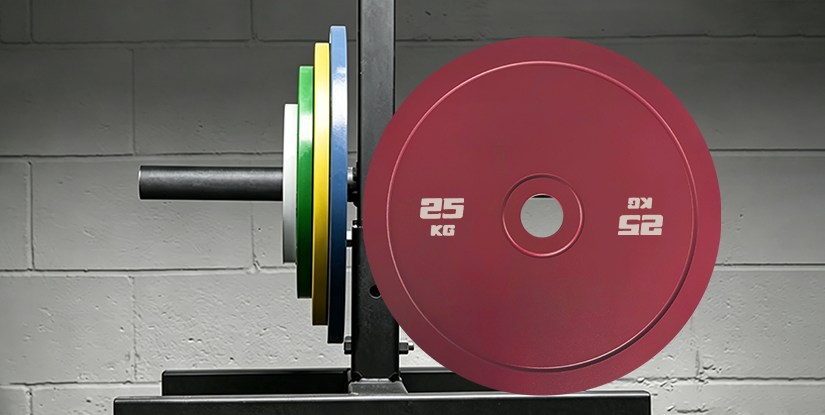
Choosing between these methods allows for better control over your product mix. A China factory capable of both casting and precision machining can serve as a versatile partner, providing budget-friendly options for standard facilities and high-spec units for professional venues. We recommend reviewing the specific manufacturing steps with your supplier to ensure the final product meets your brand's durability standards and prevents common failure modes like uneven wear or weight inaccuracies during heavy usage.
Optimizing TCO Through Quality Control and Logistics Efficiency
For international importers, the true cost of a shipment is not merely the unit price, but the total landed cost, which includes shipping, duties, and the long-term maintenance load. A strategic calibrated weight plate supplier understands that high-precision manufacturing is a tool for reducing replacement frequency. By investing in superior machining and multi-stage coating processes, you reduce the risk of surface oxidation or structural warping, which are common failure modes in lower-tier products. This durability directly improves the ROI for your end-users and protects your brand reputation as a distributor.
Effective sourcing also requires a focus on export-ready quality control. Before any bulk order leaves the China factory, a rigorous pre-shipment inspection must be conducted. This should include a weight tolerance spot-check, a verification of the concentricity of the center bore, and a test of the coating adhesion. Ensuring these standards are met at the source prevents the high costs associated with returns, damaged inventory, or client dissatisfaction. When managing large-scale wholesale orders, these QC steps are non-negotiable for maintaining healthy distributor margins.
Furthermore, logistics efficiency is a critical component of your procurement success. A professional commercial gym equipment OEM will offer optimized export packaging designed to maximize container loading density while protecting the precision surfaces of the plates. Whether you are requesting a custom OEM production run or a standard stock order, clear communication regarding lead times and palletization strategies will help you manage warehouse space and inventory turnover more effectively. We invite you to contact us to request a detailed specification sheet, confirm current MOQ requirements, or schedule a factory audit to ensure our production capabilities align with your commercial requirements.
Commercial Gym Equipment OEM: Custom Branding and Private Label Capabilities
For distributors and large-scale fitness importers, establishing a unique market presence requires more than just standard inventory. Partnering with a professional calibrated weight plate supplier allows you to transition from a simple reseller to a recognized brand owner through high-level commercial gym equipment OEM services. Whether you are launching a premium line or expanding a regional distribution network, professional private label manufacturing provides the control necessary to differentiate your catalog in a competitive landscape.
Our China factory specializes in high-fidelity custom branding that maintains the structural integrity of the steel plates. We offer various methods to integrate your identity into the product, ranging from high-relief logo embossing directly into the cast iron molds to precision silk-screened weight markings. For distributors seeking a more premium aesthetic, we provide extensive color customization options, such as specialized powder coating finishes, ensuring your equipment aligns perfectly with your brand identity and color schemes.
Understanding the logistics of sourcing is critical for maintaining healthy distributor margins. We provide clear frameworks for ODM requests, ensuring that your unique specifications—such as specific plate diameters or specialized coating textures—are documented during the initial design phase. To assist with your inventory planning and cash flow management, we offer scalable MOQ tiers and predictable lead time estimates based on your order volume and customization complexity. This structured approach ensures that your branded stock arrives on schedule and meets the rigorous standards expected by commercial end-users.
Technical Comparison of Customization and Coating Specifications
When evaluating your next batch of high-end inventory, the choice between branding and coating methods directly impacts both the perceived value and the long-term maintenance load for your clients. A professional precision steel plate manufacturer provides several tiers of customization to suit different market segments, from high-traffic commercial gyms to premium studio environments. Selecting the appropriate specification is a vital B2B procurement decision that affects the total cost of ownership and the durability of your branded assets.
The following table outlines the common customization pathways offered by our factory to help you align your product specifications with your target market's requirements.
| Branding & Coating Type | Manufacturing Process | Commercial Duty Tier | Primary Benefit for Importers | Typical QC Focus |
|---|---|---|---|---|
| Embossed Cast Iron | Direct Mold Integration | Standard Commercial | High durability; zero wear on logo | Mold depth and edge clarity |
| Silk-Screened Marking | Precision Surface Printing | Premium/Studio | High visual clarity for weight ID | Ink adhesion and color consistency |
| Powder Coating | Electrostatic Spraying | Standard Commercial | High scratch resistance | Coating thickness and surface smoothness |
| PU (Polyurethane) Coating | Injection or Dip Molding | Premium/High-End | Superior floor protection and grip | Bond line adhesion and layer uniformity |
For buyers focused on high-volume wholesale, embossed branding is often the most cost-effective way to ensure long-term brand recognition, as the logo is part of the steel structure itself and cannot be worn away by heavy usage. Conversely, if your target market is boutique fitness studios, investing in a PU-coated finish provides a premium tactile feel and better noise reduction, which can justify a higher retail price point. When finalizing your sourcing plan, we recommend requesting a sample evaluation for each coating type to confirm that the finish meets your specific durability and aesthetic standards before committing to a full production run.
Quality Control and Export Logistics Management
Maintaining product consistency across large-scale shipments is a primary concern for professional importers. A reliable calibrated weight plate supplier must implement a rigorous quality control framework that begins at the raw material stage and extends through the final container loading. For distributors managing high-volume wholesale accounts, any deviation in weight or surface finish can lead to costly returns and damaged reputation. Our factory mitigates these risks by integrating standardized inspection checkpoints into every stage of the production cycle.
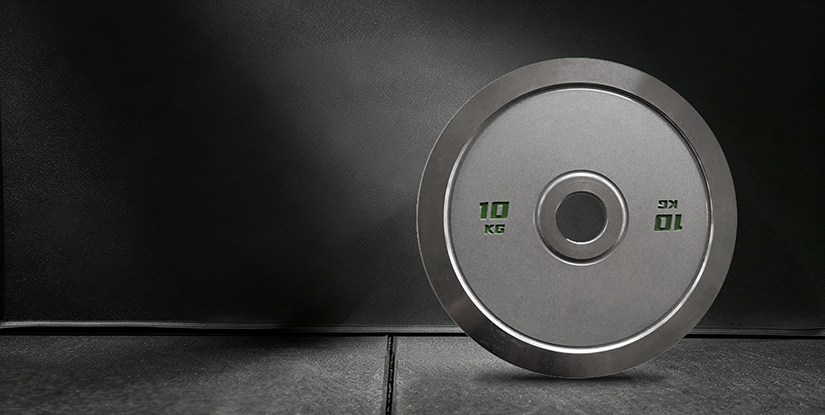
Our pre-shipment inspection protocols are designed to address the specific failure modes common in commercial-grade steel plates. We conduct systematic checks on bore concentricity to ensure seamless fitment on standard bars, as well as weight tolerance spot-checks to verify calibration accuracy. Furthermore, we perform adhesion testing on all powder-coated or PU-coated surfaces to ensure the finish can withstand the high-impact environment of a commercial gym. These technical audits are essential for buyers who require high-performance equipment that meets strict international standards for durability and precision.
To minimize landed cost and prevent damage during transit, we utilize industry-standard export packaging solutions tailored for heavy-duty steel components. Each shipment undergoes a specialized packaging process that includes reinforced corner protection and moisture-resistant wrapping to prevent oxidation during long-sea voyages. We work closely with your logistics provider to optimize container loading efficiency, ensuring that the maximum volume of product is shipped per container without compromising structural safety. Whether you are managing a single MOQ requirement or a massive bulk order, our transparent approach to shipping logistics and quality assurance ensures your inventory arrives ready for immediate commercial deployment.
Factory QC Protocols and Pre-Shipment Inspection for Export Orders
Maintaining strict quality standards is the primary differentiator for a professional calibrated weight plate supplier. For distributors and gym chains sourcing large-scale orders, the risk of receiving inconsistent or poorly finished units can lead to high return rates and damaged brand reputation. A reliable China factory mitigates these risks by implementing rigorous QC protocols that transition from raw material inspection to final pre-shipment verification.
When engaging a precision steel plate manufacturer, B2B buyers must ensure that the production line includes specific checkpoints for weight accuracy and structural integrity. A standard weight tolerance spot-check is essential to verify that each batch meets the agreed-upon specifications before leaving the facility. This level of oversight is particularly critical for a commercial gym equipment OEM, where high-volume shipments require consistent density and finish across thousands of units to ensure professional-grade performance in commercial environments.
Effective procurement management involves more than just negotiating the MOQ; it requires understanding the inspection points that protect your landed cost. During the pre-shipment phase, a thorough factory audit or third-party inspection should focus on the following critical areas:
- Bore concentricity and diameter consistency for smooth barbell loading.
- Surface coating adhesion to prevent premature chipping or oxidation.
- Weight accuracy through randomized sampling and calibrated testing.
- Packaging durability to withstand long-distance sea freight and container loading.
For importers looking to scale, we recommend requesting a detailed inspection report or a sample approval process to confirm that the OEM output aligns with your brand identity and quality expectations.
The final stage of the supply chain determines whether your bulk order arrives as a high-margin asset or a logistical liability. A professional calibrated weight plate supplier understands that the integrity of the product is not just about the metal, but also about the durability of the surface and the efficiency of the logistics. To protect your distributor margins and ensure a low total cost of ownership, the pre-shipment checklist must address both the physical product and the export-ready state of the shipment.
Technical Inspection Checklist for High-Volume Export
Before finalizing the lead time and arranging container loading, a comprehensive technical audit is performed. This ensures that the finished plates meet the high standards expected by professional gym operators. The following technical benchmarks are standard in a high-tier China factory production environment:
- Surface Finish and Coating Adhesion: Verification that the powder coating or paint layer is uniform and adheres tightly to the steel base, preventing peeling during heavy use.
- Concentricity and Flatness: Testing the bore diameter and the concentricity of the center hole to ensure plates sit perfectly flat on Olympic barbells without wobbling.
- Weight Accuracy Verification: Conducting randomized weight checks to ensure the calibrated steel meets the specified weight class within industry-standard tolerances.
- Export Packaging Integrity: Inspecting the strength of the wooden crates or heavy-duty corrugated boxes and the quality of the internal dividers to prevent metal-on-metal friction during sea freight.
Optimizing your sourcing strategy requires looking beyond the initial quote. A thorough inspection of the export packaging and the loading plan is vital for calculating an accurate landed cost. This includes verifying how the weight distribution within a shipping container is managed to prevent damage during transit. For large-scale wholesale orders, we suggest confirming the specific dimensions of the shipping pallets and the total volume (CBM) to streamline your warehouse receiving process and minimize storage friction.
The final stage of the supply chain determines whether your bulk order arrives as a high-margin asset or a logistical liability. A professional calibrated weight plate supplier understands that the integrity of the product is not just about the metal, but also about the durability of the surface and the efficiency of the logistics. To protect your distributor margins and ensure a low total cost of ownership, the pre-shipment checklist must address both the physical product and the export-ready state of the shipment.
Optimizing Landed Cost Through Export Packaging and Logistics Planning
For international distributors and gym equipment importers, the true cost of a shipment is rarely just the unit price. When sourcing high-precision steel products, the calibrated weight plate supplier you choose must offer more than just manufacturing excellence; they must provide strategic value in the supply chain. A professional calibrated weight plate supplier understands that optimizing the landed cost requires a dual focus on product density and container utilization. Without meticulous logistics planning, shipping volume inefficiencies can quickly erode your profit margins during bulk procurement.
Effective export packaging is the most critical variable in reducing your total expenditure. Because weight plates are high-density, low-volume goods, the goal is to maximize the weight-to-space ratio within a standard 20ft or 40ft container. A specialized precision steel plate manufacturer will utilize heavy-duty, reinforced steel pallets or custom-sized wooden crates designed to prevent shifting during sea transit. This prevents both product damage and the "dead space" that leads to wasted freight costs. Furthermore, a commercial gym equipment OEM with experience in global sourcing will offer various packing configurations—such as nested sets or specialized stacking patterns—to ensure your bulk orders reach your warehouse with maximum shipping efficiency.
By partnering with a China factory that integrates logistics planning directly into the production timeline, you can better manage your inventory turnover and cash flow. Whether you are requesting a specific MOQ for a private label run or coordinating a large-scale wholesale distribution, understanding the interplay between pallet dimensions and container capacity is essential for maintaining a competitive edge in your local market.
Packaging Configuration Comparison for Global Distribution
Selecting the correct packaging method is a strategic decision that directly impacts your total expenditure and product integrity. A professional calibrated weight plate supplier will provide different tiers of protection depending on your specific sourcing requirements and budget constraints. While basic packaging may lower the initial unit price, it often increases the risk of surface damage or structural issues during long-distance transit. For high-end commercial gym equipment OEM projects, investing in reinforced configurations is a standard practice to ensure a high-quality arrival for your end users.
| Packaging Tier | Primary Material | Protection Level | Container Loading Efficiency | Ideal Use Case |
|---|---|---|---|---|
| Standard Bulk | Heavy-duty Corrugated Cardboard | Basic (Surface Scratches Only) | High (Standard Stacking) | Budget-focused Wholesale |
| Enhanced Protection | Reinforced Cardboard + Foam Inserts | Moderate (Impact & Scuff Resistance) | Medium (Requires Careful Loading) | Standard Commercial Distribution |
| Premium Export | Reinforced Wooden Crates / Pallets | High (Extreme Transit Durability) | Optimized (Heavy-Duty Stacking) | Premium Private Label Brands |
When evaluating a precision steel plate manufacturer, always inquire about their palletization and container loading optimization protocols. A China factory specializing in high-density steel products should be able to provide a detailed loading plan that accounts for weight distribution and shipping damage prevention. For large-scale wholesale importers, opting for custom-sized wooden pallets can significantly improve stability and reduce the likelihood of dented edges or coating failure. Before finalizing your bulk purchase, we recommend requesting a detailed specification sheet for export packaging to ensure the method aligns with your local warehouse handling capabilities and long-term landed cost targets.
Standardizing QC and Pre-Shipment Inspection Protocols
To maintain high-tier standards for international distributors, a professional calibrated weight plate supplier must implement a rigorous, multi-stage inspection process. Before any bulk shipment leaves the factory, every unit undergoes a strict weight tolerance check to ensure precision meets commercial specifications. This is not merely a cursory glance; it is a critical step in preventing costly returns or client dissatisfaction. A reliable precision steel plate manufacturer typically utilizes calibrated scales and standardized testing environments to verify that each plate falls within the acceptable industry-standard variance. This level of detail ensures that your wholesale inventory maintains its premium reputation upon arrival.
Beyond weight, the pre-shipment inspection must address physical integrity and surface finish. This includes checking for concentricity, plate flatness, and the adhesion of the coating or paint. For a commercial gym equipment OEM, a single batch of improperly finished or uneven plates can damage a distributor's brand identity. Therefore, our China factory protocols include visual inspections for edge defects, bore diameter consistency, and surface smoothness. By addressing these potential failure modes at the source, we mitigate the risks associated with sea freight transit, ensuring that the high-density cargo remains stable and intact throughout the long-haul journey. We recommend that all procurement leads schedule a final inspection or request a detailed QC report to confirm that the MOQ requirements and quality benchmarks are fully satisfied before the container is sealed.