Calibrated Steel Plate Custom Manufacturer: Material
Calibrated Steel Plate Custom Manufacturer: Material and Precision Standards
Selecting a reliable calibrated steel plate custom manufacturer requires a rigorous evaluation of three critical procurement pillars: material integrity, weight consistency, and logistics-ready production. For professional distributors, the risk of sourcing sub-standard units involves not just immediate replacement costs, but the long-term erosion of distributor margins due to uneven weight distribution and premature surface wear. A professional calibrated steel plate custom manufacturer mitigates these risks by implementing strict control over the manufacturing sequence, ensuring that every unit delivered meets the high-performance expectations of a commercial environment.
The foundation of high-performance commercial steel weight plates lies in the selection of high-grade steel. Unlike standard cast iron, precision-engineered plates often utilize solid steel construction to achieve a more compact profile and superior durability. In many professional China factory sourcing scenarios, the process begins with high-quality steel billets that undergo rigorous CNC machining to ensure perfect concentricity and a precise Olympic collar fit. This level of engineering is essential for maintaining the long-term ROI of a commercial facility, as it prevents the mechanical vibrations and uneven wear that occur with lower-tier products.
Achieving professional-grade precision calibration is a multi-stage process that defines the value of the final product. Once the steel plates are machined to the correct dimensions, they undergo a controlled calibration phase where the weight tolerance is strictly monitored. This process is vital for B2B procurement specialists who need to guarantee that a set of weights remains uniform across a full inventory. A professional OEM steel plate factory will integrate these calibration steps into their standard production line, rather than treating them as an optional add-on, to ensure that the final landed cost reflects a product capable of enduring heavy commercial usage.
Technical Specifications and Material Tiers
To assist in your sourcing decisions, the following table outlines the typical qualitative differences between material tiers found in the industry. This comparison focuses on the technical execution required to ensure commercial-grade reliability.
| Material Type | Primary Process | Key Component/Feature | Commercial Duty | Factory QC Point |
|---|---|---|---|---|
| High-Grade Steel | CNC Machining | Precision Bore/Concentricity | Premium/Professional | Bore Diameter Accuracy |
| Industrial Steel | Machining & Coating | Powder Coating Layer | Standard Commercial | Coating Adhesion |
| Standard Cast Iron | Sand Casting | Surface Flatness | Budget/Light Commercial | Weight Tolerance Spot-check |
When managing large-scale B2B procurement, understanding these distinctions helps in forecasting total cost of ownership. For instance, while a standard casting process may offer a lower initial wholesale price, the long-term maintenance and replacement frequency may impact the overall durability and profitability of a gym franchise. Choosing a factory that prioritizes precision machining and high-grade steel ensures a more stable product lifecycle for your clients.
" }Material Selection and Surface Treatment Protocols
A professional calibrated steel plate custom manufacturer must maintain strict control over the chemical and physical properties of the steel to ensure consistent behavior under heavy load. For high-end commercial procurement, the selection typically moves beyond basic iron to high-grade steel, which allows for much tighter tolerances during the CNC machining stage. This precision is what separates a high-performance unit from standard equipment, specifically regarding the concentricity of the central bore and the flatness of the plate face. When conducting a factory audit, it is common to inspect the thickness and uniformity of the coating, as this directly impacts the long-term durability and resistance to oxidation in humid gym environments.
Surface treatments are not merely aesthetic; they are functional components of the product's engineering. A leading OEM steel plate factory will offer several distinct finishes based on the intended commercial application. For example, high-density powder coating provides a robust, scratch-resistant barrier that is standard for many premium commercial steel plates. In more specialized high-traffic settings, manufacturers may utilize specialized coating processes to enhance grip and protect the internal steel structure. Understanding these material-to-process relationships is essential for distributors to provide accurate technical guidance to their end-users and to manage long-term replacement planning.
Quality Control and Export Inspection Standards
For overseas distributors and importers, the reliability of a China factory sourcing partner is validated through specific pre-shipment inspection (PSI) protocols. Rather than relying on general claims, professional B2B procurement specialists should request documentation or visual verification regarding the weight calibration and surface integrity of the batch. A high-standard supplier will conduct specific checks on the coating adhesion and the smoothness of the Olympic collar fit to ensure there are no mechanical obstructions or unevenness that could damage high-end barbell sleeves.
Effective sourcing also requires a focus on export-ready packaging to protect the precision-engineered surfaces during long-distance transit. This includes inspecting the thickness of the protective layers and the stability of the shipping crates. By confirming these technical details—ranging from the precision of the machining to the robustness of the export packaging—importers can minimize the risk of transit-related damage and ensure that the landed cost remains optimized through reduced return rates and high customer satisfaction. When evaluating your next order, we recommend requesting a sample or a detailed specification sheet to confirm that the material and coating standards align with your brand's quality requirements.
Precision Machining and Surface Finishing Processes
For distributors and professional importers, the difference between standard stock and high-tier inventory lies in the technical precision of the production line. A professional calibrated steel plate custom manufacturer must move beyond basic casting to incorporate advanced CNC machining to ensure every unit meets strict commercial standards. When sourcing in bulk, understanding these mechanical requirements is essential for managing long-term replacement cycles and maintaining equipment integrity.
The manufacturing sequence begins with high-grade steel or gray iron casting, which is then transitioned to a precision machining phase. During this stage, the central bore undergoes rigorous processing to ensure perfect concentricity. This ensures that the plate sits perfectly balanced on a barbell without wobbling, a critical factor for high-end training environments. Once the structural dimensions are set, the units move to a specialized weight calibration station, where the final mass is verified to meet the requested specifications before any coating is applied.
To protect the metal from oxidation and enhance aesthetic value, commercial steel weight plates typically undergo a multi-step surface treatment. This commonly includes a phosphate treatment to prepare the surface, followed by a durable powder coating or a high-grade enamel finish. For OEM orders requiring specific branding, the factory ensures that the coating adhesion is sufficient to withstand heavy use without chipping. For large-scale wholesale procurement, these finishing steps are vital to reducing the TCO (Total Cost of Ownership) for the end-user by minimizing maintenance needs.
Quality Control and Export Packaging Standards
The final stage of production is where the reliability of an OEM steel plate factory is truly proven. Before any units are cleared for international shipping, a rigorous pre-shipment QC process is executed. This involves a systematic inspection of the surface finish to detect any flaws in the powder coating or inconsistencies in the surface finishing. Quality control teams typically check for coating adhesion strength and ensure the weight tolerance remains consistent across the entire batch. For professional buyers, this level of scrutiny minimizes the risk of receiving defective goods that could damage a distributor's reputation or increase replacement costs.
Once the technical inspection is complete, the export packaging protocol begins. Because these products represent significant weight and high density, the packaging must be robust enough to endure long-distance sea freight and multiple handling stages. A reliable China factory will utilize heavy-duty corrugated cartons, reinforced palletizing, and edge protectors to prevent impact damage during transit. For high-volume wholesale orders, the factory may also implement customized pallet dimensions to optimize container loading efficiency, effectively reducing the landed cost for the importer. Ensuring that the calibrated steel plate custom manufacturer manages both the technical calibration and the logistical protection of the goods is essential for a successful global supply chain partnership.
Technical Comparison of Finishing Processes for Procurement Decision-Making
Selecting the correct finish is a critical decision for professional buyers, as it directly influences the maintenance load and the long-term durability of the inventory. When negotiating with a calibrated steel plate custom manufacturer, it is essential to evaluate how different surface treatments impact both the initial purchase price and the total cost of ownership. The following table provides a qualitative comparison of common finishing options used in commercial-grade production to assist in your sourcing strategy.
| Finishing Type | Process Detail | Commercial Durability | Maintenance Requirement | Sourcing Impact |
|---|---|---|---|---|
| Phosphate & Bare Finish | Chemical de-rusting and thin phosphate layer | Standard/Budget | Moderate (Requires periodic oiling) | Lower wholesale cost; higher replacement risk |
| Powder Coating | Electrostatic application and heat-cured drying | High/Commercial | Low (Highly resistant to oxidation) | Balanced MOQ and durability ratio |
| Polyurethane (PU) Coating | High-grade liquid or molded encapsulation | Premium/High-End | Very Low (Excellent floor protection) | Higher initial landed cost; ideal for premium studios |
| Black Enamel Paint | Liquid spray application with industrial drying | Mid-Tier | Moderate (Susceptible to chipping over time) | Common for OEM standard equipment lines |
For distributors managing large-scale gym installations, opting for a commercial steel weight plates specification with powder coating or PU encapsulation often yields a better return on investment. While these premium finishes may increase the initial wholesale price, they significantly reduce the frequency of replacement and the labor costs associated with maintenance. We recommend requesting a sample evaluation or a detailed specification sheet from your supplier to verify the coating adhesion and texture before finalizing any bulk orders.
Commercial Steel Weight Plates: Comparing Material Tiers
Effective procurement for high-traffic fitness facilities requires a precise understanding of the engineering hierarchy used by a professional calibrated steel plate custom manufacturer. When sourcing at scale, distributors must differentiate between standard cast products and precision-machined units to manage total cost of ownership and equipment lifespan. Selecting the wrong material tier can lead to increased maintenance cycles or uneven weight distribution during heavy lifting, impacting the long-term value of your inventory.
For high-end studio environments or competitive training centers, relying on a commercial steel weight plates specification that ignores precision machining can result in inconsistent loading experiences. Professional buyers typically categorize these products by their manufacturing route—moving from basic casting to high-tolerance machining—to align with their specific market positioning and MOQ requirements.
Material and Engineering Comparison for B2B Sourcing
| Material Tier | Primary Process | Typical Use Case | Commercial Durability | Sourcing Profile |
|---|---|---|---|---|
| Cast Iron | Sand Casting | Standard Commercial Gyms | High (Impact Resistant) | High Volume / Lower wholesale cost |
| Solid Steel | Machining & Calibration | Premium Strength Training | Very High (Precision Focus) | Specialized OEM orders |
| Steel with Coating | Machining & Powder Coating | Full-Service Fitness Clubs | High (Corrosion Resistant) | Standard China factory output |
Understanding these distinctions is vital when working with an OEM steel plate factory to ensure the final product meets the structural demands of your target market. While cast iron offers excellent value for bulk sourcing, machined steel provides the dimensional stability required for advanced calibration-heavy training. Most distributor models rely on a mix of these tiers to balance initial landed costs with long-term product reliability.
Surface Treatment and Manufacturing Specifications
A critical technical distinction for professional buyers is the relationship between the base metal and the applied finish. A professional calibrated steel plate custom manufacturer must ensure that the surface treatment does not compromise the structural integrity or the precision of the weight calibration. For instance, while heavy-duty powder coating enhances durability, it must be applied through a controlled process to avoid adding unintended weight variables that could impact the accuracy of the plate.
During the procurement process, importers should evaluate the depth of the manufacturing chain. A high-tier OEM steel plate factory typically utilizes a sequence involving precision CNC machining to establish the core dimensions, followed by specialized surface treatments such as phosphate treatment or high-grade powder coating. This ensures both the aesthetic requirements for a private label brand and the essential resistance to oxidation in high-humidity commercial environments. When evaluating your next batch, verify if the coating adhesion is tested to prevent chipping during high-volume usage, which can increase long-term maintenance costs.
For those managing large-scale distribution, the choice between a simple paint finish and a more robust polyurethane or powder coating is often a trade-off between initial landed cost and long-term durability. We recommend requesting a specification sheet to confirm the exact manufacturing route—ensuring that the weight calibration occurs after the primary machining stages to maintain the highest standards of accuracy for your commercial steel weight plates order.
Technical Specifications and Pre-Shipment Inspection
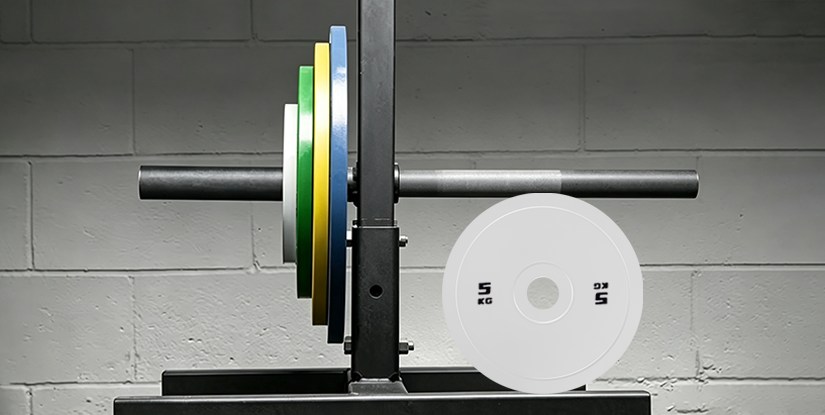
For professional importers, the final stage of the manufacturing sequence is as critical as the initial material selection. A reputable calibrated steel plate custom manufacturer does not merely ship finished goods; they implement a rigorous technical audit to ensure that the weight calibration remains intact after surface treatments. In many commercial settings, the transition from machining to powder coating or plating can introduce slight variations. Therefore, a high-standard OEM steel plate factory will perform a final weight tolerance spot-check after the coating process to ensure the plates meet the agreed-upon specifications before they are cleared for export.
Beyond weight accuracy, the durability of your commercial steel weight plates depends on the precision of the bore and the quality of the surface bond. During a factory audit or a pre-shipment inspection, procurement leads should focus on several technical indicators: the concentricity of the center hole, the smoothness of the plate edges, and the adhesion of the coating. A failure in the bonding process can lead to premature chipping or corrosion, which increases the maintenance load for the end-user and diminishes the long-term ROI for the distributor. Ensuring these quality control steps are integrated into the standard production flow is essential for maintaining a premium brand identity.
When managing bulk logistics, we advise buyers to confirm that the factory utilizes specialized export packaging designed to protect the finished surfaces during ocean transit. For large-scale wholesale orders, the stability of the palletized load and the protection of the plate edges are vital to minimizing damage-related claims. If you are looking to optimize your sourcing strategy, we suggest requesting a sample for evaluation or arranging a remote factory inspection to verify these specific quality control protocols before finalizing your purchase order.
China Factory QC: Ensuring Bore Concentricity and Flatness
Precision in engineering is the primary differentiator between high-tier commercial equipment and budget alternatives. For distributors and gym operators, sourcing from a professional calibrated steel plate custom manufacturer ensures that every unit meets strict structural requirements. When managing large-scale commercial gym procurement, the technical focus must shift from simple weight accuracy to the mechanical stability of the plate during high-intensity use.
Mechanical failure or uneven weight distribution often stems from poor machining standards. A reliable OEM steel plate factory implements rigorous technical checkpoints to address two critical variables: bore concentricity and surface flatness. Without these, plates may wobble on the barbell or create uneven pressure on the loading sleeves, increasing wear on expensive bar bells and compromising user safety.
Technical Standards for Bore and Surface Integrity
In a professional China factory environment, the production of commercial steel weight plates follows a specific sequence: casting, followed by precision CNC machining of the center bore and the outer diameter. High-quality calibrated steel plate custom manufacturer operations prioritize the concentricity of the center hole to ensure a smooth, centered fit on Olympic barbells. If the bore is even slightly off-center, it creates kinetic instability that can damage high-end barbells and increase maintenance costs for the facility.
Surface flatness is equally vital for commercial durability. A plate with inconsistent flatness will not sit flush against other plates on a bar, leading to "chatter" or uneven movement during heavy lifts. During the sourcing process, procurement leads should verify that the factory utilizes advanced machining stages to ensure the face of the plate is level. This precision minimizes the vibration and impact force transferred to the rack or barbell, extending the lifespan of the entire strength training ecosystem.
Standard China factory QC protocols for premium steel plates typically include visual inspections of the edge profile and manual or mechanical checks for thickness consistency. For wholesale buyers, requesting documentation regarding the machining tolerances for the center bore is a recommended step to ensure the product meets the rigorous demands of a professional training environment.
Optimizing the Production Sequence for Precision
To achieve professional-grade results, a high-end OEM steel plate factory must move beyond basic casting. The production of commercial steel weight plates begins with high-grade steel stock, which is then subjected to intensive CNC machining. This stage is critical for defining the center bore and the outer diameter, ensuring the plate maintains strict geometry. In many professional settings, the sequence follows a path of casting, followed by precision machining to refine the thickness, and finally, a weight calibration stage to confirm the final mass meets the specified target weight.
During the sourcing phase, importers should look for manufacturers that integrate weight calibration as a standard part of their workflow rather than an afterthought. This process involves fine-tuning the plate's mass through controlled metal removal or secondary machining, ensuring that the final product is balanced and stable. This technical rigor directly impacts the long-term total cost of ownership (TCO), as perfectly balanced plates reduce the mechanical stress on barbell sleeves and barbell coatings, lowering the frequency of replacement and maintenance for the end-user.
For buyers managing large-scale orders, understanding the relationship between the machining process and the lead time is essential. Complex, multi-stage precision machining can extend the production cycle, but it is a necessary trade-off for high-performance equipment. When negotiating with a supplier, it is recommended to request a detailed production timeline that accounts for both the CNC machining stages and the final QC inspections to ensure your delivery schedule remains predictable.
Standard Cast Iron vs. Precision Machined Steel
When managing the inventory of a professional facility, the choice between standard casting and high-precision machining dictates both the upfront wholesale cost and the long-term maintenance load. While basic casting is efficient for high-volume production, professional procurement requires a deeper understanding of how machining affects the mechanical performance of the equipment. A professional calibrated steel plate custom manufacturer will offer tiered options based on these manufacturing routes to suit different commercial use cases.
| Material | Process | Key Component | Commercial Use | MOQ Impact | Factory QC Point |
|---|---|---|---|---|---|
| Cast Iron | Sand Casting | Rough Bore | Budget/Standard Gyms | Lower | Surface Imperfections |
| Solid Steel | CNC Machining | Precision Center Bore | Premium/Competition | Higher | Bore Concentricity |
| Steel/Iron Hybrid | Casting + Finishing | Coating Adhesion | High-Traffic Commercial | Moderate | Edge Smoothness |
For distributors looking to optimize their sourcing strategy, the decision often rests on the balance between volume and technical precision. For instance, standard cast plates are excellent for general strength areas where durability is the main focus, but they may lack the concentricity required for high-end barbell setups. Conversely, choosing a calibrated steel plate custom manufacturer that specializes in precision-machined units ensures that the center bore and outer diameter are perfectly aligned, reducing the risk of barbell wear and improving the overall user experience in premium training environments. It is recommended to confirm the specific machining stages and the resulting tolerance levels when requesting a quote for commercial steel weight plates.
OEM and Private Label Capabilities for Global Distributors
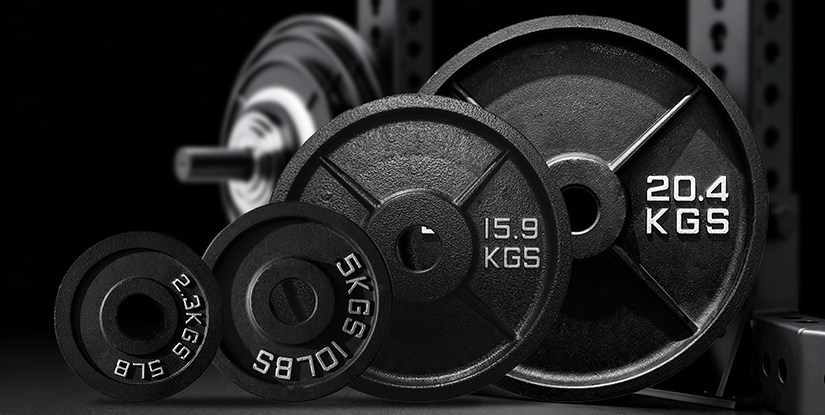
Transitioning from generic stock to a specialized product line requires a reliable calibrated steel plate custom manufacturer capable of handling complex branding requirements. For global distributors seeking to strengthen their market position, moving beyond standard inventory toward a private label model is a strategic necessity to build long-term brand equity and customer loyalty.
Our OEM and ODM services are designed to bridge the gap between high-volume production and high-end identity. We provide comprehensive solutions that include custom specifications for weight tolerances, diameter precision, and surface finishes. Whether you require specific embossed logos, laser-etched markings, or unique color-coded coating systems, our factory maintains the technical flexibility to meet your exact standards. This capability allows distributors to offer a premium, branded experience while leveraging the cost efficiencies of direct sourcing from a specialized China factory.
Partnering with a professional calibrated steel plate custom manufacturer ensures that your proprietary designs are executed with industrial consistency. We manage the entire transition from initial technical drawing to final export packaging, ensuring that your brand identity remains intact through every stage of the manufacturing process.
Customization depth is a critical factor in determining the profitability of a specialized product line. When sourcing commercial steel weight plates, professional buyers must evaluate whether a supplier can handle specific technical adjustments beyond simple surface decoration. A high-tier OEM partner offers more than just logo placement; they provide the ability to modify the core production parameters to suit your target market's specific needs.
Strategic Customization and Production Scalability
For distributors managing a wide range of product tiers, the ability to implement private label solutions across different material qualities is essential. We offer various levels of customization, ranging from standard color-coded coatings to specialized high-precision machining for professional-grade equipment. This flexibility ensures that your brand can compete in both the standard commercial gym segment and the premium boutique studio markets without the need for multiple sourcing partners.
| Customization Level | Branding Method | Technical Detail | Typical MOQ |
|---|---|---|---|
| Standard Commercial | Embossed/Cast Logo | Standard Diameter & Bore | Higher |
| Premium Distributor | Laser-Etched Markings | Precision Machined Surfaces | Medium |
| Full Private Label | Custom Color/Coating | Custom Weight Increments | Lower |
Understanding the production cycle for these specialized orders is vital for effective inventory planning. While standard stock orders move through the factory with high velocity, a full ODM project involving custom casting molds or unique coating requirements will naturally involve an extended lead time. We recommend early-stage consultation to align your technical specifications with our China factory capabilities, ensuring that your custom commercial steel weight plates arrive on schedule for your seasonal launches or gym openings.
Effective procurement planning requires a clear understanding of how customization affects your total landed cost and inventory turnover. When negotiating with an OEM steel plate factory, buyers must weigh the benefits of speed against the long-term value of a specialized product line. A structured approach to deciding between standard wholesale and customized production helps maintain healthy distributor margins while meeting specific market demands.
Customization Tiers and Procurement Decision Matrix
The following comparison outlines the operational differences between standard procurement and specialized branding. This guide helps procurement managers determine the most efficient path based on their current scale and the complexity of their required commercial steel weight plates.
| Procurement Tier | Customization Scope | Production Complexity | Ideal For | Lead Time Impact |
|---|---|---|---|---|
| Standard Wholesale | Standard diameter, bore, and finish | Low (Existing molds) | Immediate stock replenishment | Minimal (Standard shipping) |
| Mid-Tier Branding | Color-coded coatings and embossed logos | Medium (Surface treatments) | Distributors with established lines | Moderate (Batch processing) |
| Full Customization | Unique dimensions, custom weight increments, and specialized finishes | High (New molds and CNC machining) | Premium brands and large-scale gym chains | Significant (New production cycles) |
When evaluating your next order, consider that while higher customization levels allow for a more distinctive market presence, they also require a more rigorous QC process to ensure consistency across custom-made components. For high-volume wholesale buyers, we recommend a phased approach: start with standard specifications to stabilize your supply chain, then transition to specialized ODM projects as your brand identity and market share expand. To ensure your technical requirements align with our current production capacity, we invite you to contact us to request a detailed spec sheet or confirm the MOQ for your specific customization tier.
Bulk Sourcing and Export Logistics Optimization
For international distributors and gym equipment importers, managing a complex supply chain requires more than just finding a product; it requires a reliable calibrated steel plate custom manufacturer capable of maintaining consistency across large-scale orders. When managing commercial gym procurement, the ability to balance high-volume demand with strict weight tolerances is critical to maintaining your brand reputation and avoiding costly returns or customer dissatisfaction.
Navigating the complexities of wholesale procurement often involves managing variable lead time expectations and minimum order requirements. A professional OEM steel plate factory provides the necessary stability by offering predictable production cycles and scalable MOQ options tailored to your specific market entry or expansion strategy. Whether you are sourcing single-spec batches or diverse commercial steel weight plates for a complete facility build-out, working directly with a China factory ensures better control over landed costs and product uniformity.
Establishing a partnership with an experienced supplier allows you to integrate custom branding or specialized finishes into your product line, turning a standard commodity into a signature offering. By aligning your sourcing strategy with a manufacturer that understands global export standards, you can optimize your inventory turnover and ensure that your bulk shipments arrive with the expected structural integrity and finish quality.
Customization and Production Scalability
Scaling a fitness brand requires a partner that offers more than just standard stock. A professional calibrated steel plate custom manufacturer provides comprehensive OEM and ODM capabilities, allowing distributors to move beyond generic products toward specialized, high-margin offerings. This includes implementing custom branding such as precision-embossed logos or unique color-coded finishes that align with your brand identity. Such differentiation is essential for maintaining a competitive edge in the premium commercial market.
Effective production capacity management is the cornerstone of a successful long-term partnership. A high-tier OEM steel plate factory maintains optimized production lines to handle sudden spikes in demand without compromising on technical specifications. For large-scale distributors, this means consistent output of commercial steel weight plates that meet the same strict calibration standards, whether the order is for a single boutique studio or a multi-facility gym chain. This level of reliability reduces the risk of batch-to-batch weight variance, a common failure mode in lower-tier sourcing.
To ensure seamless international logistics, our factory-direct approach integrates rigorous quality control at every stage of the manufacturing sequence. From the initial raw steel selection and precision machining to the final surface coating and weight verification, each step is monitored to prevent defects. We recommend that buyers confirm their specific MOQ and request a detailed technical spec sheet during the initial sourcing phase to ensure all material and finish requirements are fully aligned before production begins.
Sourcing Model Comparison: Direct Factory vs. Trading Company
Professional procurement managers must evaluate the long-term impact of their choice between a direct factory and a third-party trader. While trading companies may offer a broader product catalog, a dedicated calibrated steel plate custom manufacturer provides a significant factory-direct advantage regarding technical precision and landed cost optimization. For high-volume commercial steel weight plates, sourcing directly from the source minimizes the layers of markup and improves the visibility of the production timeline.
The following table outlines the typical differences in sourcing efficiency and control between these two models:
| Sourcing Model | Primary Advantage | Typical MOQ | Control Over OEM/ODM | Landed Cost Impact |
|---|---|---|---|---|
| Direct factory | Technical precision and direct sourcing | Higher/Tier-based | High (Direct OEM/Customization) | Optimized/Lower |
| Trading Company | Product variety and low-volume flexibility | Lower/Retail-friendly | Limited (Standardized stock) | Higher (Includes middle-man margins) |
When evaluating your next bulk order, we recommend requesting a comprehensive factory audit and a sample approval process. For distributors focused on high-margin wholesale distribution, working with a specialized OEM steel plate factory ensures that your lead time and logistics optimization are managed with professional-grade expertise, reducing the risk of unexpected shipping delays or quality discrepancies at the port of entry.